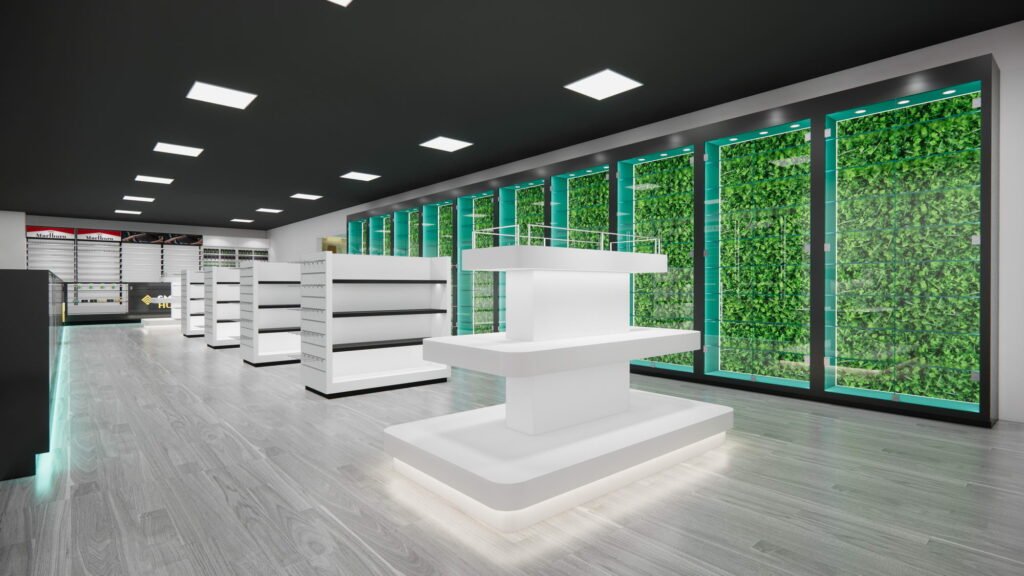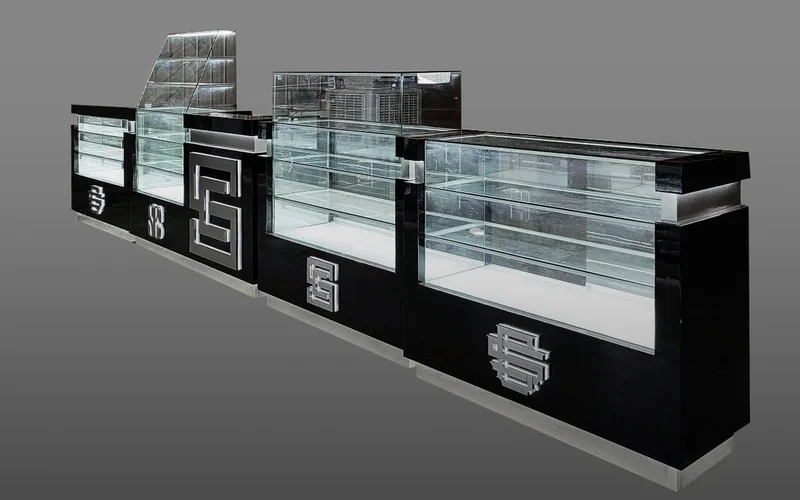
Wig retailers usually combine a wall system for the main range with a small number of mannequin-head displays, feature stands, accessory shelves, and a private fitting area. The right mix depends on how customers compare styles, how many samples must stay visible, and how staff clean and restock each unit. This guide compares the main types of wig display fixtures for wig retailers and gives buyers a practical way to specify them without assuming that one fixture fits every assortment.
Start with the customer journey: discover a style, compare color and length, ask for help, try or inspect a sample, then complete a fitting or purchase. Map fixtures to those steps before choosing finishes. For a wider store-planning view, see our wig store design and fixtures guide and wig display collection.
Match each fixture to a merchandising job
A wig shop has more presentation needs than simply hanging products on a wall. A retailer may show ready-to-wear wigs, lace-front styles, hairpieces, extensions, care products, and accessories. Some pieces are samples for consultation; others are packaged inventory. The fixture plan should make those roles easy to recognize while leaving staff enough room to help customers. In practice, retailers may pair wig display heads with labeled wig wall display panels so shoppers can compare sample silhouettes without confusing them with boxed stock.
Group the assortment by the way shoppers make decisions: cap construction, style, length, color family, intended use, or price band. Keep the same organizing logic on signs, shelves, sample labels, and the inventory list. The layout will be easier to maintain when a new style arrives or a sample is temporarily away for fitting.
| Fixture type | Best suited to | Buyer checks |
|---|---|---|
| Wall display panels or bays | Showing a broad, organized sample range while using vertical space | Mounting method, usable width, adjustment options, label positions, and how staff reach the upper and lower zones |
| Mannequin-head stands | Showing the shape, hairline, volume, and styling of selected wigs | Base stability, head compatibility, cleaning access, spacing, and whether the stand can be moved safely |
| Freestanding feature units | Highlighting new arrivals, seasonal themes, or a small curated group | Footprint, visibility from aisles, replenishment access, and whether customers can approach from the intended sides |
| Extension and accessory shelving | Grouping add-on products near related styles or consultation points | Package dimensions, shelf lips or dividers, category labels, and a clear separation from full wig samples |
| Glazed or staff-controlled cases | Displaying selected samples or higher-value merchandise where controlled access is part of the store policy | Door swing, lock and key routine, glare, cleaning, staff sightlines, and the time needed to serve a customer |
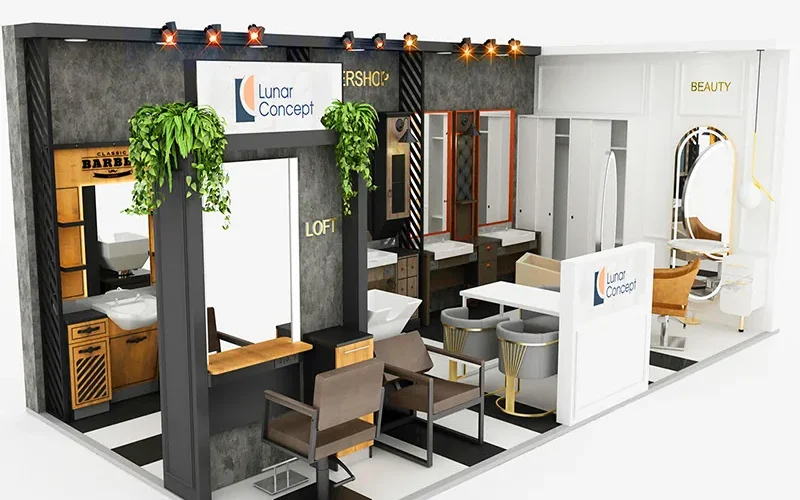
| Fitting mirrors and consultation stations | Supporting one-to-one comparison, adjustment, and customer decisions | Lighting color, mirror angle, seating, privacy, storage for clips or tools, and circulation around the station |
Plan a wall system around the sample range
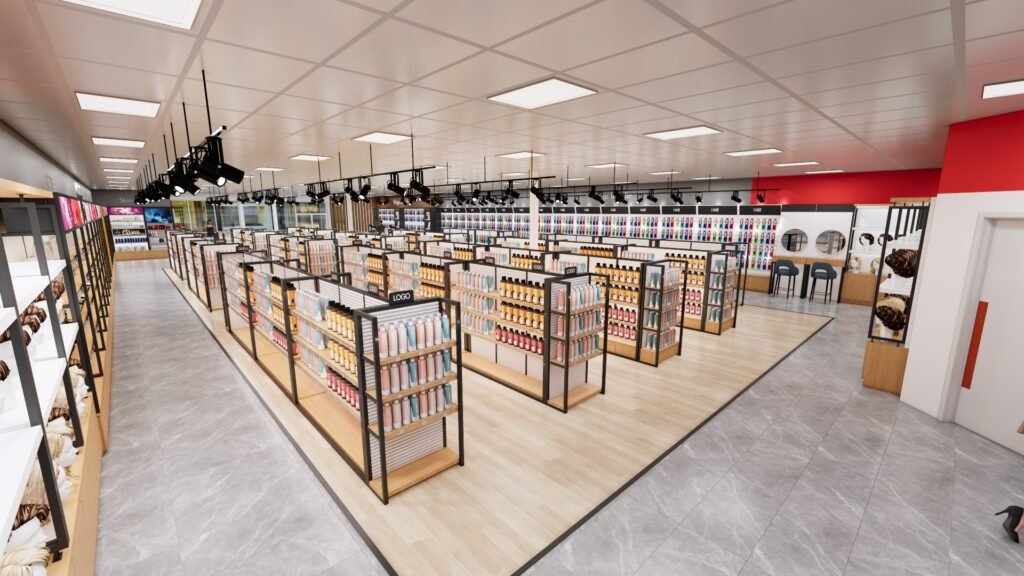
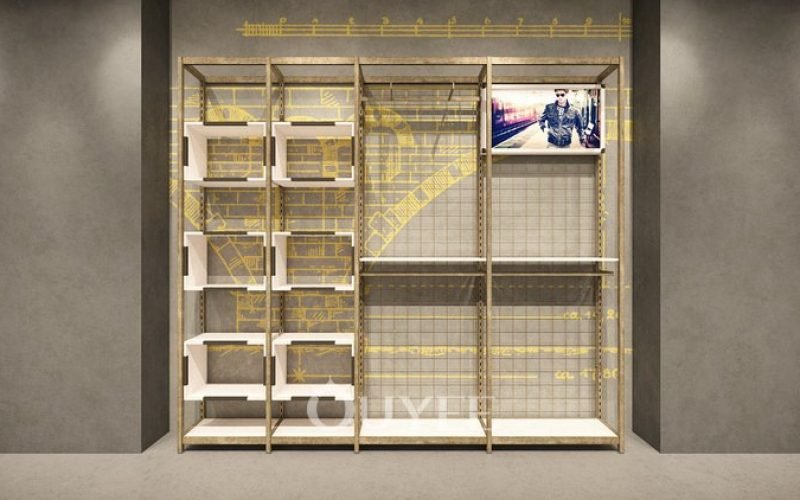
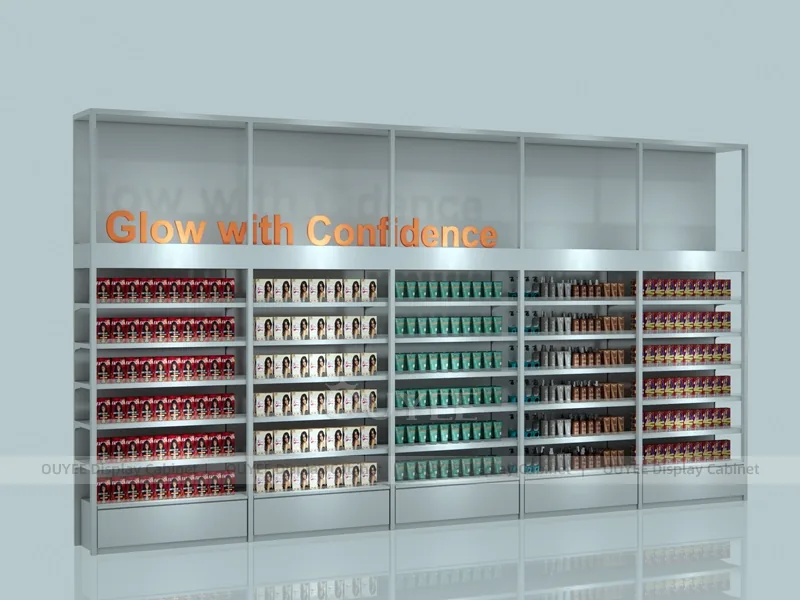
A wig wall can make a large selection easier to scan, but only if the display sequence is consistent. First measure the available wall, including doors, switches, radiators, columns, and any trim that prevents a panel from sitting flat. Record the usable area rather than the full wall width. Then map sample positions and labels to the chosen grouping system.
Ask the design team to show how the wall will be fixed to the actual substrate. The attachment method depends on the wall construction and the fixture design; do not assume that a photo or a generic load claim answers the installation question. Have the supplier identify the fixing locations, installation responsibility, and any site preparation required. For rented premises or older buildings, confirm who is authorized to drill or modify the wall.
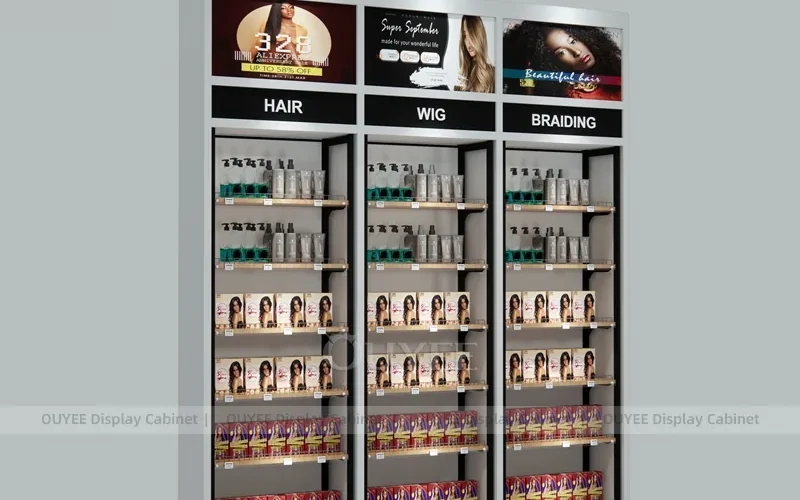
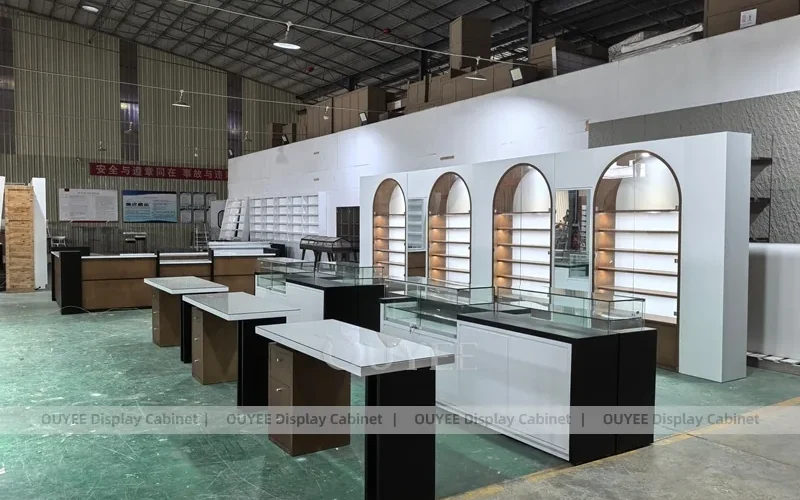
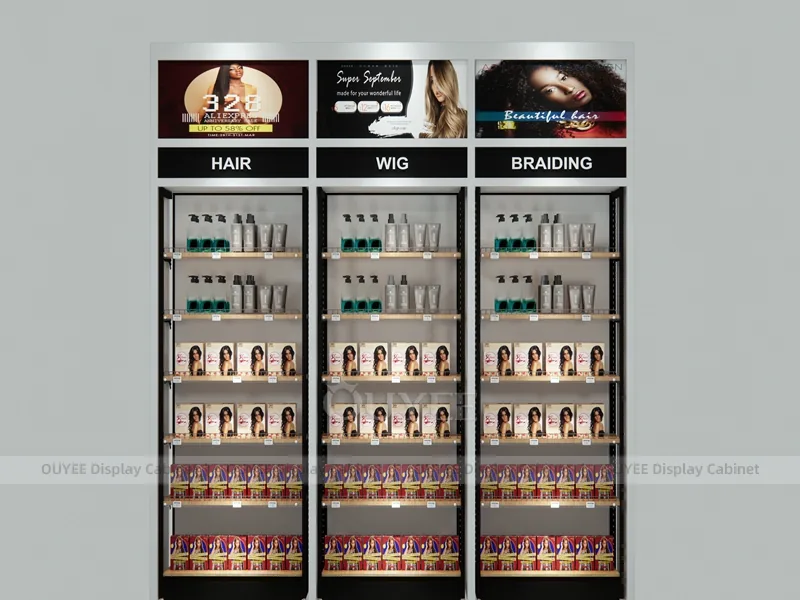
Our black framed hair wig wall display is a real product reference for discussing a structured wall presentation. Its photographs show one example, not a guaranteed dimension, capacity, or specification for another project. Provide the retailer’s actual sample sizes and desired spacing when requesting a drawing.
Use mannequin-head displays selectively
A mannequin-head stand gives customers a quick view of how a style sits when worn. It can help communicate silhouette, parting, fringe, curl, and overall length more clearly than a package photo. The tradeoff is space: each fully styled sample uses more visual area than a compact wall position, and every exposed sample needs routine care.
Choose a small set of representative styles for front-facing feature positions, then keep the rest of the range in a repeatable wall or shelf system. If staff regularly change the displayed styles, document where each head belongs and how it is cleaned. Avoid placing a tall display where it blocks a mirror, signage, staff view, or a customer’s route. Stable placement matters more than filling every corner with another stand.
Make the fitting and consultation zone comfortable
Customers may want to compare color, length, and fit with help from a stylist or store associate. Put the mirror and consultation seat where staff can talk without standing in the main browsing path. Decide where clips, combs, care products, sample cards, and personal belongings go. Keep the area orderly so that a fitting does not require staff to leave the customer to search for basic tools.
Lighting should help customers see the product without making color appear misleading. Review sample colors in the actual room lighting and, when important, under more than one light condition. Ask the supplier or lighting professional to identify the proposed light source and its service access; do not claim color accuracy based on a rendering alone. Give customers enough room to turn, sit, and view the mirror without colliding with the next display.
For U.S. projects, the U.S. Access Board guide to clear floor space and turning space explains where those provisions apply at accessible elements and in specific rooms. The U.S. Department of Justice 2010 ADA Standards is the primary standard text. Have the project’s qualified design professional determine which requirements apply to a particular retail space and fitting room; this article is not a code interpretation.
Specify materials and daily care before ordering
Retail fixtures may combine metal, wood-based panels, glass, acrylic, mirrors, lighting, and printed graphics. The exact materials should be listed in the supplier’s proposal rather than inferred from a photograph. Ask for the substrate and finish names, visible edge treatment, hardware, glass or mirror type where relevant, cleaning instructions, and a process for approving color and sheen.
Wig fibers and lace can catch on rough edges, exposed fasteners, or damaged surfaces. Ask the supplier to show how display contact points are finished and how staff can clean or replace components. For shelves, specify the product packages and sample bases that will actually sit there. A buyer should compare usable shelf dimensions, not only the outside width of the cabinet.
Plan maintenance around the store’s normal routine. Identify which shelves lift out, which labels can be replaced, where light drivers are reached, and whether the display can be moved for cleaning without disconnecting anything. If the shop expects seasonal layout changes, agree which parts are modular and whether extra brackets, hooks, or graphic holders are included.
Prepare a useful request for quotation
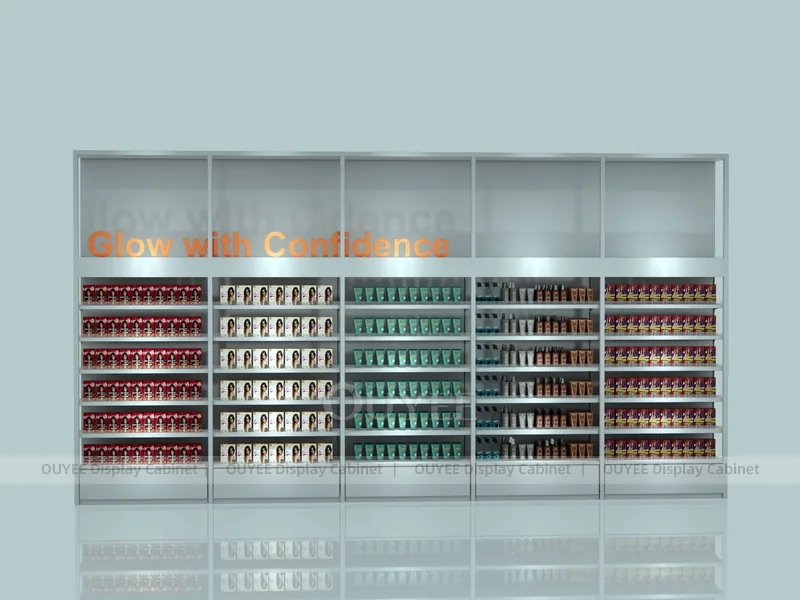
A short, measured fixture brief makes supplier responses easier to compare. Send the same information to every bidder and ask them to mark assumptions or exclusions. This avoids comparing one complete proposal with another that omits installation or finish approval.
| RFQ item | Information to provide or request | Why it matters |
|---|---|---|
| Plan and dimensions | Measured wall, floor plan, ceiling height, doors, power points, and intended clear paths | Confirms fit and identifies site conditions before production |
| Merchandise schedule | Sample count, head or base type, package sizes, accessories, and which items are stored out of sight | Lets the supplier design usable positions rather than generic shelves |
| Finish and build | Material names, finish samples, visible edge details, hardware, mirrors, and any glass | Makes appearance and maintenance expectations reviewable |
| Operations | Cleaning, replenishment, label changes, lighting service, and staff access | Shows whether the fixture can be maintained during normal trading |
| Delivery and approvals | Drawings, sample or first-unit review, packing, shipping, assembly, installation, and exclusions | Clarifies handoffs and helps compare the full project scope |
Ask suppliers to return a dimensioned plan and elevations, a fixture schedule, finish samples, and a written list of included work. For a custom wall, agree how the first drawing and finish are approved. If the project has several stores, record which dimensions vary by site and which components remain common.
Common buying mistakes to avoid
- Choosing fixtures from a product photo before measuring the actual wall and customer route.
- Showing every style on a mannequin head, which can consume the space needed for browsing and fitting.
- Mixing samples, boxed stock, care products, and accessories without labels or a restocking rule.
- Assuming one lighting setup will represent every wig color accurately in every room.
- Approving a custom finish from a screen image without a sample under the store’s lighting.
- Ignoring cleaning access, replacement parts, and the staff routine for moving or securing samples.
- Treating a supplier photograph as proof of capacity, dimensions, wall fixing, or included installation.
For broader layout inspiration, read wig shop design ideas and our wig shop interior design guide. Those pages address the wider room and shopping experience. Retailers comparing project partners can also review the wig shop design company shortlist; this article focuses on fixture formats and the information needed to specify them.
Accessibility reference for fixture placement
Fixture placement affects whether customers can approach and use the elements the project identifies as accessible. The U.S. Access Board video below demonstrates wheelchair maneuvering, clearances, floor surfaces, and reach ranges. Use it as an educational visual alongside the applicable standard and site-specific professional review; the video does not replace a project assessment.
Watch Wheelchair Maneuvering from the U.S. Access Board on YouTube.
Frequently asked questions
What types of wig display fixtures are common in retail stores?
Common options include wall display panels, mannequin-head stands, freestanding feature units, accessory shelves, staff-controlled cases, and fitting or consultation stations. A store usually combines a few types according to its assortment and customer service routine.
How should a retailer choose between a wig wall and freestanding stands?
A wall can organize more samples in a defined area, while freestanding stands can highlight a smaller group from several approach directions. Measure the site, decide how customers browse, and check staff reach and cleaning before choosing the mix.
What should be included in a wig display fixture quote?
Provide the measured plan, sample and package schedule, requested materials and finishes, mirror and lighting needs, wall or floor conditions, cleaning expectations, approval steps, delivery, installation, and any work that must be excluded.
Can a product photo confirm the fixture’s dimensions or capacity?
No. A photograph is a visual reference. Ask the supplier for dimensioned drawings, the construction details, and any capacity statement relevant to the exact proposed unit and installation.
How can a wig shop make its display easier to maintain?
Use a consistent grouping and label system, assign repeatable positions to samples, keep cleaning instructions with the fixture schedule, and specify replaceable parts and access to lighting or storage before ordering.