Running a bakery well means producing consistent food, serving customers quickly, controlling waste, and protecting cash flow every day. Great recipes matter, but the businesses that last usually rely on repeatable systems: clear production plans, disciplined purchasing, defined staff roles, attractive merchandising, food-safety routines, and a short list of numbers reviewed every week.
This guide turns those responsibilities into a practical operating framework. If you are still planning the business, start with our complete guide on how to open a bakery. If the store is already open, use the sections below to build a weekly improvement plan.
1. Define the bakery’s operating model
Begin by deciding what the bakery promises customers and what it will not try to be. A bread-focused neighborhood bakery, a celebration-cake studio, and a high-volume pastry café require different production schedules, staffing levels, equipment, and display fixtures.
Write down the core product families, sales channels, service hours, target order size, and expected peak periods. Identify which products drive traffic, which create profit, and which mainly support variety. A focused menu makes purchasing easier, shortens training, and reduces waste.
Translate the model into five operating targets:
- daily sales and transaction goals;
- target food and packaging cost;
- target labor hours and labor cost;
- acceptable production waste and customer returns;
- service-time and product-availability standards.
These targets should appear in the bakery business plan, but they must also become tools used by the team—not numbers stored in a document.
2. Build a daily production system
A production plan connects forecast demand with available labor, oven time, proofing capacity, cold storage, and display space. Create a master recipe and yield record for every item. Record ingredient weights, process steps, expected batch yield, shelf life, allergen information, and the standard cost per sellable unit.
Next, prepare a daily bake sheet. It should show what to mix, shape, proof, bake, finish, and replenish by time block. Use prior sales by weekday, season, weather, promotions, and preorders to set the first quantity. Then define smaller replenishment batches for products that sell best when fresh.
At closing, record what sold out early, what remained, what was discounted, and what was discarded. This creates a feedback loop:
- forecast demand;
- produce the planned quantity;
- record sales and waste;
- adjust the next comparable day;
- review recurring gaps each week.
Avoid measuring production only by how busy the kitchen felt. The useful measures are sellable yield, labor time, on-time completion, product availability, and waste.
3. Organize purchasing and inventory
Inventory failures create both waste and lost sales. Maintain an approved supplier list with item specifications, pack sizes, current prices, lead times, delivery days, minimum orders, and backup sources. Standard specifications prevent staff from buying a cheaper ingredient that changes product quality or yield.
Set a par level and reorder point for each important ingredient and packaging item. High-value or perishable products may need daily checks; dry goods and disposables may be counted weekly. Rotate stock using first-in, first-out principles and label deliveries with received and use-by dates.
Count a consistent set of key items at the same time every week. Investigate unusual differences between expected and actual use. Causes can include over-portioning, inaccurate recipes, spoilage, receiving errors, unrecorded staff meals, or theft. The purpose is to correct the process, not merely reduce the next order.
4. Schedule and lead the team
Schedule labor around work volume rather than habit. Map the day in 30- or 60-minute blocks: receiving, mixing, baking, finishing, setup, opening rush, lunch, afternoon replenishment, preorders, cleaning, and closing. Place the right skill level at each bottleneck.
Every shift needs a named leader and a handoff. Use opening and closing checklists, but keep them specific and observable. “Check display” is vague; “verify labels, temperatures, lighting, product spacing, glass cleanliness, and out-of-stock gaps” can be completed and inspected.
Train staff using short task standards. Demonstrate the task, let the employee perform it, observe the result, and document sign-off. Cross-train critical roles so an absence does not stop production or service. Hold a five-minute pre-shift meeting covering the day’s sales goal, preorders, product changes, staffing issues, and one service priority.
5. Make the display fixtures part of the sales process
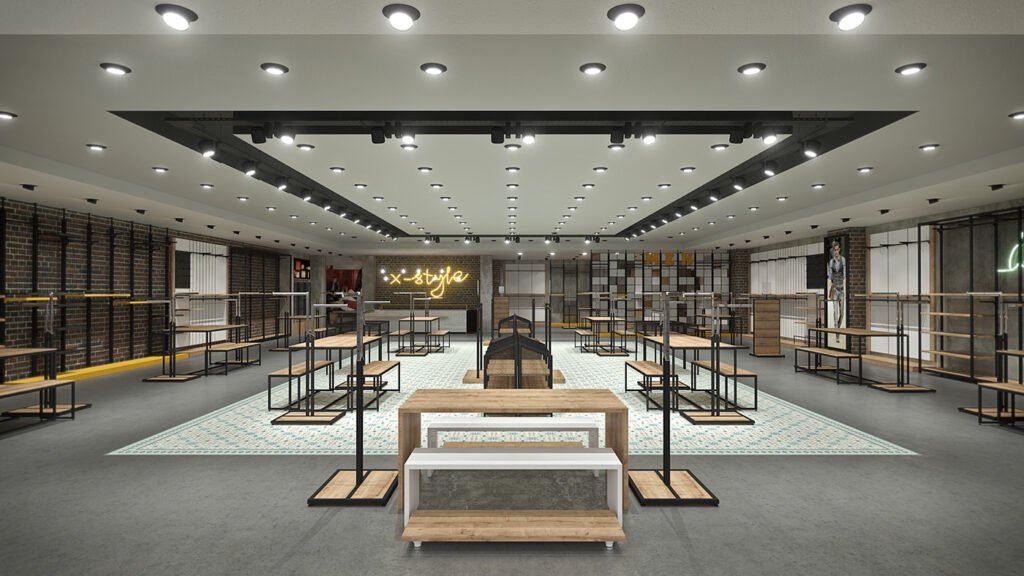
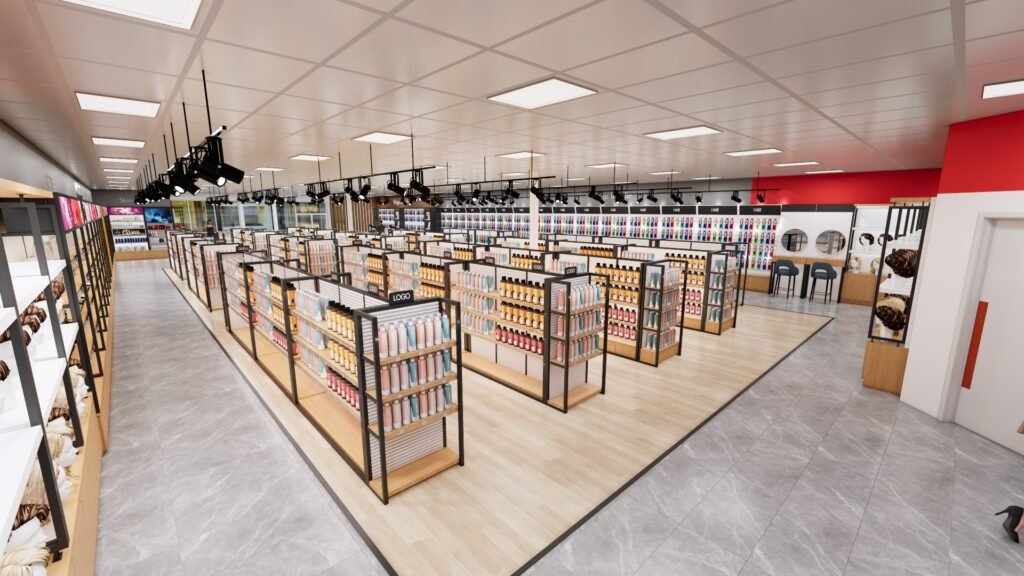
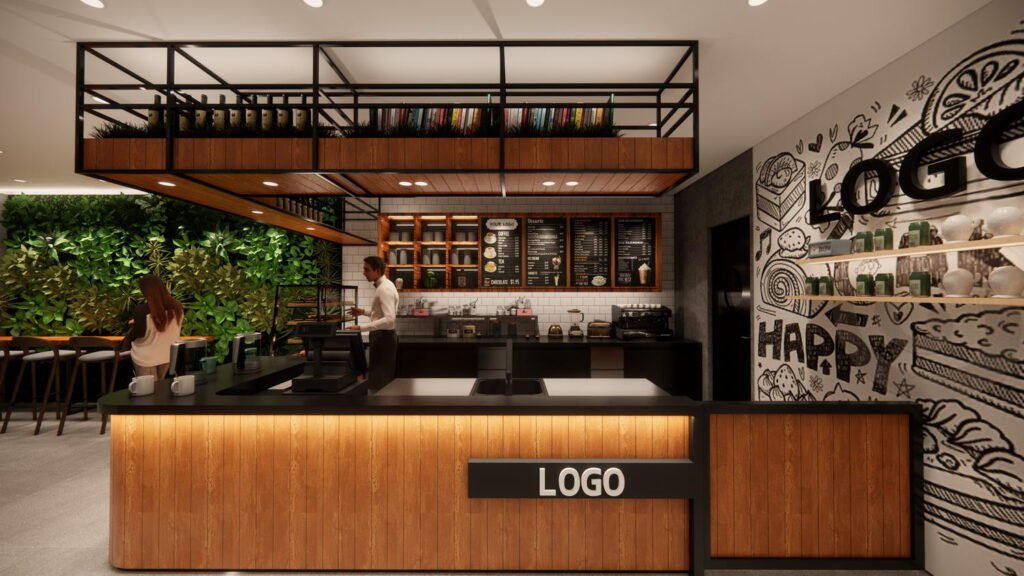
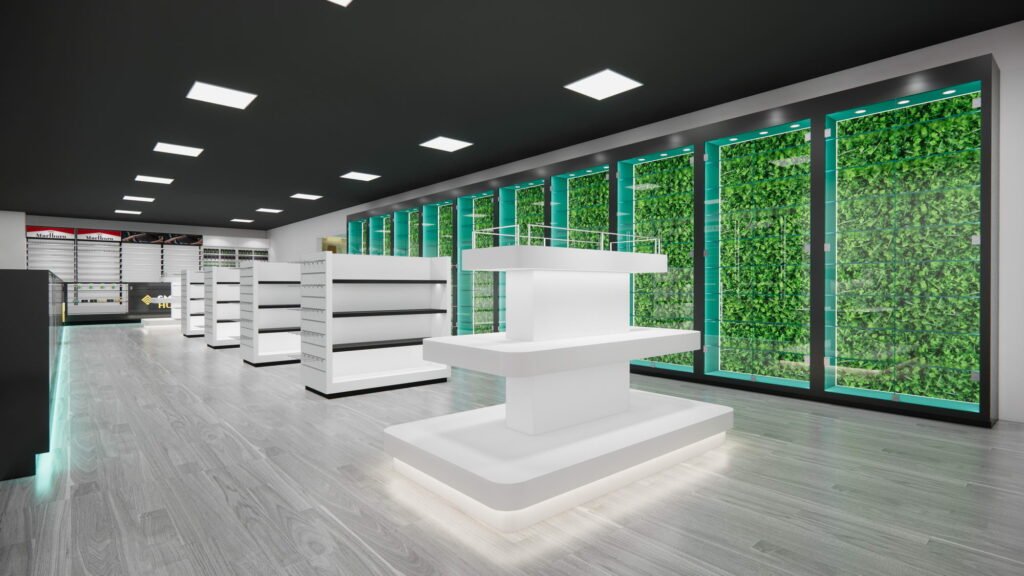
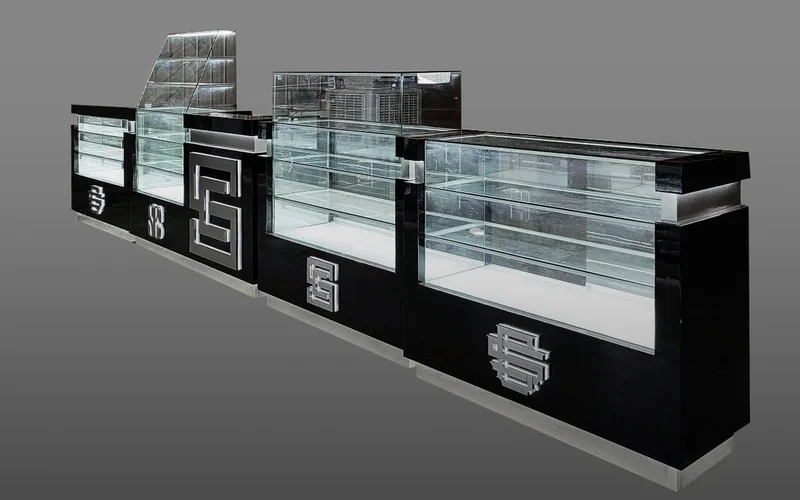
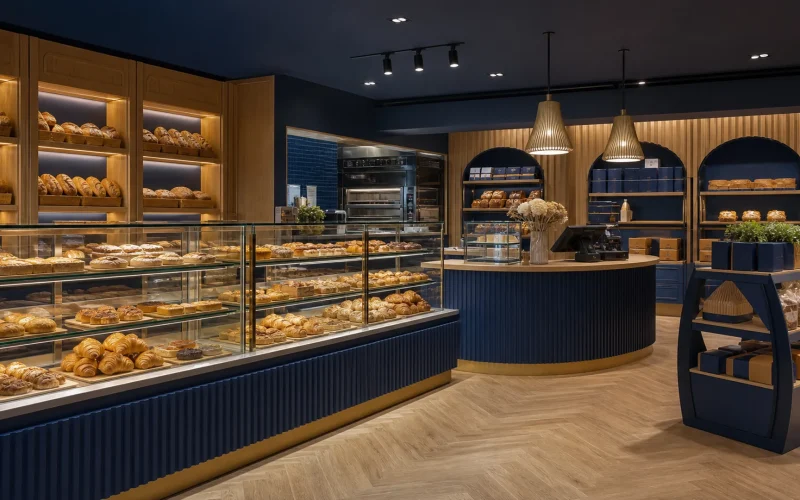
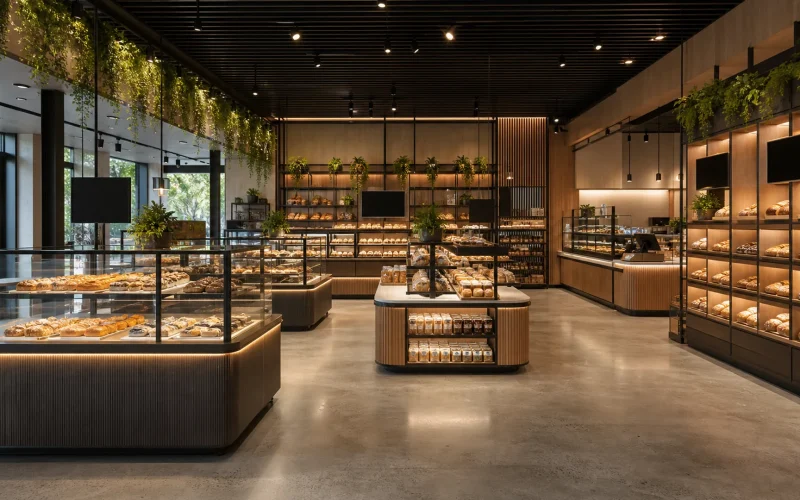
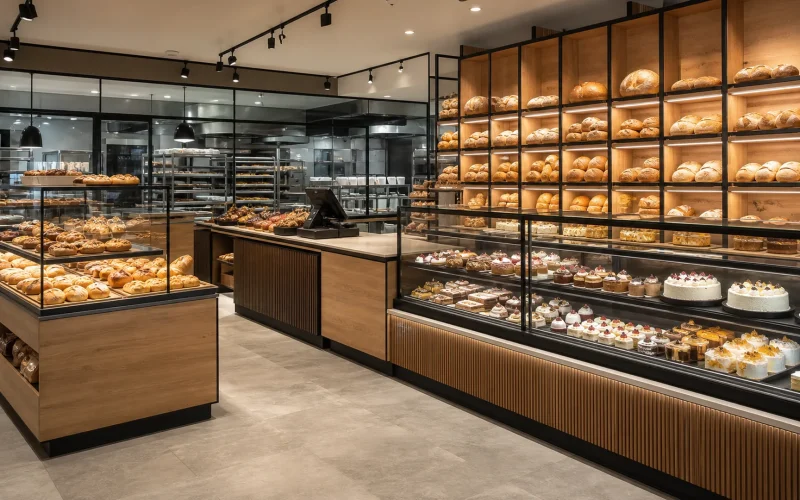
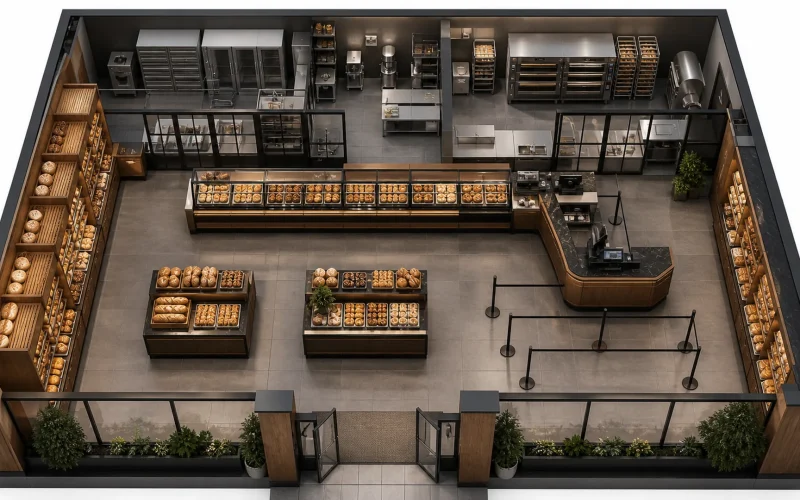
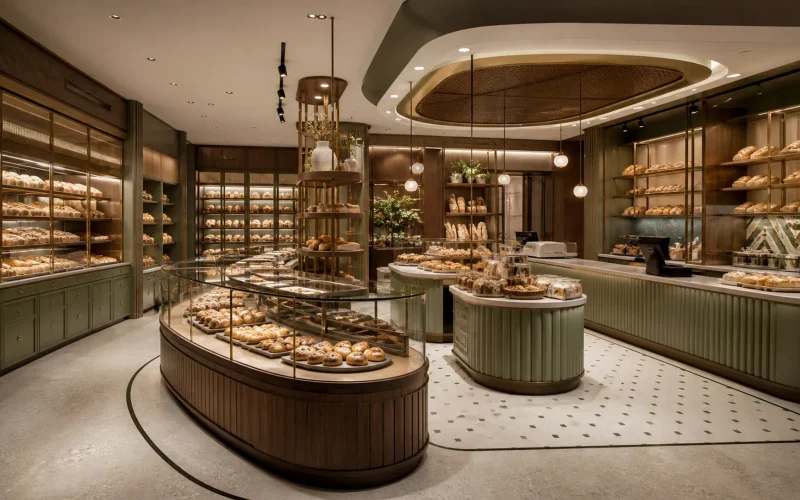
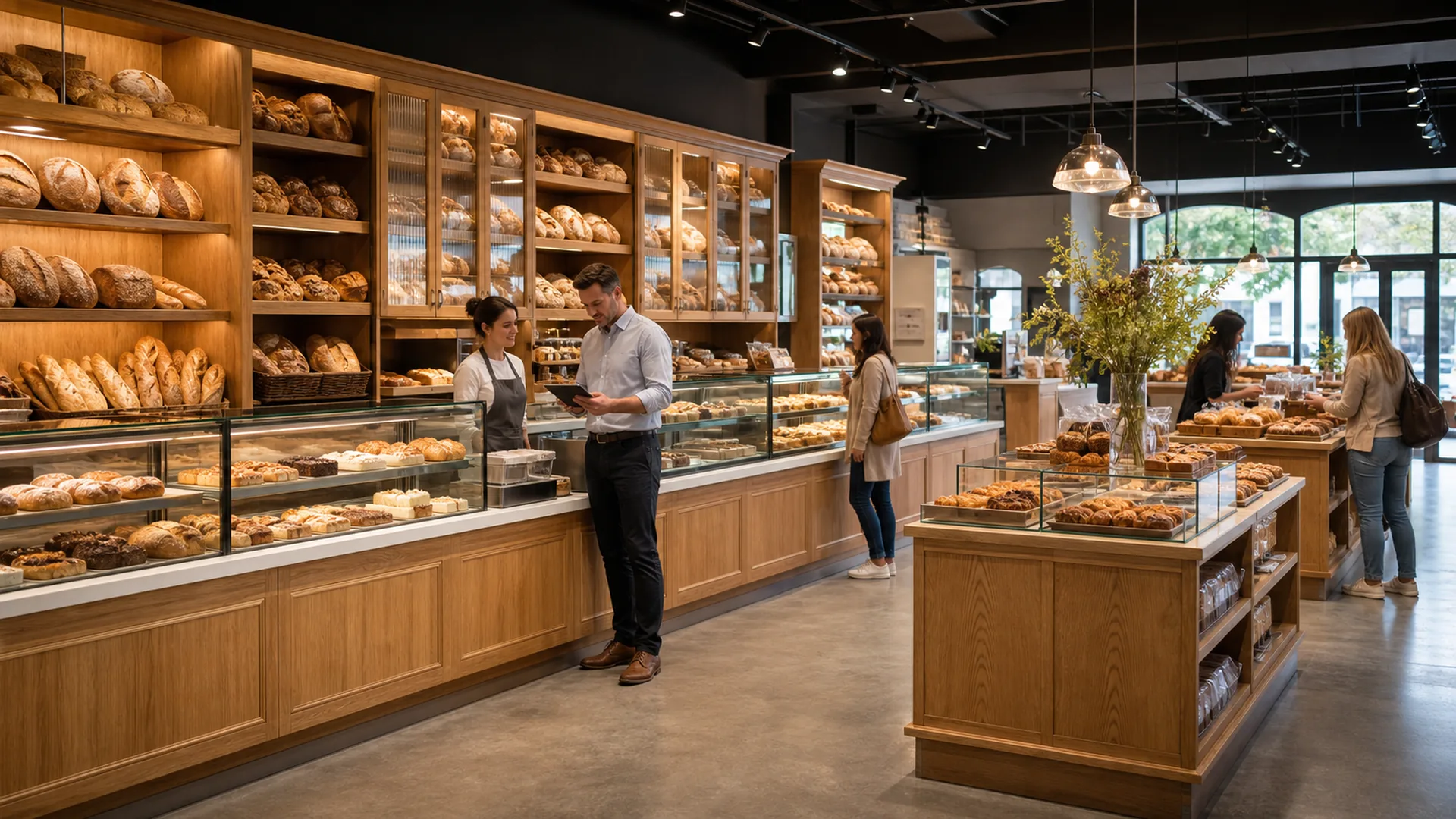
Bakery displays should protect food, simplify service, and help customers decide. The fixture plan affects the number of products customers see, the speed of the queue, staff walking distance, replenishment, cleaning, and average order value.
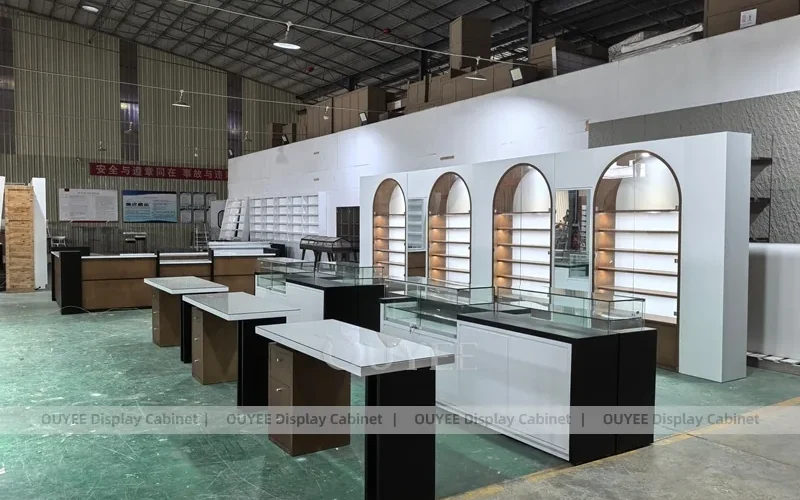
A coordinated front-of-house system can include:
- glass pastry showcases for high-value cakes, desserts, and signature products;
- service and payment counters with storage, cable management, and durable work surfaces;
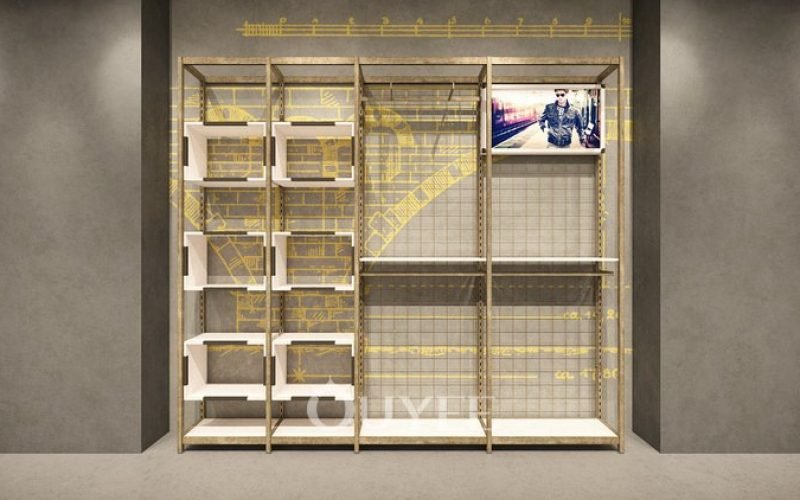
- bread wall shelving that provides capacity without consuming the customer aisle;
- panel wall cabinets for packaged goods and branded merchandising;
- center islands for seasonal products, bundles, samples, and impulse purchases.
Place hero products in the strongest sightline, keep price labels easy to read, and avoid overfilling shelves. Group products in a way customers understand—such as breakfast, everyday bread, gifting, or celebration—rather than arranging only by production department.
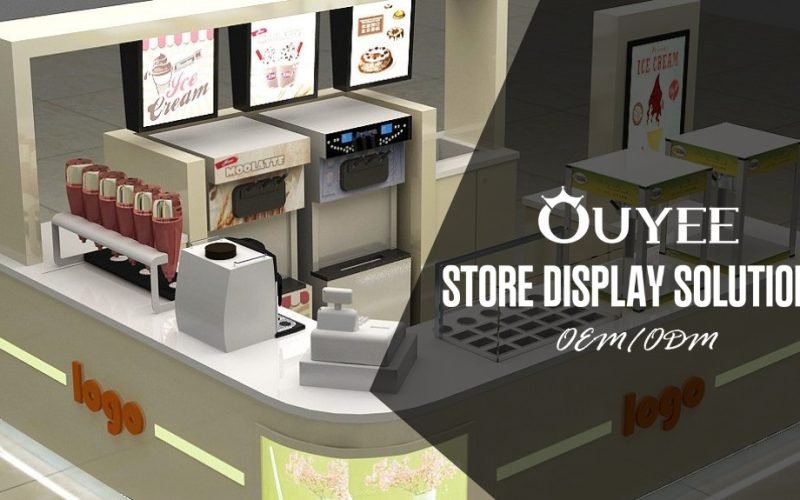
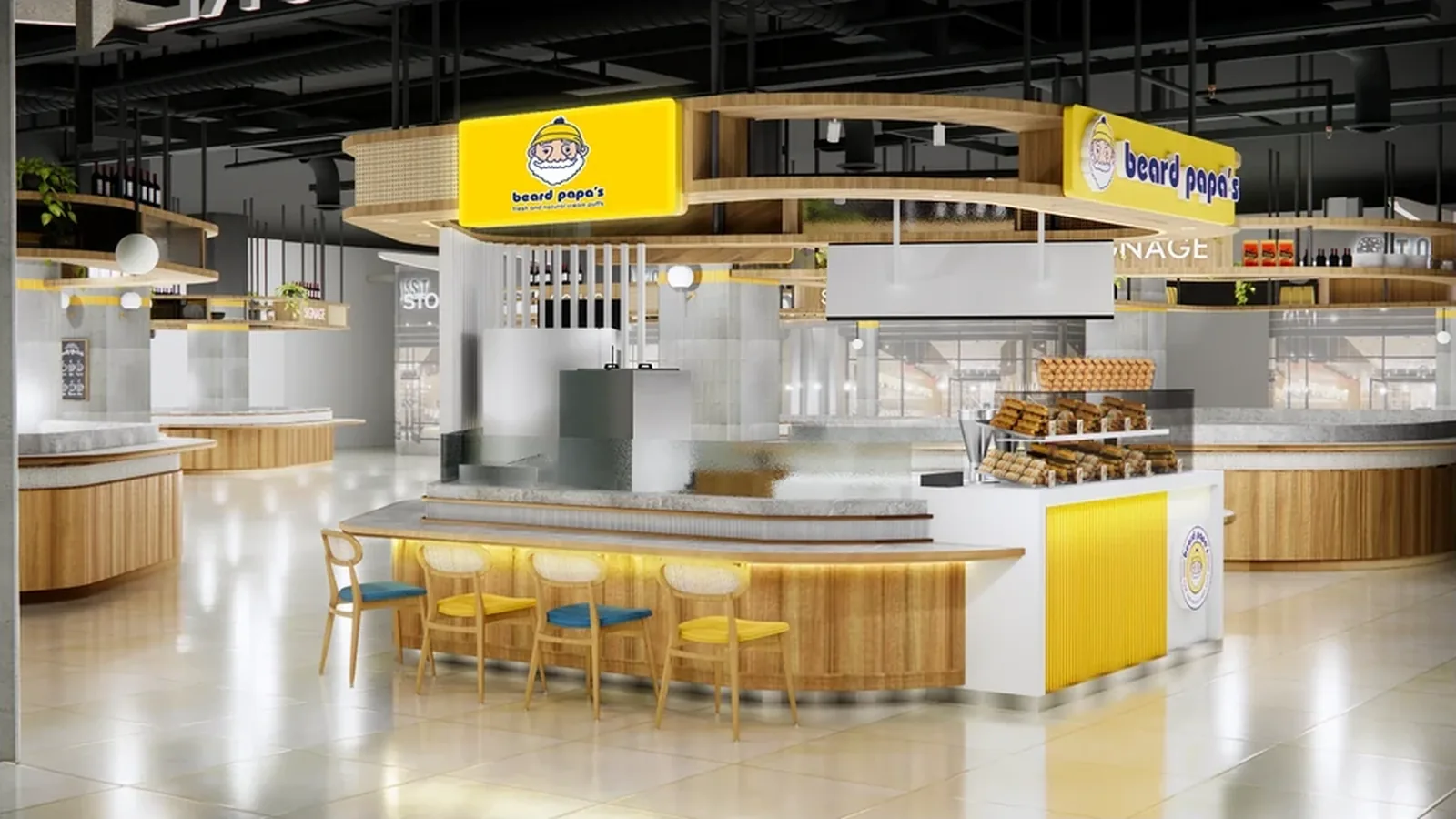
Ouyee Display develops bakery glass showcases, counters, wall cabinets, panel shelving, and kiosk layouts as one visual and operational system. Matching the fixture dimensions to trays, packaging, staff reach, ventilation, and the queue helps the bakery operate more smoothly after opening.

6. Establish food-safety and cleaning routines
Follow the requirements of the local health authority and use a qualified food-safety professional where needed. Create written controls for receiving, storage, temperature monitoring, allergen separation, handwashing, cleaning, sanitizing, pest prevention, employee illness, and product traceability.
Assign every cleaning task to a role and frequency. Include mixers, proofers, ovens, refrigerators, drains, floors, shelves, handles, sinks, display glass, cabinet interiors, vents, waste areas, and customer touchpoints. Record completion and make a manager responsible for verification.
Display fixtures require their own safe cleaning method. Specify approved cleaners for glass, stone, metal, laminate, painted panels, seals, and refrigerated components. Clean when food is protected or removed, and make sure chemicals never contaminate products or packaging.
7. Control waste without damaging availability
Separate waste into causes: production error, overproduction, expiration, damage, incorrect order, customer return, sampling, donation, and staff use. A single total does not tell you what to fix.
Use smaller late-day batches for volatile products, improve preorder collection, and create approved uses for safe surplus ingredients or components. Consider controlled end-of-day bundles where appropriate, but do not train customers to wait for discounts on core products.
When an item repeatedly sells out, compare the profit from extra sales with the risk of extra waste. The goal is not zero waste at any cost; it is the best balance between freshness, availability, and margin.
8. Deliver consistent customer service
Define the service journey from entry to exit. Customers should know where to queue, see the main offer, receive help without pressure, pay efficiently, and collect the correct order. Train staff to greet, clarify needs, describe signature items, identify allergens accurately, suggest relevant additions, and confirm custom-order details.
Track complaints by category and record the resolution. Review patterns weekly. Repeated complaints about slow pickup may point to layout or labeling rather than attitude. Product damage may originate in packaging. Incorrect orders may indicate that the point-of-sale workflow or handoff is unclear.
9. Monitor the numbers that drive bakery profit
Review a concise dashboard at least weekly. Useful measures include:
- sales by day, hour, product category, and channel;
- transactions and average order value;
- gross margin and ingredient cost percentage;
- labor hours, labor cost, and sales per labor hour;
- waste by value and reason;
- best sellers, slow movers, and stockouts;
- discounts, refunds, and customer complaints;
- cash balance, upcoming bills, and short-term cash forecast.
Do not react to one unusual day. Compare similar weekdays and look for trends. Assign one owner to each improvement action, set a deadline, and check whether the change actually improved the number.
10. Create a manager’s weekly rhythm
A reliable bakery manager uses a repeating schedule. For example:
- Daily: review staffing, preorders, production, display readiness, safety checks, sales pace, waste, and closing cash.
- Weekly: forecast sales, build the schedule, place major orders, count key inventory, review financial and service measures, and coach staff.
- Monthly: analyze the profit and loss statement, update recipe costs and prices, assess suppliers, inspect equipment, and plan promotions.
- Quarterly: review menu performance, staffing structure, maintenance plans, customer feedback, and capital needs.
Document recurring routines so the bakery does not depend entirely on the owner’s memory. Systems also make it easier to train a team to use and maintain bakery equipment consistently.
Common bakery management mistakes
- Offering too many low-volume products.
- Pricing from competitor menus instead of actual recipe and labor costs.
- Scheduling the same labor pattern regardless of demand.
- Buying ingredients without specifications or reorder rules.
- Using attractive fixtures without planning staff access and replenishment.
- Recording waste without assigning a reason.
- Reviewing sales but ignoring cash flow, margins, and labor productivity.
- Keeping critical procedures only in the owner’s head.
Final takeaway
To run a bakery successfully, turn quality into a repeatable operating system. Forecast production, control inventory, schedule around demand, train clear roles, maintain food-safety routines, merchandise products intentionally, and review a small set of financial measures every week. The result is not only a more efficient bakery—it is a more consistent customer experience and a business that can grow beyond the owner’s constant supervision.