Opening a bakery in the United States can cost less than $10,000 for a small home-based operation, roughly $50,000–$150,000 for a modest retail bakery in an already suitable space, and $150,000–$500,000 or more for a fully fitted bakery café or production-led store. The final budget depends mainly on the business model, location, condition of the premises, equipment capacity, and how much working capital is reserved.
If you are still defining the overall project, begin with our complete guide on how to open a bakery. This cost guide focuses specifically on building a realistic startup budget and identifying the expenses most often overlooked.

Bakery Startup Cost at a Glance
The following ranges are planning estimates, not quotations. Local rent, labor, construction codes, utility upgrades, and equipment choices can move the total substantially.
| Bakery model | Typical planning range | What the budget usually covers |
|---|---|---|
| Home or cottage bakery | $5,000–$25,000 | Permits, small equipment, ingredients, packaging, insurance, website, and delivery setup |
| Shared-kitchen or delivery bakery | $15,000–$75,000 | Kitchen deposits and rent, portable equipment, storage, packaging, ordering system, and working capital |
| Small retail bakery | $50,000–$150,000 | Lease deposit, light renovation, core equipment, display counter, signage, inventory, and opening cash |
| Bakery café | $150,000–$500,000+ | Major fit-out, commercial kitchen, customer seating, coffee equipment, fixtures, permits, and staffing |
| Production or wholesale bakery | $200,000–$1 million+ | High-capacity equipment, loading and storage areas, vehicles, food-safety systems, and greater working capital |
A low figure often assumes that the owner already has a compliant kitchen or is taking over a fitted food-service space. A high figure may include a raw-shell conversion, new equipment, extensive ventilation, a premium customer area, and several months of operating cash. Always compare estimates on the same scope.
1. Lease Deposit and Premises Costs
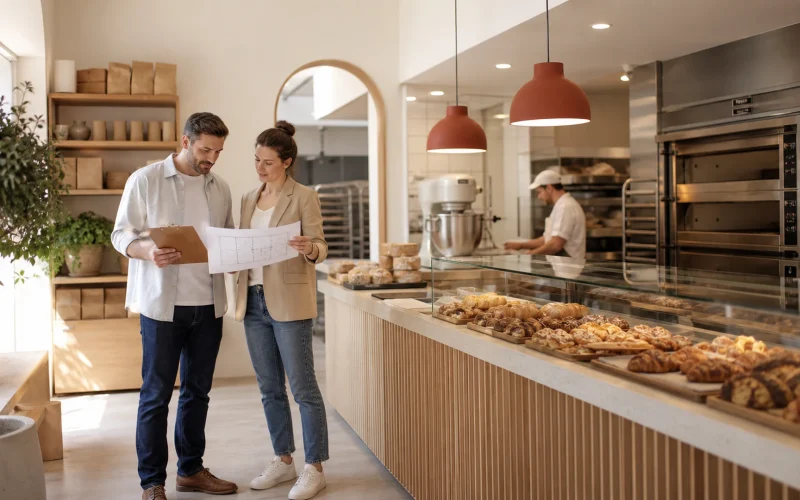
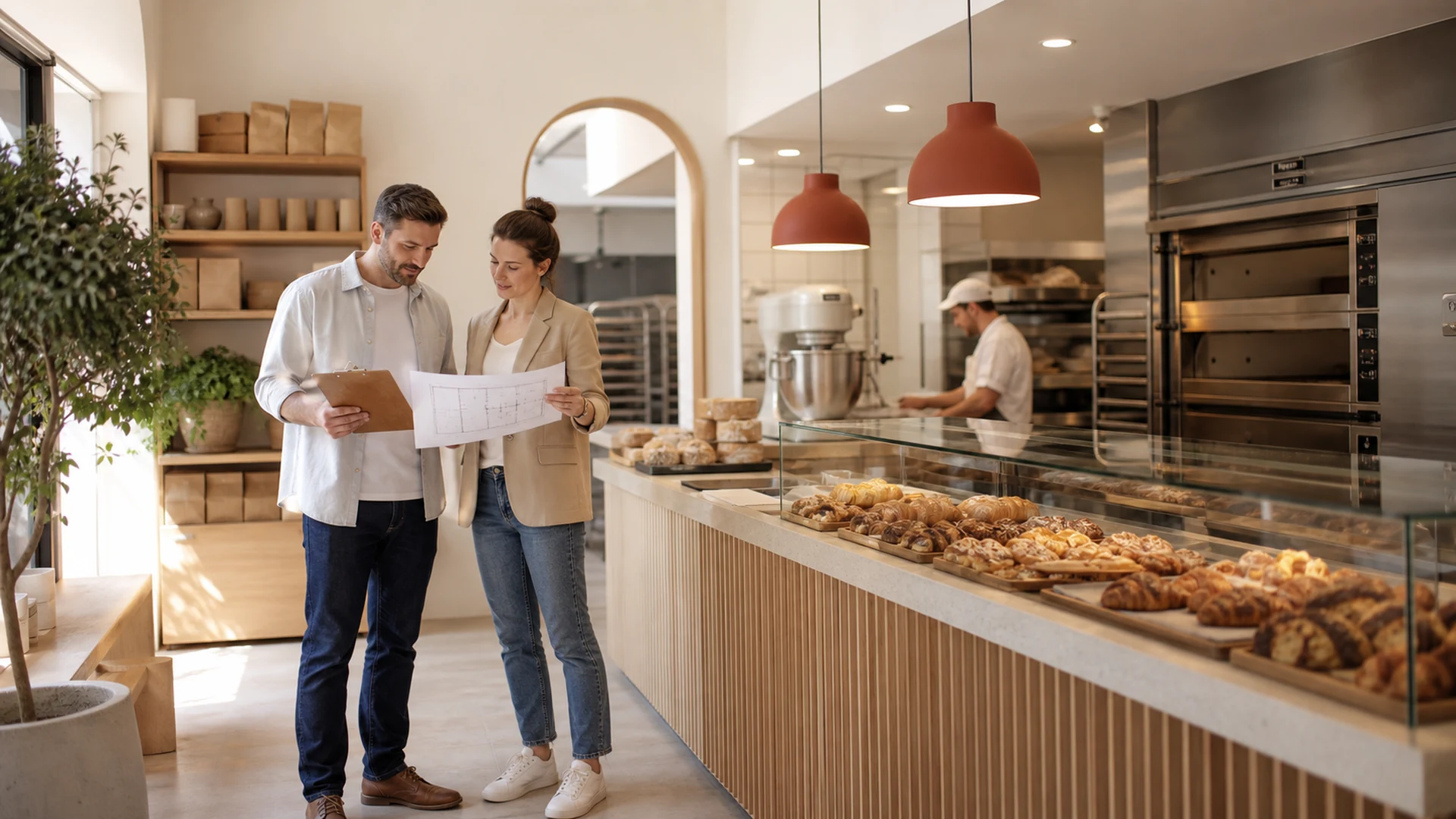
For a storefront bakery, the premises can be one of the largest commitments. Initial cash may include a security deposit, advance rent, utility deposits, legal review, survey or inspection fees, and charges connected with taking over an existing business.
Do not evaluate a location by monthly rent alone. Check service charges, property taxes passed to the tenant, insurance requirements, common-area fees, repair obligations, rent increases, and the length of the lease. A lower-rent unit can cost more overall if it needs major electrical, drainage, ventilation, or accessibility work.
Before signing, confirm that the site can legally support your planned food operation and equipment. The bakery rental cost guide will cover lease-specific checks in more detail.
2. Construction and Bakery Fit-Out
Construction costs depend on the condition of the space and the requirements of local building, fire, health, and accessibility authorities. A former bakery with suitable utilities may need only cosmetic work. Converting a general retail unit into a commercial bakery can require extensive changes.
Common fit-out items include:
- Electrical panels, outlets, and three-phase power where required
- Gas supply, ventilation, fire suppression, and make-up air
- Water supply, floor drains, grease management, and commercial sinks
- Food-safe floors, washable wall finishes, ceilings, and pest-proofing
- Restrooms, accessibility upgrades, staff facilities, and waste storage
- Lighting, HVAC, partitions, doors, counters, and signage
Request itemized quotes from qualified local contractors. Ask who is responsible for permits, design fees, utility upgrades, demolition, disposal, final cleaning, and equipment connections. Include a contingency allowance because hidden site conditions frequently appear after work begins.
3. Commercial Bakery Equipment
Equipment can range from a few thousand dollars for a focused home business to well over $100,000 for a new commercial setup. The menu and production forecast should determine what you buy.
A typical equipment budget may include:
- Deck, rack, convection, or combination ovens
- Spiral and planetary mixers
- Proofers, dough sheeters, dividers, and slicers
- Refrigerators, freezers, and refrigerated preparation units
- Stainless-steel worktables, sinks, racks, and storage
- Scales, pans, trays, molds, utensils, and smallwares
- Dishwashing, water treatment, extraction, and fire-safety equipment
Used equipment may reduce the purchase price, but inspect its condition, certification, power requirements, warranty, parts availability, and installation cost. Oversized equipment consumes cash and space; undersized equipment creates labor bottlenecks. Our planned bakery equipment checklist will help match equipment to production needs.
4. Display Fixtures and Customer Area
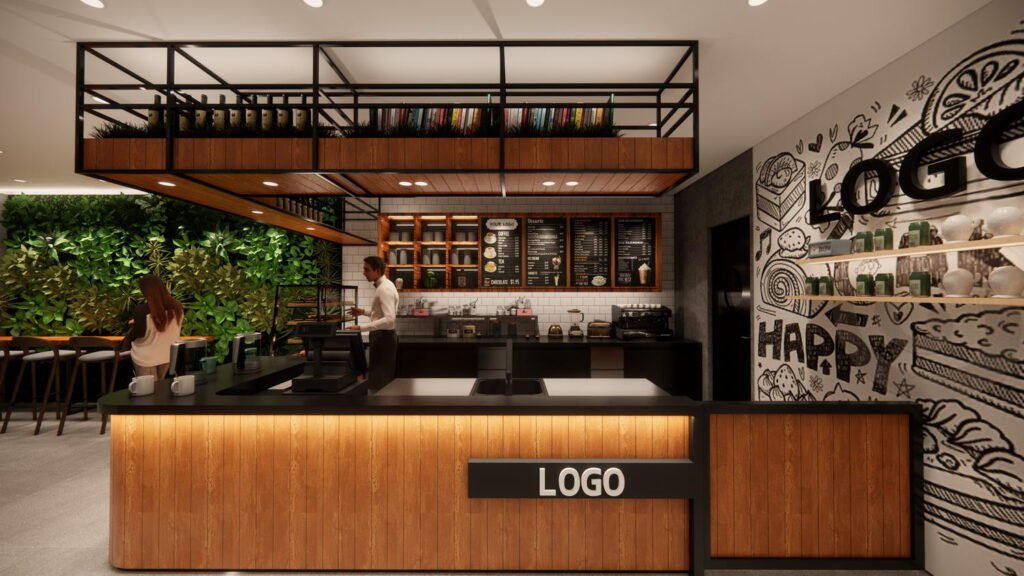
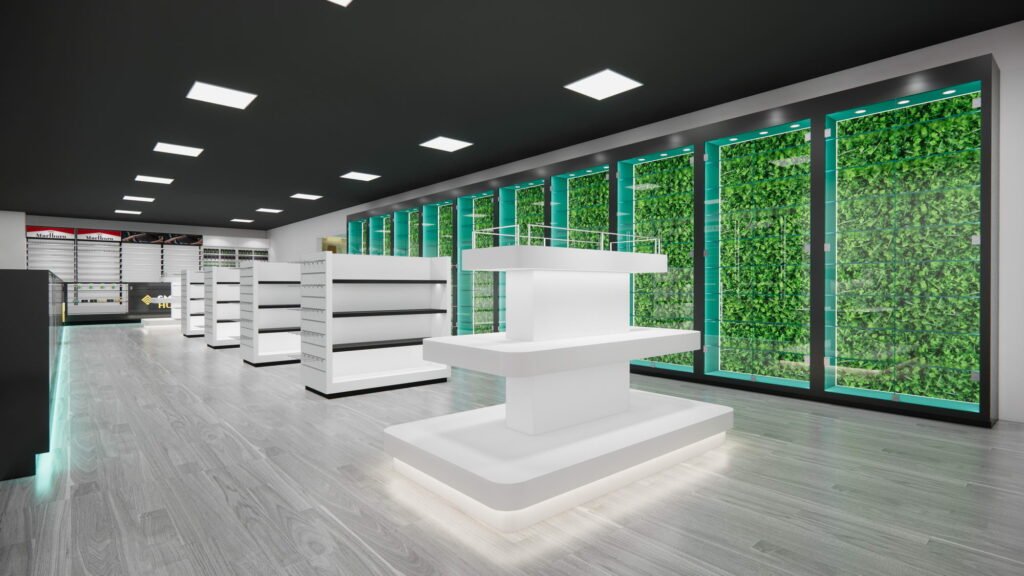
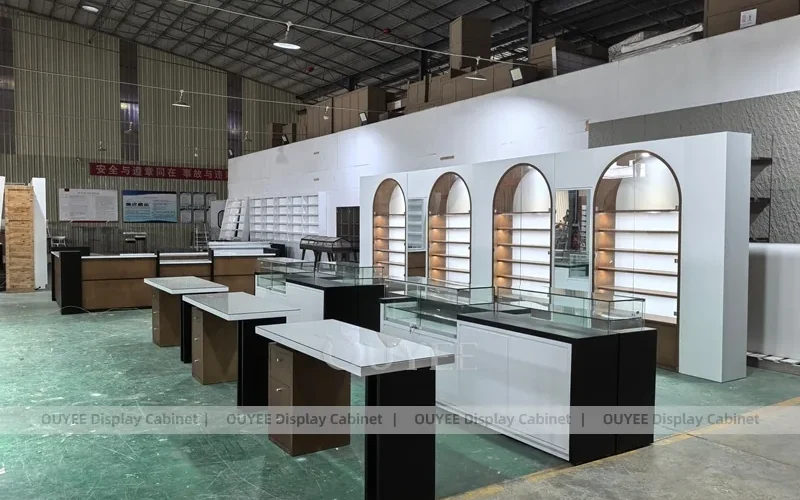
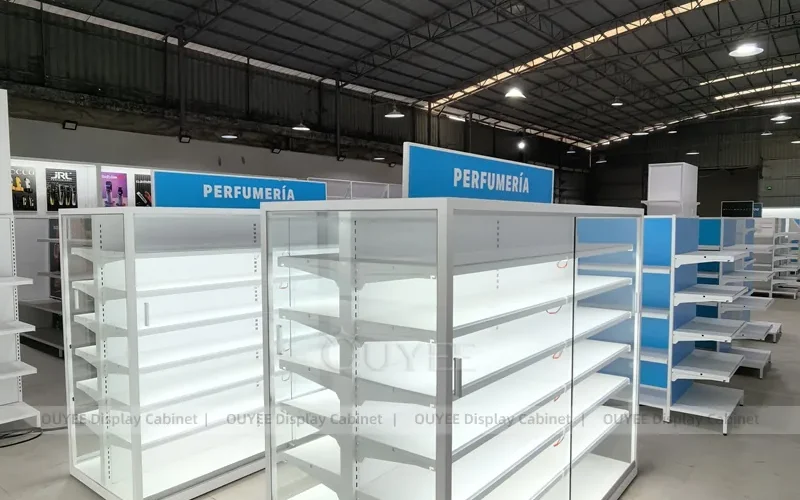
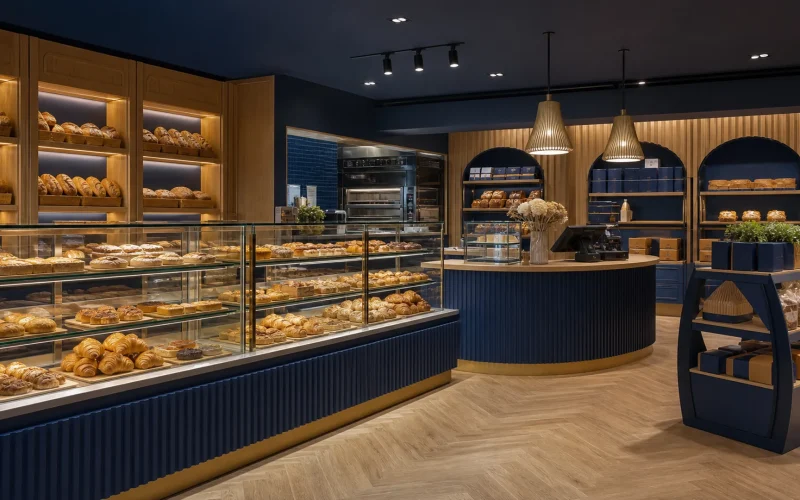
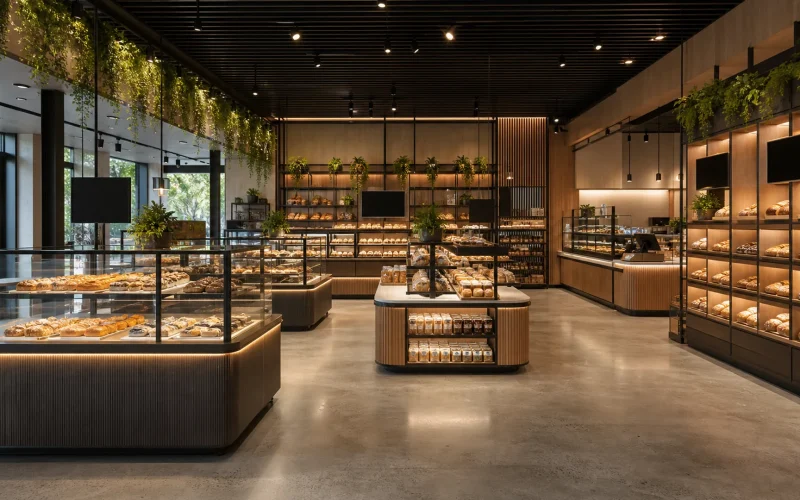
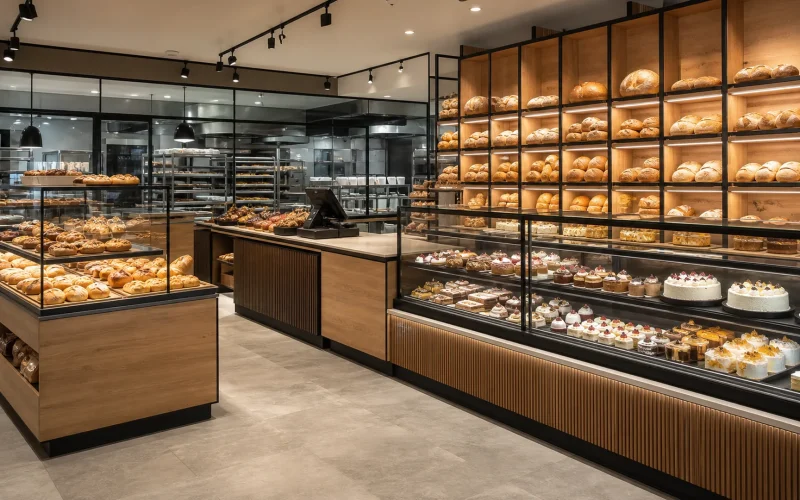
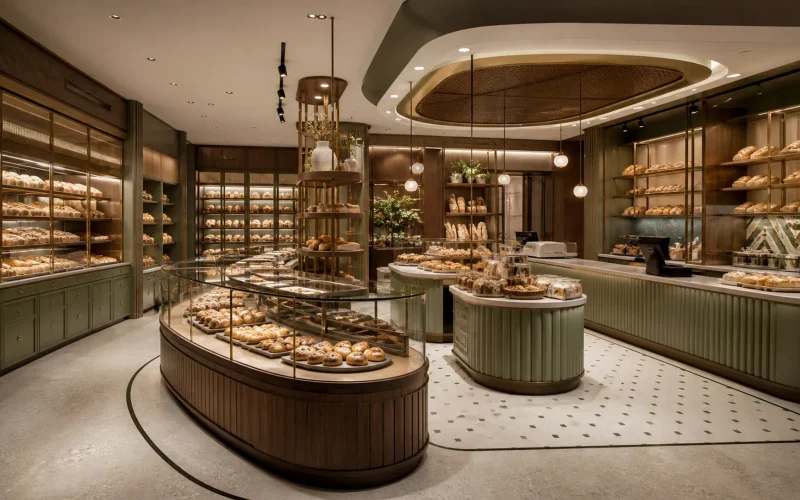
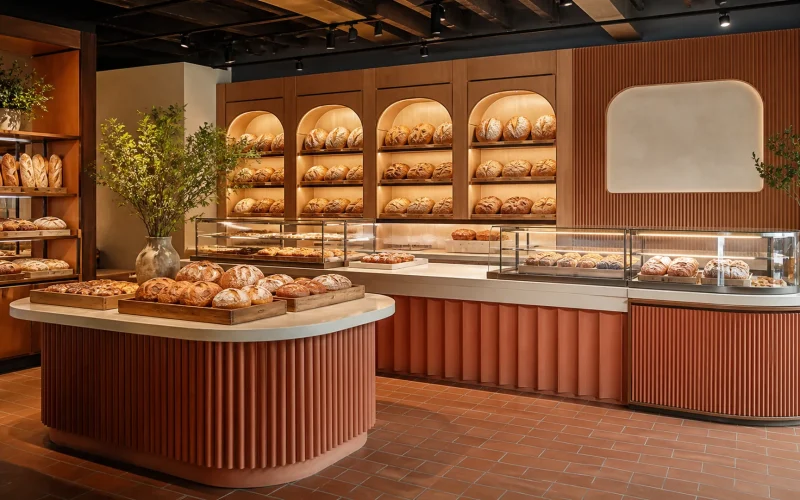
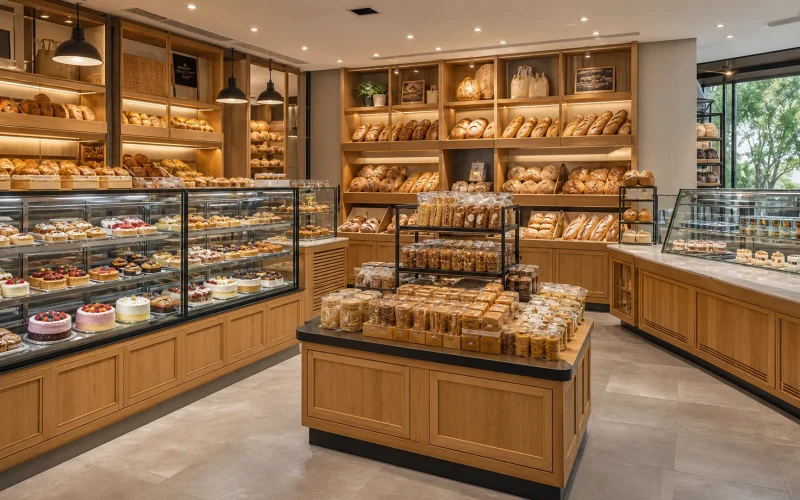
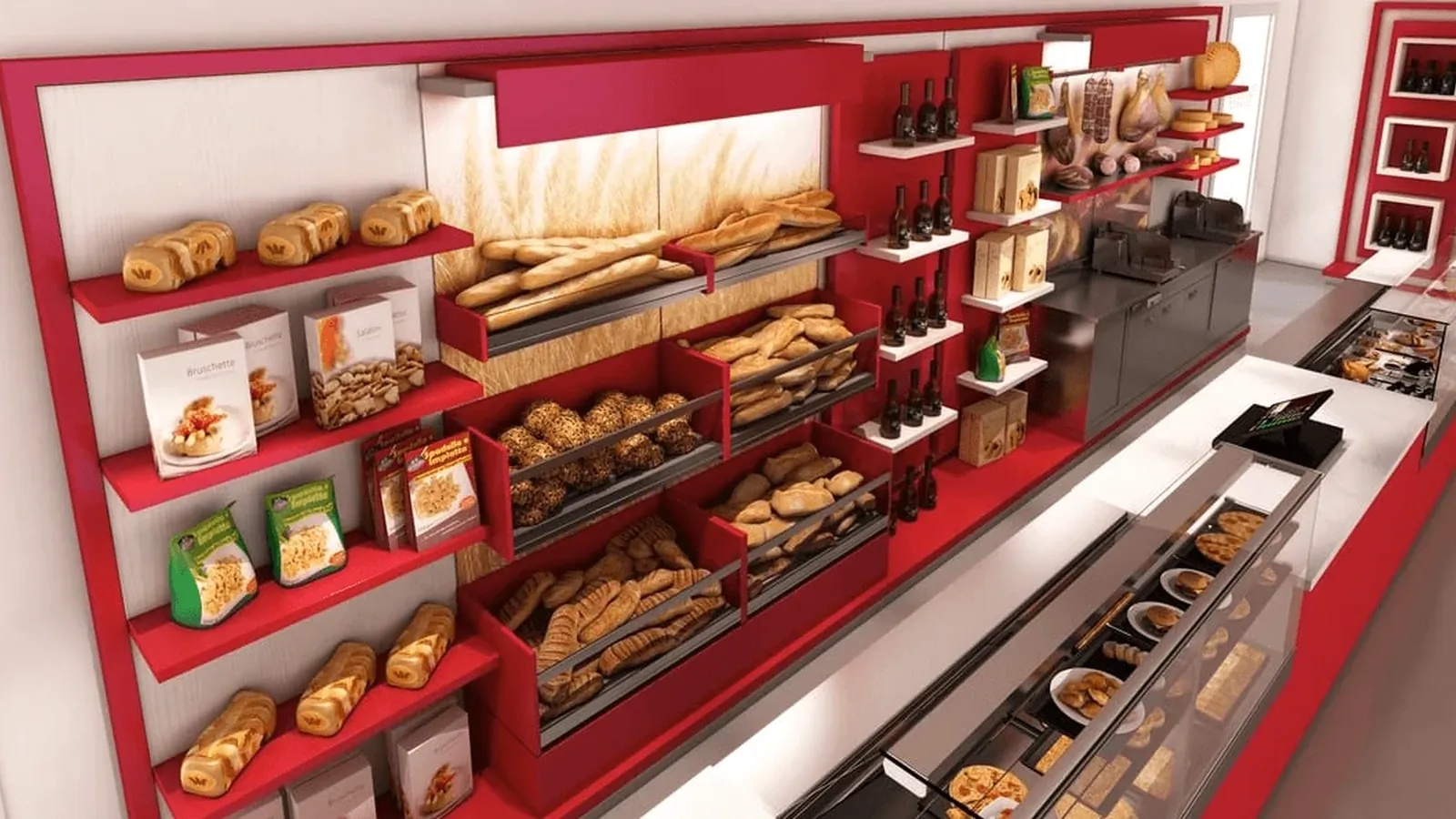
Retail bakeries also need a sales environment. Budget for ambient or refrigerated pastry cases, a service counter, wall shelving, bread displays, menu boards, point-of-sale stations, lighting, seating, waste stations, and storage for packaging and takeaway orders.
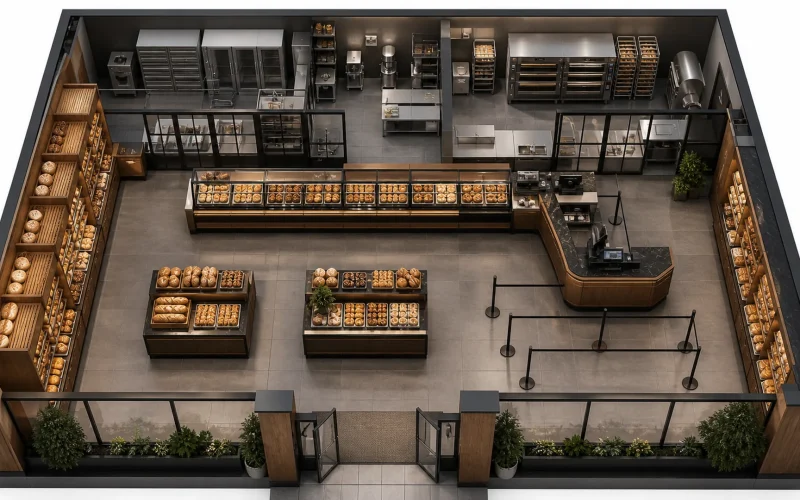
Display fixtures should be planned with the menu and service flow. Cakes, chocolate, sandwiches, bread, and warm pastries have different temperature and merchandising requirements. Custom work can cost more initially, but it can use the available space more efficiently and create a consistent brand experience.
Ouyee Display designs and manufactures custom bakery display counters, showcases, shelving, and coordinated retail fixtures. Early coordination between equipment, store design, and service flow helps prevent expensive changes after fabrication. See the related guides to bakery design ideas and bakery floor planning.
5. Licenses, Permits, Insurance, and Professional Fees
Requirements vary by state, county, and city. Your budget may include business registration, food-establishment permits, plan review, health inspection, fire approval, building permits, signage permits, food-handler training, and sales-tax registration.
Professional fees may include an attorney, accountant, architect, engineer, food-safety consultant, and insurance broker. Insurance needs can include general liability, product liability, property, workers’ compensation, equipment breakdown, commercial auto, and business interruption.
Contact the relevant authorities before committing to a site. Published permit fees are often only a small part of compliance costs; required construction and equipment changes can be much larger.
6. Opening Inventory and Packaging
Initial inventory includes flour, sugar, butter, eggs, chocolate, fillings, flavorings, decorations, beverages, cleaning chemicals, gloves, labels, and food-safe storage containers. Packaging may include bread bags, pastry boxes, cake boards, cups, napkins, takeaway bags, and delivery protection.
Do not overbuy perishable ingredients simply to obtain lower unit prices. Build opening stock from the first menu, forecasted sales, supplier delivery schedule, storage capacity, and shelf life. Include backup stock for critical ingredients, but protect cash and reduce waste.
7. Technology, Branding, and Pre-Opening Marketing
Technology costs may include a point-of-sale system, card terminals, receipt printer, cash drawer, kitchen display, online ordering, inventory software, accounting tools, security cameras, Wi-Fi, and music licensing.
Branding and launch costs can include naming, logo design, packaging artwork, exterior signage, product photography, website development, business listings, menus, social content, local advertising, and opening events. Spend first on elements customers will repeatedly see and use. A clear sign, accurate online information, good product photography, and easy ordering generally matter more than novelty giveaways.
8. Recruitment, Training, and Pre-Opening Payroll
Payroll begins before sales. Allow for recruitment advertising, interviews, uniforms, food-safety training, recipe testing, practice production, trial service, management time, and pre-opening cleaning.
Estimate staffing by production stage and trading hour rather than using a single employee count. Early-morning baking, finishing, counter service, coffee, washing, closing, and administration may overlap. Include payroll taxes, benefits, overtime, and temporary support where applicable.
9. Working Capital: The Cost Owners Often Miss
A bakery can open successfully and still run out of cash while sales are building. Working capital covers rent, payroll, ingredients, utilities, loan payments, marketing, repairs, and owner living needs after launch.
The U.S. Small Business Administration recommends separating one-time startup expenses from monthly expenses and estimating the ongoing costs needed after opening. Its startup-cost guidance also highlights equipment, licenses, insurance, inventory, salaries, marketing, and professional fees.
Rather than relying on a generic rule, prepare a monthly cash-flow forecast and test a cautious sales scenario. Keep reserve funds separate from the construction budget.
Sample Budget for a Small Retail Bakery
The example below shows how a $120,000 planning budget might be divided for a small bakery taking over a reasonably suitable food-service unit. It is an illustration only.
| Cost category | Illustrative amount |
|---|---|
| Deposit, advance rent, and professional review | $12,000 |
| Light construction and utility modifications | $28,000 |
| Bakery equipment and smallwares | $32,000 |
| Display cases, counter, shelving, and signage | $18,000 |
| Permits, insurance, and professional fees | $6,000 |
| Opening inventory, packaging, and technology | $7,000 |
| Recruitment and launch marketing | $5,000 |
| Contingency and opening cash reserve | $12,000 |
| Total | $120,000 |
If the same bakery needs major ventilation, plumbing, electrical work, or all-new high-capacity equipment, the total can rise quickly. If it uses a shared kitchen or takes over a fitted bakery with serviceable equipment, the required capital may be lower.
How to Reduce Bakery Startup Costs Safely
- Start with a focused menu. Fewer production processes reduce equipment, inventory, and training needs.
- Test the concept first. Pre-orders, markets, pop-ups, or shared kitchens provide evidence before a long lease.
- Choose a compatible site. Existing food-service utilities can save more than a lower headline rent.
- Buy selected used equipment. Use professional inspection and confirm parts and service support.
- Phase nonessential features. Open with the elements needed for safety, production, service, and brand clarity.
- Request comparable quotes. Give vendors the same scope and ask for exclusions in writing.
- Protect working capital. Do not spend the operating reserve on last-minute decorative upgrades.
Calculate Your Own Bakery Budget
Create separate lists for one-time costs and monthly costs. Obtain local estimates for the site, equipment, fixtures, permits, insurance, inventory, technology, marketing, and staffing. Add contingency and opening working capital, then compare the result with a cautious sales forecast.
Use a break-even calculation to test the plan. The basic unit formula is fixed monthly costs divided by the selling price per item minus its variable cost. For a multi-product bakery, use an estimated contribution margin across the expected sales mix and review it with an accountant.
Frequently Asked Questions
What is the cheapest type of bakery to start?
A permitted home bakery or preorder business is usually the least expensive because it avoids a full commercial lease and customer-area fit-out. Local cottage-food rules may restrict products and sales channels.
Can I open a bakery with $50,000?
It may be possible for a small, focused operation in a suitable existing space, a shared kitchen, or a home-based model. A raw commercial unit requiring major construction is unlikely to fit that budget.
What is the biggest bakery startup expense?
For many retail bakeries, construction and equipment are the largest capital expenses. Rent and payroll may become the largest ongoing commitments. The answer depends on the condition of the premises and production model.
Should I lease or buy bakery equipment?
Leasing can preserve opening cash and may include service, while buying can reduce long-term cost and provide an asset. Compare total payments, interest, maintenance, tax treatment, flexibility, and early-termination terms with professional advisers.
Build the Budget Before You Build the Bakery
The most reliable answer to “How much does it cost to open a bakery?” comes from a defined concept, a checked location, an equipment schedule, a fixture plan, and local written quotations. Treat broad cost ranges as an early filter, not as a substitute for planning.
Once the menu, production volume, and site are clear, Ouyee Display can help plan custom bakery displays and retail fixtures around the available space and service model. Coordinating the customer area early makes the store easier to budget, build, and operate.