Bakery licenses and permits in New Jersey are largely address-specific because local health departments regulate most retail food establishments. A commercial bakery should coordinate with its municipality or county for food approval, zoning, construction, and occupancy. A home bakery must obtain a New Jersey Cottage Food Operator’s Permit and stay within that program’s restrictions.
Confirm the exact requirements for the menu, facility, seating, delivery, wholesale, and events before signing a lease or ordering fixed equipment. For the national checklist, see what licenses are needed to start a bakery. For the full startup process, read how to open a bakery.
New Jersey bakery permit checklist
- business formation, NJ-REG tax and employer registration, and EIN;
- municipal zoning and land-use approval;
- local retail food establishment license or permit;
- food plan review before construction, remodeling, or conversion;
- building, plumbing, electrical, mechanical, fire, sign, and occupancy approvals;
- pre-opening inspection and food protection manager credentials;
- packaged-food labels, allergens, and commercial-scale compliance;
- Cottage Food Operator’s Permit for a qualifying home bakery;
- wholesale food-cosmetic licensing if products are sold to stores;
- temporary-event, farmers-market, mobile, catering, frozen-dessert, alcohol, well, septic, and specialized-process approvals where applicable.
1. Contact the local health department first
The New Jersey Department of Health’s Retail Food Project page directs restaurants, temporary retail food businesses, food trucks, meal-prep operations, and businesses shipping food by mail or courier to the local health department. A brick-and-mortar retail bakery should start there.
Describe the menu, production process, seating, beverages, catering, wholesale, delivery, frozen desserts, and events. Ask whether the municipality or county issues the food license, conducts plan review, and performs inspections. Obtain the current application, fee schedule, submission checklist, and inspection timeline.
2. Register the business and taxes
New Jersey’s official business registration guide explains formation and NJ-REG requirements. Corporations, LLCs, LLPs, and LPs generally file formation or authorization documents, obtain an EIN, and submit NJ-REG. Proprietorships and general partnerships also use NJ-REG for tax and employer purposes.
Registration can generate the state tax ID and, when applicable, the authorization to collect sales tax. The Division of Revenue and Enterprise Services provides the official filing and annual-report tools. Food taxability differs among packaged bakery products, prepared food, beverages, catering, delivery fees, and merchandise, so map each item before configuring the point-of-sale system.
3. Verify zoning before signing the lease
Contact the municipal zoning and planning offices for the specific address. Describe baking, retail sales, food service, seating, coffee, delivery, wholesale production, signage, waste, grease, ventilation, and operating hours. Confirm parking, loading, accessibility, change-of-use, and site-plan requirements.
Make the lease contingent on zoning, health, construction, fire, and occupancy approvals where possible. A former store or restaurant is not automatically suitable for bakery ovens, refrigeration, plumbing, exhaust, and electrical demand.
4. Submit plans before construction
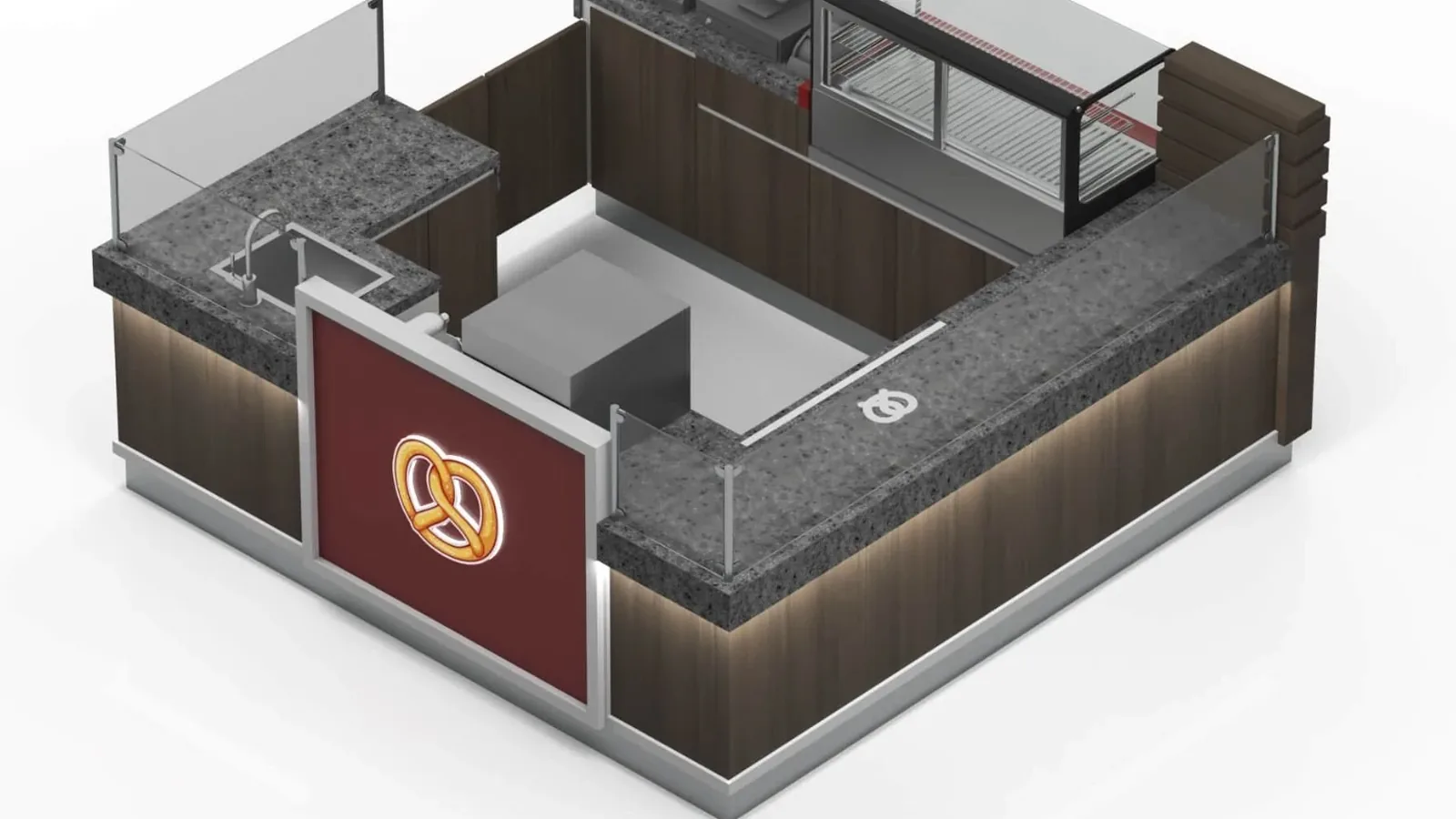
Local plan-review packets commonly require a scaled floor plan, proposed menu, process flow, equipment list, manufacturer specification sheets, plumbing, hand sinks, warewashing, refrigeration, ventilation, finishes, storage, waste, and employee areas. Submit before construction, remodeling, or conversion.
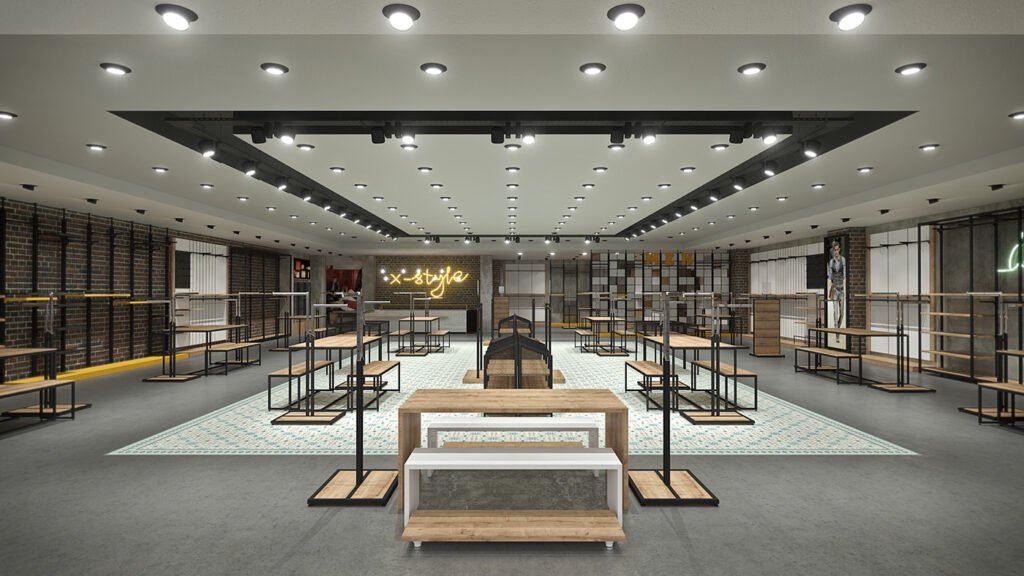
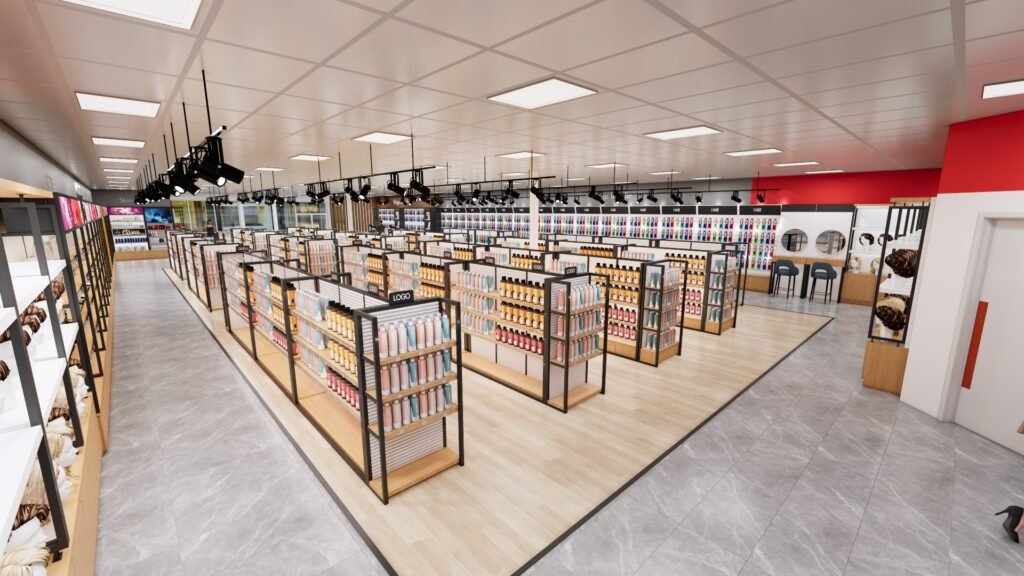
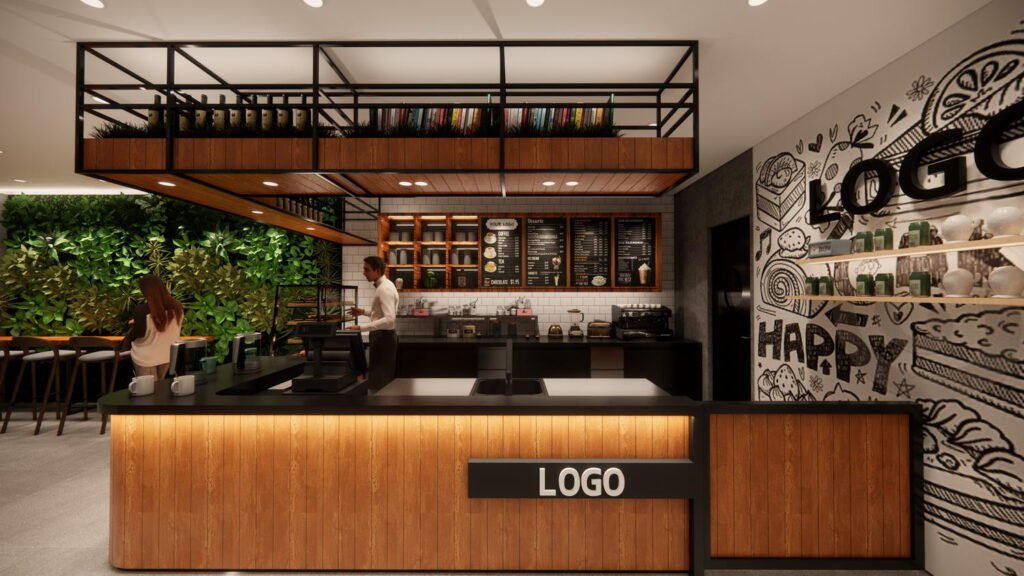
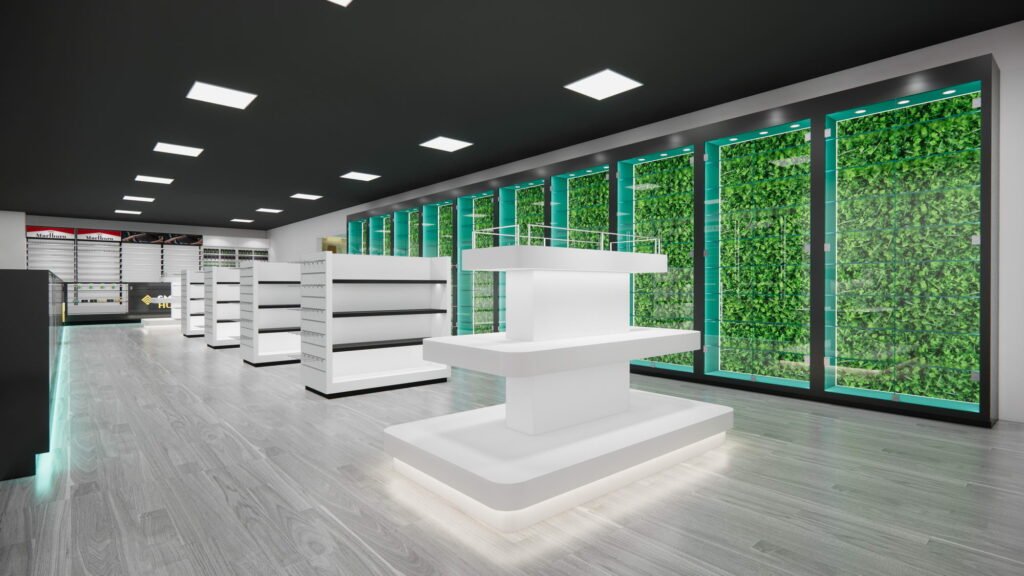
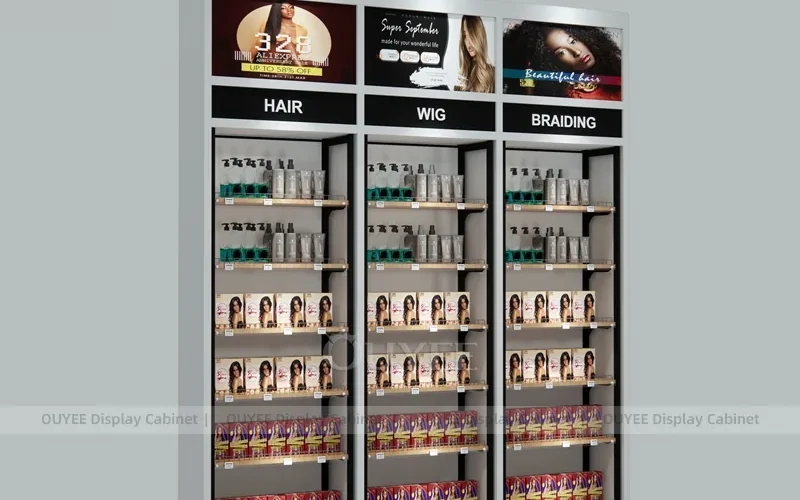
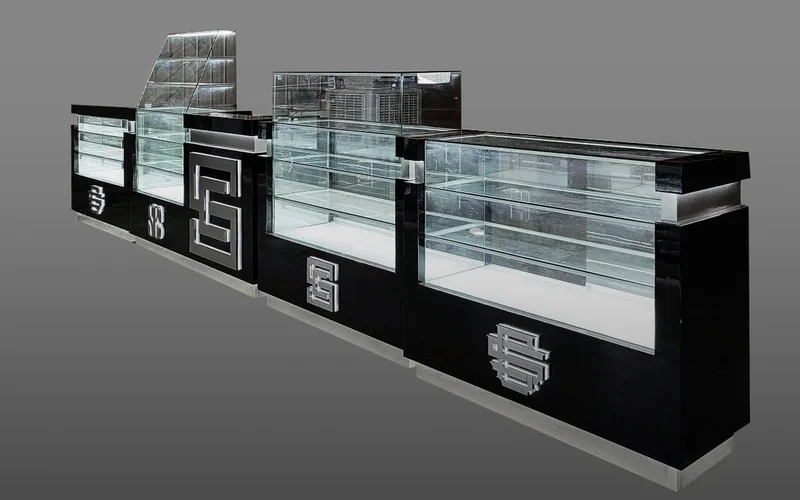
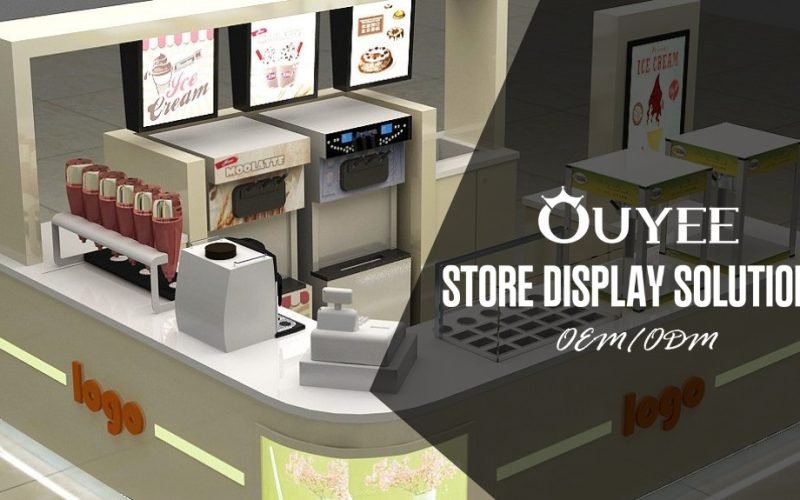
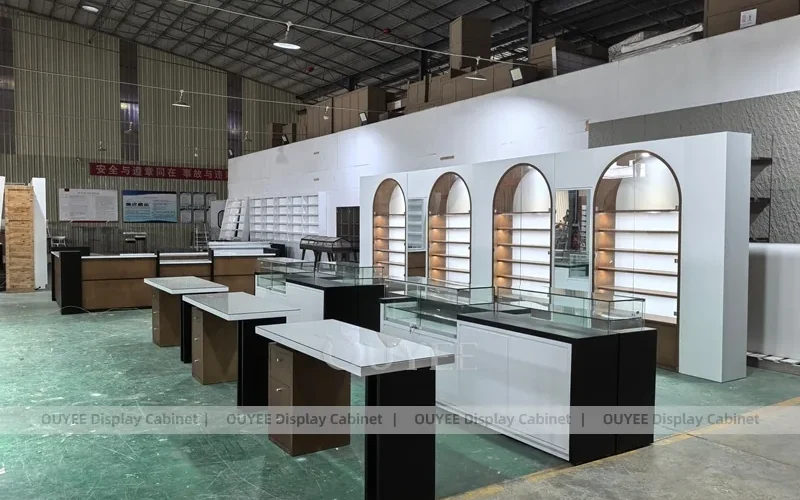
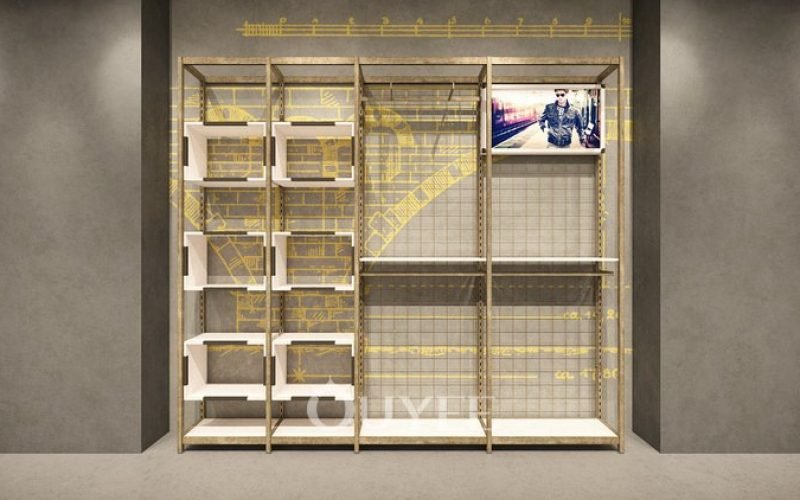
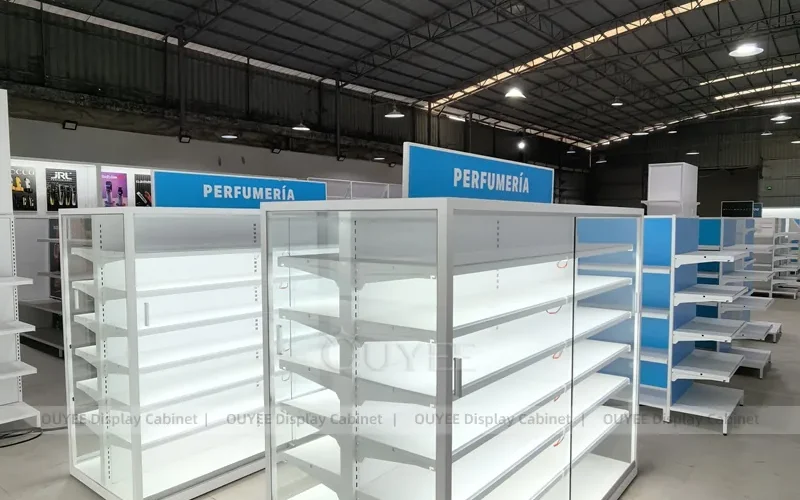
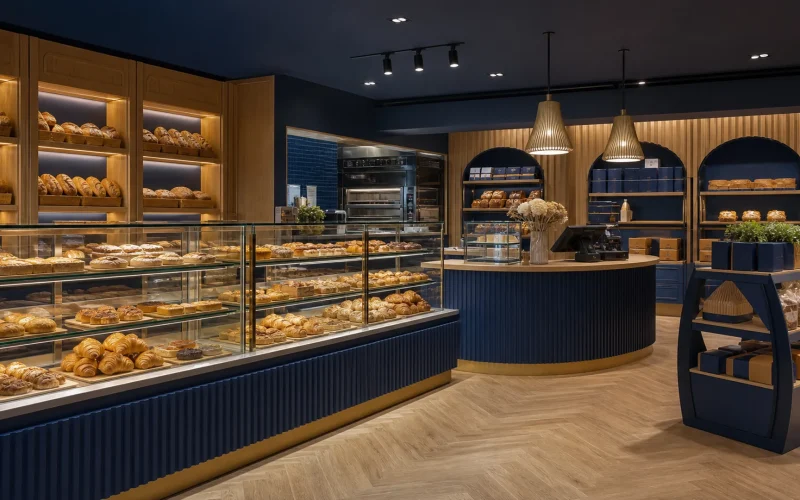
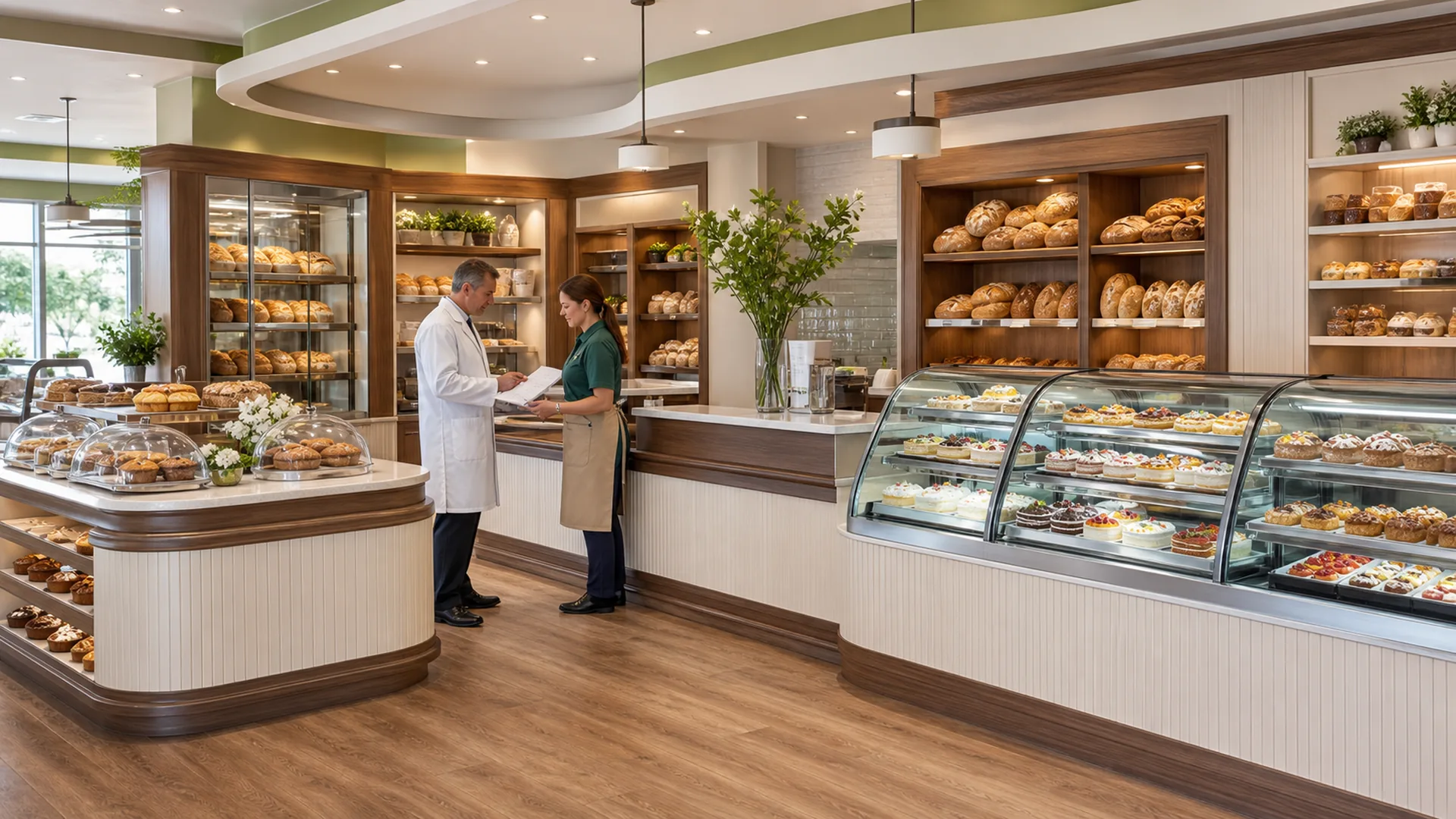
Draw every fixed Ouyee fixture: refrigerated and ambient glass showcases, paneled service counters, bread wall cabinets, panel display shelves, and island displays. Coordinate them with utilities, cleanability, food protection, accessible service, aisle width, queueing, and emergency egress.
5. Apply for the local retail food license
Complete the local health department’s application and pay the required fee. Ownership transfers, relocation, major remodeling, or significant menu changes may require new review. New Jersey sanitation rules are maintained under N.J.A.C. 8:24, and local health authorities apply them to retail establishments.
Do not assume that an existing bakery’s license transfers to the buyer. Confirm the change-of-ownership process before closing, and request a pre-purchase inspection if the locality offers one.
6. Obtain building, fire, and occupancy approvals
Food approval is separate from building, plumbing, electrical, gas, mechanical, fire-suppression, alarm, sign, accessibility, and occupancy permits. Ovens, mixers, proofers, refrigeration, display cases, sinks, and exhaust affect several reviews.
Use one coordinated drawing set. Moving a display case or island late can change outlet locations, clear aisles, accessible routes, cleaning space, queueing, and egress.
7. Prepare for the pre-opening inspection

Complete construction, remove dust, and install the approved equipment before requesting inspection. Verify hot water, hand sinks, warewashing, refrigeration temperatures, thermometers, sanitizer, pest exclusion, lighting protection, food-source records, employee-health procedures, allergen controls, and storage separation.
Install the final Ouyee showcase, counter, cabinet, shelving, and island arrangement. Refrigerated cases must maintain required temperatures, ambient displays must protect food, and all fixture surfaces and service gaps must be cleanable.
8. Meet food-safety manager and employee requirements
Confirm local requirements for a certified food protection manager and person in charge. Train all staff on handwashing, illness reporting, time and temperature controls, cross-contamination, cleaning, allergens, and customer communication.
Employer registration, payroll withholding, unemployment, workers’ compensation, workplace safety, and labor notices are separate obligations.
9. Understand the Cottage Food Operator’s Permit
The New Jersey Department of Health’s Cottage Food Operator portal allows approved foods that do not require time or temperature control to be produced in a home kitchen and sold directly to New Jersey consumers. The applicant needs local zoning approval, food protection manager certification, proof of potable water, product questionnaires, an application, and the state fee.
The official application instructions make clear that this permit is not for opening a retail bakery, catering, a food truck, third-party delivery, or selling through grocery stores and cafés. Those activities require a commercial pathway and local health department contact. The permit is currently valid for two years and requires renewal. Applicants should also read the full Cottage Food Operator rules.
10. Check wholesale licensing before selling to stores
The state’s cottage-food FAQ says wholesale food operations require a commercial kitchen and Wholesale Food-Cosmetic License. A bakery planning to supply stores, restaurants, distributors, or other resellers should confirm the correct state license, facility standards, label review, and federal registration before production.
11. Label products and verify scales
Packaged foods commonly need product identity, net quantity, business name and address, ingredients in descending order, sub-ingredients, and major allergen disclosure. Cottage-food labels have additional required statements. Nutrition labeling may apply unless an exemption is available.
Use approved commercial scales for products sold by weight. Keep supplier, recipe, batch, allergen, and distribution records adequate for traceability.
12. Add permits for expanded activities
Temporary events, farmers markets, mobile units, catering, mailing or courier delivery, alcohol, frozen desserts, outdoor seating, private wells, septic systems, and specialized food processes can add permits. The retail food page directs these activities to the appropriate local or state contact. Get written confirmation before changing an approved operation.
Practical approval sequence
- Finalize products, processing, service, seating, wholesale, and delivery plans.
- Contact the local health department and confirm the licensing route.
- Register the entity, NJ-REG, taxes, and employer accounts.
- Verify zoning, utilities, and occupancy before committing to the location.
- Prepare the scaled plan, equipment list, fixture schedule, and procedures.
- Obtain food-plan and construction approvals before building.
- Install production equipment and Ouyee display fixtures as approved.
- Pass building, fire, occupancy, and food inspections.
- Receive the food license before opening.
- Maintain renewals, training, labels, logs, and change notifications.
Frequently asked questions
Who issues a New Jersey bakery food permit?
Most retail bakery applicants work with the local health department. Wholesale processing and Cottage Food operations follow different state pathways.
Can a cottage baker ship products?
The cottage program does not authorize mail, courier, or third-party delivery. The state directs those models to a commercial kitchen and local health review.
Can cottage products be sold to coffee shops?
No. The cottage instructions exclude sales to grocery stores, delis, coffee shops, and other licensed retail food establishments.
When should display fixtures be ordered?
Develop specifications early, but avoid irreversible fabrication until health, zoning, and building reviewers accept the layout.
Final takeaway
A New Jersey bakery should start with its local health department, verify zoning before the lease becomes unconditional, and receive plan approval before construction. Coordinating production equipment, utilities, and the Ouyee display system in one compliant plan reduces redesign and improves the path to inspection.