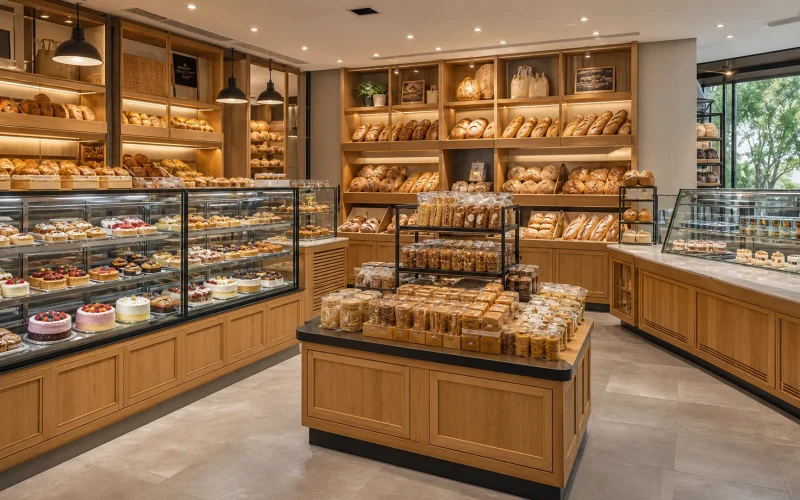
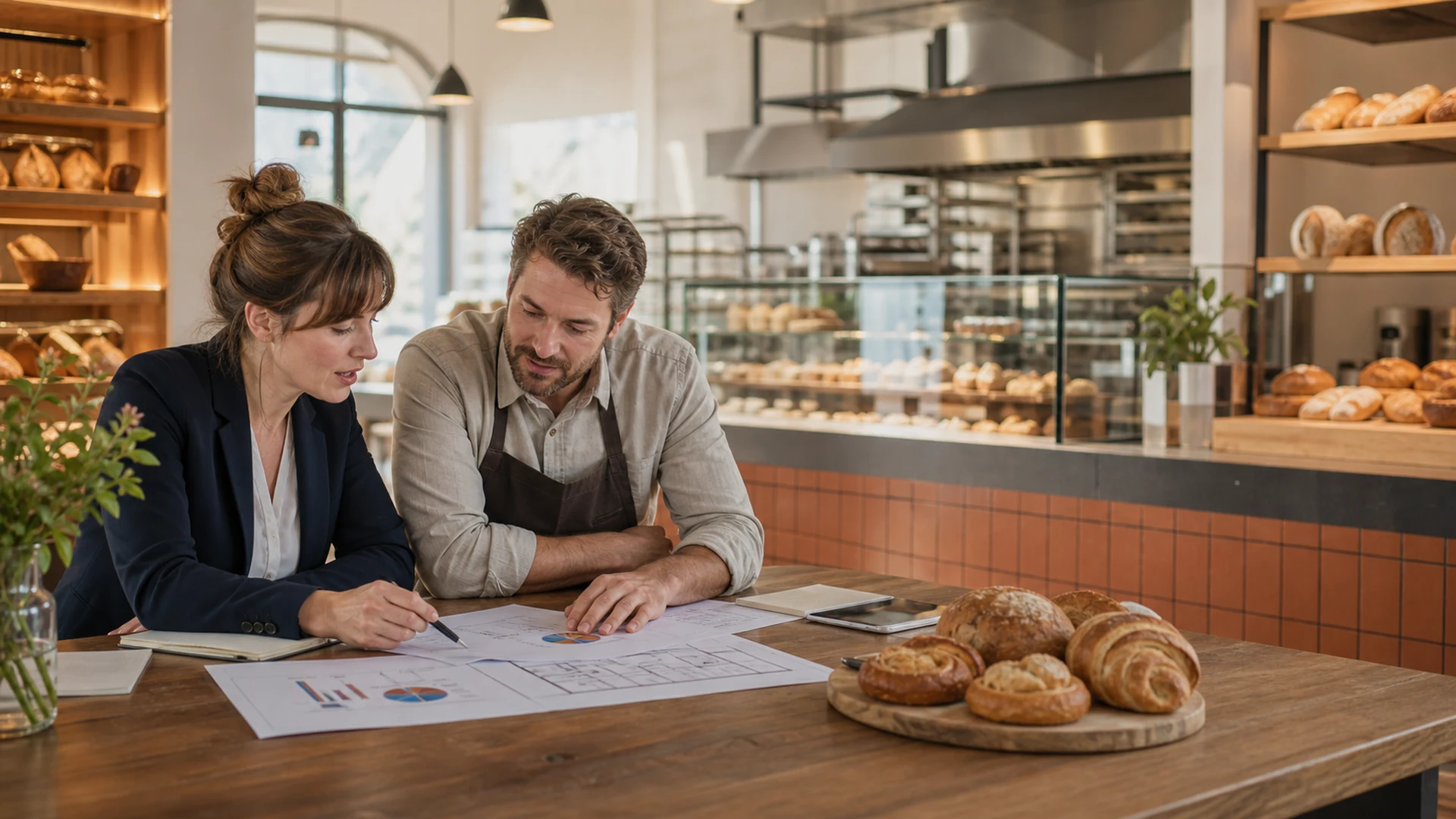
A bakery business plan explains what your bakery will sell, who it will serve, how it will operate, and how the numbers can work. A useful plan is not a collection of optimistic statements. It connects the concept, menu, production capacity, location, staffing, marketing, startup budget, and cash-flow forecast into one testable model.
This guide provides a practical bakery business plan structure for a retail bakery, bakery café, home bakery, or wholesale operation. If you are still working through the complete launch process, start with our guide on how to open a bakery.
Choose the Right Type of Business Plan
The U.S. Small Business Administration describes two common approaches. A traditional plan is detailed and is often expected by lenders or investors. A lean plan summarizes the most important assumptions and can be useful while testing an early concept. There is no single required format; the plan should match its purpose.
- Use a lean plan when comparing concepts, testing a home bakery, preparing a pop-up, or discussing an early idea with a partner.
- Use a traditional plan when negotiating a lease, applying for financing, raising investment, planning a commercial fit-out, or managing a multi-person launch.
Even a short plan needs credible assumptions. Replace broad claims with local evidence, supplier quotations, recipe costing, customer tests, and a realistic operating schedule.
Bakery Business Plan Structure
A complete bakery business plan normally includes the following sections:
- Executive summary
- Bakery concept and company description
- Customer and market analysis
- Competitive positioning
- Products, menu, and pricing
- Location and store design
- Operations and production plan
- Management and staffing
- Marketing and sales plan
- Startup budget and financial projections
- Funding request, risks, and milestones
- Supporting documents
1. Write the Executive Summary Last
The executive summary appears first but is easier to write after completing the rest of the plan. Keep it concise enough that a reader can understand the opportunity without reading every page.
Include:
- Bakery name, model, and proposed location
- Target customer and the need you will meet
- Signature products and competitive advantage
- Sales channels and opening timetable
- Management experience
- Total startup requirement and funding request
- High-level sales, profitability, and break-even goals
Avoid describing the bakery as successful before evidence exists. Explain why the concept is credible and what must happen for it to succeed.
2. Define the Bakery Concept
Describe the business in one clear sentence. For example: “A neighborhood artisan bakery serving naturally leavened bread, breakfast pastries, and takeaway coffee to commuters and local families.”
Then explain:
- Retail, café, home, delivery, wholesale, kiosk, or hybrid model
- Product specialization and price position
- Service style, opening hours, and ordering methods
- Business ownership and legal structure
- Short- and long-term objectives
Keep the opening concept focused. A bakery that simultaneously promises artisan bread, elaborate wedding cakes, full restaurant meals, wholesale production, and nationwide delivery may require several different operating systems.
3. Identify the Target Customer
“Everyone who likes baked goods” is not a target market. Define the main customer groups, when they purchase, what problem they are solving, what they value, and what alternatives they currently use.
Possible segments include morning commuters, nearby residents, parents buying celebration cakes, office catering buyers, tourists, premium ingredient shoppers, dietary-specific customers, cafés needing wholesale pastries, or online preorder customers.
Support the description with local evidence:
- Foot traffic at the proposed trading hours
- Nearby homes, offices, schools, hotels, or transport
- Customer interviews and preorder tests
- Market, delivery, or pop-up sales data
- Competitor reviews and visible service gaps
4. Analyze the Competition
Include direct competitors such as bakeries and cake shops, plus indirect competitors such as supermarkets, cafés, convenience stores, delivery brands, and home bakers.
Compare product range, price, quality, location, opening hours, seating, ordering convenience, customer reviews, brand presentation, and sales channels. Then explain where your bakery will be meaningfully different.
Useful differentiation might come from a signature product, faster breakfast service, stronger preorder systems, local delivery, wholesale reliability, clearer allergen handling, an underserved neighborhood, or a distinctive in-store experience. “Better quality” is not enough unless you can define and consistently deliver it.
5. Build the Menu and Pricing Model
The menu is both a customer promise and a production plan. Group products by category and show which items are core, seasonal, custom, preorder-only, or wholesale.
For each important product, record:
- Standard recipe and batch yield
- Ingredient and packaging cost
- Direct preparation and finishing time
- Shelf life and expected waste
- Selling price and contribution
- Required equipment and storage
Connect menu size to capacity. A large opening menu creates more ingredients, training, changeovers, display space, and waste. Start with a strong core range and add products after measuring demand.
6. Plan the Location and Customer Experience
Describe the required premises before choosing a site: approximate size, production and retail balance, utility capacity, ventilation, loading access, storage, refrigeration, waste handling, parking, visibility, and target rent.
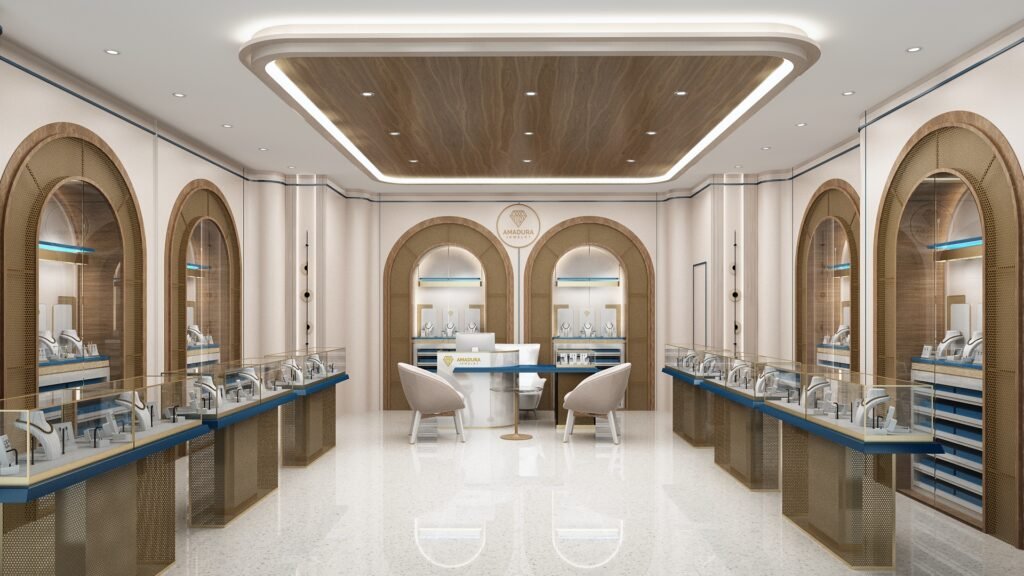
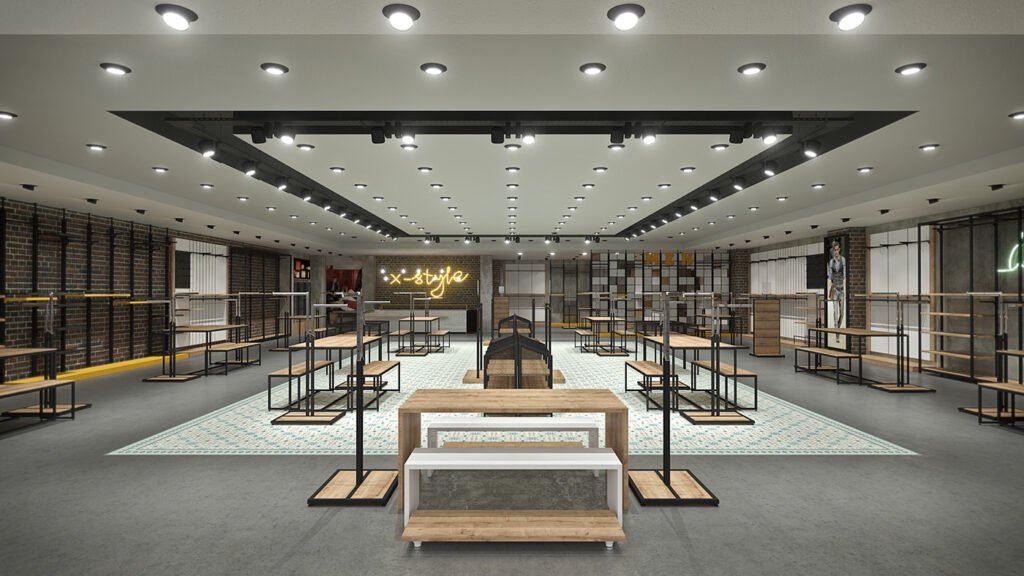
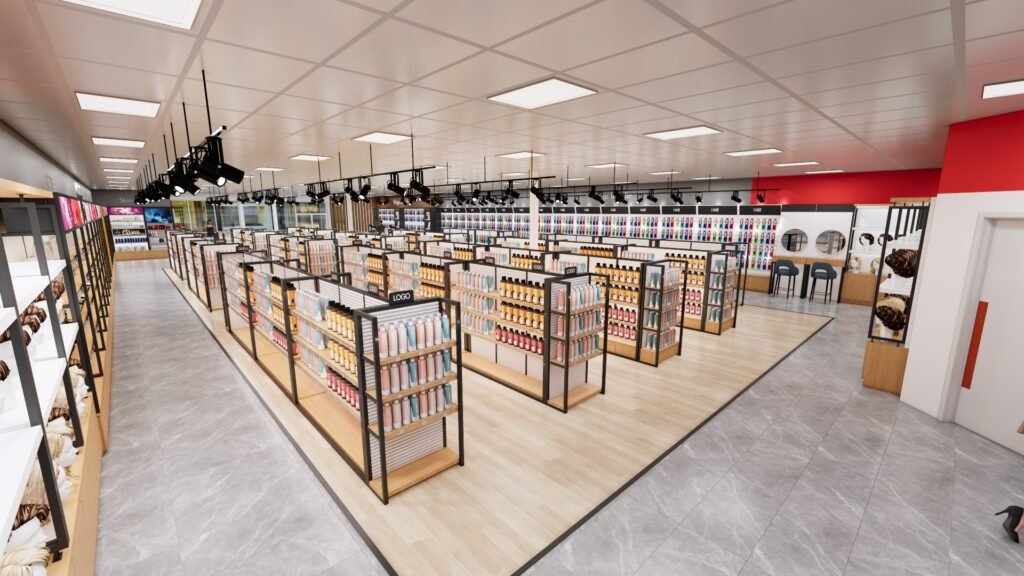
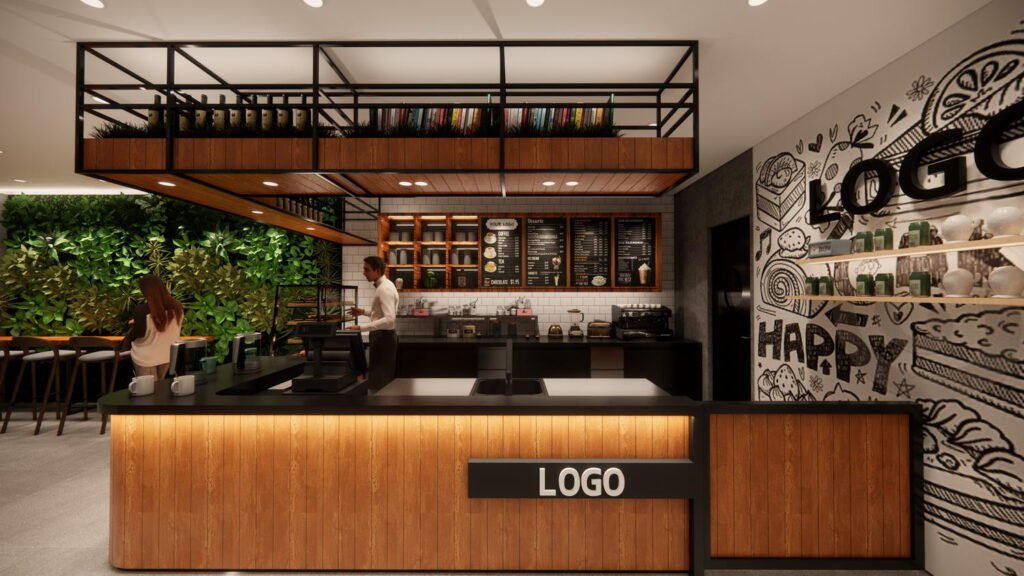
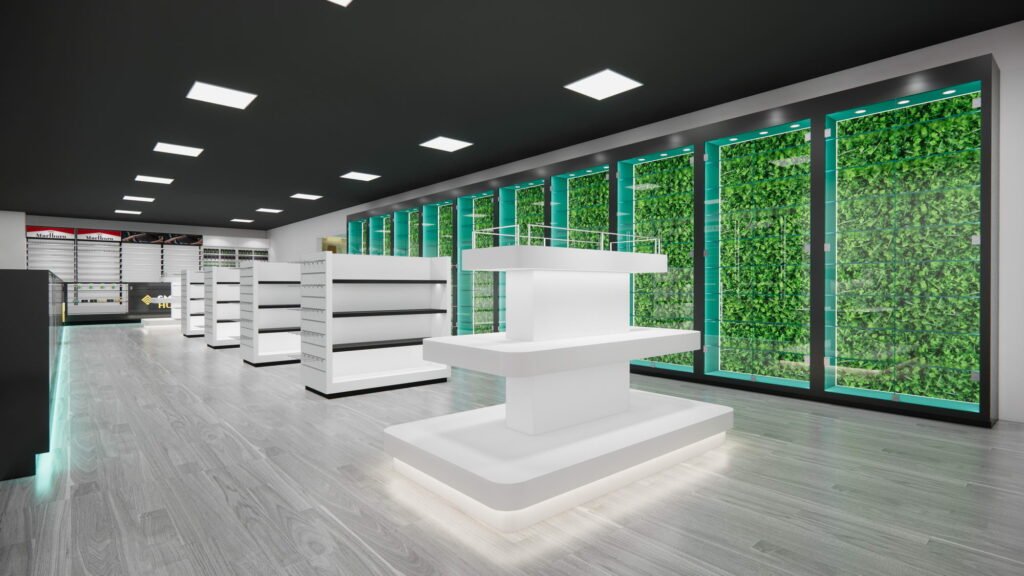
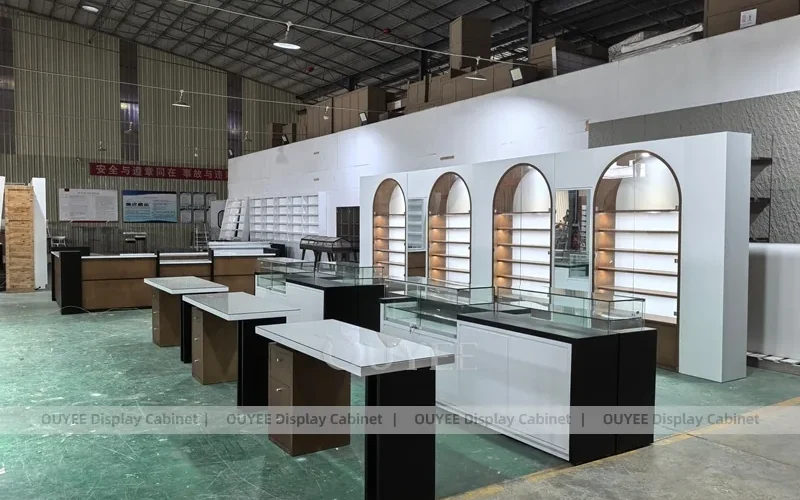
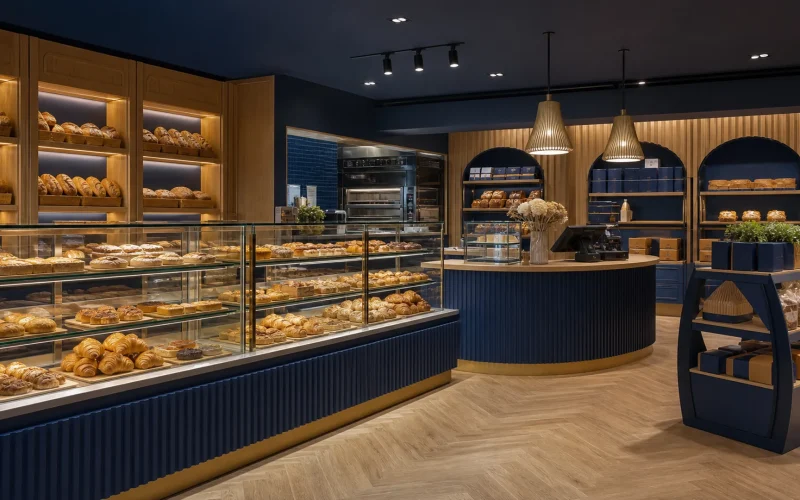
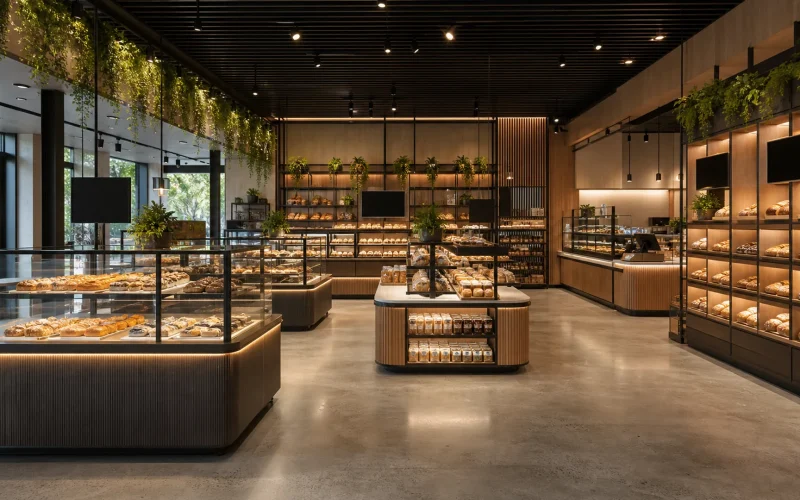
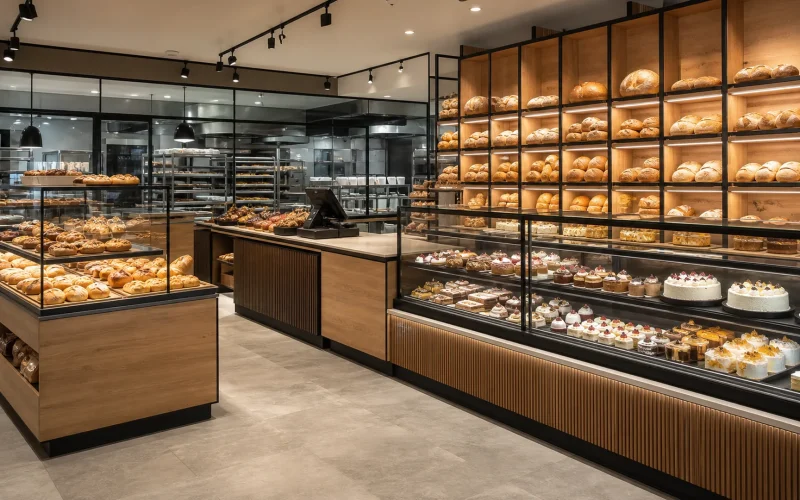
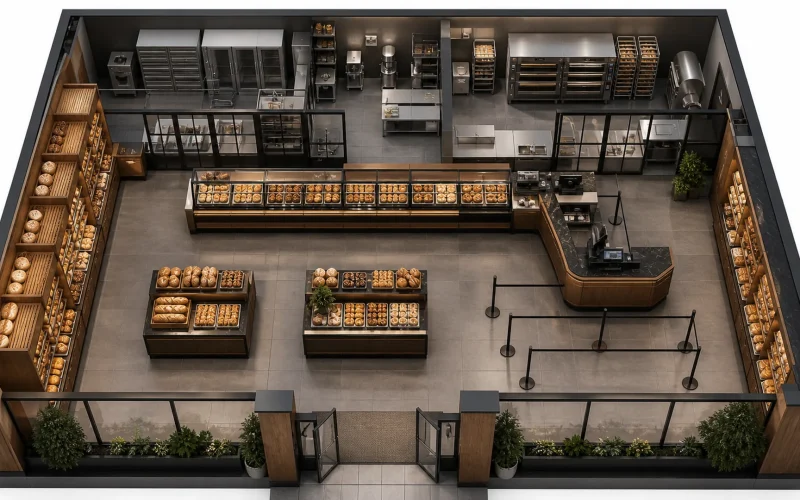
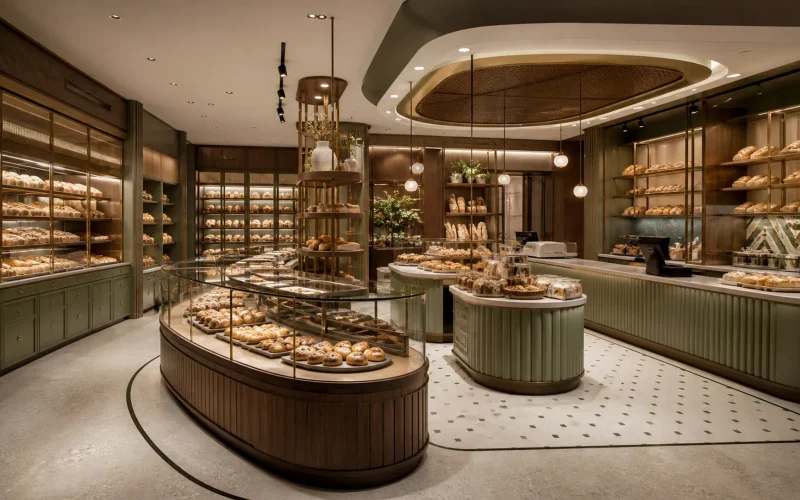
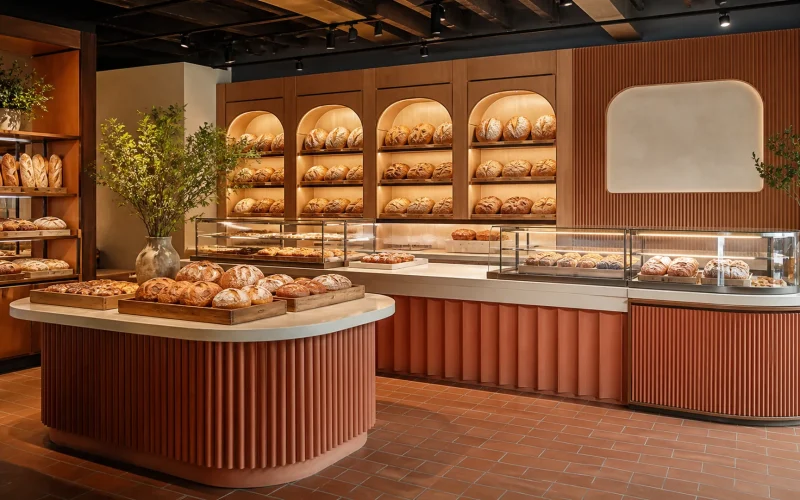
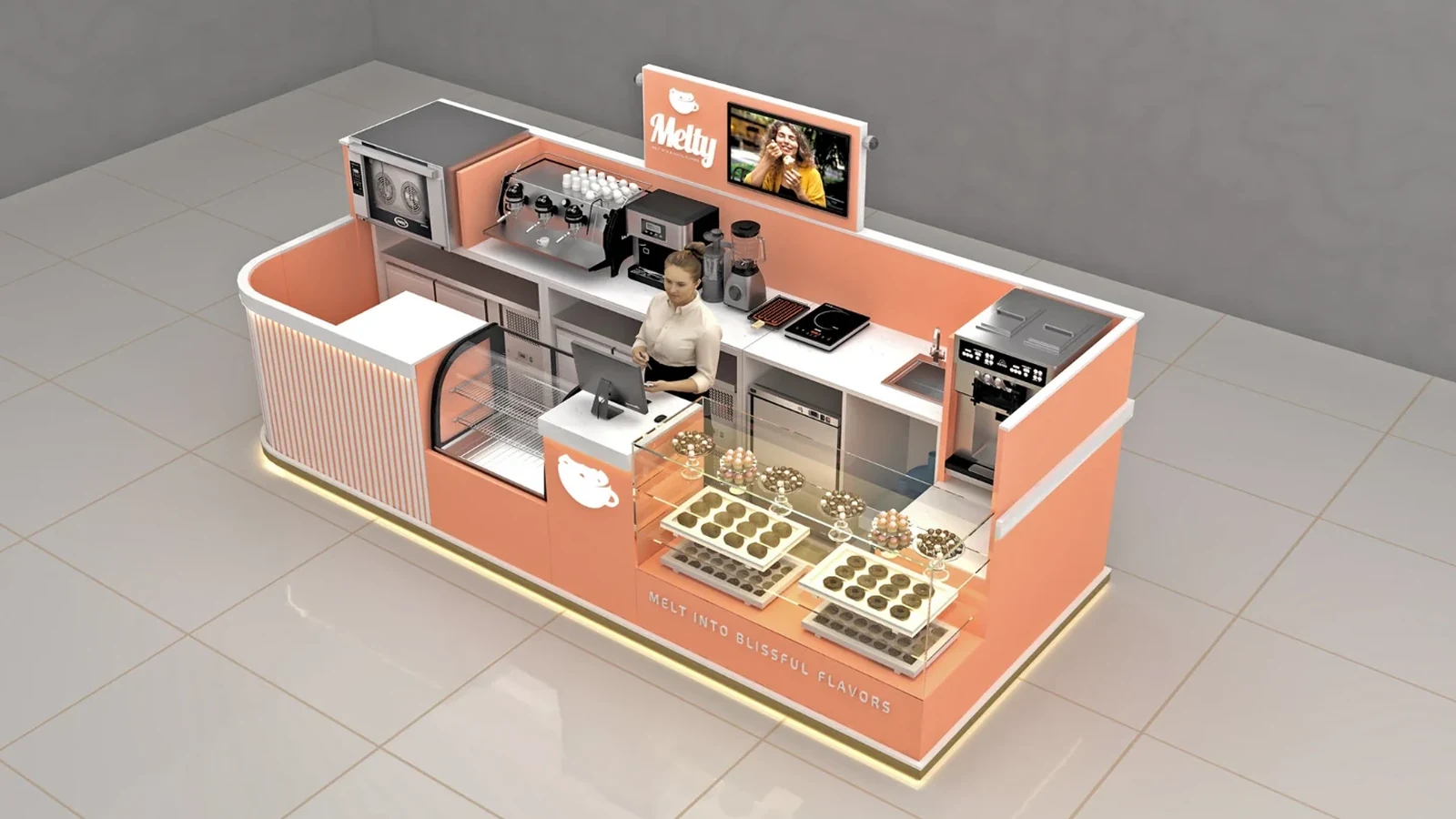
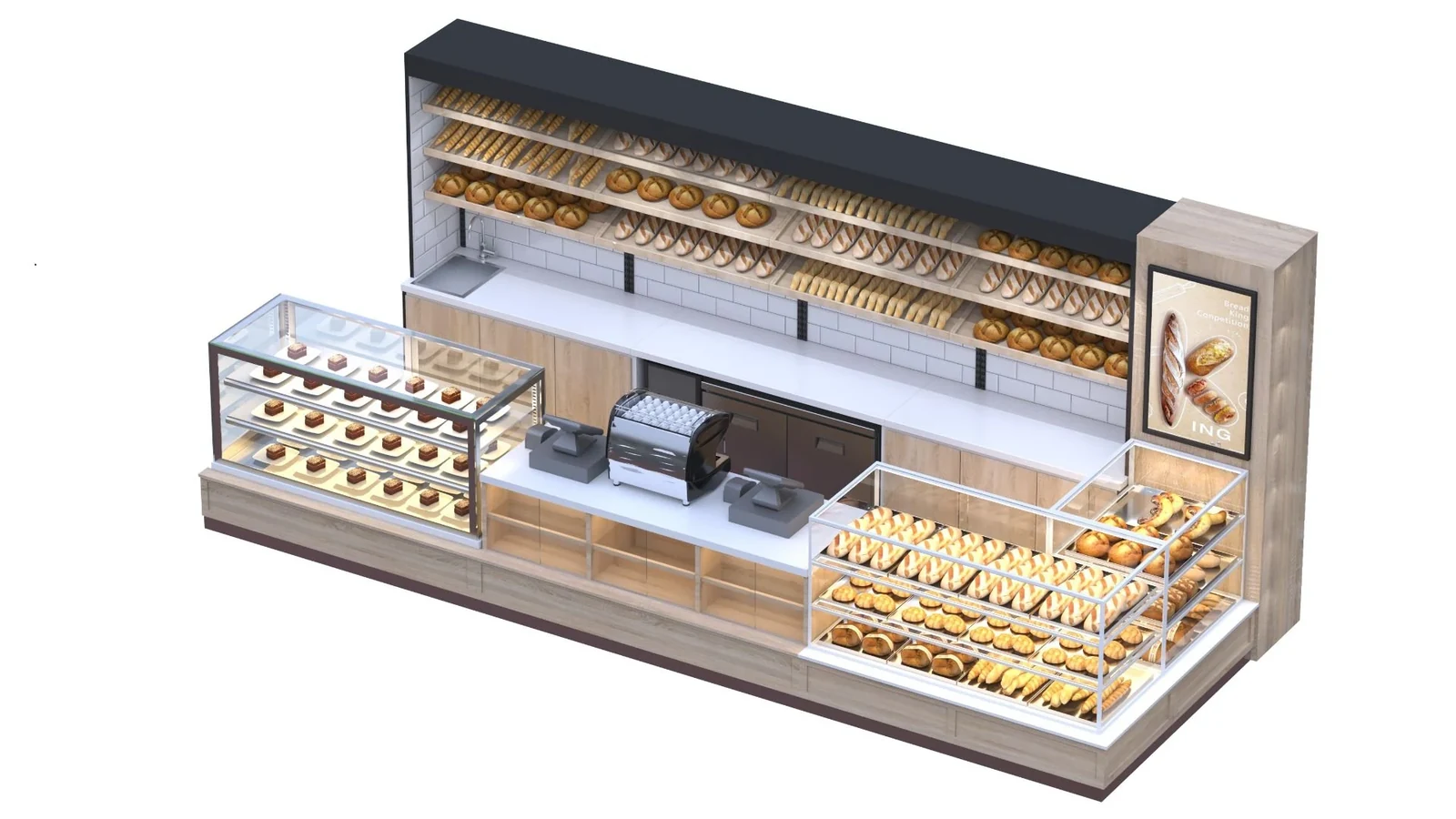
The customer area should support the sales model. Plan how people enter, view products, queue, order, pay, collect, sit, and leave. Display cases, wall shelving, menu boards, counter space, and lighting must fit the product mix.
Ouyee Display develops custom bakery counters, showcases, bread shelving, and coordinated retail fixtures. Including a preliminary fixture and layout schedule in the business plan makes the construction budget more complete and helps connect brand presentation with daily service.
7. Write the Production and Operations Plan
Explain how the bakery will work on an ordinary day. Map the product flow from receiving and storage through weighing, mixing, proofing, baking, cooling, decorating, display, packaging, and handoff.
The operations section should cover:
- Opening hours and production schedule
- Supplier list, delivery days, and backup suppliers
- Equipment capacity and maintenance
- Inventory controls and reorder points
- Food safety, allergens, cleaning, and traceability
- Point-of-sale, preorder, delivery, and accounting systems
- Waste measurement and end-of-day procedures
- Quality checks and standard recipes
Use a capacity table to check whether the ovens, mixers, proofing space, refrigeration, staff, and service counter can support forecast sales. Sales projections that exceed physical capacity are not useful.
8. Define Management and Staffing
List the owners and managers, their responsibilities, and relevant experience. Identify skill gaps and explain how they will be covered through hiring, training, advisers, or external services.
Create a staffing plan by shift and function rather than listing only job titles. Early production, finishing, counter service, coffee, washing, cleaning, deliveries, ordering, marketing, and bookkeeping all require time.
Include wages, payroll taxes, benefits, recruitment, uniforms, training, overtime, and temporary cover in the financial model. State who can take over critical duties when a key person is absent.
9. Create the Marketing and Sales Plan
Describe how customers will discover the bakery, make a first purchase, and return. Match the channel to the customer rather than using every platform.
Your plan might include:
- Exterior visibility, local listings, and search presence
- Product photography, website, and online ordering
- Opening previews and neighborhood partnerships
- Preorders for celebrations and seasonal products
- Email or messaging lists built with permission
- Loyalty offers that protect margins
- Catering, wholesale, subscriptions, or corporate gifting
Give each activity a budget, owner, timing, and measure. Examples include preorder conversion, average transaction value, repeat purchase, wholesale inquiries, and customer acquisition cost.
10. Prepare the Startup Budget
List every one-time expense needed before opening. Typical categories include deposits, professional fees, permits, construction, equipment, refrigeration, displays, furniture, signage, technology, opening inventory, packaging, recruitment, training, and launch marketing.
Use written local quotations whenever possible and identify what each quote excludes. For detailed planning ranges, see how much it costs to open a bakery.
Add a contingency and keep working capital separate from the fit-out budget. Spending the operating reserve on construction can leave a bakery unable to fund payroll and inventory while sales build.
11. Build Financial Projections
Prepare monthly projections for at least the first year, with annual summaries for later years if required by a lender or investor. Build the sales forecast from measurable drivers rather than choosing a desired revenue total.
For retail sales, useful drivers include transactions per day, average transaction value, trading days, seasonal changes, and product mix. For wholesale, use active accounts, average order value, order frequency, and expected account start dates.
Include:
- Sales forecast by channel
- Ingredient and packaging costs
- Payroll and employer costs
- Rent, utilities, insurance, software, and marketing
- Loan payments and equipment finance
- Profit and loss projection
- Cash-flow forecast
- Break-even analysis
- Balance sheet when required
Create cautious, expected, and strong scenarios. The cautious version should show how the bakery responds if sales grow slowly, ingredient costs rise, construction is delayed, or a major piece of equipment fails.
12. Explain Funding and Use of Funds
If requesting finance, state the amount, type of funding, owner contribution, proposed repayment, and exact use of funds. Separate essential opening needs from optional upgrades.
A clear use-of-funds table might include construction, baking equipment, refrigeration, retail fixtures, technology, pre-opening expenses, and working capital. Link each category to supporting quotes or assumptions in the appendix.
Bakery Business Plan Checklist
- The concept and target customer are specific.
- The menu is costed and fits the production capacity.
- Market claims are supported by local evidence.
- The site requirements are defined before lease commitment.
- Equipment, fixtures, and utilities appear in the budget.
- Staffing matches the daily production and service schedule.
- Sales projections are built from transactions or accounts.
- Cash flow includes startup delays and working capital.
- The plan identifies major risks and responses.
- Quotations, recipes, licenses, resumes, and forecasts are attached.
Common Bakery Business Plan Mistakes
- Using national market statistics without proving local demand
- Forecasting sales that the equipment or staff cannot produce
- Ignoring waste, packaging, card fees, and pre-opening payroll
- Choosing a site before checking utilities and food-use approval
- Offering too many products at launch
- Confusing profit with cash available
- Leaving the customer area and retail fixtures out of the fit-out budget
- Writing the plan once and never comparing it with actual results
Frequently Asked Questions
How long should a bakery business plan be?
It should be long enough to support the decision. A lean internal plan may fit on one page, while a financing plan may need detailed sections, projections, and appendices. Clarity and evidence matter more than page count.
Do I need a business plan for a home bakery?
Yes, although it can be simpler. A home bakery still needs a defined customer, legal sales model, costed menu, production schedule, sales forecast, marketing plan, and cash budget.
What financial information should I include?
Include startup costs, monthly sales, cost of goods, payroll, operating expenses, cash flow, break-even, funding sources, and the assumptions behind each number. Use local quotes and recipe-level costing.
When should I update the plan?
Update it whenever a major assumption changes and compare forecasts with actual performance regularly after opening. Menu, staffing, pricing, capacity, and cash assumptions should evolve with evidence.
Turn the Plan into an Operating Bakery
A strong bakery business plan links customer demand to a menu, the menu to an operating system, and the operating system to a financial model. If those connections are weak, more pages will not fix the plan. Test the assumptions before committing the largest expenses.
When you are ready to plan the customer-facing space, Ouyee Display can translate the menu, service flow, and brand direction into practical bakery counters, showcases, shelving, and store fixtures that align with the business plan and budget.
Planning reference: U.S. Small Business Administration business plan guidance.