
Mall candy kiosks usually need a clear way to show bulk sweets, packaged candy, featured gift items, and a payment point without making replenishment or cleaning difficult. A food-court kiosk may also need a staff-served counter that keeps customers away from working stock. The main candy kiosk display fixtures include bulk bins or scoop stations, packaged-candy racks, vertical shelves, protected feature cases, order counters, and staff-side storage. Choose their mix from the actual assortment, customer handling policy, approved mall footprint, and local food requirements. A product image can suggest a layout; it cannot prove dimensions, hygiene performance, or the scope of a supplier quote.
For the wider project context, see OYDisplay’s candy kiosk manufacturing page and food kiosk page. The product-page images below are references for fixture roles. The buyer’s measured plan and merchandise schedule should decide what is built.
Separate browsing, serving, and stock storage
List every product family the kiosk will sell: loose sweets, prepacked bags, chocolate boxes, nuts, seasonal gifts, or another assortment. Record package sizes, whether customers handle the item directly, and how often staff refill the display. A bulk bin, boxed-gift shelf, and staff-served counter do different jobs even if all three carry candy.
Draw the customer path from first view to product comparison, selection, payment, and exit. Then draw the staff path for restocking, packaging, cleaning, and waste removal. A stand may look attractive from the mall aisle but still force staff to cross a queue to reach supplies. Decide which merchandise stays visible, which is customer-accessible, and which remains staff-controlled.
Ask the mall for its approved footprint, power and lighting rules, loading access, signage limits, and operating conditions. Give those requirements to every fixture bidder. A kiosk supplier should mark the boundary between display joinery, food-service equipment, graphics, electrical work, and mall approval services in the proposal.
Compare the main candy kiosk fixture types
The table is a qualitative buying aid. It does not assign universal food-safety, capacity, or accessibility figures. The actual products, local rules, and equipment documentation control those details.
| Fixture type | Useful kiosk role | Questions before ordering |
|---|---|---|
| Bulk candy bins or scoop station | Presenting a self-serve or staff-served loose-candy range | Who handles the product, how are containers cleaned, and where are utensils and refill stock kept? |
| Packaged-candy display racks | Making many bagged or boxed items easy to browse | Do shelves fit real package sizes, leave labels visible, and support routine restocking? |
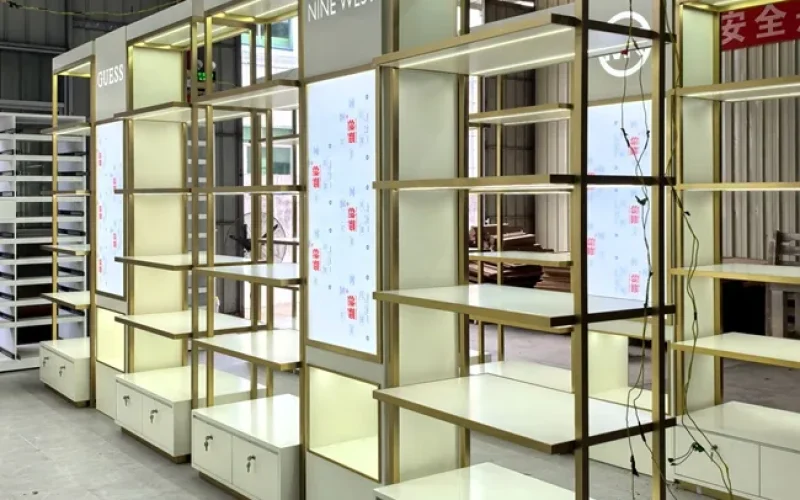
| Vertical wall or back shelving | Using limited floor area for a repeatable category layout | How is it fixed, reached, cleaned, and reorganized when the assortment changes? |
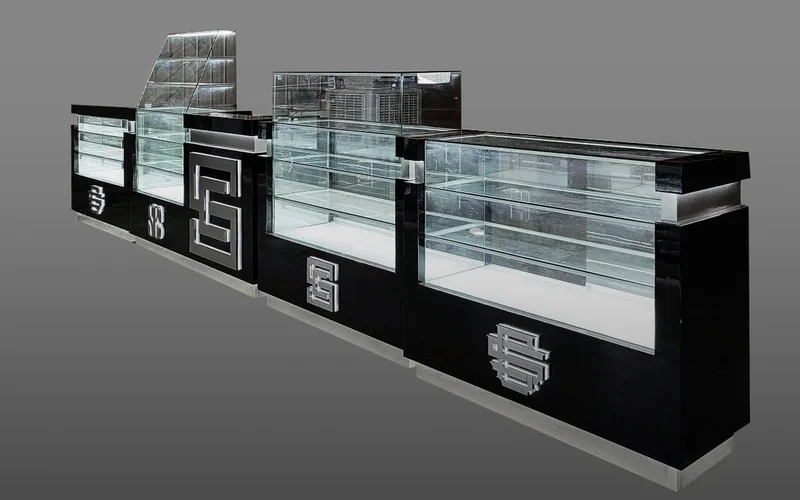
| Protected feature showcase | Highlighting gifts or products the operator chooses to serve directly | What opens for staff, how are surfaces cleaned, and what product protection applies? |
| Order and payment counter | Giving customers a clear service point | Does the queue fit the approved mall plan and leave staff room to pack orders? |
| Base storage and packing counter | Holding bags, labels, reserve product, tools, and cleaning supplies for staff | Can drawers and doors open during a shift without blocking service or product handling? |
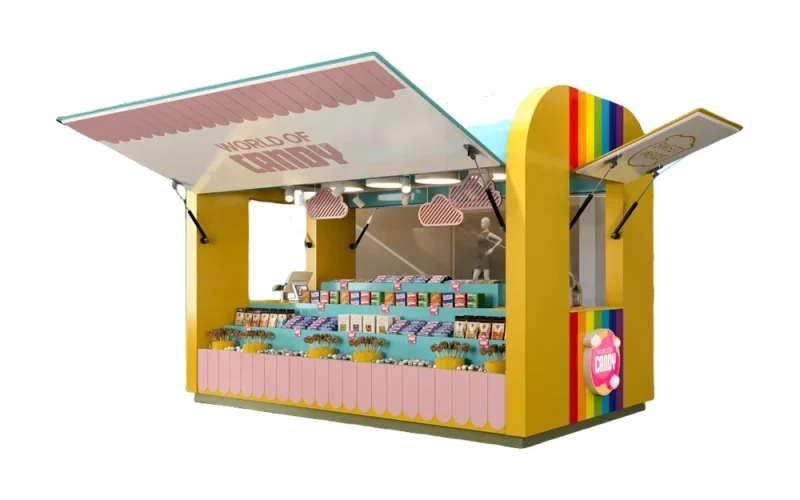
OYDisplay’s candy and nuts kiosk product is one site reference for coordinating several of these roles. Request current drawings and material details before assuming the pictured case, shelf, or service counter is included in a new quotation.
Plan bulk candy as an operating system
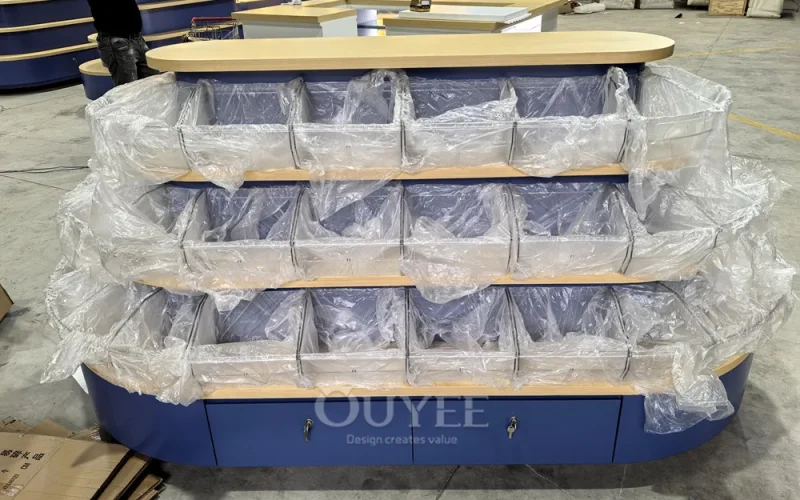
Bulk candy bins can attract attention, but their display method affects handling, replenishment, and cleanup. Decide whether customers scoop products or staff serve them, then locate the relevant utensils, packaging, labels, and refill stock. Test whether a worker can replenish one container without disturbing adjacent items or the payment queue.
For U.S. operations, the FDA Food Code 2026 is a model code that jurisdictions may adopt. Confirm the rules applicable to the actual mall operation with its local health authority. A fixture photo is not evidence that a bin, lid, utensil, or cleaning procedure meets those requirements.
OYDisplay’s bulk candy and nut kiosk product page offers a relevant fixture image. Use it to discuss product grouping and shelf positions, then specify the actual containers, staff access, and cleaning plan.
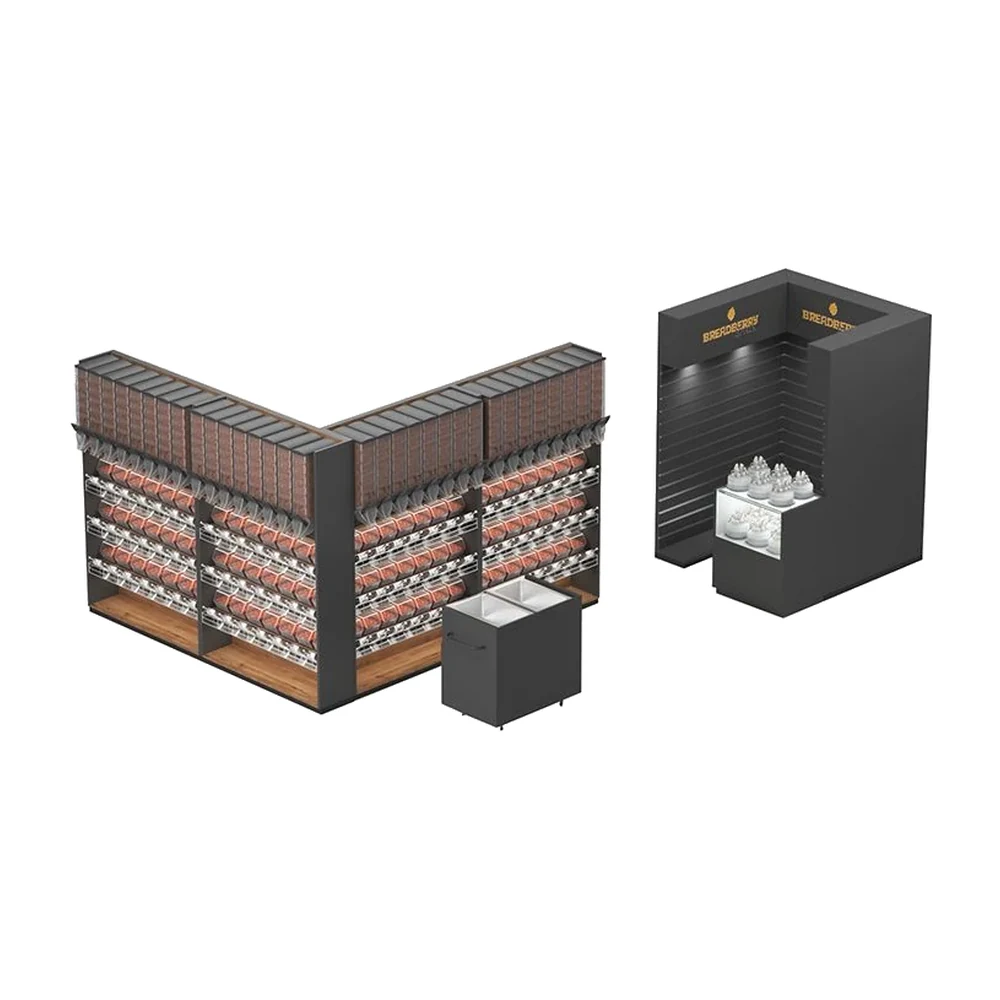
Give packaged sweets a readable shelf plan
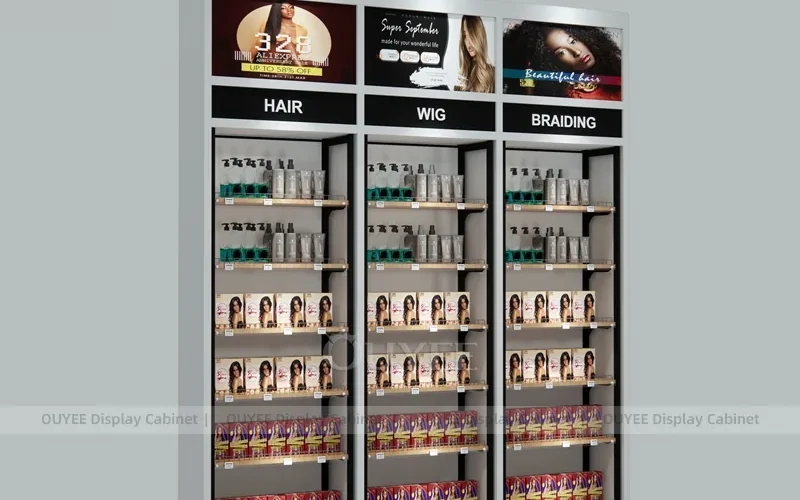
Bagged candy and boxed gifts need a clear sequence that customers can understand while walking past. Group the assortment by product family or buying occasion, and give the team a simple rule for returning products after restocking. Measure the actual bags and boxes so the supplier can show usable shelf width, depth, and label space on a drawing.
Impulse candy display racks work when shoppers can see a limited number of distinct choices. Filling every surface with unrelated products can hide prices, make replenishment slow, and weaken the feature story. Ask how hooks, dividers, shelf lips, graphics, or price holders change when the campaign changes. Replacement parts matter if the kiosk runs year-round.
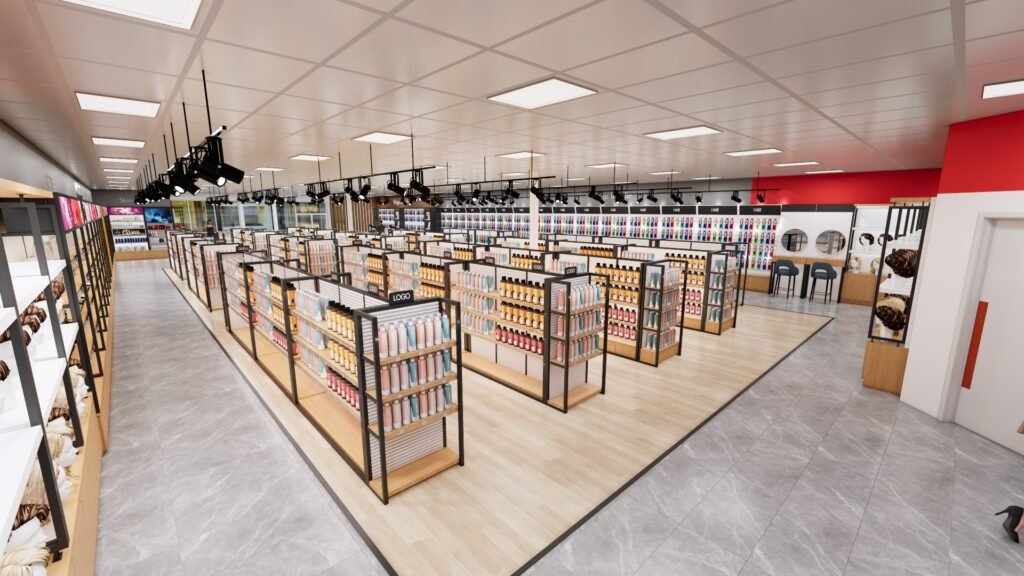
A candy-box cabinet kiosk from OYDisplay shows one visual approach to packaged-product presentation. The product-page image supports discussion; it does not establish the load rating or included fittings for a new site.
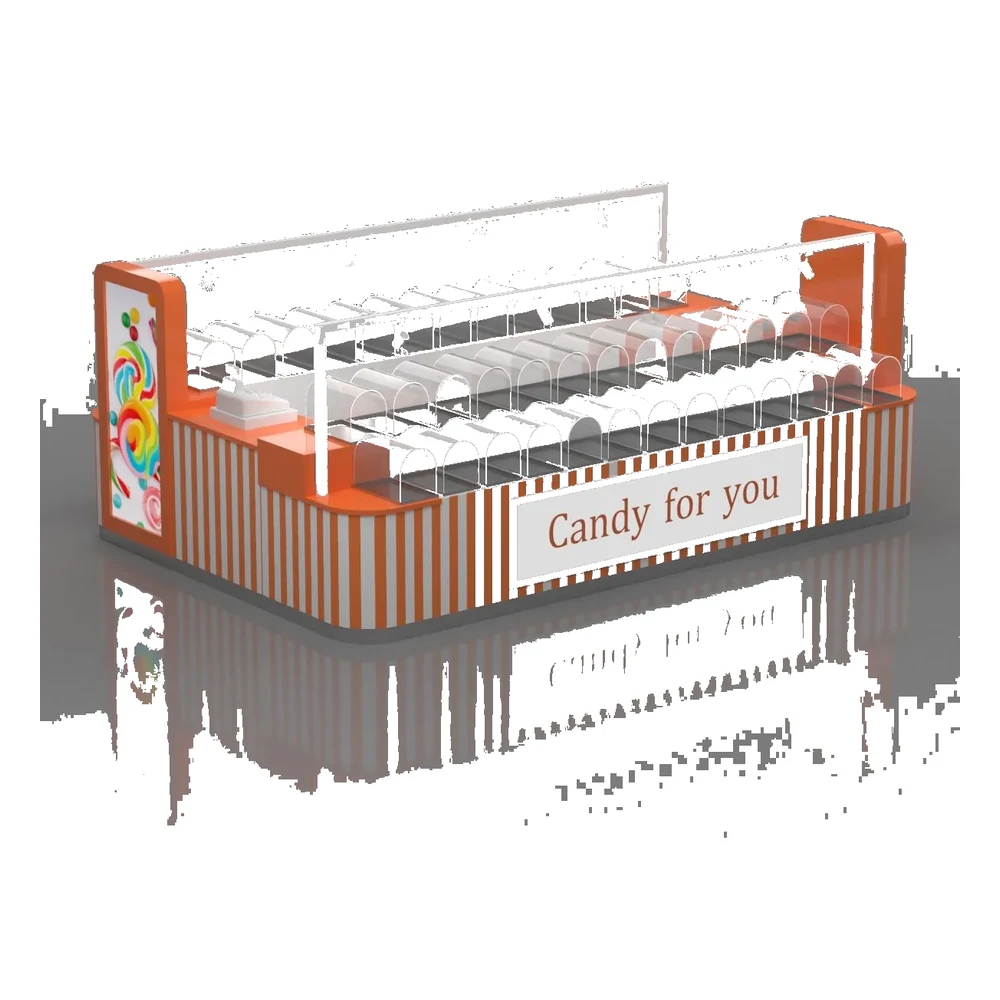
Use a feature case for a deliberate product story
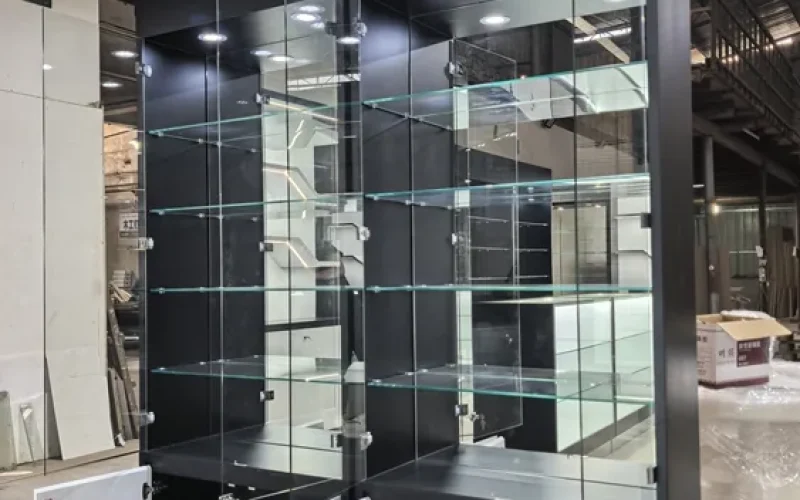
A protected case or feature shelf can give premium gifts or a small seasonal range more focus. Decide how the customer views an item, how staff retrieve it, and where a removed product rests during the sale. A feature case that interrupts the payment point may cost more floor area than it returns in clarity.
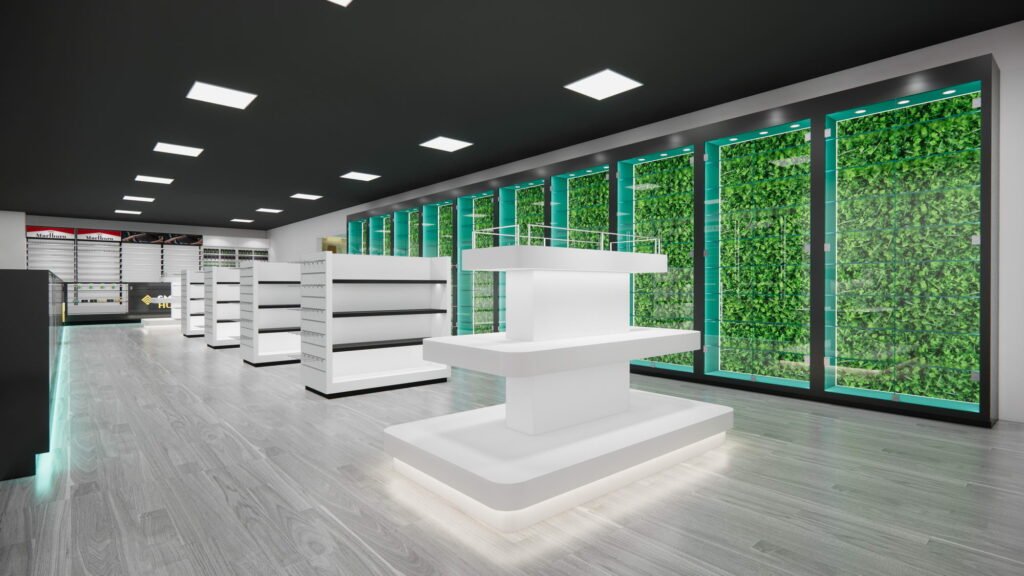
The candy and nut showcase product provides another real site reference. Check the staff opening, cleaning access, and light components on a project drawing. If the supplier claims security or food-protection performance, request documentation for the exact proposed assembly rather than infer it from glazing.
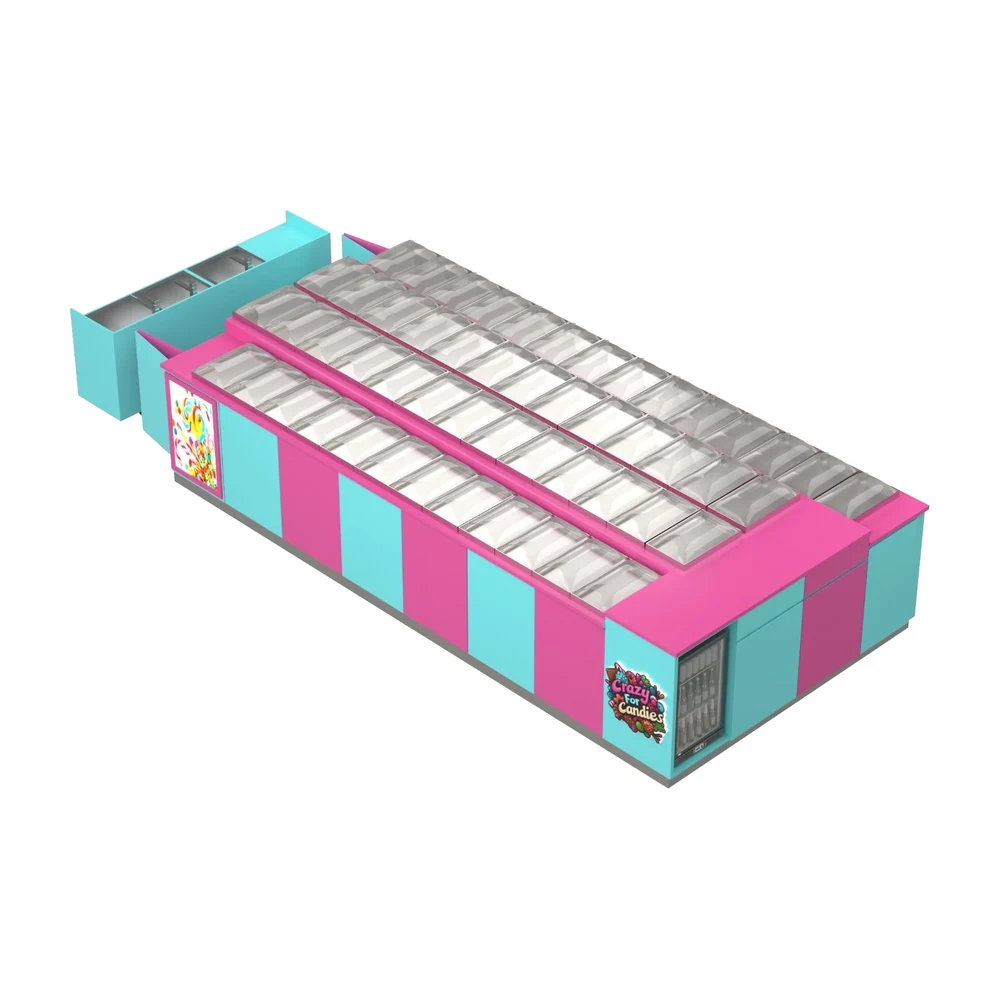
Make the service counter and customer route work
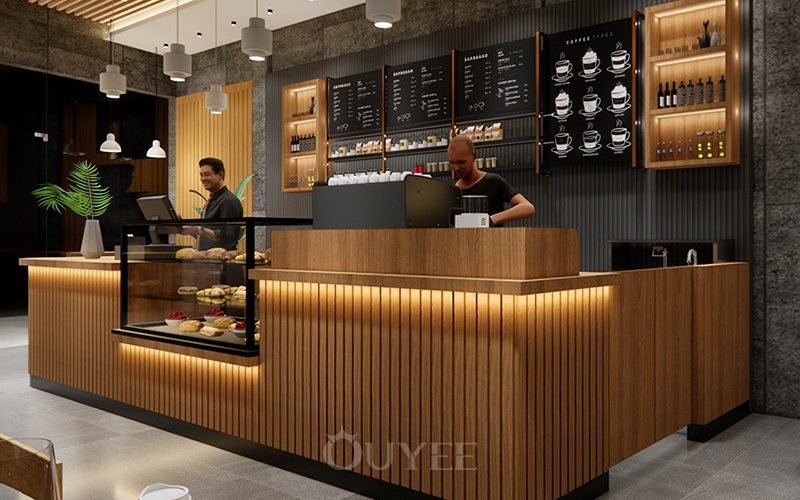
Mark the payment point, any staff-served loose-candy station, and the location where customers receive a packed order. These can share one counter, but the tasks should still be clear on the plan. Ask where people queue during a busy period and whether they block the kiosk’s visible product area or the mall’s main circulation.
For U.S. projects, the U.S. Access Board’s ADA Standards cover sales and service counters and customer approaches. A qualified designer should determine how the standards apply to each service offered at the actual kiosk. Use the measured site plan rather than a generic drawing to review approach and circulation.
The U.S. Access Board’s Sales and Service Counters video illustrates counter access. It is an educational supplement to the written standards and project review.
Watch Sales and Service Counters from the U.S. Access Board.
Check staffing, cleaning, and campaign changes
Walk the kiosk plan through opening stock placement, a rush, a refill, spill cleanup, and closing. Identify which shelves lift out, how containers are cleaned, where packaging is stored, and who services a light or graphic panel. A finish sample should be reviewed with the operator’s cleaning products and approved site requirements.
Keep the staff-side storage plan realistic. Bags, labels, reserve stock, cleaning supplies, and personal items should have assigned locations. Ask whether one open drawer blocks another worker or prevents the operator from serving a customer. Kiosk fixtures are easier to maintain when their daily use is documented before production.
For related food-kiosk decisions, our bakery kiosk fixture guide focuses on pastries and bread, while the frozen yogurt kiosk guide covers another product-handling format. Their display solutions should not be copied into a candy kiosk without reviewing the actual assortment.
Send suppliers a comparable request for quotation
Give each bidder the same mall plan, merchandise schedule, customer handling policy, local food requirements, desired appearance, and service routine. Ask them to show assumptions and exclusions. A single image can combine joinery, signs, lights, containers, equipment, freight, and installation; a usable quote separates them.
| Brief area | Information to provide or request | Decision check |
|---|---|---|
| Merchandise | Actual product and package dimensions, loose/packaged mix, labels, replenishment volume | Do bins and shelves fit the planned products and handling method? |
| Site and flow | Approved mall footprint, approach and queue, staff entry, delivery route, power points | Can customers and staff use the unit at the real location? |
| Construction | Named materials, containers, glazing, shelves, finish samples, cleaning and replacement details | Can the kiosk be operated and maintained during normal trading? |
| Project scope | Drawings, sample or first unit, graphics, lights, freight, installation, mall approvals, exclusions | Are competing suppliers pricing the same full package? |
Ask for a physical sample when container access, finish, or label visibility matters. Test it with the real merchandise and the expected staff routine before approving production.
Common candy kiosk buying mistakes
- Choosing a colorful kiosk image before the loose-versus-packaged assortment is defined.
- Assuming product containers or utensils meet local food requirements without checking.
- Placing a feature case where it blocks payment, replenishment, or customer circulation.
- Using shelf width from a catalog without testing real bag and gift-box dimensions.
- Comparing prices that exclude different parts of the kiosk, graphics, lights, or installation.
Frequently asked questions
What fixtures does a mall candy kiosk usually need?
Many kiosks combine bulk bins or a staff-served loose-candy station, packaged-product racks, a small feature case, an order and payment counter, and staff-side packing and storage. The mix depends on the assortment and handling policy.
Should bulk candy and packaged sweets use the same display?
They can be coordinated visually, but the handling, protection, labeling, cleaning, and refill procedures differ. List actual products and packages before deciding whether one fixture or separate zones work better.
How can a candy kiosk avoid a crowded look?
Group products by a consistent shopping decision, give a limited selection a clear feature position, keep prices readable, and leave staff a simple replenishment rule. Test the arrangement with actual merchandise.
What should a candy kiosk supplier quote include?
Request a measured fixture schedule, named materials and containers, staff openings, shelves, signs, lighting, local requirements, packing, freight, installation, mall approvals, warranty, and exclusions.
Can a candy kiosk product image prove it is ready for food service?
No. It is a visual reference. The operator, local health authority, equipment suppliers, and project team must confirm the actual food handling, cleaning, utilities, site approval, and fixture specification.

 English
  German
  Arabic
  French
  Spanish
  Italian
  Russian
  Turkish
  Portuguese
  Japanese