What the Salon Store Display Cabinet For Sale Image Shows
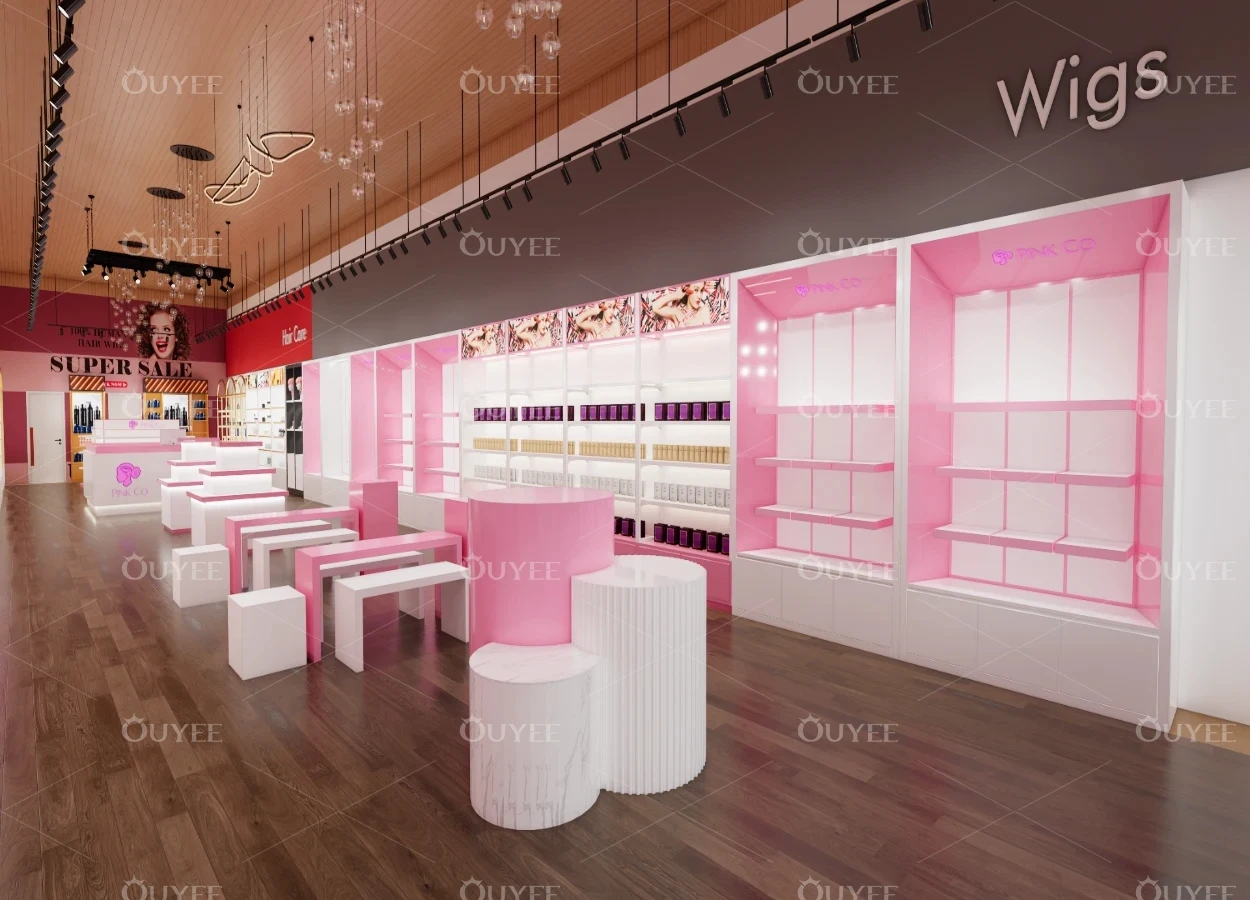
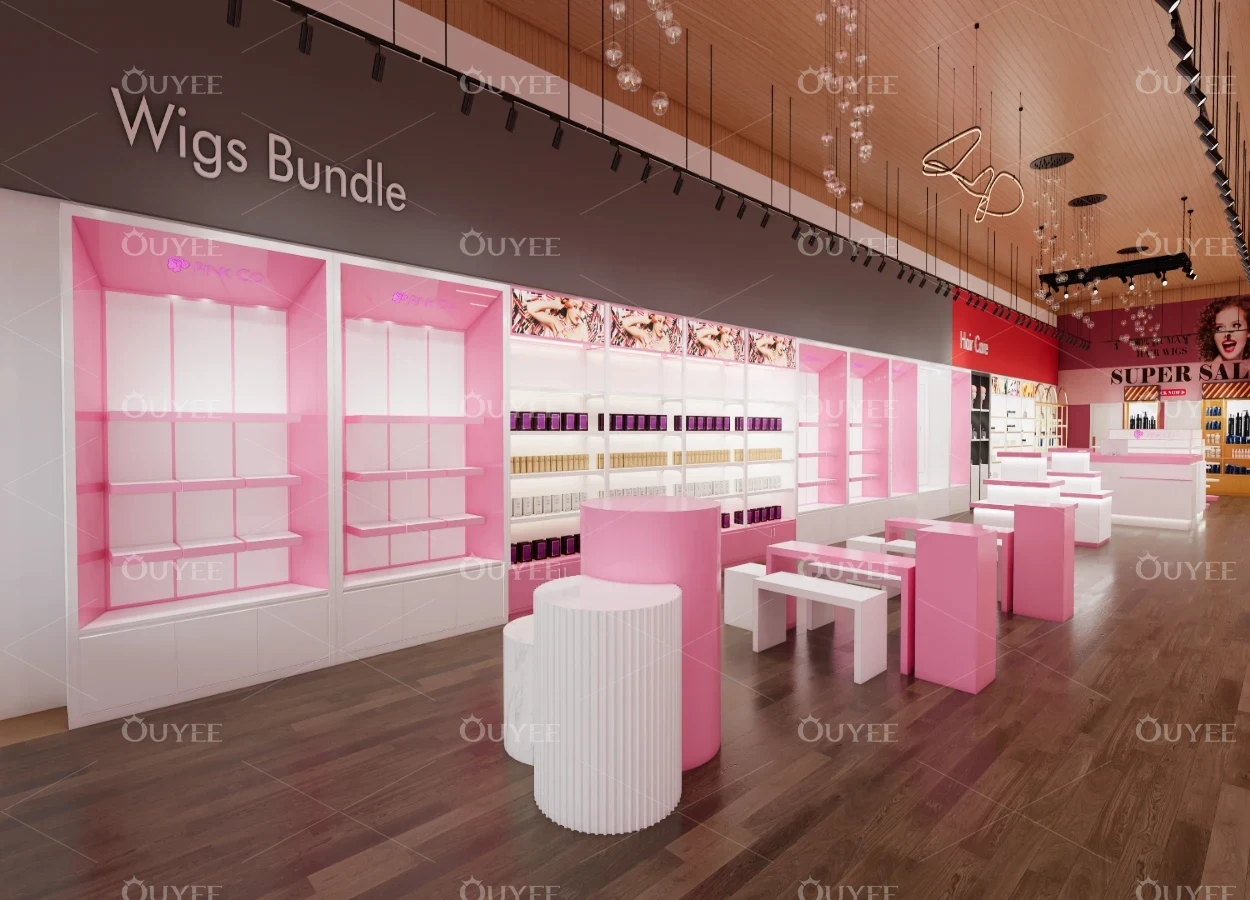
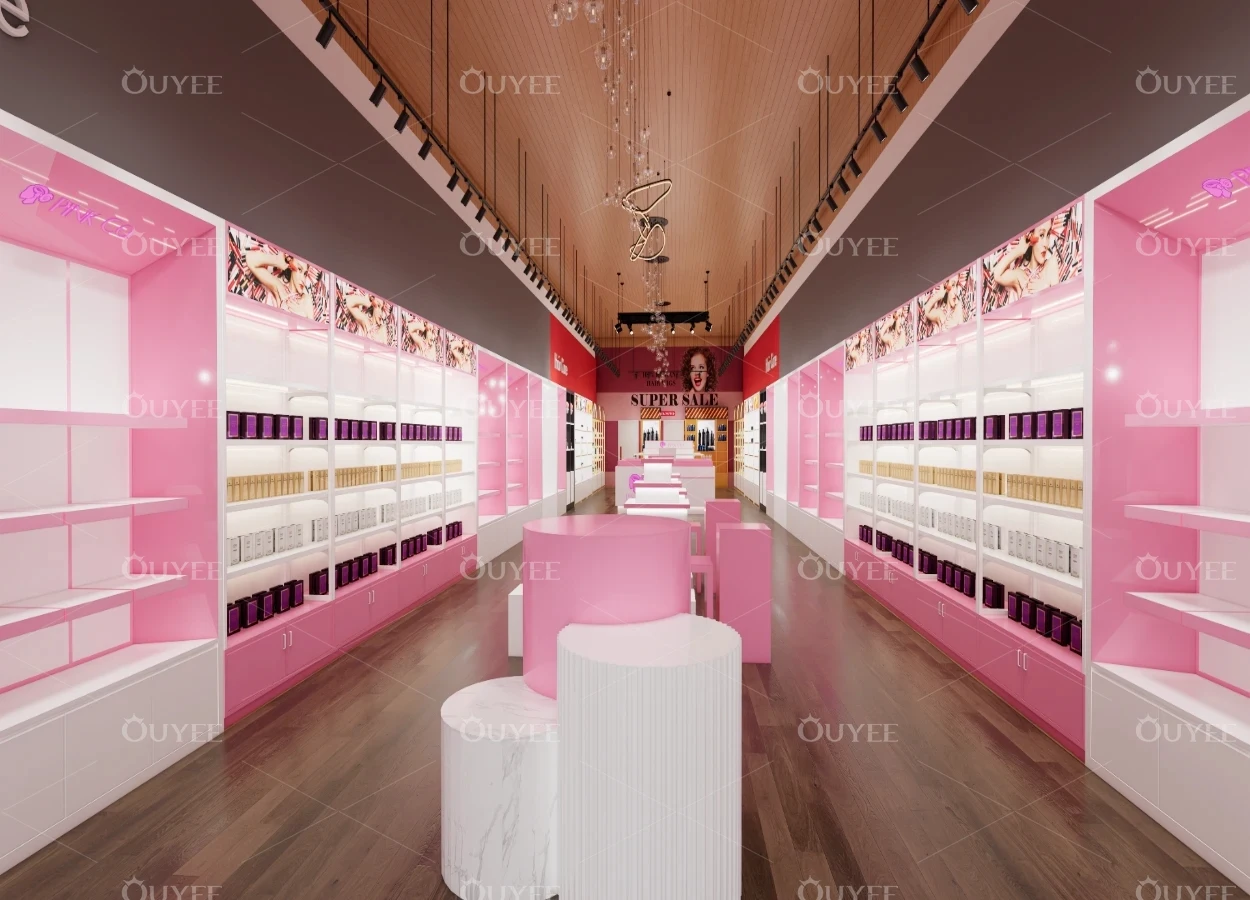
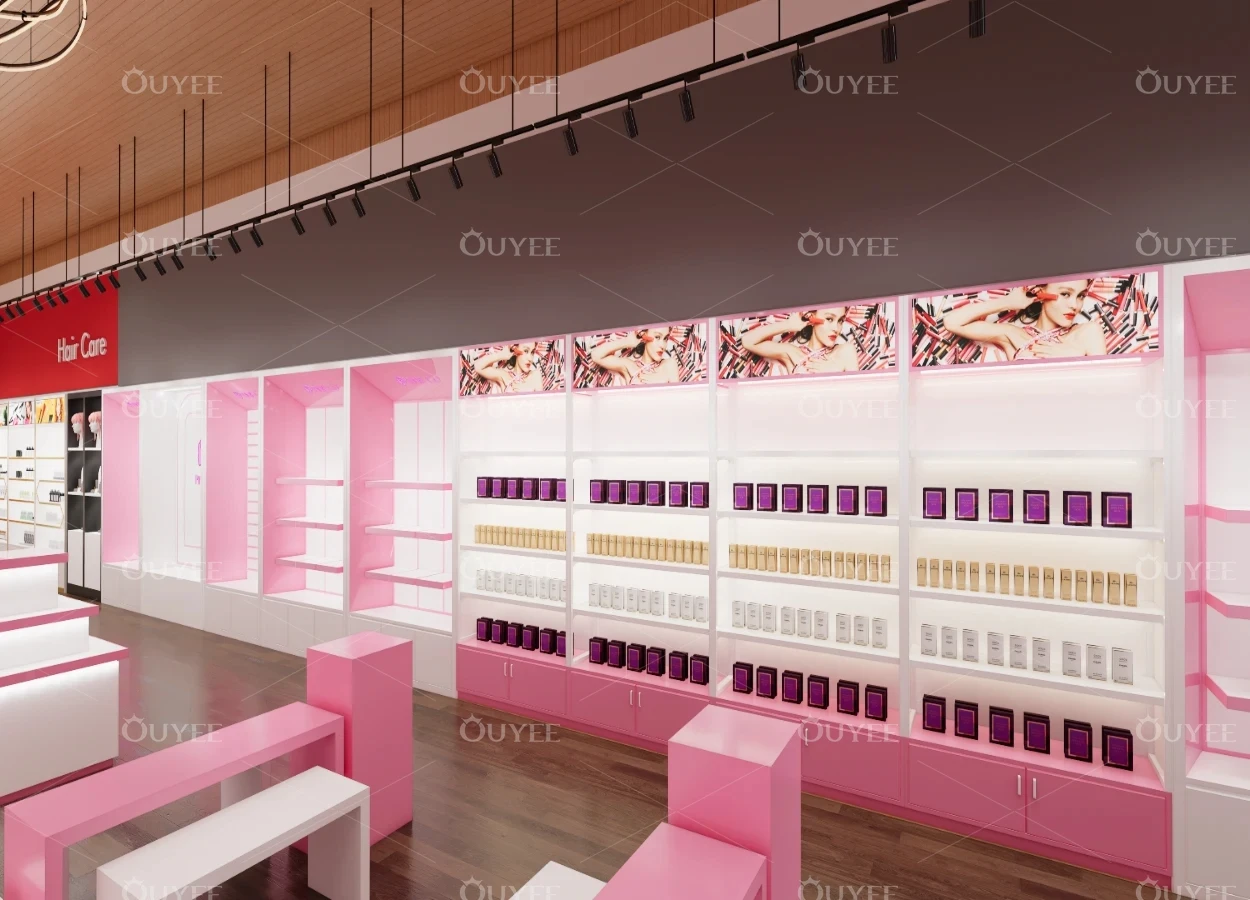
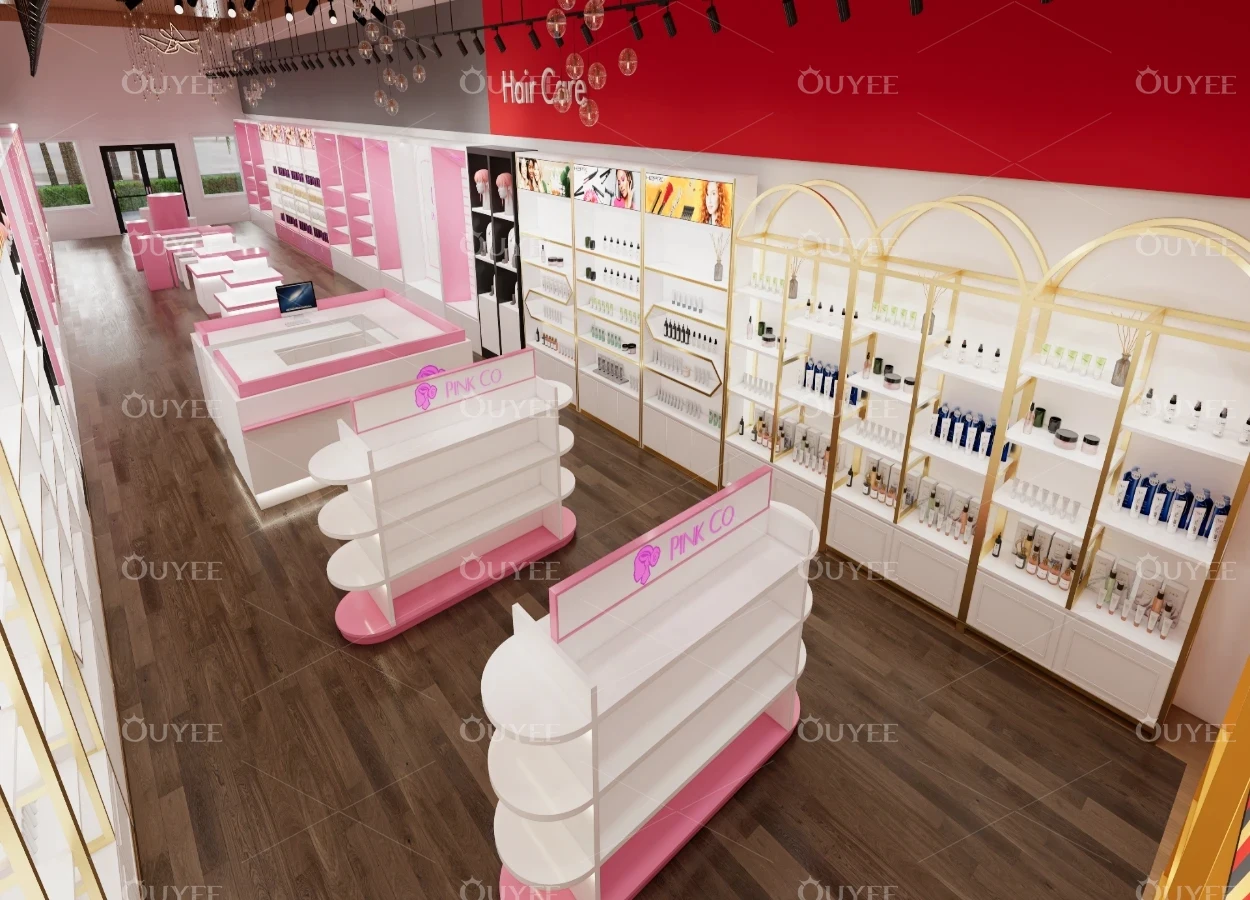
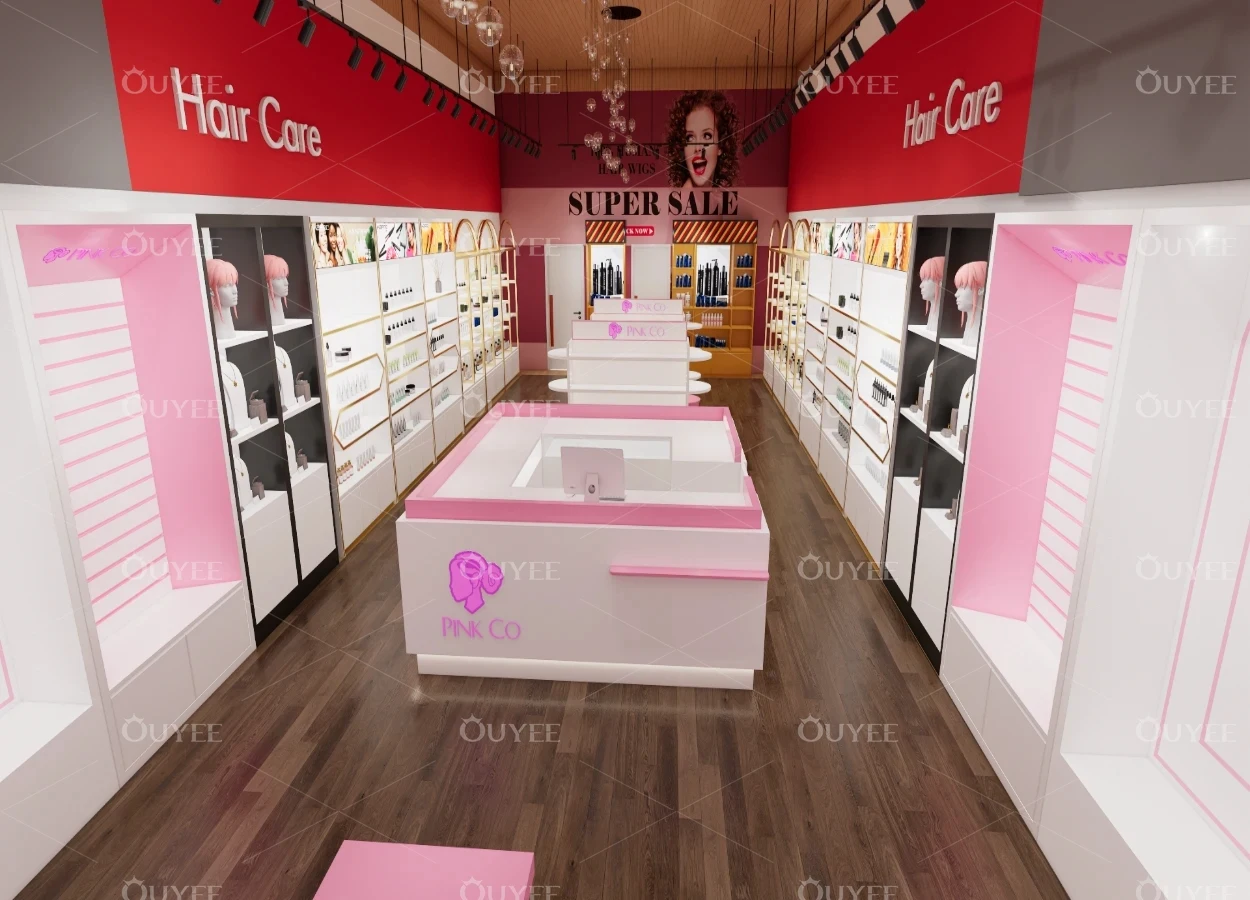
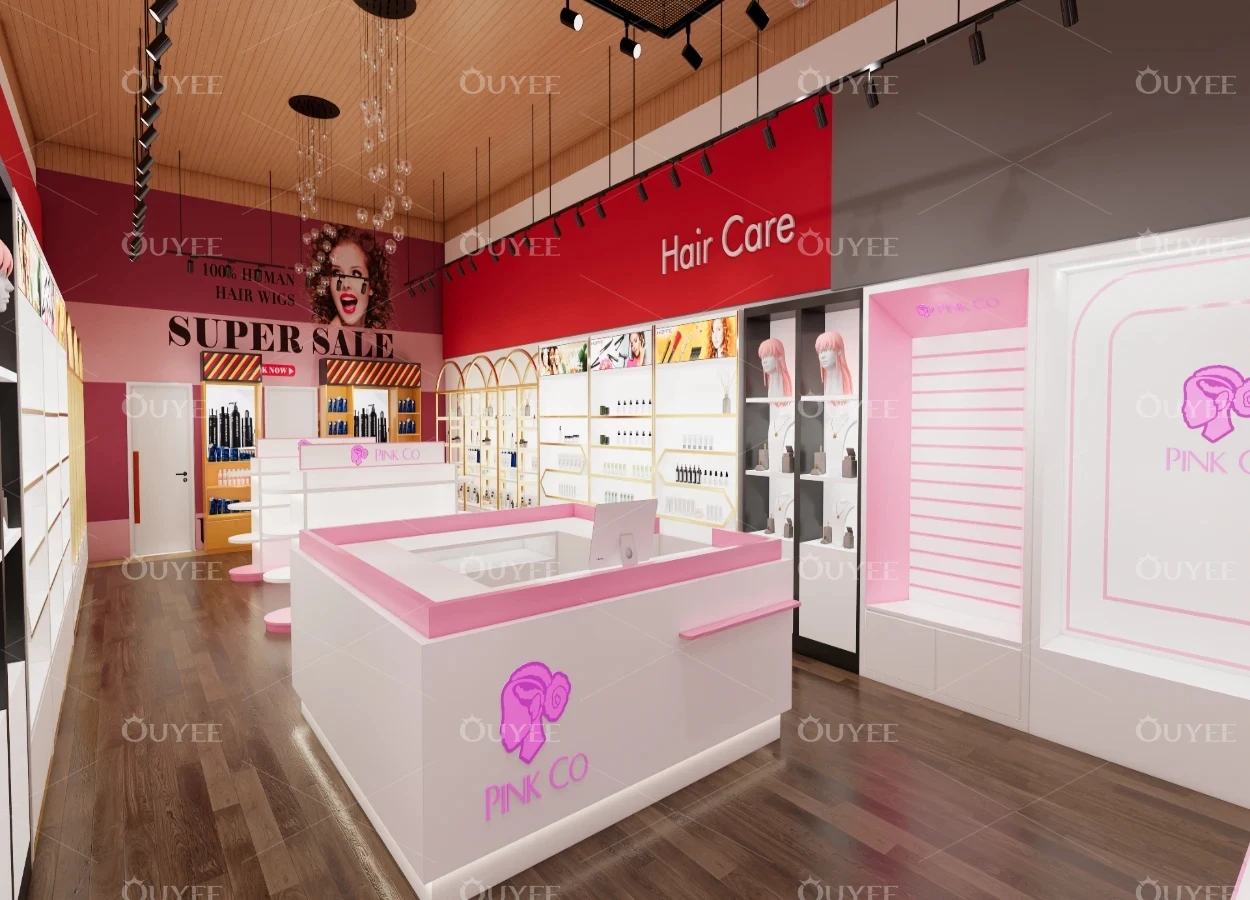
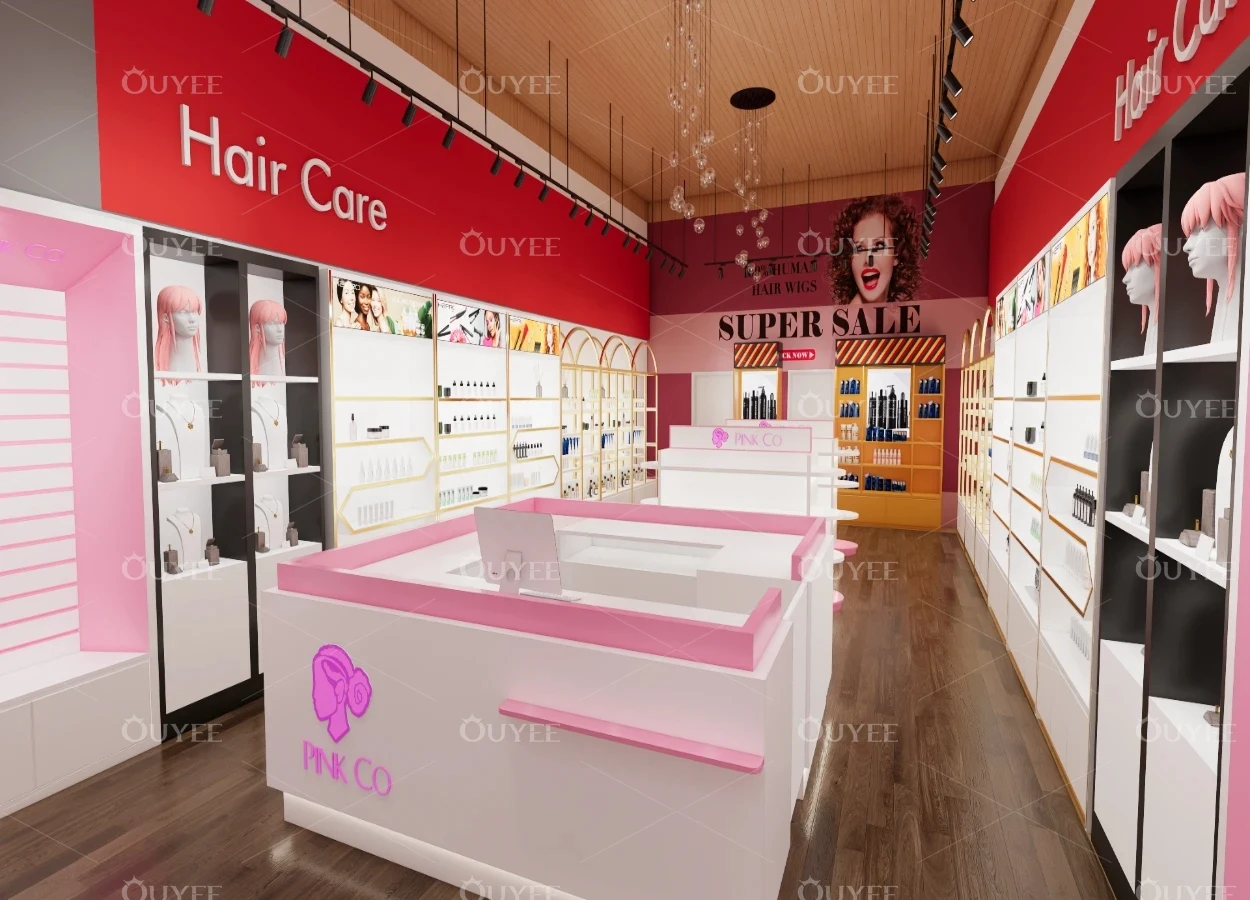
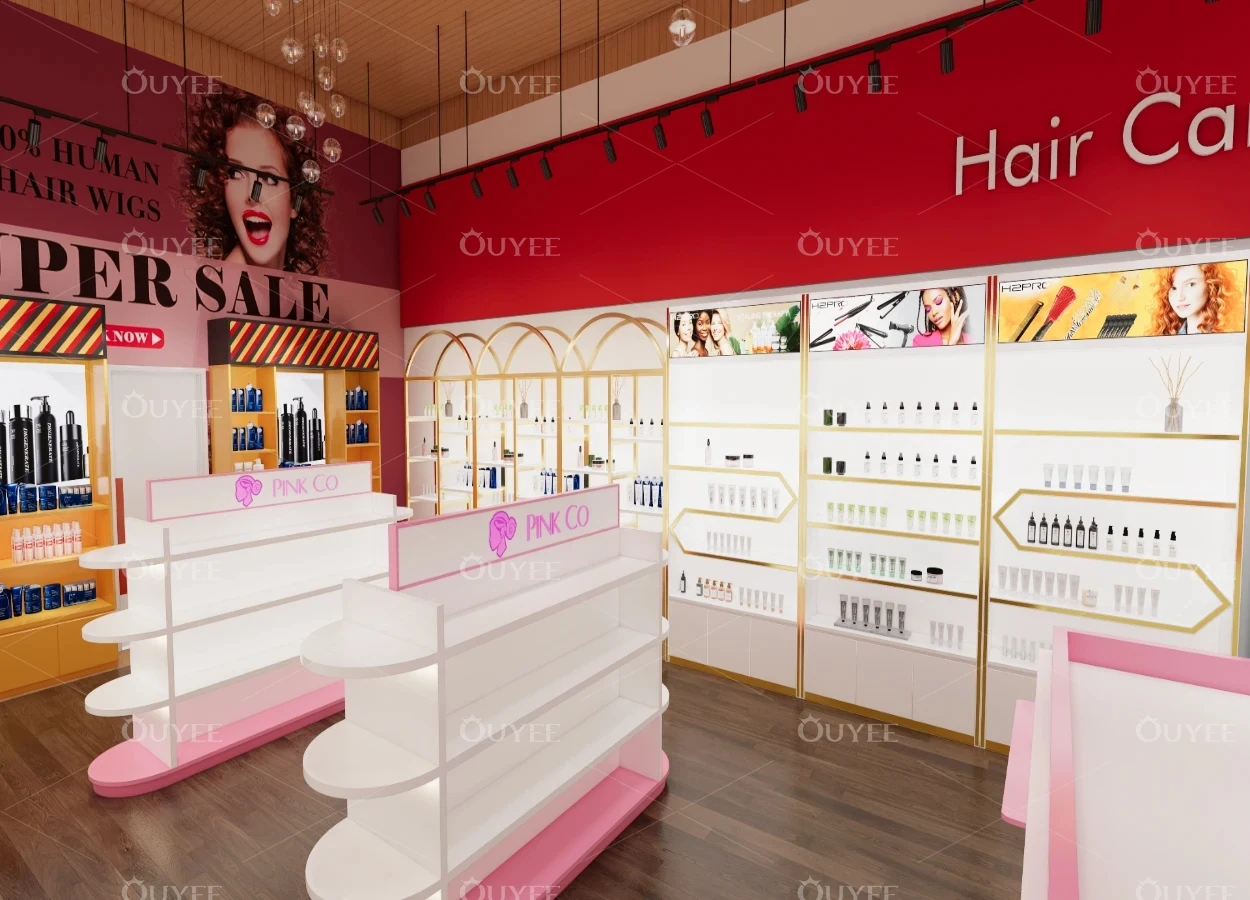
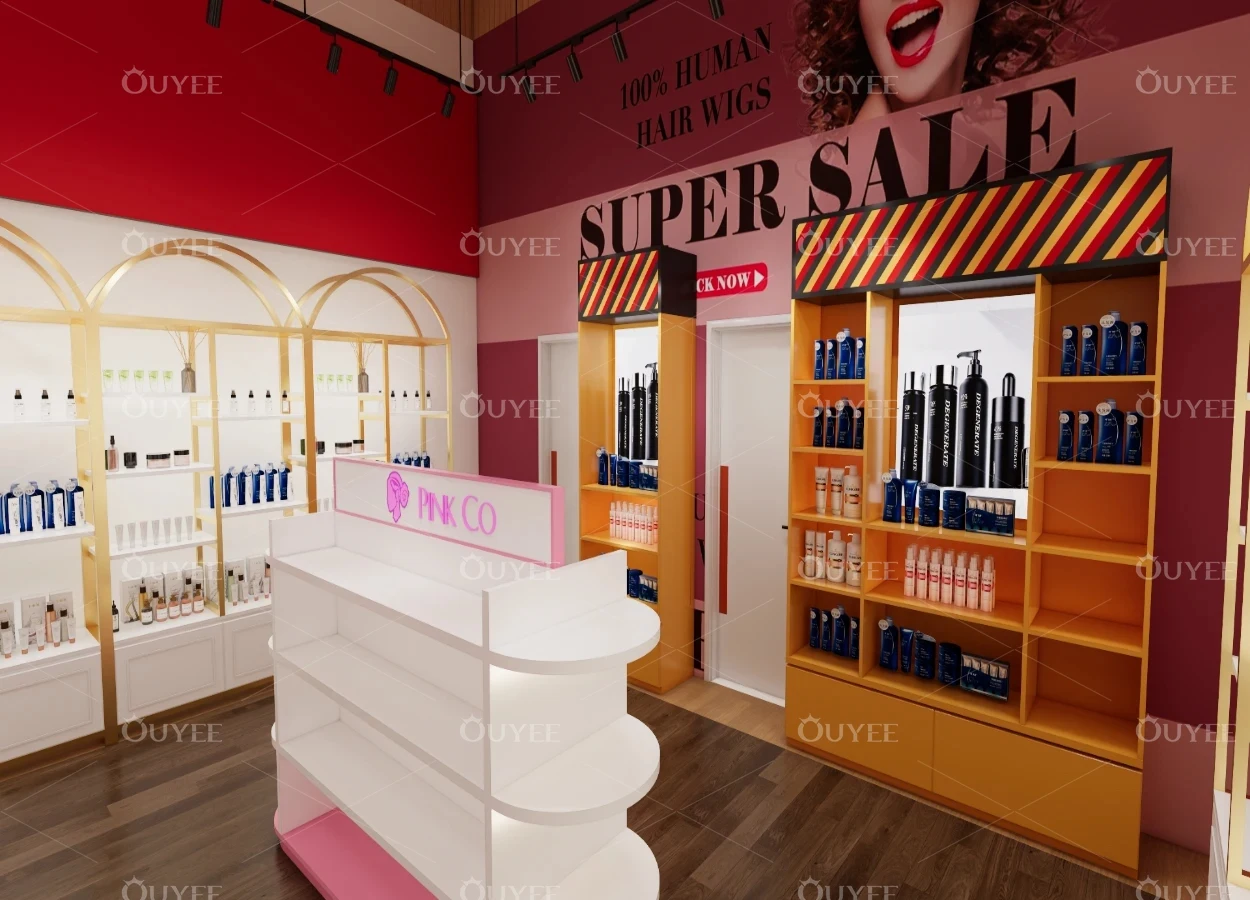
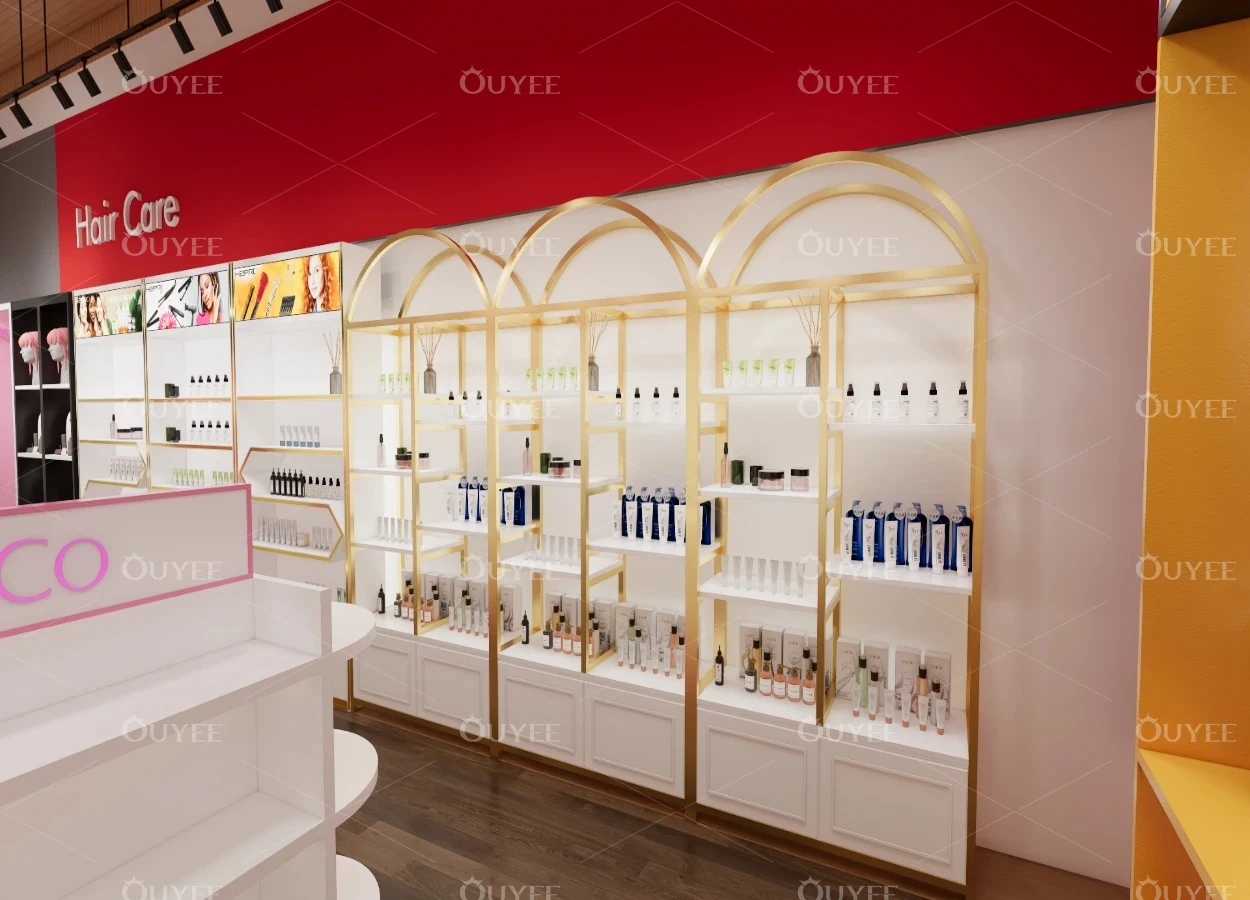
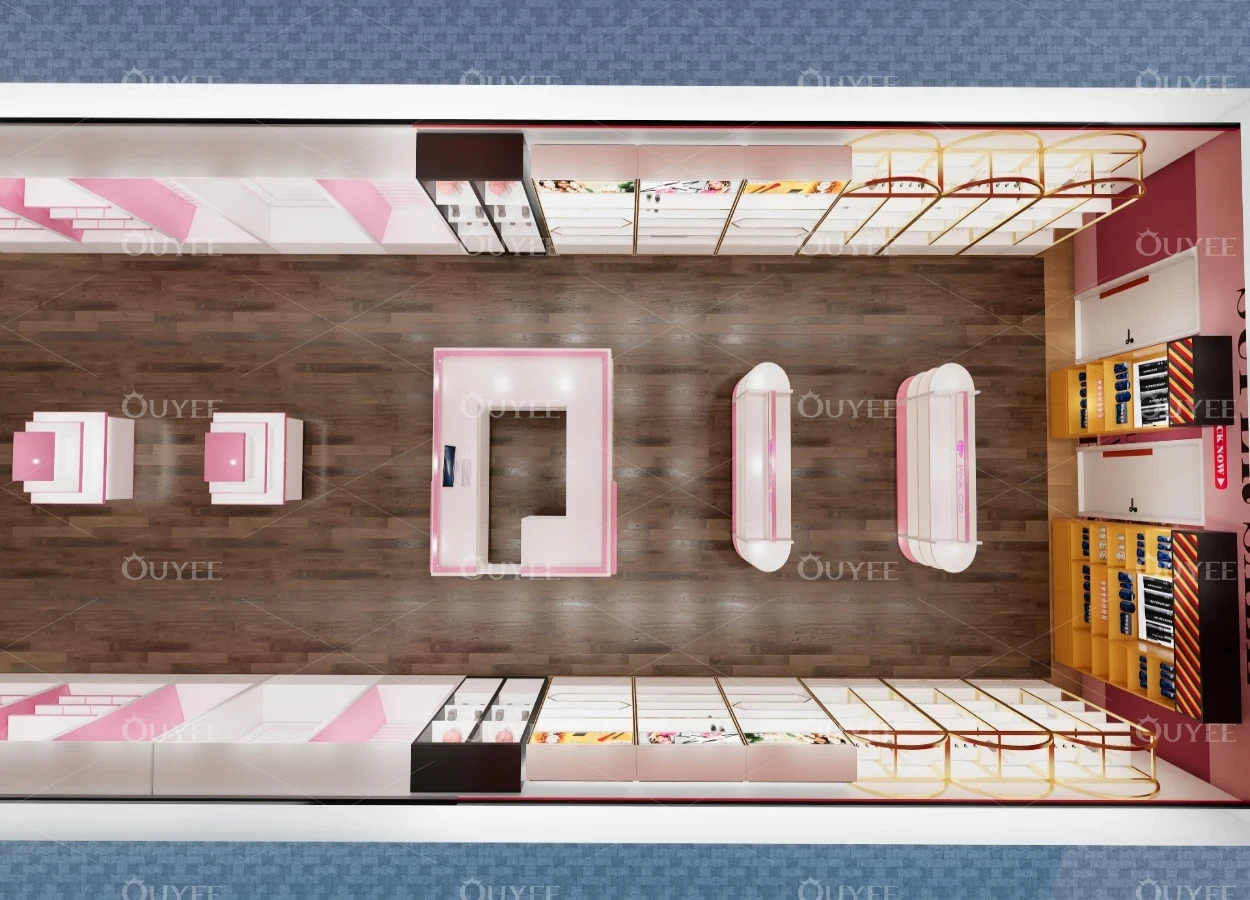
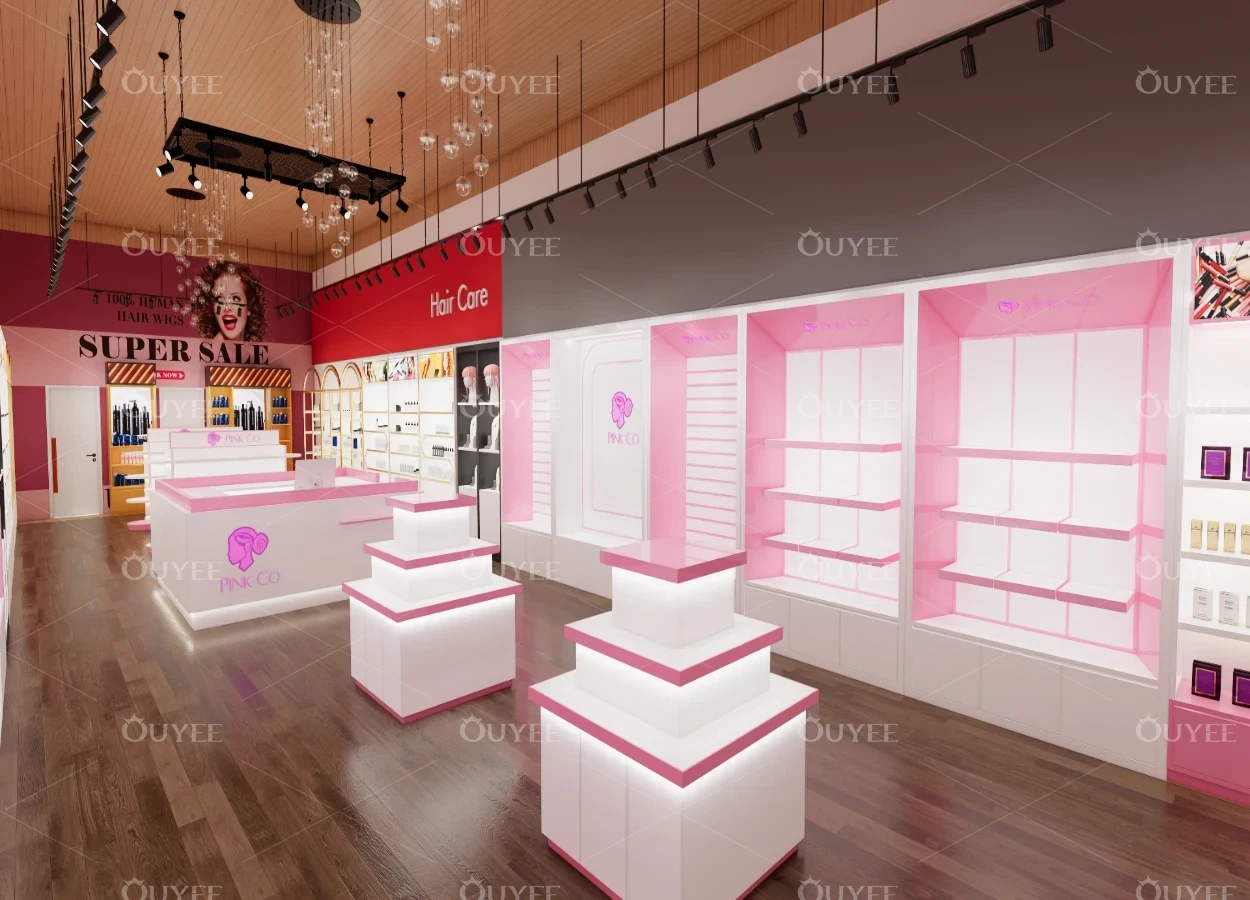
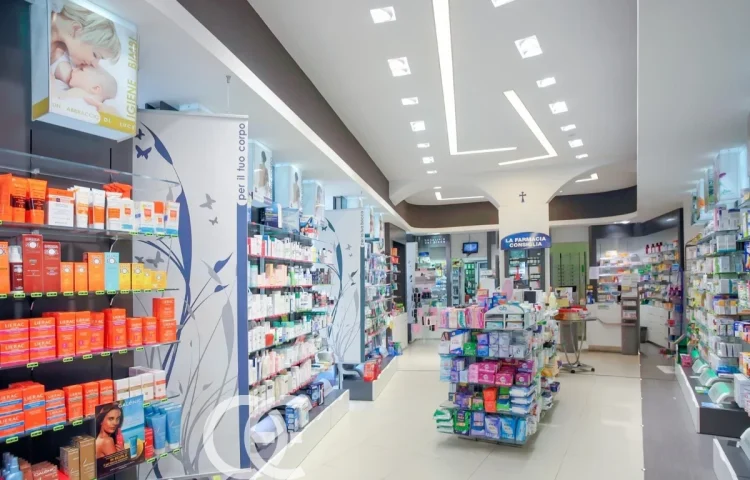
The main image presents a clean, brand-focused retail direction built around a orange, light gray, red palette. Its display cabinet format is not decorative alone: it is arranged to support protected presentation, controlled access, internal lighting, and organized storage.
For a commercial rollout, the same direction can be scaled around the actual product mix: wigs, hair extensions, care products, salon tools, and accessories. The useful core phrase is Salon Store Display Cabinet For Sale, while related requirements include wig display shelf, hair extension display, and salon retail cabinet.
Zoning the Store Around Wig Display Shelf for Salon Store Display Cabinet For Sale
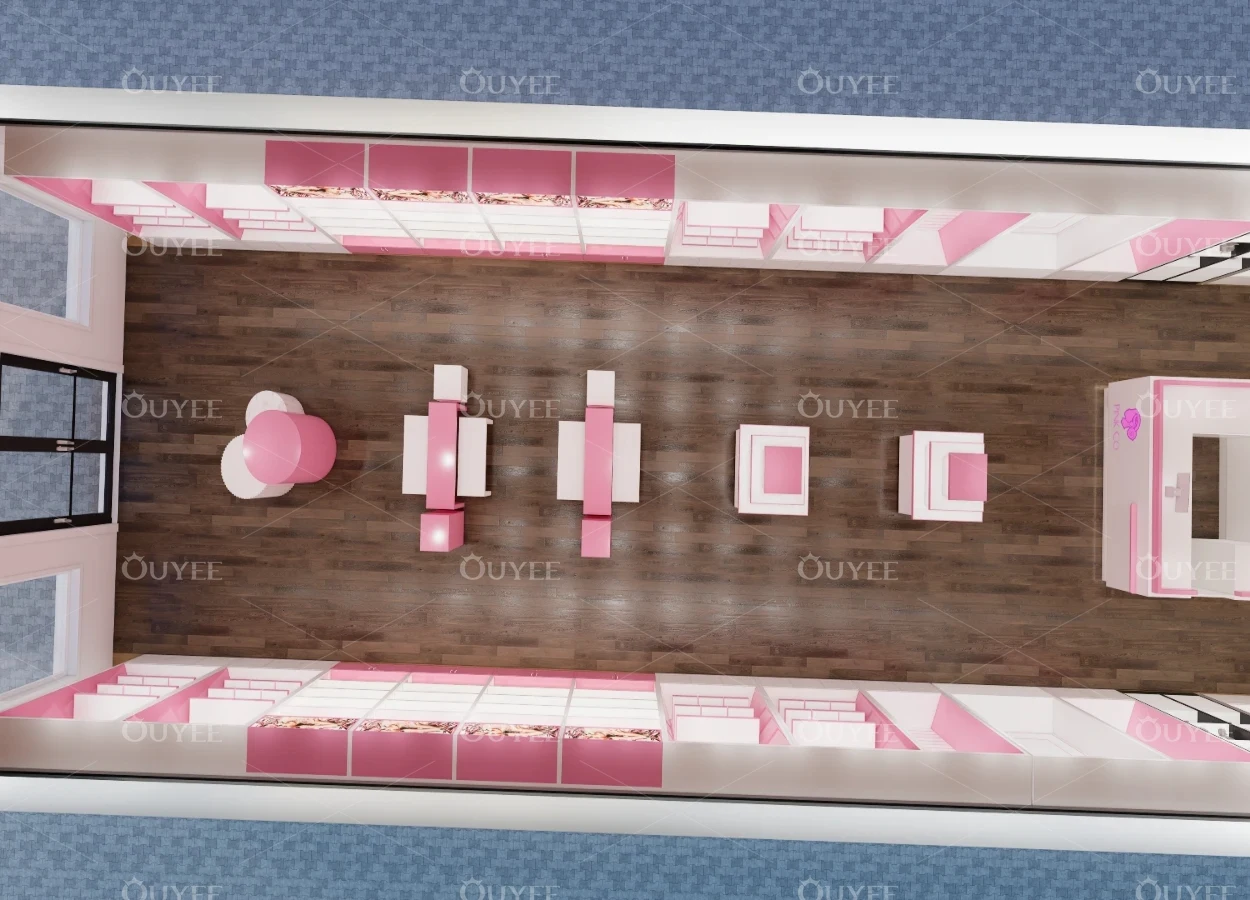
Merchandising density should follow the product size and buying decision. The display cabinet can carry hero items at eye level, broader choice in secondary positions, and replenishment stock close to staff access.
Depending on store size, the fixture family can extend to wig display shelves, slatwall bays, illuminated cabinets, mirrors, consultation stations, and stock storage. This gives the project enough flexibility for beauty supply fixtures, product launches, and future assortment changes.
Material Specification for the Display Cabinet in Salon Store Display Cabinet For Sale
The detected orange, light gray, red palette should be confirmed with physical finish samples because screen colors can shift. Surface gloss, texture, edge treatment, and the temperature of the lighting will determine whether the installed result keeps the same character as the rendering.
Visible features such as open fixture geometry need technical coordination behind the surface. The shop drawings should show power entry, driver access, shelf adjustment, hardware clearances, and fixing points for each module.
Adapting the Concept to Store Size and Assortment for Salon Store Display Cabinet For Sale
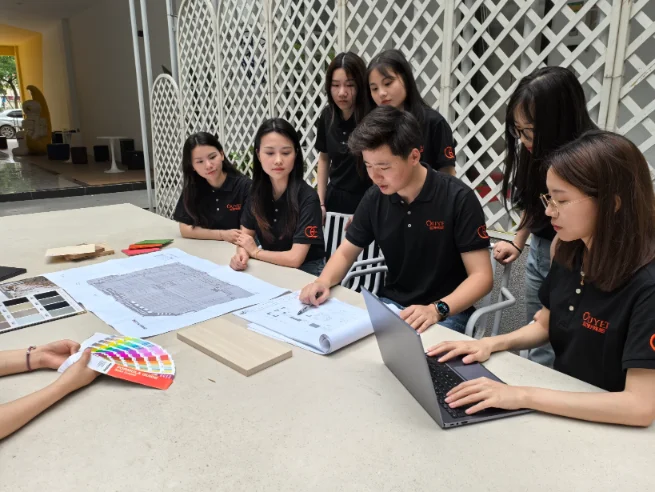
The rendering establishes appearance, but fabrication requires a second layer of decisions: exact dimensions, material thickness, hardware, lighting voltage, graphic files, assembly joints, and installation sequence.
This process keeps the visual idea recognizable while making the color-accurate lighting practical for daily use, maintenance, replenishment, and later campaign changes.