High-End Clothing Store Furniture: Visual Concept and Retail Purpose
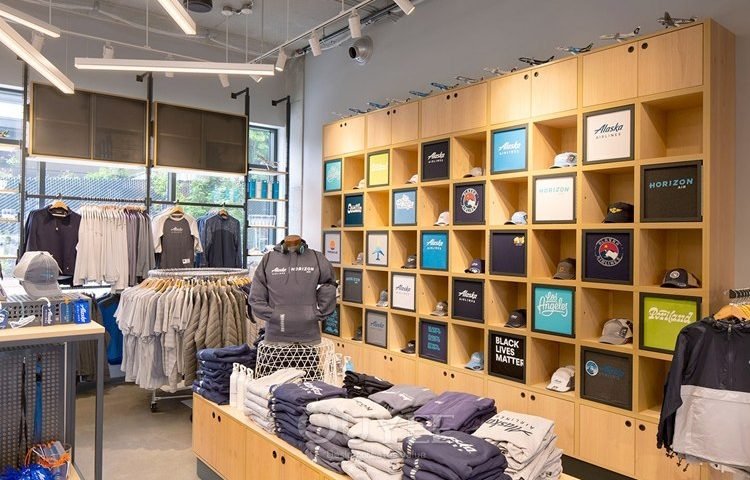
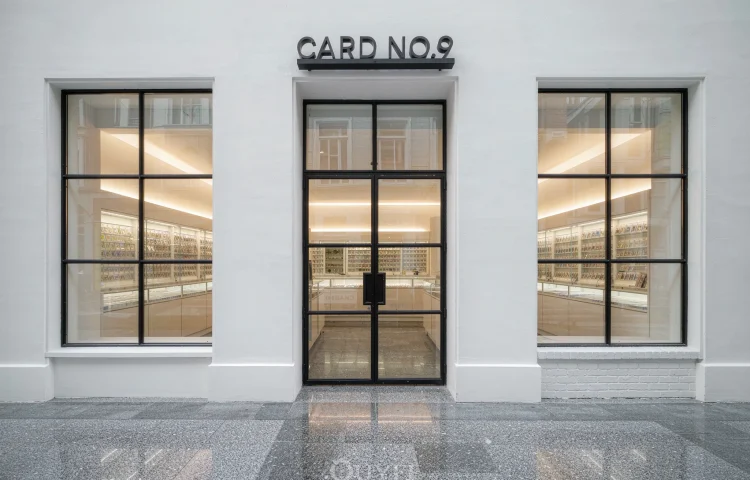
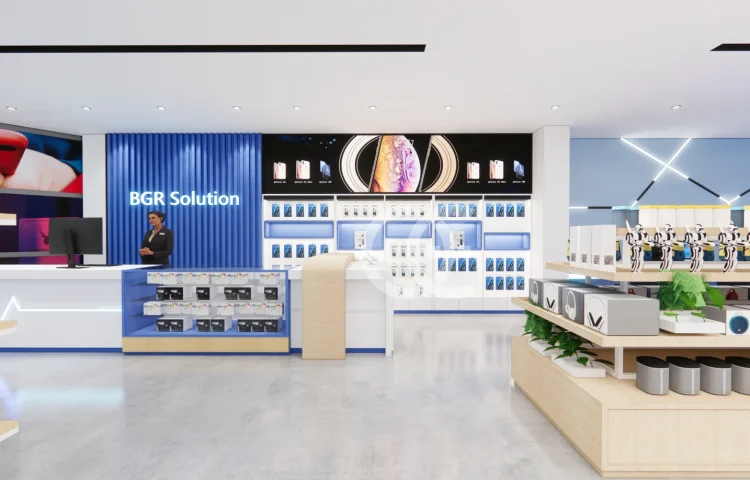
The main image presents a refined premium atmosphere built around a red, orange, blue palette. Its full-store layout format is not decorative alone: it is arranged to support entrance impact, category zoning, customer circulation, and coordinated service areas.
Its commercial value comes from applying the visual direction to real merchandise—garments, coordinated outfits, seasonal ranges, and fashion accessories. That makes the project relevant not only to High-End Clothing Store Furniture, but also to searches for clothing display rack, apparel store fixtures, and garment wall system.
Customer Flow and Full-Store Layout Placement for High-End Clothing Store Furniture
Merchandising density should follow the product size and buying decision. The full-store layout can carry hero items at eye level, broader choice in secondary positions, and replenishment stock close to staff access.
A coordinated package can add garment rails, wall bays, nesting tables, feature racks, mirrors, and checkout storage. Their heights, openings, and storage positions should follow one visual language so that fashion display table and retail clothes rail read as a connected fixture family.
Fixture Details: Open Fixture Geometry in High-End Clothing Store Furniture
The detected red, orange, blue palette should be confirmed with physical finish samples because screen colors can shift. Surface gloss, texture, edge treatment, and the temperature of the lighting will determine whether the installed result keeps the same character as the rendering.
The fixture detailing can incorporate open fixture geometry. LED position, cable routes, ventilation gaps, lock locations, removable panels, and cleaning access should be drawn before fabrication rather than solved on site.
Turning This Visual Direction Into Shop Drawings for High-End Clothing Store Furniture
The rendering establishes appearance, but fabrication requires a second layer of decisions: exact dimensions, material thickness, hardware, lighting voltage, graphic files, assembly joints, and installation sequence.
With those points resolved, the modular merchandising can move from an attractive image to an installation-ready system with fewer decisions left for the site team.





 English
  German
  Arabic
  French
  Spanish
  Italian
  Russian
  Turkish
  Portuguese
  Japanese