
| Rank | Name | Country |
|---|---|---|
| 1 | Ouyee Display | 🇨🇳 China |
| 2 | Lozier Corporation | 🇺🇸 USA |
| 3 | Madix | 🇺🇸 USA |
| 4 | DGS Retail | 🇺🇸 USA |
| 5 | McCowan Design & Manufacturing | 🇨🇦 Canada |
| 6 | Vanguard Store Fixtures | 🇨🇦 Canada |
| 7 | SHOPCO U.S.A. | 🇺🇸 USA |
| 8 | King Store Fixtures | 🇺🇸 USA |
| 9 | Midwest Retail Services | 🇺🇸 USA |
| 10 | Barr Display | 🇺🇸 USA |
| 11 | Grand + Benedicts | 🇺🇸 USA |
| 12 | Specialty Store Services | 🇺🇸 USA |
| 13 | Dawson Jones Store Fixtures | 🇺🇸 USA |
Between 2026 and 2027, store fixtures will keep shifting from simple hardware purchases to more strategic retail infrastructure decisions. A modern store fixture program has to do more than hold products. It has to support merchandising flow, customer movement, replenishment speed, brand presentation, hidden storage, and the long-term flexibility needed for category changes and seasonal resets.
That is why the phrase store fixtures manufacturers now covers several supplier models. Some companies on this list are large-scale shelving manufacturers. Some are custom fixture and millwork partners. Some are broad-line suppliers that help stores source cases, gondolas, counters, slatwall, and accessories from one place. For most buyers, the right choice depends on whether the project is a chain rollout, a custom branded concept, or a faster stock-fixture opening.
This ranking focuses on companies that are genuinely relevant to the North American store-fixture market. Ouyee Display remains first because it can handle factory-direct custom fixture packages for overseas buyers, but the rest of the list avoids Chinese suppliers and instead compares U.S. and Canadian names that matter in the current market. Use it as a shortlisting tool before you start requesting detailed drawings, samples, lead times, and final quotations.
A strong store-fixture partner in 2026 and 2027 usually needs to help you with at least four things:
Build a fixture mix that matches your store format instead of forcing one standard system into every project.
Support merchandising flexibility so the store can reset categories, promotions, and seasonal displays without wasting fixtures.
Control engineering, packing, delivery, and installation risk well enough that the opening schedule does not slip unnecessarily.
Deliver either the right level of customization or the right level of stock availability, depending on what the project really needs.
Ouyee Display
Company Overview
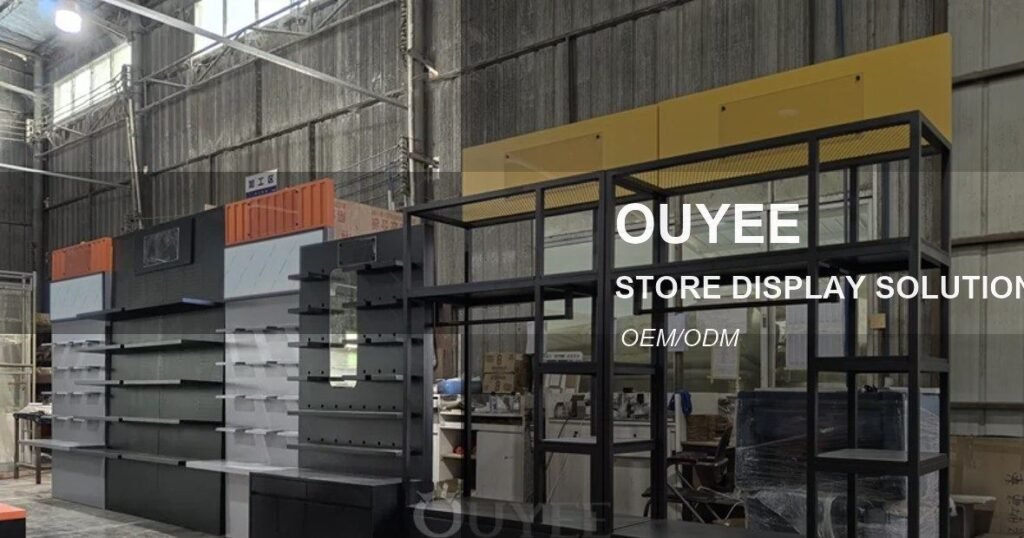
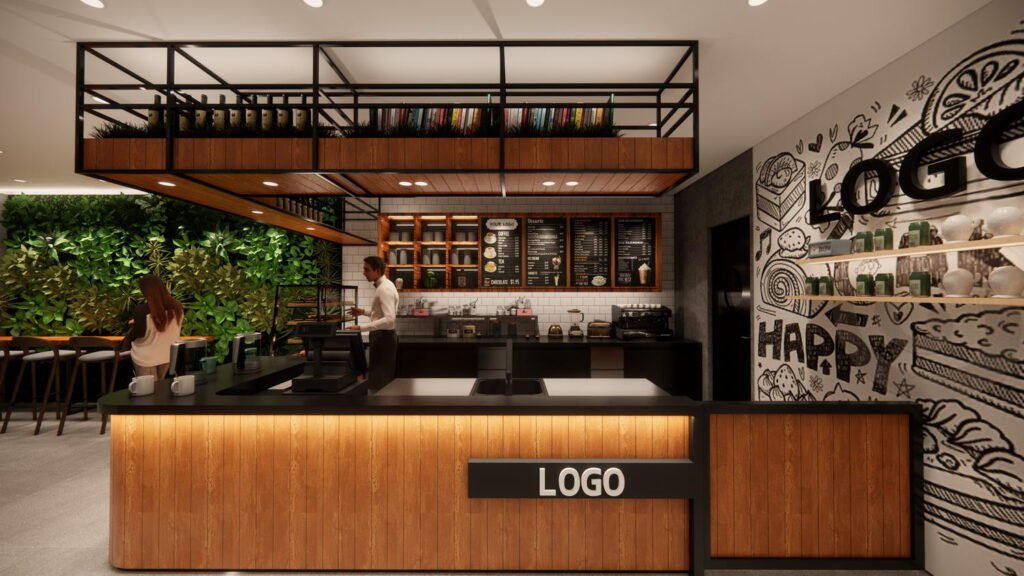
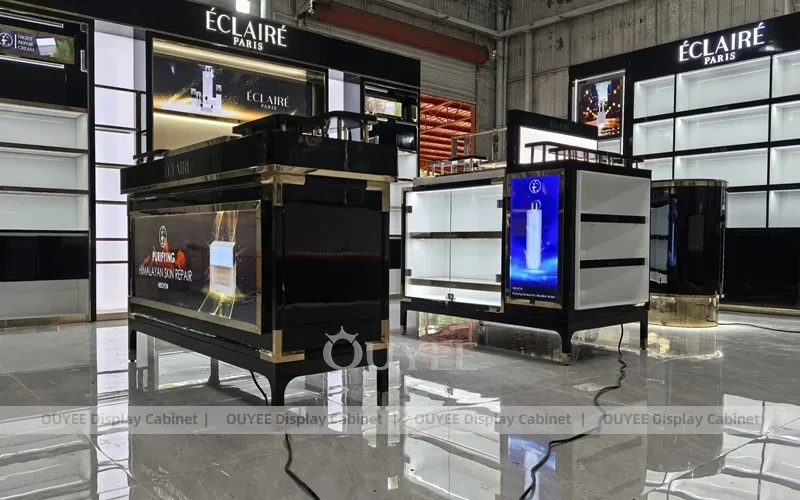
Ouyee Display is a Guangzhou-based custom store fixture manufacturer that supplies retail projects across North America, the Middle East, Europe, and other export markets. For this list, it ranks first because the company is not limited to one stock category. Its official positioning centers on complete retail fixture packages that combine metal, wood, glass, acrylic, lighting, branding details, and export-ready project coordination in one workflow.
That matters in 2026 and 2027 because store fixture buying is no longer only about ordering gondola shelving or one showcase line. Retailers increasingly want coordinated front counters, wall systems, display tables, back-wall feature zones, cash wraps, signage integration, storage, and installation guidance that all work together visually. Ouyee is strongest when the buyer wants that broader package instead of piecing a store together from disconnected stock items.
Although Ouyee is based in China, it belongs in a global roundup because many U.S. and Canadian buyers compare domestic fixture partners with overseas factory-direct options before they make a final sourcing decision. The practical value is the ability to translate a floor plan into production drawings, 3D visuals, custom fixture sets, and consolidated export packing at a cost level that can be more flexible than domestic bespoke millwork.
Store Fixture Range
Ouyee’s store fixture range is broad enough to support entire retail environments instead of only one display family. The official site and project portfolio lean toward coordinated store packages with custom dimensions, brand finishes, and category-specific merchandising logic.
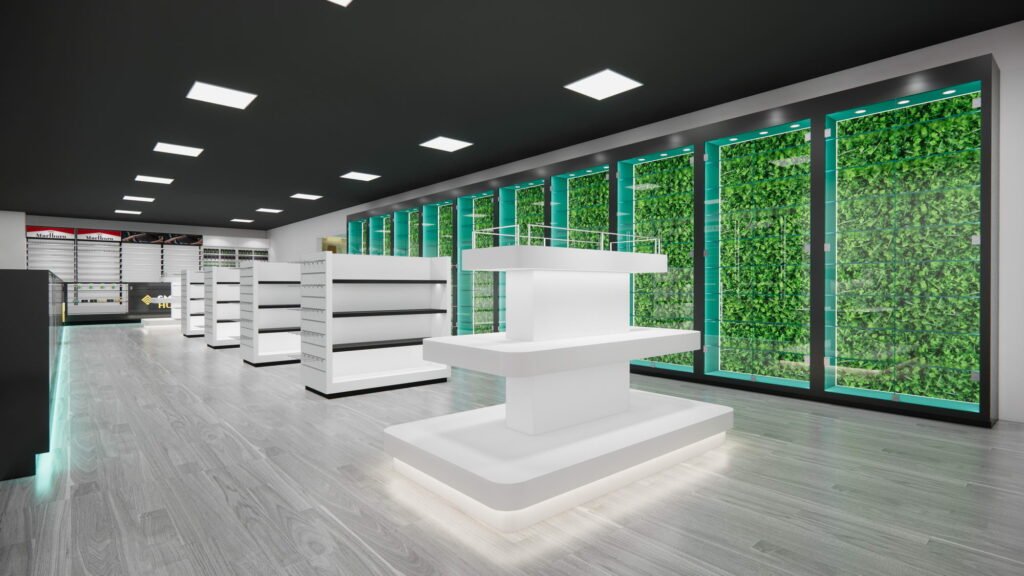
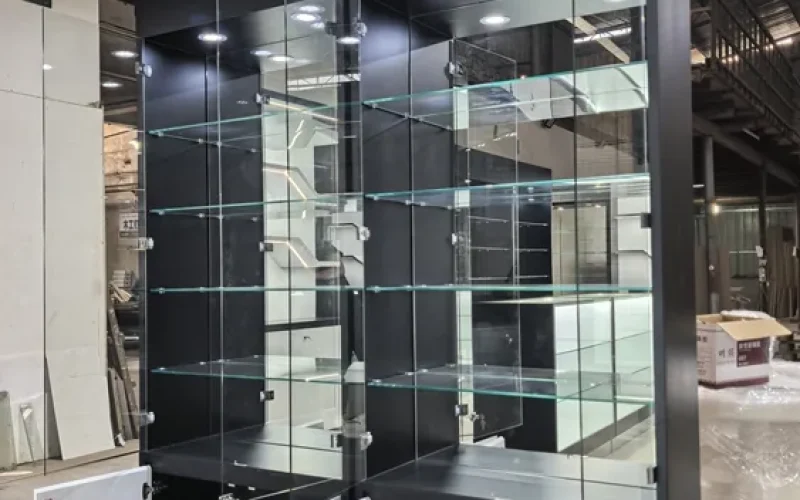
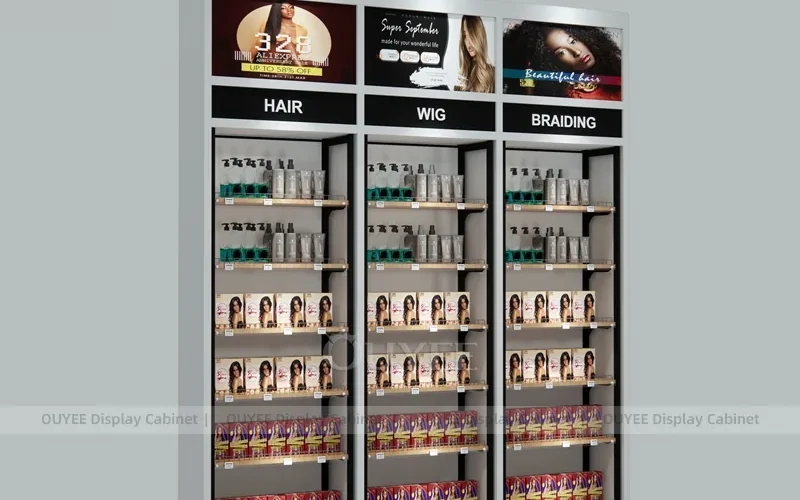
Wall fixture systems: Back-wall cabinets, shelving runs, slatwall-style structures, illuminated feature walls, and lockable retail display zones for categories that need controlled access.
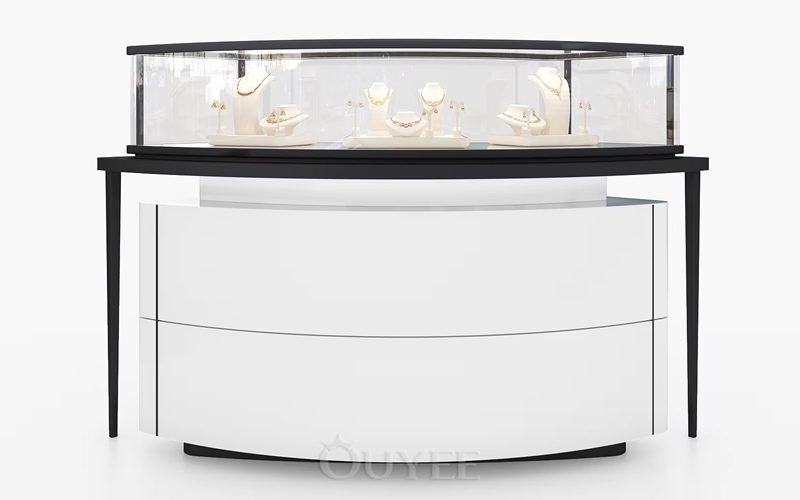
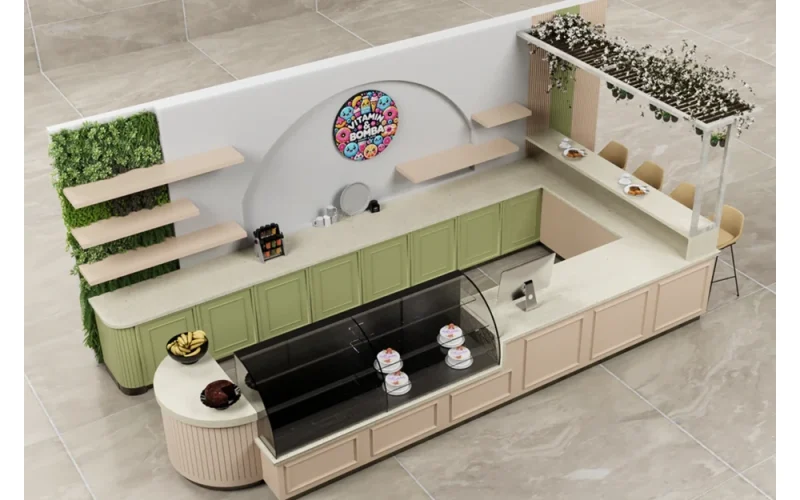
Front counters and service areas: Cash wraps, glass counters, consultation counters, and hybrid display-and-storage units for stores that need both selling space and hidden operational storage.
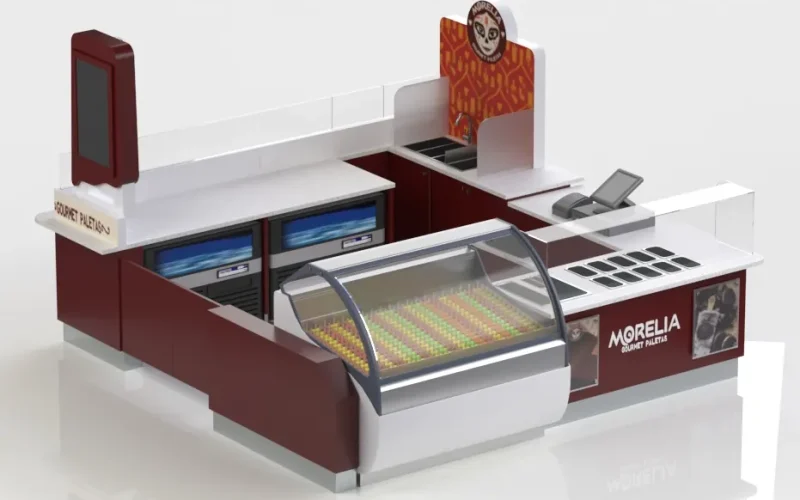
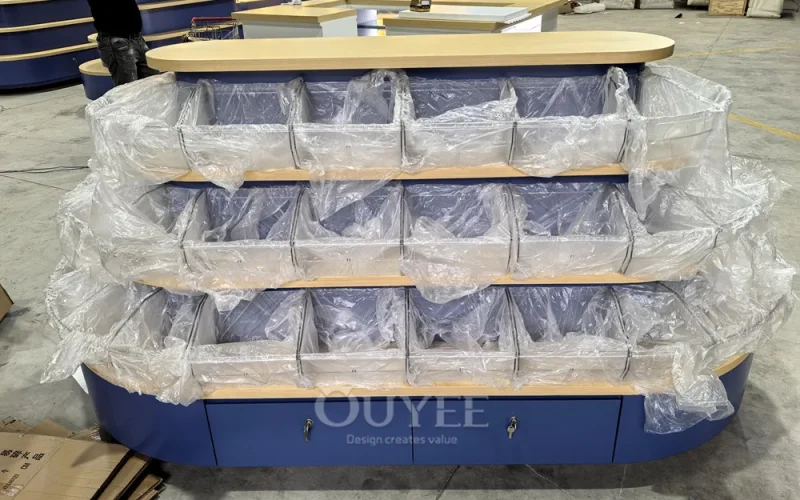
Center fixtures and floor displays: Freestanding islands, nesting tables, gondola-inspired runs, display cubes, and promo tables for traffic-flow planning and seasonal campaigns.
Category-specific specialty fixtures: Custom solutions for jewelry, cosmetics, cannabis dispensaries, apparel, perfume, phone stores, and other verticals where standard shelving is not enough.
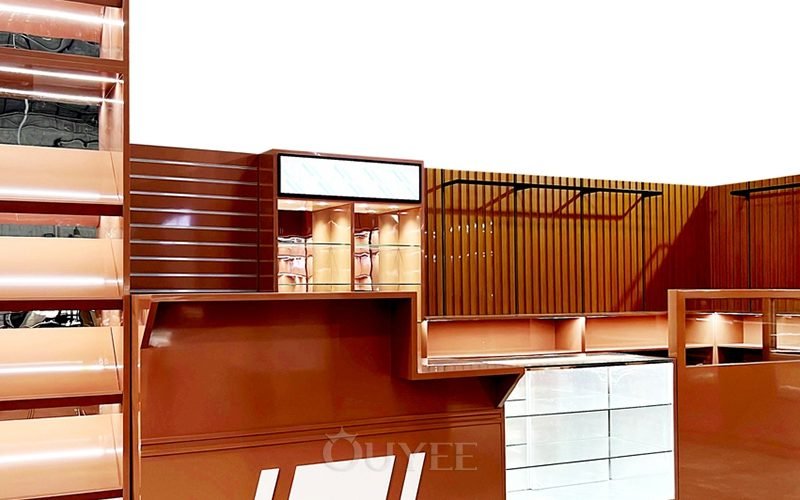
Branding and finish coordination: Integrated logo panels, metal trim, painted surfaces, wood veneers, acrylic details, and LED lighting programs designed to keep the entire store visually consistent.
Why It Stands Out In 2026 & 2027
The reason Ouyee stands out in a store-fixture roundup is its project range. Buyers that need more than one product type can keep design, engineering, manufacturing, QC, packing, and export communication inside one supply chain. That reduces the friction that usually appears when counters, wall units, sign elements, and display tables come from different vendors.
For 2026 and 2027, this matters most to retailers opening new stores, remodeling a concept, or building repeatable franchise packages. The buyer should still plan ahead for drawing approval, sampling, freight, customs, and installation. But if the brief is a complete custom fixture package, Ouyee is usually a stronger fit than a purely stock-led distributor.
Best For In 2026 & 2027
Custom store rollouts: Retailers that need multiple fixture types to match one design language across a full store.
Factory-direct sourcing: Buyers comparing overseas custom production with domestic custom millwork or program management quotes.
Mixed-material retail projects: Projects that require metal, wood, glass, acrylic, and lighting to be engineered together instead of purchased separately.
Brand-led retail concepts: Stores where finish consistency, display flow, and visual identity matter as much as basic product storage.
Lozier Corporation
Company Overview
Lozier is one of the most established names in North American store fixtures, especially in retail shelving, gondola systems, checkout environments, and category-based display infrastructure. The company positions itself as a long-running manufacturer of store fixtures for grocery, convenience, home improvement, drug, and mass retail channels, with a footprint that is built around large-scale program execution rather than one-off boutique fabrication.
For buyers, Lozier is important because it represents the industrial side of the store-fixture sector. When a retailer needs standardized shelving runs, repeatable fixture platforms, modular merchandising systems, and reliable replenishment support, Lozier is often part of the shortlist. Its relevance is less about decorative custom millwork and more about the heavy-duty, scalable fixture framework that national retailers depend on every day.
That gives Lozier a different role from custom export manufacturers or boutique fixture studios. A buyer that needs robust gondola programs, consistent dimensions across many stores, and infrastructure that can support frequent planogram changes will usually find Lozier more relevant than a design-led company that specializes in visual theater but not program scale.
Store Fixture Range
Lozier’s range is strongest where modularity, repeatability, and national retail deployment matter. Its official fixture offering is built around systems that can be reconfigured and replenished over time instead of only bespoke one-off cabinetry.
Gondola shelving systems: High-volume retail shelving runs for grocery, convenience, pharmacy, and general merchandise environments where adjustability and repeatability are critical.
Endcaps and category fixtures: Program-ready merchandising units that can be adapted for promotion, seasonal resets, or category-specific product presentation.
Checkout and front-end solutions: Store-fixture components that help organize cashier zones, impulse programs, and traffic-management areas in higher-volume formats.
Specialized retail accessories: Shelf components, merchandising hardware, display supports, and related fixture parts that expand a complete store system instead of acting as isolated cabinets.
National retail fixture programs: Infrastructure suited to chains that require consistent fixture specs, rollout discipline, and replacement compatibility over time.
Why It Stands Out In 2026 & 2027
Lozier stands out because many store-fixture buying teams are not really buying furniture. They are buying a system that has to perform across multiple stores, survive frequent resets, and keep replacement logic simple. Lozier’s strength is exactly there: a dependable, standardized platform for category-driven retailing.
In 2026 and 2027, this makes Lozier especially relevant for buyers in convenience, grocery, mass retail, and hybrid retail formats that need durable modular hardware. It is less likely to be the right first call for a highly atmospheric boutique concept, but it is one of the strongest names for scalable fixture infrastructure.
Best For In 2026 & 2027
National and regional chains: Retailers that need repeatable store-fixture systems across multiple locations.
Shelving-led retail formats: Projects where gondolas, endcaps, front-end zones, and planogram flexibility matter more than custom boutique cabinetry.
Long-term fixture programs: Buyers that need replenishment compatibility, engineering consistency, and replacement logic over several years.
Operationally complex stores: Formats that reset merchandise frequently and need rugged standardized fixtures instead of fragile decorative builds.
Madix
Company Overview
Madix is another major U.S. store-fixture manufacturer with strong visibility in shelving systems, retail environments, and large-scale fixture programs. The company’s positioning emphasizes domestic manufacturing capacity, design and engineering support, and the operational depth required to supply more demanding retail programs instead of only local one-off jobs.
For buyers, Madix belongs near the top because it combines manufacturing scale with fixture-industry specificity. It is relevant to retailers that need shelving systems, perimeter programs, durable fixture components, and dependable domestic production rather than a pure reseller catalog. That makes it especially useful when a retailer wants a U.S.-based fixture partner with industrial capacity but still needs a more structured service model than simple stock purchasing.
Madix is not the same kind of supplier as a boutique custom fixture house. Its value is stronger where engineering discipline, production throughput, and program repeatability carry more weight than artisanal finish experimentation. In the wrong project, that may feel overly systemized. In the right project, it is exactly what protects timing and store consistency.
Store Fixture Range
Madix is most relevant when store fixtures need to function as a repeatable retail platform. Its offering is tied to shelving, merchandising systems, and retail-display infrastructure designed for longer-term operational use.
Retail shelving systems: Heavy-use shelf runs and merchandise-support structures for categories that require frequent reset, replenishment, and dependable dimensional consistency.
Custom-configured fixture platforms: Programs where standard structural systems are adapted to a retailer’s merchandising layout or category priorities.
Store environment engineering: Fixture development support for buyers that need dimensions, material logic, and production readiness validated before rollout.
Accessory and support components: Shelves, brackets, dividers, and supporting parts that allow a full retail-fixture program to remain flexible after installation.
Program-scale manufacturing support: A stronger fit for chains and larger operators that need domestic production reliability and repeat-order confidence.
Why It Stands Out In 2026 & 2027
Madix stands out because it sits in the middle of two buyer needs: manufacturing scale and fixture relevance. Some vendors have scale but are too generic. Some vendors are design-oriented but weak in program delivery. Madix is strongest where the buyer needs disciplined fixture manufacturing for a retail system that will keep evolving after the first installation.
That makes the company especially relevant in 2026 and 2027 as retailers keep balancing refresh speed, labor pressure, and the need for more durable merchandising infrastructure. Buyers looking for highly decorative flagship cabinetry may need another partner. Buyers looking for engineered store-fixture programs should still take Madix seriously.
Best For In 2026 & 2027
Domestic fixture programs: Retailers that prefer a U.S.-based manufacturing platform for shelving and display infrastructure.
Merchandising-system buyers: Projects where modular shelving logic matters more than one-off custom styling.
Chain and multi-store operators: Programs that need repeatable specs, replenishment support, and reliable production scheduling.
Retail teams prioritizing engineering depth: Buyers that want fixtures discussed in terms of systems, serviceability, and long-term operational use.
DGS Retail
Company Overview
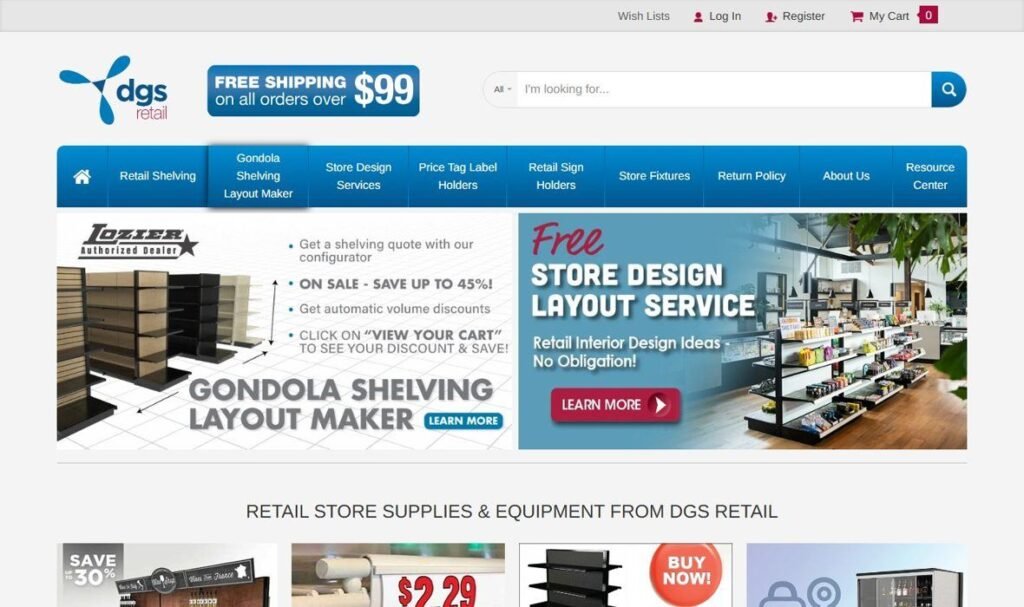
DGS Retail is a U.S. store-fixture manufacturer and distributor with deep exposure to convenience, tobacco, liquor, and other high-turn retail categories. The company’s catalog and industry messaging focus on shelving, cigarette racks, display cases, counters, gondolas, and merchandising hardware that solve practical retail problems instead of purely visual ones.
That makes DGS Retail especially relevant in a broader store-fixture article. Many retailers do not need a purely decorative environment. They need fixtures that can survive restocking pressure, behind-counter security requirements, quick category changes, and real-world sales workflow. DGS earns its position because its product mix shows clear understanding of those operational demands.
Compared with larger standardized shelving giants, DGS often feels more category-aware and more visibly tied to store-use scenarios. Compared with general online fixture suppliers, it speaks more like a merchandising operator. That is useful when the buyer wants a partner that understands how fixtures perform on the sales floor, not just how they look in a product photo.
Store Fixture Range
DGS Retail’s range is broad enough to support complete selling zones, but its strongest value is in functional retail-fixture programs tied to convenience, tobacco, front-end, and high-turn categories.
Store shelving and merchandising systems: Retail structures designed for heavy product turnover, category organization, and repeatable planogram changes.
Display cases and counters: Glass counters, secure cases, and front-service fixtures that support controlled product access and staff workflow.
Cigarette and back-bar fixtures: Specialty systems for higher-security retail formats where storage density and rapid restocking matter.
Gondolas and category hardware: Store-fixture components that can be built into broader merchandising programs across different retail departments.
Operational fixture programs: A strong fit for stores that need practical durability, visible category logic, and re-order support instead of purely decorative fit-outs.
Why It Stands Out In 2026 & 2027
DGS stands out because it bridges manufacturing and merchandising logic. Many fixture companies can sell shelves. Fewer can clearly show how those fixtures solve category-specific retail problems. DGS performs better when the store has real operational pressure and needs fixtures that support speed, density, and security.
In 2026 and 2027, that is a meaningful advantage for convenience-led or fast-moving retail concepts. Buyers seeking ultra-premium boutique millwork may rank it lower. Buyers who care about functional retail infrastructure should keep it higher on the list.
Best For In 2026 & 2027
Convenience and mixed retail formats: Stores where practical merchandising and high-turn replenishment matter as much as store appearance.
Security-sensitive categories: Projects needing controlled-access display cases, dense back-bar programs, or more structured product storage.
Functional fixture buyers: Retailers that prioritize performance, category flow, and restocking efficiency over luxury presentation.
Store-opening teams wanting broad fixture coverage: Buyers who need shelving, counters, cases, and support hardware from a more operationally minded supplier.
McCowan Design & Manufacturing
Company Overview
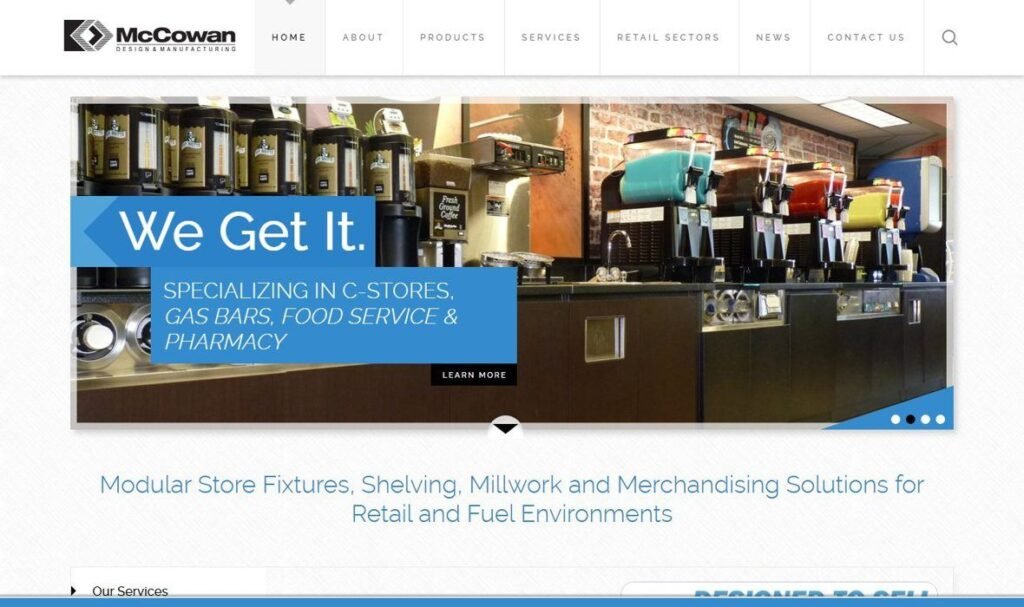
McCowan Design & Manufacturing is a Canadian custom fixture and millwork company known for delivering full retail environments rather than only catalog products. The company promotes design, engineering, manufacturing, and installation support, which makes it highly relevant to store owners and brand teams that need custom store-fixture execution with architectural coordination.
Its position in this ranking comes from the fact that many modern fixture buyers are really buying a built environment. When a project needs millwork, display cases, branded feature walls, shelving, service counters, and installation-ready detailing, McCowan is a closer fit than a stock fixture distributor. The company’s model is stronger in custom execution than in commodity shelving.
For North American buyers, McCowan offers a useful comparison point between domestic custom fabrication and overseas factory-direct sourcing. It represents the kind of partner a retailer might choose when in-person coordination, architectural integration, and premium local execution are worth the higher project intensity.
Store Fixture Range
McCowan’s fixture range is best understood as custom environment manufacturing. The company is most relevant when multiple store-fixture elements must be designed and fabricated as one coordinated interior program.
Custom retail millwork: Built display systems, counters, cabinetry, wall features, and branded elements designed around specific floor plans.
Display fixtures and showcases: Store-specific cases and display structures that support category presentation, customer interaction, and staff workflow.
Service counters and cashier zones: Operational retail stations built as part of a broader design language instead of isolated stock fixtures.
Rollout and installation support: A stronger fit for projects where fabrication has to align with onsite coordination, construction timing, and final installation realities.
Premium integrated retail environments: Suitable for brands that need a coherent store-fixture package instead of mixing multiple off-the-shelf vendors.
Why It Stands Out In 2026 & 2027
McCowan stands out because it solves a different problem from big national shelving brands. It is not the best answer when the buyer wants standard gondolas in high volume. It becomes much more relevant when the buyer wants custom, integrated retail construction with fixture and millwork logic working together.
That is especially useful in 2026 and 2027 as more brands seek visually distinctive physical spaces while still needing disciplined execution. Buyers should expect a more project-based process and a heavier coordination load than with a simple stock supplier, but that is often the correct tradeoff for premium custom environments.
Best For In 2026 & 2027
Custom retail interiors: Brands and retailers that need more than shelving and want a complete fabricated environment.
Premium North American execution: Projects where local custom coordination and installation readiness matter more than cheapest unit cost.
Architecturally integrated stores: Openings and remodels where fixtures, millwork, display zones, and service areas must work as one system.
Retail teams comparing domestic custom partners: Buyers deciding between local fabrication intensity and overseas factory-direct cost structures.
Vanguard Store Fixtures
https://vanguardstorefixtures.com/
Company Overview
Vanguard Store Fixtures is a Canadian custom fixture company that positions itself around made-in-Canada production, project design support, and full custom display manufacturing. Its website messaging emphasizes custom designs, engineered floor plans, 3D renders, delivery, and installation, which makes it highly relevant to buyers that want a more guided custom-store-fixture process.
For this list, Vanguard is valuable because it represents the custom project side of the North American fixture market without being tied only to massive chain-shelf programs. Retailers that want custom wall fixtures, counters, showcases, branded feature elements, and installation support can evaluate Vanguard as a more bespoke partner than a generic online fixture source.
The company also fits well in a 2026-2027 roundup because buyers increasingly want a supplier that can clarify the store layout before production starts. The more a project depends on 3D approvals, finish direction, and coordinated fixture placement, the more relevant a company like Vanguard becomes.
Store Fixture Range
Vanguard’s store-fixture range is centered on custom project packages rather than commodity retail hardware. The company is most relevant where the buyer wants a designed solution, not just a price list.
Custom display fixtures: Tailored units for product presentation, brand storytelling, and store-specific merchandising needs.
Wall systems and perimeter programs: Custom structures for category display, shelving, branded graphics, and architectural merchandising.
Service counters and islands: Retail fixtures designed around circulation, customer engagement, and hidden operational storage.
3D planning and engineered layouts: A useful fit for buyers that want the store-fixture package visualized and refined before production begins.
Delivery and installation support: More relevant than many stock suppliers for projects that need a clearer handoff from fabrication to real-world setup.
Why It Stands Out In 2026 & 2027
Vanguard stands out because it helps reduce ambiguity in custom fixture buying. Many buyers lose time when they move from a rough concept to a buildable fixture package. A supplier that openly supports layout engineering and renderings can close that gap before manufacturing starts.
In 2026 and 2027, that is valuable for retailers launching concept updates, boutique environments, and category-specific store packages. The tradeoff is that a custom project workflow takes more decision-making than ordering standard stock fixtures. Buyers that need speed above all else may prefer a catalog supplier instead.
Best For In 2026 & 2027
Custom boutique and branded retail projects: Stores that need tailored fixture design instead of a standard shelving kit.
Canadian sourcing preference: Buyers that want a North American custom manufacturing option outside the U.S. market.
3D-led approval workflows: Teams that want floor plans and renderings resolved before they commit to production.
Projects requiring delivery and installation coordination: Retailers that want more than a drop-shipped carton of stock fixtures.
SHOPCO U.S.A.
Company Overview
SHOPCO U.S.A. is a Houston-based retail fixture company that designs, manufactures, and installs store fixtures for businesses across the United States. Its official site positions the company around cabinetry, checkout counters, shelving systems, tobacco fixtures, and specialized store displays, which makes it a stronger fit for this roundup than a generic online reseller.
What makes SHOPCO useful in a 2026-2027 fixture ranking is its balance of manufacturing, CAD design, and installation support. That means the company can serve buyers who need practical in-store hardware and workflow-oriented fixtures rather than purely decorative custom interiors. It is especially relevant for convenience-driven and service-counter-heavy environments where layout efficiency matters.
SHOPCO also describes itself as a long-running supplier focused on high-quality, versatile, long-lasting retail merchandising systems and shorter lead times. For buyers evaluating U.S.-based partners, that places the company in a useful middle ground between large industrial shelving platforms and smaller local fabricators with narrower category coverage.
Store Fixture Range
SHOPCO’s range is centered on operational store fixtures that support selling efficiency, stock organization, and faster store execution. The product mix on its official site shows clear alignment with convenience retail, counters, shelving, and specialty display needs.
Metal cabinetry systems: Prep, low-prep, beverage, condiment, waste, and microwave cabinets built for demanding retail-service environments.
Tobacco fixtures: High-quality fixture systems designed for quick installation and flexible in-store tobacco merchandising.
Gondola systems: All-metal gondola options in multiple lengths, depths, and heights for practical retail merchandising layouts.
Checkout and service counters: Store-fixture units that support cashier flow, product handling, and organized point-of-sale operations.
Design-to-installation support: An integrated workflow covering sales, CAD design, manufacturing, and nationwide installation support.
Why It Stands Out In 2026 & 2027
SHOPCO stands out because it speaks directly to the operational realities of retail fixtures. Instead of presenting only aesthetic possibilities, the company organizes its offer around durable cabinets, merchandising systems, and installation-ready solutions that help retailers keep stores efficient and easy to manage.
That matters in 2026 and 2027 because more retailers are balancing labor efficiency, category density, and remodel speed at the same time. A supplier that can handle design, manufacturing, and installation inside one domestic workflow can reduce handoff friction. It may not be the first choice for luxury flagship millwork, but it is highly relevant for retailers prioritizing performance and rollout practicality.
Best For In 2026 & 2027
Convenience and service-led retail: Stores that need durable cabinetry, counters, shelving, and fixture systems built around real operational use.
Domestic project coordination: Buyers that want a U.S.-based team covering design, production, and installation instead of stitching multiple vendors together.
Practical rollout programs: Retailers prioritizing lead time, consistency, and easy-to-maintain merchandising systems.
Counter and tobacco-heavy environments: Projects where front-end workflow, product control, and dense category presentation matter more than boutique styling.
King Store Fixtures
https://kingstorefixtures.com/
Company Overview
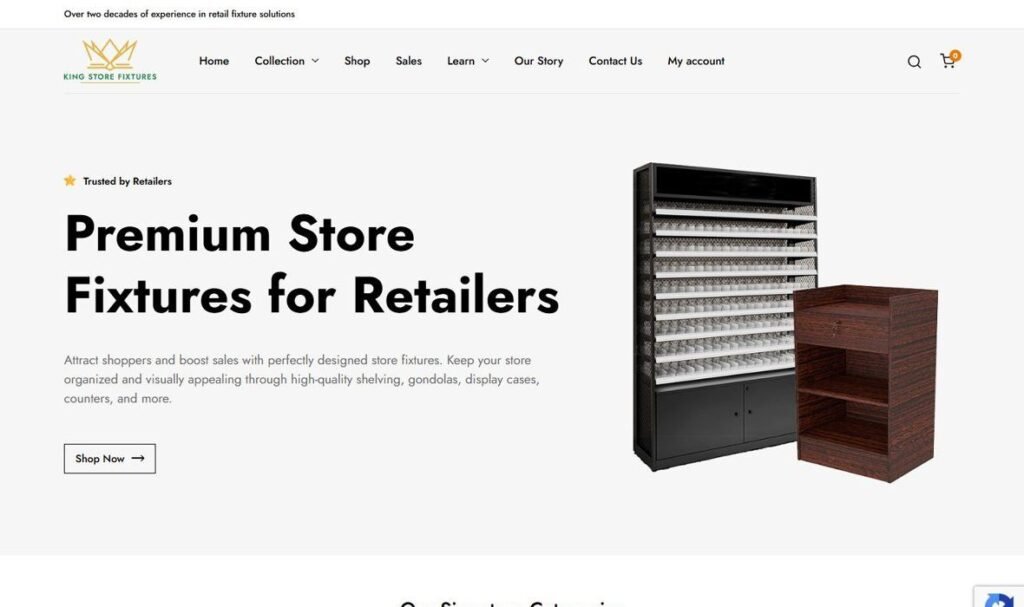
King Store Fixtures is a U.S.-based fixture supplier with a catalog that spans showcases, shelving, wall cases, cigarette racks, display cabinets, LED signs, slatwall accessories, and other practical store-equipment categories. It is relevant because it covers a wide fixture spectrum while still keeping display cases and store merchandising hardware at the center of the offer.
The company’s value is strongest for buyers who need fixture breadth with more emphasis on display presentation than a pure industrial shelving vendor. Its catalog feels close to real store-opening needs: front cases, perimeter display, category storage, checkout equipment, signage, and supporting hardware all sit within one product ecosystem.
Like other broad-line suppliers on this list, King Store Fixtures is not best understood as a bespoke flagship interior company. Its main appeal is helping buyers assemble a practical selling environment from readily comparable fixture families. That keeps it relevant for retailers who want more fixture diversity without stepping fully into a custom millwork process.
Store Fixture Range
King Store Fixtures is strongest when the buyer needs several practical store-fixture categories at once. Its product mix bridges cases, shelving, display hardware, and supporting sales-floor infrastructure.
Glass showcases and display cases: Front-selling fixtures for stores that need controlled product presentation and visible merchandising.
Shelving and wall cases: Store-fixture systems that support category segmentation, vertical merchandising, and better use of perimeter space.
Racks, cabinets, and support hardware: Useful for retailers that need a blend of display and stock-support fixtures instead of one isolated product type.
Signage and accessories: A practical add-on range for stores that want key display hardware and visual support from one supplier.
Category-ready fixture bundles: Especially relevant for store owners that need broad functionality more than high-level customization.
Why It Stands Out In 2026 & 2027
King stands out because it sits in the practical middle of the fixture market. It offers more display-focused product variety than an industrial shelf manufacturer, but it is simpler and faster-moving than a custom concept fabricator. That combination can work well for independent retailers and smaller chains.
In 2026 and 2027, that is a useful position. Many stores need to refresh merchandising, improve customer flow, and replace aging fixtures without taking on a full custom-build schedule. King becomes stronger in exactly that kind of project.
Best For In 2026 & 2027
Independent store openings and refreshes: Retailers that need practical fixture variety without a long custom engineering cycle.
Case-plus-shelving packages: Projects that need front display cases along with perimeter and support fixtures.
Budget-aware but display-conscious buyers: Stores that want better fixture presentation than bare-bones hardware while staying inside a more practical purchasing model.
Retailers comparing multiple stock fixture categories: Teams that want one site to cover several store-opening needs at once.
Midwest Retail Services
Company Overview
Midwest Retail Services is a U.S. retail-fixture company with a model that combines store planning, rollout support, fixture program management, and access to broader fixture manufacturing channels. The company highlights store fixtures, retail design support, Lozier-related capability, and custom fixture programs under its Lodestone arm, making it more than a simple online reseller.
This hybrid position is why Midwest deserves inclusion. Some buyers are not only sourcing fixture products; they are trying to coordinate rollout timing, fixture replacement, inventory support, and store-planning decisions across multiple locations. Midwest is stronger when that operational layer matters, especially for regional chains or larger rollout programs.
The company is therefore a useful comparison point between pure product suppliers and pure fabricators. Buyers that need support across fixture sourcing, planning, and rollout execution may find Midwest more relevant than a vendor that only ships hardware.
Store Fixture Range
Midwest Retail Services is most useful for program-driven fixture work. Its offering is tied to retail planning, system compatibility, and the kind of execution support that becomes important when stores are opened or refreshed at scale.
Store-planning support: Assistance that helps buyers translate merchandising needs into fixture quantities, layout logic, and repeatable fixture programs.
Shelving and fixture systems: A strong fit for retailers that need proven fixture platforms with better program support than a generic web catalog.
Custom fixture development: Relevant where standard systems need to be combined with retailer-specific display elements or custom programs.
Rollout and replenishment coordination: Useful for regional chains and repeat-store operators that need more than a one-time shipment.
Project execution support: A stronger option for buyers that value continuity across planning, supply, and implementation stages.
Why It Stands Out In 2026 & 2027
Midwest stands out because fixture buying often breaks down in the handoff between planning and execution. A supplier that understands both the product side and the rollout side can reduce that gap. This is particularly relevant for retailers that do not have a large internal fixture-procurement department.
In 2026 and 2027, the ability to connect store planning with supply continuity remains important as retailers keep balancing remodel speed, phased rollouts, and tighter labor bandwidth. Midwest is not the most decorative name on this list, but it is a practical operational partner.
Best For In 2026 & 2027
Regional chains and repeatable rollouts: Retailers that need fixture planning and replenishment logic across multiple stores.
Operationally supported sourcing: Projects where the buyer wants more planning and implementation help than a standard fixture website offers.
Hybrid standard-plus-custom programs: Teams that need reliable fixture systems but still require some retailer-specific development.
Store refresh programs with phased timing: Retailers juggling multiple locations, schedules, and replenishment cycles.
Barr Display
Company Overview
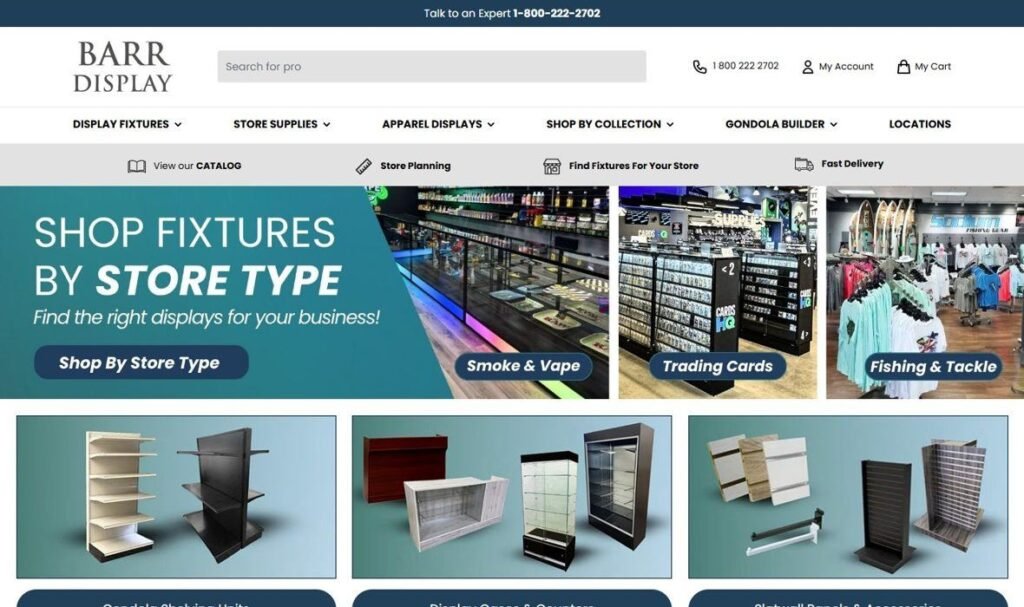
Barr Display is a long-established U.S. retail fixture supplier that remains relevant because of its broad assortment, showroom presence, and practical support for store-opening needs. The company’s catalog includes display cases, counters, shelving, slatwall, mannequins, racks, acrylic displays, and general store supplies, making it useful for buyers who want a large practical purchasing menu in one place.
Its position in this ranking is not based on being the most custom manufacturer. It is based on being one of the more useful broad-line fixture suppliers for buyers that need multiple store-equipment categories under one roof. That is a different but still important role inside the store-fixture market.
For smaller retailers, franchisees, and category stores with moderate budgets, Barr can often be more workable than a custom millwork partner. The tradeoff is that buyers need to separate standard fixture convenience from bespoke manufacturing depth when they compare suppliers.
Store Fixture Range
Barr Display covers a wide practical range of fixture categories and store-opening equipment. The core value is assortment breadth and availability rather than highly specialized custom engineering.
Display cases and counters: A practical selection of glass cases, service counters, and retail display units for front-of-store presentation.
Shelving, slatwall, and racks: Store-fixture systems for general merchandising, wall display, and category support across many retail types.
Acrylic displays and accessories: Useful add-on pieces for impulse areas, small products, counter merchandising, and visual organization.
Store supplies and support hardware: A broad practical range that helps buyers source more of the opening package from one supplier.
Planning-friendly assortment: Especially relevant for stores that need broad fixture coverage without beginning from a full custom concept package.
Why It Stands Out In 2026 & 2027
Barr stands out because many buyers need coverage, not perfection in one category. A company that can supply cases, racks, shelving, accessories, and general support hardware can save time for smaller teams and first-time store owners.
For 2026 and 2027, Barr remains most relevant where ease of sourcing matters more than building a highly differentiated flagship environment. Buyers pursuing a premium brand experience should compare it against custom manufacturers. Buyers pursuing practicality should still keep it on the list.
Best For In 2026 & 2027
Broad store-opening purchases: Buyers that want fixtures and support equipment bundled from one practical source.
Independent stores and franchisees: Projects where budget control and assortments matter more than a fully bespoke build.
Standard case and shelving needs: Retailers that need mainstream display categories without deep custom development.
Supplemental fixture buying: Teams that source signature items elsewhere but still need practical add-on fixture categories.
Grand + Benedicts
https://www.grand-benedicts.com/
Company Overview
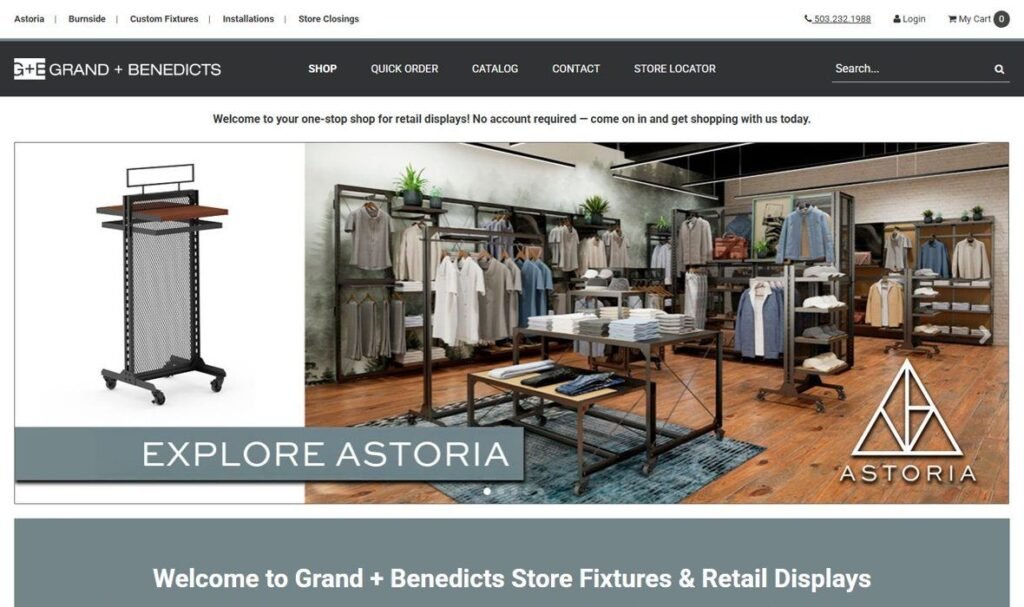
Grand + Benedicts is a long-running U.S. retail fixture supplier serving stores through a mix of display hardware, shelving, planning support, and broad product selection. The company is especially relevant to buyers on the West Coast and to retailers that want a practical fixture partner with showroom credibility and a deep catalog rather than a narrow specialist.
Its place in this ranking comes from breadth and usability. Many store-fixture searches are not highly technical at the beginning. Buyers want to compare racks, shelving, mannequins, counters, showcases, slatwall, hooks, shelving accessories, and display supports in one environment. Grand + Benedicts serves that shopping behavior well.
It is not the most custom-led name here, but that does not reduce its importance. A large part of the store-fixture market is still driven by pragmatic sourcing, phased upgrades, and broad assortment buying. Grand + Benedicts remains useful precisely because it fits that reality.
Store Fixture Range
Grand + Benedicts offers a wide fixture assortment that supports apparel, specialty retail, general merchandise, and category-based store refreshes. The practical buying experience is part of the value.
Shelving and display systems: Flexible store-fixture components for general merchandising, category zoning, and wall or floor display planning.
Cases, counters, and service fixtures: Front-of-store units for customer interaction, controlled display, and retail transaction areas.
Racks, accessories, and support hardware: Useful for apparel, gifts, specialty retail, and any format that needs layered merchandising tools.
Showroom and planning support: A stronger fit than pure drop-ship catalogs for buyers that still want guidance during fixture selection.
Broad retail-fixture assortment: Particularly relevant where the buyer wants to compare many fixture categories before locking a final package.
Why It Stands Out In 2026 & 2027
Grand + Benedicts stands out because it helps bridge the gap between industrial scale and practical retail selection. A buyer can evaluate many store-fixture options without jumping immediately into a custom build process, which is a real advantage for refresh projects and developing concepts.
That makes it useful in 2026 and 2027 for brands that are still refining their merchandising model, testing store concepts, or upgrading selected departments rather than rebuilding everything from zero.
Best For In 2026 & 2027
West Coast and regional U.S. buyers: Retailers that want a long-established fixture source with strong assortment coverage.
Multi-category comparison shopping: Projects that need many fixture types evaluated side by side before final selection.
Refresh and upgrade programs: Stores that are improving specific departments without commissioning a full custom interior.
Practical retail hardware sourcing: Teams that value assortment depth and planning support more than bespoke fabrication intensity.
Specialty Store Services
https://www.specialtystoreservices.com/
Company Overview
Specialty Store Services is a U.S. retail fixture and store supply company with one of the broadest practical catalogs in this roundup. The company combines cases, counters, shelving, racks, slatwall, gondolas, packaging, signage supports, and operational store supplies in one buying environment, making it highly relevant for store-opening and refresh projects that need functional coverage more than bespoke architecture.
Its position here is similar to Barr Display but with even stronger store-supply overlap. That overlap is important because many real-world fixture purchases happen alongside bags, tags, pricing supplies, or merchandising accessories. Buyers that want an efficient procurement path can find that useful, especially when the store concept is mainstream rather than ultra-premium.
The company should be understood as a practical sourcing partner more than a pure custom manufacturer. But because the title and keyword are broad store-fixture manufacturers, suppliers, and program partners, Specialty Store Services still deserves inclusion based on market relevance.
Store Fixture Range
Specialty Store Services is strongest when the buyer needs wide retail-fixture coverage and does not want to split basic procurement across multiple vendors. Its range is built for practicality and speed.
Display cases and counters: Front-of-store fixtures for controlled display, service interaction, and retail presentation in many common formats.
Shelving, gondolas, and slatwall: Core fixture systems for product merchandising, wall display, and category organization.
Racks and merchandising hardware: Useful for apparel, accessories, impulse programs, and flexible sales-floor display setups.
Store supplies and operational add-ons: A major advantage for buyers that need pricing, packaging, labeling, and support tools alongside fixture procurement.
Fast practical sourcing coverage: Especially relevant to store-opening teams that need many basics solved quickly rather than a long custom development process.
Why It Stands Out In 2026 & 2027
Specialty Store Services stands out because many retailers do not need a dramatic design partner. They need a dependable procurement channel for standard cases, racks, gondolas, and support supplies. The company performs well in that role because its assortment is broad and directly tied to everyday store operations.
For 2026 and 2027, it remains a strong fit for practical store execution. Buyers wanting a differentiated flagship concept should not confuse assortment breadth with custom environmental design. Buyers wanting speed and coverage should still keep it in the conversation.
Best For In 2026 & 2027
Store-opening procurement efficiency: Retailers that want fixtures and supporting operational items sourced together.
Standard retail fixture packages: Projects that rely on mainstream cases, counters, shelving, and racks instead of a custom fabricated concept.
Smaller teams and first-time operators: Buyers who benefit from one broad store-fixture source instead of coordinating several niche vendors.
Refresh programs with practical priorities: Stores upgrading hardware, cases, and merchandising tools without rebuilding the whole interior.
Dawson Jones Store Fixtures
Company Overview
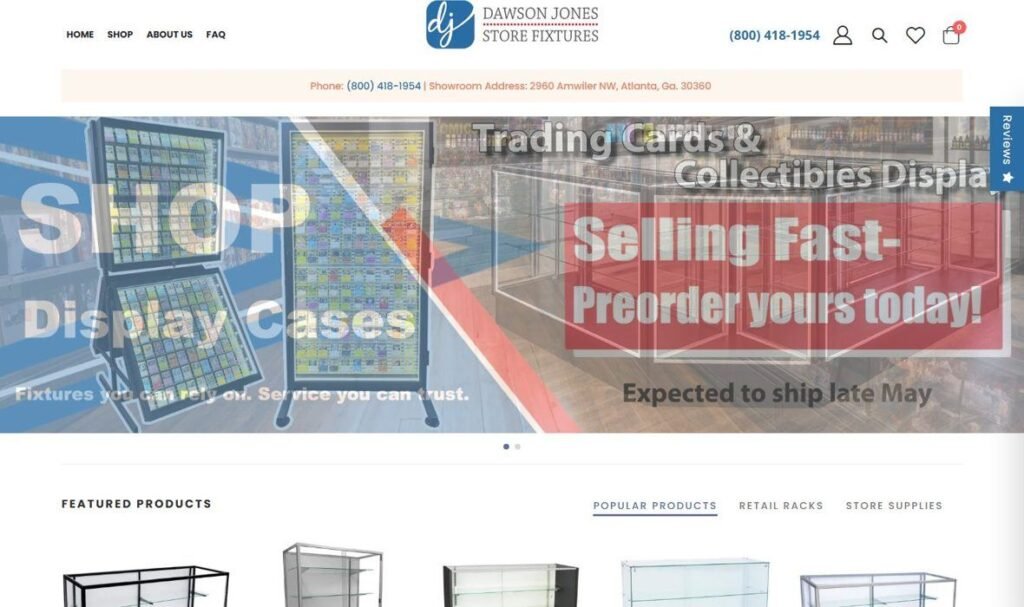
Dawson Jones Store Fixtures is an Atlanta-area fixture supplier with a broad retail catalog covering display cases, counters, mannequins, shelving, slatwall, garment racks, and other practical store equipment. It is a useful inclusion because it serves the same real-world purchasing behavior that drives many U.S. independent and regional retail openings: one source that can cover multiple mainstream fixture needs quickly.
The company is not a flagship custom millwork house, but that is not the only definition of value in the store-fixture market. Many retailers need usable display cases, wall systems, floor racks, checkout counters, and add-on fixtures that can be purchased and deployed without extended engineering cycles. Dawson Jones remains relevant to that segment.
For buyers, the key is to understand where the company fits. It is stronger as a practical fixture source and category supplier than as a fully bespoke retail-environment manufacturer. Used correctly, that makes it a worthwhile comparison point for stores that prioritize speed, assortment, and straightforward purchasing.
Store Fixture Range
Dawson Jones covers many of the standard fixture categories required in apparel, gift, convenience, smoke, and specialty retail. The main value is broad accessibility to retail hardware.
Display cases and counters: A core offering for stores that need front display, controlled product access, and service-counter presentation.
Shelving and wall systems: Perimeter and mid-floor support for categories that need modular merchandising instead of fixed built-ins.
Racks and floor fixtures: Useful for apparel, impulse, and specialty-retail product presentation across changing assortments.
Mannequins and display accessories: Helpful for stores that want more visual-merchandising support from one practical source.
General retail-fixture coverage: A good fit for buyers that need standard categories solved quickly and without a full custom design path.
Why It Stands Out In 2026 & 2027
Dawson Jones stands out because store-fixture buying often rewards availability and category coverage, not just premium fabrication. For independent retailers and smaller operators, the ability to compare many practical hardware types from one supplier is a real advantage.
That remains true in 2026 and 2027 as retailers keep refreshing stores in smaller phases. Dawson Jones is not the company to call for a luxury flagship concept. It is a company to compare when the project needs mainstream fixture categories assembled quickly and clearly.
Best For In 2026 & 2027
Independent retailers and regional operators: Stores that need broad practical hardware rather than deep custom engineering.
Mainstream fixture purchases: Projects centered on cases, shelving, racks, counters, and wall hardware.
Faster refresh cycles: Retailers improving standard sales-floor equipment without a full redesign program.
Buyers that prefer one practical vendor for multiple basics: Teams that want purchasing simplicity over highly bespoke fabrication.
This Top 13 list is not meant to flatten every company into the same role. Lozier and Madix are strong when the project needs scalable store-fixture systems. McCowan and Vanguard become stronger when the project needs custom fabrication and a more coordinated built environment. SHOPCO U.S.A., Barr Display, Specialty Store Services, and Dawson Jones are more practical when the buyer needs broad category coverage and faster mainstream fixture sourcing. Ouyee Display remains strongest when the brief is a factory-direct custom fixture package with multiple coordinated retail elements.
In practical sourcing terms, the best supplier is the one that matches the job you are actually trying to complete. If the project is a modular chain rollout, prioritize repeatability, replenishment logic, and engineering stability. If it is a boutique or branded concept, prioritize custom detailing, layout control, and finish coordination. If the goal is to open quickly with mainstream hardware, prioritize category breadth, shipping speed, and purchasing efficiency. The companies above matter because each one solves a different part of that decision.
Before you place a final order, compare not only price but also fixture scope, assumptions, materials, shipping method, schedule counting, installation support, and future replacement compatibility. In 2026 and 2027, the lowest-risk supplier is usually the one that makes those details clearer before production starts.

 English
  German
  Arabic
  French
  Spanish
  Italian
  Russian
  Turkish
  Portuguese
  Japanese