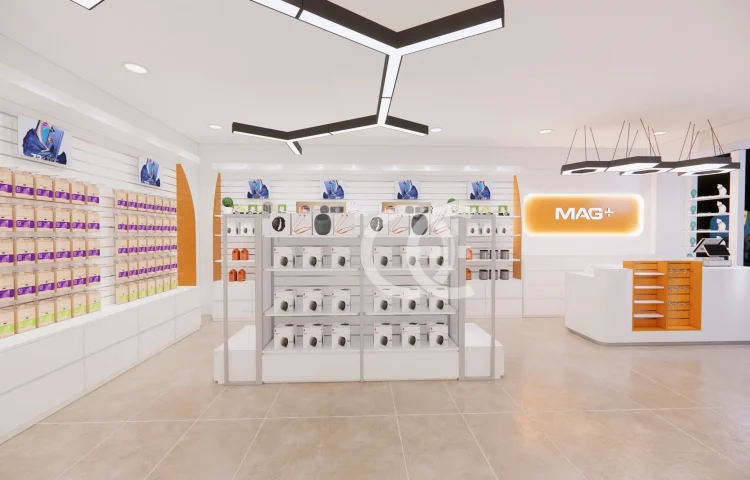
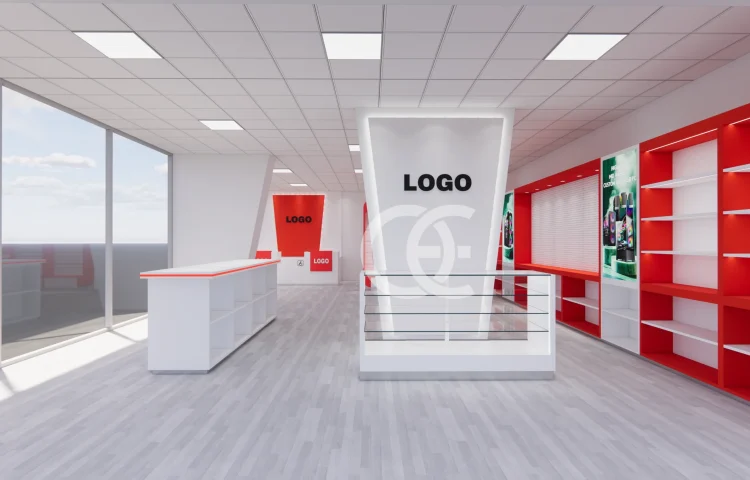
What the Sports Fashion Retail Interior Design Image Shows
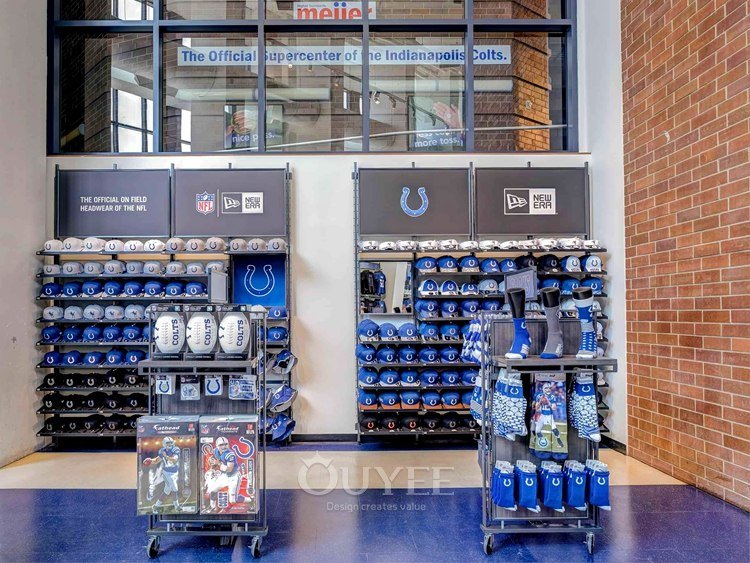
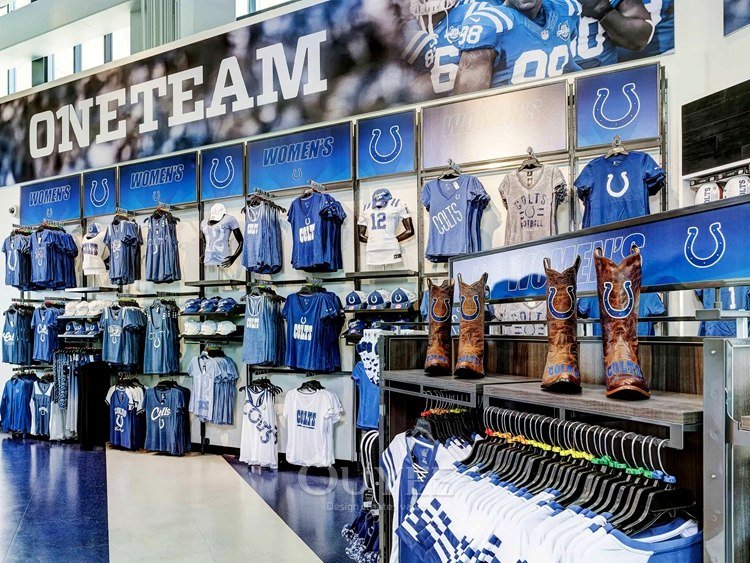
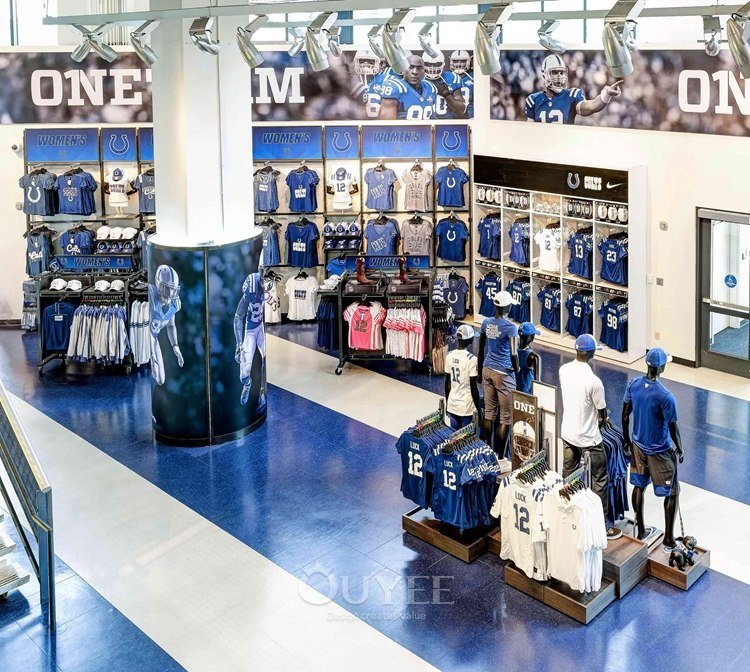
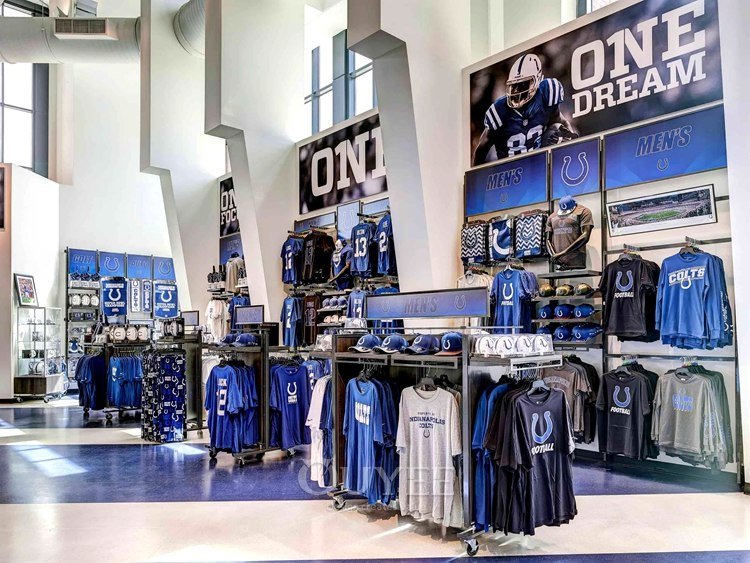
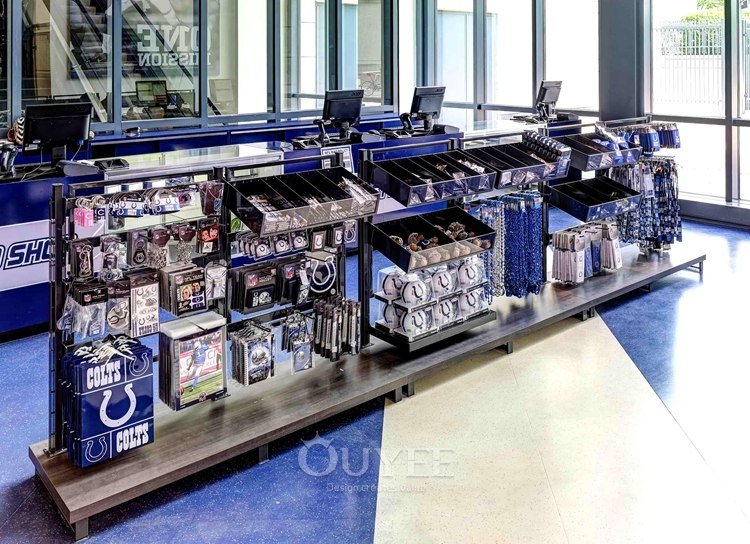
This rendering gives the Sports Fashion Retail Interior Design a specific visual identity through its blue, light gray, gray color balance and clearly defined full-store layout. The composition directs attention toward the merchandise rather than letting the furniture dominate the scene.
Its commercial value comes from applying the visual direction to real merchandise—garments, coordinated outfits, seasonal ranges, and fashion accessories. That makes the project relevant not only to Sports Fashion Retail Interior Design, but also to searches for clothing display rack, apparel store fixtures, and garment wall system.
Zoning the Store Around Clothing Display Rack for Sports Fashion Retail Interior Design
Rather than filling every surface, the layout should preserve breathing room around the main full-store layout. This improves product recognition and leaves space for customers to approach, compare, and move toward the next category.
A coordinated package can add garment rails, wall bays, nesting tables, feature racks, mirrors, and checkout storage. Their heights, openings, and storage positions should follow one visual language so that fashion display table and retail clothes rail read as a connected fixture family.
Material Specification for the Full-Store Layout in Sports Fashion Retail Interior Design
The visual balance relies on blue, light gray, gray tones, so material selection should protect that contrast under real store lighting. Sample boards can compare laminate, lacquer, metal coating, glass, acrylic, or stone-look options before production.
The fixture detailing can incorporate open fixture geometry. LED position, cable routes, ventilation gaps, lock locations, removable panels, and cleaning access should be drawn before fabrication rather than solved on site.
Adapting the Concept to Store Size and Assortment for Sports Fashion Retail Interior Design
To adapt the concept for a real site, Ouyee can translate the image into layout drawings, 3D revisions, material samples, technical elevations, and a module list matched to shipping and installation needs.
With those points resolved, the modular merchandising can move from an attractive image to an installation-ready system with fewer decisions left for the site team.