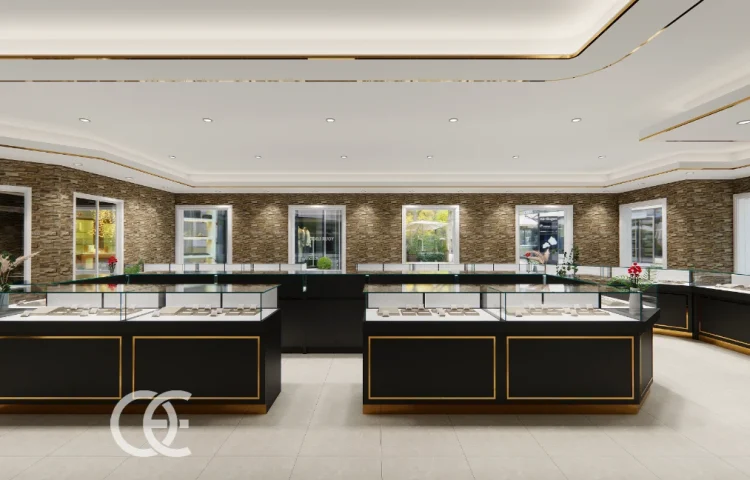
Hair Store Design: Visual Concept and Retail Purpose
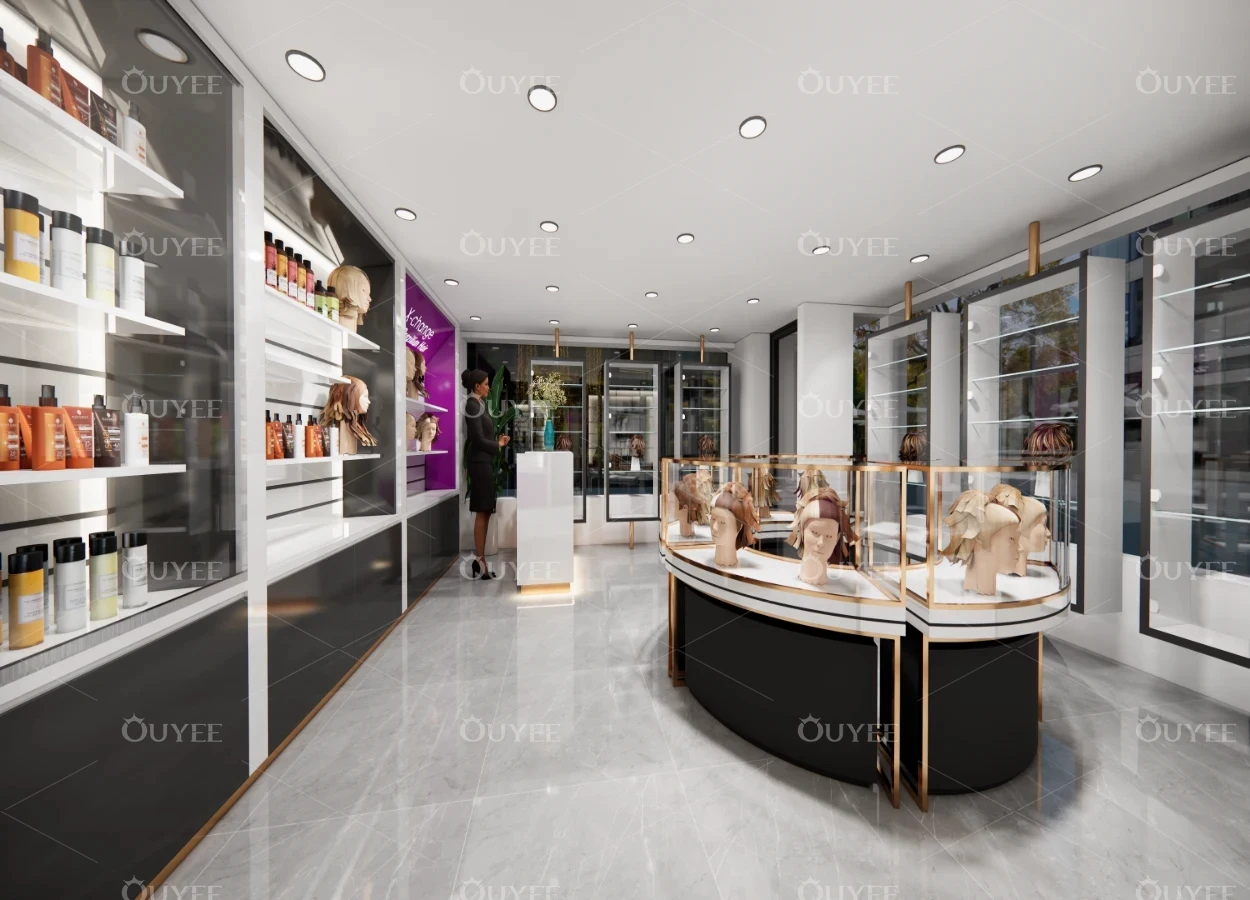
Viewed as a retail project, the Hair Store Design uses open fixture geometry to create a clean, brand-focused retail direction. The image also indicates where product presentation, staff access, and customer movement need to work together.
For a commercial rollout, the same direction can be scaled around the actual product mix: wigs, hair extensions, care products, salon tools, and accessories. The useful core phrase is Hair Store Design, while related requirements include wig display shelf, hair extension display, and salon retail cabinet.
Customer Flow and Shelving System Placement for Hair Store Design
The strongest position for this shelving system depends on how customers enter, pause, compare, and ask for assistance. It should create a readable focal point while keeping adjacent aisles and service routes clear.
Depending on store size, the fixture family can extend to wig display shelves, slatwall bays, illuminated cabinets, mirrors, consultation stations, and stock storage. This gives the project enough flexibility for beauty supply fixtures, product launches, and future assortment changes.
Fixture Details: Open Fixture Geometry in Hair Store Design
In the image, the red, light gray, gray color family controls the mood more than ornamental detailing. A practical specification can reproduce it through durable laminates, coated metal, engineered wood, glass, and replaceable brand graphics where appropriate.
Visible features such as open fixture geometry need technical coordination behind the surface. The shop drawings should show power entry, driver access, shelf adjustment, hardware clearances, and fixing points for each module.
Turning This Visual Direction Into Shop Drawings for Hair Store Design
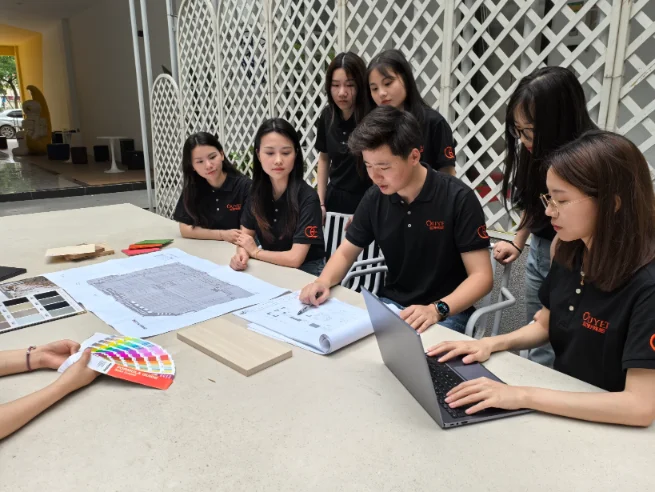
A production-ready version starts with the store measurements, merchandise dimensions, required capacity, and local installation conditions. From there, the Hair Store Design can be divided into repeatable modules with confirmed finishes and a clear bill of materials.
This process keeps the visual idea recognizable while making the color-accurate lighting practical for daily use, maintenance, replenishment, and later campaign changes.