
A Realistic Timeline for U.S. Jewelry Store Projects
Custom jewelry store fixtures are not shipped like standard shelf stock. A complete project usually moves through consultation, layout planning, 3D design, engineering drawings, material confirmation, production, pre-shipment inspection, packing, and international freight. For the U.S. market, sea shipping is common for full-store packages because glass showcases, wall cabinets, and cashier counters are large and heavy.
Typical project stages include requirement discussion, 2D and 3D design, quote confirmation, production, quality inspection, export-grade wooden crate packing, sea freight, customs clearance, and local delivery. Exact timing should be confirmed for each order because holiday seasons, port schedules, material changes, and large store rollouts can affect the calendar.
What Buyers Should Confirm Before Production
- Final floor plan and fixture dimensions.
- Lighting temperature and electrical component requirements.
- Glass thickness, locks, drawers, storage, and anti-theft features.
- Finish samples for metal, veneer, lacquer, stone-look panels, leather accents, or brand colors.
- Packing method, crate labels, installation drawings, and English manual needs.
Why Packing Details Matter
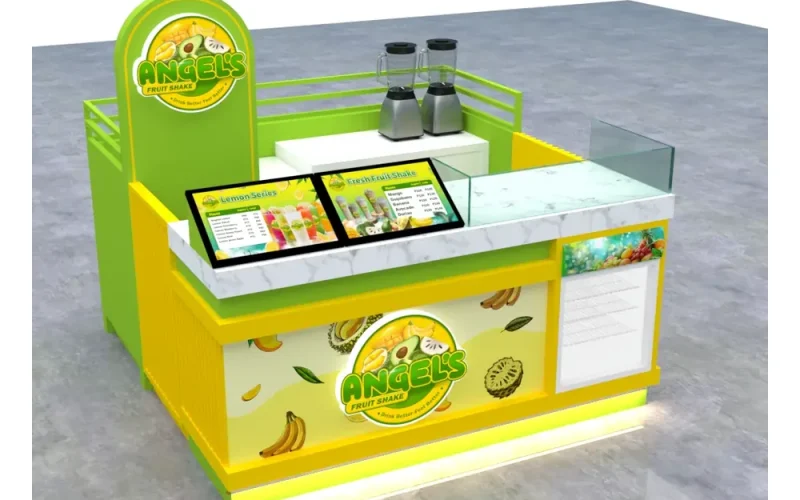
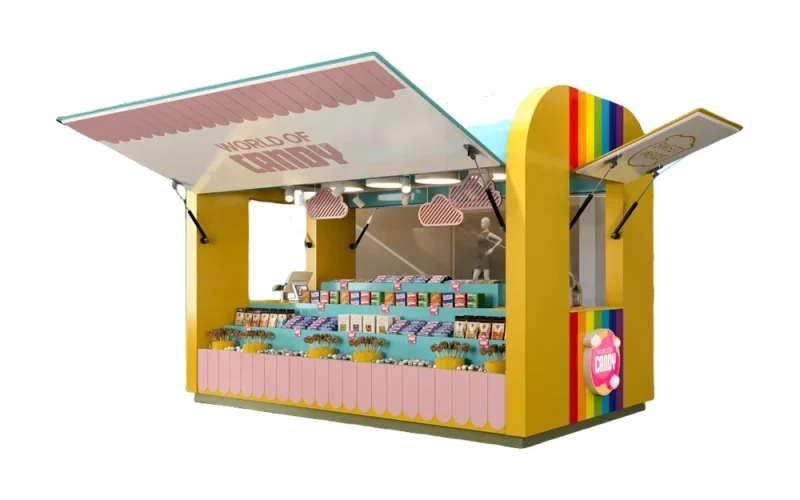
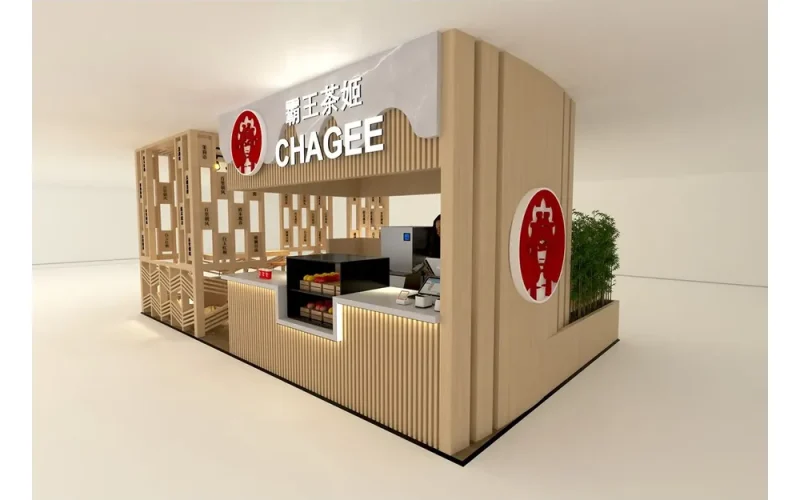
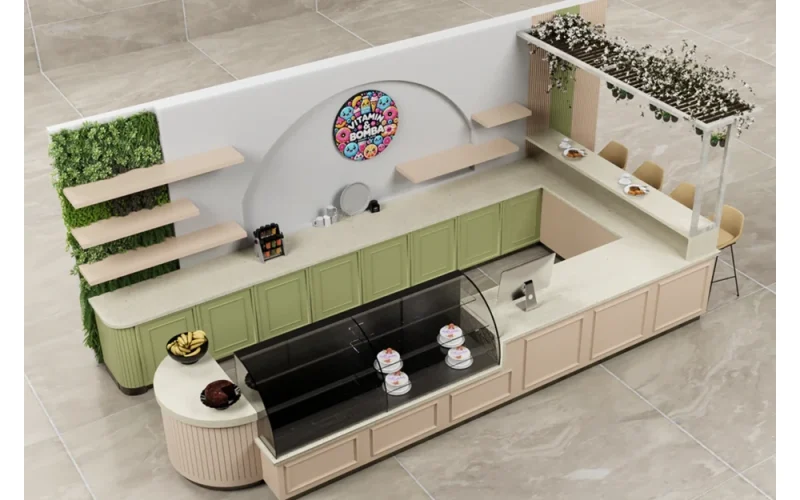
Jewelry showcases usually include glass, metal frames, lighting, drawer hardware, and delicate finishes. Buyers should ask for export-grade crate packing, photo confirmation before loading, spare hardware labeling, and clear installation references. This is especially important for U.S. boutiques, mall jewelry kiosks, and showroom projects where opening dates are planned around fixture arrival.
Ouyee Display supports project scheduling, export packing, shipping coordination, and installation guidance for overseas jewelry store projects.
See jewelry showcase manufacturer services or review jewelry store design support.

 English
  German
  Arabic
  French
  Spanish
  Italian
  Russian
  Turkish
  Portuguese
  Japanese