What the Fashion hair store display fixtures Image Shows
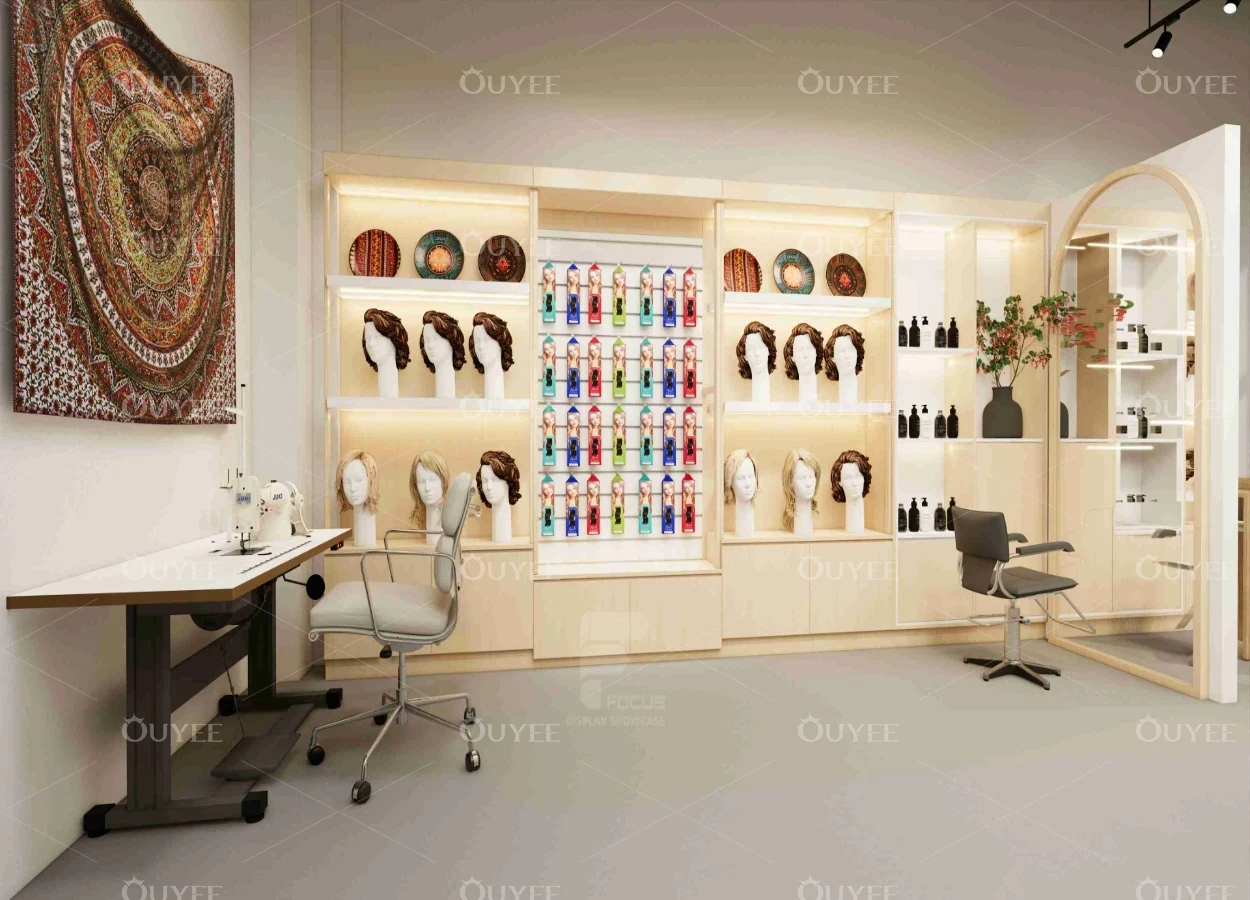
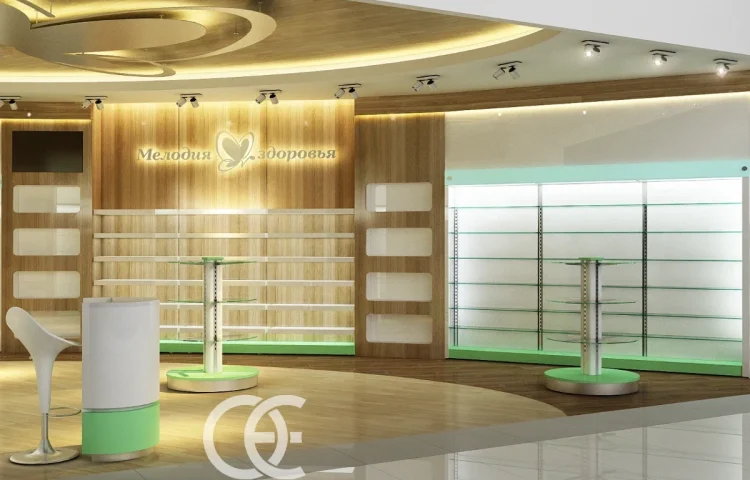
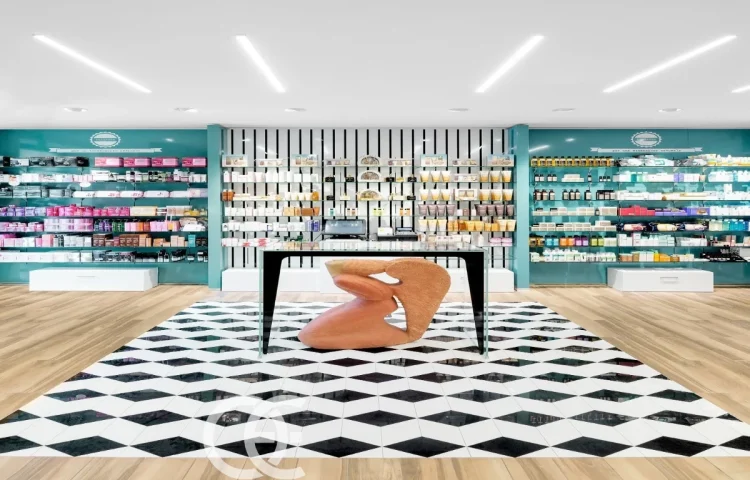
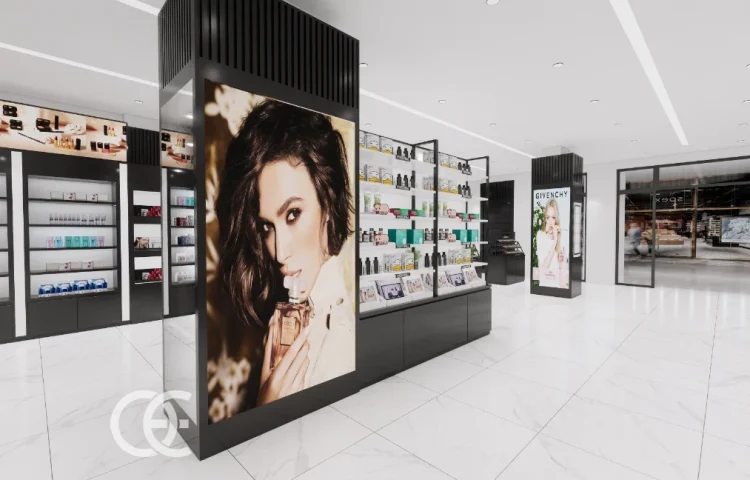
The main image presents a warm and approachable retail atmosphere built around a warm taupe, gold, light gray palette. Its display cabinet format is not decorative alone: it is arranged to support protected presentation, controlled access, internal lighting, and organized storage.
The design can be developed from a single visual reference into a coordinated fixture schedule for garments, coordinated outfits, seasonal ranges, and fashion accessories. In SEO and project terms, the page connects Fashion hair store display fixtures with clothing display rack, apparel store fixtures, and garment wall system without treating those phrases as interchangeable.
Zoning the Store Around Clothing Display Rack for Fashion hair store display fixtures
Merchandising density should follow the product size and buying decision. The display cabinet can carry hero items at eye level, broader choice in secondary positions, and replenishment stock close to staff access.
Supporting units may include garment rails, wall bays, nesting tables, feature racks, mirrors, and checkout storage. Together they create a more complete path from discovery to comparison and purchase, while terms such as fashion display table and retail clothes rail describe the secondary search intent naturally.
Material Specification for the Display Cabinet in Fashion hair store display fixtures
The detected warm taupe, gold, light gray palette should be confirmed with physical finish samples because screen colors can shift. Surface gloss, texture, edge treatment, and the temperature of the lighting will determine whether the installed result keeps the same character as the rendering.
To preserve the image direction, details such as open fixture geometry should be treated as part of the construction package. This includes load requirements, glass safety, hardware selection, light diffusion, and replaceable graphics.
Adapting the Concept to Store Size and Assortment for Fashion hair store display fixtures
The rendering establishes appearance, but fabrication requires a second layer of decisions: exact dimensions, material thickness, hardware, lighting voltage, graphic files, assembly joints, and installation sequence.
The result is a custom fixture package informed by boutique interior design, but engineered around the brand, product range, and operating routine of the specific store.