Design Reading of the Jewelry Boutique Compact Necklace Design
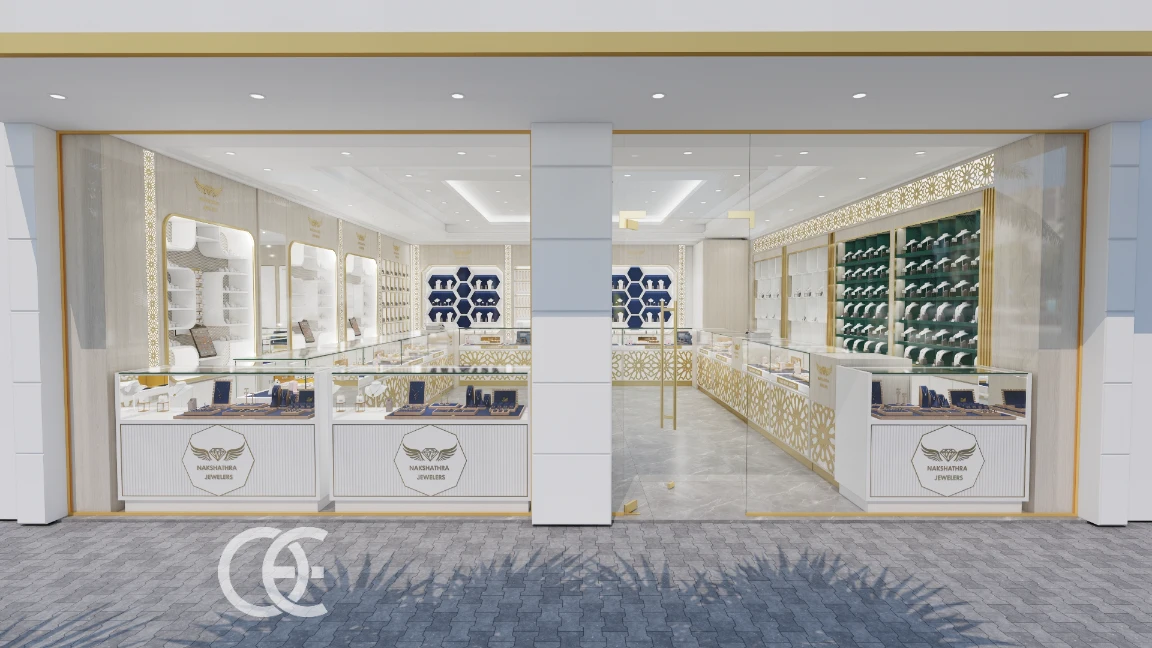
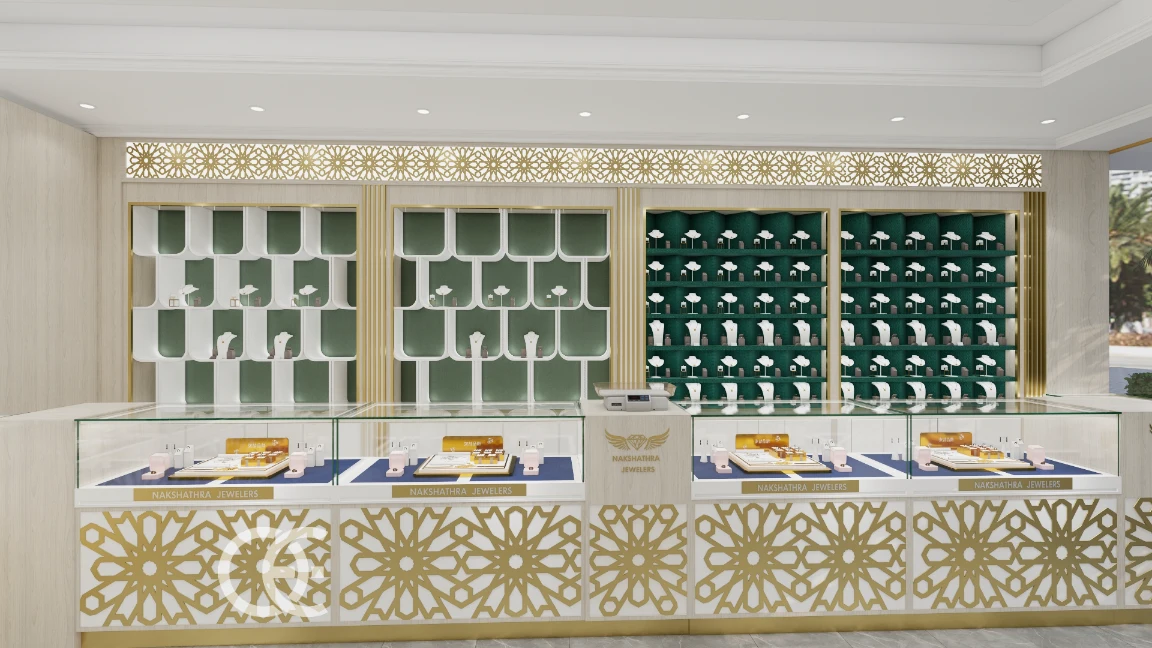
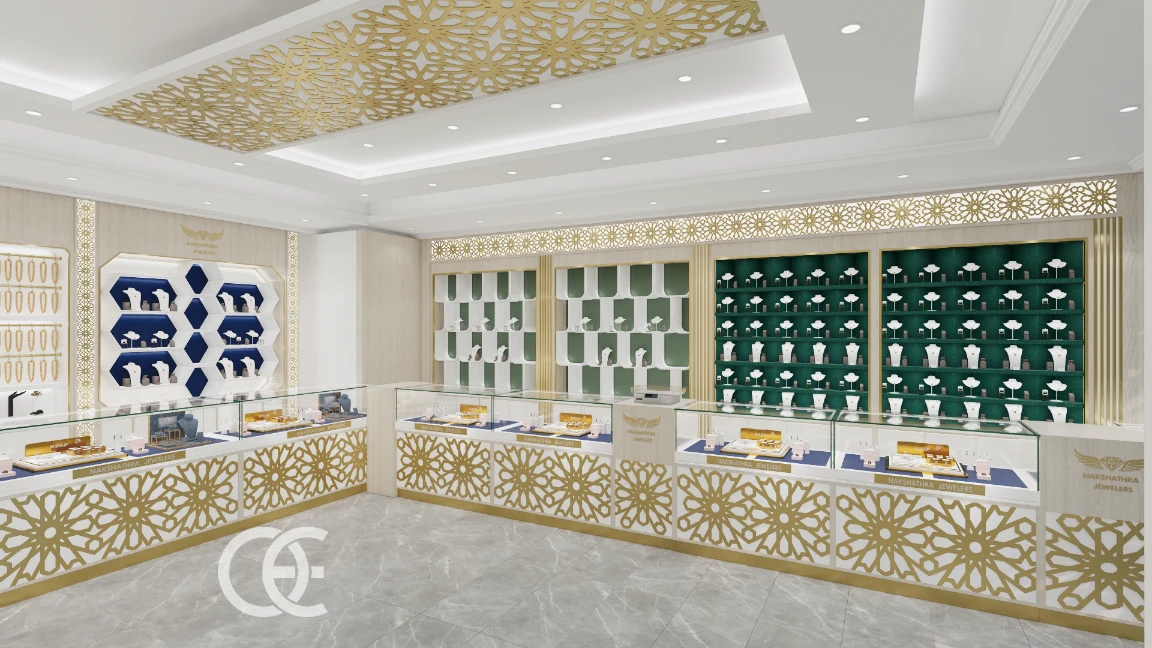
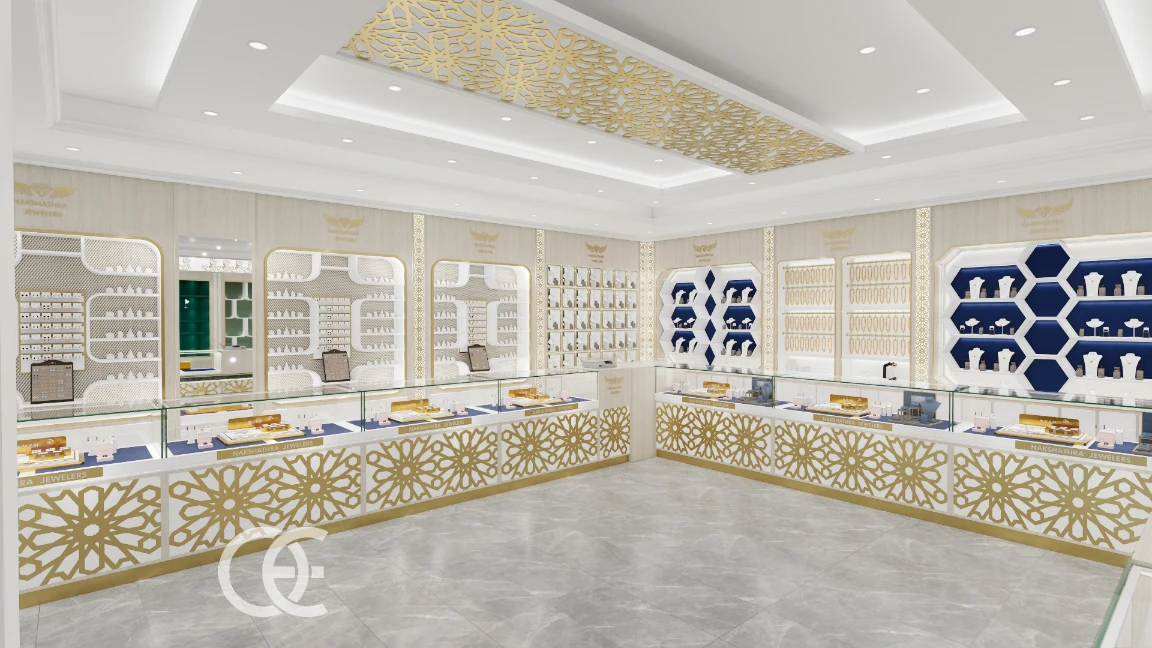
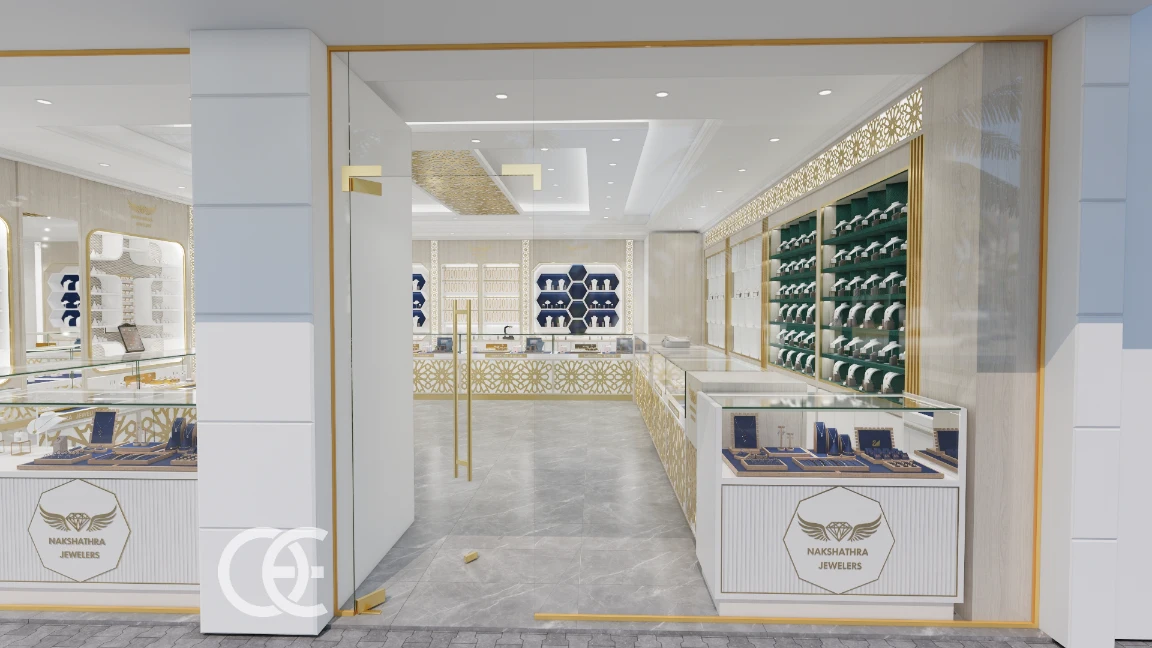
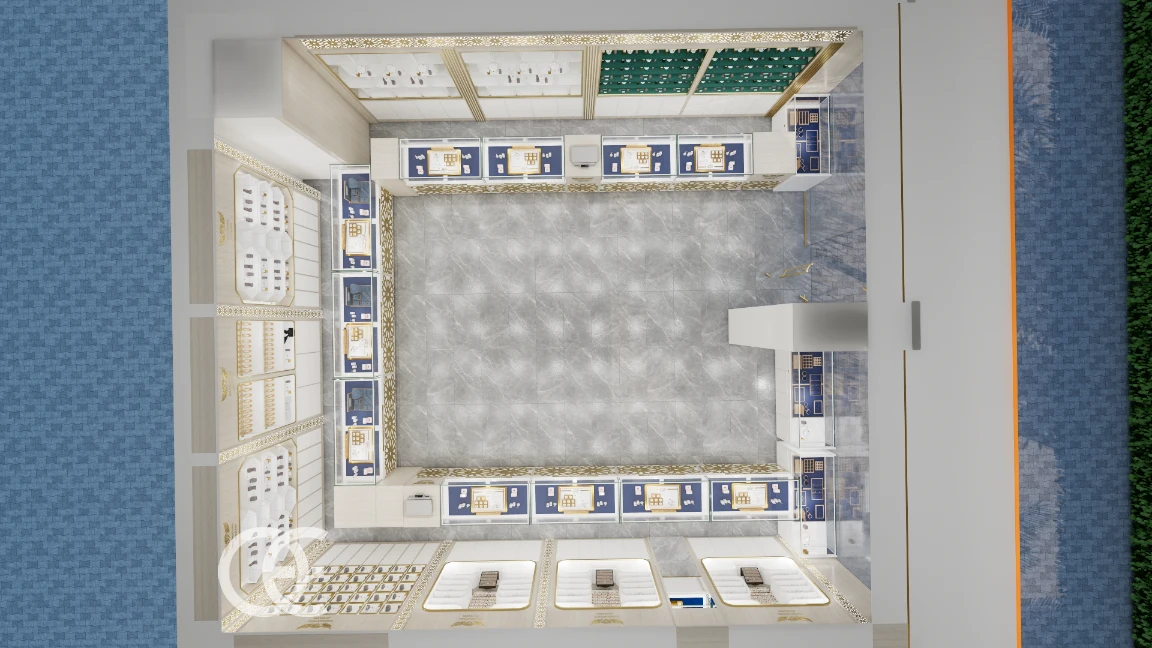
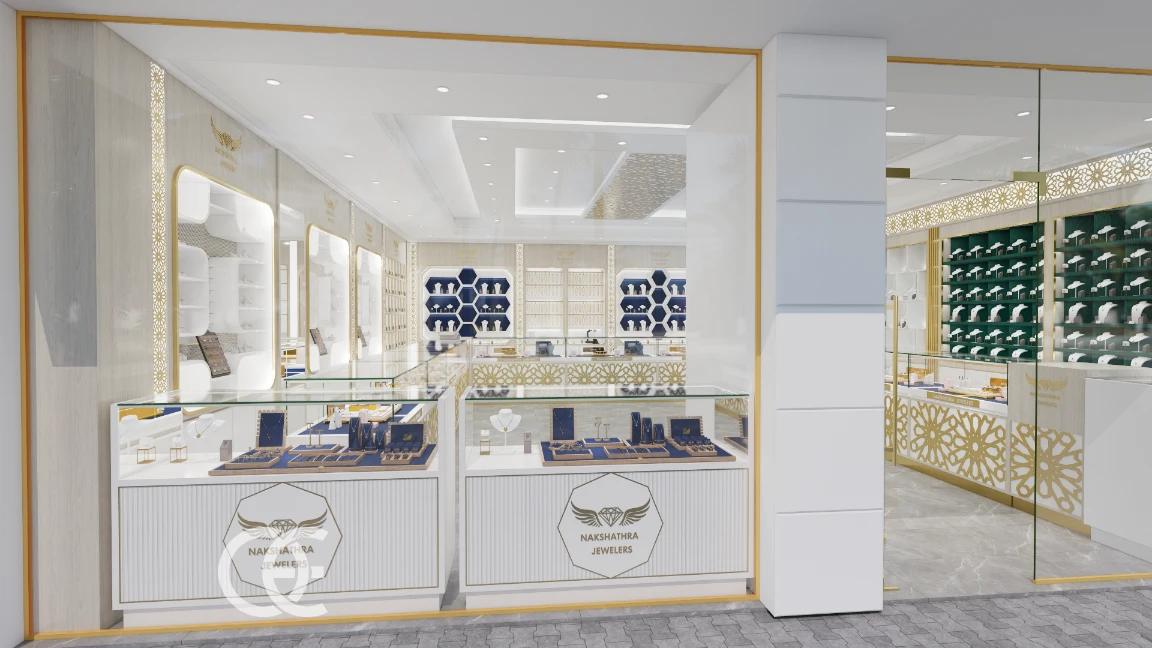
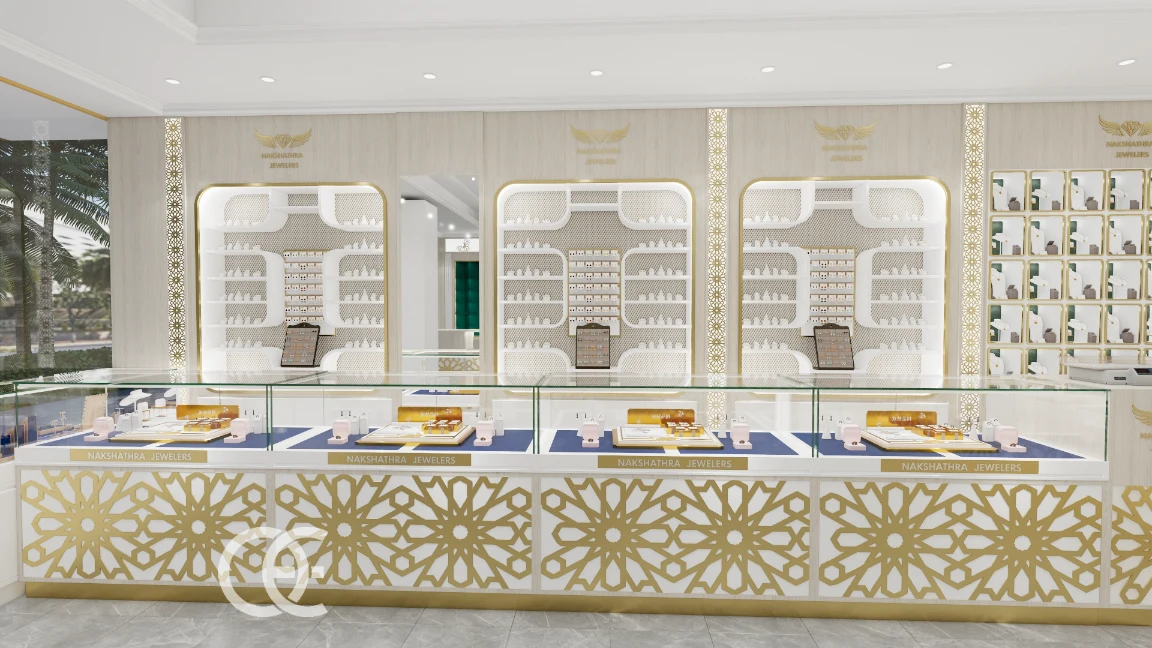
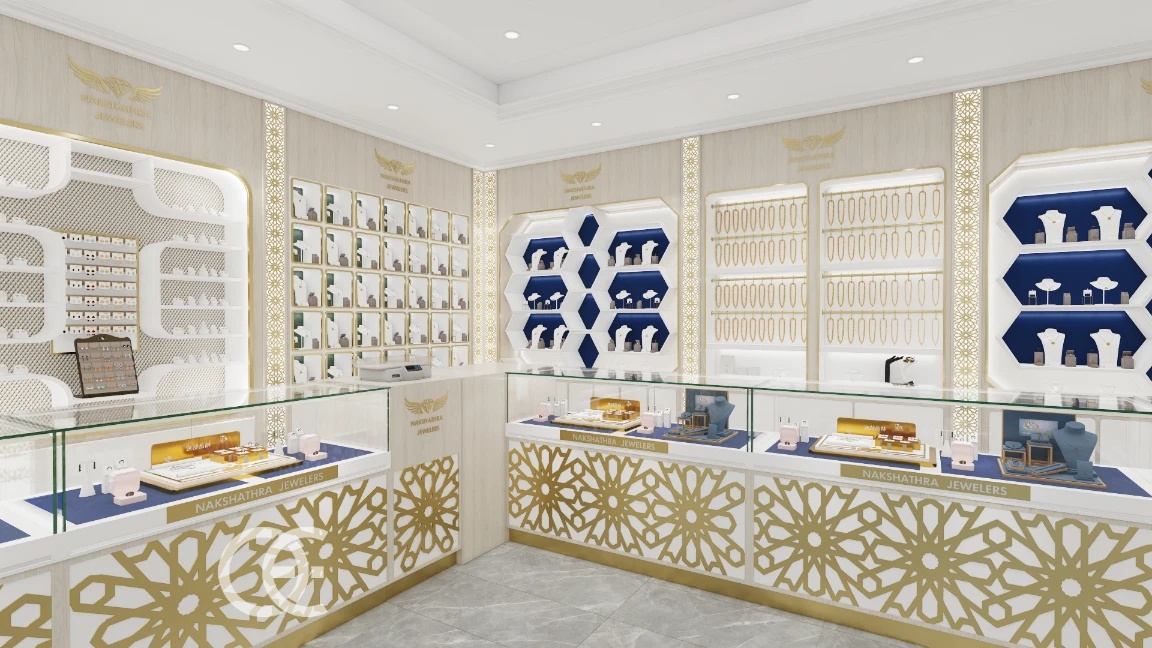
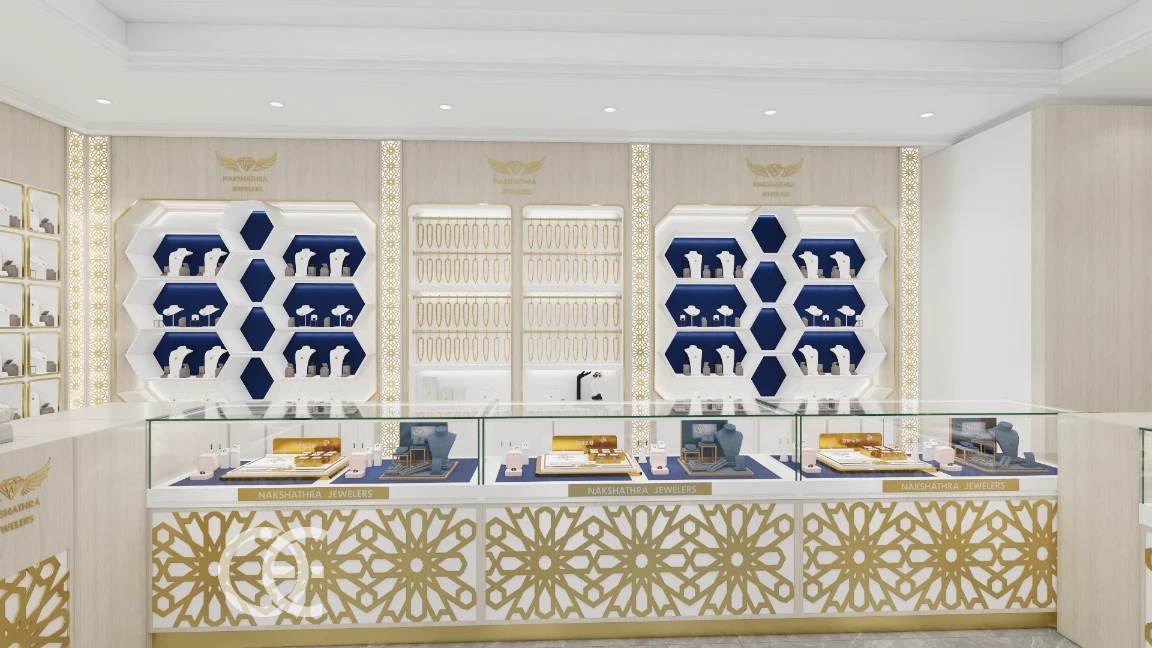
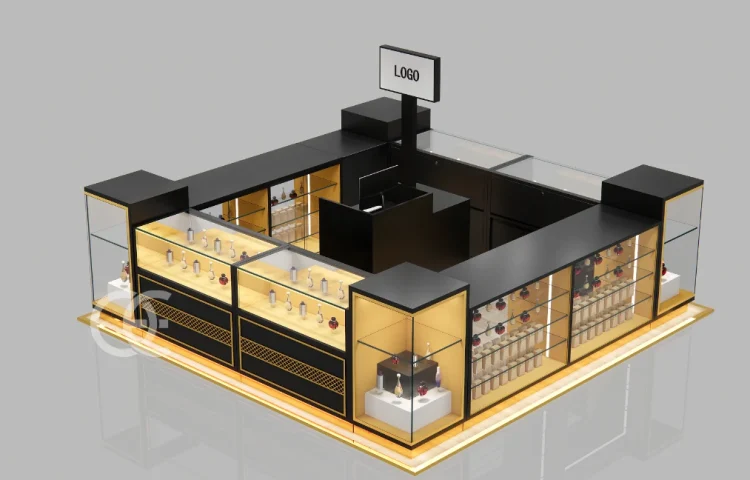
The reference image for this page is characterized by open fixture geometry, with a gray, light gray palette. Those cues make the concept relevant to jewelry retail, where display clarity and brand recognition must be resolved at the same time.
For a commercial rollout, the same direction can be scaled around the actual product mix: rings, necklaces, bracelets, watches, and premium collections. The useful core phrase is Jewelry Boutique Compact Necklace Design, while related requirements include jewelry display case, LED jewelry showcase, and lockable glass cabinet.
How the Display Supports Browsing and Comparison for Jewelry Boutique Compact Necklace Design
The image suggests a clear hierarchy between feature display and supporting stock. In a measured plan, the custom fixture concept can anchor the first sightline, a category zone, or the transition toward consultation and checkout.
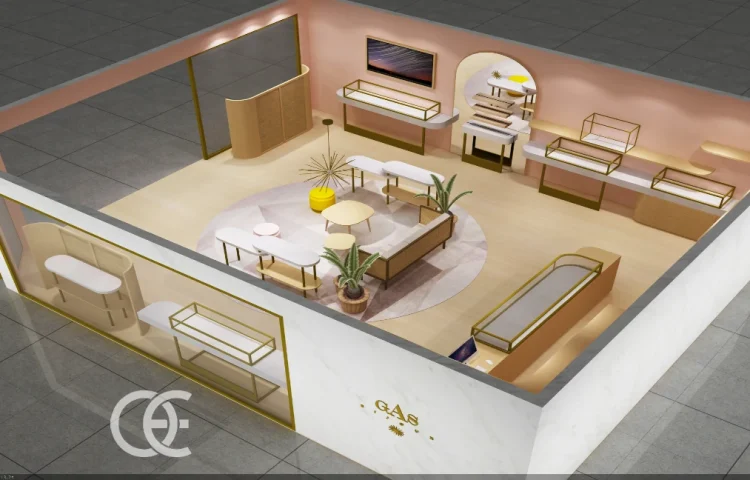
Depending on store size, the fixture family can extend to glass showcases, tower vitrines, wall cases, consultation tables, and concealed storage. This gives the project enough flexibility for jewelry store fixtures, product launches, and future assortment changes.
Gray, Light Gray Finishes, Lighting, and Brand Details in Jewelry Boutique Compact Necklace Design
Because the rendering uses gray, light gray as its dominant palette, the finish schedule should define sheen as carefully as hue. Matte panels, reflective glass, metallic accents, and illuminated graphics behave differently under ceiling and shelf lights.
Visible features such as open fixture geometry need technical coordination behind the surface. The shop drawings should show power entry, driver access, shelf adjustment, hardware clearances, and fixing points for each module.
Production Notes for Custom Jewelry Retail Fixtures for Jewelry Boutique Compact Necklace Design
Before manufacturing, the visual concept should be checked against the floor plan and the largest displayed item. Module widths, shelf spacing, counter height, access doors, power points, and packing sections can then be fixed in the drawings.
This process keeps the visual idea recognizable while making the retail display lighting practical for daily use, maintenance, replenishment, and later campaign changes.