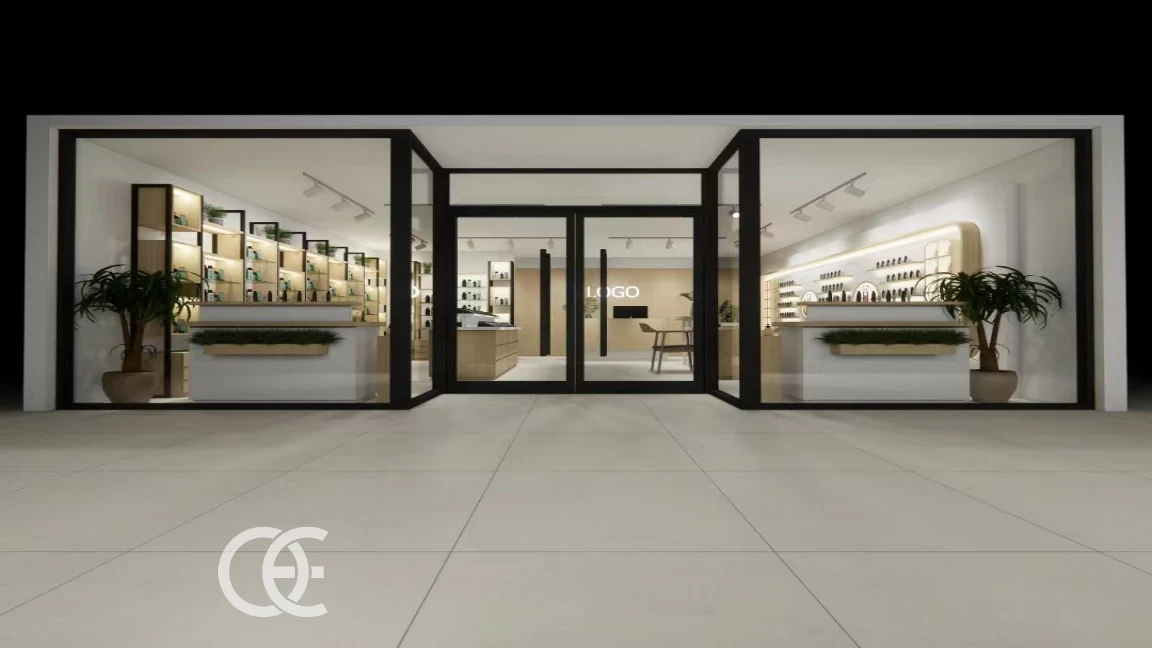
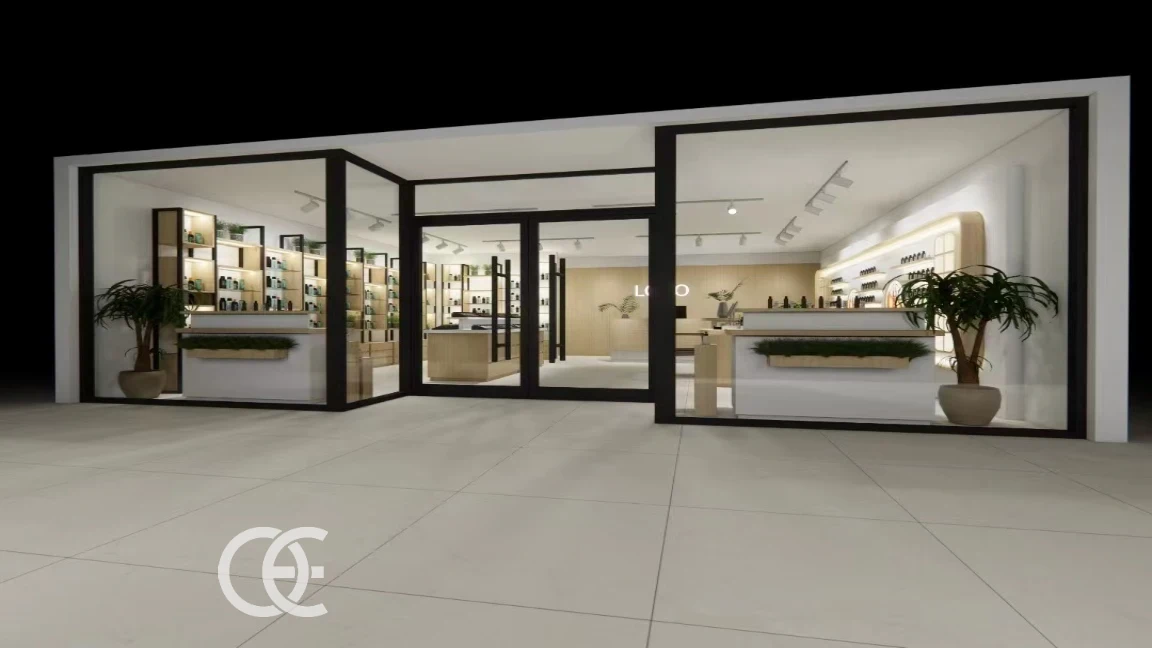
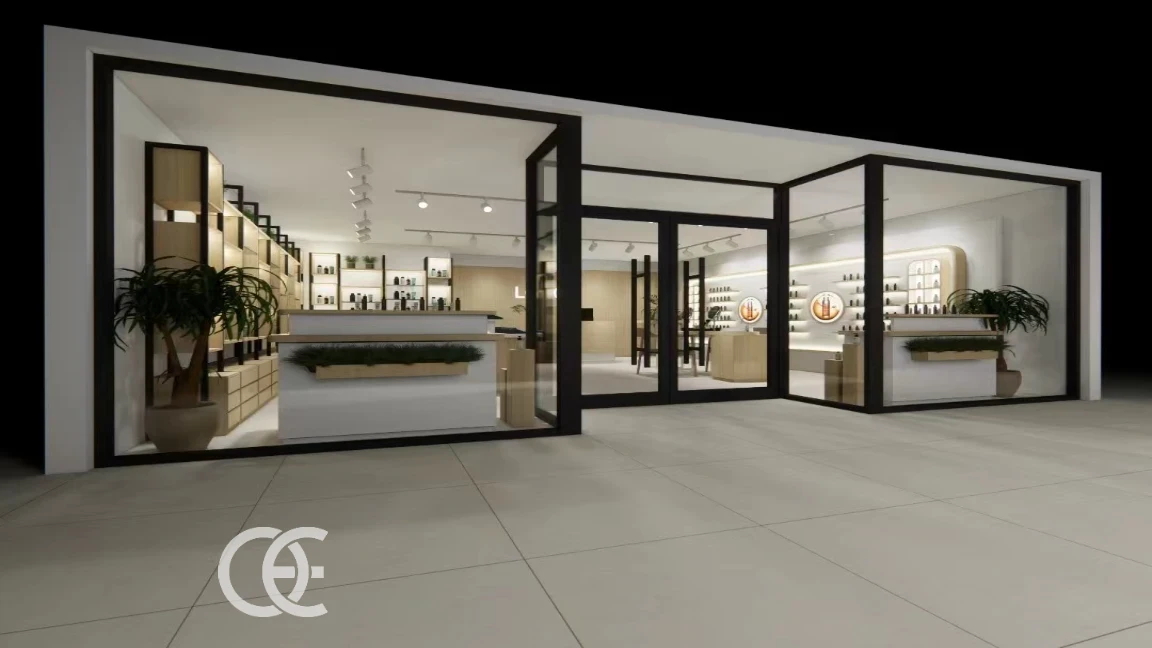
What the Cosmetic Shop Front Design Image Shows
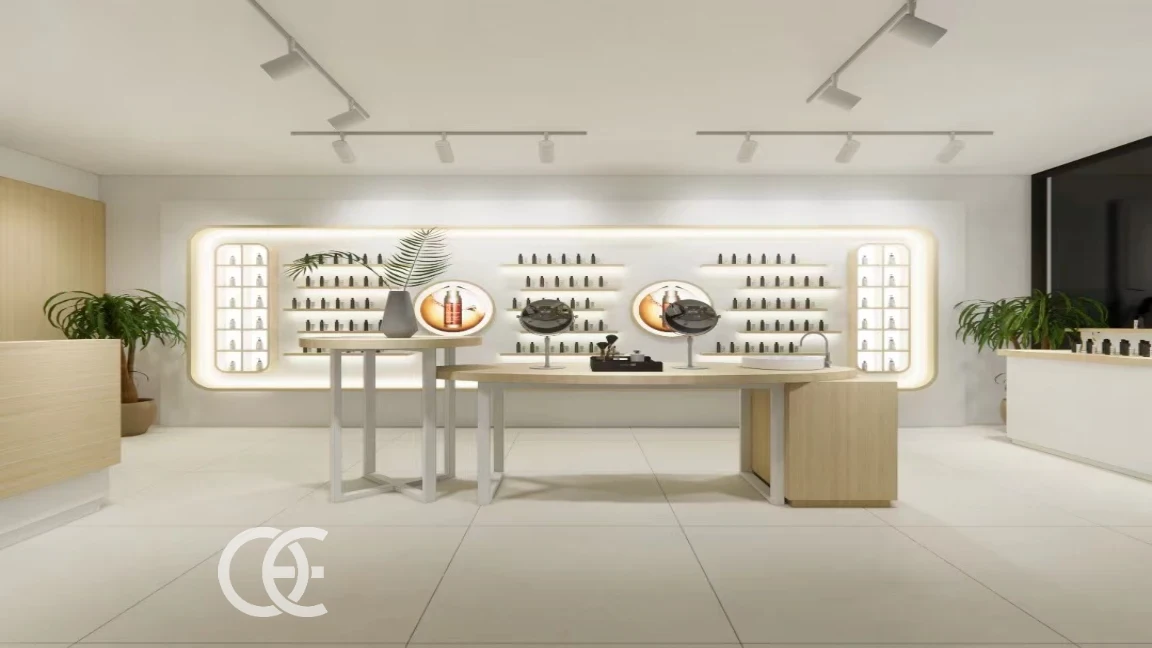
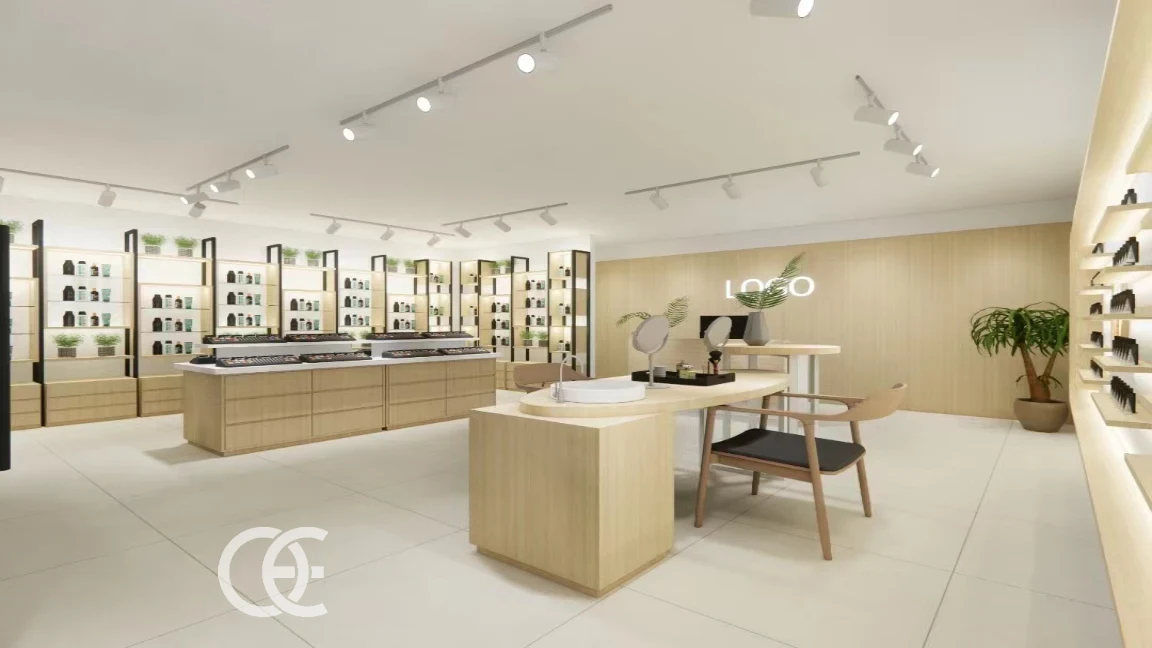
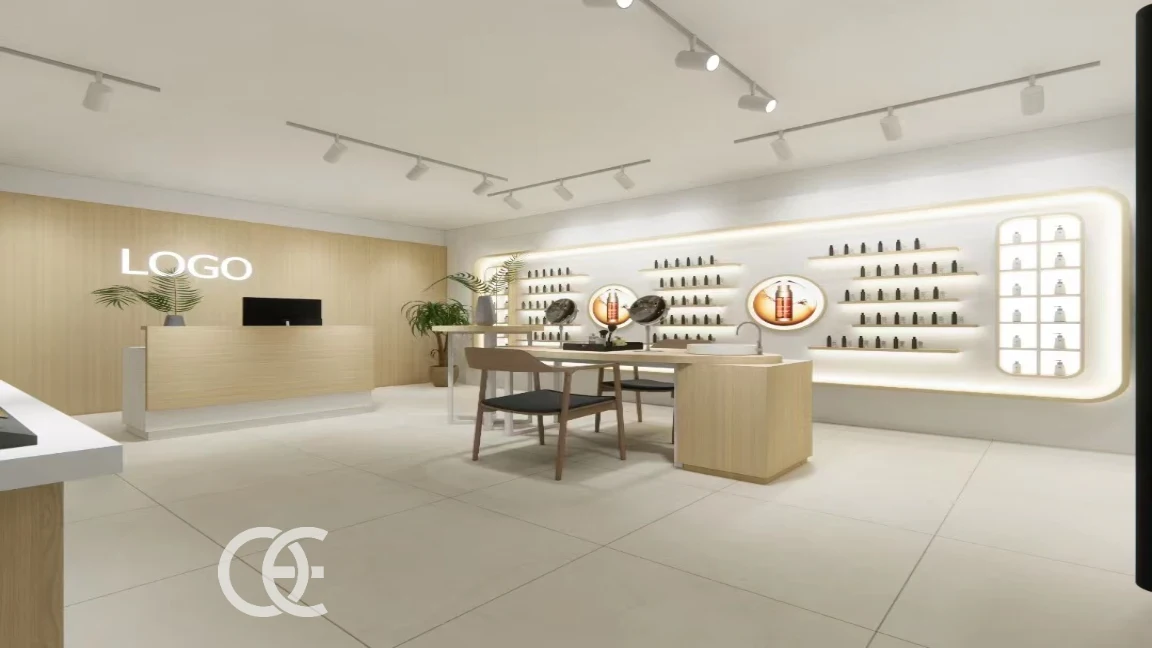
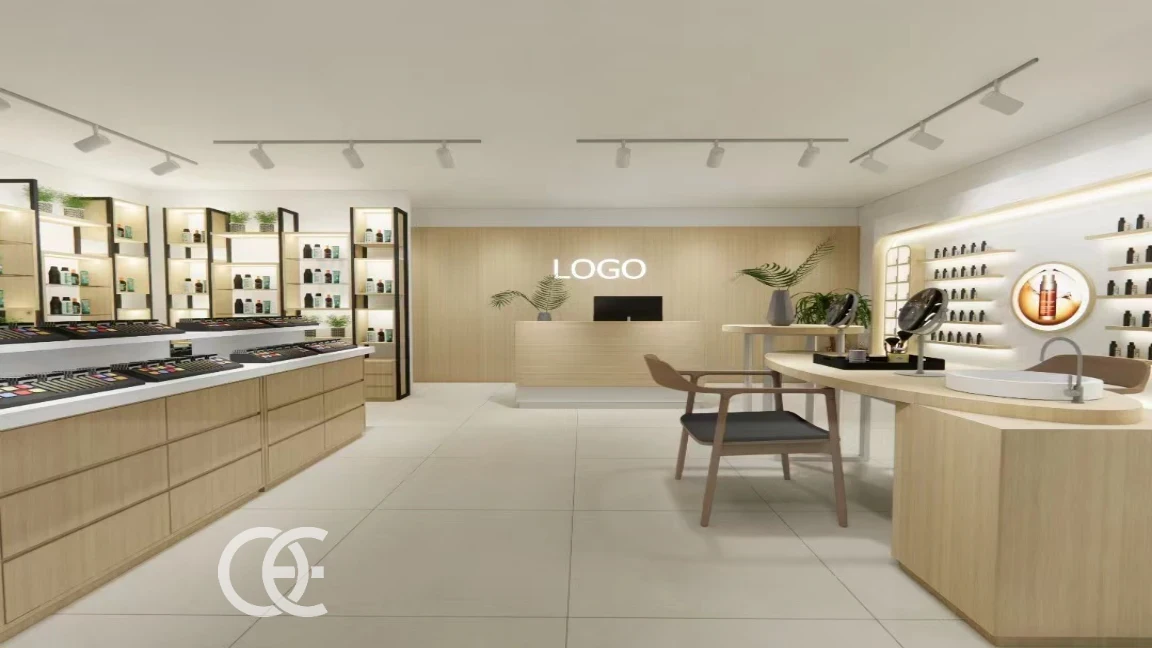
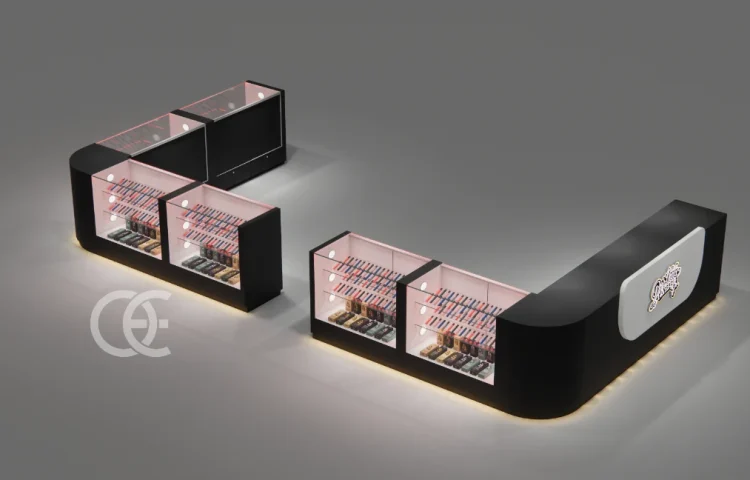
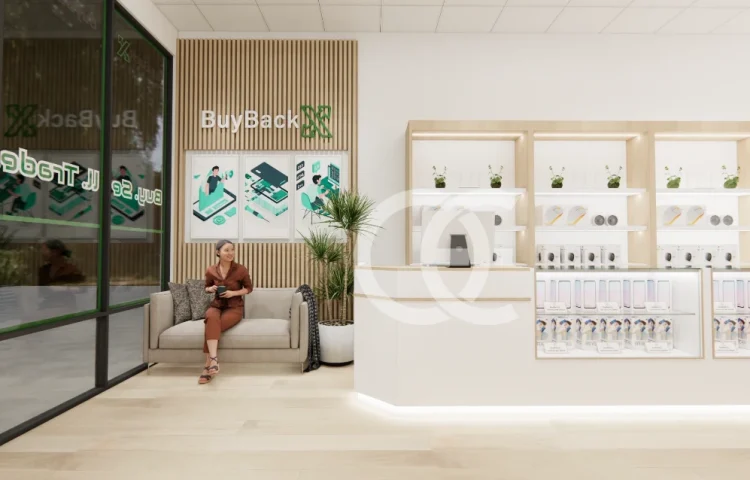
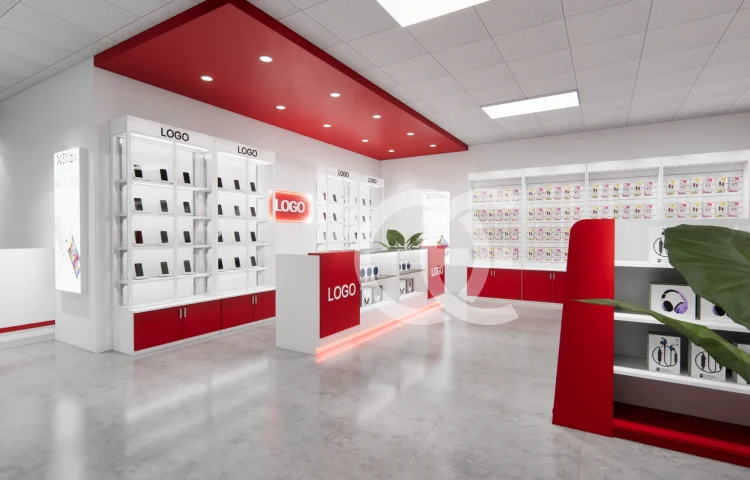
This rendering gives the Cosmetic Shop Front Design a specific visual identity through its beige, light gray, warm taupe color balance and clearly defined custom fixture concept. The composition directs attention toward the merchandise rather than letting the furniture dominate the scene.
For a commercial rollout, the same direction can be scaled around the actual product mix: makeup, skincare, testers, boxed products, and promotional collections. The useful core phrase is Cosmetic Shop Front Design, while related requirements include cosmetic display stand, makeup tester unit, and beauty store shelving.
Zoning the Store Around Cosmetic Display Stand for Cosmetic Shop Front Design
Rather than filling every surface, the layout should preserve breathing room around the main custom fixture concept. This improves product recognition and leaves space for customers to approach, compare, and move toward the next category.
Depending on store size, the fixture family can extend to tester stations, illuminated wall shelving, gondola displays, consultation counters, and drawer storage. This gives the project enough flexibility for illuminated cosmetic display, product launches, and future assortment changes.
Material Specification for the Custom Fixture Concept in Cosmetic Shop Front Design
The visual balance relies on beige, light gray, warm taupe tones, so material selection should protect that contrast under real store lighting. Sample boards can compare laminate, lacquer, metal coating, glass, acrylic, or stone-look options before production.
Visible features such as open fixture geometry need technical coordination behind the surface. The shop drawings should show power entry, driver access, shelf adjustment, hardware clearances, and fixing points for each module.
Adapting the Concept to Store Size and Assortment for Cosmetic Shop Front Design
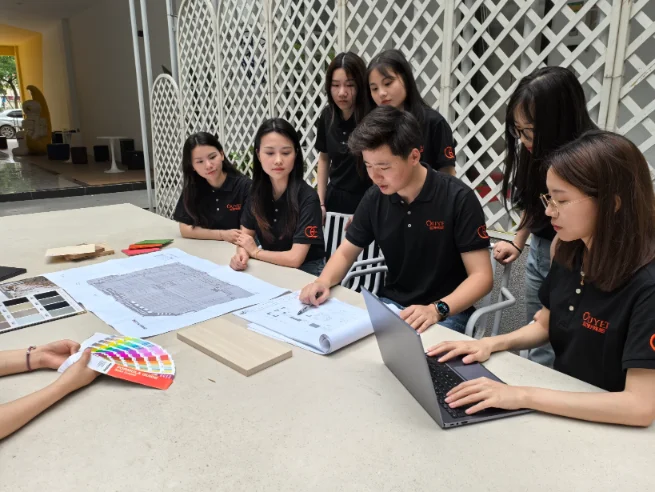
To adapt the concept for a real site, Ouyee can translate the image into layout drawings, 3D revisions, material samples, technical elevations, and a module list matched to shipping and installation needs.
This process keeps the visual idea recognizable while making the retail gondola practical for daily use, maintenance, replenishment, and later campaign changes.