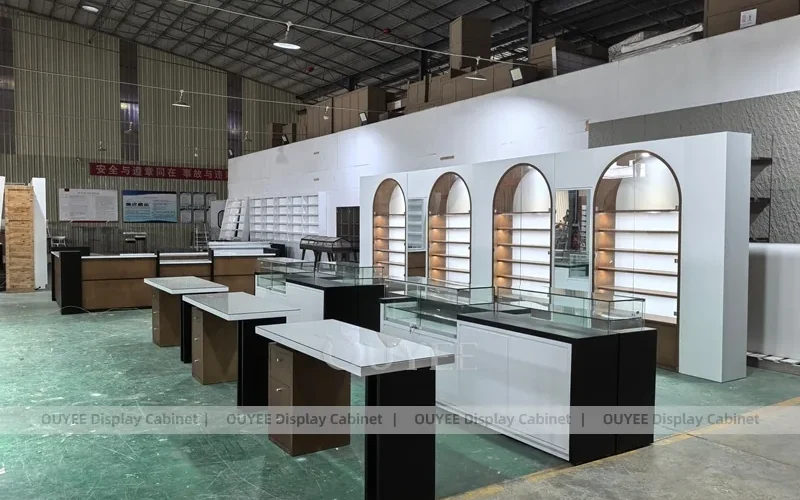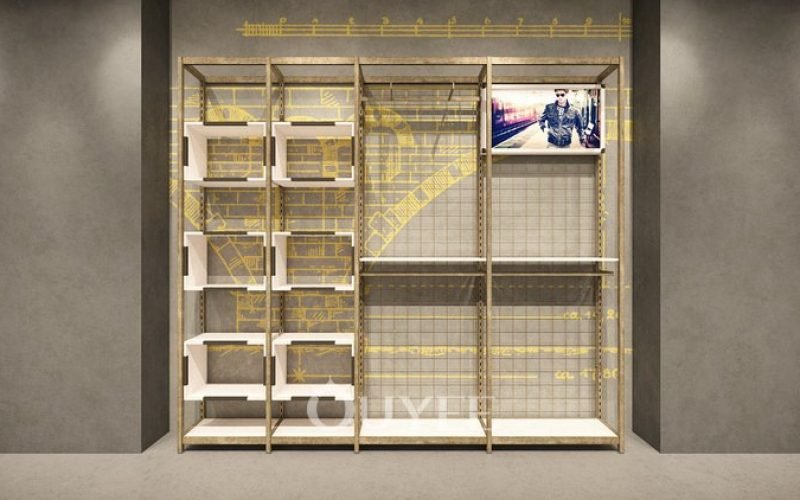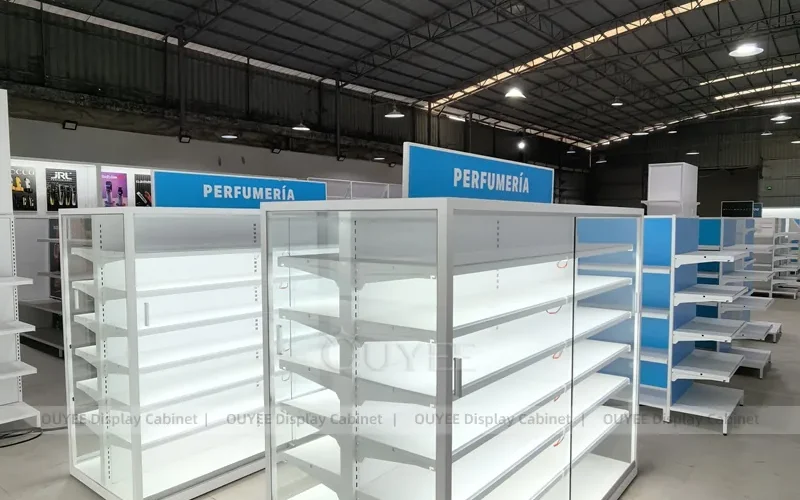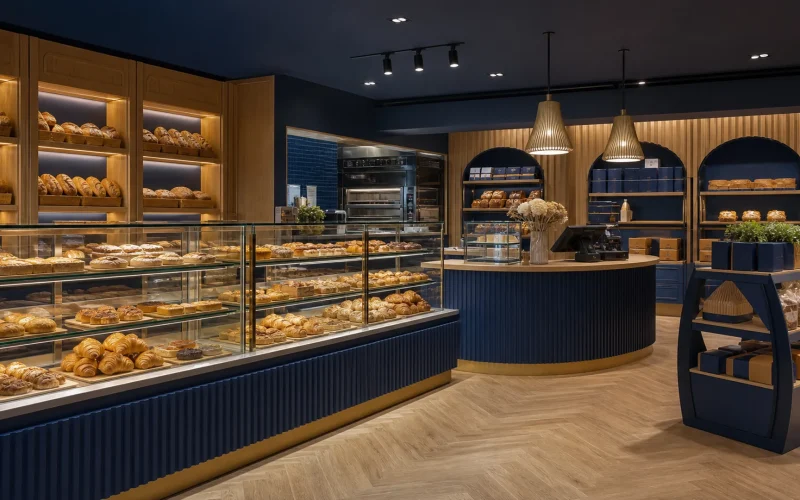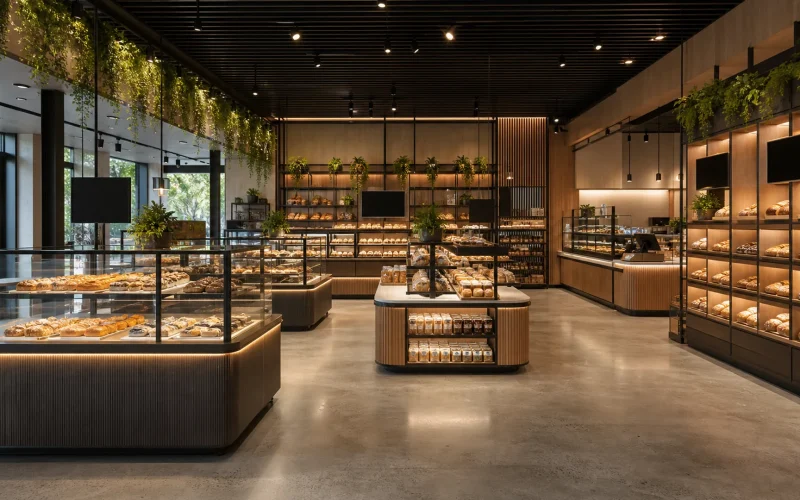
Choosing a store fixture manufacturer is no longer a basic price-comparison task. It is a timeline, brand, engineering, and risk-control decision. If the wrong supplier wins the order, the visible problem is usually a delayed store opening, damaged fixtures, inconsistent finish quality, or expensive rework after approval.
In practical sourcing terms, buyers are not trying to find the cheapest first quote. They are trying to find the supplier with the lowest probability of causing avoidable problems after the project is approved.
Get the original Word and PDF files
This article is adapted from OUYEE White Paper Vol. 3. To access the original files, please leave your enquiry details in the popup form. We will also send the download page link by email.

What should you check first?
The best place to start is not the unit price. First check whether the supplier can explain drawings, materials, finish control, lighting, packaging, lead time counting, and change control in a concrete way. A reliable custom fixture manufacturer usually sounds like an engineering partner, not only a sales contact.
Quote transparency: materials, hardware, LED, finish, packing, and commercial terms should be visible.
Engineering depth: the supplier should talk clearly about drawings, tolerances, revisions, and serviceability.
Delivery risk: packaging logic, QC checkpoints, loading method, and installation support should be defined early.
Why supplier selection matters more in 2026
Physical retail still matters, but the way buyers choose suppliers has changed. Most serious sourcing teams research online first, compare multiple suppliers before any call, and judge whether a manufacturer understands their retail category before they send full drawings. That means your supplier has to prove competence before the sales conversation starts.
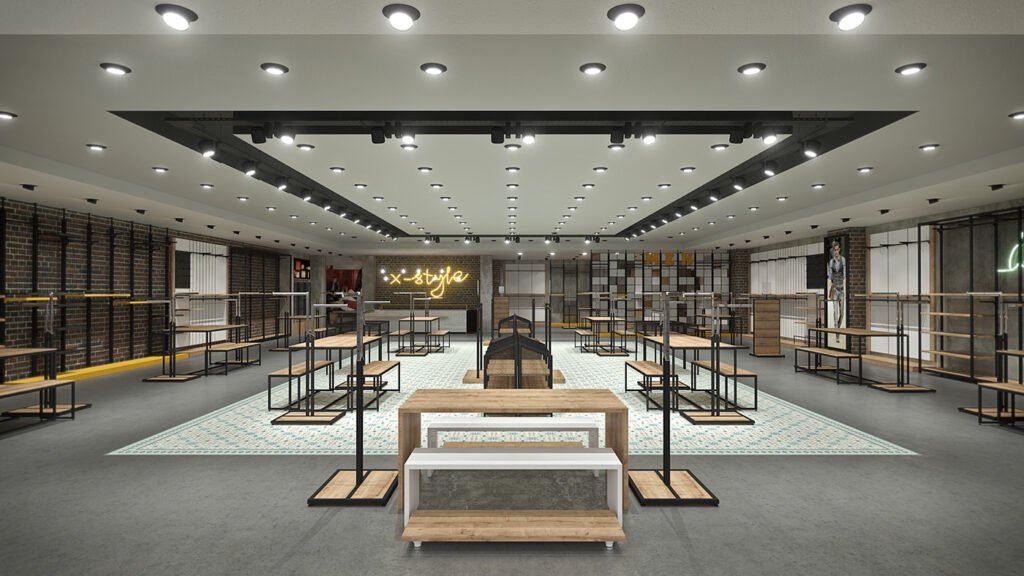
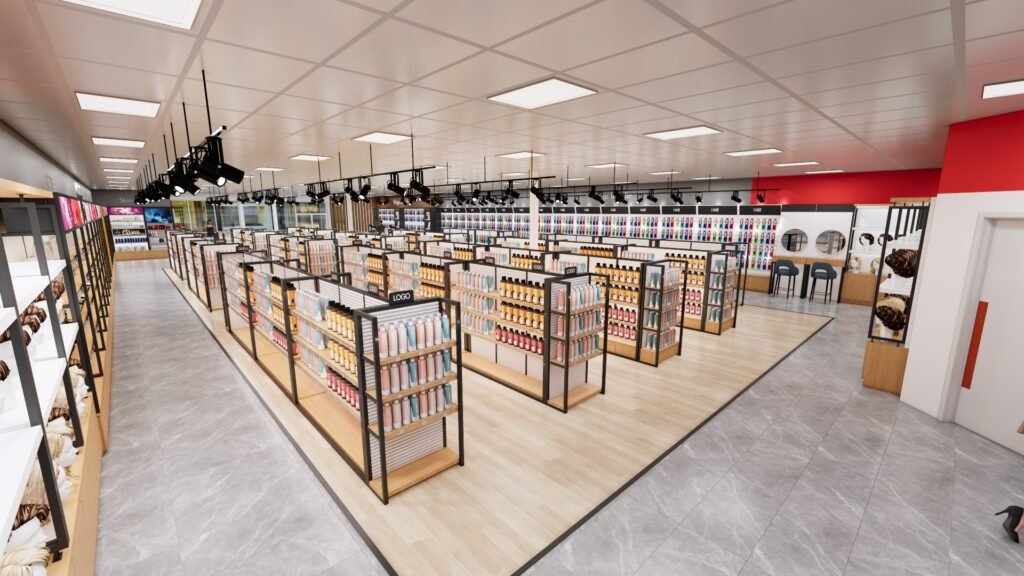
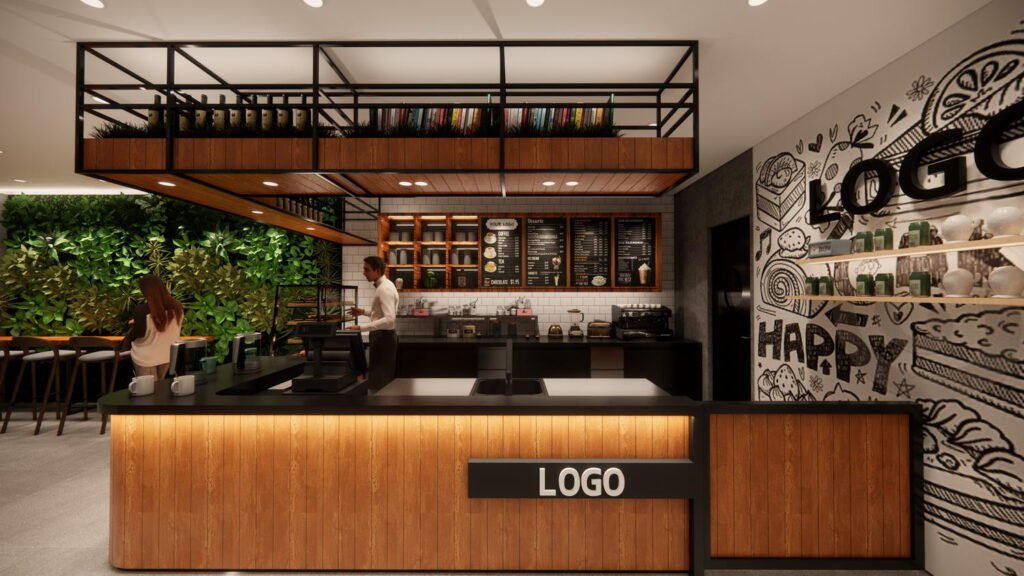
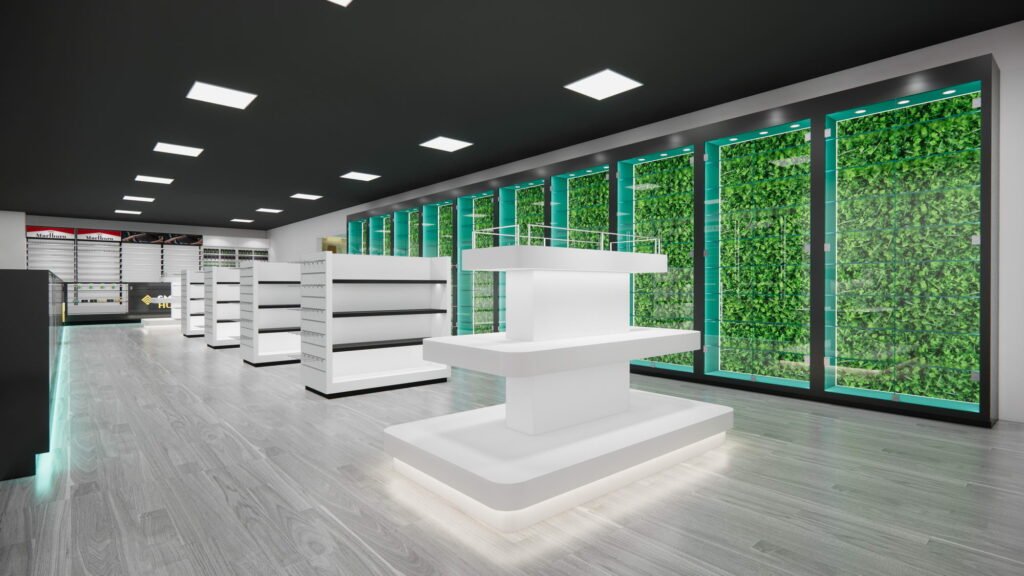
For categories such as jewelry, optical, beauty, smoke shop, apparel, and coffee projects, the fixture is doing more than displaying products. It affects merchandising, brand presentation, staff workflow, durability, transport protection, maintenance, and sometimes electrical or landlord compliance. A supplier that treats custom fixtures like generic fabrication usually creates hidden cost later.
The real procurement question is not “Who can make this?” It is “Who can help us open on time, protect the visual standard, and avoid hidden cost?”
The five supplier models buyers usually meet
Most buyers meet one of the following supplier types when they start searching for custom store fixtures. Understanding the difference saves time immediately.
| Supplier model | What usually happens |
|---|---|
| Pure trader or broker | Fast response and broad promises, but limited control over engineering, schedule, and factory quality. |
| Sales-led company with outsourced factories | Can work on simple projects, but coordination risk rises when revisions or mixed materials matter. |
| Single-process workshop | Strong in one material, weak when the project needs integrated glass, lighting, hardware, and export packing. |
| Factory with basic production capacity | Can make the product, but may not manage drawings, QC records, and global communication proactively. |
| Full-process manufacturer-partner | Combines design input, engineering, controlled production, QC, packing, and export communication in one workflow. |
For serious retail projects, the last model is usually the safest. It is also the hardest to fake over time. The proof appears in the quality of questions, quotation detail, engineering logic, and how the supplier handles risk before the order is placed.
How to tell a real factory from a disguised trader
Many suppliers say they are factory direct. Buyers should not rely on labels alone. They should test for operational evidence.
- Factory language is specific. It mentions drawings, BOM logic, hardware selection, tolerances, finishing sequence, packaging, and loading.
- A real factory discusses production constraints calmly. It can explain what can be flat-packed, where glass thickness matters, and how wiring can be serviced later.
- A real factory usually asks clarifying questions before it gives strong price confidence.
- A disguised trader often gives a lump-sum quote, vague lead time, and very little engineering detail.
The quote is one lump-sum line and does not separate materials, LED, locks, packing, or freight assumptions.
No questions about site access, installation limits, mall rules, or utility conditions.
No finish sample discussion and no version-control language before production starts.

What a strong quotation should include
A good quotation is not just a price sheet. It is a risk-control document. The better the supplier defines the assumptions, the less chance the buyer has to absorb hidden cost later.
- Materials: board type, veneer or laminate, metal gauge, glass specification, acrylic parts, and special surface details.
- Hardware: locks, hinges, slides, shelf brackets, adjustable feet, and branded accessories.
- Lighting: LED type, wattage, color temperature, profile, wiring route, and driver location.
- Finishing: paint system, sheen, powder coat or electroplating method, and finish sample standard.
- Packaging: foam protection, corner guards, cartons, pallets, crates, labels, and assembled vs KD shipping method.
- Commercial terms: lead time counted from which approval point, Incoterm, payment terms, sample policy, and installation support scope.
If these points are missing, the buyer is often financing uncertainty. The headline price may look attractive, but revision cost, freight damage, and launch delay usually appear later.
Engineering, prototyping, and change control
In custom fixtures, engineering quality is the invisible layer that decides whether the visible result feels effortless or problematic. Buyers should ask whether the supplier has a clear method for converting design intent into production-ready detail.
- Are there formal shop drawings with dimensions, sections, materials, and hardware notes?
- Is there a finish sample or sample set before mass production?
- How are drawing versions controlled after revisions?
- Can the supplier prototype a critical node before the full batch starts?
- Does the design consider future maintenance such as lighting access, driver replacement, and hardware servicing?
For complex store packages, the supplier should be judged more like an engineering partner than a commodity vendor. That is often the real difference between a smooth rollout and repeated correction cost.
Quality systems, compliance, and export readiness
Quality in fixtures is cumulative. It comes from raw-material control, fabrication accuracy, finish consistency, inspection discipline, and packing discipline. Buyers should separate having certificates from operating with a quality system. The strongest suppliers talk about approved samples, inspection checkpoints, corrective actions, and documented handoff between departments.
Export readiness also matters. A supplier that understands international delivery should be able to discuss packaging logic, route risk, labeling, document coordination, and what happens if a unit arrives damaged.
| Question | What a strong answer sounds like |
|---|---|
| How do you handle finish consistency? | The supplier talks about approved samples, batch controls, and inspection checkpoints instead of only saying workers are experienced. |
| How do you reduce shipping damage? | The supplier explains protection strategy, carton or crate choice, pallet logic, and loading sequence. |
| How do you manage electrical components? | The supplier clarifies LED specs, wire routing, driver placement, and destination-market certification expectations. |
| What happens if a unit arrives damaged? | There is a documented after-sales path with photos, part identification, and remedy timing. |
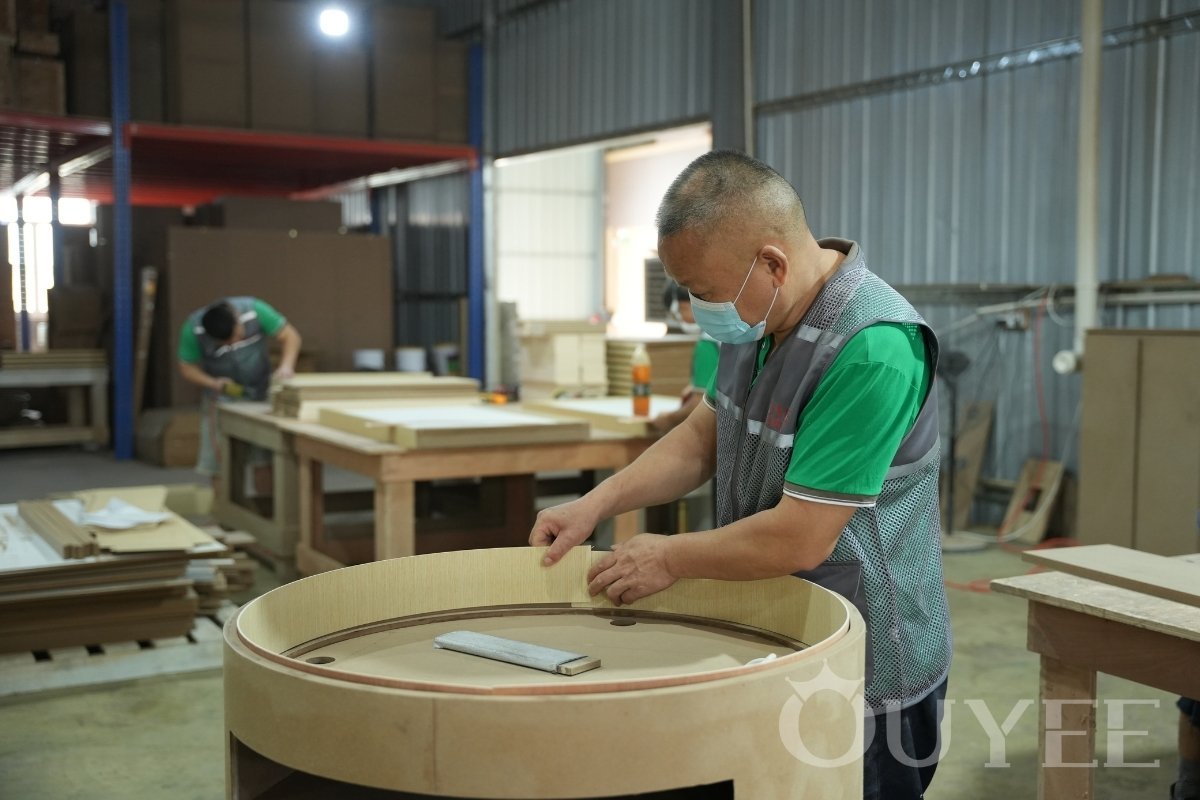
Lead time, packaging, logistics, and installation support
- Lead time should be counted from a clear milestone such as final drawing approval and deposit receipt.
- Packaging should match the shipping route, not just local transport logic.
- Multi-store projects often need split shipment, sequence labels, and room-by-room identification.
- Installation support may include manuals, diagrams, videos, or remote engineering help depending on project complexity.
This is why many buyers prefer a one-stop partner. When design, engineering, production, and shipping communication stay closer together, fewer assumptions are lost.
A simple 12-point supplier scorecard
If you need a quick screening framework, score each supplier from 1 to 5 on the following points:
| Criterion | What to score |
|---|---|
| 1. Category understanding | Does the supplier understand your store format and merchandising logic? |
| 2. Engineering competence | Can it convert concept intent into reliable shop drawings and buildable detail? |
| 3. Quote transparency | Are materials, hardware, LED, finish, packing, and commercial assumptions clearly broken out? |
| 4. Sample discipline | Can it provide finish, material, or structural confirmation before full production? |
| 5. Factory control | Does it appear to own or tightly control the critical production path? |
| 6. Communication clarity | Are replies concrete, consistent, and decision-useful? |
| 7. Change control | Is there a clean method to manage revisions and version history? |
| 8. QC maturity | Does it describe checkpoints and corrective actions credibly? |
| 9. Packaging logic | Is export protection treated as a technical step rather than an afterthought? |
| 10. Logistics support | Can it handle shipment planning and document coordination competently? |
| 11. After-sales accountability | Is there a realistic path for resolving defects or transit issues? |
| 12. Digital credibility | Does the website and content educate buyers before the conversation starts? |
Even a simple scorecard reduces emotional decisions. It helps buyers compare suppliers on risk and execution strength, not only on the first price they receive.
What to include in your RFQ
The cleaner the RFQ, the better the quotation. Serious suppliers almost always respond better when the buyer provides a structured brief.
- Store type and project goal
- Floor plan, storefront size, ceiling height, and access limits
- Fixture list: showcases, wall display, island tables, cash wrap, and storage units
- Material and finish direction
- Lighting requirement
- Prototype quantity, pilot batch, or rollout quantity
- Budget range and target delivery window
- Approval expectations for samples, renderings, and shop drawings
If a supplier responds to a vague RFQ with perfect confidence and no clarifying questions, that is usually a warning sign rather than a strength.
Want a better quotation?
The best way to compare manufacturers is to send a structured RFQ with your fixture list, target market, budget range, target opening date, and reference images. That gives you a much stronger basis for judging price, lead time, and factory fit.
Why this matters for OUYEE buyers
Based on the public structure of the OUYEE site, the company is easiest to position as a lower-risk custom fixture partner when the conversation focuses on design support, engineering translation, production control, packaging, and delivery readiness, not only on price. That is the buying lens this article is designed to support.
- Custom Display Cabinet Manufacturer for production capability and workflow overview.
- Factory Tour for a closer look at manufacturing environment and process visibility.
- Download Center if you want to compare more whitepapers, guides, and category resources.
FAQ
Should I choose the manufacturer with the lowest quote?
Not by default. The lowest first quote is often the least complete quote. If materials, finish, hardware, LED, packing, and commercial assumptions are not clearly defined, the project may become more expensive later.
How can I tell whether a supplier is really a factory?
Look for engineering language, process clarity, technical questions, quote breakdown depth, and proof that design, production, QC, and shipping are connected. Real factories usually explain constraints in detail instead of giving broad promises only.
What is the most important thing to include in an RFQ?
The most useful items are the fixture list, store plan, material direction, target market, timing requirement, and budget range. A better RFQ almost always produces a better quote.
Download the full files
For internal circulation, sourcing review, or supplier discussion, use the enquiry popup below to unlock the download page: