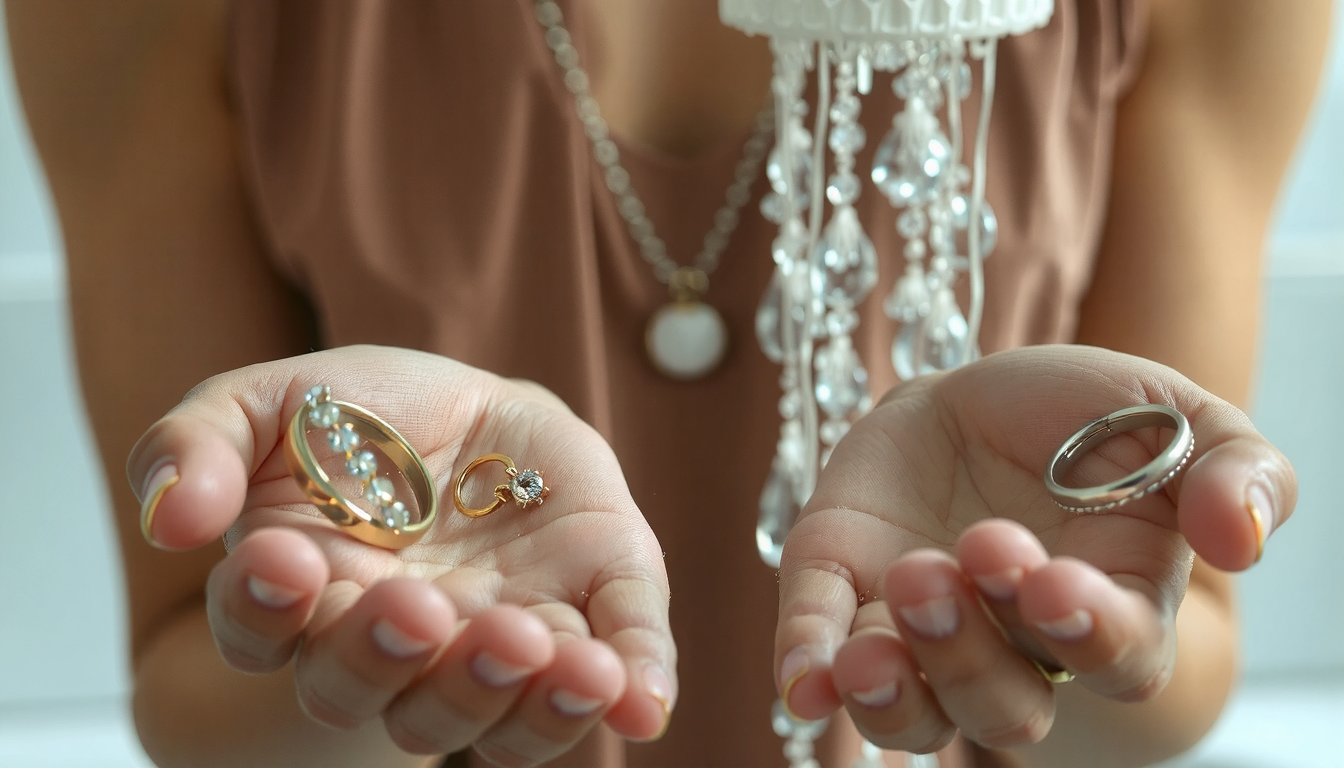
Many jewelry lovers ask this question: can you shower with jewelry? You have a favorite necklace, special ring, or daily earrings you never want to remove. But does showering damage your precious pieces? The answer isn’t simple. It depends on what your jewelry is made from and what products you use in the shower.
نقاط رئيسية
- The safest choice is to remove all jewelry before showering. This keeps its shine and strength.
- Strong metals like platinum, stainless steel, and titanium are safest for shower wear. They resist rust and tarnish.
- Solid gold (14k or higher) can handle water but will get dull over time. Soap and minerals build up on it.
- Don’t shower with sterling silver, gold-plated, or costume jewelry. They will tarnish, fade, and break down fast.
- Soft gemstones like opals, pearls, and turquoise should never get wet. They soak up water and chemicals, which causes lasting damage.
The Short Answer: A Quick Guide
The safest choice is always to remove jewelry before showering. But some materials handle water better than others. Deciding what jewelry can you wear in the shower depends on what it’s made of. Here is a quick guide to help you choose.
| مادة | Shower Safety Rating | Key Reason |
|---|---|---|
| البلاتين | ✅ Safe | Highly resistant to tarnish and corrosion. |
| Solid Gold (14k+) | ✅ Mostly Safe | Won’t rust, but can dull over time from soap scum. |
| Stainless Steel/Titanium | ✅ Safe | Extremely durable, waterproof, and tarnish-resistant. |
| مملوء بالذهب | ⚠️ Use Caution | Thicker gold layer is durable, but can wear down with frequent exposure. |
| فضة إسترلينية | ❌ Not Recommended | Tarnishes very quickly when exposed to water, heat, and chemicals. |
| Gold-Plated | ❌ Avoid | Thin plating wears off easily, exposing the base metal underneath. |
| Porous Gemstones | ❌ Avoid | Can absorb water and chemicals, leading to discoloration or cracks. |
| Costume Jewelry | ❌ Avoid | Base metals and glue will degrade and break down rapidly. |
The Hidden Risks of Showering
Your daily shower might seem safe, but it creates perfect conditions to harm jewelry. It’s not just the water. Chemicals, minerals, and physical risks can cause damage that builds up over time. Many people wonder if they can shower with their jewelry. But they often don’t think about these hidden dangers.
The Chemical Mix
Your soaps, shampoos, and conditioners clean and soften your hair and skin. But they have chemicals, oils, and sulfates that hurt jewelry. These substances create a dull film over metals and gemstones. This steals their sparkle. Over time, this buildup is hard to remove. It can even react with certain metals and cause color changes.
The Problem with Hard Water
If you live where there’s hard water, your water has lots of minerals like calcium and magnesium. When you shower, these minerals leave behind a chalky white film called limescale. This buildup makes metals look dirty. It also clouds the surface of beautiful gemstones, making them look lifeless.
Physical Dangers in the Shower
The shower can be dangerous for jewelry. We’ve all had that scary moment when a soapy ring feels loose. A slippery ring can easily slide off and disappear down the drain. Necklace and bracelet chains can catch on a washcloth or loofah. This leads to broken clasps or stretched links. These physical risks are a major reason why jewelry experts say to remove pieces before washing.
Heat and Humidity’s Damage
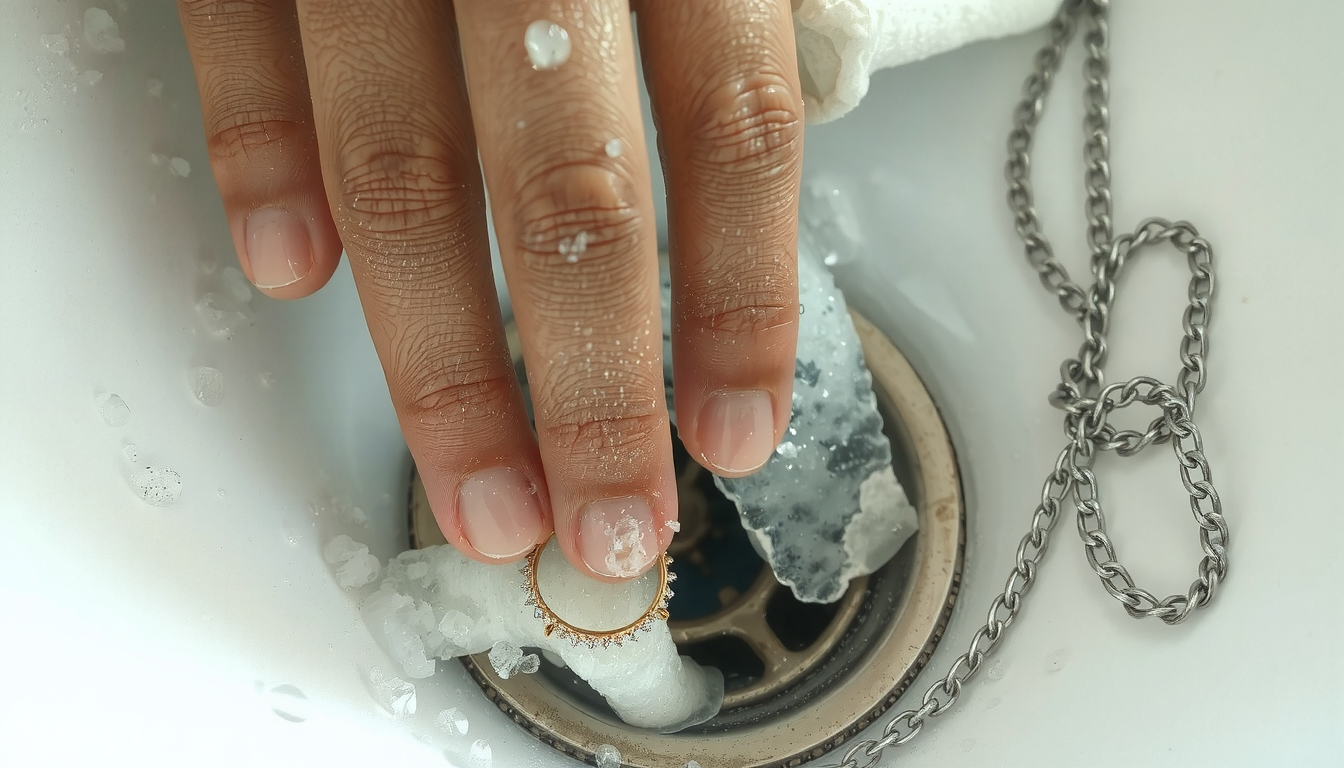
A hot, steamy shower creates a humid space. This humidity hurts certain metals, especially sterling silver. Moisture and heat speed up oxidation. This is what makes silver tarnish and turn black. Other metals resist better, but long exposure to this environment isn’t good for any piece.
A Material-by-Material Breakdown
So, what jewelry can you wear in the shower? The answer depends completely on what it’s made of. Some materials can handle water. Others will show damage right away. Understanding which metals can handle water is key to keeping your collection beautiful for years.
Solid Gold (14k, 18k, 24k)
cURL Too many subrequests.
cURL Too many subrequests.
cURL Too many subrequests.
cURL Too many subrequests.
cURL Too many subrequests.
cURL Too many subrequests.
cURL Too many subrequests.
cURL Too many subrequests.

cURL Too many subrequests.
cURL Too many subrequests.
cURL Too many subrequests.
cURL Too many subrequests.
cURL Too many subrequests.
cURL Too many subrequests.
cURL Too many subrequests.
cURL Too many subrequests.
cURL Too many subrequests.
cURL Too many subrequests.
cURL Too many subrequests.
Protecting your collection is about building good habits. A few simple changes to your daily routine can add years to the life of your jewelry. It keeps pieces looking brand new. Proper care is just as important as the quality of the piece itself.
Create a “Jewelry Safe Zone”
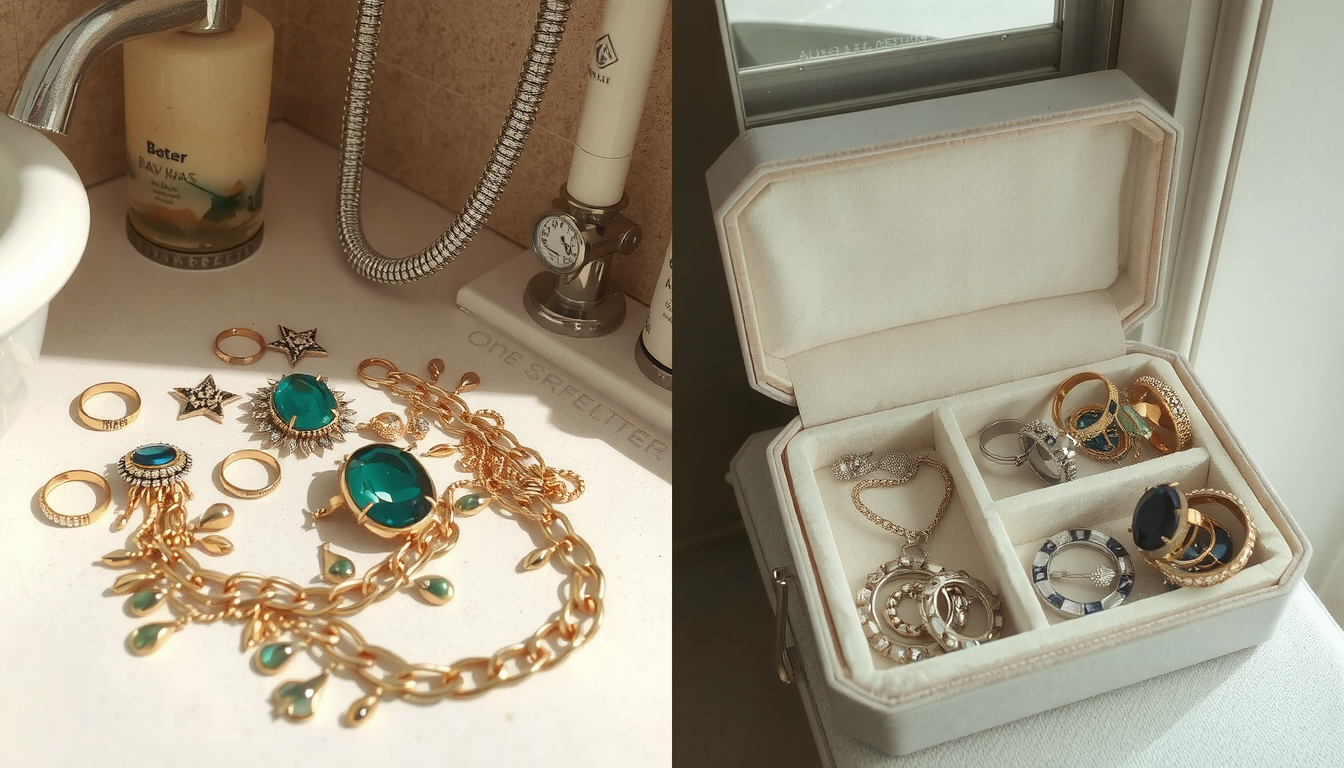
The best way to protect your jewelry is to keep it out of the bathroom completely. Heat and humidity hurt many fine materials. Instead, place a ring dish, small tray, or jewelry box on your dresser or nightstand. Make this the special spot where you put your pieces before you shower and before you go to bed.
The “Last On, First Off” Rule
This is a golden rule in jewelry care. Your jewelry should be the last thing you put on after you’ve applied all your lotions, hairspray, and perfumes. These products have chemicals that can damage or dull your pieces. At the end of the day, your jewelry should be the first thing you take off before you change clothes or wash your face.
Proper Storage is Essential
Simply tossing your jewelry onto a hard surface or into a drawer causes scratches and tangles. Good storage prevents damage and slows tarnishing. For valuable pieces, how they are stored is as important as how they are worn. Professional jewelers understand this. This is why a high-quality عرض مجوهرات is designed not just for display, but for protection. You can take ideas from professional تصميم متجر المجوهرات by creating an organized, soft-lined space for your own collection at home. Companies that specialize in this, like عرض أوياي, show the importance of treating each piece as a valuable asset.
A Simple Cleaning Routine
Regular, gentle cleaning can keep your jewelry sparkling. For most tough pieces like gold and diamonds, a simple soak in warm water with a few drops of mild dish soap works well. Use a very soft toothbrush to gently scrub away any dirt or buildup, especially around settings. Rinse with clean water and dry completely with a soft, lint-free cloth. For more delicate items or heavy tarnish, it’s always best to get professional cleaning.
“Help! I Showered with My Jewelry!”
Did you forget to take off your favorite necklace or rings before jumping in the shower? Don’t panic. For most jewelry, a single incident won’t cause permanent damage. But you should act quickly to reduce any potential harm.
-
Step 1: Don’t Panic. Remove it Now. The first step is to take the jewelry off as soon as you realize your mistake. This prevents any more exposure.
-
Step 2: Rinse Well. Right away, rinse the piece under clean, lukewarm running water. This will help wash away any residue from soap, shampoo, or conditioner before it has a chance to dry and create a film.
-
Step 3: Dry Gently but Completely. This is a critical step. Use a soft, lint-free cloth, like a microfiber or eyeglass cloth, to pat the jewelry dry. Make sure it is completely dry, especially in small crevices and around clasps. This prevents water spots or tarnish.
-
Step 4: Check for Damage. Look closely at your jewelry. Check for any signs of color changes, dullness, or tarnish. If you have gemstones, check to make sure the settings are still secure and the stones haven’t become cloudy.
-
Step 5: When to See a Jeweler. If you notice severe tarnish that doesn’t wipe away, if a stone feels loose, or if the piece is particularly valuable or sentimental, it’s best to take it to a professional jeweler for an inspection and cleaning.
FAQ: Your Top Questions Answered
What jewelry can you shower with every day?
For true, everyday, 24/7 wear, your best and safest bets are jewelry made from stainless steel, titanium, or platinum. These metals are very tough and resist rust and tarnish from water and soap well. They are the top answer for what jewelry can you shower with daily.
Will one shower ruin gold-plated jewelry?
While a single shower is unlikely to ruin it completely, it will speed up the wear process. The thin gold layer can start to fade or peel after just a few exposures to soap and water. This reveals the base metal underneath. We strongly advise against it if you want the piece to last.
Can you shower with gold filled jewelry?
You can, but it’s not ideal for long-term life. Gold-filled jewelry has a much thicker layer of gold than plated pieces. So it can handle occasional water exposure. But frequent showering will eventually wear down the gold layer and can lead to dulling. It’s best to remove it to be safe.
Is it okay to shower with diamond earrings?
While the diamonds themselves are very tough, the metal they are set in can be affected. Soap, oils, and conditioners will build up a film on the diamonds. This greatly reduces their sparkle and brilliance. The metal setting (especially if it’s white gold or silver) can also dull or tarnish. It’s better to take them out to keep them sparkling.
What about swimming in a pool or the ocean?
This is even riskier than showering. The chlorine in pools is a harsh chemical that can damage and change the color of metals like gold and silver. The salt in the ocean is also highly damaging. Always remove all your jewelry before swimming to avoid damage or loss.
- اللغة الأصلية: الإنجليزية.
- ترجمة حرفية، تتوافق مع النحو المحلي في مصر.
- يُكتفى بالنص المترجم فقط.
- النص المترجم يجب ألا يحتوي على أي معلومات عن بلد المنشأ أو المنطقة، مثل "الولايات المتحدة" أو "الموزع في مصر". تأكد من تغيير جميع معلومات البلد إلى مصر وجميع البلدان.
- على سبيل المثال، احتفظ بعبارات مثل "مصنع في الصين" أو "صنع في فيتنام".
- مكتوب باللغة العربية لجميع النصوص، والكلمات المفتاحية يجب ترجمتها بدقة!
- لا تشرح، لا تضع علامات ترقيم خاصة، لا تكتب نصًا إضافيًا.
- اللغة الأصلية: الإنجليزية.
- ترجمة حرفية، تتوافق مع النحو المحلي في مصر.
- يُكتفى بالنص المترجم فقط.
- يجب ألا يحتوي النص المترجم على أي معلومات عن بلد المنشأ أو المنطقة، مثل "الولايات المتحدة" أو "الموزع في مصر". تأكد من تغيير جميع معلومات البلد المستهدفة إلى مصر وجميع البلدان.
- على سبيل المثال، احتفظ بعبارات مثل "مصنع في الصين" أو "صنع في فيتنام".
- مكتوب باللغة العربية لجميع النصوص، والكلمات المفتاحية يجب ترجمتها بدقة!
- لا تشرح، لا تضع علامات ترقيم خاصة، لا تكتب أي نص إضافي.
- اللغة الأصلية: الإنجليزية.
- ترجمة حرفية، تتوافق مع النحو المحلي في مصر.
- يُكتفى بالنص المترجم فقط.
- يجب ألا يحتوي النص المترجم على أي معلومات عن بلد المنشأ أو المنطقة، مثل "الولايات المتحدة" أو "الموزع في مصر". تأكد من تغيير جميع معلومات البلد المستهدفة إلى مصر وجميع البلدان.
- على سبيل المثال، احتفظ بعبارات مثل "مصنع في الصين" أو "صنع في فيتنام".
- مكتوب باللغة العربية لجميع النصوص، والكلمات المفتاحية يجب ترجمتها بدقة!
- لا تشرح، لا تضع علامات ترقيم خاصة، لا تكتب أي نص إضافي.