How to Start a Clothing Store Brand in the USA
Do You Want to Learn How to Start a Clothing Store Brand in the USA?
Starting a clothing store brand in the USA takes more than choosing products and signing a lease. You need a clear customer segment, the right store format, a trustworthy visual identity, and a fixture plan that supports workflow, storytelling, and conversion.
This step-by-step guide follows the same startup logic as a brand-building roadmap, but adapts it to fashion retail. In the USA, many clothing founders need to balance a strong brand point of view, fast seasonal updates, and an omnichannel-ready store experience from the first launch. Ouyee Display helps fashion founders, boutique operators, retail investors, and multi-store teams turn concepts into workable stores with store layouts, garment displays, counters, shelving systems, and factory-direct fixtures.
Ouyee Guides You on How to Start a Clothing Store Brand in the USA
Step 1: Define Your Clothing Store Niche and Customer Persona
Before you choose fixtures or finalize inventory, define exactly what kind of clothing store brand you want to build.
Ask yourself:
- fashion founders
- boutique operators
- retail investors
- multi-store teams
- What price band do you want to own in the USA?
- What kind of customer experience should the store deliver?
The clearer your customer persona is, the easier it becomes to plan your assortment, display strategy, branding, and opening budget.
Step 2: Research the Market and Competitive Store Models
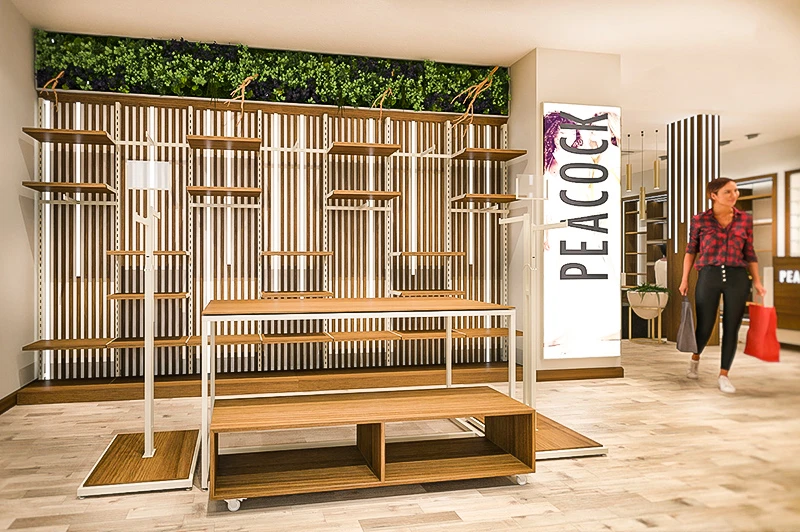
Study successful competitors in the cities and channels you want to enter. In the USA, pay close attention to how stores handle front-of-store impact, flexible garment racks, strong mannequin storytelling, and storage that supports size-run replenishment.
- What categories are selling best in the USA?
- Which layouts work best for shopping-centre apparel stores, high-street boutiques, and rollout-ready multi-location formats?
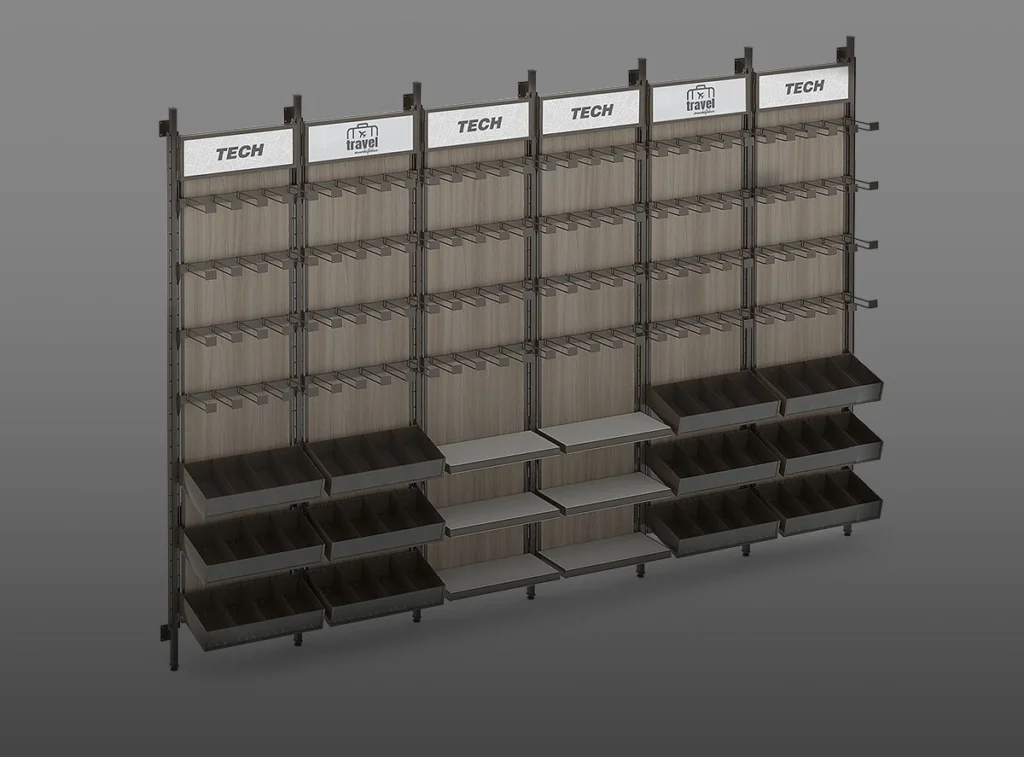
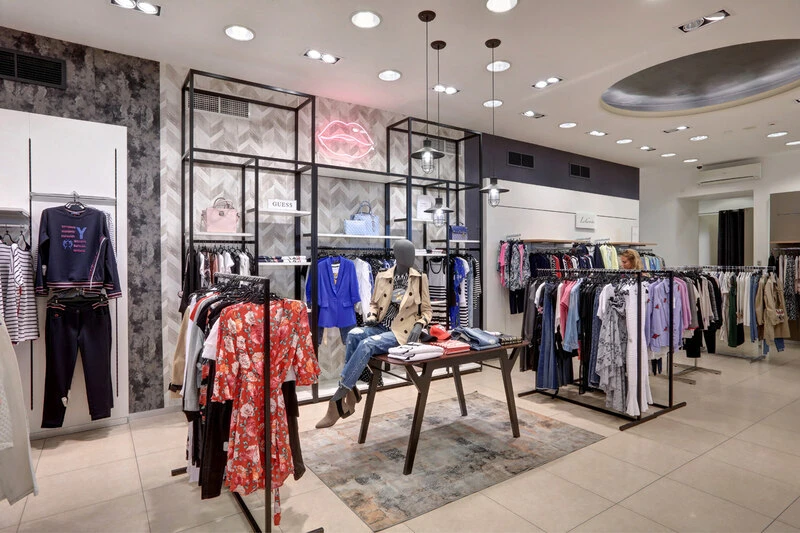
- How are competitors using garment racks, wall shelving, display tables, cash wrap counters, feature walls, and storage fixtures to support front-of-store impact, flexible garment racks, strong mannequin storytelling, and storage that supports size-run replenishment?
- Which customer pain points are still underserved?
Use Google Maps, Yelp, Instagram, TikTok, and local malls, competitor websites, and real store visits to compare pricing, display style, and customer feedback before locking the concept.
Step 3: Build a Brand Identity That Customers Trust
Your clothing store brand should feel coherent across product, packaging, signage, and the physical environment.
- Choose a name, logo, and positioning statement that fit your audience.
- Define a visual direction that matches your price point and merchandise mix.
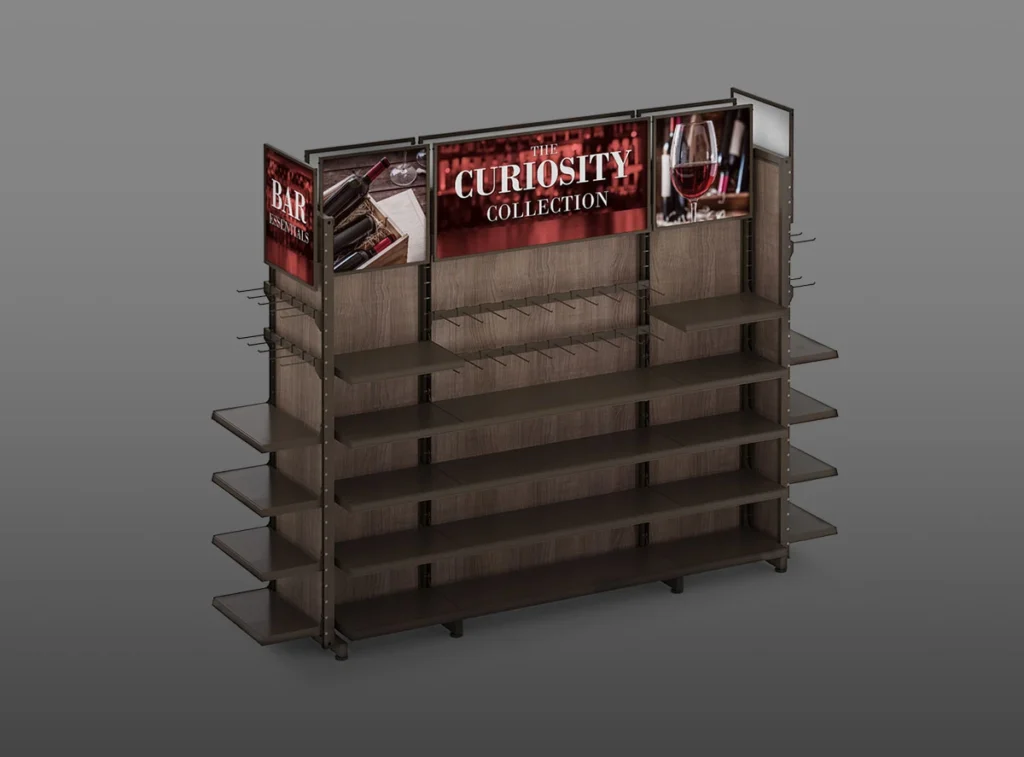
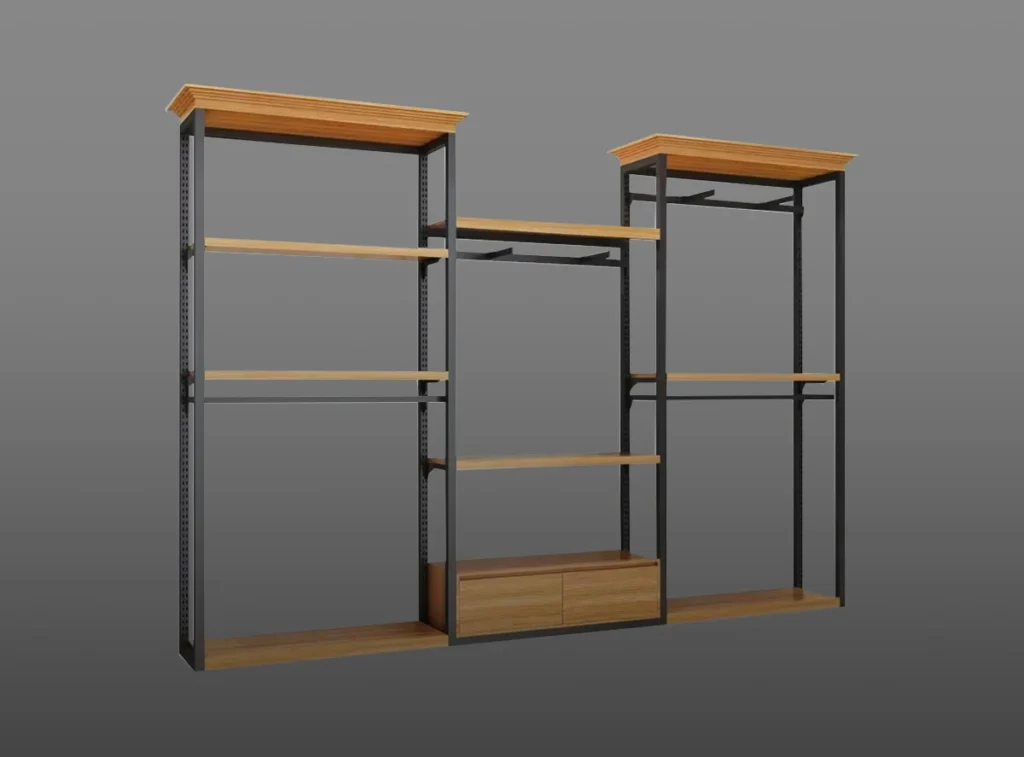
- Align colors, finishes, lighting, and displays so the space feels intentional.
- Plan how the fixture system will support both browsing and trust.
Customers do not only buy products. They buy confidence in the store experience and the brand promise behind it.
Step 4: Set Up the Business, Compliance, and Store Basics
For the USA, founders usually need to set the legal and operational basics early.
- Register the business and tax setup that fits your market.
- Check state and city licensing, lease, signage, and safety requirements.
- Plan payment systems, insurance, and staffing rules before opening.
- Make security, storage, and daily operating procedures part of the launch plan.
A strong launch depends on treating compliance, insurance, and operational setup as core brand infrastructure, not as cleanup work for later.
Step 5: Develop Your Product Mix and Fixture Package
In fashion retail, product planning and fixture planning should move together.
Typical decisions include:
- Building a focused assortment around apparel collections, accessories, folded displays, mannequins, and seasonal merchandise.
- Choosing the right fixture mix: clothing store fixtures.
- Prioritizing front-of-store impact, flexible garment racks, strong mannequin storytelling, and storage that supports size-run replenishment.
- Balancing sourcing speed, margin, and rollout budget before you scale.
Start with a realistic first assortment and a practical fixture package. In the USA, the best opening plans usually focus on building a distinctive fashion identity quickly while keeping merchandising, stock flow, and future rollout practical.
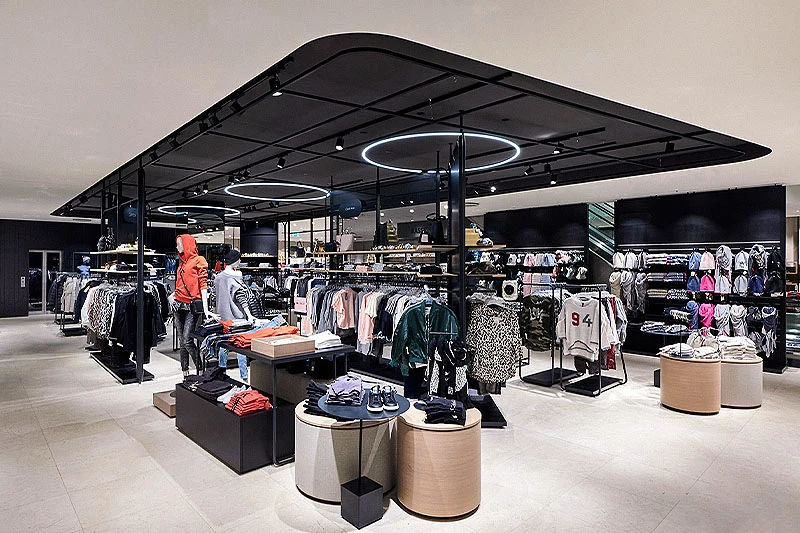
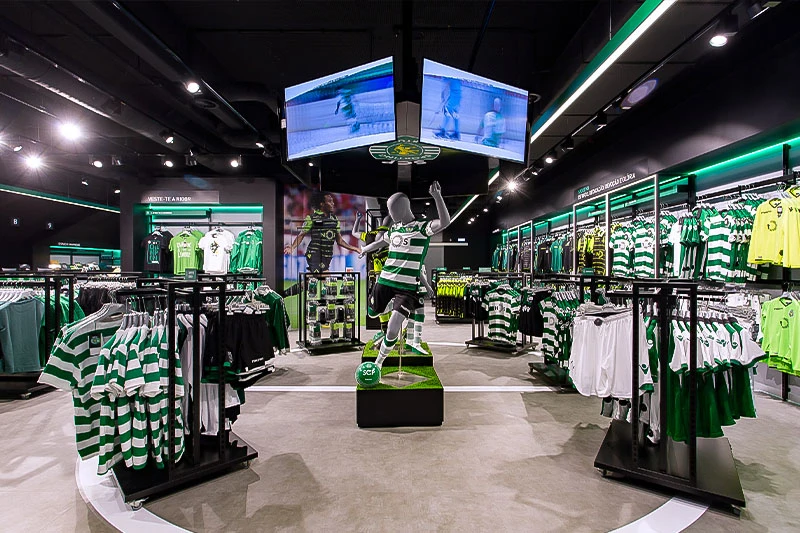
Step 6: Create Samples, Layout Proofs, and a Pilot Experience
Do not jump straight into a full rollout before you test the concept.
Instead:
- Review product or assortment samples before the full order.
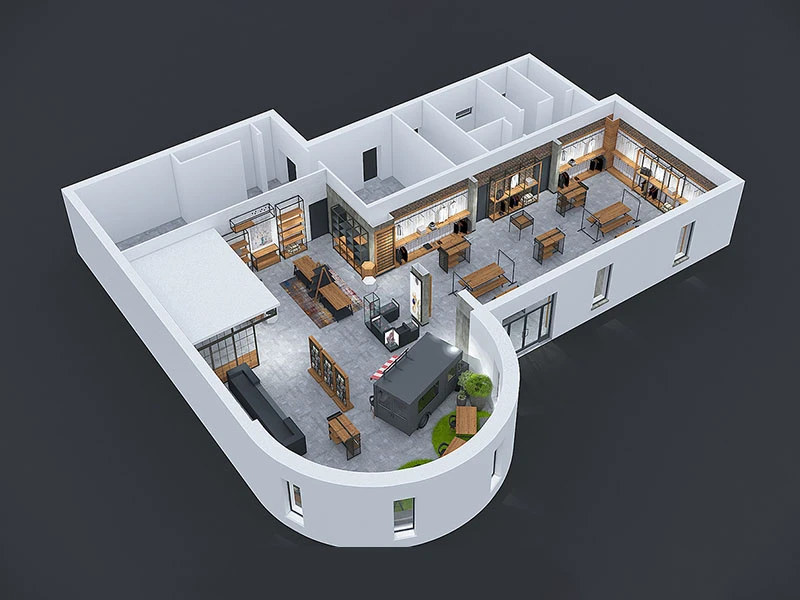
- Confirm a 3D layout or pilot fixture package.
- Test traffic flow, storage logic, and product visibility in a small format first.
- Use a pilot store, kiosk, showroom corner, or soft launch to learn fast.
This stage helps you spot weak display zones, overbuilt budgets, and missed conversion opportunities before they become expensive.
Step 7: Choose the Right Sales and Store Format
Pick a store model that fits your budget, merchandise mix, and operational strength. In the USA, many founders start with shopping-centre apparel stores, high-street boutiques, and rollout-ready multi-location formats.
- boutique store
- mall apparel shop
- street-front store
- chain format
- Multi-location rollout with standardized fixture packages
The right format influences everything from display depth and storage to staffing, signage, and daily replenishment procedures.
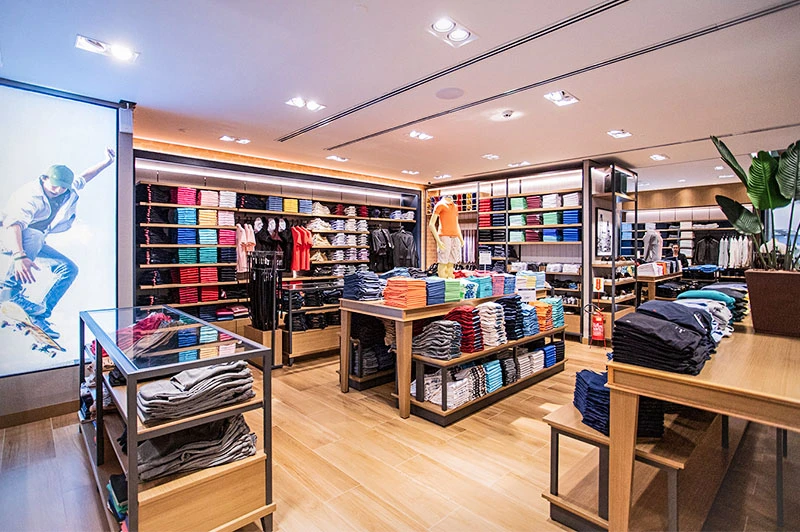
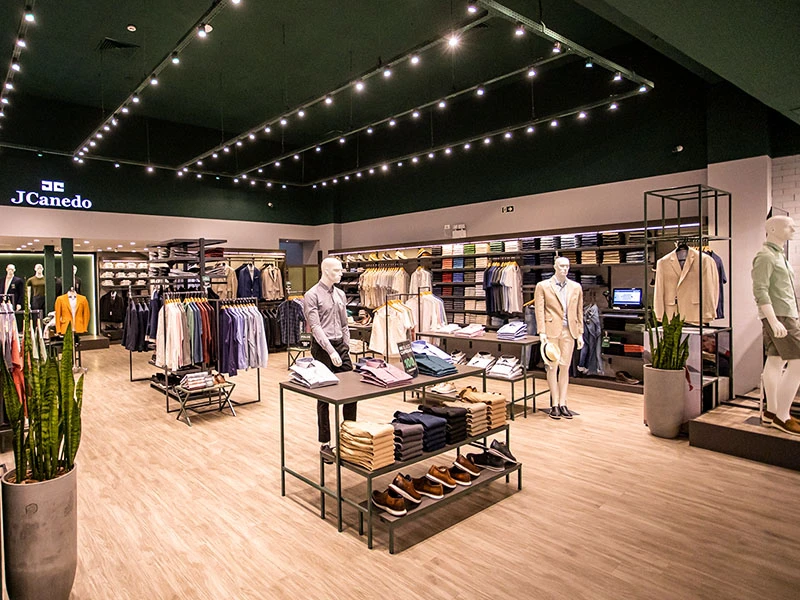
Step 8: Launch a Marketing Strategy That Builds Trust Fast
Your first marketing push should make the brand feel visible, credible, and worth visiting.
- Show products and the store environment through social content and local profiles.
- Plan a soft opening, launch event, or local partnership relevant to the category.
- Build messages around building a distinctive fashion identity quickly while keeping merchandising, stock flow, and future rollout practical.
- Capture leads through forms, WhatsApp, email, or appointment requests.
The first 90 days are about proving the concept, refining the message, and learning what actually drives qualified traffic in the USA.
Step 9: Control Inventory, Cash Flow, and Expansion Pace
Many new brands struggle because too much cash gets trapped in slow-moving stock or oversized first stores.
Focus on:
- Keeping initial inventory disciplined and reordering proven sellers.
- Balancing inventory spend with rent, staffing, packaging, and fixture investment.
- Tracking which categories and zones convert best so you can refine the layout.
- making the first store look brand-right without overbuilding the fit-out
- balancing visual merchandising with the need to restock sizes quickly
- supporting both walk-in discovery and online-driven store visits
- planning fixtures that can adapt to seasonal drops and collection refreshes
Healthy cash flow gives you room to improve merchandising, refresh displays, and scale with less risk.
How to Start a Clothing Store Brand in the USA
Are You Ready to Start Your Own Clothing Store Brand?
Why Choose Ouyee Display
Ouyee Display is a factory-direct clothing store fixture manufacturer with 25+ years of experience supporting fashion retail. We help founders, contractors, and rollout teams turn concepts into practical store systems with design support, engineering, manufacturing, and worldwide delivery.
Our fixture range covers garment racks, wall shelving, display tables, cash wrap counters, feature walls, and storage fixtures so new brands do not need to piece the store together from unrelated suppliers.
We support multiple customer types, including fashion founders, boutique operators, retail investors, and multi-store teams. Different customer personas need different fixture strategies, and we build around that reality.
From 3D layout planning and finish selection to sampling, production, export packing, and after-sales coordination, Ouyee helps brands move from idea to opening with fewer supply-chain gaps and more control over the final store image.
Clothing Store Fixture Manufacturer
Smart Fixture Solutions for Emerging Clothing Store Brands
Ouyee works with both startup and established clothing store brands that need premium-looking stores without wasting budget on the wrong fixture package. We support boutique store, mall apparel shop, street-front store, or chain format with flexible customization and factory-direct pricing.
For the USA-focused projects, our team helps match merchandise mix, store size, and customer profile to the right fixture system. That includes display height, storage, lighting, logo placement, and materials that support front-of-store impact, flexible garment racks, strong mannequin storytelling, and storage that supports size-run replenishment and a brand-led, flexible, and conversion-ready result.
OUYEE Clothing Store Services
Clothing Store Launch Workflow
Our Process for Building Your Clothing Store Brand Space
At Ouyee, every project starts by understanding your target customer, store format, merchandise mix, and price positioning. We then translate that into a practical fixture proposal covering garment racks, wall shelving, display tables, cash wrap counters, feature walls, and storage fixtures.
Once the concept direction is confirmed, we prepare drawings or 3D layouts, align materials and finishes, and move into sample or production planning. After approval, we manufacture, inspect, pack, and ship the fixture system so your team can open with a store image that feels brand-led, flexible, and conversion-ready.
1.
Concept Positioning & Fixture Planning
2.
3D Layout, Materials & Sample Review
3.
Production, Inspection & Brand Detailing
4.
Export Packing, Delivery & Store Setup Support
Clothing Store Retail Articles
Latest Clothing Store Design & Fixture Insights