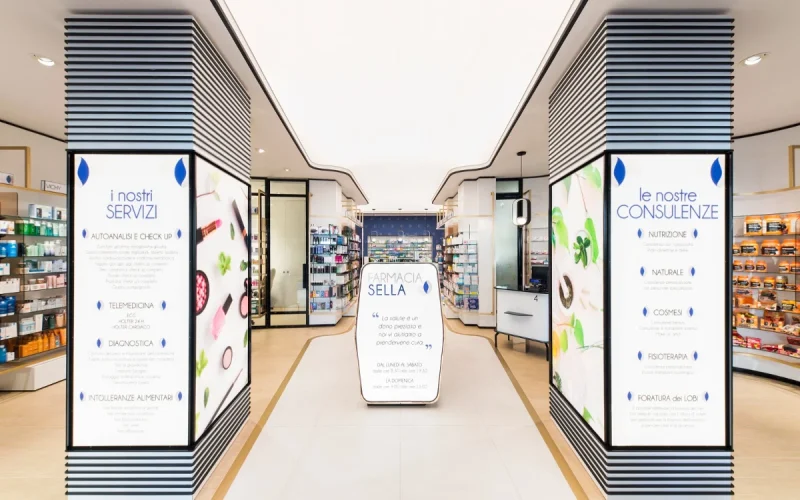
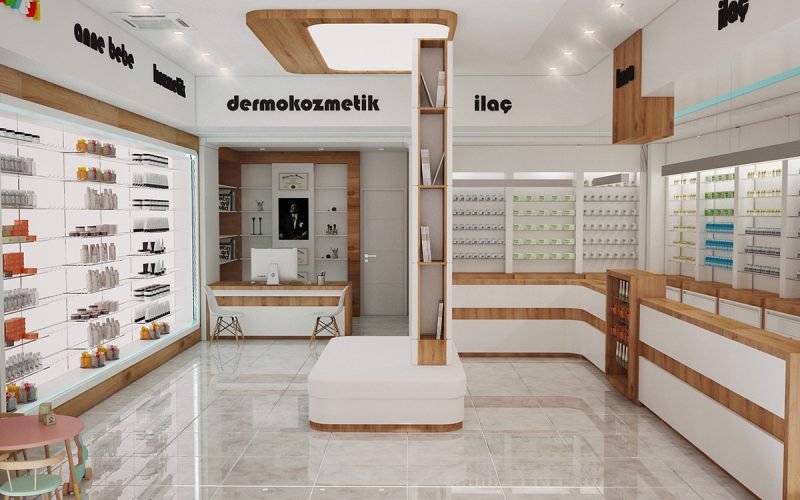
When I opened my first retail store a few years ago, I didn’t give much thought to how my team would communicate on the floor. I assumed shouting across aisles or using mobile phones would do the trick. It didn’t take long for me to realize how inefficient—and frankly chaotic—that approach was.
Retail store communication systems are the tools and technologies that enable staff members to communicate quickly and effectively within the store environment. These can include everything from two-way radios and wireless headsets to intercom systems and mobile team communication apps. They’re designed to bridge the communication gap between departments, floor staff, customer service, management, and even security.
At first, I thought communication systems were only for big-box retailers or massive department stores. But even in a smaller boutique, clear and instant communication makes all the difference. When a customer asks if we have a particular shoe size in stock, a quick headset message to the stockroom saves the customer from waiting—and often saves the sale too. The same goes for handling unexpected situations, like a spill in an aisle or a sudden rush at the registers.
From my experience, the real value of a retail communication system shows up in the day-to-day operations. Things move fast in retail. Inventory arrives, displays need refreshing, and customers always need something. Without a reliable way for staff to talk to each other, things slip through the cracks.
What surprised me most was how these systems affected team morale. When employees don’t have to waste time searching for each other or repeating instructions, they feel more supported and focused. It leads to smoother workflows, better coverage on the floor, and less frustration. And for the customer, it all adds up to a more professional and responsive shopping experience.
So, to put it simply: retail store communication systems aren’t just helpful—they’re essential. Whether you’re managing a single location or juggling multiple stores, the right communication tools can dramatically improve how your team works together and how your customers experience your brand.
Types of Retail Store Communication Systems
When I first started exploring communication systems for my store, I was overwhelmed by the number of options out there. I quickly learned that there’s no one-size-fits-all solution—what works in a large department store might be overkill in a boutique, and vice versa. Through trial and error, and a bit of help from other retailers in my network, I got to know the main types of retail store communication systems and where each one shines.
1. Two-Way Radios and Walkie-Talkies
These are the classics—and for good reason. Two-way radios are reliable, easy to use, and offer instant voice communication. We used them heavily during sales events and busy holiday seasons when floor coverage was critical. One press of a button, and I could instantly reach stockroom staff or managers across the building. For larger retail spaces, radios with multiple channels were great for organizing departments like sales, inventory, and security.
2. Wireless Headsets and Earpieces
Once I introduced wireless headsets for key team members, things became even smoother. These were a game-changer for our customer service experience. Staff could discreetly communicate while walking the floor, without stepping away from customers or raising their voice. It gave the whole team a more professional feel, and it made multitasking much easier. These headsets are especially useful in fashion retail or electronics stores where a staff member may need help without leaving a customer’s side.
3. Intercom and Paging Systems
If you’re in a larger store—or even a mid-size supermarket—intercom and paging systems are great for making quick announcements. I used our store’s paging system for calling team huddles or announcing incoming deliveries. It’s more public, so it’s not ideal for one-on-one communication, but it’s perfect for messages that need to reach everyone at once.
4. Mobile App-Based Communication Tools
With technology evolving, mobile apps for team communication have become incredibly popular. These were a lifesaver for me when managing multiple store locations. Platforms like Zello, Voxer, or even Slack allowed managers to communicate with each other, share updates, and send files—all from their phones. It was also a great way to keep part-time staff in the loop during off-hours.
5. Integrated POS and Inventory Communication
One of the more advanced solutions we invested in later was a system that integrated communication into our POS and inventory platform. It might sound complicated, but it streamlined everything. For example, if a product was scanned at checkout and flagged as low-stock, the system would ping the stock team automatically. These integrations cut down on manual steps and made communication more proactive.
Each of these systems has its pros and cons depending on your store size, staff setup, and budget. In my case, starting with walkie-talkies and later layering in wireless headsets and mobile apps gave us the flexibility we needed to grow. Looking back, I wish I’d invested in a proper communication system sooner—it made day-to-day operations more efficient and drastically improved how my team worked together.

Key Benefits of Effective In-Store Communication
Before we had a proper communication system in place, a lot of time was wasted on small things—tracking down coworkers, running to the stockroom, or repeating the same message to different people. Once we adopted a reliable communication setup, I saw a noticeable shift in how smoothly everything ran. Here are some of the biggest benefits I experienced firsthand from improving in-store communication:
1. Faster Response to Customer Needs
Customers don’t like waiting—especially when they’re ready to buy. With wireless headsets and radios, my team could quickly check stock, request help, or get pricing info without leaving the customer’s side. It made us look more professional and attentive. We closed more sales simply because we responded faster.
2. Stronger Staff Coordination
Retail can be unpredictable. One minute the store is quiet, the next you’re slammed with foot traffic. During those rushes, our communication tools became our lifeline. With just a quick message, I could call someone to open a new register or shift a team member to the fitting rooms. Everyone knew where they were needed and could adapt in real-time.
3. Better Inventory and Task Management
Communication tools made stock checks and restocks so much easier. Instead of walking back and forth to the stockroom or yelling across departments, staff could ping the inventory team and get updates in seconds. We also used app-based tools to assign daily tasks and confirm when they were completed, which helped keep the team organized and accountable.
4. Improved Loss Prevention and Security
Like many retailers, we’ve had our share of suspicious activity in the store. A quick message between staff—without alarming customers—often made the difference in stopping theft before it happened. Radios and discreet earpieces allowed our floor staff and security team to communicate quickly and coordinate without drawing attention.
5. Higher Customer Satisfaction
All of these small wins—faster service, better coordination, fewer out-of-stock surprises—added up to happier customers. We got more positive feedback, and it showed in our reviews. Customers don’t always notice the communication system, but they do notice when a store feels well-staffed, helpful, and efficient.
For me, the most satisfying part was watching my team feel more confident and connected. When communication flows easily, everything else—service, teamwork, efficiency—improves along with it. If you’re on the fence about investing in a communication system, I can tell you from experience: it’s not just about technology. It’s about creating a work environment where your team feels empowered and your customers feel valued.
How to Choose the Right Communication System for Your Retail Store
Choosing the right retail store communication system can be a bit overwhelming—there are so many options out there, and it can be tough to know what’s going to work best for your business. When I was first deciding on the right system for my store, I took a few key factors into account to ensure we were making the right investment. Here’s what I learned about selecting the right communication tools for your store:
1. Store Size and Layout
The size and layout of your store are probably the most important factors in choosing a communication system. If you’re running a small boutique with a single floor, walkie-talkies or wireless headsets might be sufficient. For a larger, multi-level store, you might need something more robust, like intercom systems or a mobile app that allows your team to communicate across a bigger area. When we expanded to a second floor, we realized two-way radios just didn’t cut it anymore, and we upgraded to a more advanced system with mobile app communication.
2. Number of Employees and Departments
Think about how many people need to be in communication with each other. If you have a small staff working in a single department, something simple like a two-way radio or wireless headsets could work. But if you’re managing a larger team across multiple departments—sales, inventory, management, customer service—then an app-based system or a more extensive radio network might be necessary. We were a small team at first, but as we grew, we switched to a hybrid system that combined radios for floor staff and a mobile app for management to keep everything connected.
3. Budget and Scalability
Budget is always a concern, especially when you’re just starting out, but I found that skimping on communication tools can end up costing more in the long run. While radios and headsets might seem affordable at first, investing in a more scalable solution can save you money as you grow. Think about what your store might need in the next 1–3 years. For us, starting with something simple helped, but eventually, we upgraded to a system that could handle multiple locations and integrate with our POS. A good system should be able to grow with your business.
4. Compatibility with Existing Systems
If you already use certain technologies—like POS systems, inventory management tools, or customer service platforms—it’s crucial to make sure your communication system integrates well with them. I didn’t realize how much time we could save by using a system that connected with our inventory management software. When a customer asked about a specific item, we could check availability in real-time without needing to run to the back of the store. Choose a system that can sync with what you already use so you don’t end up with silos of disconnected tools.
5. Ease of Use and Training Requirements
The communication system you choose should be easy for your staff to learn and use. I’ve worked with systems that were so complex that we ended up wasting more time troubleshooting than actually communicating. When choosing a system, look for something intuitive—whether it’s a simple walkie-talkie, a user-friendly mobile app, or an easy-to-operate intercom. If you need to invest in training, make sure it’s something your staff can pick up quickly, especially if they’re working on the floor while helping customers.
In the end, the right communication system for your store depends on your specific needs, budget, and long-term goals. My advice? Start small with a system that meets your current needs but keep in mind the potential for growth. It’s better to invest a bit more upfront in a scalable solution than to face the headache of switching systems down the line. Communication is the backbone of a successful retail operation, so choose wisely!
Real-World Use Cases and Success Stories
Once I had a solid communication system in place, I saw first-hand how it improved the flow of day-to-day operations. But don’t just take my word for it—let’s dive into a few real-world examples of how other retailers have benefited from effective communication systems. Seeing these success stories made me realize just how critical these tools can be for any type of retail environment.
1. Boosting Sales and Customer Satisfaction in a Fashion Retail Store
A colleague of mine who owns a high-end fashion boutique shared her experience with two-way radios. She used to lose valuable time during busy shopping hours, with staff members running between the sales floor, fitting rooms, and back office to communicate about customer needs or stock updates. After implementing a set of two-way radios, her staff was able to stay connected while on the move, instantly passing on customer requests and stock information. The result? Faster customer service, more time spent engaging with customers, and higher sales.
Not only did this improve sales, but it also raised her customer satisfaction scores. Customers were impressed by how quickly her team responded to requests—whether that was grabbing a different size or helping a customer with a fitting. Her store became known for its exceptional service, and the radios played a big part in that.
2. Managing a Supermarket Chain’s Multiple Locations
Another retailer I know runs a mid-sized chain of supermarkets in the city. With dozens of employees spread across multiple departments and locations, she struggled to keep everything coordinated. The communication system was fragmented—managers relied on walkie-talkies, but some areas had poor reception, and it was hard to communicate with certain team members, especially in larger stores.
She switched to a mobile app-based communication system that allowed her to create team-specific channels and seamlessly integrate with the inventory system. Managers could ping employees on specific shifts, ask for immediate stock updates, and even send photos or documents to clarify instructions. It not only improved communication across locations but also allowed her to monitor and manage operations remotely. With everything from stock levels to staff availability tracked in real-time, her stores ran more smoothly, and customer service dramatically improved. The new system helped reduce stock-outs and overstocking issues, and her team felt more connected and efficient.
3. Enhancing Security and Loss Prevention in a Large Electronics Store
In a large electronics store, security and loss prevention were top priorities. The store had experienced a few theft incidents, and the management team knew they needed a better way to communicate quickly in potentially risky situations. They adopted a wireless earpiece system that allowed the security team and floor staff to communicate discreetly.
In one instance, a staff member noticed a suspicious customer in the store and, through the communication system, was able to alert security without raising any red flags. Security was on the scene in moments, preventing a theft and protecting both the merchandise and the customer experience. The system provided real-time alerts, which helped the store take swift action when needed. The results were immediate—losses dropped, and staff felt empowered knowing they had an efficient communication tool at their disposal.
4. Managing High-Volume Events in a Pop-Up Retail Environment
For businesses that host pop-up shops or seasonal sales events, communication can become a logistical nightmare. One retailer I spoke with shared how he used a mix of intercom and radios during a large pop-up event at a shopping mall. With hundreds of people walking through the doors, he needed to ensure his team could stay in sync while dealing with crowd control, customer service, and inventory issues.
Using the intercom system for large-scale announcements and radios for quick, one-on-one communication, he was able to keep the event running smoothly. If a product sold out, staff could immediately alert the floor manager, who could make an announcement or redirect customers to other locations. The event was a major success, with high sales numbers and a very positive customer experience. It showed me just how versatile a communication system can be in high-energy retail environments where timing and coordination are everything.
These stories reinforced what I learned in my own store: the right communication system doesn’t just improve internal workflows—it can also transform the customer experience, reduce security risks, and increase sales. Retailers of all sizes and types can reap the benefits, whether they’re running a small boutique or a large chain. It’s all about finding the right fit for your needs and being proactive about communication from the start.
Conclusion: Investing in Communication Systems for Retail Success
After years of running a retail store, I can confidently say that investing in the right retail store communication system has one of the highest returns on investment you can make. When I first implemented a communication system in my store, I didn’t realize just how much it would affect everything—from improving customer service to reducing stress and miscommunication among staff. Looking back, it was one of the smartest decisions I made for the business.
Whether you’re a small independent retailer or the manager of a large store chain, communication systems can give you a significant competitive advantage. These tools help streamline processes, boost efficiency, and ultimately create a better experience for your customers. They ensure that your staff is more coordinated, your response times are faster, and your store runs smoother, even during peak hours.
Key Takeaways
- Communication is Critical: Good communication isn’t just about passing information—it’s about making your team more agile, responsive, and prepared for anything. Whether it’s handling a busy sales floor or addressing customer concerns, having a system in place makes everything run more smoothly.
- The Right System Can Transform Your Operations: Choosing the right tools for your store’s size and complexity will pay off in the long run. From two-way radios to integrated apps, there’s a communication solution for every store.
- Improving Customer Service: Quick responses to customer needs, faster product availability, and better team coordination all lead to higher satisfaction and more sales.
- Reduced Security Risks: A good communication system can enhance safety and help prevent theft, ensuring both your team and your customers feel secure.
- Investing in Scalability: Starting with a system that can grow with your business ensures that you’re prepared for future challenges, avoiding the need to switch tools down the line.
So, if you’re still hesitant about implementing a communication system in your retail store, I encourage you to take the leap. The benefits far outweigh the costs, and the positive changes you’ll see—both in employee morale and customer satisfaction—will speak for themselves.
In the end, effective communication can truly be the difference between a successful store and one that struggles with efficiency. So make sure to choose a system that works for you, your team, and your customers. It’s not just a tool—it’s an investment in the future of your retail business.
If you need any more information or help deciding which communication system might be right for your business, feel free to reach out! Let’s ensure your retail operation runs as smoothly as possible.
Frequently Asked Question
Why is a retail store communication system important?

A retail communication system enables staff to communicate quickly and efficiently across the store. It improves coordination, reduces delays, enhances customer service, and helps prevent issues like missed restocks or security concerns.
What types of communication tools are commonly used in retail stores?
Common tools include two-way radios, wireless headsets, intercom systems, mobile communication apps, and integrated POS systems with communication features. Each serves different needs based on store size and staff structure.
Which communication system is best for a small boutique?
For smaller stores, two-way radios or wireless headsets are typically sufficient. They offer quick, reliable communication without requiring complex infrastructure.
What benefits can effective in-store communication bring to my business?
Key benefits include faster response to customer needs, stronger staff coordination, better inventory management, improved loss prevention, and higher customer satisfaction.
How do mobile communication apps help multi-store management?
Apps like Slack or Zello allow managers to communicate in real time, share updates, and stay connected with remote or part-time staff, making them ideal for businesses with multiple locations.
Can communication systems be integrated with existing POS or inventory software?
Yes, some advanced systems integrate with POS and inventory platforms to automate alerts, stock checks, and task assignments, significantly improving efficiency.
What should I consider when choosing a communication system for my store?
Consider store size, number of employees, budget, scalability, compatibility with existing systems, and ease of use. Each factor impacts the effectiveness and ROI of your investment.
How does in-store communication impact customer satisfaction?
Customers experience shorter wait times, faster service, and more knowledgeable staff. These improvements contribute to a more professional and enjoyable shopping experience.
Are intercom or paging systems still relevant today?
Yes, they are effective for making announcements or calling team huddles in larger or mid-sized stores but are less suitable for private or one-on-one communication.
How can a communication system support loss prevention?
Discreet tools like radios and earpieces enable staff to quickly report suspicious activity to security without alarming customers, helping prevent theft proactively.