A pharmacy is more than just a place to pick up prescriptions. It has become a key healthcare destination. Your store design is a vital part of patient care, brand identity, and business success. A well-planned space does more than look good. It creates trust, helps your staff work better, and helps your business grow. This guide will show you how to create a unique and effective Pharmacy Store Design. We will cover the core principles that make a design work well. This includes everything from layout to the final touches. A thoughtful approach to medicine shop interior design can turn your pharmacy into a trusted community asset.
Key Takeaways
- Layout is Key: Place the prescription counter at the back. This guides customers through your retail space. It increases their exposure to other products.
- Design Defines Your Brand: Choose a style that tells your brand’s story. Options include Modern Minimalist, Community Wellness, or Boutique Apothecary. Pick one that connects with your target customers.
- Fixtures Form the Foundation: Start your design by selecting essential functional pieces. These include the pharmacy counter, display cabinets, and shelving. The layout will naturally form around them.
- Details Matter: Strategic lighting, durable materials, and clear signage are crucial. These elements elevate the patient experience and build trust.
- Partner with a Specialist: Choose a design company with pharmacy experience. This ensures your space is compliant, efficient, and professional.
The Foundation: Core Principles of Effective Pharmacy Store Design
Before choosing colors or furniture, understand the basic ideas behind a great pharmacy layout. A strong foundation ensures your space is beautiful and highly functional. This section covers the best practices for arranging your pharmacy for success. A good Pharmacy Store Design starts with a solid plan.
The Psychology of Space
A clean, organized, and easy-to-navigate space helps patients feel confident. It also reduces anxiety. When customers walk into a bright and professional environment, they trust the staff more. The design of your pharmacy sends a powerful message. It shows the quality of care you provide.
Mastering Customer Flow
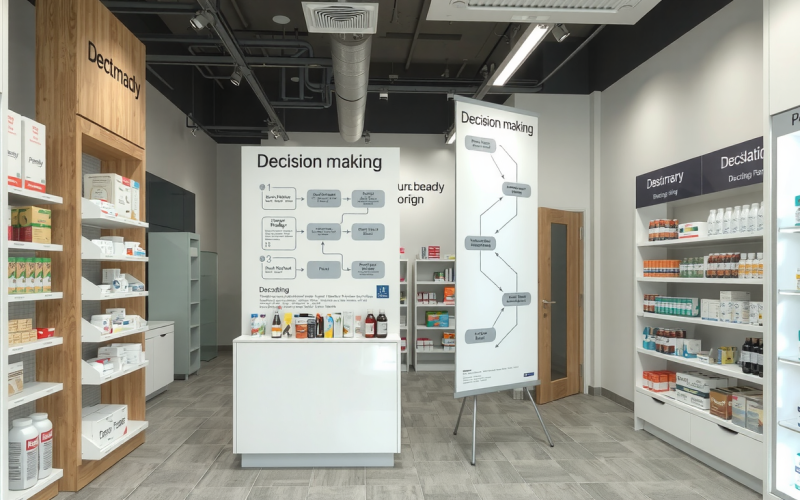
The most common rule in pharmacy layout is simple. Place the prescription counter at the back. This choice guides customers through your entire retail area. They see more of your over-the-counter products. This can increase sales. In the past, many pharmacies had cramped layouts. But as Old and New Pharmacy Interior Design Trends show, modern designs are open and improve flow.
You can also create “power walls” near the entrance. These are prime spots for high-margin products. They also work well for seasonal promotions that catch the eye immediately.
Essential Zones for Functionality
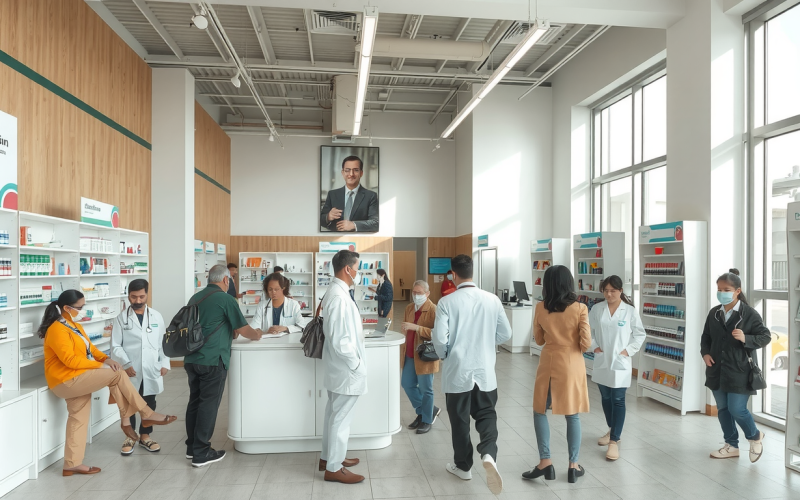
A well-planned pharmacy is divided into specific zones. Each zone has a clear purpose. This helps both staff and customers. This organized approach is a hallmark of professional medicine shop interior design.
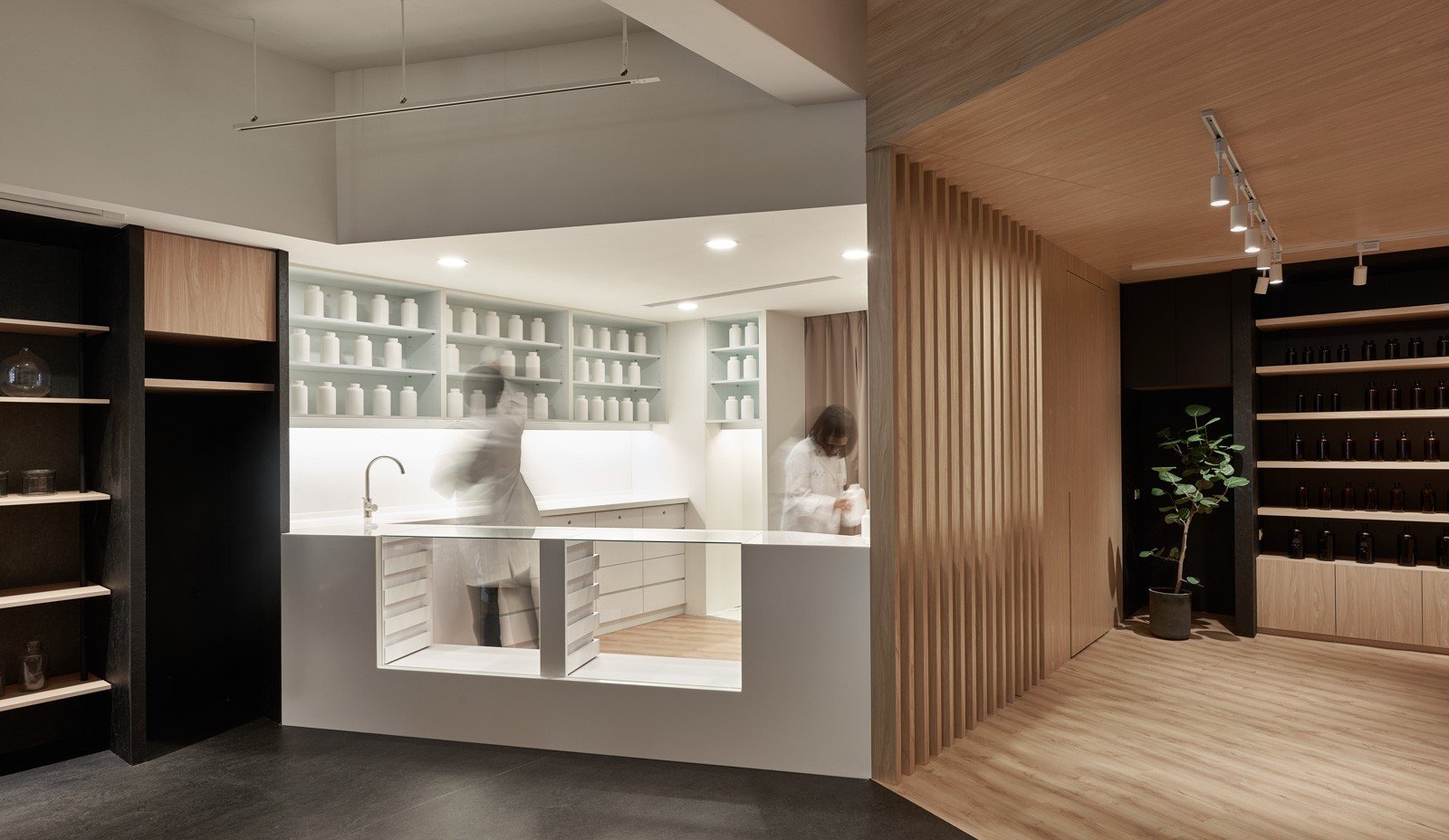
- Prescription Drop-off & Pick-up Area: This is the core of your operation. It needs to be clear and accessible. It must also allow for patient privacy.
- Dispensary/Compounding Lab: This is the secure, staff-only workspace. This is where prescriptions are filled. It must be designed for efficiency and safety.
- Over-the-Counter (OTC) Aisles: These should be organized logically. Customers should easily find what they need.
- Private Consultation Room: This is a vital space for modern services. These include vaccinations, health screenings, and private advice. It shows you care about patient privacy.
- Waiting Area: Comfortable seating can greatly improve the patient experience. People need a place to sit while they wait for prescriptions.
- Point of Sale (POS): Having a separate checkout for retail items helps. It can reduce lines and congestion at the pharmacy counter.
Crafting Your Brand Identity Through Pharmacy Design Styles
Your Pharmacy Store Design directly reflects your brand. It tells customers who you are and what you value. Instead of a generic look, choose a style that connects with your community. Pick one that matches your business goals. This helps you create a memorable and unique space.
The Modern Minimalist
The minimalist style is clean, efficient, and feels tech-forward. It uses bright lighting and a simple color scheme. This usually means whites and cool tones. It also features sleek, uncluttered surfaces. Digital screens for information or ordering are often part of this design.
This look is perfect for high-volume pharmacies in urban areas. It communicates speed and precision. It also shows a focus on modern healthcare technology.
The Community Wellness Hub
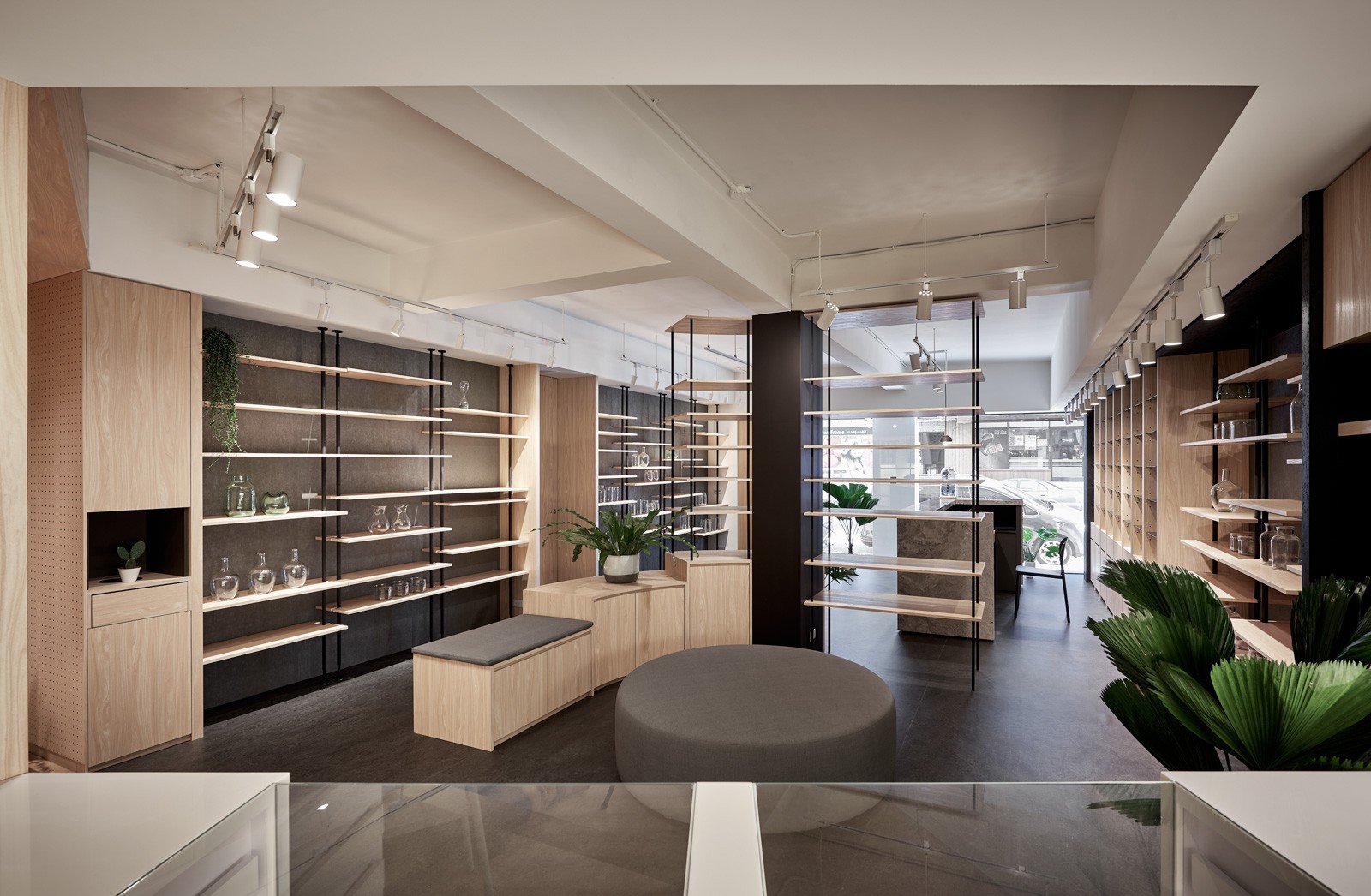
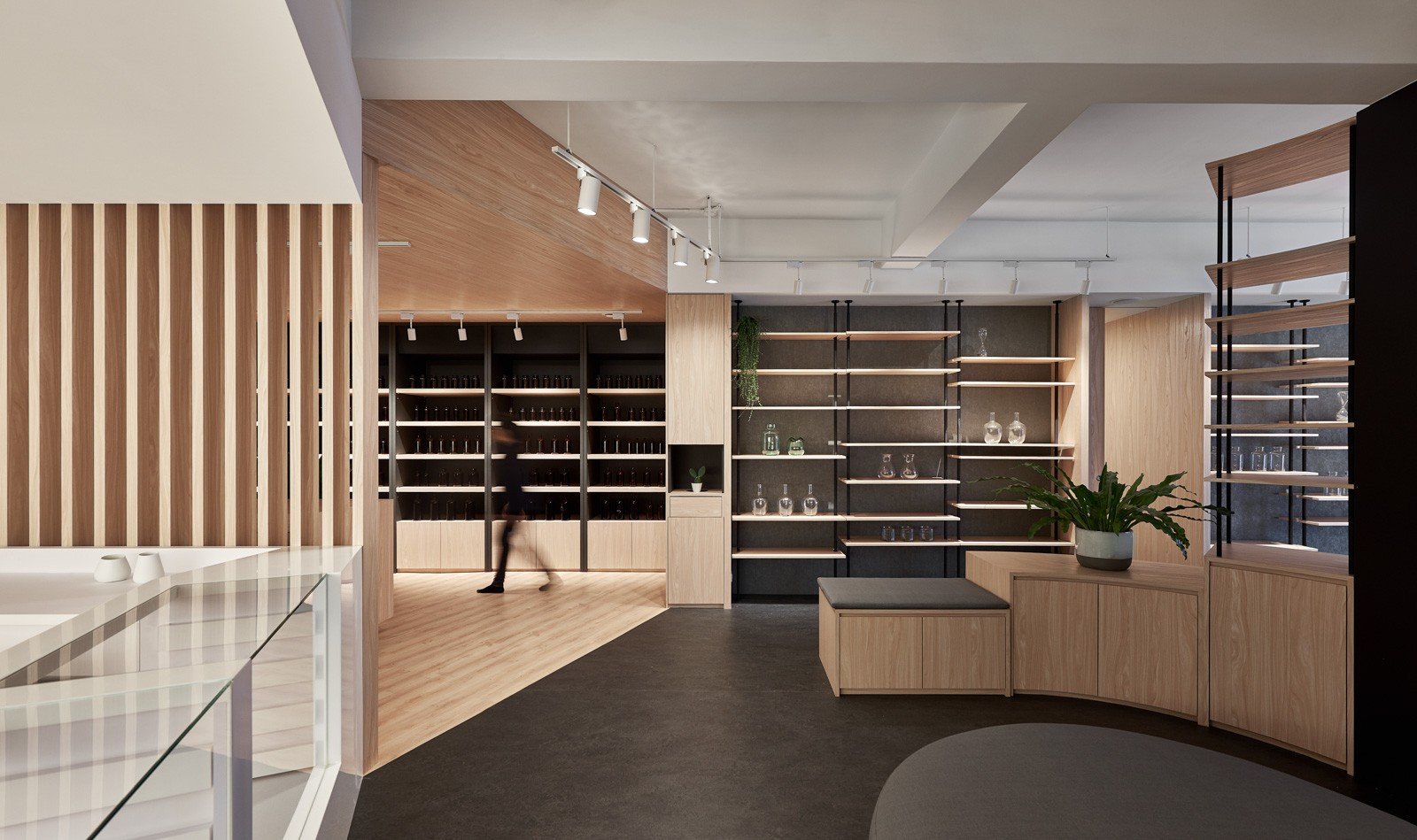
This style is warm, natural, and inviting. It uses materials like light wood. It adds color with green or earthy tones. It often includes live plants. The lighting is soft. The waiting areas have comfortable seating.
This approach is ideal for independent pharmacies. It works well in suburban or rural areas. It builds on personal relationships and focuses on holistic health. Using high-quality materials helps create a trustworthy feel. This is a key feature in Premium Pharmacy Showroom Design & Custom Furniture Solutions.
The Boutique Apothecary
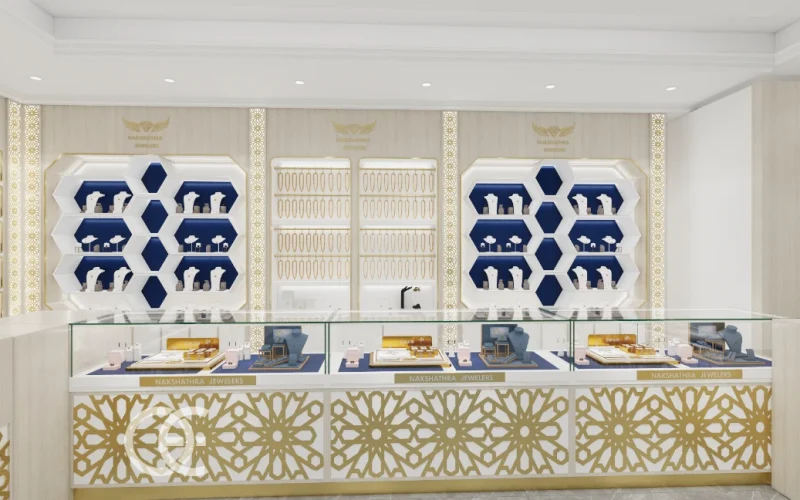
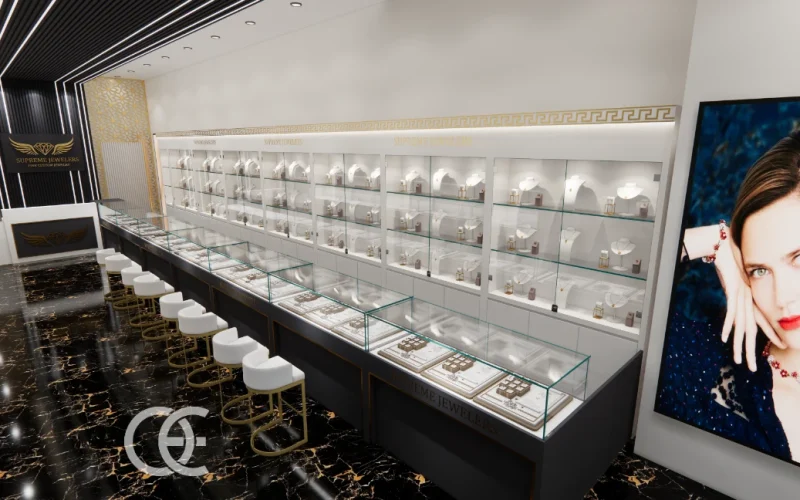
The apothecary style is classic, elegant, and has a premium feel. It features darker woods and brass or gold metal details. Fixtures are inspired by historical pharmacies. Displays are carefully arranged to showcase specialty items.
This design is best for pharmacies that specialize in high-end products. These might include skincare or custom compounding. It also works for pharmacies in historic neighborhoods. It creates a sense of expertise and luxury.
A Fixture-First Approach to Medicine Shop Interior Design
In our experience designing hundreds of pharmacies, we’ve learned something important. The most successful projects start by defining the core functional fixtures. The overall layout then naturally evolves around this operational heart. Thinking about your key furniture first makes the entire Pharmacy Store Design process simpler. It also makes it more effective.
The Heart of the Operation: The Pharmacy Counter
The prescription counter is the most important part of your pharmacy. It must be efficient for your staff’s workflow. It also needs to feel welcoming and private for patients. A well-designed pharmacy counter is the single most critical piece of furniture. It needs to meet accessibility standards. It must have durable surfaces. It should also support an effective workflow for your team.
Smart & Secure Storage: The Medicine Display Cabinet
Secure and organized storage is non-negotiable. You need a system that keeps prescription drugs safe. It should also make over-the-counter products easy for customers to see. A modular medicine display cabinet is a smart choice. These systems can have glass doors for retail visibility. They can also have solid doors for secure prescription storage. They can be adapted as your inventory changes.
Maximizing Your Space: The Pharmacy Wall Shelf
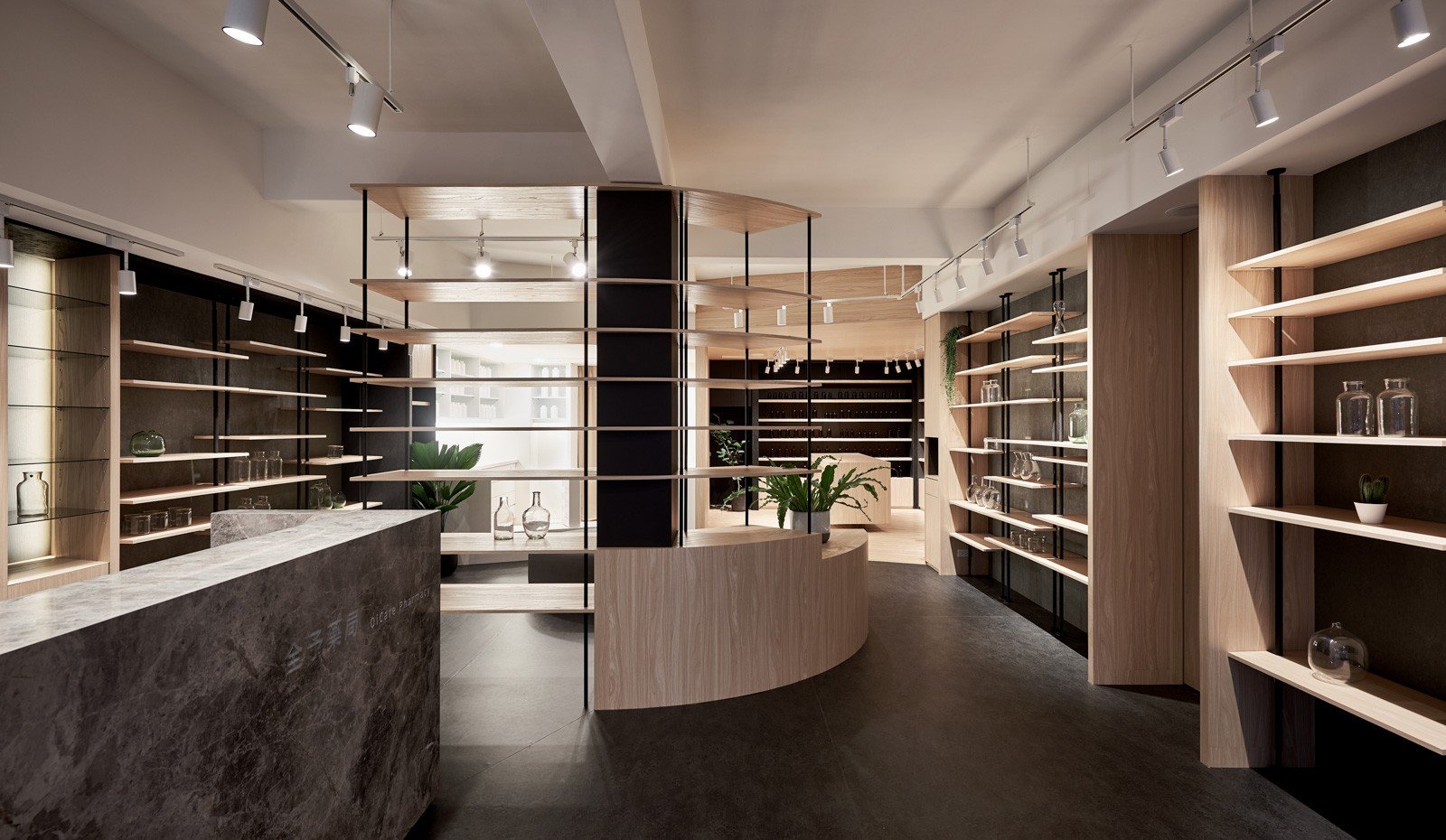
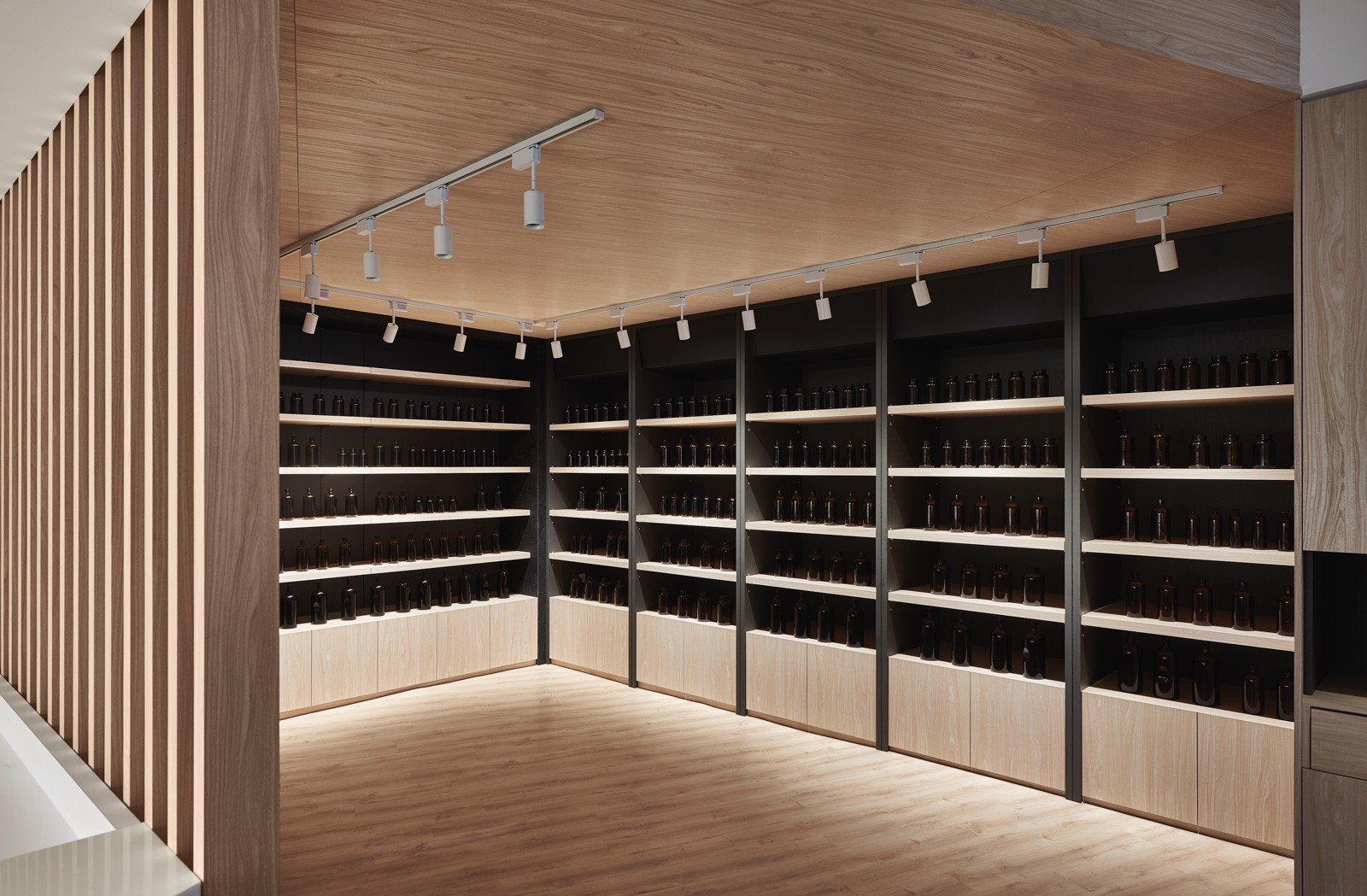
Using your vertical space wisely is key. This is especially important in smaller pharmacies. Wall shelves are perfect for both back-end storage and retail displays. When choosing shelves, think about their weight capacity. Consider if they are adjustable. Think about whether they can have built-in lighting to highlight products. A professional pharmacy wall shelf solution is safer than generic options. It is also more flexible.
Creating a Cohesive Look with Your Pharmacy Furniture
All your fixtures should work together to create a unified look. When you source your counters, cabinets, and shelves from a single provider, you ensure consistency. The materials, quality, and design style will all match. This is where high-quality pharmacy furniture manufacturing makes a visible difference in the final result. For more ideas on how it all comes together, you can explore our gallery of medicine shop interior design projects.
Key Elements That Elevate Your Pharmacy Design
Once you have the core layout and fixtures planned, several other key elements can help. These can take your Pharmacy Store Design to the next level. These details contribute to a professional atmosphere. They also create a positive patient experience. Paying attention to them ensures you don’t miss anything important.
The Power of Light
Strategic lighting can transform a space. There are three main types of lighting to consider for your pharmacy.
- Ambient Lighting: This is the overall light in the store. It should be bright and welcoming.
- Task Lighting: This is focused, bright light for work areas. This includes the dispensary and counters, where accuracy is crucial.
- Accent Lighting: This is used to highlight specific products or architectural features. It draws customer attention.
Choosing the Right Materials and Colors
Materials in a healthcare setting must be carefully chosen. They need to be durable and non-porous. This means they don’t absorb germs. They also need to be easy to sanitize. Good choices include solid surfaces, high-pressure laminates, and commercial-grade flooring. Color also plays a huge role in setting the mood. This can range from calming blues and greens to clean, professional whites. A thoughtful medicine shop interior design considers both look and function.
| Material | Pros | Cons | Best For |
|---|---|---|---|
| High-Pressure Laminate (HPL) | Cost-effective, many finish options | Can chip, seams can collect germs | Retail shelving, casework |
| Solid Surface (e.g., Corian) | Seamless, hygienic, repairable | Higher initial cost | Pharmacy counter tops, consultation desks |
| Powder-Coated Metal | Highly durable, modern look | Can feel cold or clinical | Gondola shelving, structural frames |
| Tempered Glass | Creates an open feel, easy to clean | Security concerns, shows fingerprints | Display cases, partitions |
Signage and Wayfinding
Clear signage is essential for guiding the patient journey. From the moment a customer enters, they should be able to easily find things. This includes the prescription counter, different product aisles, and the consultation room. Good signage reduces confusion. It makes the shopping experience smoother. As experts in custom and modular cabinetry and store fixtures note, signage can be integrated directly into your fixtures. This creates a clean, cohesive look.
Partnering for Success: How to Choose the Right Pharmacy Design Company
Creating the perfect pharmacy is a big project. Choosing the right partner to help you is one of the most important decisions you will make. A good design company brings expertise and industry knowledge to the table. They also provide a clear process.
What to Look For in a Design Partner
When evaluating potential partners, look for a few key qualities. They should have specific experience in pharmacy design, not just general retail. A strong portfolio of completed pharmacy projects is a must. It’s also a major advantage if they have in-house manufacturing. This gives them more control over quality and timelines. Finally, they must understand healthcare regulations.
The Design-to-Build Process Explained
A professional design process typically follows several clear steps. It starts with a consultation to understand your vision and needs. From there, the team creates conceptual designs and 3D renderings. This way you can see the space. Once a design is approved, they produce technical drawings for manufacturing. The final steps are manufacturing the fixtures and installing them in your space.
Why a Specialist Partner Matters
A specialist in pharmacy design understands the unique balance required. This includes patient care, retail science, and operational workflow. They know the regulations and the practical needs of a dispensary. Companies that offer a fully integrated service help ensure success. This means everything from design to manufacturing. Companies like Ouyee Display can ensure a seamless process and a cohesive final result. A partner with this level of expertise is invaluable for a successful Pharmacy Store Design.
Frequently Asked Questions (FAQ) about Pharmacy Store Design
Here are answers to some common questions about designing a pharmacy.
What is the most important element in a medicine shop interior design?
The layout and the prescription counter are the most critical elements. An efficient layout ensures smooth customer and staff flow. The counter serves as the central point for patient interaction and workflow. A great medicine shop interior design makes sure these two elements work together perfectly.
How much does it cost to design and furnish a new pharmacy?
Costs vary widely based on several factors. These include size, location, material quality, and the level of custom work. A basic fit-out might start around $150 per square foot. A high-end, custom design can be over $300 per square foot. It is always best to consult with a design firm. They can give you a detailed quote for your specific project.
How can I make a small pharmacy feel more spacious?
To make a small space feel bigger, use light color palettes. Maximize natural light. You can also add mirrors to create a sense of depth. Choose vertical storage like tall, slim shelving units. This uses wall space effectively. Using glass partitions instead of solid walls can also help. This maintains an open, airy feel.
What are the key regulations I need to consider for my pharmacy layout?
Key regulations often include accessibility standards. In the US, this means ADA compliance. You must also follow patient privacy laws like HIPAA. You must also follow rules from your local board of pharmacy. These cover dispensary size, security, and sink placement. Always check your local regulations before finalizing your Pharmacy Store Design.
How long does the pharmacy design and fixture manufacturing process typically take?
The entire process can take from 8 to 16 weeks. This is from the first design meeting to final installation. The design phase usually takes 2-4 weeks. This is followed by 6-10 weeks for manufacturing your fixtures. Shipping and installation can take another 1-2 weeks.