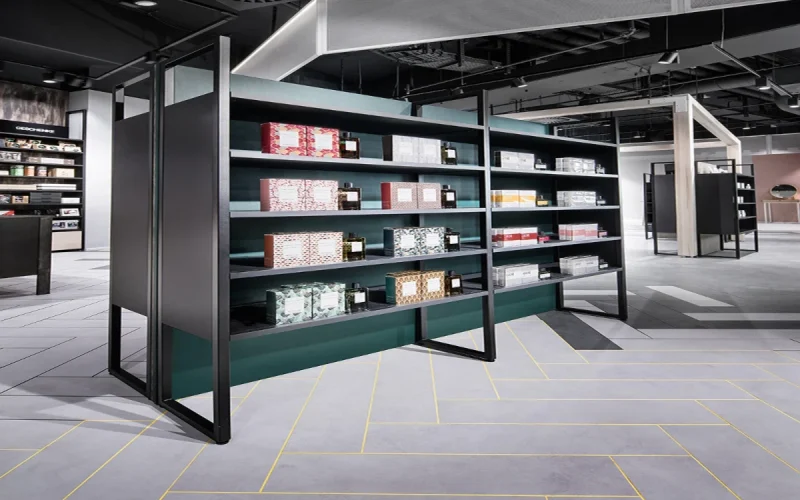
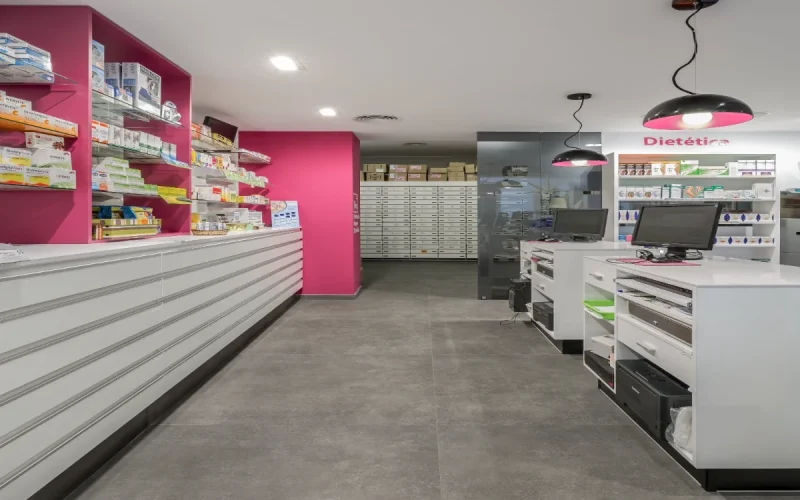
A great pharmacy layout plan is your silent partner. It works all day to improve how your staff works. It also helps patient care and drives sales. A poor one creates chaos, long waits, and lost money.

A pharmacy layout plan is a smart blueprint. It shows where every zone and fixture goes. The goal is to make the flow of people and products better for business. This guide gives you a step-by-step plan to create a good pharmacy layout plan. We will cover everything from basic rules to picking the right fixtures. Visualizing an efficient hospital pharmacy floor plan can help you see the different zones, even in a small space.
Key Takeaways
- A good pharmacy layout plan improves work flow, customer experience, and profit.
- The main rules are staff efficiency, a good customer journey, high sales, and safety.
- Pick from three main models: grid, free-flow, or loop. Your choice depends on your pharmacy’s size and goals.
- Zone your pharmacy first. Plan separate areas for dispensing, waiting, retail, and consultation before placing furniture.
- Put the prescription counter at the back. This guides customers through the retail area.
- Pick fixtures like counters and shelves that help your work flow. Make sure they follow accessibility laws.
- Working with a professional can prevent costly mistakes. It ensures your pharmacy design works well.
The Foundation: Core Principles
A high-performing pharmacy layout needs a strong base. These core rules should guide every choice you make in your plan. They act as a checklist to make sure you cover all key goals.
First, design for work flow efficiency. Your staff comes first in this step. A good pharmacy layout plan cuts down the steps pharmacists and technicians take. They need to move easily between dispensing, checking prescriptions, and talking with patients. Every saved step adds up to faster, safer service.
Next, focus on a better customer experience. Your layout should create a path that is easy to follow, comfortable, and accessible for every patient. From when they walk in to when they leave, the journey should feel calm and private.
Your pharmacy layout plan also needs to increase profit. Use the layout to guide customers toward your over-the-counter products. Smart placement of high-margin items can greatly increase sales. Optimising your pharmacy layout is key for both work efficiency and customer sales.

Finally, safety and compliance are not optional. The layout must meet all government rules. This includes rules for patient privacy, storing controlled drugs, and accessibility for people with disabilities (like the ADA in the U.S.). A compliant pharmacy layout plan protects your business and your patients.
3 Common Pharmacy Layout Models
There are three main models for a pharmacy layout. Each one has its own benefits and drawbacks. Picking the right one depends on your space, how much inventory you carry, and the services you offer. A good pharmacy design layout starts with one of these basic models.
| Layout Type | Description | Pros | Cons | Best For |
|---|---|---|---|---|
| Grid Layout | Straight, parallel aisles like a grocery store. | Uses space well; familiar to shoppers; easy inventory management. | Can feel sterile; less browsing encouragement. | High-volume pharmacies with large inventories. |
| Free-Flow Layout | Open, flexible paths with fixtures at different angles. | High-end feel; encourages browsing; flexible for changes. | Can be confusing if not planned well; less space-efficient. | Boutique pharmacies, wellness centers, and small spaces. |
| Loop (Racetrack) Layout | A defined main path that leads customers in a loop through the store. | Exposes customers to more products; controls traffic flow. | Can feel restrictive; customers might take shortcuts and skip the full loop. | Mid-to-large pharmacies that want to maximize retail exposure. |
The Zoning Blueprint: A Step-by-Step Guide
Before you place a single shelf, you must map out your pharmacy’s zones. A zoning blueprint is a key part of your pharmacy layout plan. It means you divide your space based on function. This process helps you create a logical and efficient draft. It reduces stress and costly mistakes.
Step 1: Define Your Core Functions
Start by listing all the activities that will happen in your pharmacy. Each one needs its own dedicated space or zone.

- Prescription Drop-off
- Prescription Pick-up
- Waiting Area
- Dispensing/Compounding Area
- Pharmacist Verification Station
- Private Consultation Room(s)
- Over-the-Counter (OTC) Retail Aisles
- High-Security Storage (for controlled substances)
- General Storage and Stockroom
- Staff Office or Breakroom
Step 2: The Heart of the Operation
The dispensing area is the engine room of your pharmacy. It must be designed for a perfect work flow. This is where the main work of filling prescriptions happens safely and quickly.
The pharmacy counter is the central hub for this area. It’s where staff and patients interact. The work flow should be a smooth line or a U-shape to prevent staff from backtracking. A typical flow is: prescription intake, data entry, filling, pharmacist verification, then bagging for pick-up. Your layout must support this process without creating blockages.
Step 3: The Customer Journey
The front-end and waiting areas shape the customer’s experience. A common rule is to place the prescription counter at the back of the store. This guides customers through your retail section. It gives them a chance to see other products.
Design a waiting area that is comfortable and feels private. Use seating that is spaced out. Consider adding subtle dividers or placing it away from high-traffic paths. Plan your retail aisles with logic. For example, place pain relief products near first-aid supplies. Put vitamins near healthy snacks. This makes shopping easier for your customers.
Step 4: Support and Privacy Zones

Every pharmacy needs support areas. A private consultation room is essential for services like vaccinations or medication reviews. It must be easy to find but offer complete privacy. This means it should block both sight and sound.
You also need to plan for storage. This includes secure cabinets for valuable drugs and organized shelving for general stock. Good storage makes inventory checks faster and dispensing more efficient. Using a pharmacy interior layout plan template can be a great starting point for visualizing these zones on your floor plan.
Furnishing Your Vision: Selecting Fixtures
Your pharmacy layout plan comes to life with the right fixtures. The furniture and shelves you choose are not just containers. They are tools that help your layout work. Getting high-quality pharmacy furniture is a smart, long-term investment in your business’s efficiency and appearance.
The Multi-Function Counter
The pharmacy counter is much more than a simple surface. It’s a key piece of equipment. It needs to have space for POS systems and computers. It should also have privacy panels to protect patient information. The height should be comfortable for both standing staff and waiting customers. This includes those in wheelchairs.
Smart Shelving and Displays
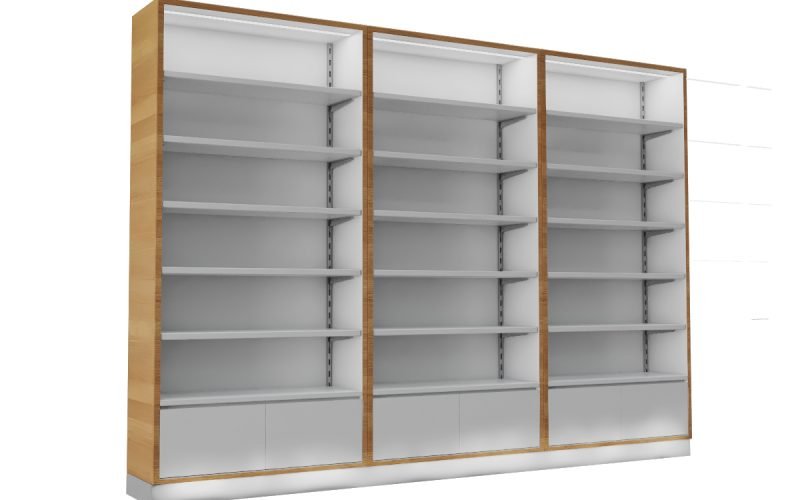
A smart pharmacy layout plan uses all available space. A well-designed pharmacy wall shelf system helps you use vertical space well. This keeps your products organized and easy for staff to reach.
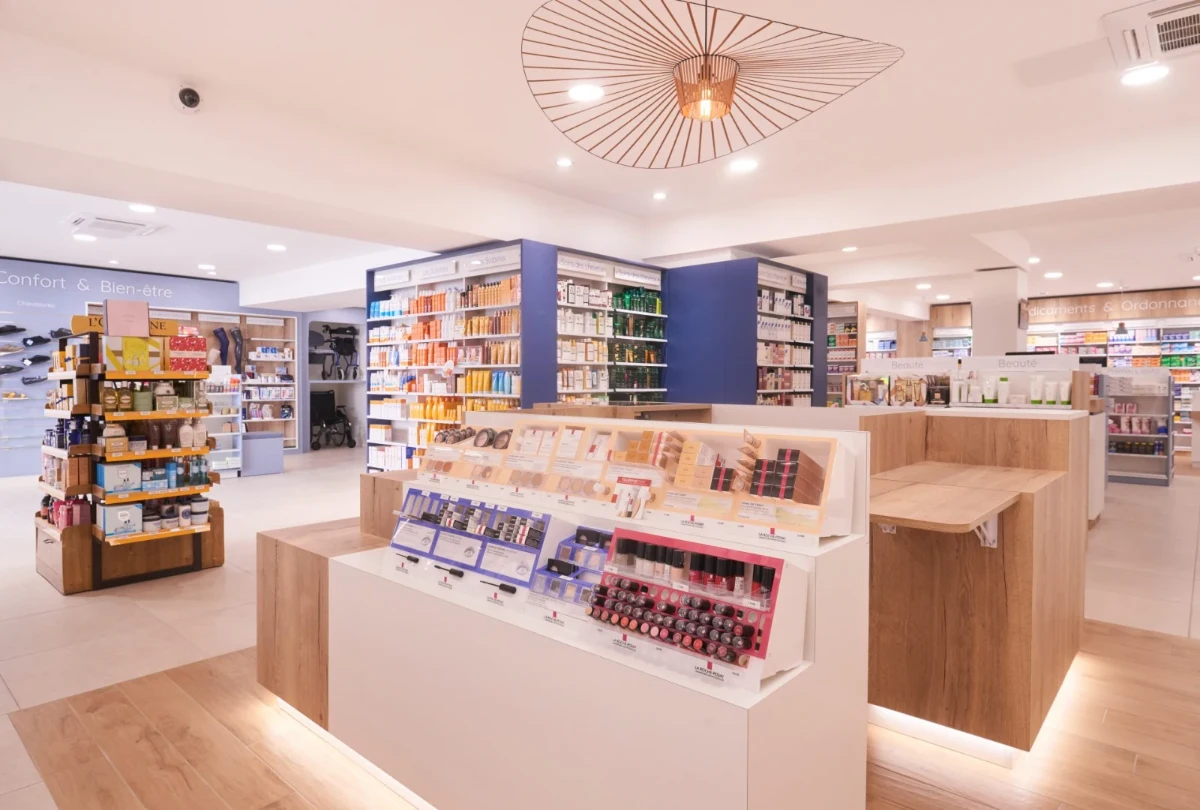
For certain products, you need special displays. A secure and visible medicine display cabinet is perfect for showcasing items like high-end skincare or home health devices. It allows you to feature products while keeping them safe.
Other common fixtures to consider in your pharmacy layout include:
- Gondolas: Free-standing, two-sided shelves that create your retail aisles.
- End Caps: Displays placed at the end of gondola aisles for promotions and high-margin items.
- Wall Units: Shelving that is fixed to the walls, great for perimeter displays.
- Behind-the-Counter Bays: The main shelving system in the dispensary where most prescription drugs are stored.
Beyond the Blueprint: Integrating Flow
A great pharmacy layout plan considers how people move. It fails if a smooth customer journey creates a chaotic staff work flow. Or if an efficient work flow makes the customer experience difficult. The goal is to optimize both paths so they work together.
Mapping the Pharmacist’s “Golden Triangle”
Pharmacists and technicians move constantly between a few key points. We call this the “golden triangle”: the computer for data entry, the filling station, and the verification counter. An effective pharmacy layout plan makes the distance between these three points small. A compact, well-organized triangle reduces steps, saves time, and lowers the chance of errors.
Guiding the Customer Journey
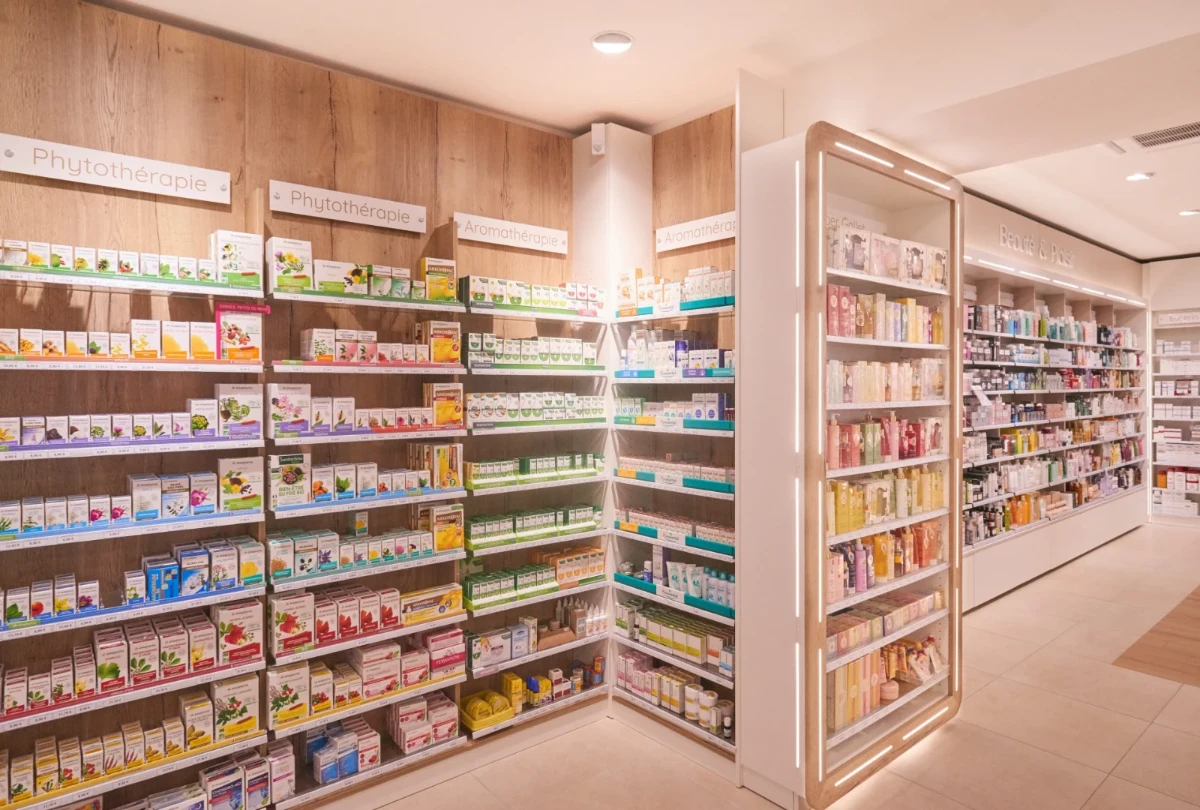
You can guide customers without using signs. Use different flooring materials, focused lighting, and the placement of end caps. These elements create a natural path from the entrance. They guide customers through the retail aisles, to the pharmacy counter, and then to the exit. This makes the shopping experience feel easy and natural. A well-planned pharmacy floor plan ensures customers feel comfortable, not lost.
Flow Scenarios
| Scenario | Poor Flow | Optimized Flow |
|---|---|---|
| Description | The pick-up window is right next to the drop-off window. Retail aisles are narrow and lead to a dead end. | Separate pick-up and drop-off windows manage queues. A clear loop path guides customers past promotional end-caps. |
| Impact | Customer lines block access to retail shelves. The pharmacist is constantly interrupted. Patient wait times increase. | Reduced crowding at the counter. Increased impulse buys from end-caps. Faster service and higher staff morale. |
Final Touches: Aesthetics and Access
The final elements of your pharmacy layout plan elevate it from functional to great. These details are often overlooked but have a huge impact on customer perception and the long-term success of your pharmacy.
The Impact of Design
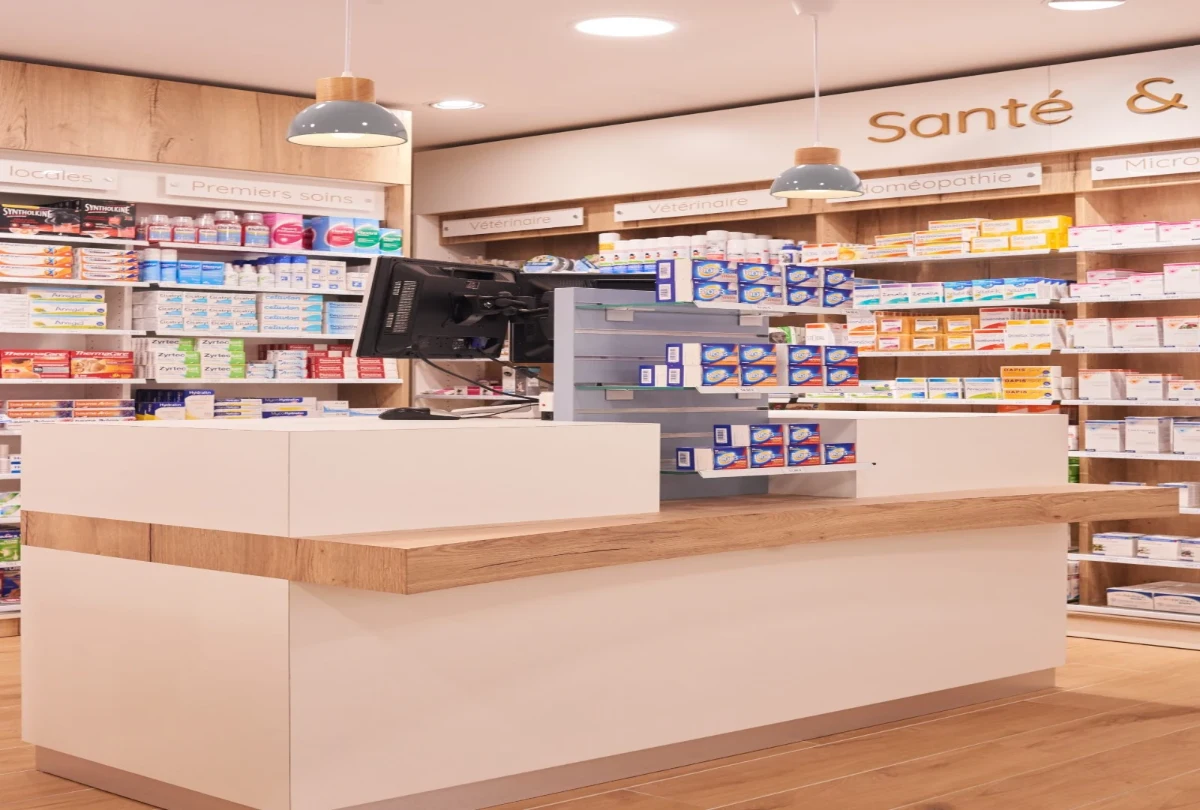
The right medicine shop interior design creates a welcoming environment. Use color psychology to your advantage. Calming colors like soft blues and greens can help reduce patient anxiety. Lighting is also critical. The dispensary needs bright, clear task lighting to ensure accuracy. The retail and waiting areas should have softer, warmer light to feel more comfortable and inviting.
Accessibility for All
Your pharmacy must be accessible to everyone. This is not just good practice. It is required by law in many places. A proper pharmacy layout plan includes key accessibility features. For example, the Americans with Disabilities Act (ADA) has specific rules.
- Aisles must be at least 36 inches wide. Paths that require a turn for a wheelchair need to be 48 inches wide.
- At least a portion of service counters must be no higher than 36 inches.
- Signage should be clear, easy to read, and have high contrast.
Future-Proofing Your Plan
Think about the future when creating your pharmacy layout plan. Technology is always changing. Plan for it by leaving space for future additions. This might include a dispensing robot, a private station for telehealth calls, or digital screens for promotions. A flexible layout will save you from expensive renovations later on.
Partnering with Experts
This guide provides a strong foundation for your pharmacy layout plan. However, the details of regulations, work flow science, and construction can be complex. Making a mistake can be very costly.
A professional pharmacy design company has the experience to handle these challenges. They can help you avoid common pitfalls and ensure your space is both compliant and efficient. Firms like Ouyee Display specialize in this field. They can translate a business’s needs into a physical space that is beautiful, functional, and profitable. They manage the project from the first idea to the final installation.
Frequently Asked Questions (FAQ)
1. What is the ideal size for a community pharmacy?
There is no single perfect size. Most community pharmacies are between 1,500 and 3,000 square feet. This size allows for a proper dispensary, retail area, storage, and a private consultation room. The most important factor is not total size. It’s how well the pharmacy layout plan uses the space it has.
2. How do I design a layout for a very small pharmacy?
For a small pharmacy, focus on using vertical space with floor-to-ceiling shelves. A hybrid free-flow and grid layout can work well. Choose multi-functional furniture. For instance, a well-designed pharmacy counter that combines dispensing, payment, and consultation can save a lot of space.
3. Where should the drop-off and pick-up windows be?
They should be separate to manage two different lines and reduce crowding. The drop-off window can be closer to the pharmacy area entrance. The pick-up window can be placed to guide departing customers past items they might buy last-minute. Examples include pain relievers or tissues.
4. How important is lighting in a pharmacy layout?
Lighting is extremely important. The dispensing area needs bright, shadow-free task lighting (around 75-100 foot-candles) for accuracy and to reduce eye strain. Retail and waiting areas should have warmer, more inviting light (around 30-50 foot-candles) to create a comfortable atmosphere.
5. What is the biggest mistake in a pharmacy layout plan?
The biggest mistake is ignoring work flow. Many people focus only on the retail experience. They forget that a pharmacy’s main job is to dispense prescriptions safely and efficiently. A pharmacy layout plan that forces staff to take extra steps or work in a cramped space will lead to errors, slow service, and unhappy employees.