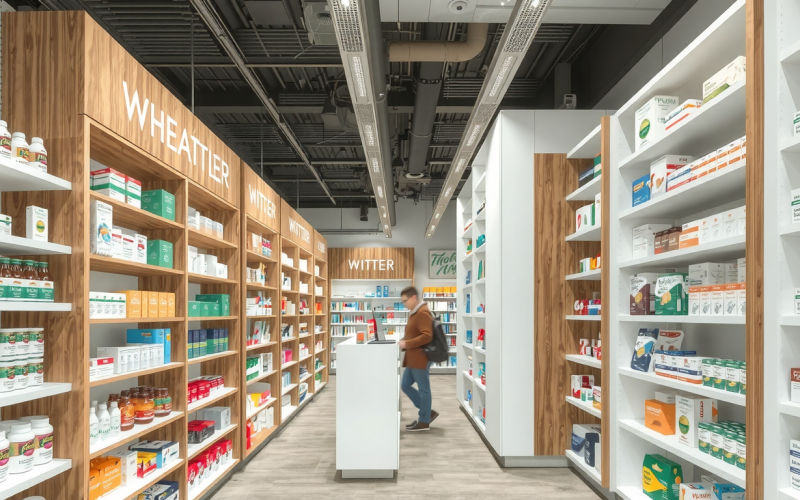
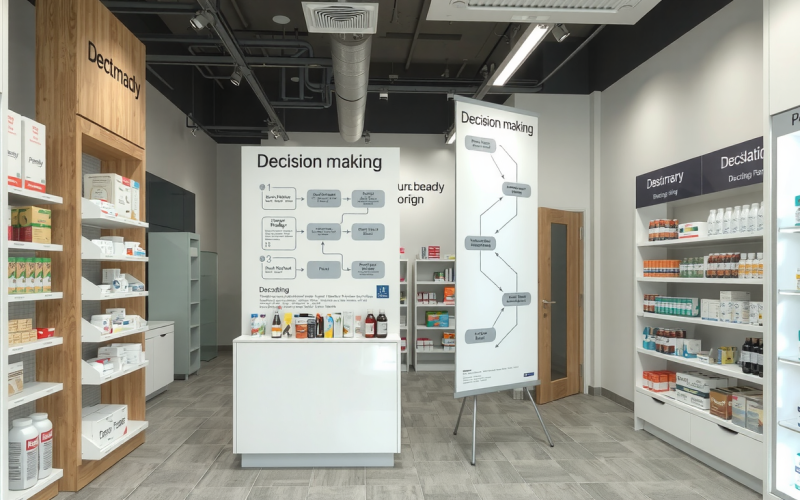
Introduction: Why Smart Fixture Design is Non-Negotiable for Modern Pharmacies
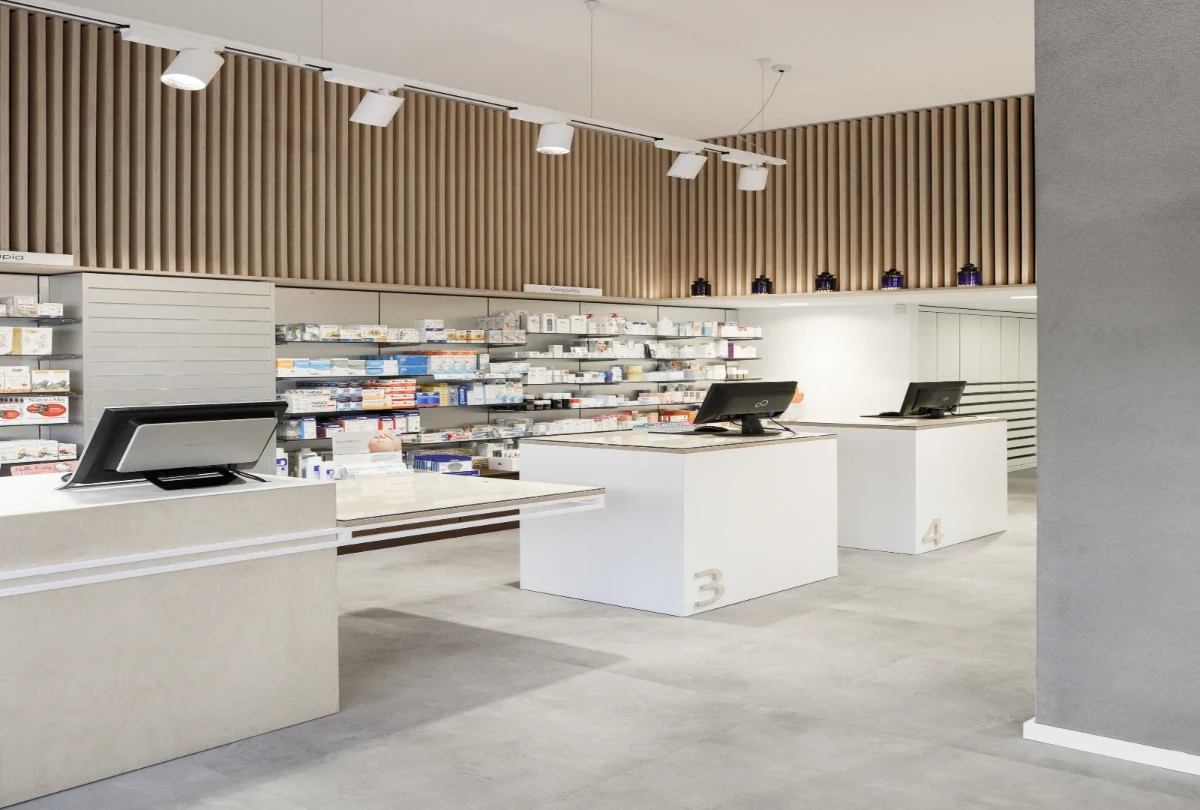
Pharmacy store fixtures are much more than shelves for holding products. They are the backbone of your business. A smart pharmacy store fixtures design directly affects how your staff works, patient safety, inventory control, and customer experience. Getting it right is not just about looking good. It is about building a safer, more efficient, and more profitable pharmacy.
Key Takeaways
- Fixtures Drive Efficiency: The right fixtures and layout reduce staff movement. They speed up prescription filling and minimize errors.
- Design Builds Trust: A clean, organized, and professional space created by quality fixtures makes patients feel safe. They feel confident in your services.
- Layout Boosts Sales: Smart placement of retail fixtures guides customers through the store. This encourages purchases of over-the-counter products.
- Compliance is Essential: Proper fixture design ensures you meet ADA requirements for accessibility. It also helps you follow HIPAA rules for patient privacy.
- Materials Matter: Choosing durable, clean, and easy-to-clean materials is critical. This ensures long life and maintains a professional appearance.
The benefits are clear. You can improve how your team works. You can make patients trust you more. You can manage your products better and increase sales. A complete approach to medicine shop interior design blends these fixtures into a seamless plan. This guide offers a blueprint from experts like Ouyee Display to help you make smart choices for your pharmacy’s future.
The Essential Fixtures: Building Blocks of an Effective Pharmacy
An effective pharmacy needs a mix of special fixtures for both the prescription area and the retail floor. Each piece has a specific job. Understanding these building blocks is the first step in a successful pharmacy store fixtures design.
The Dispensary (Rx Area) Fixtures
This is the secure, working core of your pharmacy. Fixtures here must focus on organization, security, and staff comfort.
-
Prescription Bays & Shelving: These units are designed for high-capacity storage of medications. They should allow for clear organization. Often they have sections for fast-moving drugs to help pharmacists find what they need quickly. Good design reduces physical strain.
-
Workstations & Compounding Areas: These surfaces must be durable and non-porous for easy cleaning and hygiene. They need built-in storage for tools and supplies. They also need excellent task lighting to ensure accuracy.
-
Narcotics Cabinets & Secure Storage: Security is the top priority here. These fixtures must meet all legal rules for storing controlled substances. A secure medicine display cabinet can also be used for high-value items that require both visibility and protection.
The Front-End (Retail Area) Fixtures
This is where your customers interact with products and staff. Fixtures here should be inviting and easy to navigate. They should be designed to drive sales.
-
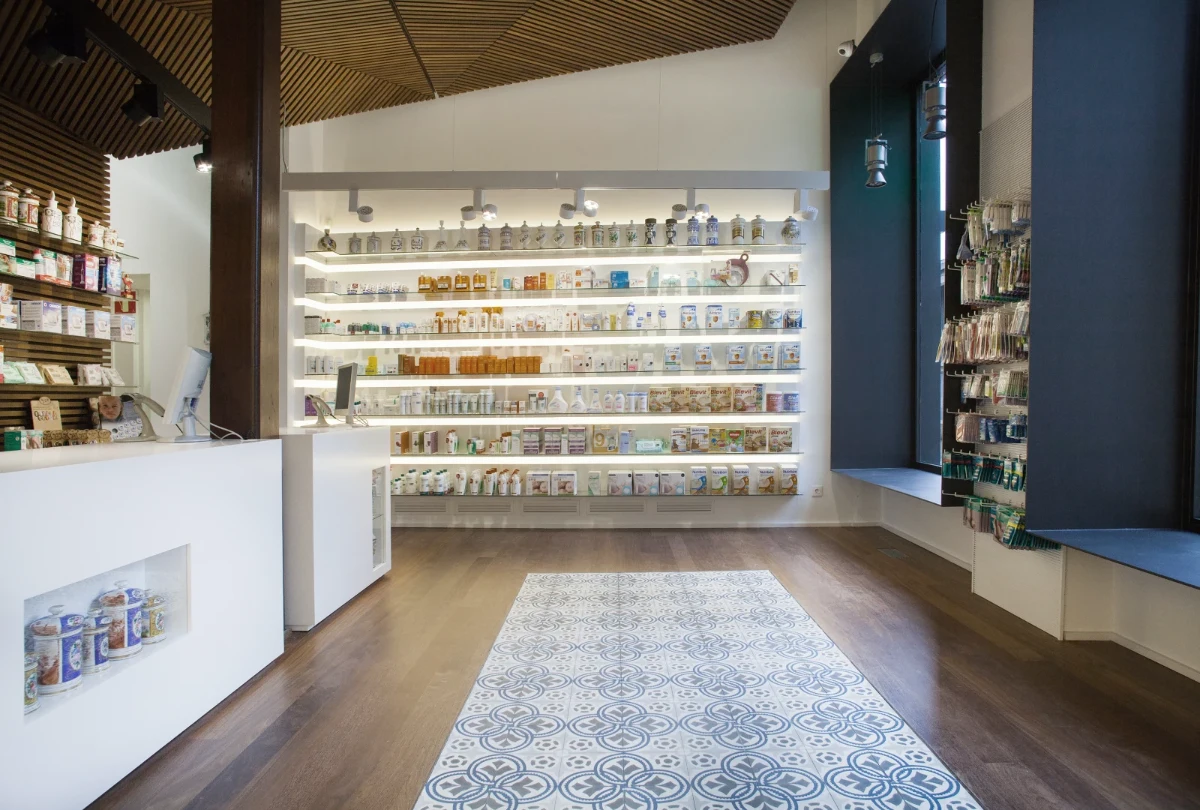
Gondola Shelving: These are the workhorses of the retail floor. They are versatile for displaying everything from vitamins to personal care items. Double-sided units create aisles. Single-sided units line the walls.
-
The Pharmacy Counter: This is your most important customer touchpoint. It serves for both transactions and private patient consultations. A well-designed pharmacy counter must meet ADA height rules. It must offer privacy and be made of durable, professional-looking materials.
-
Wall Units & Shelving: A smart pharmacy wall shelf system uses vertical space well. It helps display more products without cluttering the floor. It can add visual interest to the store.
-
Point-of-Sale (POS) Counters: Separate from the main pharmacy counter, these are designed for quick and easy retail transactions. Their goal is pure efficiency.
-
Waiting Areas & Consultation Booths: Fixtures in these areas, like comfortable seating and privacy panels, create a calm and private space for patients. This is crucial as pharmacies offer more clinical services.
Strategic Pharmacy Layout Design: Optimizing Flow, Compliance, and Sales
How you arrange your fixtures is just as important as the fixtures themselves. A smart layout improves how your staff works. It guides your customers and helps you meet legal rules. The goal of a good pharmacy store fixtures design is to create a space that works for everyone.
Key Layout Principles for Success
-
Workflow Triangle: Imagine a triangle connecting the prescription drop-off, the main workstations, and the pick-up counter. The goal is to make this path as short and efficient as possible. This reduces the number of steps your staff takes. It saves time and energy.
-
Patient Journey Mapping: Think about the path a customer takes. Ideally, they are gently guided from the entrance. They pass appealing retail displays toward the pharmacy counter at the back. This encourages browsing and increases the chance of impulse buys.
-
Compliance is Key: Your layout must follow important rules. This includes the Americans with Disabilities Act (ADA), which sets rules for aisle width and counter height. It also includes HIPAA, which requires patient privacy at consultation and payment areas. Even in smaller spaces, thoughtful layout is crucial. This is detailed in resources like Layout Small Pharmacy Design: Optimize Space & Flow – Accio.
Common Layout Models
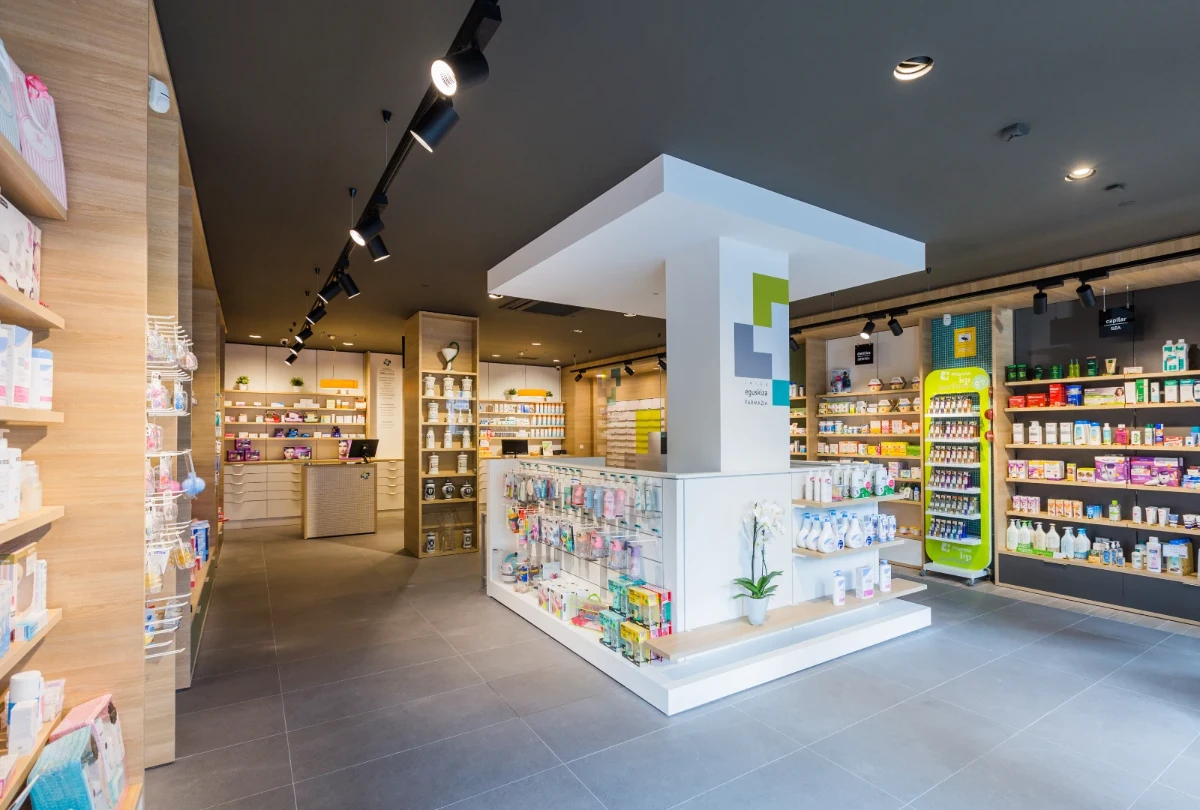
There are a few standard layouts that work well for pharmacies. The best one for you depends on your store’s size and shape.
-
Grid Layout: This traditional layout uses parallel aisles of gondola shelving. It maximizes product display space and is very familiar to shoppers. It works best in larger, rectangular stores.
-
Aisle/Corridor Layout: This layout creates a direct path from the entrance to the pharmacy counter. It is common in smaller or narrower pharmacies. The main goal is efficient prescription service.
-
Open Flow/Boutique Layout: This modern layout is less rigid. It uses curved aisles and varied fixture placement. It creates a more high-end, exploratory feel. It is great for pharmacies that focus on wellness, skincare, or other specialty products.
The Psychology of Fixture Design: Guiding Patient Behavior and Building Trust
Effective pharmacy store fixtures design goes beyond simple function. Your fixtures send powerful messages to your patients. They can build trust, reduce anxiety, and even encourage sales through subtle, psychological cues.
Communicating Professionalism and Cleanliness
Your fixtures are a reflection of your professional standards. Clean lines, organized displays, and high-quality materials project an image of competence and hygiene. Fixtures that are cluttered, damaged, or made of cheap materials can make patients question the quality of your care. Investing in well-made fixtures shows you care about details.
Using Fixtures to Reduce Patient Anxiety
A visit to the pharmacy can be stressful for some people. Thoughtful design can create a more calming atmosphere. A well-designed waiting area with comfortable seating helps patients relax. Soft lighting built into shelving or ceilings can soften a clinical feel. Clear, easy-to-read signs reduce confusion. They help patients navigate the space confidently.
Driving Retail Sales Through Strategic Display
Fixture placement directly influences what customers buy. Use end-caps—the shelves at the end of aisles—for promotions and seasonal items. Place high-margin products at eye level, where they are most likely to be seen. A well-lit medicine display cabinet can draw attention to premium skincare or health devices. This makes them seem more valuable. This shows how a smart pharmacy store fixtures design can boost your bottom line.

Choosing the Right Materials and Finishes for Your Pharmacy Fixtures
The materials you choose for your pharmacy furniture are a major decision. You need to balance appearance, durability, hygiene, and budget. The right materials will look good for years. They will stand up to the demands of a busy healthcare environment.
Experts often recommend materials that are durable and easy to clean. As noted in a guide on Premium Pharmacy Showroom Design & Custom Furniture Solutions, materials like engineered wood with moisture-resistant finishes are excellent choices.
Here is a comparison of common materials:
| Material | Pros | Cons | Best For |
|---|---|---|---|
| Laminate (HPL) | Affordable, wide color range, easy to clean. | Can chip, seams can collect dirt. | POS counters, retail shelving, workstations. |
| Solid Surface | Seamless, non-porous, very hygienic, repairable. | More expensive, can be scratched by sharp objects. | Pharmacy counters, compounding areas. |
| Wood/Wood Veneer | Warm, high-end look. | Can be scratched, requires more maintenance. | Boutique sections, consultation areas, accent walls. |
| Metal (Steel) | Very durable, modern look, easy to clean. | Can be cold/clinical, can show fingerprints. | Gondola shelving frames, secure storage units. |
| Glass/Acrylic | Creates an open feel, showcases products well. | Can break or scratch, requires frequent cleaning. | Display cases, cabinet doors, protective barriers. |
The colors and finishes you select also play a big role. Lighter colors can make a small space feel larger and cleaner. Wood tones can create a warmer, more welcoming atmosphere. Your choices should align with your brand and the feeling you want to create for your patients.
A Practical Guide to Planning and Executing Your Fixture Project
Starting a new build or renovation can feel overwhelming. Breaking the process down into clear steps makes it manageable. A thoughtful plan for your pharmacy store fixtures design will save you time, money, and stress.
Step 1: Define Your Vision and Budget
First, ask the big questions. What is the main goal of this project? Do you need to improve workflow? Do you want to increase retail sales or update a tired look? Who is your ideal customer? Finally, determine a realistic budget that covers design, fixtures, and installation.
Step 2: Measure Your Space and Create a Floor Plan
Accurate measurements are critical. Measure the entire space. Note the locations of doors, windows, and support columns. Create a simple sketch or use basic software to draw a floor plan. This will be the foundation for your entire layout.
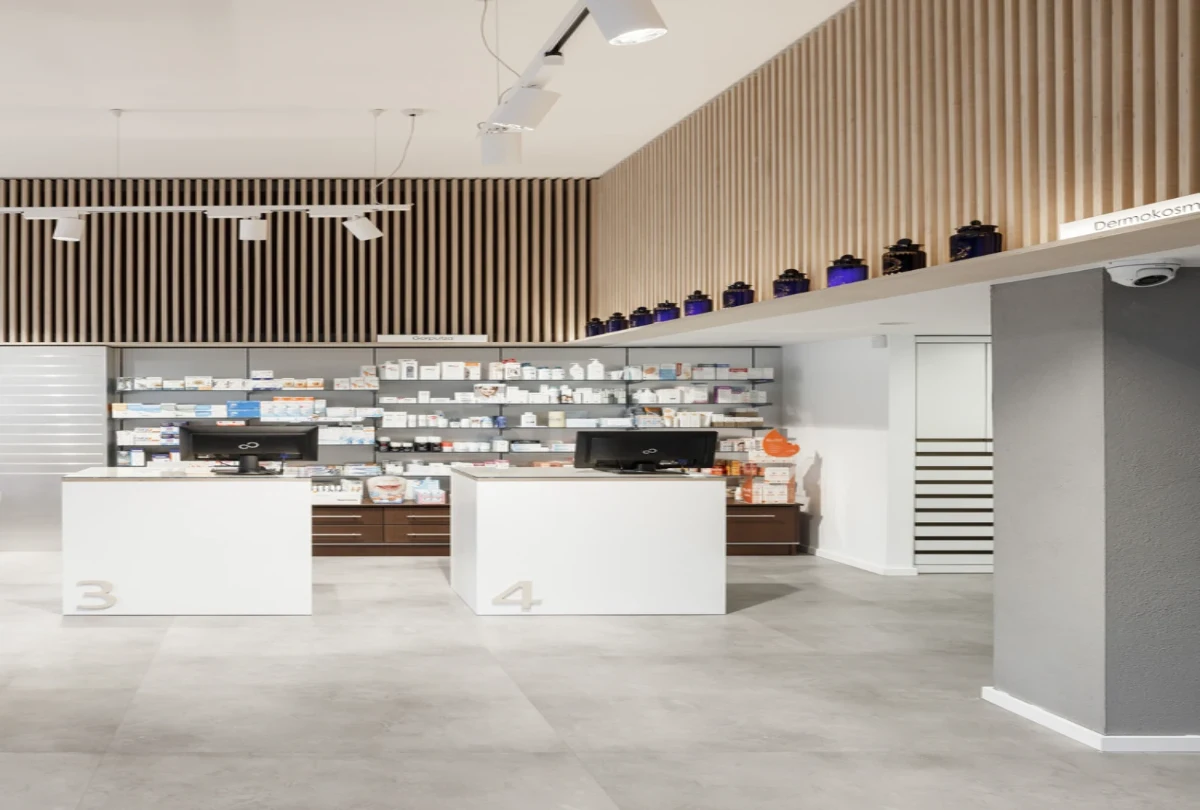
Step 3: Select a Design Partner
You do not have to do this alone. Working with a specialized pharmacy design company can be a game-changer. These firms have deep expertise in healthcare rules and workflow optimization. Their professional pharmacy design services ensure your space is compliant, efficient, and beautiful from day one.
Step 4: Finalize the Design and Fixture Selection
This is a collaborative step. Work with your design partner to refine the layout. Choose the specific fixtures, materials, and finishes that fit your vision and budget. Ask to see 3D renderings. These are computer-generated images that help you visualize the final space before anything is built.
Step 5: Manufacturing and Installation
Once the design is approved, the fixtures will be manufactured. Be sure you understand the lead times. Custom work can take several weeks. While the fixtures are being made, you can prepare the site. Handle any necessary construction, painting, or electrical work.
Step 6: Merchandising and Go-Live
After the fixtures are installed, the final step is to stock your shelves. This is called merchandising. Arrange your products in a logical, attractive way. With everything in place, you are ready to open your doors. You can welcome patients into your new and improved space.
Conclusion: Your Fixtures Are Your Foundation
In summary, a strategic pharmacy store fixtures design is a fundamental investment in your business’s success. It is not an expense but a tool that shapes every aspect of your operation. The right fixtures improve staff efficiency. They build patient trust, ensure regulatory compliance, and drive profitability.
The process requires careful planning. You must consider your layout, workflow needs, material choices, and the psychological impact of your design. By following the steps in this guide, you can create a pharmacy environment that is safe for patients. It will be efficient for staff and successful for you. Your fixtures are the foundation upon which a great pharmacy is built.
Frequently Asked Questions (FAQ) about Pharmacy Fixtures Design
Q1: How much does it cost to outfit a new pharmacy with fixtures?
A: Costs vary greatly. A small community pharmacy might spend between $15,000 and $30,000. A larger store or a high-end project with custom fixtures could easily exceed $100,000. The final price depends on the size of your space, the materials you choose, and the level of customization. It is vital to get detailed quotes based on a specific pharmacy design.
Q2: What is the most important fixture in a pharmacy?
A: While every fixture has a role, the prescription pick-up and drop-off counter is the most critical. This is the main point of interaction between pharmacists and patients. Its design directly affects workflow speed, patient privacy, and the overall customer experience. A functional and professional pharmacy counter is an investment that pays off every day.
Q3: How can I make a small pharmacy feel larger and more efficient?
A: To maximize a small space, think vertically. Use a tall pharmacy wall shelf to draw the eye upward and add storage. Choose light-colored materials and finishes to reflect light. Ensure the space is well-lit. Brightness creates a feeling of openness. A streamlined layout with clear, uncluttered aisles is also essential for both look and function.
Q4: Should I choose custom fixtures or standard, off-the-shelf options?
A: This depends on your budget, timeline, and needs. Standard fixtures are usually more affordable and available more quickly. Custom fixtures are often created as part of a complete pharmacy furniture package. They are made to fit your space perfectly. They allow for unique branding and can be designed to solve specific workflow challenges. Many pharmacies use a mix of both to balance cost and function.
Q5: What are the key trends in modern pharmacy store fixtures design?
A: Modern design is moving away from a cold, clinical feel. Trends include creating open, inviting “wellness centers” rather than just stores. There is a focus on integrating technology, like digital signs for information. Using sustainable, eco-friendly materials is also becoming more popular. Finally, designing dedicated, private consultation rooms is a major trend as pharmacies expand their patient care services.