Why Your Pharmacy Display Strategy is More Critical Than Ever
Today’s market is tough. A pharmacy must be more than a place to get prescriptions. It needs to be efficient, welcoming, and trustworthy. The right pharmacy store display stand is key to reaching this goal. These fixtures do more than store items. They guide customers, show important products, and shape the patient experience. This guide gives you a complete plan for picking and using the best display stands to grow your business.
Key Takeaways
- A pharmacy store display stand is a tool for sales, patient experience, and branding. It’s not just for storage.
- Key display types include gondola shelving, wall units, special cabinets, and the central medicine counter.
- Picking the right fixtures means looking at your space, product types, brand, and budget.
- The medicine counter is the most important spot. It needs a design that balances efficiency, privacy, and workflow.
- Smart merchandising can boost sales directly. This includes cross-merchandising and using endcaps.
- Working with a professional design partner ensures compliance, durability, and a unified store look.
The Anatomy of Pharmacy Displays: Key Types for a Modern Store
Understanding different display fixtures is the first step to creating an effective pharmacy layout. Each pharmacy store display stand has a specific job. Mixing them correctly will create a space that is easy for customers to navigate. It will also be efficient for your staff to manage.
Gondola Shelving: The Workhorse of Retail Space
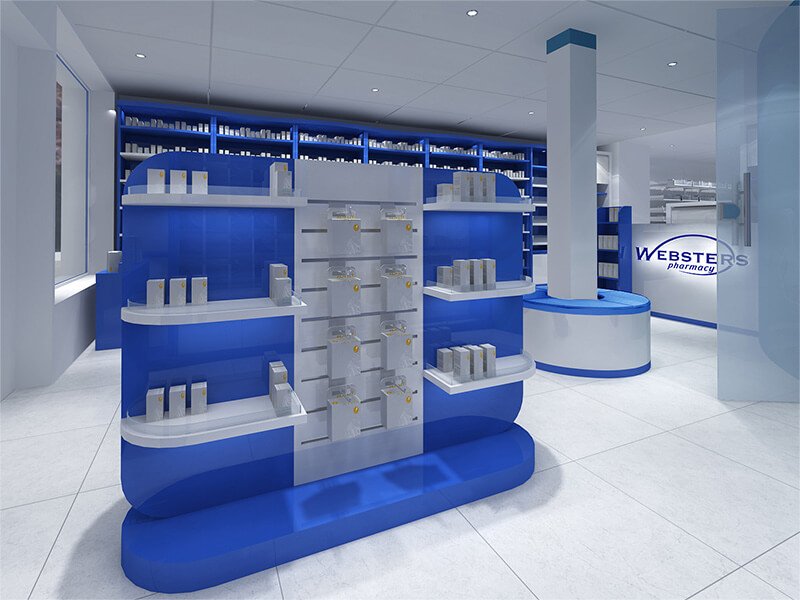
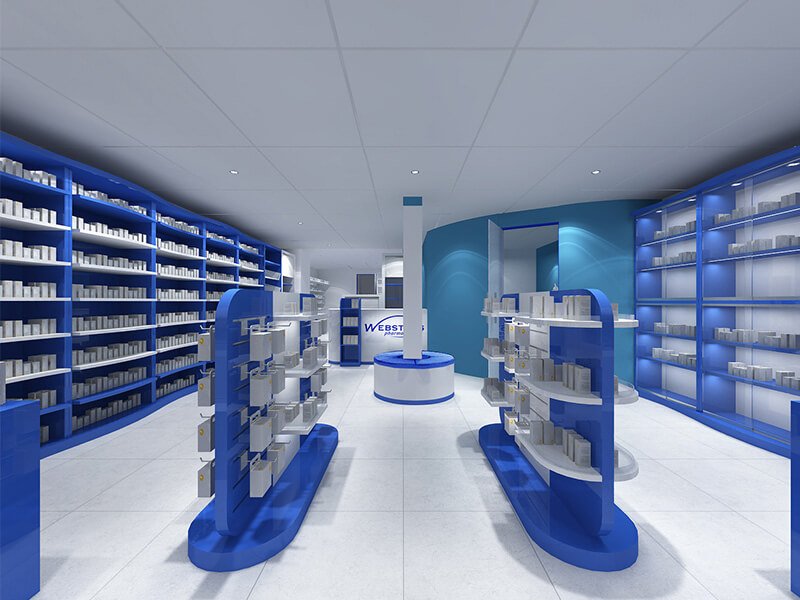
Gondola shelving is the most common and flexible type of display. These are the freestanding, double-sided shelves you see in the middle of a store. They work great for organizing many over-the-counter products, vitamins, personal care items, and first-aid supplies. You can adjust them to change your layout for seasonal sales or new products.
Wall Units and Shelving Systems
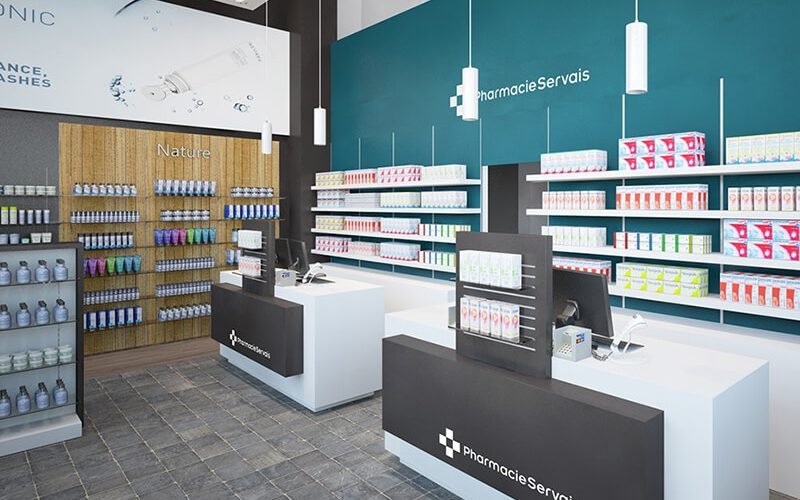
Wall units are essential for making the most of your store’s vertical space. They create clean, organized aisles. They’re ideal for defining different product categories. A well-designed pharmacy wall shelf can turn a simple wall into a powerful merchandising tool. These units draw customers deeper into the store. They help customers easily find what they need.
The Central Medicine Counter: Hub of Your Pharmacy
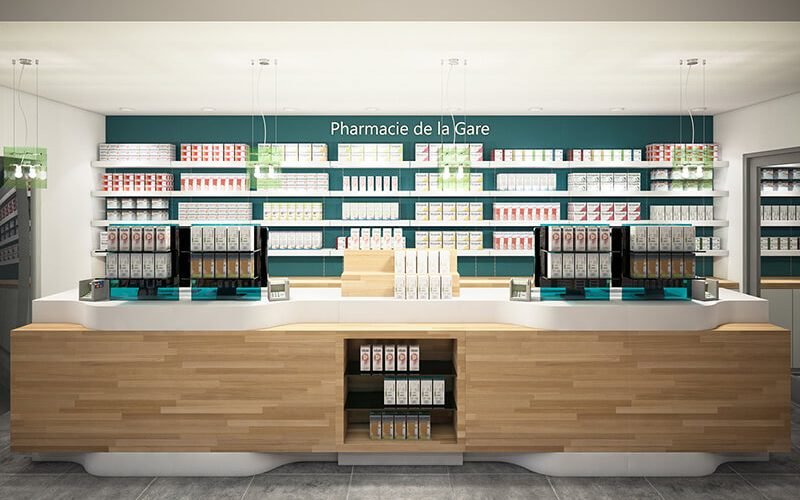
The medicine counter is the heart of your operation. It is much more than a simple checkout area. This is where prescriptions are dispensed and payments are made. Important pharmacist-patient talks happen here too. The design of your medicine counter directly impacts workflow, patient privacy, and customer trust.
Specialized Display Cabinets and Cases
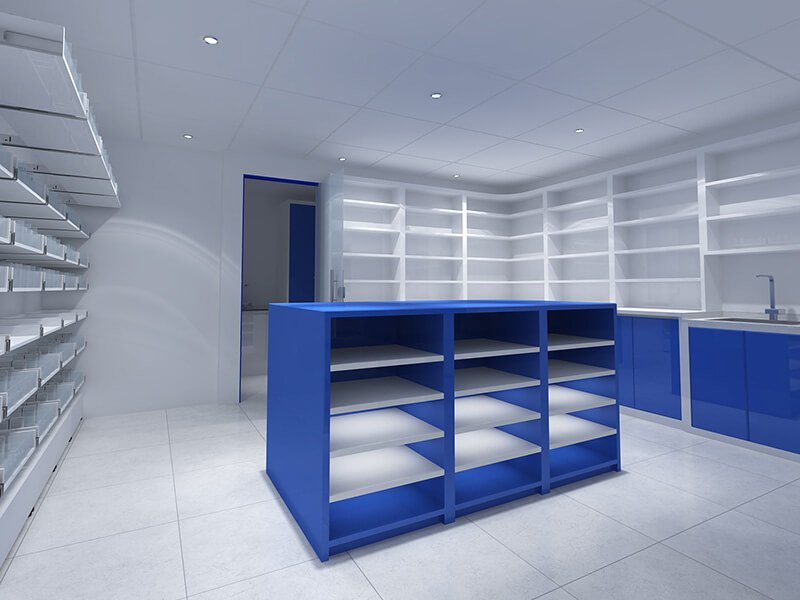
Some products need special handling. A secure medicine display cabinet is vital for high-value items. It’s also needed for controlled substances or products kept behind the counter. Glass-front cabinets allow visibility while keeping items secure. This protects your inventory and ensures patient safety.
Point-of-Sale (POS) and Impulse Buy Displays
The area around your checkout is valuable retail space. Small, countertop displays or slim fixtures near the waiting line are perfect for impulse buys. Think of items like lip balm, hand sanitizer, or travel-sized products. These small purchases can add up a lot over time.
Strategic Selection: A Framework for Choosing the Right Pharmacy Furniture
Choosing the right pharmacy store display stand goes beyond just filling space. It requires a smart approach. You need to consider your store, your products, and your customers. Following a clear framework ensures you invest in fixtures that provide real returns.
Step 1: Analyze Your Space and Customer Flow
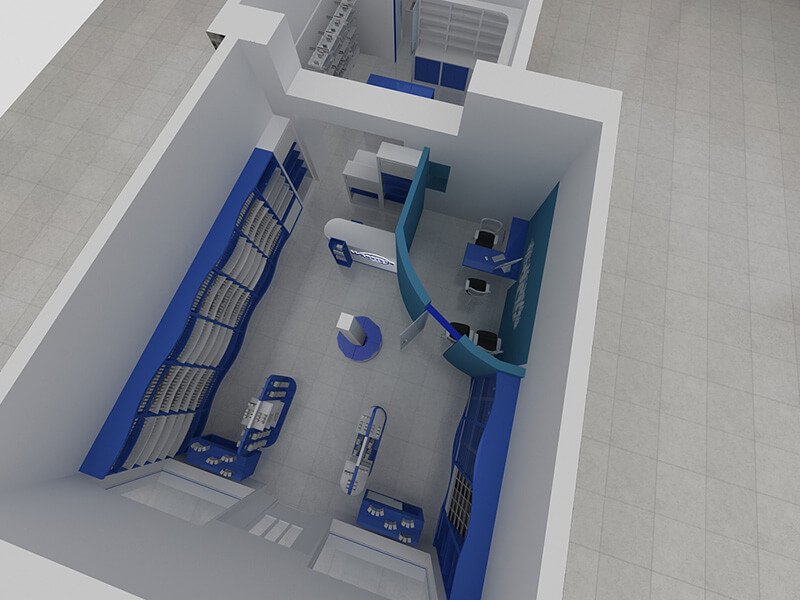
Start by measuring your floor plan. Understand the natural path customers take when they enter your store. Find high-traffic areas, like the path from the door to the pharmacy counter. Your layout must also follow the Americans with Disabilities Act (ADA). Make sure aisles are wide enough for all customers to navigate comfortably.
Step 2: Align Displays with Product Categories
Different products need different types of displays. High-volume over-the-counter medicines work well on accessible gondola shelves. Vitamins and supplements can be organized on wall units. High-end skincare or beauty products may benefit from display cases with better lighting. The prescription area needs secure, organized storage that customers cannot access.
Step 3: Consider Your Brand Identity and Desired Atmosphere
Your display choices help tell your brand’s story. Do you want your pharmacy to feel modern and clinical? Or warm and traditional? Metal and glass fixtures create a clean, modern look. Wood finishes can make a space feel more welcoming and upscale. A unified collection of pharmacy furniture reinforces your brand identity. It makes your store more memorable.
Step 4: Balance Budget with Long-Term Durability
Pharmacy fixtures are a long-term investment. It can be tempting to choose the cheapest option. But poor-quality materials may need frequent repairs or replacement. Consider the total cost of ownership. Durable materials like commercial-grade steel, high-pressure laminates, and solid wood may cost more upfront. But they will save you money in the long run.
Decision Matrix for Pharmacy Displays
To help simplify your choices, use this decision matrix.
| Display Type | Best For | Material Considerations | Key Strategic Question to Ask |
|---|---|---|---|
| Gondola Shelving | High-volume OTC products, vitamins, personal care | Powder-coated steel for durability, pegboard for versatility | How can I use these to create logical, easy-to-shop aisles? |
| Wall Units | Organizing categories, maximizing vertical space | Wood laminates for warmth, metal for a modern look | How can I use these to draw customers to the back of the store? |
| Medicine Counter | Prescriptions, payments, patient consultations | Non-porous surfaces (solid surface, laminate) for hygiene | Does the design support an efficient workflow and ensure patient privacy? |
The Role of the Medicine Counter: More Than Just a Transaction Point
We cannot overstate the importance of the medicine counter. It is the functional and emotional center of your pharmacy. A well-designed counter improves every aspect of your service. This includes how quickly prescriptions are filled and how comfortable patients feel asking sensitive questions.
Designing for Efficiency and Workflow
The layout of the medicine counter must support your team. Consider the workflow from prescription drop-off to pickup. There should be clear zones for data entry, filling, verification by the pharmacist, and patient pickup. Built-in storage, like drawers and shelving, should keep necessary supplies within arm’s reach. This minimizes wasted steps.
Ensuring Patient Privacy and Consultation
Patient trust is built on confidentiality. A counter design that promotes privacy is essential. This can be achieved with a semi-private consultation area at one end. You can also use a higher front panel or sound-absorbing materials. An effective pharmacy counter design is a cornerstone of patient care. It’s often a regulatory requirement. We find that a dedicated, lower-level section makes conversations more comfortable for seated customers or those in wheelchairs.
Integrating the Counter into Your Overall Pharmacy Design
The medicine counter should be a visual anchor in your store. Its materials and style should connect with the other display fixtures. This integration is a key part of professional pharmacy design. A unified look makes the entire space feel more professional and thoughtfully planned. This enhances customer confidence.
From Cluttered to Customer-Centric: Display Strategies That Boost Sales
Once you have the right pharmacy store display stand models, you need to use them strategically. Effective merchandising is about psychology. It involves guiding customers and making shopping intuitive. It also encourages them to discover new products.
The Power of Cross-Merchandising
Cross-merchandising is placing related products together. This simple strategy makes shopping more convenient for customers. It also increases the average transaction value. For example, place a display of tissues and vitamin C supplements next to cold and flu medicines. During summer, create a display that combines sunscreen, aloe vera, and lip balm.
Leveraging Endcaps for High-Margin Items
Endcaps are the displays at the end of gondola aisles. They are the most visible and valuable real estate in your store. Use them for seasonal promotions, new product launches, or high-margin items. Change them frequently to keep the store looking fresh. This gives customers a reason to see what’s new.
The Psychology of Shelf Placement
Where you place a product on a shelf has a huge impact on its sales. The most profitable items should be placed at eye level. This is between the customer’s waist and shoulders. Products placed at eye-level can see sales boosts of 10-20%. Place products for children on lower shelves where they can see and reach them. High-demand items can be placed on lower or higher shelves. Customers will look for them anyway.
Using Lighting and Signage to Guide and Inform
Good lighting and clear signs are crucial for a positive shopping experience. Use spotlights to highlight new or promotional displays. Use large, easy-to-read signs to clearly label each aisle and category. This reduces customer frustration. It helps them navigate the store independently. Thoughtful lighting is a key element of great medicine shop interior design.
Incorporating Promotional Displays
For short-term campaigns or brand promotions, temporary displays can be very effective. Custom cardboard medicine display stands are a cost-effective and lightweight solution. They can be placed in high-traffic areas to capture attention for a specific product or seasonal sale. This doesn’t require a permanent change to your store layout.
Finding the Right Partner: Working with a Pharmacy Design Expert
Designing a pharmacy involves more than just buying shelves. It requires knowledge of retail strategy, healthcare regulations, and workflow efficiency. Partnering with a specialist can save you time and money. It also ensures a better outcome.
A professional firm can provide a complete solution. This includes everything from the initial layout to manufacturing and installation. They understand how to create a space that is both beautiful and functional.
What to Look For in a Pharmacy Design Company
When choosing a partner, look for a few key things.
* A strong portfolio of past pharmacy projects.
* A deep understanding of healthcare regulations. This includes privacy and accessibility rules.
* The ability to provide end-to-end service, from design to manufacturing.
* Expertise in different materials to recommend the best options for durability and your budget.
Working with a specialized pharmacy design company ensures all these details are handled correctly. A reputable full-service supplier like Ouyee Display can manage the entire process. They deliver a pharmacy that is ready for success.
FAQ: Your Questions on Pharmacy Store Display Stands Answered
Here are answers to some common questions about choosing and using a pharmacy store display stand.
1. What material is best for a pharmacy store display stand?
The best material depends on its use. Steel is great for heavy-duty gondola shelving due to its strength. Wood or wood laminates create a warmer, more premium feel. They’re perfect for the main medicine counter or a wellness section. Acrylic is a good choice for modern, lightweight point-of-sale displays.
2. How much should I budget for pharmacy display fixtures?
Costs vary greatly based on store size, materials, and the level of customization. A small independent pharmacy might budget between $10,000 and $20,000. A larger store with fully custom fixtures could cost over $50,000. The best approach is to get a detailed quote based on your specific floor plan and needs.
3. What is the difference between a display stand and a medicine counter?
A pharmacy store display stand is a broad term for any fixture that holds products for sale. This includes shelves, racks, or cases. A medicine counter is a specific, highly functional fixture. It is the primary workspace for dispensing prescriptions, processing payments, and for direct interaction between the pharmacist and patients.
4. How can I make my pharmacy displays more accessible for all customers?
To improve accessibility, ensure your aisles are at least 36 inches wide to accommodate wheelchairs. Place popular products at a height that is reachable for most people. Use clear, large-print signs. Finally, make sure your medicine counter includes a lower section for seated customers.
5. Where can I see examples of different pharmacy display options?
Working with a design firm is a great start. You can also explore large business marketplaces to see a wide variety of fixture styles. Looking at pharmacy point-of-sale display options on these platforms can give you inspiration. You’ll find ideas for materials, designs, and configurations for every part of your store.