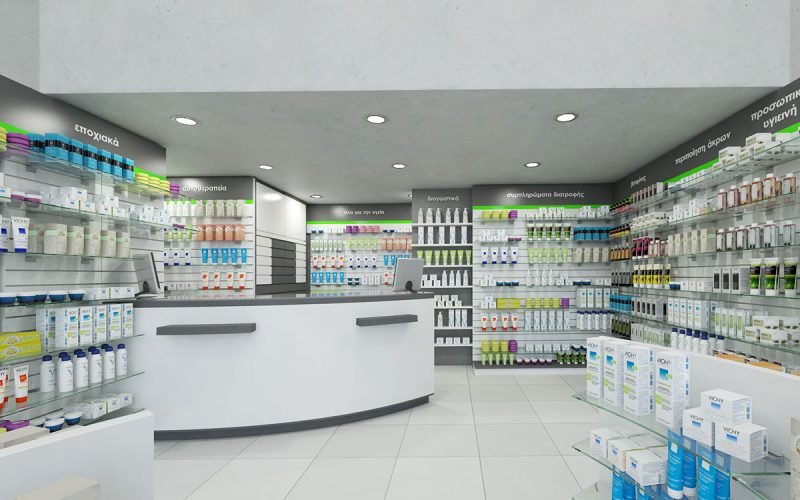
Pharmacy display cabinets do more than just store items. They are key to your pharmacy’s success. These fixtures affect how well your staff works. They also impact how secure your products are and how customers feel in your store. The right choice can improve workflow and boost sales. It can also build a strong brand image. This guide will cover everything you need to know. We will explore the different types of cabinets and key materials. We will also look at essential features and how they all fit into a complete store design.
Key Takeaways
- Function Over Form: The main role of pharmacy cabinets is to improve workflow. They ensure medication security and provide organized storage.
- Know Your Types: Different areas of a pharmacy need specific cabinet types. This ranges from retail stands for promotions to secure counters for dispensing.
- Material Matters: The material you choose affects many things. Wood, metal, glass, or laminate each impact durability, appearance, maintenance, and cost.
- Essential Features: Look for features like integrated lighting and strong locks. Adjustable shelves also help maximize the value of your investment.
- Cohesive Design: Your cabinets should be part of a larger design plan. This guides customer flow and reinforces your brand identity.
Understanding the Core Types of Pharmacy Display Cabinets
Choosing the right pharmacy display cabinets starts with knowing your options. Each type serves a specific purpose. They range from attracting customers in the retail area to securing medications behind the counter. Understanding these types helps you create a functional and organized space.
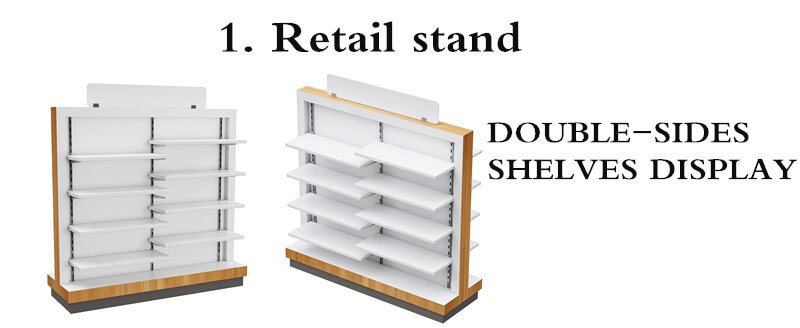
1. Retail Stand
Retail stands are freestanding units. They are usually placed in the main shopping area of the pharmacy.
These stands are perfect for promoting over-the-counter products. You can use them for seasonal items, health supplements, or special deals. Their goal is to be easy for customers to access and to grab their attention quickly.

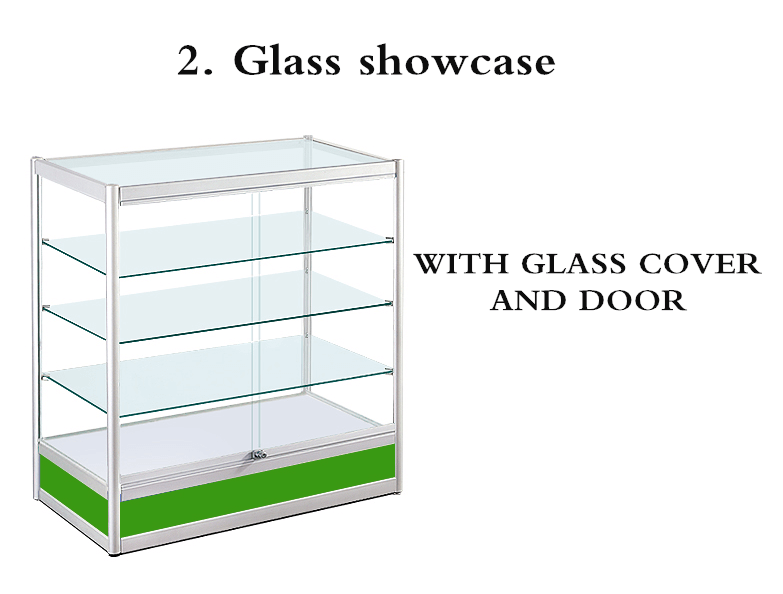
2. Glass Showcase
A glass showcase is an enclosed cabinet with clear glass panels. This design offers great visibility for your products.
They are ideal for displaying high-value items. This includes premium cosmetics or electronics. They are also used for products that need both visibility and security. Most glass showcases come with locks and internal lighting. This makes products look their best.
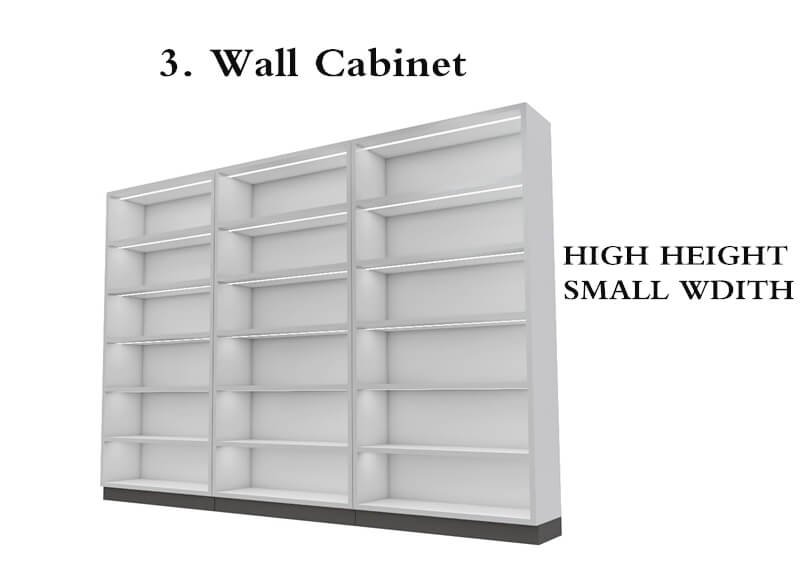
3. Wall Cabinet & Shelving
Wall-mounted units are key for using vertical space. This is especially important in smaller pharmacies. A well-designed pharmacy wall shelf system keeps the area neat and organized.
These cabinets are used behind the counter to store prescription drugs. They can also be used along retail walls to display general health products. They keep the floor clear and make the space feel larger.
4. Apothecary Counter / Pharmacy Counter
The pharmacy counter is the main workstation for pharmacists. It is where they prepare prescriptions and serve customers.
A modern pharmacy counter combines storage, dispensing tools, and a customer service point. It is designed to support an efficient workflow for staff. Many also have built-in technology ports and secure drawers.
5. Traditional Chinese Medicine (TCM) Cabinet
This is a special type of apothecary cabinet. It is designed with many small, identical drawers.
Each drawer is used to store a single type of herb for Traditional Chinese Medicine. These cabinets are highly functional for a TCM practice. They also have a unique, traditional look. They are often made from beautiful solid wood.
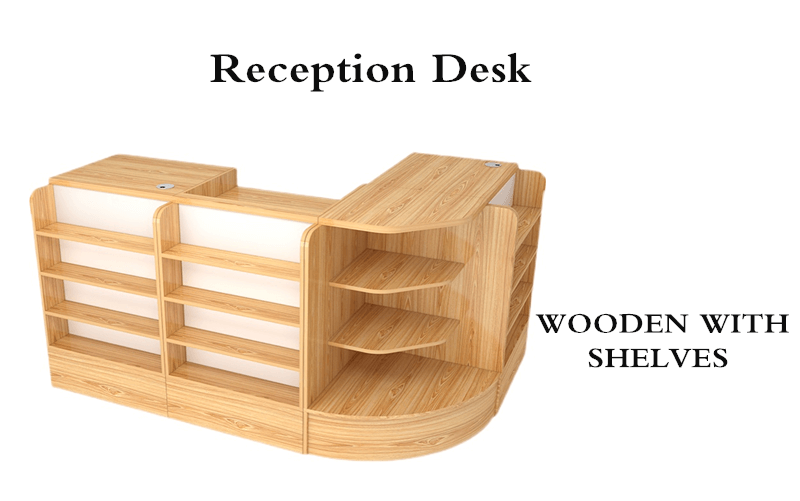
6. Reception Desk
The reception desk is often the first and last place a customer visits. It works as an information hub and a checkout counter.
The design should be welcoming and match your pharmacy’s brand. Many reception desks include small display areas for impulse-buy items. This includes lip balm or hand sanitizer. This helps increase last-minute sales.
A Practical Guide to Pharmacy Display Materials

The material of your pharmacy display cabinets affects their look, lifespan, and cost. Choosing the right one depends on your budget, style, and how the cabinet will be used. When you look at a medicine display cabinet, its material is one of the first things you notice.
Wood and Wood Veneers (Timeless and Warm)
Wood gives a classic, professional, and welcoming feel. It can make a clinical space feel more comfortable for customers. Solid wood is very durable. Veneers offer a similar look for a lower cost.
However, wood can be more expensive than other materials. It can also be damaged by moisture or scratches if it is not finished properly. It is best for apothecary counters, feature displays, and pharmacies aiming for a traditional look.
Metal (Modern and Durable)
Metal offers a sleek, modern look. This includes stainless steel or powder-coated aluminum. It is extremely durable and can handle heavy use in high-traffic areas.
Metal is also very easy to clean and sanitize. This makes it a great choice for healthcare settings. On the downside, it can sometimes feel cold or clinical. It may also show fingerprints easily. This requires frequent wiping. Metal is perfect for back-of-house storage, modern interiors, and dispensing counters.

Glass (Visible and Secure)
Glass provides the best product visibility. It makes a space feel open and bright. It is an excellent material for retail showcases where you want customers to see products clearly.
The main weakness of glass is that it can break. For safety, it is very important to use tempered glass. This is much stronger. A thickness of 5mm or more is a common safety standard for public fixtures. Glass also needs constant cleaning to look good. It is best for showcase doors, shelves, and protective barriers at the counter.
Laminates and Solid Surfaces (Versatile and Hygienic)
Laminates and solid surfaces are man-made materials. They come in a huge variety of colors, patterns, and finishes. This makes it easy to match your brand’s style.
These materials are often more budget-friendly than wood or metal. They are non-porous. This means they do not absorb liquids. This makes them easy to clean and very hygienic. The main drawback is that they can chip or peel over many years of heavy use. They are ideal for countertops, high-use surfaces, and achieving a specific color scheme without a high cost.
| Material | Pros | Cons | Best Use Case |
|---|---|---|---|
| Wood/Veneer | Warm, classic look; durable | More expensive; can be scratched | Apothecary counters, traditional designs |
| Metal | Extremely durable; modern; easy to clean | Can feel clinical; shows fingerprints | High-traffic areas, modern pharmacies |
| Glass | Maximum visibility; feels open | Fragile (use tempered); needs cleaning | Retail showcases, cabinet doors |
| Laminates | Budget-friendly; many colors; hygienic | Can chip over time; less premium feel | Countertops, high-use surfaces |
Essential Features to Look for in Your Pharmacy Cabinets
Beyond the basic type and material, certain features make pharmacy display cabinets truly effective. These details can improve security, efficiency, and the overall customer experience. Think of this as a checklist for your next purchase.
-
Security and Locking Mechanisms: Secure locks are not optional. They are a necessity. This is especially true for cabinets that store controlled substances. Options range from simple key locks to advanced digital keypads. These create an audit trail of who accessed the cabinet and when. Modern and secure sliding glass display cabinets often incorporate advanced locking systems and durable materials for added protection.
-
Integrated LED Lighting: Good lighting is critical. It helps pharmacists read labels correctly. This reduces the chance of errors. For retail displays, LED lighting makes products look more appealing. It can draw a customer’s eye to specific items. It also uses less energy than older types of lighting.
-
Modularity and Adjustability: Your pharmacy’s needs will change over time. Your inventory will grow. You may need to rearrange your space. Modular units that can be moved and reconfigured are a smart investment. Adjustable shelves also allow you to easily adapt your storage for different-sized product packages.
-
Compliance and Regulations: Pharmacy operations are guided by strict rules. Your cabinets must help you stay compliant. This can mean having lockable storage for narcotics. It might even mean special refrigerated cabinets for medications that need temperature control. Always check your local and national pharmacy board regulations.
-
Ergonomics and Workflow: The design of a cabinet directly impacts staff comfort and efficiency. From years of experience, we know that a counter at the wrong height can cause problems. Poorly placed drawers can cause back pain and slow down service during a busy shift. Good ergonomic design supports a smooth workflow. This means happier staff and faster service for patients.
Integrating Cabinets into a Cohesive Pharmacy Design
Your pharmacy display cabinets should not be chosen in isolation. They are a key part of your overall store environment. The right pharmacy furniture does more than just store things. It helps define your space and your brand.
The style, color, and placement of your cabinets are central to a successful medicine shop interior design. A clean, modern design with metal and glass cabinets sends a different message. This differs from a warm, traditional design with wood fixtures. Your choices should reflect the image you want to project.
A well-planned layout is also crucial. The arrangement of your cabinets and shelves guides how customers move through your store. It should create a clear path from the entrance to the retail sections and the pharmacy counter. This improves customer flow and makes the shopping experience more pleasant.
To ensure all these elements work together, it is wise to partner with a professional. An experienced pharmacy design company can help you create a beautiful and functional space. As experts note, custom pharmacy shelving and fixture providers can work with you to create a layout that optimizes your specific floor plan.
Partnering with an Expert for Quality Pharmacy Furniture
Choosing and sourcing high-quality fixtures is a major investment in your business. It is important to find a partner with proven expertise in the field. Look for a company that has deep experience in pharmacy furniture.
A reliable supplier like Ouyee Display can guide you through the entire process. This includes everything from the first design ideas to manufacturing and global delivery. Working with an expert ensures your vision for the pharmacy becomes a reality.
The benefits are clear. You get access to better materials and superior craftsmanship. You also get smart designs. The final result is furniture that is not only beautiful but also highly functional and built to last.
FAQ about Pharmacy Display Cabinets
Here are answers to some common questions about choosing and using pharmacy display cabinets.
1. How much do pharmacy display cabinets cost?
The cost can vary a lot. It depends on the material, size, and any custom features. Special lighting or security locks affect the price. For example, a simple retail stand might cost a few hundred dollars. A large, custom-built apothecary counter could cost several thousand dollars or more.
2. How do I maintain and clean my display cabinets?
Maintenance depends on the material. For wood and laminates, use a soft, damp cloth. Avoid harsh chemicals. For glass, a standard glass cleaner works well. For stainless steel, use a cleaner made for that material to prevent streaks. Always check the manufacturer’s care guide.
3. What are the key security requirements for pharmacy cabinets?
Cabinets that store controlled substances must be securely locked. They should also be made of a strong, substantial material. This stops unauthorized access. The specific rules can change by region. It is vital to check with your local pharmacy board regulations to ensure you are compliant.
4. Can I get custom-made pharmacy display cabinets?
Yes, absolutely. Many manufacturers specialize in creating custom solutions. They can design and build cabinets to fit your exact space. They also consider workflow needs and brand style. A custom approach is often the best way to make the most of your space. It helps create a unique store environment.
5. What is the difference between an apothecary cabinet and a standard medicine cabinet?
A traditional apothecary cabinet is known for having many small, uniform drawers. These were historically used to store individual herbs and ingredients. A modern medicine or pharmacy cabinet is more versatile. It usually has a mix of shelves, larger drawers, and open spaces. These are designed for today’s pre-packaged medications and pharmacy workflows.
Conclusion
Choosing the right pharmacy display cabinets is a strategic decision for any pharmacy owner. It requires balancing appearance, function, security, and budget. These fixtures are a core part of your daily operations and your brand.
By carefully considering the different types, materials, and essential features discussed in this guide, you can make an informed choice. An investment in high-quality, well-designed pharmacy display cabinets pays off. It leads to better efficiency for your staff. It creates a safer environment for your products. It also provides a more welcoming experience for your customers.