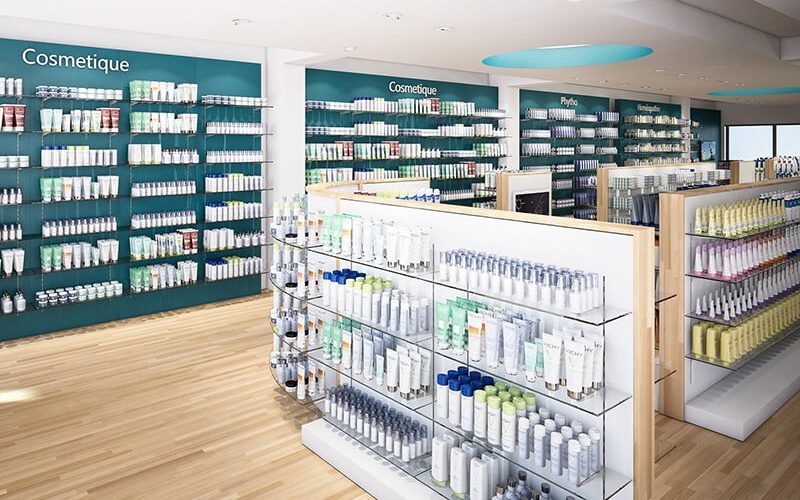
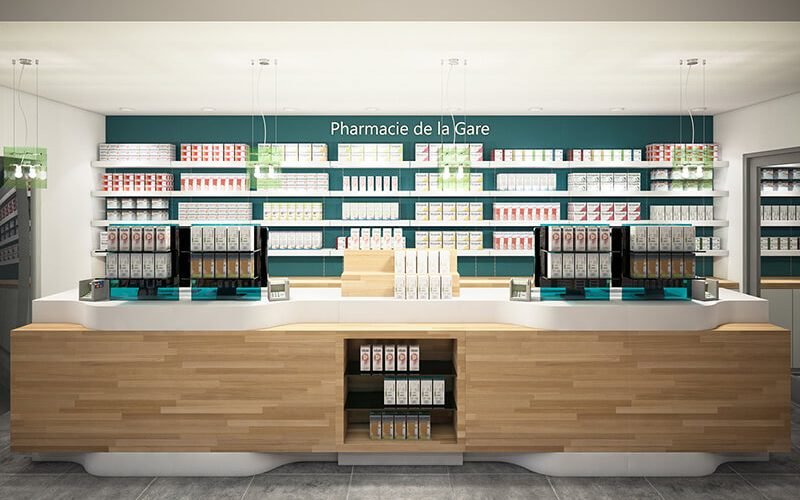
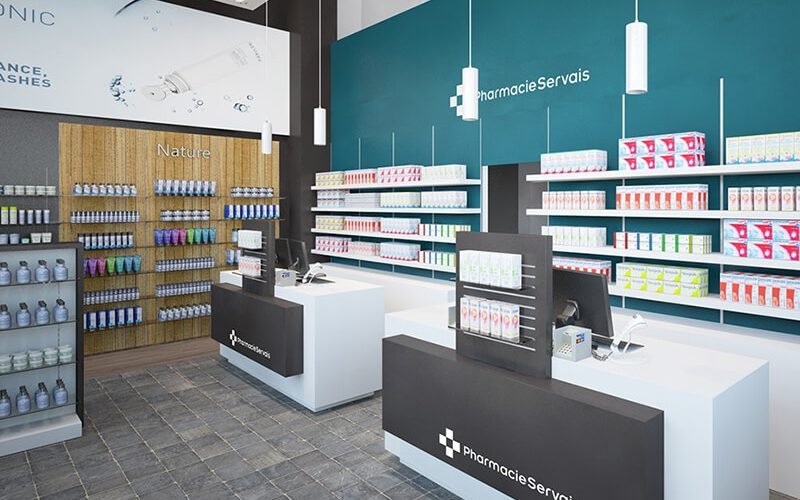
Old, cold pharmacies are a thing of the past. Today’s pharmacies are becoming community wellness hubs. They are bright and welcoming. They focus on the patient. A smart modern pharmacy inside furniture layout design is key to this change. It’s not just about shelves and a counter anymore. It’s a vital tool that affects how well your staff works. It keeps patients safe. It improves the customer experience. It boosts your profits. Great pharmacy design finds the perfect balance. It looks professional but feels friendly. This is where an expert partner like Ouyee Display can offer great value. A complete medicine shop interior design plan covers everything. It looks at patient flow. It studies staff work patterns. It considers furniture choices. It reflects your brand’s style.
Key Takeaways
- A modern pharmacy layout must focus on three pillars. These are patient-centric flow, operational efficiency, and building brand trust.
- The “Dual-Funnel” layout is a key strategy. It plans separate paths for customers and staff. These paths don’t conflict. This improves everyone’s experience.
- Choosing the right furniture for each zone is critical. This includes retail, dispensing, and waiting areas. Function, hygiene, and durability matter.
- Future-proof your design. Add wellness service areas. Integrate technology like self-service kiosks and digital signs.
- Working with a professional design company helps. They ensure your layout is efficient and compliant. It also reflects your brand.
The 3 Pillars of a Successful Modern Pharmacy Layout
We see these three pillars as the guiding philosophy for any pharmacy project. You might be building new or updating an old space. These principles will lead to success. A strong modern pharmacy inside furniture layout design is built on this foundation.
Pillar 1: Patient-Centric Flow
The customer’s journey begins when they walk in. Your layout should create clear paths for them to follow. This reduces confusion and wait times.
Privacy is very important. This is especially true at consultation points and the prescription counter. Products should be easy to find and reach. Industry analysis shows that Modern pharmacy interior design solutions focus on creating spaces that are open, organized, and well-lit. This makes patients feel comfortable and safe.
Pillar 2: Operational & Workflow Efficiency
This pillar focuses on your staff. A smart layout makes their jobs easier and more efficient. Think about the “golden triangle” of pharmacy work. This includes prescription drop-off, the dispensing station, and the pick-up counter.

The goal is to design a space that reduces staff steps. This speeds up service. Most importantly, it helps reduce errors. Studies show that well-designed workflows can cut dispensing errors. They also decrease patient wait times. An efficient layout is a core part of a safe pharmacy.
Pillar 3: Brand Identity & Trust
Your physical space sends a powerful message. It tells patients if your pharmacy is professional, clean, and caring. The layout and furniture design are major parts of your brand.
Color choices, lighting, and materials all play a role. Soft, calming colors can reduce anxiety. Bright, clean lighting shows professionalism. High-quality materials build a sense of trust and permanence. Your modern pharmacy inside furniture layout design should communicate your commitment to health and wellness.
The Dual-Funnel Layout: A Blueprint for Patients and Staff
A successful pharmacy has two main “funnels” of movement. One is for patients. The other is for staff. These two paths must exist together without causing friction. They can’t get in each other’s way. This dual-funnel approach is a core concept for an effective modern pharmacy inside furniture layout design.
We often hear pharmacists complain about common issues. They mention long walks between the fast-moving drug shelves and the verification station. They talk about cramped dispensing areas where mistakes can happen. They note how customer lines can block access to over-the-counter (OTC) aisles. The dual-funnel layout solves these problems. It plans for both journeys from the start.
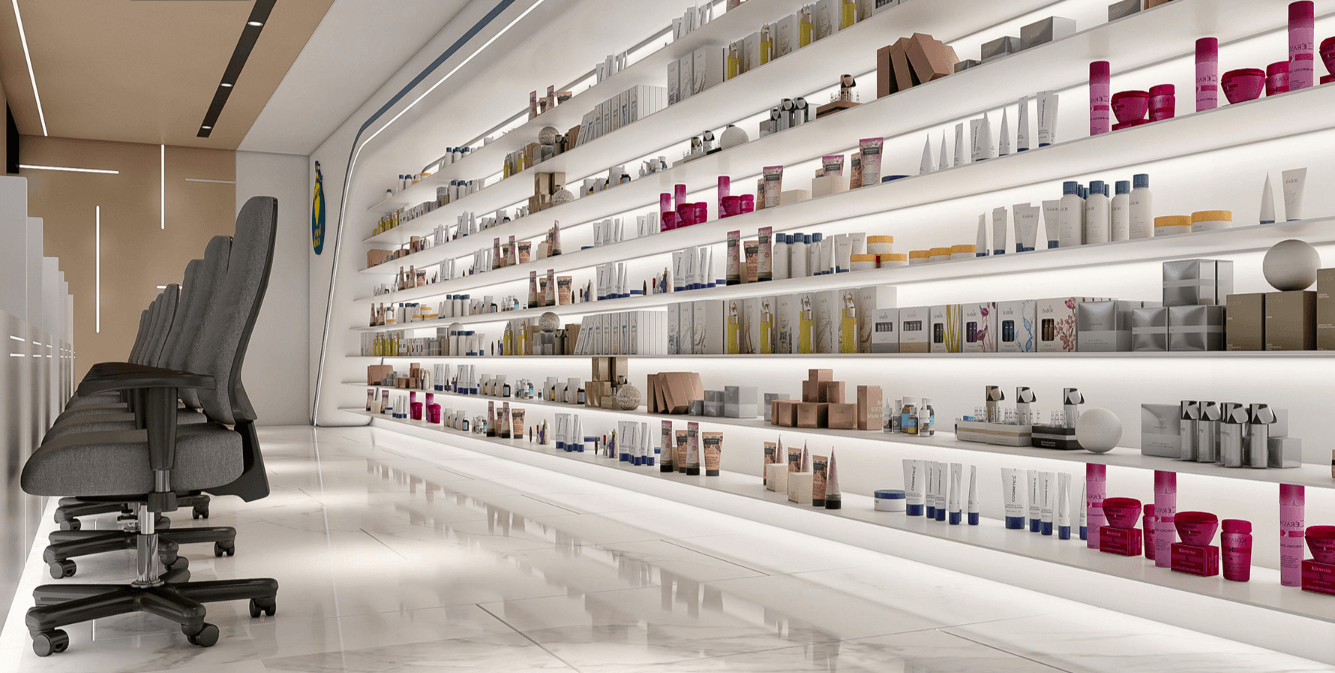
Mapping the Patient Journey
This is the path your customer takes through the front of your store.
- Step 1: Entry & Greeting: The entrance should be open and welcoming. There should be a clear view of the main areas.
- Step 2: Navigation & Browsing: Wide aisles and clear signs help patients find what they need. They should easily see the retail sections and the prescription counter.
- Step 3: Consultation & Prescription Drop-off: This area needs privacy. Use semi-private nooks or a counter design that shields conversations.
- Step 4: Waiting: The waiting area must be comfortable and clean. Offer good seating with enough space for personal belongings.
- Step 5: Pick-up & Payment: This should be an efficient and discreet process. A separate pick-up line can prevent crowding.
Mapping the Staff Workflow
This is the path your team takes behind the counter to work efficiently.
- Step 1: Intake: The station for receiving new prescriptions should be well-organized. It needs easy access to computers and scanners.
- Step 2: Dispensing: This is the main work area. All tools, computers, and common drugs should be within arm’s reach. A well-designed pharmacy counter is the foundation of this zone.
- Step 3: Verification: A pharmacist needs a quiet, dedicated space to check prescriptions. This area should be separate from the busy dispensing zone. This prevents errors.
- Step 4: Storage & Inventory: Drug storage must be logical. Use organized systems for fast retrieval of medications. This is a key part of an efficient pharmacy layout.
- Step 5: Hand-off & Counseling: The counter design should allow the pharmacist to speak privately with the patient. This builds trust and ensures proper counseling.
Essential Pharmacy Furniture: A Zone-by-Zone Breakdown
Choosing the right furniture is about more than just looks. When selecting your pharmacy furniture, you must think about durability, hygiene, and function. Each piece should support the goals of your modern pharmacy inside furniture layout design. Let’s break down the key furniture by zone.
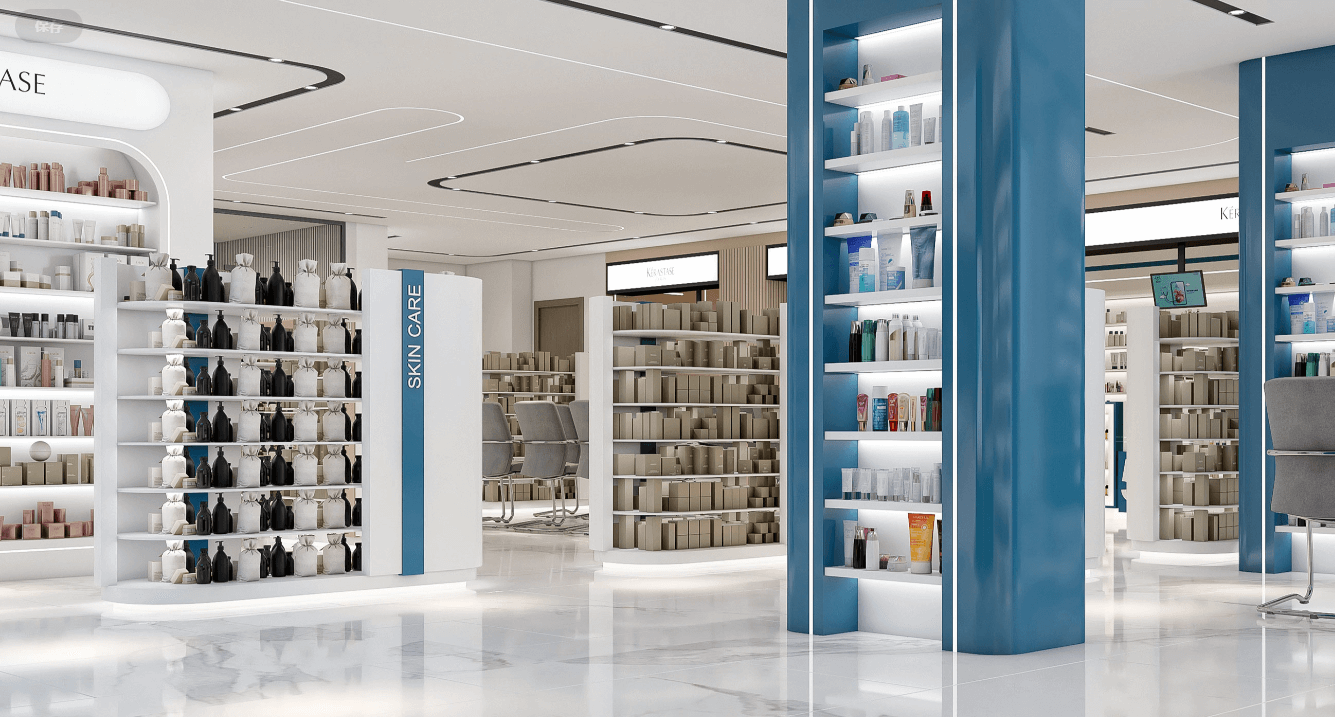
The Welcome & Retail Zone
This is the first area your patients see. It should be inviting and easy to shop.
- Gondola Shelving: These are the workhorses of the retail floor. Use them for OTC products, vitamins, and personal care items. Keep them at a height that allows for clear sightlines across the store.
- Medicine Display Cabinet: For high-value items, vitamins, or specialized products, a secure cabinet is essential. A custom medicine display cabinet with good lighting can make these products stand out. It makes them feel more premium.
- Promotional Displays: Use end caps and island displays near the front of the store. These are perfect for seasonal items, sales, or high-margin products you want to feature.
The Prescription & Dispensing Zone
This is the operational heart of your pharmacy. Every piece of furniture must be designed for efficiency and safety.
- The Pharmacy Counter: This is the most important piece of furniture. It must be durable, easy to clean, and spacious. A modern pharmacy counter often has several stations. These include separate spots for drop-off, payment, and private counseling. All are integrated into one seamless unit.
- Pharmacy Wall Shelf Systems: This is where you organize prescription medications. A modular pharmacy wall shelf system is a smart choice. It allows you to change the layout as your inventory or needs change over time.
- Dispensary Benches & Casework: This is the primary workspace for your pharmacists. Surfaces must be non-porous and easy to sanitize. The design should be ergonomic. This reduces strain on staff during long shifts. This is a critical component of a functional modern pharmacy layout.
The Consultation & Waiting Zone
This area is all about patient comfort and privacy.
- Private Consultation Booths/Rooms: If space allows, a dedicated room for private conversations is ideal. Furnish it with a small desk and comfortable chairs. This creates a professional and confidential setting.
- Waiting Area Seating: Choose chairs or benches that are durable and easy to clean. Upholstery should be antimicrobial. Arrange seating to allow for personal space and easy access for all patients.
- Informational Displays: Use digital screens or literature racks to provide health information, wellness tips, or store promotions. This can make the wait feel shorter and more valuable for patients.
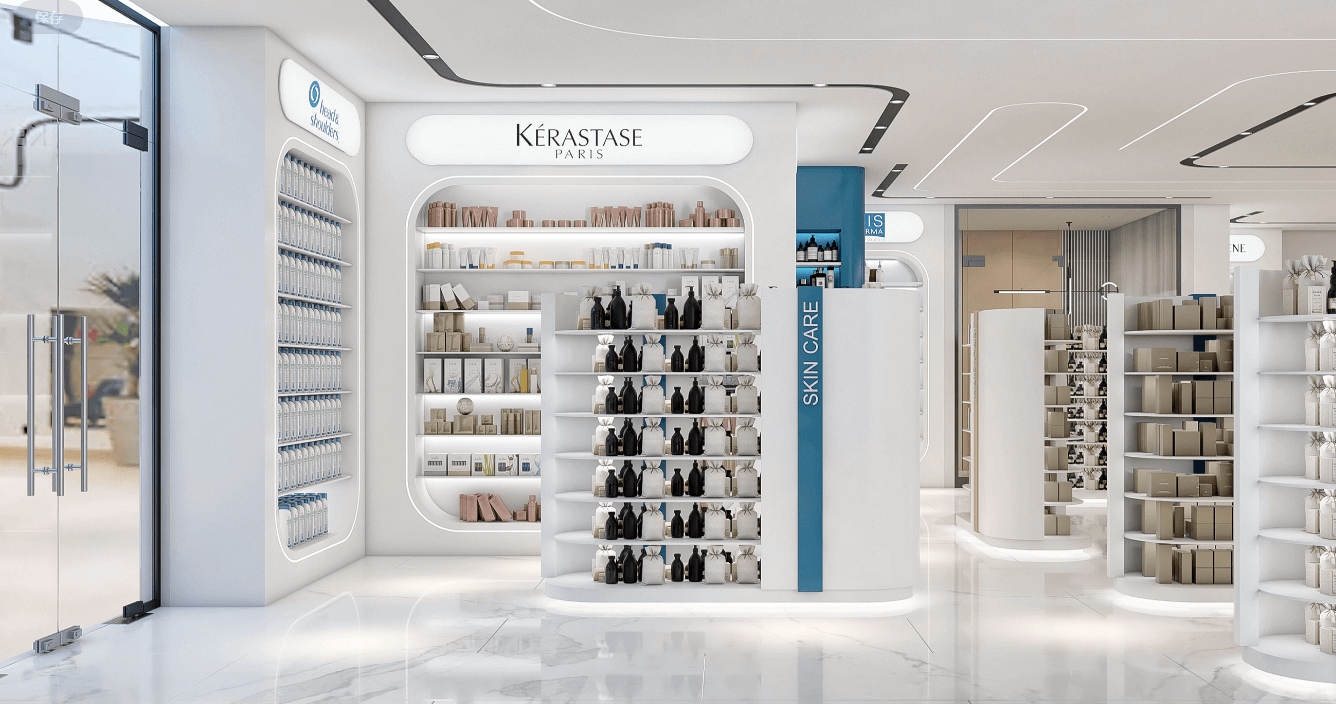
Beyond the Counter: Designing for Wellness and Technology
A truly modern pharmacy inside furniture layout design thinks beyond just dispensing pills. It creates a space for health services and uses technology to improve the customer experience. This is how you can stand out from the competition and build a loyal patient base.
This forward-thinking approach separates a basic drugstore from a true wellness destination. Modern pharmacies that transmit innovation often use clean lines and advanced materials. This creates a sophisticated, tech-forward look that builds patient confidence.
Creating Dedicated Health Service Areas
Think of these as “shop-in-shop” concepts within your pharmacy.
- Vaccination Stations: Create semi-private booths for giving shots. They need good lighting, a clean work surface, and proper storage for medical supplies.
- Health Screening Nooks: Set aside a small, accessible area for health monitors. This can include a blood pressure machine, a weight scale, or a BMI calculator.
- Wellness & Nutrition Section: Group supplements, vitamins, and natural health products into a distinct area. Use different shelving or flooring to make it feel like a specialty boutique. This encourages browsing and positions you as a wellness expert.
Integrating Technology into the Layout
Technology can make your pharmacy more efficient and convenient for everyone.
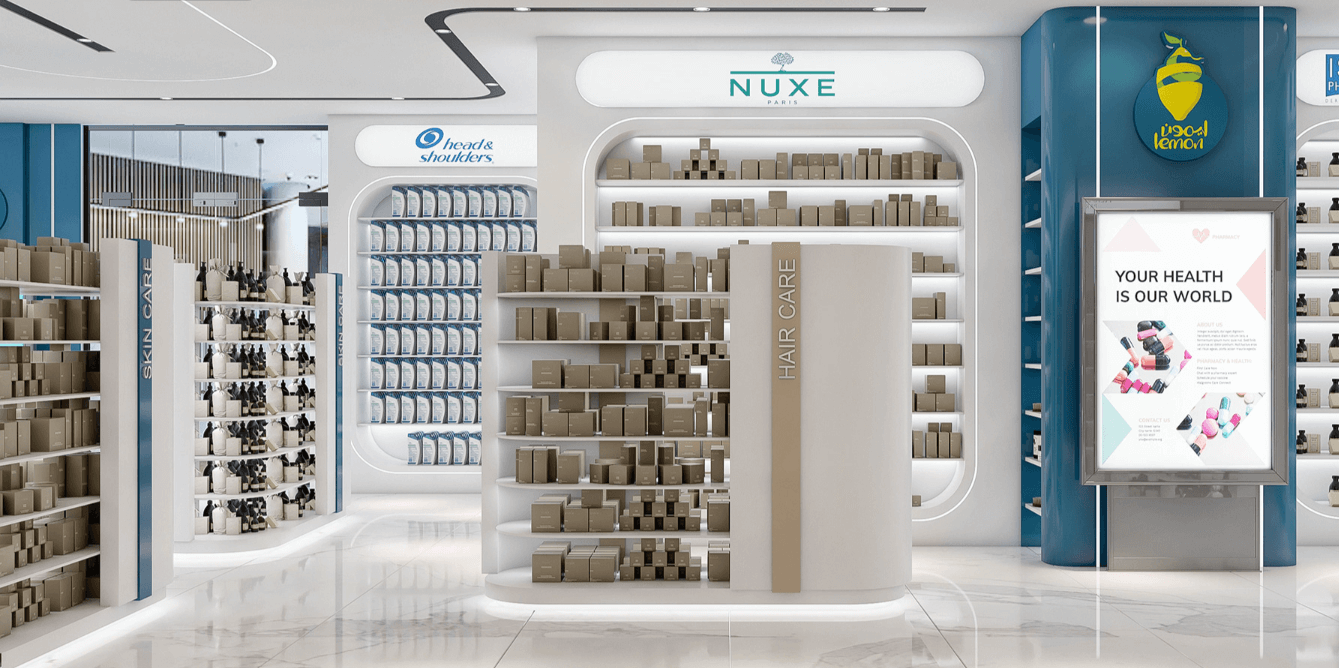
- Self-Service Kiosks: Place kiosks near the entrance for patients to request prescription refills or check in for appointments. This can free up staff time and reduce lines at the counter.
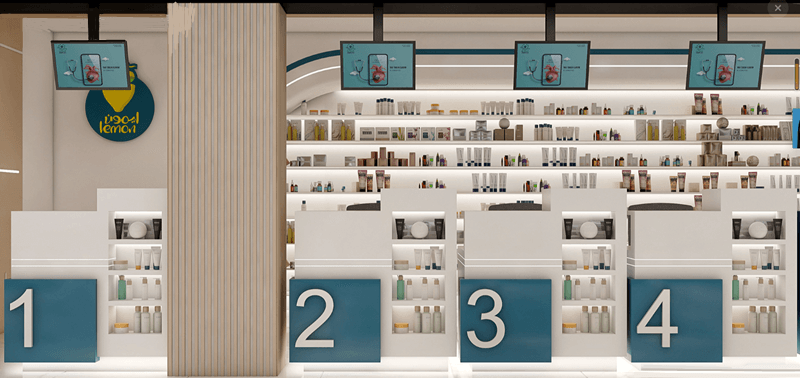
- Digital Signage: Use screens to manage queues, display wait times, or share health tips. Dynamic content is more engaging than static posters.
- Charging Stations: Adding USB ports or charging stations in the waiting area is a small touch that customers greatly appreciate. It shows you care about their overall experience.
A Practical Checklist for Your Modern Pharmacy Design Project
Moving from an idea to a finished pharmacy can feel overwhelming. We’ve created this practical checklist to guide you. It breaks down the process into clear, manageable steps. This is your roadmap for a successful modern pharmacy inside furniture layout design.
-
Phase 1: Research & Planning
- Define your total budget and create a realistic timeline.
- Analyze your physical space. Measure everything carefully and note where existing plumbing and electrical outlets are.
- Research your local pharmacy board regulations and ADA compliance requirements. These rules are non-negotiable.
- For smaller spaces, it’s key to Optimize Space & Flow by choosing modular and adaptable furniture. This can change as your needs evolve.
-
Phase 2: Layout & Design
- On paper, sketch out your “Dual-Funnel” layout. Map the patient journey and the staff workflow.
- Zone your floor plan. Clearly mark the areas for Retail, Dispensing, Waiting, and Consultation.
- Choose a color palette and lighting plan that reflects your brand. Create a welcoming atmosphere.
- We strongly recommend you consult with a professional pharmacy design company. They can review your plans and offer expert advice. They ensure your design is efficient and buildable.
-
Phase 3: Furniture & Fixture Selection
- Make a detailed list of every piece of furniture and fixture you need for each zone.
- Choose materials based on a balance of durability, hygiene, and style. High-traffic areas need tougher materials.
- Source your fixtures from a trusted specialist. For a full range of high-quality options, work with experts in pharmacy furniture manufacturing. They understand the unique demands of a healthcare environment.
-
Phase 4: Implementation & Review
- Create a detailed installation plan. Schedule construction and furniture delivery to minimize disruption to your business.
- After installation, do a final walkthrough. Experience the space from both a patient’s view and a staff member’s view.
- After opening, gather feedback from your team and your customers. Be prepared to make small adjustments to optimize the flow and function.
Frequently Asked Questions (FAQ) about Pharmacy Layout Design
Here are answers to some of the most common questions we hear about modern pharmacy inside furniture layout design.
1. What is the most efficient layout for a small pharmacy?
For a small pharmacy, a hybrid layout is often best. Use a grid layout with parallel aisles for the retail shelving to maximize your product space. However, keep the area around the prescription counter open to prevent crowding. Prioritize multi-functional furniture, like a counter with built-in storage. Use bright, layered lighting to make the space feel larger and more open.
2. How much space is needed for a comfortable customer waiting area?
A good rule is to plan for at least 15-20 square feet per person. For a small waiting area designed for 4-5 people, you should aim for a minimum of 60-100 square feet. Most importantly, ensure there is enough room for wheelchair access. People should be able to move around without feeling cramped.
3. What are the most important considerations for a pharmacy counter?
The three most critical factors for a pharmacy counter are privacy, workflow, and durability. First, ensure privacy with raised sections or frosted glass panels to protect patient information. Second, the workflow must be smooth. The counter needs enough space for computers, printers, and transaction areas. Third, choose a durable, non-porous, and scratch-resistant material like a solid surface or high-pressure laminate that is easy to clean and sanitize.
4. How can I improve privacy in an open-plan pharmacy design?
You can create better privacy even in an open layout. Use acoustic panels or high-back seating to create designated consultation “nooks.” Position the main prescription counter away from the busiest retail aisles. You can also use “zoning” techniques. Change the flooring material or use focused lighting over the consultation area. This creates a psychological sense of a more private space.
5. Where is the best place to locate the prescription drop-off counter?
The prescription drop-off counter should be clearly visible from the main entrance. But set it back just enough to prevent a bottleneck right at the door. Ideally, it should be located next to the waiting area. To manage customer flow effectively, create a clear, separate queue for drop-off. This should be distinct from the pick-up and payment counter. This simple separation greatly improves the modern pharmacy layout.