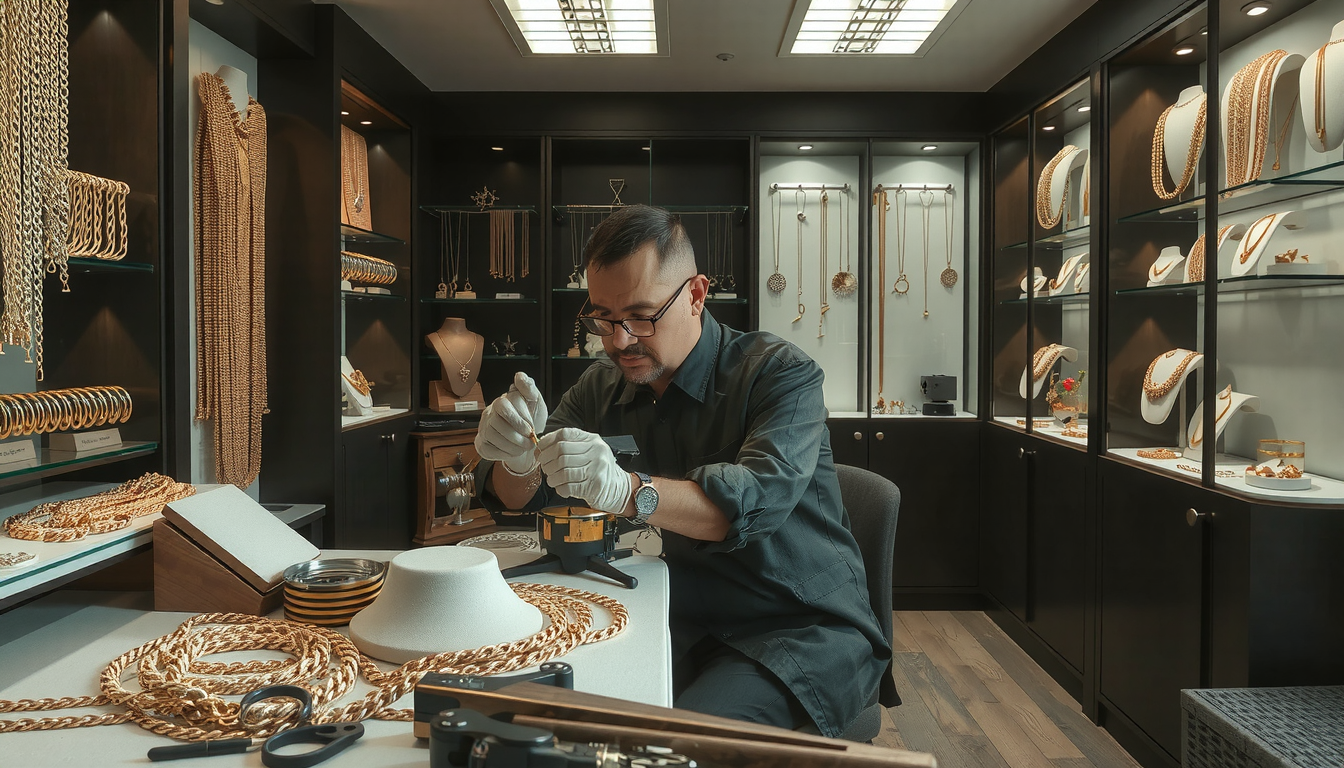
Have you seen the trend of claspless, welded bracelets? You might wonder, “How can I learn how to do permanent jewelry?” You are in the right place. Permanent jewelry is a fast-growing market. Getting started is easier than you think. This guide is your complete roadmap. We will cover everything you need. This includes the tools you need and the step-by-step welding process. We will also cover how to start a permanent jewelry business and thrive in 2024.
Key Takeaways
- Understand the Basics: Permanent jewelry is a claspless chain. It is custom-fit and welded onto a person. It offers a simple, hassle-free accessory.
- Get the Right Tools: A pulse-arc welder is the most important investment. You will also need quality chains like gold-filled and sterling silver. Don’t forget safety gear and basic jewelry tools.
- Master the Process: The core skill is a simple, six-step process. You consult, measure, cut, prepare, weld, and check. Safety for you and the client is the top priority.
- Build a Business: You don’t just need to learn the craft. You need a business plan. This includes choosing a model like pop-up or studio. Handle legal steps like insurance. Market your services well.
- Training is Valuable: Formal training courses are not legally required. But they can speed up your learning. They teach you safety and give you confidence to succeed.
First Things First: What Exactly is Permanent Jewelry?
Permanent jewelry is a unique experience and product. It’s a way for people to wear their favorite accessories. They never have to take them off. Let’s look at what makes it so popular.
The Concept of “Claspless” Jewelry
Think of a bracelet or anklet with no clasp. The two ends of a custom-fit chain are welded together directly on the wearer. The result is a seamless, beautiful piece of jewelry. It’s meant for long-term wear. It’s different from traditional jewelry that you put on and take off daily.
Why is it Trending Now?
This trend is booming for a few key reasons. It carries deep meaning. People often use it to celebrate friendships, relationships, or personal milestones. It’s like a modern friendship bracelet. The look is also very minimal and clean. This fits today’s style. Plus, it’s just easy. You wake up with your jewelry already on. Google Trends data shows a massive jump in searches for “permanent jewelry” in the last 24 months. This proves market demand is high and still growing.
Your Essential Toolkit: What Do You Need to Do Permanent Jewelry?
To get started doing permanent jewelry, you need the right set of tools and supplies. Investing in quality gear from the start will save you time and money. It will also ensure a professional result for your clients. Here is a breakdown of exactly what you need.
The Heart of the Operation: The Welder
Your most important tool is a pulse-arc welder. These machines create a quick, precise spark. They weld the jump ring closed without harming the client. They are the industry standard for this craft. Popular models include the Orion mPulse, Zapp, and Helix. When choosing, think about price and power settings. Power is measured in joules. Also consider how easy it is to carry and the warranty. A good welder is the foundation of your business.
Chains and Materials
The chains you offer are just as important as your skill. The best metals for this are 14k gold-filled, sterling silver, and solid 14k or 18k gold.
- 14k Gold-Filled: A great starting point. It has a thick layer of real gold over a brass core. This makes it durable, tarnish-resistant, and affordable.
- Sterling Silver: A classic choice. But it can tarnish over time and may require more cleaning. It is also a common skin allergen.
- Solid Gold: The premium option. It’s the most durable and completely tarnish-proof. It’s best for sensitive skin, but it comes at a much higher cost.
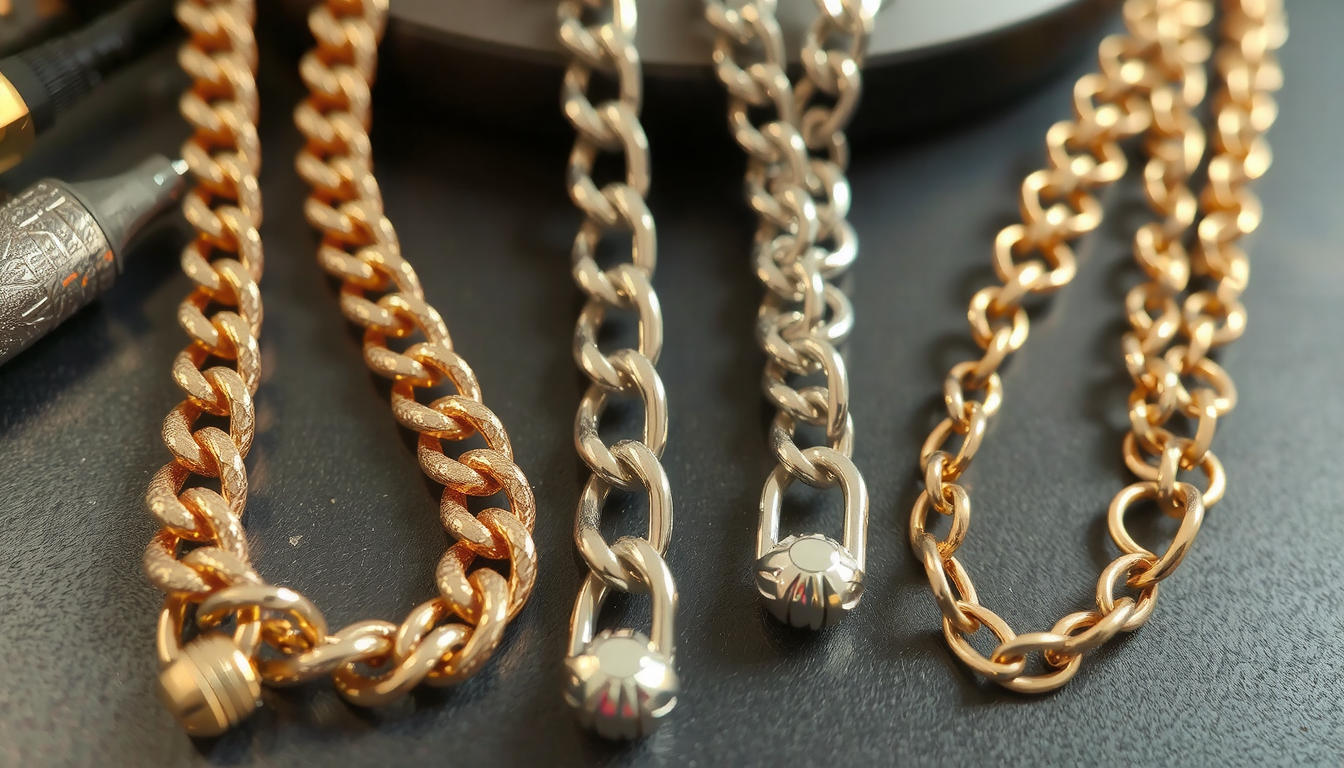
Start with a small selection of popular chain styles. Try dainty cable, figaro, or curb chains. You can always add more as your business grows.
Essential Tools and Consumables
Beyond the welder and chains, you will need a few other key items. This list will help you know what to buy.
| Tool/Supply | Purpose |
|---|---|
| Grounding Pliers | Holds the jump ring and completes the electrical circuit for the weld. |
| Chain Cutters | Flush cutters give a clean, precise cut on the chain. |
| Safety Glasses | Critical for protecting your eyes and the client’s eyes from the welding spark. |
| Jump Rings | The small rings used to connect the two ends of the chain for welding. |
| Leather Patch | Placed between the chain and the client’s skin for total protection. |
| Measuring Tape | For getting the perfect custom fit. |
Safety First
We cannot stress this enough: safety is non-negotiable. You and your client must wear proper safety glasses during every weld. The spark is very bright and can damage eyes. Also, always work in a well-lit and well-ventilated area. This ensures a safe and comfortable experience for everyone.
Mastering the Craft: A Step-by-Step Guide on How to Do Permanent Jewelry
Once you have your tools, it’s time to learn the technique. The process is straightforward, but practice is key. Practice helps you become a confident permanent jewelry artist. Follow these steps for a perfect application every time. This section will teach you how to do permanent jewelry safely and effectively.
Step 1: Consultation and Selection
Start by talking with your client. Show them the chains you offer. Help them choose one that fits their style and budget. Explain the process so they know what to expect.
Step 2: Precise Measurement
Wrap the chosen chain around the client’s wrist or ankle. You want a comfortable fit that isn’t too tight or too loose. A great pro-tip is to aim for a fit where you can slide one finger between the chain and the wrist. This allows for natural swelling and movement.
Step 3: Cutting the Chain
Once you have the perfect length, use your flush cutters to make a clean cut. A clean cut makes the next steps much easier.
Step 4: Preparing for the Weld
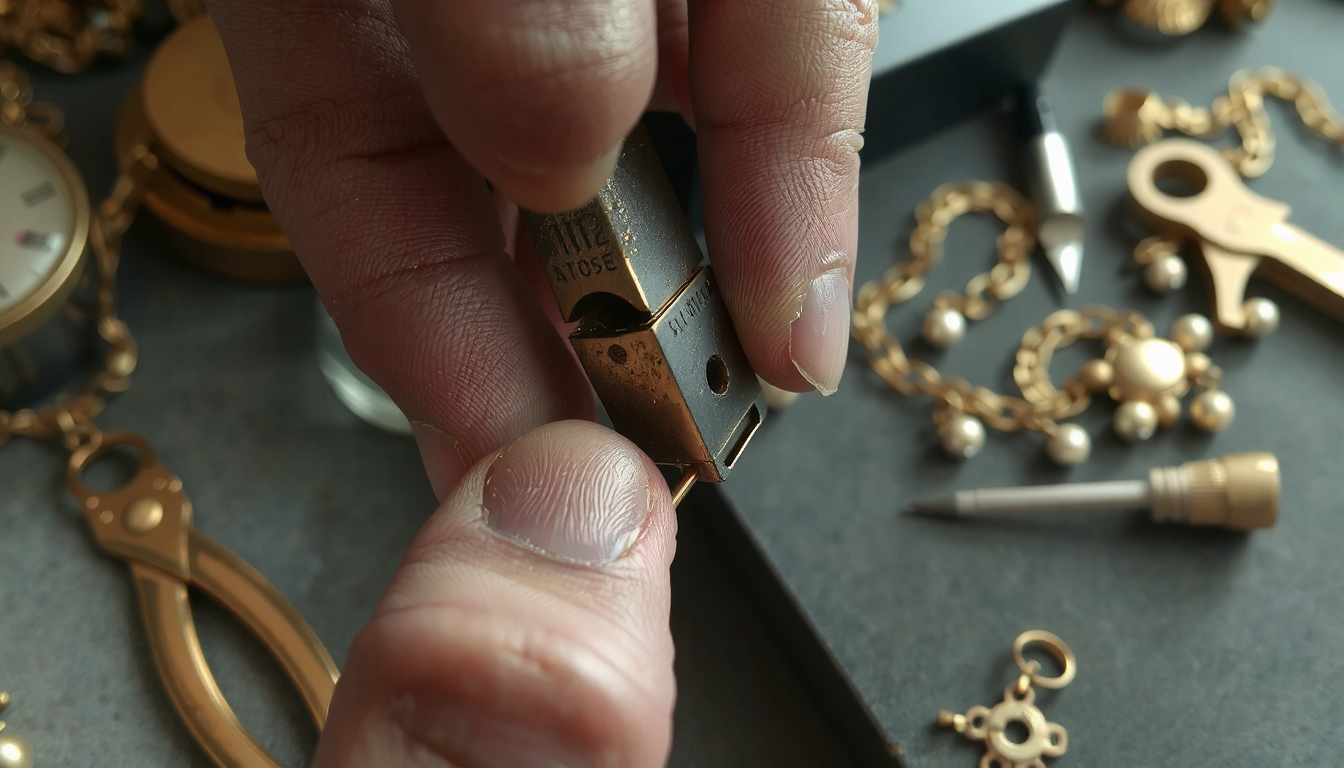
Place a small jump ring on one end of the chain. Connect it to the other end. Before you weld, place the leather protective patch on the client’s skin. Put it directly under the jump ring. This ensures the client feels nothing.
Step 5: The Weld
This is the magic moment. Hold the jump ring with your grounding pliers. Make sure the seam of the ring is facing you. Pick up the welder’s stylus. Set your welder to the correct energy level for the metal you’re using. This takes practice. Briefly touch the stylus to the seam of the jump ring. You’ll see a quick spark, and the ring will be welded shut. Many experts agree that the basic steps to applying permanent jewelry are simple to learn with practice.
Step 6: Quality Check
After the weld, inspect the jump ring. It should be smooth and fully closed. Give it a gentle tug to make sure the weld is strong and secure.
Step 7: Aftercare Instructions
Finally, tell your client how to care for their new jewelry. They can clean it with a soft cloth and mild soap. Let them know that if they ever need to remove it, they can cut the jump ring with scissors. They can save the chain to be re-welded later.
From Hobby to Business: How to Start Your Own Permanent Jewelry Business
Knowing how to do permanent jewelry is only half the battle. To be successful, you need to know how to start a permanent jewelry business. This means thinking about your business model, legal responsibilities, and marketing strategy.
Choose Your Business Model
There are a few ways to structure your new venture. Each has its pros and cons.
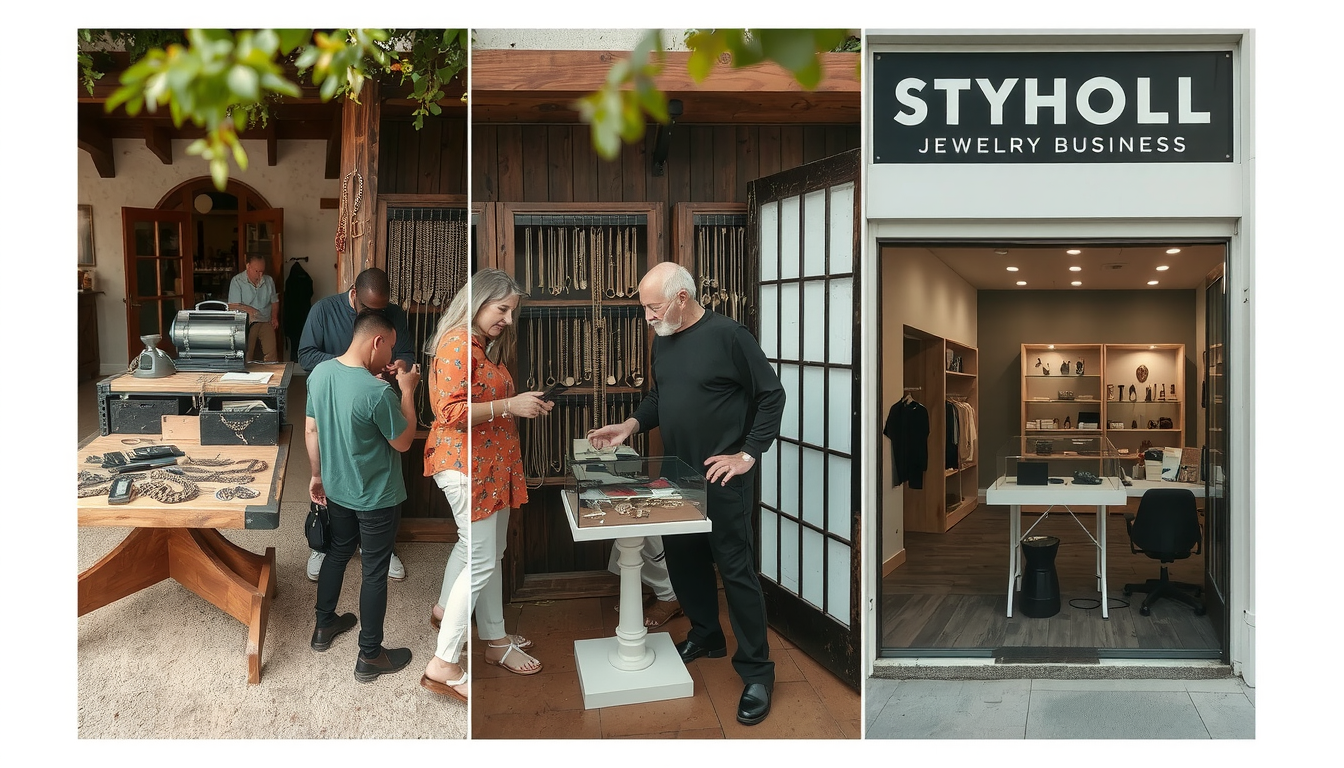
- Mobile/Pop-Ups: This is the most popular way to start. You have low costs and can take your services to different places. Think farmers’ markets, festivals, salons, and private parties. It’s a great way to test the market.
- Studio/Store-in-Store: You can partner with an existing business. Try a clothing boutique or a hair salon. You rent a small space from them. This gives you a consistent location and access to their customers.
- Brick-and-Mortar: This is the biggest investment. You open your own dedicated store. This gives you a permanent, branded space but comes with higher costs like rent and utilities.
The Business Backend: Legal & Pricing
Getting the business side right is crucial. First, you need to handle the legalities. This includes getting a business license from your city or county. You absolutely must have liability insurance. This protects yourself and your business. Also, have every client sign a release waiver before you begin.
Next, figure out your pricing. A simple way to do this is to calculate your cost per inch of chain. Add the cost of the jump ring and a small amount for your time and labor. Then mark it up to a retail price. For example, if a chain costs you $3 per inch and a client wants a 7-inch bracelet, your material cost is $21. You might charge the client $60-$80 for the finished piece.
Building Your Brand and Setup
Your brand is how customers see you. Choose a memorable name and create a simple logo. Get on social media, especially Instagram and TikTok. These visual platforms are perfect for showing off your beautiful work.
Presentation is vital, even for a small pop-up. A clean, professional, and attractive setup builds trust. It makes clients feel they are getting a premium service. An elegant jewelry showcase can turn a simple table into a high-end display. For artists with big dreams of expanding, thinking about the overall jewelry store design from the very beginning ensures your brand looks consistent as you grow. Reputable suppliers like Ouyee Display offer everything from a portable jewelry showcase manufacturer to full storefront build-outs. They provide solutions for every scale of business.
Marketing Your Services
Now you need to find customers. Use your social media to post high-quality photos and videos of your work. Before-and-afters and slow-motion videos of the welding spark are very popular.
Work with local businesses and influencers who align with your brand. Offer them a free bracelet in exchange for a post. Finally, focus on booking events. Parties, bridal showers, and corporate events are a fantastic way to get in front of many new clients at once.
Getting Qualified: Do You Need Certification to Do Permanent Jewelry?
A common question for those looking to get into permanent jewelry is about certification. Do you need a special license to become a permanent jewelry artist? Let’s clear that up.
Is Certification Legally Required?
In most places, the answer is no. There is no specific government license or legal certification required just for welding permanent jewelry. However, you must still follow all local business regulations. This includes having a business license and insurance. Always check the rules in your specific city and state.
The Value of Formal Training
Even though it’s not legally required, taking a training course is a very good idea. Comprehensive permanent jewelry training programs offer many benefits. They provide a structured way to learn the craft. This can be much faster than trying to teach yourself.
These courses focus heavily on safety protocols, business tips, and supplier lists. Finishing a course often gives you a “certificate of completion.” This isn’t a legal document, but it shows clients that you have been professionally trained. This builds trust and confidence in your skills. This can be a key step in how to get started in permanent jewelry successfully.
Frequently Asked Questions (FAQ)
Here are quick answers to some of the most common questions about permanent jewelry.
H3: Is the permanent jewelry process painful?
Answer: No, not at all. The process is quick and painless. The spark from the welder does not touch the skin. We use a protective leather patch as an extra precaution.
H3: Can I wear permanent jewelry through airport security?
Answer: Yes. The fine, delicate chains are made of metals that are not magnetic. They are too small to set off TSA metal detectors.
H3: How much does it cost to start a permanent jewelry business?
Answer: Startup costs can range from $2,000 to $5,000+. The biggest investment is the pulse-arc welder. Other costs include an initial inventory of chains, tools, and business registration fees.
H3: What happens if I need an MRI or surgery?
Answer: Your jewelry can be easily and safely removed with a pair of scissors or wire cutters. You cut the small jump ring. We recommend saving the chain. Many artists will offer to re-weld it for you later.
H3: How long does permanent jewelry actually last?
Answer: While “permanent,” its longevity depends on the material, your lifestyle, and aftercare. High-quality gold-filled or solid gold chains can last for many years. It is designed to break under significant force to prevent injury.
Your Journey Starts Now
You now have a complete guide on how to do permanent jewelry and build a successful business around it. We’ve covered understanding the craft and gathering the right tools. We’ve also covered mastering the welding technique and setting up your business for success. Success in this industry is a mix of technical skill, smart business decisions, and a passion for creating beautiful experiences for your clients. The permanent jewelry market is full of opportunity. With dedication and the right approach, you can turn this exciting trend into a thriving career.