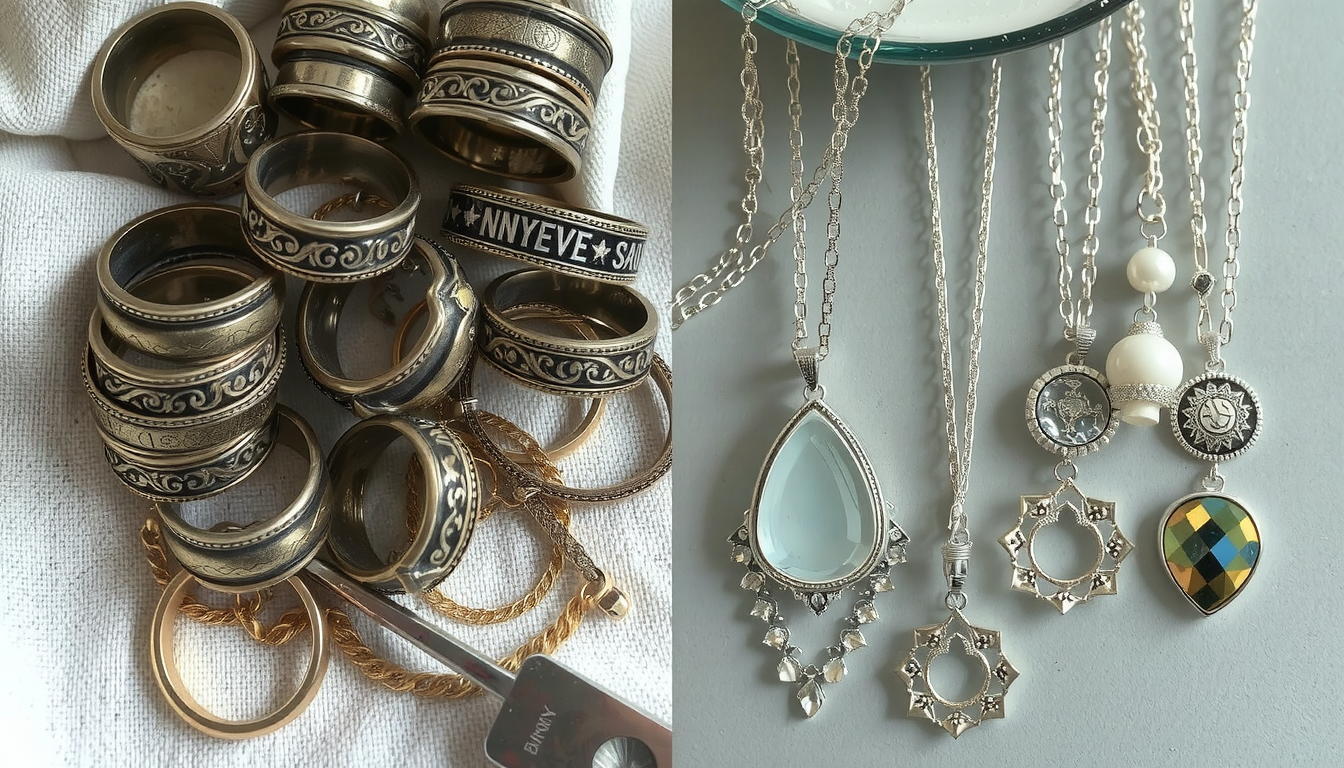
We all know this annoying moment. You reach for your favorite necklace or special earrings. But they look dull, dark, and ugly. That beautiful shine is gone. A layer of tarnish has replaced it. The good news? Your jewelry is not ruined. This guide will show you exactly how to get tarnish off jewelry safely. We will cover everything from sterling silver to delicate costume pieces. You’ll learn not only how to clean them but also how to stop costume jewelry from tarnishing in the future. We will explore simple DIY methods and expert prevention tips. You’ll also learn how to identify your jewelry material for the best results.
Key Takeaways
- Always identify your jewelry’s material first. A method that is safe for sterling silver can ruin plated jewelry.
- For most jewelry, start with a gentle wash. Use mild dish soap and warm water.
- Prevention is the best cure. Store jewelry in a dry, airtight place. Put it on last, after perfumes and lotions.
- Never use harsh scrubbers like toothpaste. They can cause permanent scratches and damage.
- For stubborn tarnish on solid sterling silver, try an aluminum foil and baking soda bath. It’s very effective and won’t scratch the metal.
First, Identify Your Jewelry: Why Material Matters
Before you try any cleaning method, you must know what your jewelry is made of. Using the wrong technique can cause real damage. It might strip off a thin layer of plating. Knowing your material is the first step in learning how to get tarnish off jewelry correctly.
Precious Metals (Sterling Silver, Solid Gold)
You can often identify these by looking for small stamps called hallmarks. Sterling silver is marked with “925,” “92.5,” or “Ster.” Solid gold will have marks like “14k,” “18k,” or numbers like “585” or “750.” Gold does not tarnish, but it gets dirty. Silver, on the other hand, is famous for tarnishing.
Plated Jewelry (Silver-Plated, Gold-Plated)
Plated jewelry has a thin layer of precious metal over a base metal like brass or copper. It is often unmarked and feels lighter than solid pieces. You might see the base metal showing through in worn spots. These pieces are very delicate. You must clean them with great care.
Fashion, Costume, and Fake Jewelry
These pieces are usually made from cheap base metals like brass, copper, or zinc alloys. They can sometimes turn your skin green. Tarnish on these items is the base metal itself reacting with the air. Figuring out how to keep fake jewelry from tarnishing is a common challenge we will solve.
Pieces with Gemstones, Pearls, or Opals
Pay special attention to jewelry with stones. Many gems are very soft. This is especially true for organic materials like pearls and opals. They can be easily damaged by chemicals, heat, and even soaking in water for too long. Always use the gentlest cleaning method for these items.
The Science of Dullness: Why Your Jewelry Tarnishes
Understanding why tarnish happens makes it much easier to prevent. Tarnish is not just dirt. It is a chemical change happening on the surface of the metal.
The Chemical Reaction Explained
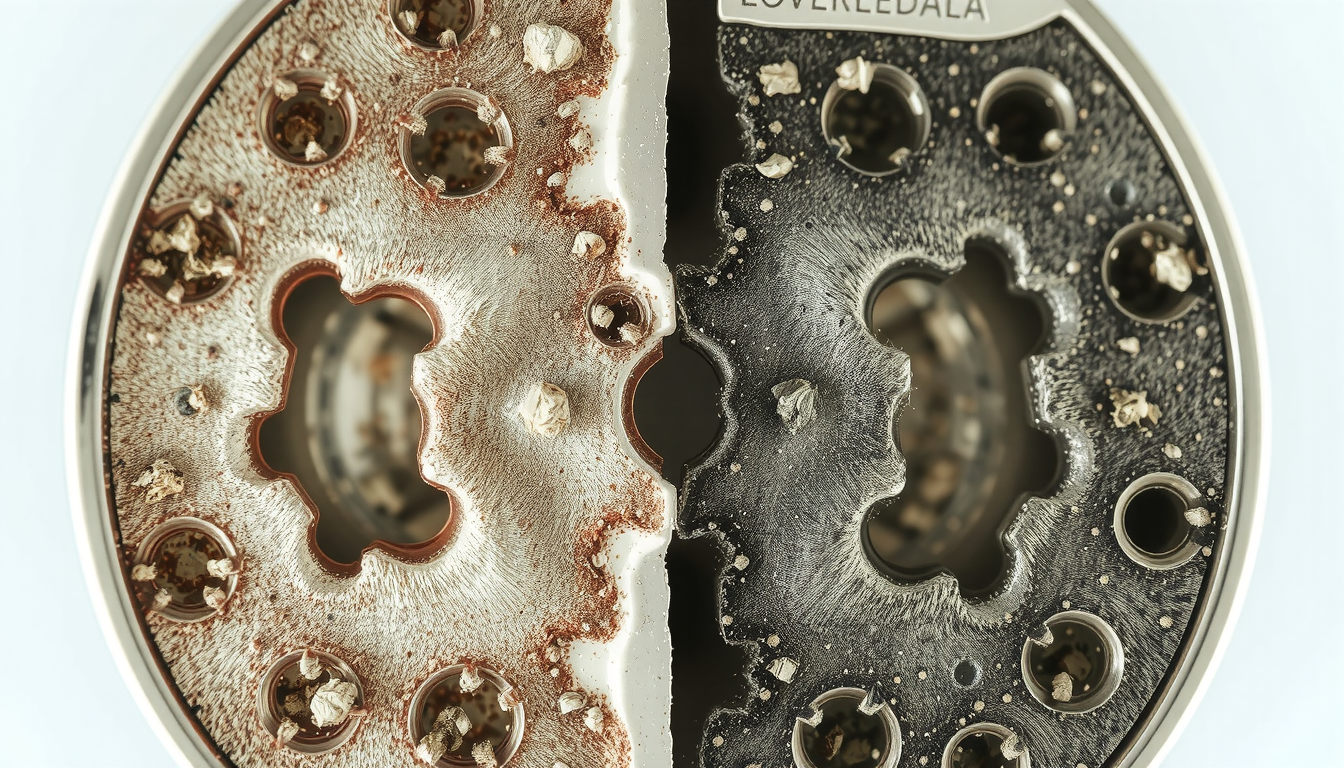
For sterling silver, tarnish comes from a chemical reaction with sulfur compounds in the air. This process creates a dark layer of silver sulfide (Ag₂S). This is the chemical process of silver turning black. For costume jewelry, the tarnish you see is usually the base metal, like copper, oxidizing when it meets air and moisture.
Common Culprits in Your Everyday Life
Several things in your daily life can make your jewelry tarnish faster. Being aware of them is key to keeping your pieces shiny.
- Humidity and moisture are the biggest enemies.
- Chemicals from perfume, hairspray, lotions, and household cleaners.
- Your own body chemistry, including sweat and natural skin oils.
- Foods that are high in sulfur, like onions, eggs, and mustard.
How to Get Tarnish Off Jewelry: 4 Safe and Effective DIY Methods
Here are four proven methods for removing tarnish from jewelry using items you likely already have. We will guide you step-by-step to a brilliant shine.
Method 1: The Gentle Soap & Water Bath
This is the safest method and should always be your first try. It’s perfect for almost any piece of jewelry.
- Best for: All jewelry types, including plated metals, costume jewelry, and pieces with delicate stones like pearls or opals.
- What you’ll need: A bowl, warm water, a few drops of mild dish soap (without phosphates), and a soft cloth.
- Steps:
- Fill a bowl with warm water and add a few drops of soap.
- Place your jewelry in the solution for a few minutes.
- Gently clean the piece with your fingers or a very soft brush.
- Rinse the jewelry under cool running water.
- Pat it completely dry with a soft, lint-free cloth.
Method 2: The Baking Soda & Aluminum Foil Chemical Bath
This method works like magic for solid silver. It chemically reverses the tarnishing process without scratching the metal.
- Best for: Sterling Silver (925) ONLY. Do not use this on plated jewelry, pieces with stones, or costume jewelry.
- What you’ll need: A bowl, aluminum foil, hot water, baking soda, and tongs.
- Steps:
- Line a bowl with a sheet of aluminum foil, shiny side up.
- Place your silver jewelry directly onto the foil.
- Sprinkle a generous tablespoon of baking soda over the jewelry.
- Carefully pour hot (not boiling) water into the bowl until the jewelry is covered.
- As you place the silver in the hot water, you might notice a faint smell of sulfur. That’s a good sign! It means the chemical reaction is pulling the tarnish from the silver and onto the foil. After a few minutes, you’ll see a visible difference.
- Let it sit for 5-10 minutes. For heavy tarnish, you may need a little longer.
- Use tongs to remove the jewelry, rinse it under cool water, and dry it thoroughly.
Method 3: The Gentle Scrubbing Paste (Baking Soda & Water)
For stubborn spots that the other methods did not remove, a gentle paste can work. Use this with caution.
- Best for: Tough tarnish spots on solid metals like sterling silver. Use extreme care on other metals.
- What you’ll need: Baking soda, water, and a soft cloth or cotton swab.
- Steps:
- Mix two parts baking soda with one part water to form a thick paste.
- Apply a small amount of the paste to a soft cloth.
- Gently rub the tarnished area in a circular motion. Do not scrub hard.
- Rinse the piece completely to remove all paste residue.
- Dry it thoroughly with a soft cloth. This is a reliable way to get tarnish off jewelry when it’s heavily concentrated.
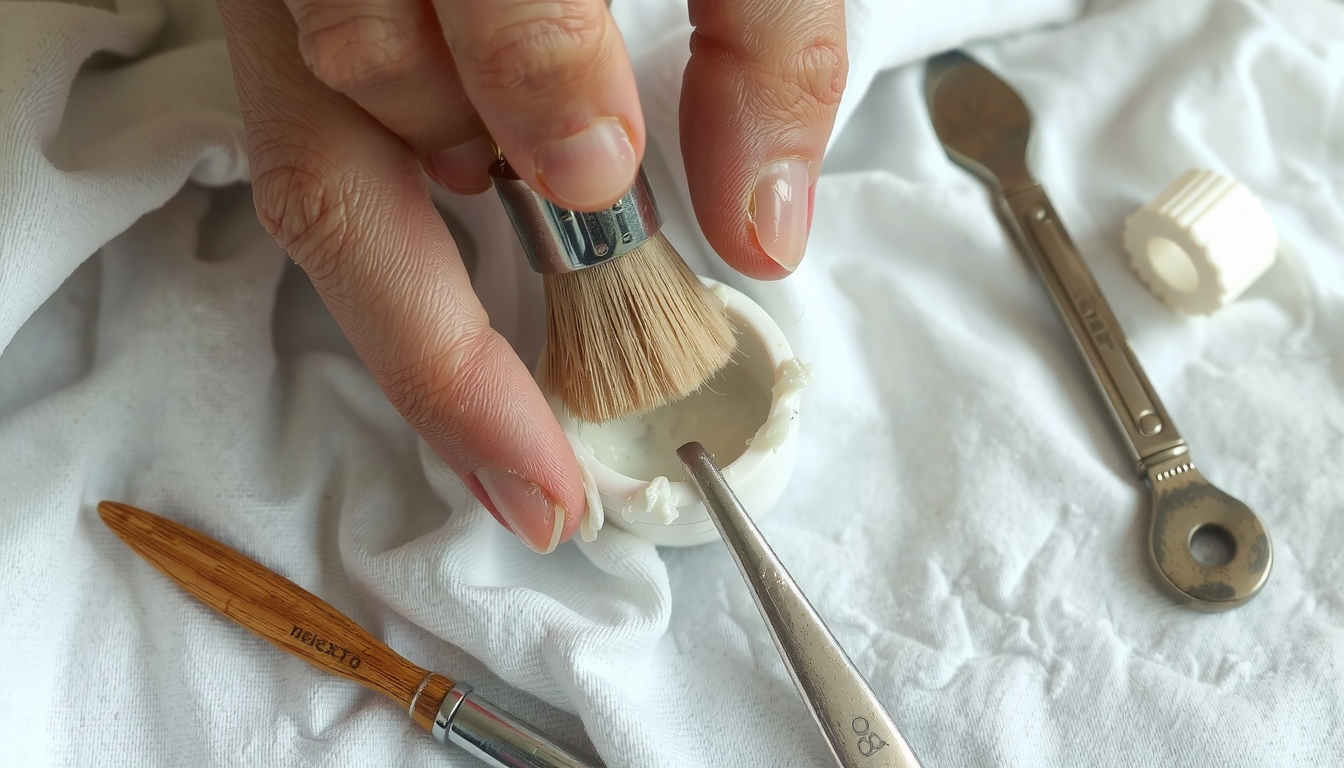
Method 4: The Professional Polishing Cloth
A jewelry polishing cloth is a simple and effective tool for maintenance. These two-sided cloths have a cleaning side and a polishing side.
- Best for: Quick touch-ups and regular maintenance on most metals.
- What you’ll need: A high-quality jewelry polishing cloth.
- Steps:
- Use the inner, treated side of the cloth to gently rub the jewelry and remove tarnish.
- You will see black marks appear on the cloth. This is the tarnish being removed.
- Use the outer, softer side of the cloth to buff the piece to a brilliant shine.
The Ultimate Tarnish-Fighting Toolkit: A Master Comparison Chart
Choosing the right cleaning method can be confusing. This chart breaks it down so you can find the safest and most effective option for your specific jewelry every time.
| Jewelry Type | Recommended Method(s) | Method to AVOID | Risk Level | Pro Tip |
|---|---|---|---|---|
| Sterling Silver | Foil Bath, Soap/Water, Paste (gently) | Harsh chemicals | Low-Medium | The foil bath is a non-scrubbing chemical clean. |
| Gold (Solid) | Soap/Water, Polishing Cloth | Scrubbing pastes | Low | Gold doesn’t tarnish but can get dirty. |
| Silver/Gold Plated | Soap/Water (gently!), Polishing Cloth | Foil Bath, Pastes | High | The goal is to clean without rubbing off the thin plate. |
| Costume/Fashion | Soap/Water (briefly), Polishing Cloth | Soaking, Scrubbers | Very High | Water can seep under settings and cause rust. |
| With Pearls/Opals | Damp Cloth, Soap/Water (metal only) | Soaking, Chemicals | Very High | These gems are porous and can be easily damaged. |
How to Keep Fake Jewelry From Tarnishing: Prevention is 9/10ths of the Law
Cleaning tarnish is one thing, but preventing it is even better. This is especially true for fashion pieces. Learning how to keep cheap jewelry from tarnishing saves you time and keeps your collection looking new.
The Clear Sealant Trick: Your Secret Weapon
This is the best trick for how to keep fashion jewelry from tarnishing. A clear barrier between the metal and the air works wonders.
We tested this on a fashion ring. First, clean the piece thoroughly and make sure it is completely dry. Then, apply a very thin layer of clear nail polish or a spray-on polymer sealant. Be sure to cover all metal surfaces, especially any that touch your skin. Let it dry completely for 24 hours before wearing. This creates an invisible shield that blocks moisture and oils.
Smart Storage: Create a Safe Haven
Proper storage is your best defense against tarnish. The main goals are to keep your jewelry dry and away from air.
The Principles of Anti-Tarnish Storage
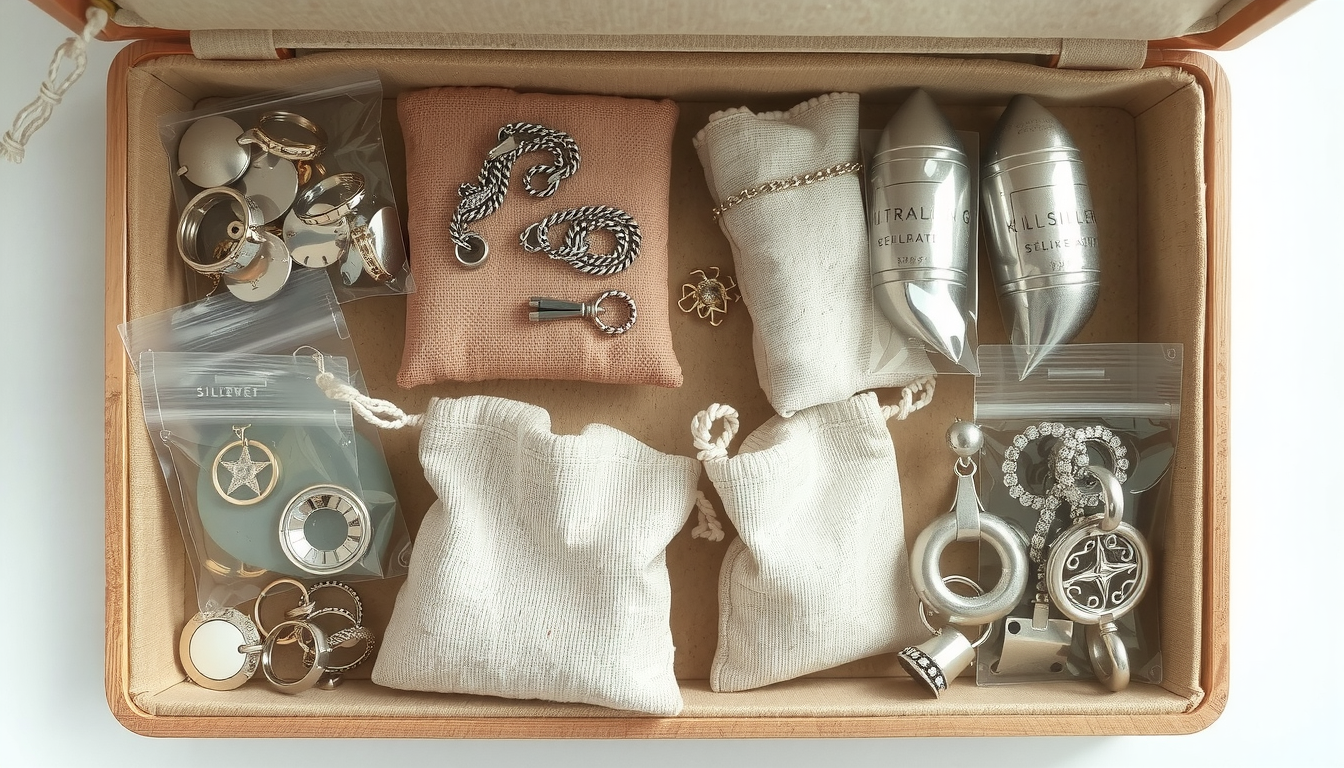
- Keep it dry. Never store jewelry in a humid place like a bathroom.
- Keep it separate. Store pieces in individual soft cloth bags or in a jewelry box with lined compartments to prevent scratching.
- Keep it airtight. For sterling silver, small Ziploc bags with anti-tarnish strips are an excellent, low-cost solution.
Learning from the Professionals
Professional jewelers are masters of preservation. A high-quality jewelry showcase is engineered not just for beautiful display but to protect items from dust and environmental factors. In fact, expert jewelry store design incorporates lighting and climate control to prevent tarnish on a massive scale. While you may not need a commercial display from a jewelry showcase manufacturer, you can adopt the core principle. Isolate your jewelry from the elements to keep it pristine.
The “Last On, First Off” Golden Rule
This simple habit makes a huge difference. Jewelry should be the last thing you put on and the first thing you take off.
Put your jewelry on after you have applied all makeup, perfume, hairspray, and lotions. These products contain chemicals that speed up tarnish. Take your jewelry off before you shower, swim, exercise, or go to bed. This simple routine is a powerful way to stop costume jewelry from tarnishing.
When DIY Isn’t Enough: Knowing When to Call a Professional
Sometimes, a DIY approach is not the right answer. For valuable or sentimental pieces, it is always better to be safe than sorry.
Signs You Need a Jeweler
There are clear signs that you should seek expert help. A professional has the tools and experience to clean jewelry without risking damage. According to GIA’s professional care recommendations, certain pieces require an expert’s touch.
- The piece is a valuable antique or has irreplaceable sentimental value.
- The tarnish is extremely heavy or has caused pitting, which is a form of corrosion.
- The jewelry has intricate designs, delicate settings, or porous gemstones like turquoise or coral.
Cleaning “Hacks” to AVOID at All Costs
The internet is full of bad advice that can permanently damage your jewelry. Here are a few “hacks” you should never try.
- Toothpaste: It is far too harsh. The polishing agents in toothpaste will leave tiny scratches on metal surfaces and can dull the finish of soft stones.
- Harsh Chemicals: Never use bleach, acetone (nail polish remover), or ammonia. These can completely destroy plated jewelry, dissolve organic gems like pearls, and cause discoloration on many stones.
Conclusion: Enjoy Your Sparkling Collection for Years to Come
Now you have a complete toolkit for tackling tarnish. By following a simple three-step plan, you can restore and maintain the beauty of your entire collection. First, always identify your material. Second, choose the safest cleaning method for that material. And third, prioritize preventative storage to stop tarnish before it starts. This is how you get tarnish off jewelry and keep it gone for good.
Ultimately, proper care and thoughtful storage are the keys to longevity. It’s a principle that guides professionals, from small boutiques to major brands like Ouyee Display who specialize in the art of jewelry preservation and presentation. By applying these same ideas to your personal collection, you ensure your favorite pieces will continue to sparkle for years.
Frequently Asked Questions (FAQ)
1. Can you use toothpaste to get tarnish off jewelry?
Answer: We strongly advise against it. Most toothpastes contain harsh ingredients that can create tiny scratches on the surface of metals, especially on plated jewelry or soft stones, causing permanent dullness.
2. How do I get tarnish off silver-plated jewelry without removing the plating?
Answer: Be extremely gentle. The best method is a simple bath in warm water with a few drops of mild dish soap. Use a very soft cloth or your fingers to clean it, then rinse and pat dry immediately. Avoid any scrubbing pastes or vigorous rubbing, which can strip the thin silver layer off.
3. Does wearing jewelry more often prevent it from tarnishing?
Answer: For sterling silver, yes! The natural oils on your skin can help clean the silver and slow down the tarnishing process. However, for costume or plated jewelry, frequent wear can speed up tarnish due to contact with sweat, lotions, and perfumes.
4. Why did my fake jewelry turn my skin green, and is it related to tarnish?
Answer: Yes, they are related. The green stain is a result of the oxidation of copper in the jewelry’s metal alloy. When the copper reacts with your skin’s oils, sweat, and the air, it forms a green layer of copper carbonate, which then transfers to your skin. It’s the costume jewelry equivalent of tarnish.
5. How often should I clean my jewelry to prevent tarnish buildup?
Answer: For frequently worn pieces, a quick wipe-down with a soft, dry cloth after each use is a great habit. A gentle cleaning with soap and water can be done every few weeks. For long-term storage, especially for silver, clean it thoroughly before putting it away in an airtight container.