You may have found a pretty ring at an estate sale. Maybe you got a necklace that’s been in your family for years. Now you’re asking the big question: “Is this real?” Learning how to find out if jewelry is real is a useful skill. It can help you know what you own. This guide will give you the tools you need. We will cover simple checks, specific tests for metals and gems, and when to call a pro.
Key Points
- Start with quick, safe tests like checking for marks, feeling the weight, and using a magnet.
- Real metals like gold, silver, and platinum are heavy and don’t stick to magnets. They usually have purity stamps.
- DIY tests like the vinegar or scratch test can help but might damage your jewelry.
- Amber has special tests. You can float it in salt water and smell it when heated carefully.
- For a final, correct answer on if it’s real and its value, always ask a certified pro.
First-Look Checks: 5-Minute Tests
Before you try any risky tests, start with simple looks. These quick checks can often tell you how to find out if jewelry is real or if it’s likely fake. You can do them right now with no special tools.
Looking for Stamps
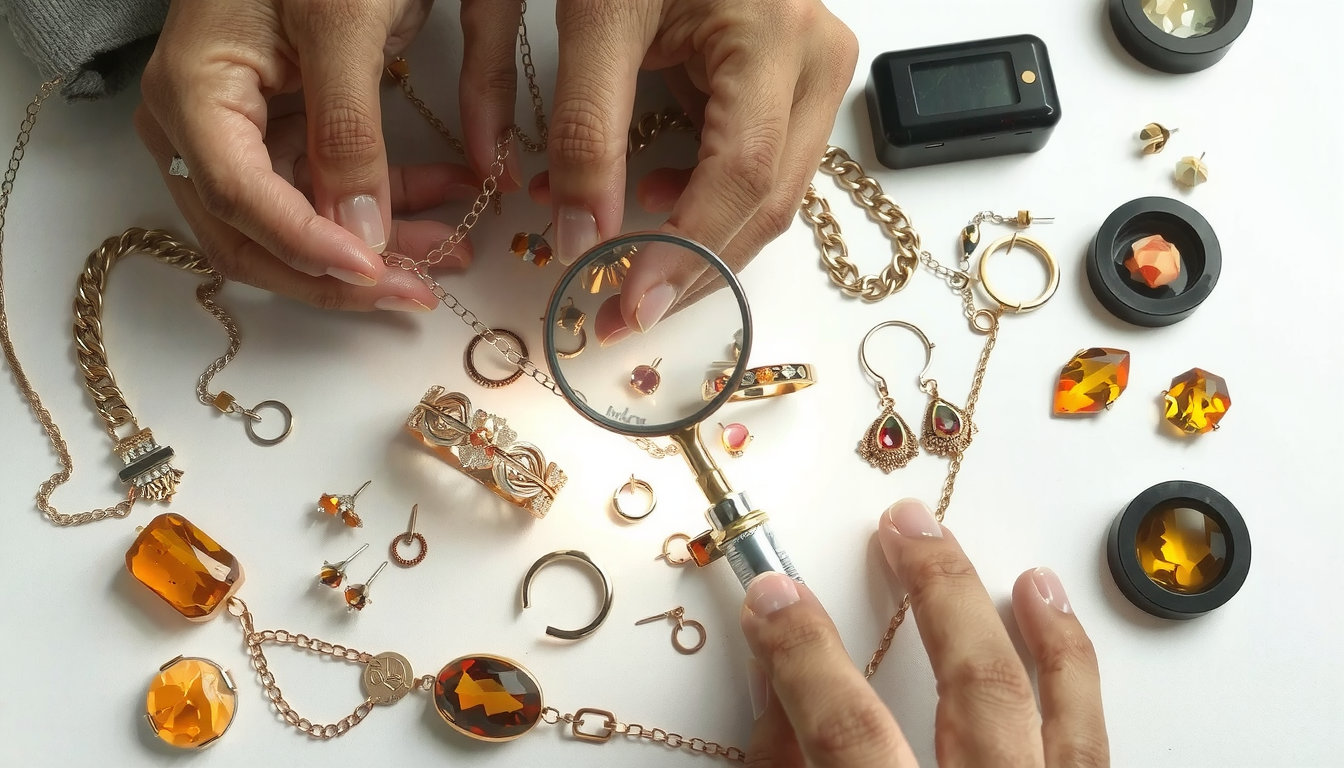
A hallmark is a small stamp on the jewelry. It tells you how pure the metal is. It can also show who made it. Look inside a ring, on a necklace clasp, or on an earring post. A magnifying glass can help you see these tiny marks. Checking for these stamps is a great first step.
| Metal | Common Purity Marks | Meaning |
|---|---|---|
| Gold | 10K, 14K, 18K, 24K | Karat purity (e.g., 14K is 14/24 parts gold) |
| Gold | 417, 585, 750, 999 | European marks for purity (e.g., 750 is 75% gold, or 18K) |
| Silver | 925, Sterling, Ster | 92.5% pure silver |
| Platinum | 950, PLAT, PT950 | 95% pure platinum |
A missing stamp doesn’t always mean a piece is fake. Very old or custom-made jewelry might not have one. But a sloppy or wrong stamp is a big red flag.
The Feel Test
Real jewelry made from precious metals is dense. It should feel heavy for its size. When you hold a real gold bracelet, it has weight to it. A fake piece often feels light or hollow. Trust your hands. If it feels too light to be real, it might be.
Gems also have a feel. Real gemstones are good at moving heat. This means they usually feel cool to touch. Glass and plastic fakes will feel warmer and closer to room heat.
A Closer Look at How It’s Made
Real jewelry is made with care. Look closely at how the piece is built. The prongs holding a gemstone should be neat and secure. They should not look like they were glued on. Clasps on necklaces and bracelets should be strong and work well.
Look at the overall finish. Real jewelry should not have peeling metal, rough edges, or visible seams where pieces were joined. As experts know, a thorough jewelry inspection can show signs of poor quality. These signs often point to a fake.
The Magnet Test
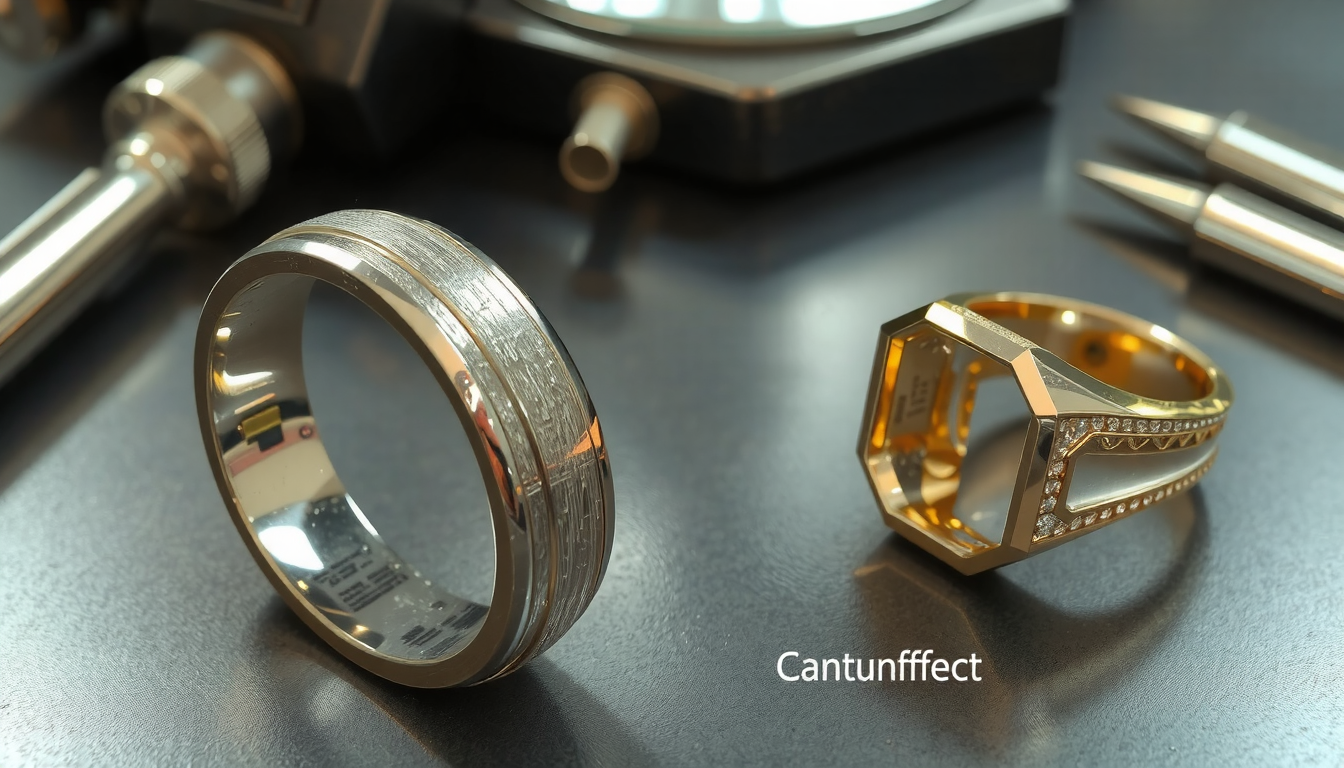
This is a very simple test. Gold, silver, and platinum don’t stick to magnets. You can use a strong magnet, like one from your kitchen fridge. Hold it up to your jewelry.
If the piece is strongly pulled to the magnet, it is not solid gold, silver, or platinum. It is likely made of a cheaper metal under a thin coating. This test is a quick way to spot many fakes.
But this test isn’t perfect. Some fake pieces use metals that don’t stick to magnets. Also, the small spring inside a clasp might be steel, which sticks to magnets, even if the rest is real.
DIY Testing: A Practical Comparison
Many websites suggest do-it-yourself tests. While some can offer clues, they don’t always work. It’s important to know the good and bad of these popular methods to tell if your jewelry is real gold or silver. Some tests can even damage your piece, so be careful.
Here is a comparison of common at-home tests to help you decide which, if any, are right for you.
| Test Method | What It Tests | How to Do It | Good Points | Bad Points & Risks | How Reliable |
|---|---|---|---|---|---|
| Skin Test | Metal mixes that react with skin | Wear the jewelry for a full day and check for skin color change (green or black marks). | Easy, no tools needed. | Can be caused by your skin or lotions, not just fake metal. Low-karat gold can also cause a reaction. | Low |
| Vinegar Test | Gold’s resistance to acid | Put a drop of white vinegar on the metal. | Simple and mostly safe for real gold. | Can damage plated items or certain mixes. Not a sure test for purity. | Low to Medium |
| Ceramic Scratch Test | Metal softness and coating | Gently rub a small, hidden spot on an unglazed ceramic tile. | Can show coating if a different color shows underneath. | Damaging. This test will leave a permanent scratch on your jewelry. | Medium |
| Float Test | Metal density | Drop the item into a glass of water. | Very simple to do. | Doesn’t work well. Most metals, real or fake, will sink. Doesn’t give useful info for jewelry. | Very Low |
The scratch test is one of the most talked-about methods. If you do it, find a hidden spot. Real gold will leave a gold-colored streak. Fake metals often leave a black streak. But remember, this damages the item. We only suggest it if you’re willing to accept a permanent mark.
The video below explores some of these DIY tests and shows what happens when you try them on real and fake jewelry.
A Special Focus on Amber
Knowing how to tell if amber jewelry is real needs different methods. Amber is not a mineral like a diamond. It is hardened tree resin. This means the tests for metals and stones won’t work.
The Salt Water Test
This is one of the best tests for loose amber. Real amber is very light and will float in salt water. Most fakes, like plastic or glass, are heavier and will sink.
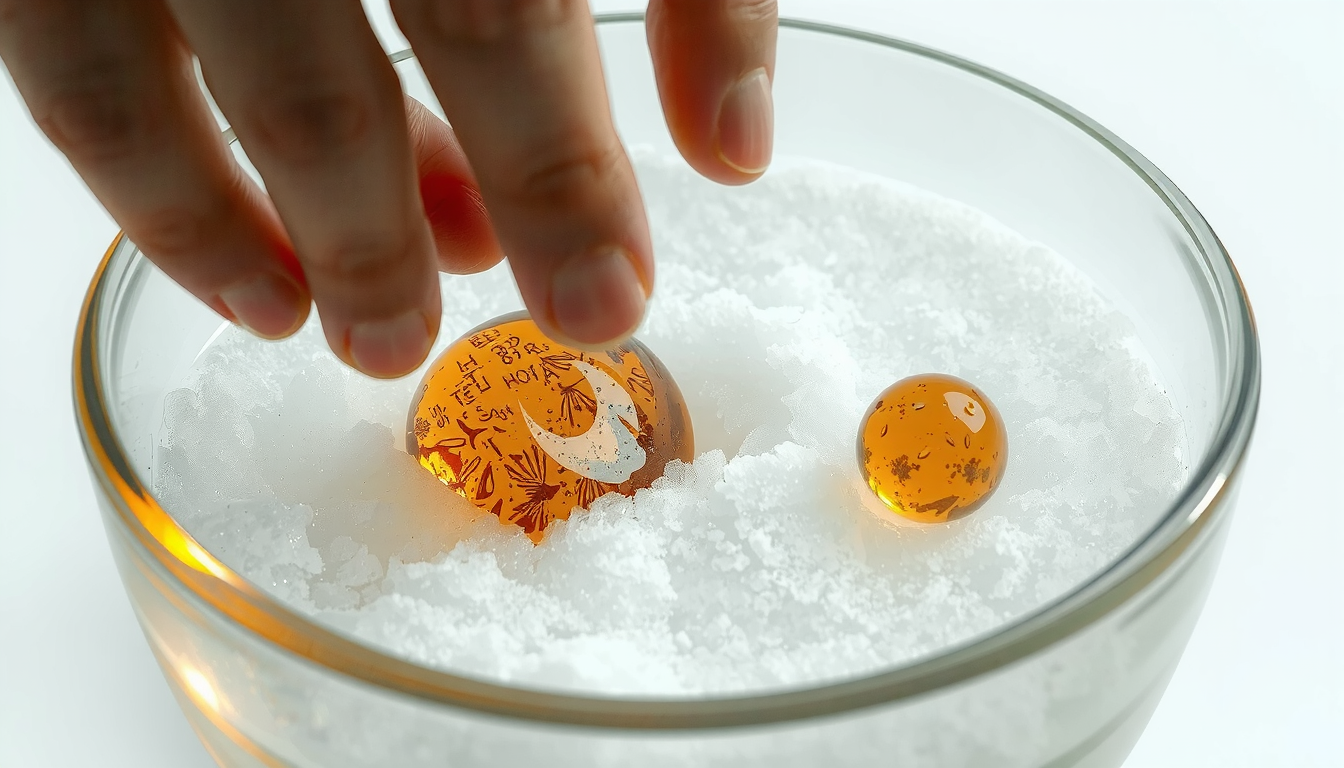
To do this test, mix about two parts salt with one part water in a cup. Stir until the salt dissolves. Put your amber piece in the water. If it floats, it is likely real. If it sinks, it is likely fake. This test won’t work for amber set in metal, as the metal will pull it down.
The Scent Test
This test works very well but must be done with great care. From my experience, it gives a clear result. Heat the tip of a needle with a lighter for a few seconds. Then, gently touch the hot needle to a hidden spot on the amber, like inside a drill hole.
Real amber will release a clear, pleasant smell of pine trees or resin. It’s a natural, earthy scent. Fakes made of plastic will give off a harsh, chemical smell of burning plastic. Always be very careful, as this test can leave a small burn mark.
Visual and Touch Clues
Real amber feels warm against your skin. Plastic and glass fakes feel colder and harder. Amber is also very light.
Look for small flaws. Real amber often has tiny air bubbles or natural bits of plants inside. Perfectly clear, uniform beads with no flaws are often suspicious. Nature is rarely perfect, and these tiny flaws are signs it’s real.
Beyond the Basics: Spotting Fakes
Counterfeiters are getting better. Some fakes are hard to spot. Understanding more advanced details can help you learn how to find out if jewelry is real.
Is it Plated, Filled, or Solid?
Not all gold jewelry is solid gold. It’s important to know the difference.
* Gold-Plated (GP, HGE, RGP): A very thin layer of gold is put over a base metal like copper or brass. It can wear off easily.
* Gold-Filled (GF): A thicker layer of gold is bonded to a base metal. It lasts longer than plating but is not solid gold.
* Solid Gold: The entire piece is made of a gold mix, as shown by its karat mark (10K, 14K, etc.).
Look for wear on the edges and high-contact points of your jewelry. If you see a different colored metal showing through, it is a plated piece.
Natural vs. Lab-Grown vs. Fake
This is a common point of confusion with gemstones, especially diamonds.
* Natural: A gemstone mined from the Earth.
* Lab-Grown: Made in a lab. It has the same chemical, physical, and visual traits as a natural stone. It is a real gem, just not a natural one.
* Fake: A different material that is made to look like a real gem. For example, cubic zirconia (CZ) is a diamond fake. It looks similar but has different traits.
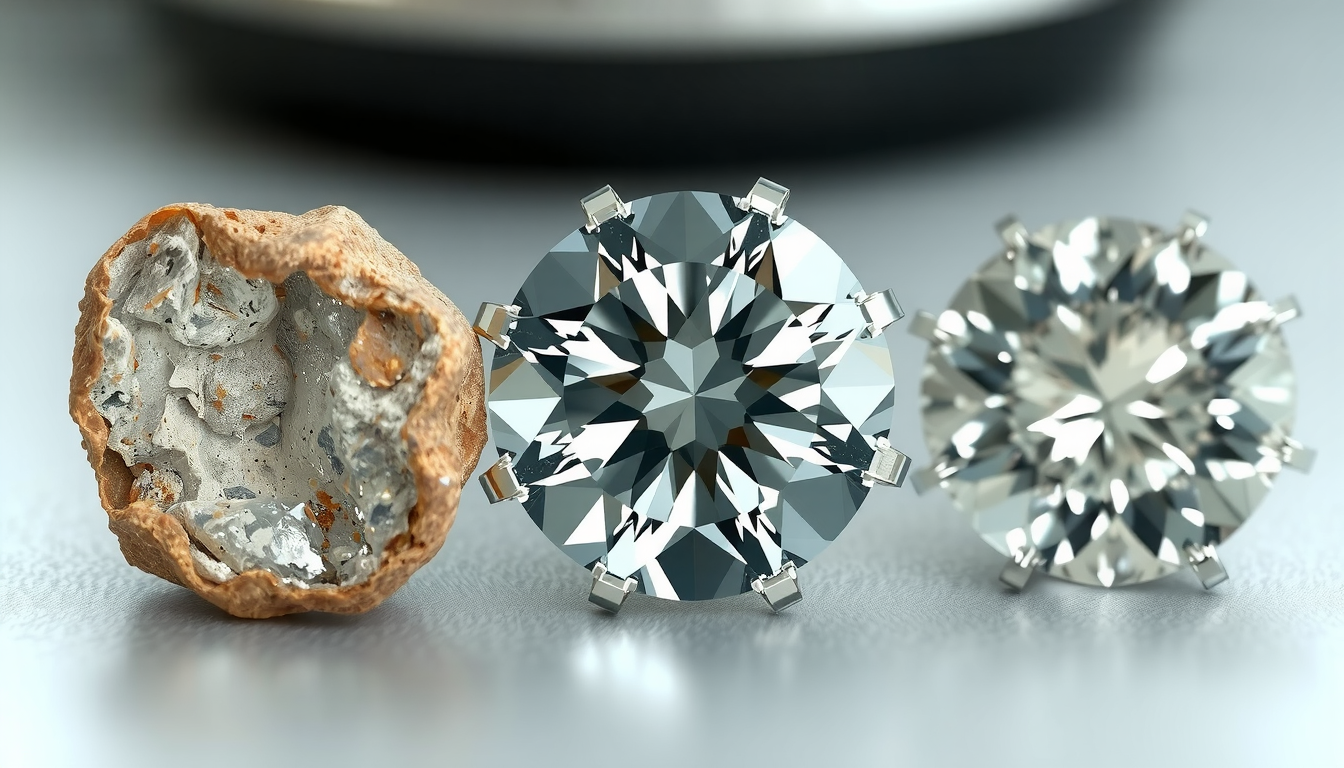
Lab-grown diamonds are chemically the same as natural diamonds. It is impossible for a beginner to tell them apart. It needs special equipment that only gem labs and trained pros have.
The Signs of a “Super-Fake”
The most convincing fakes, or “super-fakes,” might use real but low-quality materials. For example, a ring might be stamped “14K” but is actually 10K gold. Or a necklace might use real, low-grade gemstones to appear more real.
Some fakes also copy designer stamps, like “Tiffany & Co.” or “Cartier.” However, these forged stamps are often not as sharp or precise as the real thing.
The Final Check: When to Ask a Pro
At-home tests can give you clues, but they are not final answers. For insurance, resale, or simple peace of mind, you need a professional. Knowing whether you have valuable or costume jewelry is the main reason to see an expert.
Finding a Good Jeweler
Look for a jeweler or appraiser with strong credentials, such as a Graduate Gemologist (GG) degree from the Gemological Institute of America (GIA). A professional environment is also a key sign of a trustworthy business. A well-done shows that a business is serious and invests in its reputation.
They care about how items are presented and secured. A high-quality shows respect for the pieces. A top-tier provides displays that protect and beautifully present the items, signaling a commitment to quality.
What to Expect During an Appraisal
Experts use special tools that are far more accurate than home tests. They use devices like X-ray fluorescence (XRF) scanners to find the exact metal content without any damage. They use refractometers and microscopes to identify gemstones.
Leaders in the jewelry retail ecosystem, from store designers to display experts like , understand that creating a trustworthy environment is key to assuring customers of the authenticity and value of the pieces on display. A professional can provide a detailed report on your jewelry’s authenticity, quality, and market value. This is the only way to know for sure.
Conclusion: Wear Your Jewelry with Confidence
We’ve walked through the steps of how to find out if jewelry is real. You can start with simple visual checks. You can move on to specific tests for materials like amber. Finally, you know the importance of a professional for a final answer.
This knowledge empowers you as a jewelry owner. You can better understand the pieces you own, buy, or sell. Whether it’s a priceless family heirloom or a fun fashion piece, you can now enjoy your jewelry with greater confidence.
Frequently Asked Questions (FAQ)
Q1: If my jewelry turns my skin green, is it definitely fake?
A: Not necessarily. It is a common sign of fake jewelry, where copper reacts with your skin’s oils. However, it can also happen with sterling silver or even lower-karat gold in some people due to their unique body chemistry. It will never happen with high-karat gold or platinum.
Q2: Can I use a lighter to test if my gold is real?
A: We strongly advise against this. While real gold will not be damaged by a normal flame, you risk burning yourself. You could also ruin a plated item or damage a gemstone set in the piece. There are much safer and more reliable tests available.
Q3: My old ring has no hallmark. Does that mean it’s worthless?
A: Absolutely not. Many antique pieces (over 100 years old), custom-made jewelry, or items where the stamp has worn off may lack a hallmark. The absence of a mark simply means you need to use other tests and, ideally, get a professional appraisal to determine its real value.
Q4: What is the most reliable at-home test to find out if jewelry is real?
A: The most reliable initial checks are non-destructive: a close look for hallmarks and quality craftsmanship, and the magnet test. For loose amber, the saltwater test is very effective. For a more definitive answer on metals, an acid test kit is more accurate but carries risks and can damage the piece if used incorrectly.
Q5: Are lab-grown diamonds considered “real”?
A: Yes, lab-grown diamonds are real diamonds. They are chemically, physically, and optically identical to diamonds mined from the earth. The only difference is their origin. They are not fakes or simulants like cubic zirconia. They are simply created in a lab instead of nature.