Introduction: More Than Just Shelves – Why Your Layout is Your Greatest Asset
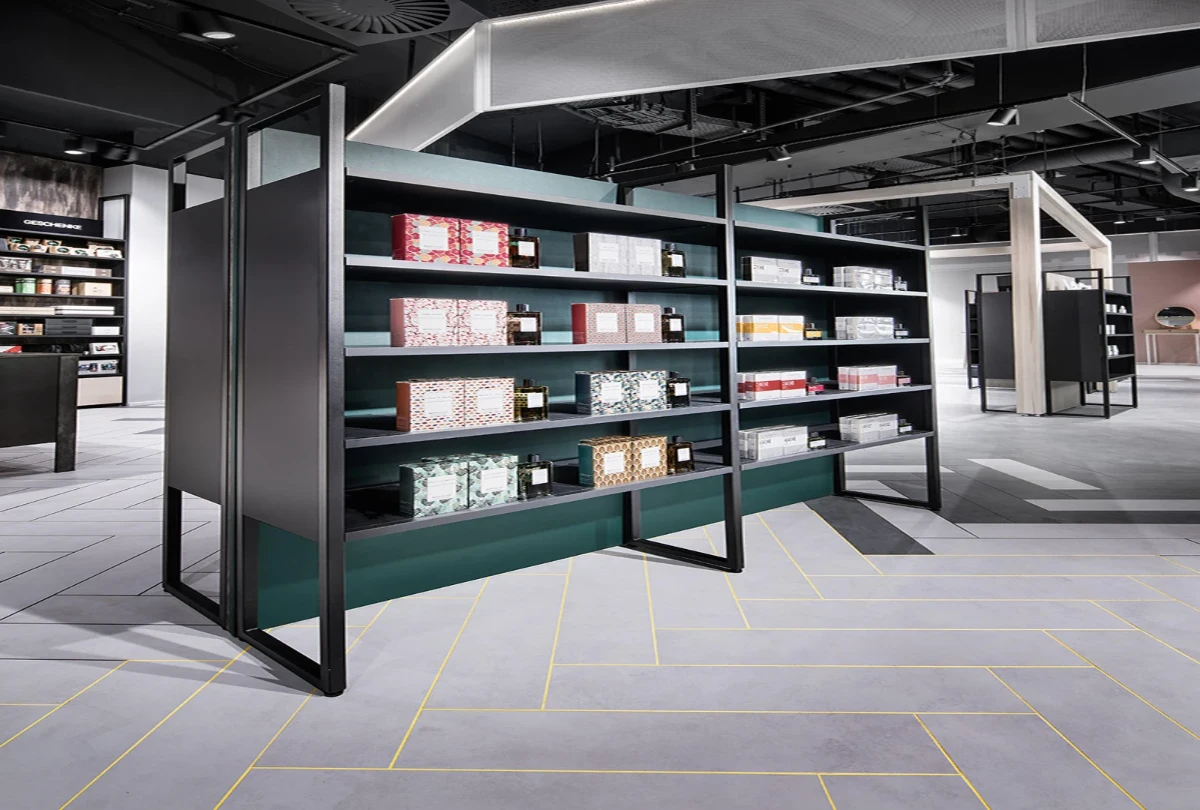
A medical store’s layout is the silent partner in your business. It directly affects your daily workflow, patient safety, and how much money you make. The right plan does more than just hold products. It guides customers, helps your staff work better, and builds trust. Poorly planned medical store fitouts layouts can lead to long wait times, frustrated patients, and lost sales.
This guide is your complete roadmap. We will cover the main layout models and how to create smart zones. We will also look at the essential furniture you need. We will explore modern technology and how to follow important rules. The goal is to balance the clinical needs of a pharmacy with the sales goals of a retail store. A complete approach to medicine shop interior design is key for success in today’s market.
Key Takeaways
- Layout is Strategy: Your store’s layout directly impacts efficiency, patient safety, and profit. It is not just about looks.
- Choose the Right Model: The three main layouts—Grid, Loop, and Free-Flow—each have unique benefits for different types of pharmacies.
- Zone for Success: Divide your store into key zones. These are the Dispensary, Counter, Retail, and Consultation areas. This helps optimize workflow and customer experience.
- Function Over Form: While looks matter, the top priority in medical store fitouts layouts must be functionality, safety, and compliance.
- Future-Proof Your Design: Add technology like robotics and digital signs to stay competitive and improve service.
- Compliance is Non-Negotiable: Your layout must meet accessibility (ADA) and privacy (HIPAA) standards. It must also follow Board of Pharmacy rules.
The 3 Core Medical Store Layout Models: Which is Right for You?
Choosing a basic layout is the first major decision in planning your medical store fitouts layouts. Each model shapes how customers move and how your staff operates. Let’s look at the three main types.
The Grid Layout: The Standard for Efficiency and Stock Capacity
The grid layout is the most common design. It uses long, parallel aisles of shelving. This is much like a grocery store. This setup is very efficient for storing a large amount of product.
This design is familiar to customers. This makes it easy for them to find what they need. It also makes restocking shelves simple for your staff. However, a grid layout can feel a bit cold or impersonal. It can also create traffic jams near the busy dispensary area.
The Loop (or Racetrack) Layout: Guiding the Customer Journey
The loop layout creates a single, main path that guides customers through the store. This path takes them past different departments and key displays. Then it leads them to the checkout or dispensary.
This layout is great because it exposes customers to more of your products. This can increase sales. The flow is predictable and easy to follow. The main downside is that customers who are in a hurry might find it annoying to follow a set path. It also requires more floor space than a simple grid.
The Free-Flow Layout: The Boutique & Experiential Approach
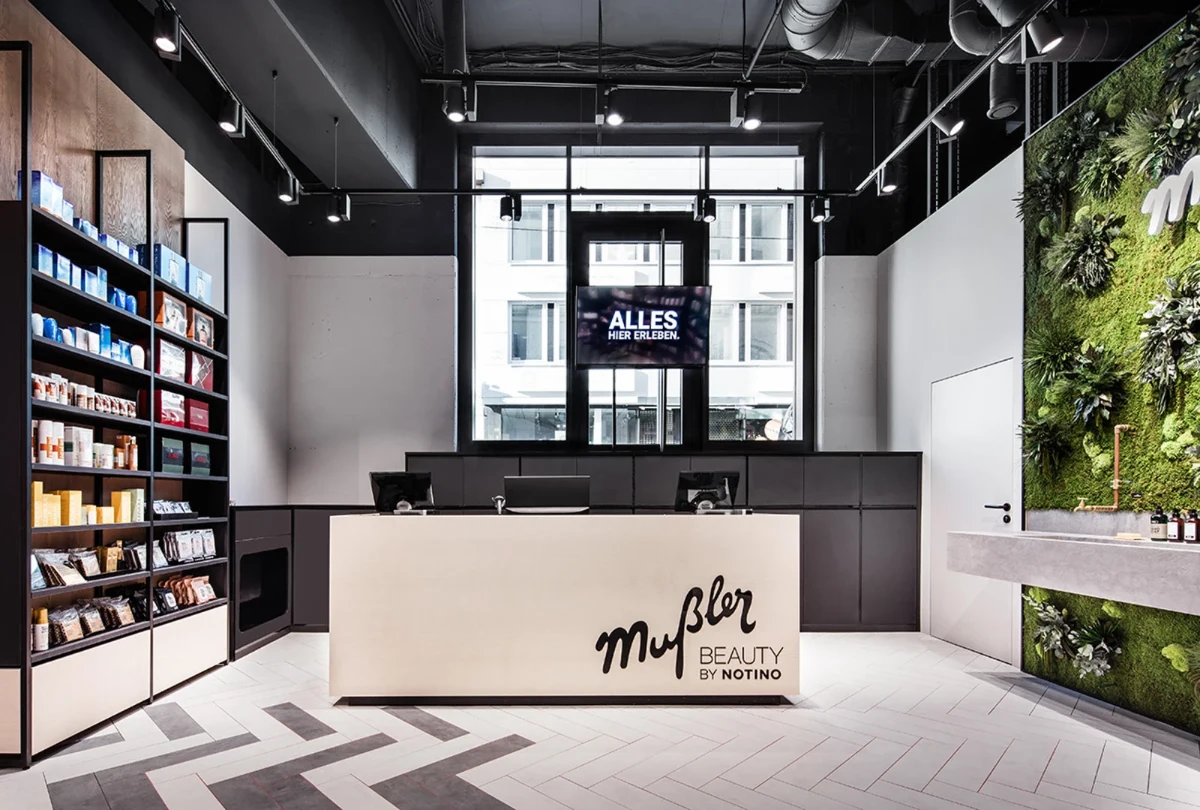
The free-flow layout is an open-plan design. It arranges fixtures and displays in a more organic, less structured way. This style creates a high-end, relaxed feeling.
It is perfect for pharmacies that focus on wellness, beauty, and consultations. It encourages customers to browse and discover new products. However, this layout can sometimes be confusing for shoppers. It holds less stock than a grid layout. It can also make store security more challenging.
| Layout Type | Best For | Customer Flow | Space Efficiency | Atmosphere |
|---|---|---|---|---|
| Grid | High-volume pharmacies with large inventories. | Direct, predictable paths. | Very High | Efficient, can be sterile. |
| Loop | Stores mixing retail with health services. | Guided, controlled journey. | Medium | Organized, encourages browsing. |
| Free-Flow | Boutiques, wellness-focused stores. | Open, encourages exploration. | Low | High-end, relaxed, experiential. |
Strategic Zoning: Designing Your Pharmacy for Peak Performance
Great medical store fitouts layouts go beyond basic models. They use strategic zoning to create distinct areas for different tasks. This approach makes your pharmacy work like a well-oiled machine.
Zone 1: The Dispensary – The Clinical Heart of Your Operation
The dispensary is where the most critical work happens. Efficiency and accuracy here are vital. The layout must support a clear workflow. This can be either in a U-shape or a straight line from prescription entry to verification.
We focus on ergonomics for staff. This means designing workspaces that reduce physical strain and mental fatigue. A tired pharmacist is more likely to make an error. I’ve seen firsthand how a well-designed dispensary can transform a pharmacist’s day. It reduces stress and speeds up prescription filling. Most importantly, it improves patient safety. Secure storage for controlled drugs is also a non-negotiable part of this zone.
Zone 2: The Prescription Counter – The Point of Trust and Transaction
The prescription counter is where your team interacts most with patients. This is where trust is built or broken. The design of the pharmacy counter must be carefully considered.
We recommend separate “in” and “out” windows or stations. This simple step manages queues and reduces confusion. Most importantly, the counter area must have space for private counseling. Patients need to feel safe discussing their health. Data shows that providing clear, private consultation spaces increases patient trust. It also makes them more likely to follow their medication plans.
Zone 3: The Retail & OTC Area – Driving Front-of-Store Sales
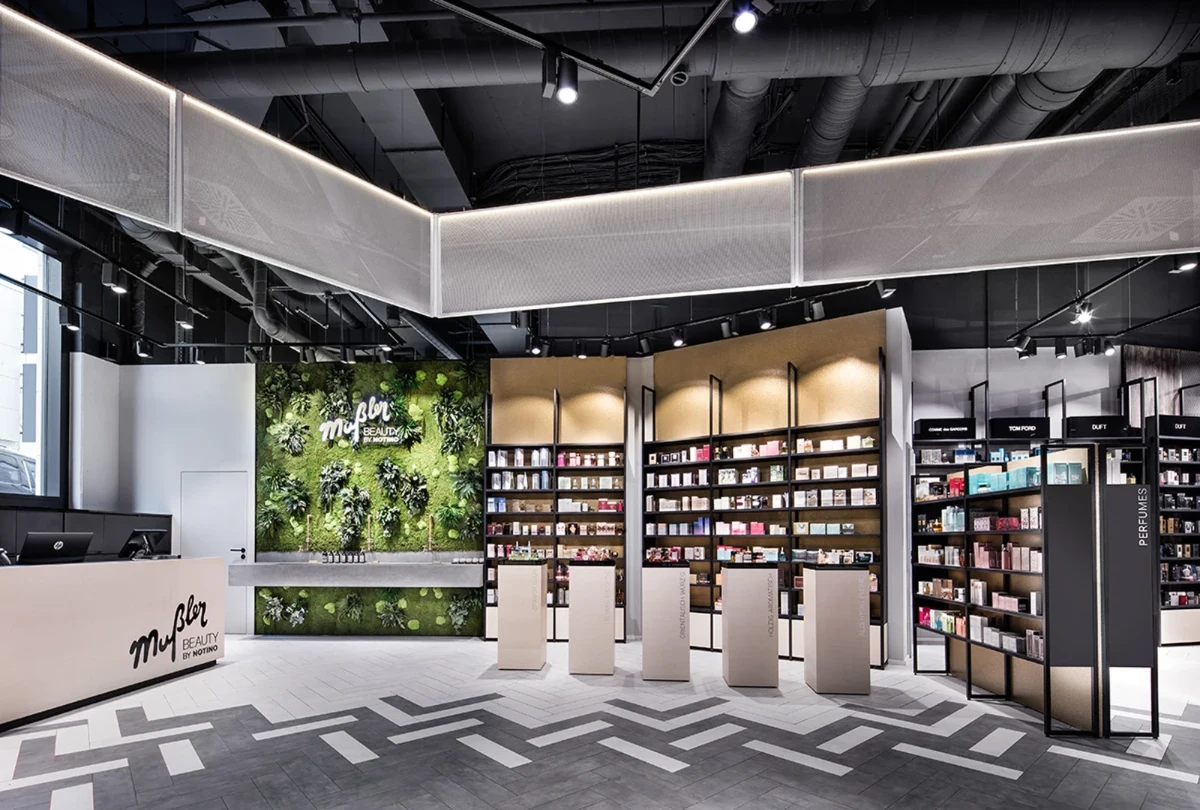
The front of your store is your retail engine. Smart product placement in your medical store fitouts layouts can significantly boost sales. Place seasonal items like allergy medicine or sunblock near the entrance where everyone can see them.
Use end-caps—the displays at the end of aisles—for promotions. Group over-the-counter (OTC) products into logical categories. For example, create a “Pain & Fever” section near the prescription counter. People picking up prescriptions may also need these items. Other clear sections could be “Vitamins & Supplements,” “Skin Care,” and “First Aid.”
Zone 4: The Consultation & Services Room – Expanding Your Healthcare Role
Modern pharmacies do more than just dispense pills. They are becoming community health hubs. A private, professional room for services like vaccinations, health screenings, or Medication Therapy Management (MTM) is now essential.
This room should be designed for multiple uses. It needs to be welcoming and professional. It should have good lighting and comfortable seating. As patient demand for accessible care grows, pharmacy fitout innovations often include these dedicated service areas. These create new revenue streams and deepen patient relationships.
Special Consideration: Optimizing Layouts for Small Medical Stores
Not every pharmacy has a large footprint. For smaller spaces, smart design is even more critical. The key is to think vertically. Use floor-to-ceiling shelving to maximize storage.
Choose furniture that can serve multiple purposes. A small desk can double as a consultation spot. The main goal is to maintain a clear, uncluttered path to the dispensary. Optimizing space and flow in a small pharmacy is a common challenge. But creative medical store fitouts layouts can turn a small space into a highly efficient one.
Essential Fitout Elements: The Building Blocks of Your Medical Store
Once you have a layout and zones, you need the right furniture and fixtures. These are the physical building blocks of your medical store fitout. Choosing quality pieces is an investment in your store’s future.
Shelving and Display Systems
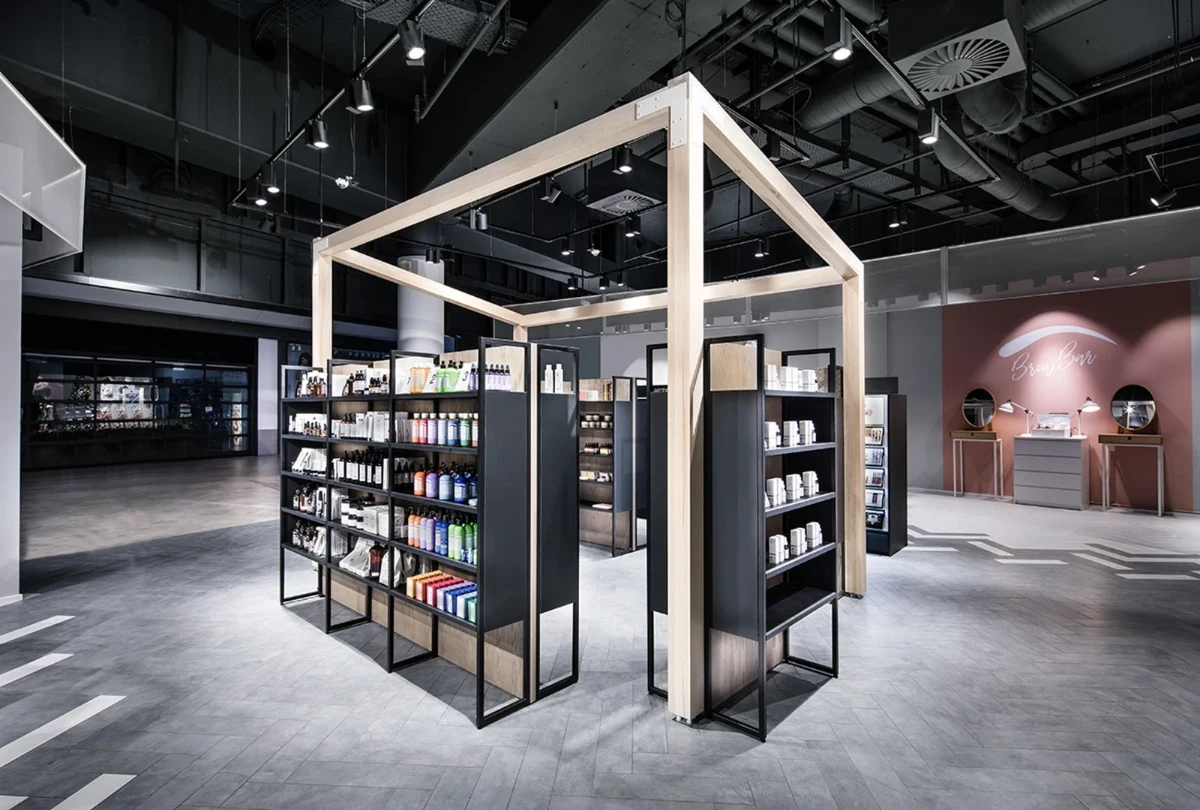
- Gondola Shelving: This is the workhorse for your main retail floor. It’s strong, versatile, and ideal for displaying a wide range of OTC products.
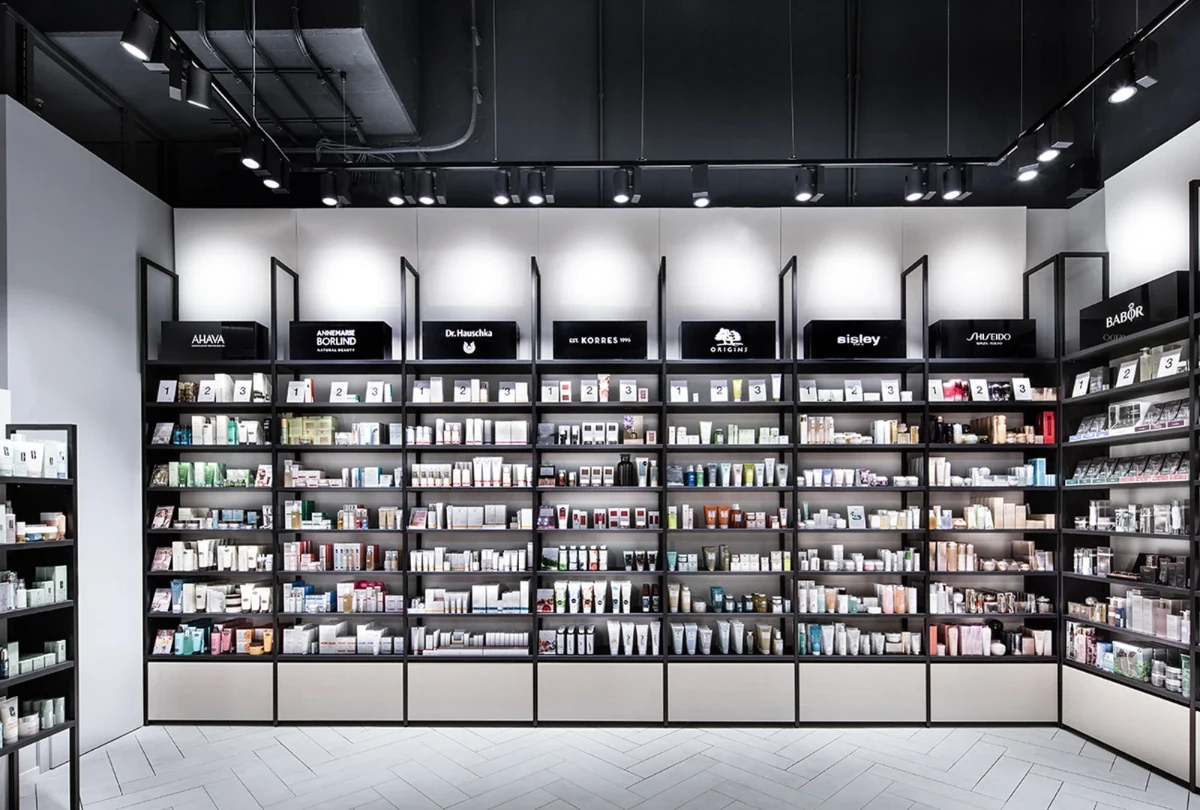
- Pharmacy Wall Shelf: Using wall space is crucial for efficiency. A professional pharmacy wall shelf system creates clean lines. It also provides essential storage behind the counter and in the retail area.
- Medicine Display Cabinet: For high-value items, vitamins, or premium skincare, a display cabinet is perfect. A well-lit medicine display cabinet not only secures products but also makes them look more appealing.
Counters and Casework
- Dispensary Workbenches: These surfaces must be extremely durable and easy to clean to maintain a sterile environment. They should be at a height that is comfortable for staff who are standing most of the day.
- Point-of-Sale (POS) Counters: The main checkout counter needs to be functional for transactions. It should also have space for small, impulse-buy items like lip balm or hand sanitizer.
- Consultation Desks: If you have a separate consultation room or area, the desk should feel professional and welcoming. It should not feel like a barrier.
Specialized Pharmacy Furniture
Standard office furniture often isn’t enough for a pharmacy. You need purpose-built solutions for efficiency and compliance. Investing in the right pharmacy furniture pays off in the long run.
This includes items like secure cabinets for narcotics, which are required by law. It also includes medical-grade refrigerators for temperature-sensitive drugs. Modular drawer systems for organizing thousands of different medications are also important. These specialized pieces are central to effective medical store fitouts layouts.
Beyond the Blueprint: Integrating Technology & Modern Design Trends
A truly modern pharmacy looks to the future. The best medical store fitouts layouts today incorporate technology and design trends. These improve both operations and the patient experience.
Technology Integration in Your Layout
- Robotic Dispensing Systems: Automation can dramatically speed up prescription filling. These robots need a specific footprint. So your dispensary layout must account for their placement and workflow.
- Digital Signage: Replace static posters with digital screens. You can use them for dynamic promotions, health education content, or to call patients to the counter.
- Self-Service Kiosks: Allow patients to check in or pick up refills at a kiosk. This can reduce queues and free up staff for more complex tasks.
- Telehealth Booths: Integrate a private booth for virtual doctor consultations right into your pharmacy layout. This adds a valuable service for your community.
Modern Aesthetics and Patient Experience
- Lighting Strategy: Good lighting is critical. Use bright, clear “task” lighting in the dispensary. Use softer, “ambient” lighting in the retail and waiting areas to create a calm atmosphere.
- Color Psychology: Colors affect mood. Calming blues and greens, combined with clean whites and natural wood tones, can make a clinical space feel more welcoming.
- Biophilic Design: This means bringing elements of nature indoors. Using plants, wood finishes, and maximizing natural light can help reduce patient anxiety. As experts note, Innovative pharmacy interior design ideas are now focused on creating a holistic wellness environment. This moves away from the sterile look of the past.
Navigating Compliance and Accessibility in Your Fitout Design
A medical store is a healthcare facility first and a retail store second. Your fitout design must follow strict legal and ethical rules. Ignoring them can lead to fines and put patients at risk.
Accessibility (ADA Compliance)
Your store must be accessible to everyone, including people with disabilities.
* Aisle Width: Aisles must be wide enough for wheelchair access.
* Counter Height: At least one section of your prescription and POS counters must be at a lower, accessible height.
* Ramps and Doors: Use ramps instead of stairs where possible and consider automatic doors.
Patient Privacy (HIPAA Compliance)
Protecting patient health information is a legal requirement. Your layout must be designed to ensure privacy.
* Consultation areas and counter stations should be designed to prevent others from overhearing conversations.
* This can be achieved with physical barriers or by using sound-masking technology in private rooms.
Regulatory and Board of Pharmacy Requirements
Each state or region has a Board of Pharmacy with specific rules for a pharmacy’s physical plant.
* These rules often dictate requirements like having a sink with hot and cold water in the dispensary. They also specify specific types of secure storage and minimum square footage.
* Always check your local regulations before finalizing your medical store fitouts layouts.
Choosing Your Partner: Finding an Expert Pharmacy Design Company
Bringing your vision to life requires the right partner. Designing a pharmacy is a specialized skill. You need a company that understands healthcare workflow, retail strategy, and complex regulations.
Look for a partner with proven experience in the medical field. The process should be a collaboration. It starts with a consultation to understand your goals. Then it moves to 3D designs to visualize the space. Finally, it ends with manufacturing and installation. A successful project combines your vision with the expertise of a specialized pharmacy design team.
Working with a firm that has a deep portfolio of successful projects is invaluable. A trusted expert like Ouyee Display specializes in creating medical and retail environments. These are not only beautiful but also highly functional and profitable. The right partner will guide you through every step. They will ensure your medical store fitout is a success.
FAQ: Your Top Questions on Medical Store Fitouts Answered
How much does a medical store fitout typically cost?
Costs vary widely based on the store’s size, location, and the quality of materials used. A complete fitout can range from $150 to over $400 per square foot. Major cost drivers include custom furniture, specialized dispensary equipment, and technology like robotic systems. A detailed plan for your medical store fitouts layouts is the first step to getting an accurate budget.
What is the most important zone to get right in a pharmacy layout?
While every zone is important, the dispensary and prescription counter area are the most critical. This is the clinical and operational core of your business. An efficient, safe, and private workflow in this area is the foundation for everything else. Get this right, and the rest of the store will function better.
How can I improve customer flow in my existing medical store?
Start by de-cluttering your aisles to ensure they are wide and clear. Use clear, easy-to-read signage to guide customers to key sections. If possible, use low-profile displays to create a subtle loop path. Most importantly, make sure the prescription counter is clearly visible and accessible from the main entrance.
Should I include a waiting area in my pharmacy layout?
Absolutely. Even a small, comfortable waiting area is crucial. It improves the patient experience by giving them a place to sit while their prescription is filled. It also reduces crowding around the busy counter. It provides a great opportunity for health education displays or product promotions.
What’s the biggest mistake to avoid in medical store fitouts layouts?
The biggest mistake is prioritizing looks over function. A beautiful store that slows down your staff, compromises patient privacy, or fails to meet legal standards is a failed design. The best medical store fitouts layouts find the perfect balance. Great design supports flawless operation and patient care.