Do you need cash quickly? You might be looking at your jewelry box and asking, “do pawn shops buy jewelry?” The answer is yes. Pawn shops are one of the fastest ways to turn old jewelry into cash. You can sell your item for good or use it as security for a short loan. This guide will walk you through the whole process. We will cover how pawn shops value your jewelry. We will also talk about what types of pieces get the best offers. Plus, we will show you how to get a fair price so you can sell with confidence.
Key Takeaways
- Yes, Pawn Shops Buy Jewelry: Jewelry is a top item for pawn shops. This is because precious metals and gems have stable value.
- Know Your Options: You can sell your jewelry for cash right away. Or you can pawn it for a loan. This lets you get it back later by paying back the loan plus interest.
- Value is Based on Materials: The offer you get is mainly based on the “melt value” of the metal. This means weight and purity. It also includes the basic quality of any gemstones. It is not based on the original store price.
- Expect 25% to 60% of Resale Value: Pawn shops offer a part of what they can resell the item for. This covers their costs and gives them profit.
- Being Ready is Key: To get the best offer, clean your jewelry. Bring any papers you have. Visit several shops to compare prices.
The Short Answer: Yes, Pawn Shops Want to Buy Jewelry
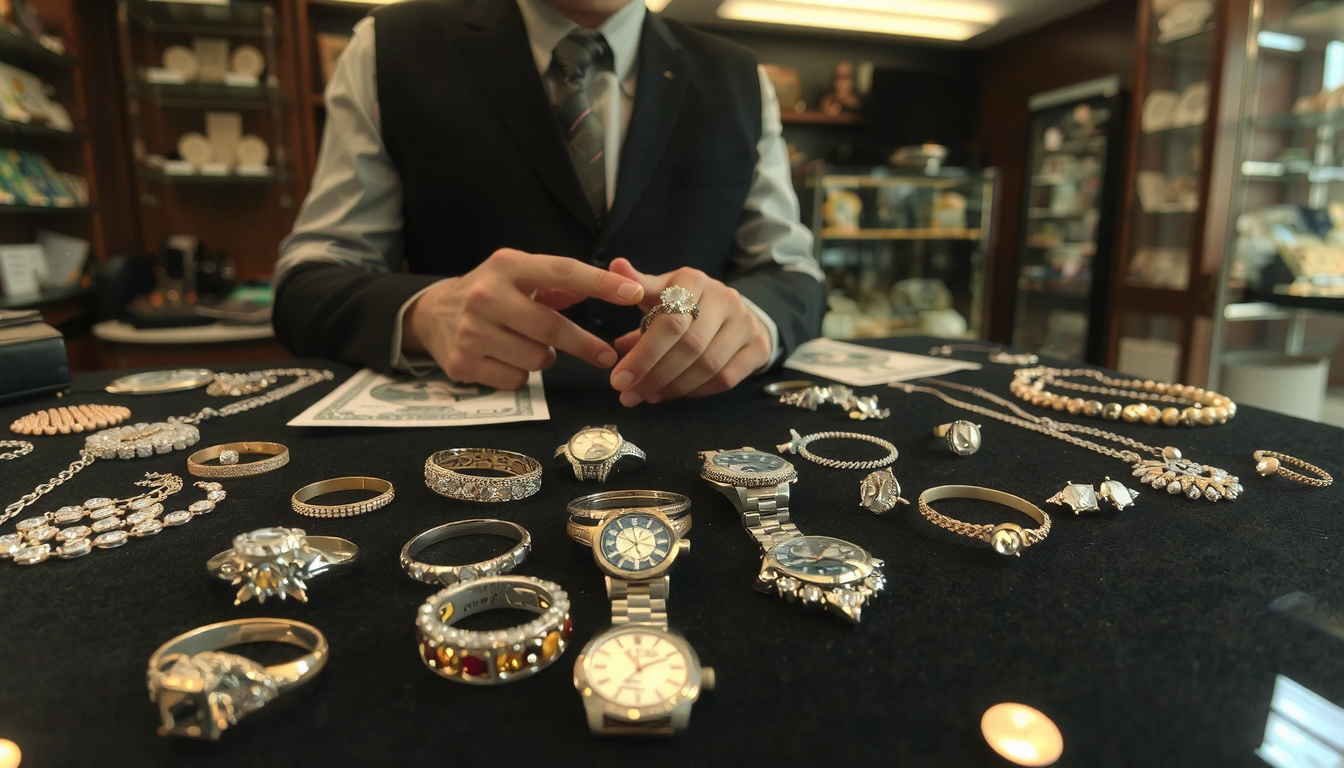
Jewelry is a main part of business for almost every pawn shop. Items made of precious metals like gold and platinum are always wanted. Diamonds are too. This is because their value is not just based on style. It is based on the real value of the materials. This makes jewelry reliable and profitable for pawn shop owners.
When you bring your jewelry to a pawn shop, you have two main choices. Understanding how do pawn shops work with jewelry is the first step.
- Selling: This is a simple sale that lasts forever. You give the pawn shop your jewelry. They give you cash. The deal is done. This is the best choice if you don’t want the item back. It also gives you the most money possible.
- Pawning: This is a type of loan. You give the shop your jewelry as security. They give you a cash loan. You have a set time to pay back the loan plus interest and fees. This is often 30-90 days. If you do pay it back, you get your item back. If you don’t, the pawn shop keeps the jewelry to sell.
Using a pawn shop offers several key benefits. This is especially true for those who can’t or don’t want to use a bank.
- Speed: You can walk in with jewelry and walk out with cash in under an hour.
- Easy to Use: Pawn shops are in most towns and cities. They have simple processes.
- No Credit Check: The loan is backed by your item. So your credit score does not matter.
How Much Do Pawn Shops Pay for Jewelry? Understanding How They Set Prices
This is the most important question for sellers: “How much can I get?” The price a pawn shop offers is based on careful review of your item’s real market value. It is not what you paid for it. It’s important to have realistic hopes to avoid being let down.
Key Things That Decide Your Offer
A pawn shop worker will look at several things to decide on a price. The process is usually quick. It is based on solid facts that can be checked.
- Precious Metal Content (Melt Value): This is the base of the offer. The worker will check the metal’s purity. For gold, this means karat like 10k, 14k, or 18k. They will weigh it. Then they figure out its value based on the current market price of the metal. This is called the “spot price.”
- Gemstones (Especially Diamonds): For diamonds, the main things are the 4 Cs. These are Carat (weight), Cut (shape and sparkle), Clarity (flaws), and Color. Pawn shops focus mostly on carat weight and basic quality. Smaller stones often add very little to the price.
- Brand and Want: A piece from a famous luxury brand will get a much better offer. Think Tiffany & Co., Cartier, or Rolex. This is because people actively look for these brands. This makes them easier to resell.
- Condition and Quality: Is the item in good shape? Is it broken or heavily worn? Better condition means higher resale potential. This means a better offer. Poor condition may result in an offer based only on scrap metal value.
Appraisal vs. Review: An Important Difference
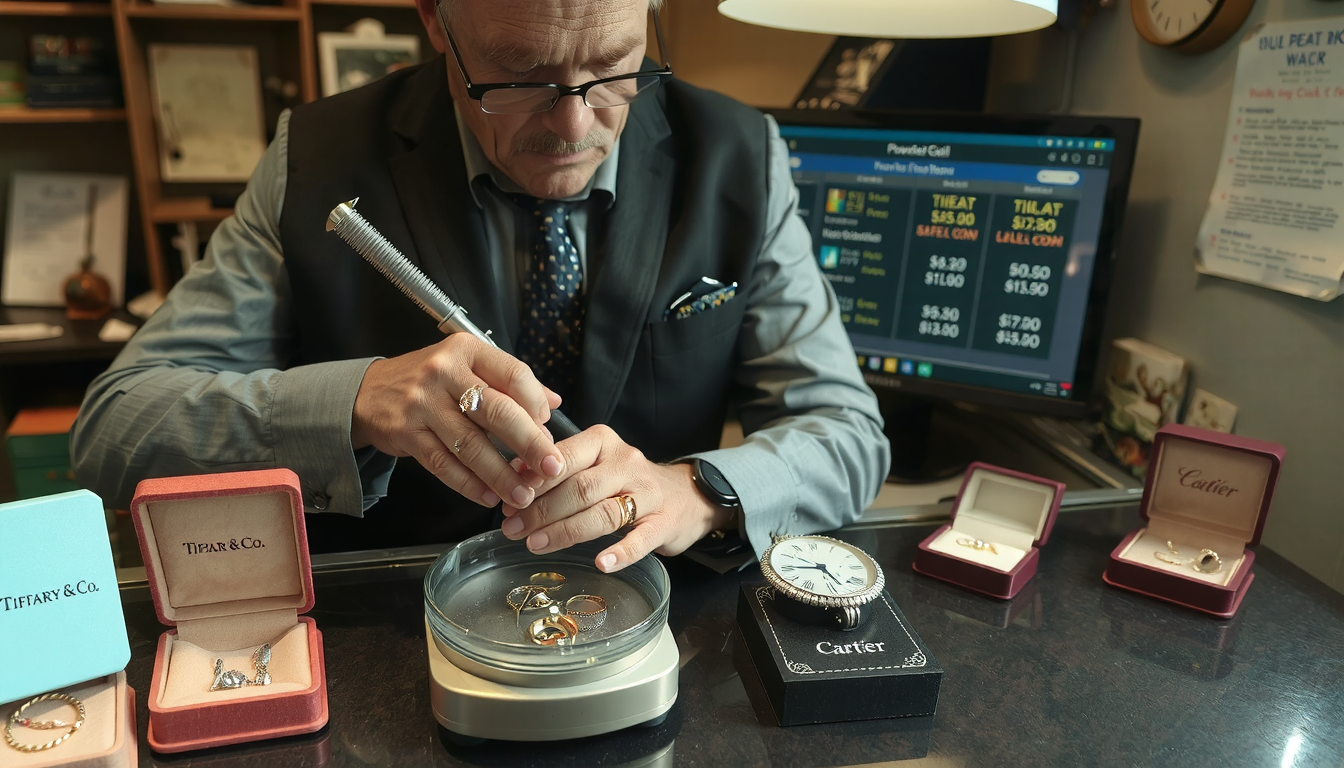
Many people bring in an old insurance appraisal. They expect to get that amount. This is a common mistake. An appraisal is a guess of the full store cost to replace an item. It is almost always much higher than its resale value.
A pawn shop does a review. This is a check of the item’s current wholesale or secondhand market value. The difference between jewelry appraisals and evaluations is a common point of confusion for first-time sellers. As a detailed look into appraisals versus evaluations shows, an appraisal is for insurance. A review is for resale. A pawn shop’s offer is based on what they can really sell the item for.
The Reality of Payouts: What Part to Expect
After checking your jewelry, the pawn shop will make an offer. This offer is not the full resale value. Pawn shops are businesses with costs like rent, staff, and security. They also take on the risk that an item may not sell quickly.
You can usually expect an offer of between 25% and 60% of the item’s decided resale value. For a loan, the offer might be on the lower end. For a straight sale, it may be slightly higher. This margin lets the shop cover its costs and make a profit.
What Types of Jewelry Get the Best Offers?
Are you wondering, “can i sell my jewelry to a pawn shop and get a good price?” The answer depends on what you have. Not all jewelry is the same in the eyes of a pawn shop worker. Some items are far more wanted. They will always get a better offer because they are easier to resell.
Here are the types of jewelry that always get the best prices:
Gold and Platinum Jewelry
Plain and simple, pieces made of high-purity precious metals are a safe bet. Gold chains, bracelets, and rings are valued based on their weight and karat. Higher karat gold like 18k, 22k, or 24k has more pure gold. It is worth much more than 10k or 14k gold. Platinum is also a dense, valuable metal that gets high prices.
Diamond Jewelry
Diamond engagement rings, wedding bands, and diamond stud earrings are very popular. The value depends heavily on the size and quality of the main diamond. Pieces with a main diamond of 0.5 carats or larger are especially wanted.
Luxury Watches
High-end Swiss watches are in a class of their own. Brands like Rolex, Patek Philippe, Audemars Piguet, and Omega are wanted around the world. They are valued not just for their materials. They are also valued for their brand name, model, condition, and whether they come with the original box and papers.
Designer Pieces
As mentioned earlier, brand names matter. Well-known jewelry designers create pieces that hold their value well. Certain types of jewelry are best for pawning, especially pieces from high-end designer brands like Cartier, Van Cleef & Arpels, and David Yurman.
Broken Jewelry
Yes, pawn shops buy broken jewelry. Do you have a broken gold chain, a single earring, or a ring with a missing stone? You can still sell it. The shop will buy it for its “scrap value.” This is the melt value of the precious metal. You won’t get paid for the work that went into making it. But you can still get cash for items you can no longer wear.
A Step-by-Step Guide to Selling Your Jewelry: An Insider’s Playbook
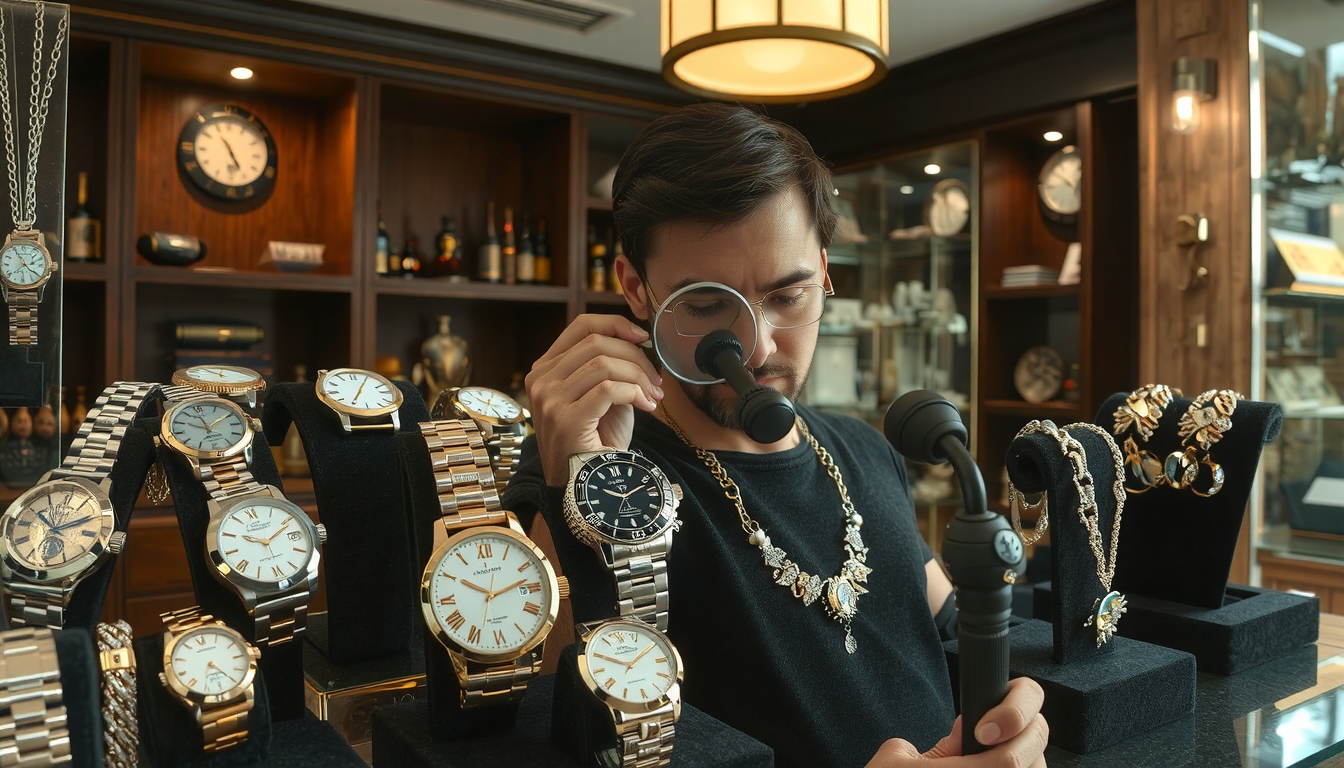
Walking into a pawn shop for the first time can feel scary. But with the right prep and mindset, you can control the process. You can make sure you get a fair deal. Follow this insider’s playbook to sell your jewelry with confidence.
Step 1: Get Your Items and Yourself Ready
First impressions matter. Lightly clean your jewelry with a soft cloth to make it look its best. Don’t use harsh chemicals. They can damage some stones or metals.
Gather any original papers you have. This includes the original box, sales receipt, or a certificate from a gem lab like the GIA (Gemological Institute of America). For basic jewelry, this might not make a big difference. But for a luxury watch or a large diamond, it can greatly increase the offer. Finally, make sure you have a valid, government-issued photo ID. You cannot sell or pawn an item without one.
Step 2: Do Your Research
Knowledge is power. Before you go, know the basics of what you have. Look for small stamps on the metal that show its purity. For example, “14k” or “585” for 14-karat gold. “PLAT” or “950” for platinum.
You can also check the current spot price of gold and platinum online. This will give you a rough idea of the melt value of your item. This information helps you understand where the pawn shop worker’s offer is coming from.
Step 3: Shop Around
This is the most important step. Never take the first offer you get. Every pawn shop is different. One shop might have too much gold already. Another may have a customer looking for exactly what you have.
Visit at least two or three different, trusted pawn shops in your area. Let each one make you an offer. This gives you a clear sense of your item’s true market value. It also gives you power to negotiate.
Step 4: The In-Store Talk and Negotiation
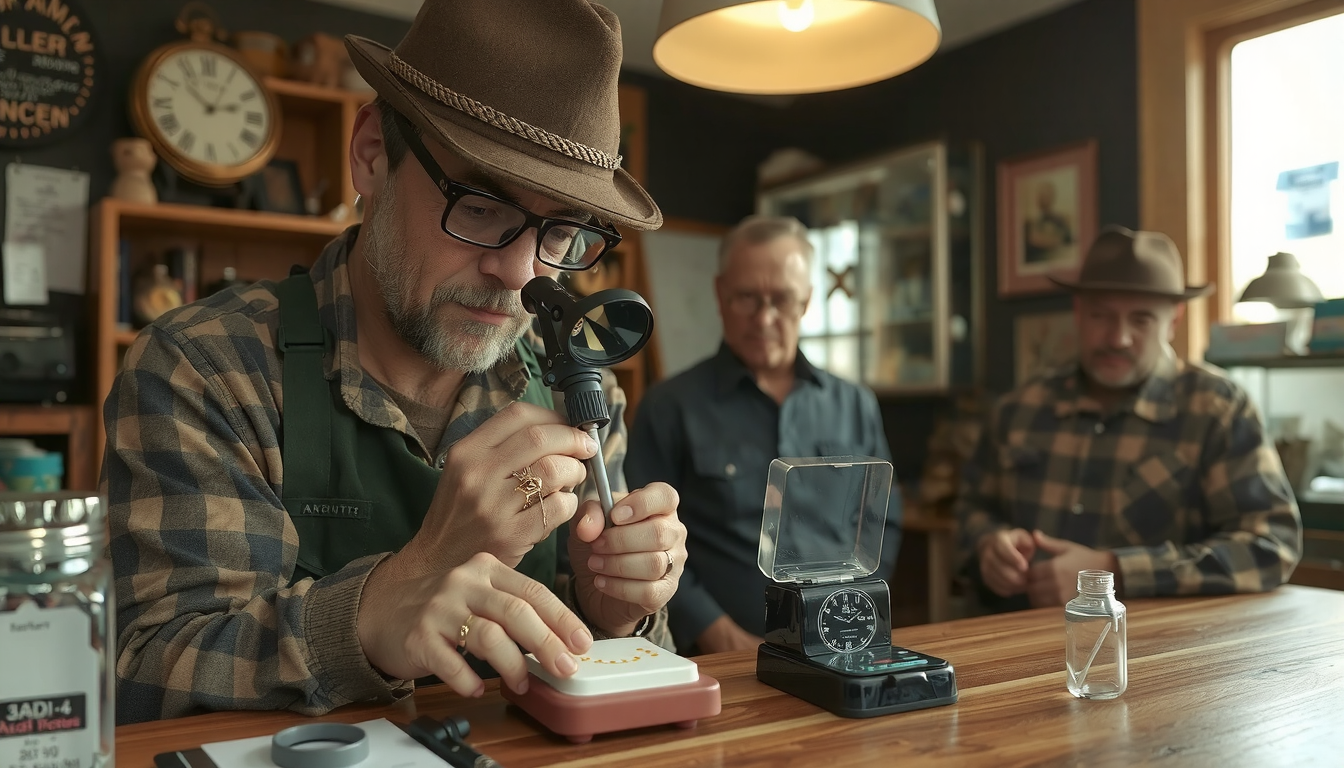
When you enter the shop, be polite, confident, and direct. Say, “I’m interested in selling this piece of jewelry. What can you offer me for it?” The pawn shop worker will then look at your item. They will use a jeweler’s loupe (a small magnifier) to look for markings and check gemstones. They may weigh the item and do a quick test to confirm the metal’s purity. This is often a small, careful scratch test with acid.
Once they have finished checking it, follow these negotiation tips:
- Let them make the first offer. This sets the starting point.
- Don’t be afraid to counter. If their offer seems low, you can say, “I was hoping to get closer to [your price].” If you’ve gotten a higher offer somewhere else, you can mention it.
- Have a walk-away price. Know the lowest amount you are willing to take. If you can’t get an offer at or above that price, be ready to thank them for their time and leave.
Step 5: Finishing the Deal
Once you agree on a price, the final steps are simple. The pawn shop worker will take your ID. They will enter the item’s details into their system (this is required by law). They will have you sign some papers. You will get your cash and a receipt. Keep this receipt for your records.
Pawn Shop vs. Jewelry Store: Where Will You Get a Better Deal?
When you decide to sell, you may wonder, “will jewelry stores buy jewelry?” Yes, many do. This brings up a key comparison. Should you go to a pawn shop or a jewelry store? The best choice depends on what you are selling and what matters most to you.
The businesses are very different. Pawn shops are generalists who buy and sell a huge variety of items. Their goal is quick turnover. Jewelry stores are specialists. They focus only on fine jewelry and watches.
A jewelry store’s expertise is often shown in their store’s look. They invest in professional jewelry store design and high-quality displays. They might use a custom jewelry showcase to create a premium buying experience. This specialization means they might pay more for high-quality, resalable designer pieces. But they are also far more picky than a pawn shop. A leading provider for these professional setups is Ouyee Display, a top-tier jewelry showcase manufacturer.
Here is a table to help you compare:
| Feature | Pawn Shops | Jewelry Stores |
|---|---|---|
| Payout Amount | Generally lower; based on wholesale/scrap value. | Potentially higher for desirable, high-quality pieces. |
| Speed of Transaction | Very fast; cash in hand the same day. | Can be fast, but some may offer consignment. |
| Convenience | High; many locations, simple process. | Moderate; fewer locations, may be more formal. |
| Types of Jewelry | Wide range; including broken and generic items. | Selective; prefer modern, branded, or unique pieces. |
| Expertise Level | Generalist; good at valuing materials. | Specialist; deep knowledge of brands and gems. |
In summary, a pawn shop is your best bet for speed and ease. It is also the ideal place to sell a wide variety of items. This includes scrap gold, broken pieces, and basic jewelry.
A jewelry store might be a better choice if you have a high-end, modern, or designer piece in great condition. They have the right customers to resell it. They may offer you more. But they will likely turn away items that don’t fit their inventory.
Frequently Asked Questions (FAQ)
Here are quick answers to some of the most common questions about selling jewelry to a pawn shop.
Do I need an appraisal before going to a pawn shop?
No, it’s not necessary. A formal appraisal can be expensive and is used for insurance purposes. A pawn shop will always perform its own evaluation based on the current market and material values. Knowing your item’s basic details, like its gold karat, is more helpful.
Can I get my jewelry back after selling it to a pawn shop?
No. An outright sale is a final transaction. Once you sell the item and receive cash, the pawn shop owns it. If you believe you might want the item back in the future, you should choose to pawn it for a loan instead of selling it.
How do pawn shops test gold and diamonds?
For gold, pawnbrokers first look for karat stamps (like “14K” or “18K”). They then confirm its purity by performing a small, non-damaging scratch on a test stone and applying drops of nitric acid. The acid’s reaction reveals the gold’s true karat. For diamonds, they use a thermal conductivity tester to distinguish them from fakes and a jeweler’s loupe to inspect their clarity and cut.
Will a pawn shop give me more money if I have the original box and papers?
It depends on the item. For a generic gold chain or a simple ring, the box and papers will make little to no difference in the offer. However, for a luxury watch like a Rolex or a high-end designer piece from a brand like Cartier, having the original box and certificate of authenticity can significantly increase the value and the offer you receive.
Is it better to pawn or sell my jewelry?
Sell your jewelry if you need the maximum cash payout and are ready to part with the item permanently. This is a clean and final transaction. Pawn your jewelry if you only need cash temporarily and want the option to get your item back. You will likely receive a slightly lower cash amount for a loan, and you must repay it with interest to reclaim your piece.
Conclusion: Selling Your Jewelry with Confidence
So, do pawn shops buy jewelry? Yes, they do. They offer a fast, simple, and reliable way to turn your valuables into immediate cash. While you won’t get the original store price, you can get a fair market offer if you approach the process with the right knowledge.
The key to a successful deal is being prepared. Understand what you have. Manage your hopes about its value. Always shop around to compare offers. By following the steps in this guide, you can confidently navigate the process. You can negotiate well and make the best decision for your money situation. Whether you choose to sell or pawn, you now have the insider’s playbook to get the most cash for your jewelry.