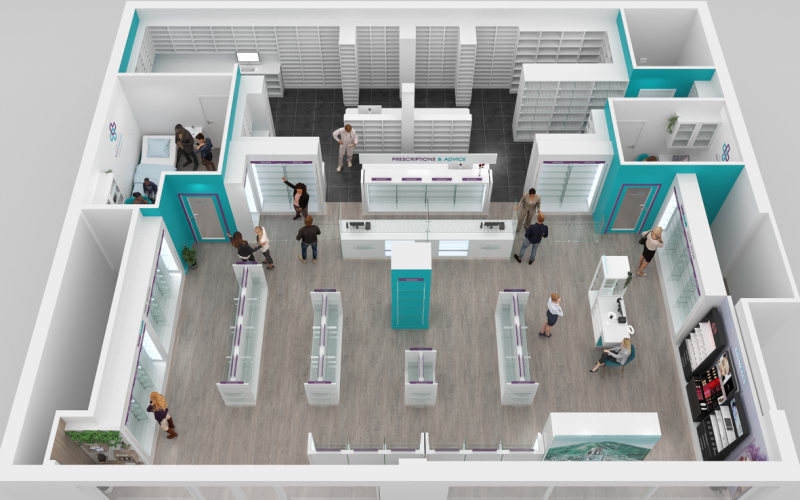
Opening a pharmacy is a great goal. It lets you help your community’s health needs directly. But this journey is complex. It needs deep planning, following strict laws, and smart business moves. This guide breaks down how to open a pharmacy into clear steps you can manage. We will cover everything from first planning and legal steps to setting up your store and starting your business. Think of this as your roadmap to success.

Key Takeaways
- Make a Detailed Business Plan: Your business plan is your blueprint. It must include your mission, market study, services, and money projections.
- Get Enough Funding: Expect startup costs from $200,000 to $600,000. Plan for enough working money to cover the first 6-12 months.
- Handle Legal Rules Early: Getting state and federal licenses (DEA, NPI, etc.) takes time. Start this process as soon as you can.
- Design for Speed and Experience: A well-designed pharmacy makes work better for staff and creates a welcoming place for patients.
- Market Before You Open: Build relationships with local doctors and use local marketing to create buzz for your grand opening.
Phase 1: Basic Planning & Money Strategy
The first phase is the most important. Strong planning and a solid money strategy are the foundation of your new business. Getting this right makes every other step easier. This is where your dream of opening a pharmacy starts to become a real project.
Step 1: Make a Complete Business Plan
Your business plan is the master document for your pharmacy. It guides your choices and is needed for getting loans. It forces you to think through every detail of how to open a pharmacy.
Your plan should include these key parts:
- Executive Summary: A short, powerful overview of your entire plan and vision.
- Company Description: Explain your pharmacy’s mission, its legal structure (like an LLC or S-Corp), and what will make it special.
- Market Study: Who are your customers? Study your local community’s population, nearby doctors, and other pharmacies. See what needs are not being met.
- Services Offered: Will you only give out pills? Think about other services like shots, health screenings, medication therapy management (MTM), or delivery.
- Marketing & Sales Strategy: Detail how you will attract new patients and keep them coming back.
- Management Team: Show the skills and experience of you and your key staff.
- Money Projections: This includes your startup costs, how much money you expect to make, and when you’ll start to make a profit.
Step 2: Get Funding and Manage Money
Opening a pharmacy costs a lot of money. You need to know where this money will come from. Common sources include Small Business Administration (SBA) loans, regular bank loans, your own savings, or lenders who focus on healthcare businesses.
Be ready with a detailed budget. Here is a sample table of costs you can expect when you open a pharmacy.

| Cost Category | Estimated Range | Notes |
|---|---|---|
| Licensing & Legal Fees | $5,000 – $15,000 | Changes a lot by state. |
| Rent & Security Deposit | $10,000 – $30,000 | Based on 3 months’ rent in a good spot. |
| Store Build-Out & Design | $50,000 – $250,000+ | Includes building, fixtures, and design help. |
| Initial Inventory | $80,000 – $150,000 | Both prescription and over-the-counter items. |
| Pharmacy Software & Tech | $15,000 – $40,000 | POS system, security, phones, and internet. |
| Initial Marketing | $5,000 – $20,000 | For pre-launch and grand opening ads. |
| Working Capital | $50,000 – $100,000 | To cover payroll and bills for the first few months. |
Phase 2: Handling the Legal & Rule Maze
The pharmacy world is full of rules and laws. This phase can feel like a maze. But if you take it one step at a time, you can get through it without major problems. Starting early is key to avoiding delays in your plan to open a pharmacy.
Step 3: Set Up Your Business Entity and Build an Advisory Team
First, you need to legally create your business. Talk to a lawyer to decide if you should be a Sole Proprietorship, an LLC, or a Corporation. Each has different rules for taxes and legal protection.
From day one, build a team of experts to help you. This is a key move.
- A Healthcare Attorney: This person will help with contracts, your store lease, and making sure you follow all healthcare laws.
- An Accountant (CPA): A CPA will help with your money setup, taxes, and keeping your books in order.
- A Pharmacy Mentor: Find an experienced pharmacy owner. Their real-world advice is priceless and can help you avoid common mistakes.
Step 4: Get All Needed Licenses and Numbers
Getting all your permits and numbers can take months. Do not wait to start this process. It is a major part of how to open a pharmacy legally.
Here is a list of the key licenses you will need:
- State Board of Pharmacy Permit: This is the main license for your physical pharmacy location.
- DEA Number: You must have this to give out controlled substances.
- National Provider Identifier (NPI): This is needed for billing and sharing health information.
- NABP/NCPDP Number: This number lets you process claims from insurance companies.
- Employer Identification Number (EIN): This is your business’s federal tax ID number.

Before you can get all of these, you must be ready to pass a pharmacy board inspection. Each state has its own rules for this inspection, so check your state board’s website.
Phase 3: Designing and Building Your Physical Pharmacy
This is the exciting phase where your pharmacy starts to take physical shape. Choosing the right location and designing a smart layout are huge factors in your future success. A well-built space makes work easier and patients happier.
Step 5: Pick the Perfect Location
Where you decide to open a pharmacy matters a great deal. Look for a location with good visibility and lots of people walking or driving by. Easy access is also important, so think about parking and if you can have a drive-thru.
Being close to doctors’ offices is a plus, but being too close to a big chain pharmacy might be a challenge. The guidance from the National Community Pharmacists Association (NCPA) suggests finding spots with good road traffic and plenty of parking.
Step 6: Master Your Pharmacy’s Interior Design and Workflow
Good design is not just about looking nice. It is about making your pharmacy work well, keeping it secure, and providing great patient care. This is a vital step when you open a pharmacy.
Think about the flow from two points of view: the pharmacist’s and the patient’s. How can the layout make filling prescriptions faster? Is there a private spot for patient talks? Does the retail section feel open and easy to shop in?
Getting professional help here can save you a lot of headaches. A professional pharmacy design company can turn your ideas into a real, working space that follows all the rules.
Think about these key areas in your design:

- Dispensing Area: The design of the pharmacy counter is key for a smooth workflow. It should create a clear path from when a patient drops off a script to when they pick it up.
- Patient Consultation: A private or semi-private room or area is a must. It helps you build trust with patients when discussing their health.
- Storage & Inventory: A secure medicine display cabinet is important. It can show off over-the-counter products while keeping prescription drugs safe. Using the right pharmacy wall shelf units helps you use all your space and keep things organized.
- Retail Space: A smart medicine shop interior design can really help you sell more front-end products. The layout should lead customers through the store naturally.
When it’s time to buy fixtures, you will need high-quality pharmacy furniture. Working with a maker who knows pharmacies ensures your furniture will last and look professional. Many new owners find it helpful to work with a company that does it all, like Ouyee Display, which can manage the entire process from design to making the fixtures.
Phase 4: Getting Your Pharmacy Ready for Operation
With the physical space planned, it’s time to get the tools and people you need to run it. This phase covers the technology, inventory, and staff that form the backbone of your daily work.
Step 7: Choose Your Technology Stack
Modern pharmacies run on technology. Your Pharmacy Management System (PMS) is the brain of your operation. Look for a system that helps with inventory, creates reports, handles e-prescriptions, and organizes your workflow.
You’ll also need a Point-of-Sale (POS) system for your front-end retail sales. Make sure it can connect with your PMS. Other important tech includes an automated phone system, security cameras, and a professional website.
Step 8: Set Up Wholesaler Relationships and Stock Inventory
You will need to partner with drug wholesalers to get your inventory. Most pharmacies have a primary wholesaler for the bulk of their orders and a secondary one for backup or specialty items.
Decide how much inventory to buy at the start. Use your market study to guess what prescription drugs will be most common. Do the same for your front-end items like vitamins, first-aid supplies, and personal care products.
Step 9: Hire and Train Your Team

You can’t run a pharmacy alone. Key people to hire include a Pharmacist in Charge (PIC), other staff pharmacists, and certified pharmacy technicians. The PIC is legally responsible for the pharmacy’s operations.
Before you open your doors, train your team well. They need to know the workflow, how to use the software, and your standards for great customer service. A well-trained team is needed for a smooth opening day.
Phase 5: Launching and Growing Your Business
You’ve done the hard work of planning and building. Now it’s time to launch your pharmacy and start growing. This final phase focuses on marketing your new business and making a strong first impression on the community.
Step 10: Market Your Pharmacy and Plan a Grand Opening
Start marketing before you even open. Visit local doctors’ offices to introduce yourself and your pharmacy. Use local social media pages and send out flyers to let the community know you are coming.
Plan a grand opening event. Invite everyone: people from the neighborhood, local news reporters, and other business owners. You could offer free health screenings or special discounts to draw a crowd. A successful launch is one of the most crucial steps to consider before opening your doors.
For long-term growth, keep up your marketing. Start a customer loyalty program, stay active online, and always provide amazing patient care. Happy patients will spread the word, which is the best marketing of all.
Conclusion
The path to opening a pharmacy is long and has many steps. It starts with a strong business plan and finding the money. It continues with handling laws, designing your perfect space, and hiring a great team. Finally, it ends with a successful launch that makes your pharmacy a part of the community.
While the process of how to open a pharmacy is demanding, it is also deeply rewarding. You are not just starting a business; you are creating a vital health resource for your neighbors. Now is the time to take the first step. Start writing your business plan and turn your dream of owning a pharmacy into a reality.
Frequently Asked Questions (FAQ) About How to Open A Pharmacy
1. How much does it really cost to open an independent pharmacy?
The cost changes widely based on location and scale, but a typical range is between $200,000 and $600,000. This covers licensing, store build-out, initial inventory, technology, and provides enough working money to operate for the first few months before turning a profit.
2. How long does the entire process of opening a pharmacy take?
A realistic timeline is 12 to 18 months. The longest phases are typically getting financing and handling the state and federal licensing and credentialing processes, which can take many months alone.
3. What is the biggest mistake new pharmacy owners make?
A common mistake is not planning for enough working money. Many new owners focus on the startup costs but don’t budget enough cash to cover payroll, rent, and inventory purchases for the first 6-12 months, a period where revenue is often slow to build.
4. Do I need to be a pharmacist to own a pharmacy?
This depends on the state. Some states have laws requiring a pharmacist to have majority ownership. However, in many states, a non-pharmacist can own a pharmacy, but they MUST employ a licensed Pharmacist-in-Charge (PIC) who is legally responsible for all pharmacy operations.
5. What is more important: a good location or good marketing?
Both are key, but they serve different purposes. A good location provides a baseline of visibility and convenience that is hard to copy. However, excellent marketing and superior patient service can turn a decent location into a thriving business and are needed for long-term growth and competing against larger chains. A great location with poor service will ultimately fail.