Starting a children’s clothes store offers you a wonderful opportunity to blend passion, creativity, and savvy business acumen while catering to parents’ and kids’ needs. Whether you’re an aspiring entrepreneur or someone with a flair for children’s fashion, opening a store can be an exciting and profitable endeavor. This guide will provide actionable insights and steps to help you realize your dream of launching a successful children’s clothing store.
Understand the Market for Children’s Clothing
Before jumping into the business, it’s crucial to study your target market and trends in the children’s clothing industry.
Research the Target Audience
Start by identifying your customer base. Are you targeting newborns, toddlers, and preschoolers or focusing on apparel for older children? Understanding parents’ preferences, such as affordability, sustainability, or exclusive designs, will help you refine your offerings.
Monitor Current Trends
The children’s clothing industry is booming, with parents investing in style and comfort for their kids. Popular trends include organic fabrics, gender-neutral clothing, and seasonal themes. Tools like Google Trends or surveys of potential customers can provide hints about what’s in demand.
Understand the Competition
Visit other children’s stores in your area (both physical and online) to see what’s working for them in terms of inventory, pricing, interior design, and customer experience. Identify gaps where you can offer something unique.
Create a Business Plan with Clarity
A solid business plan is your roadmap to success, guiding you through the initial stages of opening and sustaining your business.
Key Components of a Business Plan
- Mission Statement: Define your purpose, values, and what makes your store unique.
- Market Analysis: Highlight major customer demographics and competitors in your region.
- Financial Plan: Include your estimated startup costs, operational expenses, cash flow forecasts, and sales targets.
- Store Operations: Explain how you’ll manage inventory, staffing, and day-to-day operations.
Budgeting and Initial Costs
Consider key expenses like renting or leasing a storefront, licenses, furniture (e.g., racks and mannequins), and your first wave of inventory. Don’t forget to allocate funds for marketing, web hosting (if selling online), and branding needs like store signage.
Design an Attractive Store Layout
Your store’s design greatly influences the customer experience and can encourage them to shop more.
The Importance of a Memorable Facade
Your store’s exterior should grab attention without overwhelming the passerby. Use soft tones, playful designs, and well-lit signage to create a welcoming look.
Eye-Catching Displays
Feature your best pieces in the window to draw shoppers in. Incorporate mannequins styled with trendy outfits and kid-friendly props like plush toys or cartoon backgrounds. Additionally, highlight seasonal collections or offers in these spaces.
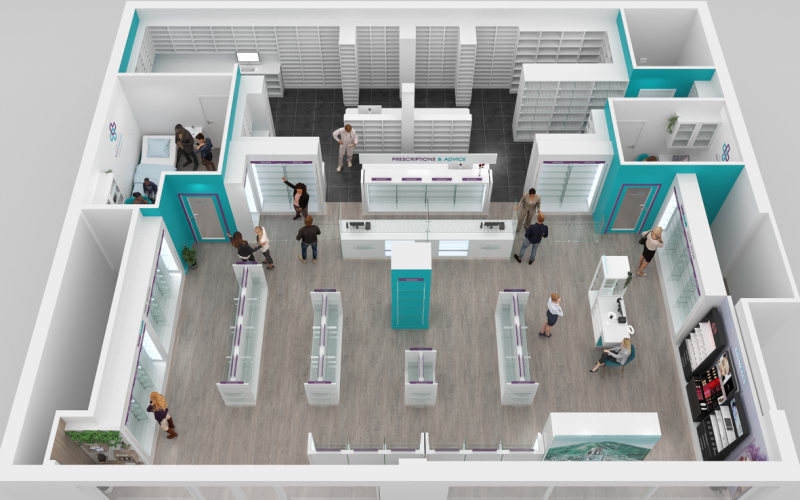
Optimize the Interior Layout
- Color Scheme: Choose calming, inviting colors like pastel yellows and blues that align with kids’ themes. Limit your main palette to 2–3 tones.
- Fitting Rooms: Include child-friendly fitting rooms with playful touches that make trying clothes enjoyable.
- Flow and Accessibility: Maintain an open flow so kids and their parents can browse easily without obstruction.
Stock the Right Inventory
The success of your children’s clothing store hinges on having the perfect mix of products.
Select Versatile Categories
Divide your inventory into clear categories:
- Boys: Casual wear, formalwear, sportswear
- Girls: Dresses, skirts, tops, and coordinated sets
- Infants: Bodysuits, rompers, and baby essentials
- Accessories: Shoes, hats, mittens, and stylish extras
Keep Up With Seasonal Trends
Stock up on summer essentials (like breathable shorts) or holiday-themed outfits (e.g., Halloween costumes or Christmas attire). Rotate inventory regularly to keep customers coming back.
Offer Sustainable Options
Modern parents prefer eco-friendly materials, so consider carrying organic or sustainably sourced clothing to set your store apart.
Promote Your Business Effectively
Marketing plays a key role in establishing your children’s clothing store as a go-to destination.
Build an Online Presence
- Create a Website: Ensure it’s mobile-friendly, with high-quality photos and easy navigation for online shopping.
- Leverage Social Media:
- Instagram and Pinterest are ideal for posting eye-catching photos of your products.
- Facebook helps you engage with local parents and run targeted ads.
- Email Marketing: Share exclusive subscriber offers and updates about new arrivals or events.
Organize Offline Promotions
- Host a grand opening event with special discounts, live kids’ entertainment, or free giveaways.
- Collaborate with local parenting influencers or bloggers for reviews and features.
Loyalty Programs and Discounts
Introduce a loyalty program that rewards repeat customers with discounts or offers. Seasonal sales and bulk-buy discounts (e.g., “Buy 3 for the price of 2”) are also effective.
Create a Memorable Customer Experience
Your customer experience can turn first-time shoppers into loyal patrons.
Engage Families
Make your store kid-friendly with play zones, soft rugs, and seating areas for parents or guardians. Small touches, like offering balloons or chocolates to kids, leave lasting impressions.
Personalized Services
Offer tailored recommendations for size or style when parents shop. Consider complimentary services like small gift wrapping for special occasions.
Gather Feedback
Regularly ask for feedback via surveys or in-store suggestion boxes to refine your services and offerings.
Understand Legal and Regulatory Requirements
Before you open your doors, ensure you comply with all legal requirements.
Register Your Business
Choose and register a business name. Consult local laws to obtain any necessary permits or licenses.
Set Up a Reliable POS System
Invest in a secure payment system that accepts multiple payment options like credit cards, e-wallets, or cash.
Meet Safety Standards
Child safety is a priority. Ensure all fixtures are secure, corridors are hazard-free, and fitting room areas are monitored discreetly for added security.
Launch Your Store with Confidence
Opening a children’s clothes store is a rewarding venture that blends creativity with entrepreneurship. By staying focused on your customers’ needs and following these structured steps, you can create a shopping destination that stands out in the market.
Aspiring to deliver an exceptional shopping experience for children and their families? Remember, every detail matters, from selecting the perfect facade to curating your inventory. Start planning today and watch your vision come to life!