So, you want to become a permanent jewelry artist. You’ve seen this trend blow up on social media. Now you’re ready to turn this fun craft into a real business. Your first question is probably about the rules and what you need to do. This guide will show you everything about how to get certified in permanent jewelry. We’ll cover the laws and how to set up a winning business.
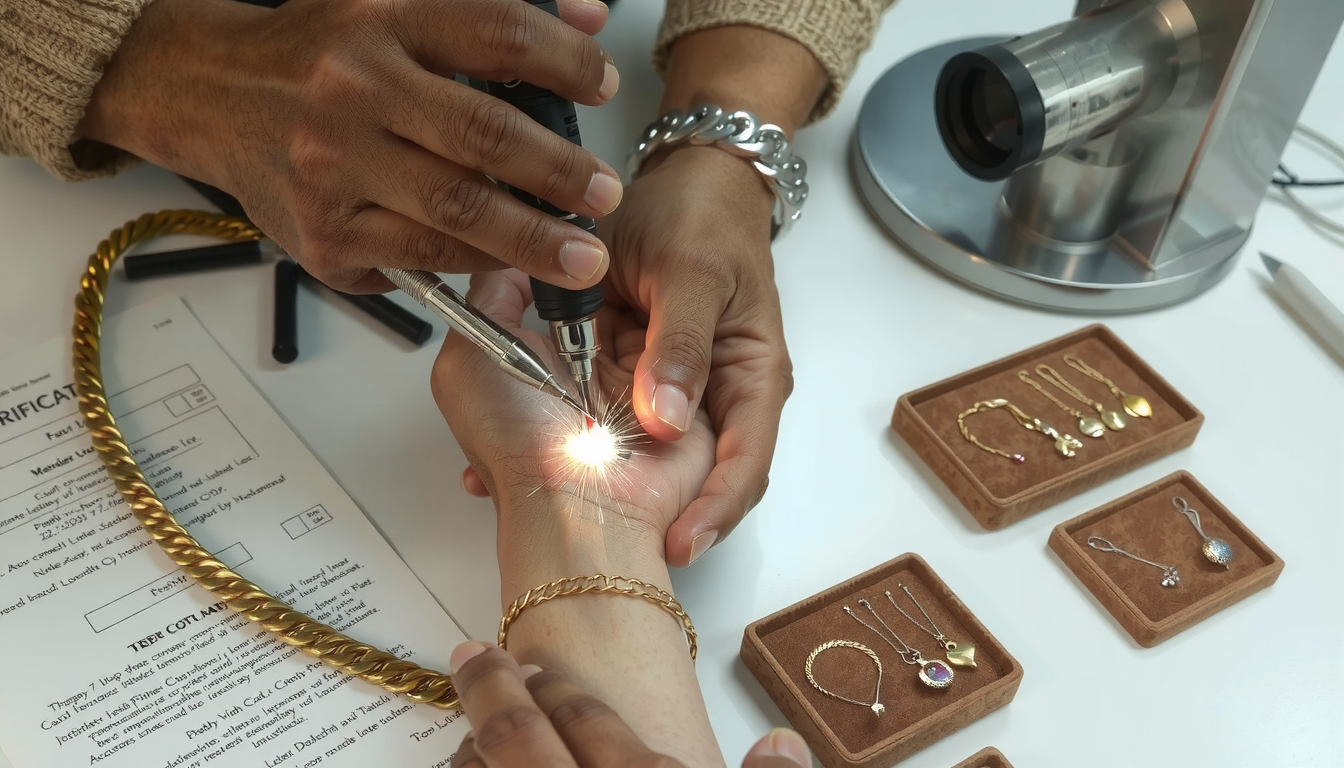
Key Points
- No National Standard: There is no single, nationwide license for permanent jewelry. Rules change by state, county, and city.
- Certification vs. Licensing: Certification comes from a private training course and proves your skill. Licensing is a legal permit from a government body that lets you operate.
- Research is Your Job: You must contact your local county health department and state cosmetology board. This will help you learn the specific rules for your area.
- Training is Essential: Even if not legally required, professional certification is crucial. It ensures safety, skill, client trust, and helps you get business insurance.
- Business Setup Matters: Success goes beyond certification. You need the right equipment, proper insurance, and a professional client experience.
First Things First: Do You Need a License?
Let’s answer the most common questions right away. Do you have to be licensed to do permanent jewelry? Do you need a license to do permanent jewelry? The simple answer is: it depends on where you live.
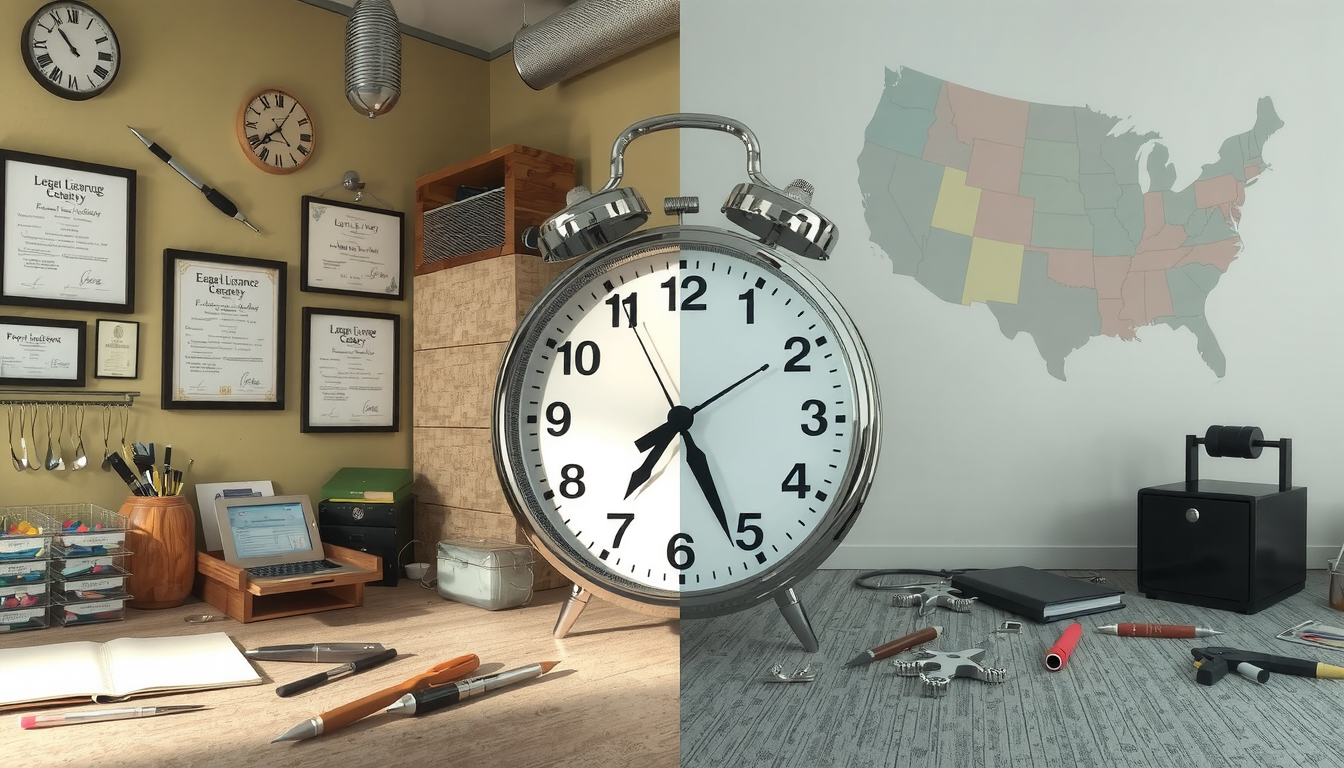
There is no single federal license required to become a permanent jewelry artist. The rules are different from one state to another. Sometimes, the rules even change between counties in the same state.
This guide will clear up the confusion. We will explain the difference between a legal license and a professional certification. We will also show you exactly how to find the requirements in your area.
Understanding these details is the first step. It helps you learn how to get certified in permanent jewelry. It also helps you build a legal, safe, and successful business from the ground up.
Understanding the Legal Landscape
The rules for permanent jewelry can feel tricky. The terms “certification” and “licensing” are often used the same way, but they mean very different things. Knowing the difference is key to operating legally.
What is Permanent Jewelry Certification?
A permanent jewelry certification is a document you get from a private training company. It proves that you finished their course. Think of it like a diploma from a specialty school.
This certificate shows you have been trained in the important parts of the job. This includes safety, proper welding techniques, and best practices for working with clients. While it’s often not a legal requirement, it is a powerful tool. It shows clients and insurance companies that you are a trained professional.
What is a Permanent jewelry License?
A permanent jewelry license is an official permit from a government agency. This could be your local health department or a state licensing board. This license makes it legal for you to offer your service to the public.
Because permanent jewelry is a newer service, many places do not have specific laws for it yet. In these cases, officials often group it with other services. It may fall under the rules for “body art,” “tattooing,” or “body piercing” because it involves the skin. The question “do you have to be certified to do permanent jewelry” often points toward these local licensing rules.
Why the Rules are So Different
The rules are different because the trend grew faster than the laws could keep up. Many states and counties are still deciding how to regulate permanent jewelry. Some have strict rules, while others have none at all.
However, one standard applies almost everywhere. The federal Occupational Safety and Health Administration (OSHA) has rules for handling potential contact with blood. Most health departments and quality training programs will require you to follow OSHA’s Bloodborne Pathogens standard. This is a must for keeping you and your clients safe.
How to Find Your Local Requirements
Instead of just saying “check your local rules,” here is a clear guide. This will help you find the exact requirements in your area. This research is a critical part of how to get certified in permanent jewelry.
Your Research List: Who to Contact
Start your research with these key government offices. Keep a notebook to write down who you spoke to, the date, and what they said.
- Your County Health Department: This is the best place to start. They are usually in charge of services that involve skin contact, like tattooing and body art. Ask them if permanent jewelry is regulated and what permits or licenses are needed.
- Your State’s Board of Cosmetology or Barbering: Contact them to see if permanent jewelry falls under their rules. In some states it does, and in others it is specifically excluded.
- Your City’s Business Licensing Office: Every business needs a general business license to operate legally. This office can also tell you about any local zoning rules for your business location.
Common Requirements You’ll Find
While researching, you will likely find a few common requirements. Be prepared to meet these standards.
- Bloodborne Pathogens (BBP) Certification: This is an online course that teaches you how to work safely and prevent infection. Health departments almost always require it.
- Business License and Registration: You will need to register your business name and get a general license to operate.
- Liability Insurance: While not always a legal rule, it is essential. Insurance protects you if a client has an allergic reaction or if an accident happens.
- Sanitation Rules: Your workspace will need to meet health department standards for cleanliness and sterilization.
A Look at Rules in Different US Regions
To show you how much the rules can differ, here is a table with a few examples. Remember, this is for illustration only. You must do your own local research.
| Location Example | Potential Governing Body | Commonly Associated Regulations | Note |
|---|---|---|---|
| California (Varies by County) | County Health Department | Often regulated under Body Art/Tattooing laws. | LA County has specific body art practitioner registration. |
| Texas | TX Dept. of Licensing and Regulation (TDLR) | May fall under cosmetology or require a tattoo license. | Rules can be complex; direct inquiry is essential. |
| Florida | Department of Health | Requires a tattoo license and establishment license. | Florida has well-defined regulations for tattoo artists. |
| New York (Excluding NYC) | Department of Health | Handled at the county level, similar to CA. | NYC has its own specific health codes. |
The Complete Guide on How to Get Certified
Once you understand your local legal requirements, it’s time to focus on professional training. Learning how to get certified in permanent jewelry is about more than just a piece of paper. It’s about gaining the skills and confidence to excel.
Step 1: Research and Pick a Training Program
Choosing the right training program is your most important decision. There are a few different formats available.
- In-Person Courses: These are often one or two-day intensive classes. They offer direct, hands-on guidance from an instructor. This is extremely valuable for learning a physical skill.
- Online Courses: These offer flexibility, but they must include a strong hands-on component. This could be a live video session where the instructor can watch and correct your technique.
- Hybrid Courses: These combine online learning for theory with a shorter in-person session for hands-on practice.
When looking at programs, search for reviews from past students. Check the instructor’s credentials and experience in the industry. A great program will be clear about what you will learn and what is included in the cost.
Step 2: What to Look For in a Quality Course

A quality certification course should cover more than just how to use the welder. Here is a checklist of what a good program should include.
- Safety and Sanitation: In-depth training on Bloodborne Pathogens, avoiding cross-contamination, and proper tool sterilization.
- Technical Skills: Lots of practice time with the welder. You need to learn how to create a strong, clean weld on different types of chains without leaving a gap.
- Material Knowledge: Understanding the differences between chain materials like 14k gold, gold-filled, and sterling silver. This helps you guide clients and price your services.
- Client Consultation: Learning how to properly size a bracelet, manage client expectations, and explain aftercare instructions.
- Business and Marketing: Tips on how to price your jewelry, market your business on social media, and find reliable suppliers for chains and charms.
- Hands-On Practice: This is a must. You cannot learn this skill from a video alone. You need to feel the process and get real-time feedback.
Step 3: Completing the Training and Mastering the “Zap”
The training day is exciting. You will likely feel a mix of nervousness and anticipation when you first hold the welder. Your instructor will guide you through the process. You’ll go from preparing the chain to executing the weld.
Your first “zap” is a memorable moment. The goal is to create a tiny, secure spark that perfectly closes the jump ring. This makes the jewelry permanent. A common beginner mistake is welding the jump ring to the pliers or not applying enough energy for a strong, lasting weld.
Practice is everything. A good course will have you practice on many different chain styles. This builds the muscle memory and confidence you need to work on a real client. Overcoming these initial challenges is a huge part of your journey.
Step 4: Getting Your Certificate
At the end of your training, you will receive your certificate. This document is proof of your hard work and commitment. It shows that you have invested in your education and are dedicated to being a safe and skilled artist.
Use your certificate to build trust. Display it in your studio or at pop-up events. Mention it on your website and social media. It tells potential clients that you are a professional they can rely on. This is a key part of building a strong brand.
Beyond Certification: Setting Up for Success
Getting certified is just the beginning. The next step is to turn your new skill into a real business. A professional setup and smart business practices are just as important as your welding technique.
Choosing the Right Equipment and Supplies
Your tools are your trade. Investing in quality equipment is essential for providing a professional service.
- Pulse-Arc Welder: This is your most important tool. Brands like Orion or Zapp are industry standards. They provide the precise, quick pulse of energy needed for a safe and clean weld.
- Safety Tools: You will need special safety glasses to protect your eyes from the welding spark. You’ll also need grounding pliers and other small hand tools for handling the chain.
- Quality Chains and Charms: Your reputation depends on the quality of your materials. Source your chains from reputable suppliers. Offer a good range of options, such as sterling silver, gold-filled, and solid 14k gold, to fit different budgets.
The Must-Have: Business and Liability Insurance
This is a step you cannot skip. You must have liability insurance that specifically covers permanent jewelry. A standard business policy may not be enough.
This insurance protects you if a client has an unexpected allergic reaction. It also covers you if an accident happens during the service or if your equipment damages a client’s property. Having the right general liability insurance for small businesses is a sign of a true professional. It gives you and your clients peace of mind.
Creating a Professional Setup

How you present your business matters. A clean, well-lit, and organized space builds client trust instantly. Presentation is everything. This is true whether you are in a dedicated studio or at a weekend pop-up market.
For pop-up events or a small studio, investing in a high-quality jewelry showcase can elevate your brand and attract more customers. For those with bigger ambitions, a cohesive and professional jewelry store design is key to creating a memorable customer experience and a strong brand identity. Expert companies like Ouyee Display specialize in providing these display solutions for retailers of all sizes. They ensure your setup looks as professional as your service. A professional jewelry showcase manufacturer can create custom displays that make your products shine and help you stand out from the competition. A visually appealing setup allows you to charge premium prices and builds a brand that people remember.
Your Final Questions Answered: FAQ
Here are quick answers to some of the most common questions about permanent jewelry certification.
How much does permanent jewelry certification cost?
Certification costs vary widely, but you can expect to pay between $1,000 and $3,000+. This price often includes a starter kit with a welder, tools, and some practice chains. In-person training is usually more expensive than online-only courses but offers more value.
Can I learn permanent jewelry entirely online?
While you can learn the theory online, hands-on practice with instructor feedback is critical. You cannot truly master the precise welding technique or safety protocols without it. If a full in-person class isn’t possible, look for a hybrid program that includes a live video training session.
What is the most important skill for a permanent jewelry artist?
Beyond the technical skill of welding, the most important skill is careful attention to detail. This applies to everything from your safety and sanitation procedures to communicating clearly with your client and ensuring every link is closed perfectly for a flawless, lasting piece.
Do I need a specific license, like a tattoo artist license?
It depends completely on your location. Some areas, like the state of Florida, do require permanent jewelry artists to hold a tattoo license. Many other areas have no specific rules yet. You must do the research with your local county health department to know for sure.
How long does it take to get certified in permanent jewelry?
Most certification courses are intensive one or two-day programs. However, becoming truly good at it takes much more time. Plan to spend many hours practicing after your course to build the speed, confidence, and consistency needed to work with clients.
The Final Link: Is Certification Worth It?
So, is investing in a permanent jewelry certification worth it? The answer is a clear and absolute yes.
While it may not always be a legal requirement, professional certification is the foundation of a successful business. It gives you credibility and builds trust with your clients. It ensures you are operating safely, which protects both you and the public. Most importantly, it gives you the skills and confidence to create beautiful, lasting art.
Learning how to get certified in permanent jewelry is your first major step. It is an investment in your craft, your business, and your future as a professional artist in this exciting industry.