A modern pharmacy is more than just a place to get prescriptions. It has become a health center for the community. It’s a place for wellness advice and primary care for many people. To meet these new roles, good pharmacy design is no longer extra. It is a key part of your business plan. Great design must balance patient comfort, staff work flow, and clear brand identity. This guide will show you the key areas of successful pharmacy design. We’ll cover smart layouts, space psychology, important fixtures, and branding. A well-done modern medicine shop interior design is critical for success in today’s healthcare market.
Key Takeaways
- Design for Trust: A clean, professional, and well-organized pharmacy builds patient trust and shows high care standards.
- Layout is Everything: Put the prescription counter at the back to guide customers through your retail area. This increases product exposure and sales.
- Psychology Matters: Use color, lighting, and natural elements to create a calm, healing space that reduces patient worry.
- Invest in Quality Fixtures: Strong and well-designed furniture, counters, and shelving are a long-term investment in your brand image and work efficiency.
- Seek Expert Help: Working with a professional pharmacy design company ensures your space follows rules, works well, and looks good.
Why an Attractive Pharmacy Design is Non-Negotiable
Investing in your pharmacy’s physical space is investing in your business’s future. How your space looks and feels directly affects how patients see your brand and care quality. Smart pharmacy design gives real, measurable benefits.
When patients walk into a clean, modern, and organized space, it builds trust right away. As one industry study points out, Your Pharmacy’s Appearance Matters More Than You Think. A professional space shows that you keep high standards in every part of your work. This includes giving out medications and providing clinical advice.
Here are the main benefits of strong pharmacy design:
- Building Patient Trust and Confidence: A well-designed space feels professional and safe. This helps patients feel more confident in your services and advice.
- Enhancing the Customer Experience: A comfortable and welcoming pharmacy can lower patient stress. This leads to better customer experiences and builds loyalty.
- Improving Staff Workflow and Efficiency: A smart layout is designed around how your team works. This reduces steps, lowers error risk, and helps prevent staff burnout.
- Boosting Front-End Sales: Smart product placement and an appealing retail area guide customers to over-the-counter products. This increases revenue and profit.
The Foundation: Strategic Layout Planning for Optimal Flow
The floor plan is the most important part of your pharmacy design. It controls how both customers and staff move through the space. A smart layout improves workflow, ensures safety, and can even increase sales.
The golden rule of retail pharmacy layout is to put the prescription counter at the back. This simple plan encourages customers to walk through your entire retail area. This journey shows them your front-end products. It increases the chance of an impulse purchase.
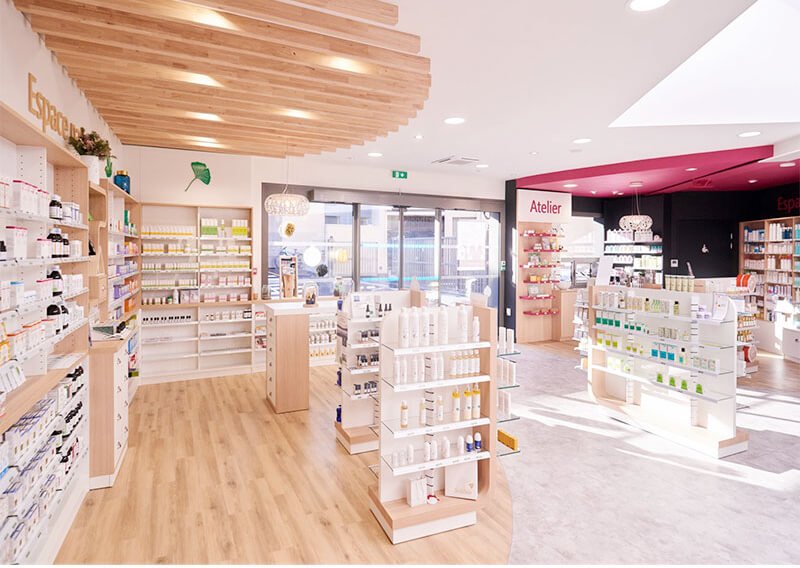
Picking the right layout type depends on your pharmacy’s size, services, and goals. Each has its own strengths.
| Layout Type | Description | Best For |
|---|---|---|
| Grid Layout | Traditional aisles that run parallel to each other. This maximizes shelving space. | High-volume pharmacies focused on retail efficiency and clear organization. |
| Free-Flow Layout | A more organic path that encourages browsing and discovery. | Boutique pharmacies, wellness centers, or stores with a strong focus on cosmetics and personal care. |
| Hybrid/Zonal Layout | Combines grid and free-flow elements to create distinct zones for different functions. | Most modern pharmacies, as it balances clinical services with a strong retail presence. |
Access is not just a good idea. It’s the law. Your design must follow the Americans with Disabilities Act (ADA) to ensure everyone can access your services. This includes providing aisle widths of at least 36-48 inches for wheelchair access. Counters should also have a lowered section at an accessible height for seated customers.
A successful pharmacy design accounts for several key zones:
- Welcoming Entryway: This is the first impression. It should be open and uncluttered. This allows customers to find their way.
- Retail & OTC Product Area: This space should be easy to navigate. It needs clear signs and well-lit shelves.
- Comfortable and Private Waiting Area: Provide comfortable seating away from high-traffic paths. This shows you value your patients’ time and comfort.
- The Prescription Drop-off/Pick-up Counter: This is your main interaction point. It needs to be clearly marked and designed for both privacy and efficiency.
- Private Consultation Room/Area: A dedicated space for private talks is now essential for modern pharmacy services like shots and medication therapy management.
- Efficient Dispensing Workbench: The back-end area must be organized for a logical workflow to ensure accuracy and speed.
The Psychology of Space: Designing for Well-being and Trust
An attractive pharmacy design goes beyond just function. It uses psychology to create a space that makes people feel better. The colors, lighting, and materials you choose all send hidden signals to your patients.
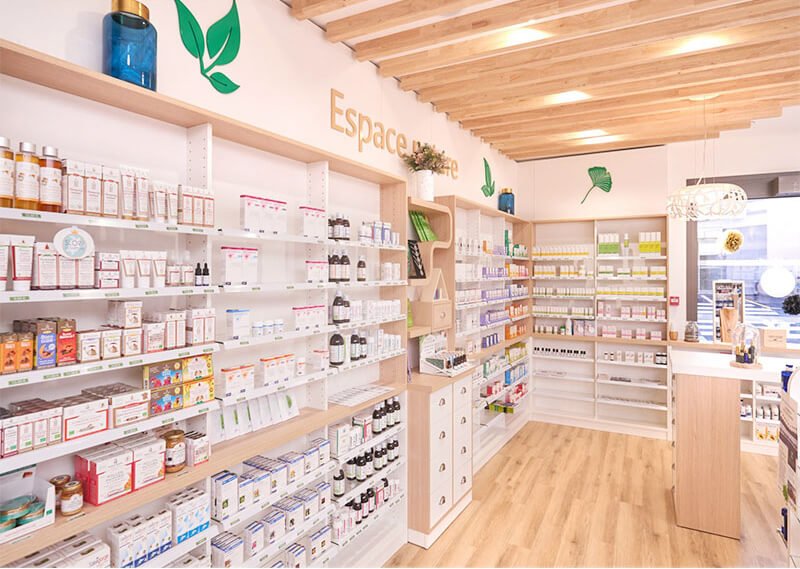
Color psychology is a powerful tool. Soft blues and greens are known to have a calming effect. This makes them perfect for waiting areas and consultation rooms. These colors are linked with health, nature, and peace. Warm wood tones can make a space feel more grounded and welcoming. Avoid a completely sterile, all-white design. This can feel cold and clinical.
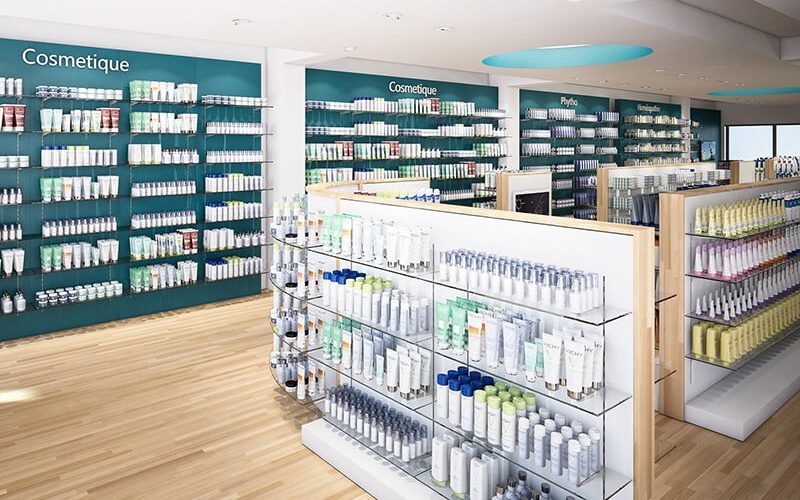
Biophilic design is the practice of connecting people with nature inside a building. Adding elements like indoor plants helps. Using natural materials like wood and stone helps too. Maximizing natural light can greatly reduce stress and improve mood. A large window or a few well-placed plants can change the feel of your pharmacy.
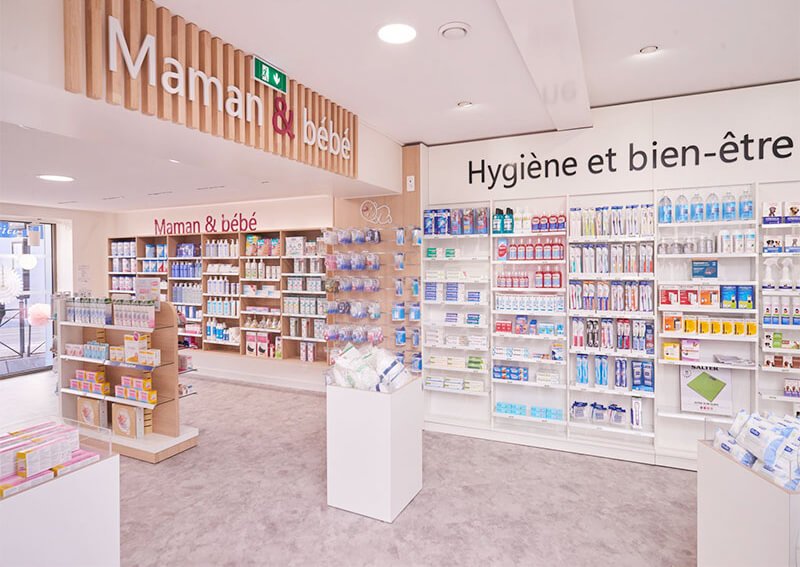
Lighting is crucial for both mood and function. Customer-facing areas should have warm, ambient lighting to create a welcoming feel. In contrast, the dispensing area and workstations need bright, clear task lighting. This helps pharmacists work accurately and reduces eye strain. Thoughtful design involves Enhancing the customer experience through sensory appeal. The mix of light, materials, and even subtle scents creates a positive and memorable brand experience.
Essential Design Elements: The Building Blocks of an Attractive Pharmacy
Once you have a layout, it’s time to choose the physical parts that will bring your vision to life. These elements—lighting, fixtures, and finishes—form the building blocks of an attractive and functional pharmacy.
Illuminating Your Space: Strategic Lighting Design
A good lighting plan uses three layers to create a balanced space.
- Ambient Lighting: This is the general, overall light that fills the space. It sets the base level of brightness and the overall mood.
- Task Lighting: This is focused, bright light aimed at specific work areas. It is essential for the pharmacy counter and dispensing stations to ensure accuracy.
- Accent Lighting: This type of lighting is used to highlight specific features. Examples include high-margin products on an endcap, architectural details, or your branding.
Furnishings and Fixtures: The Heart of Your Pharmacy
Choosing the right pharmacy furniture is a long-term investment in your brand and operations. Low-cost fixtures may save money upfront. But they can quickly show wear and tear. This makes your pharmacy look dated and unprofessional. Quality materials and construction are essential.
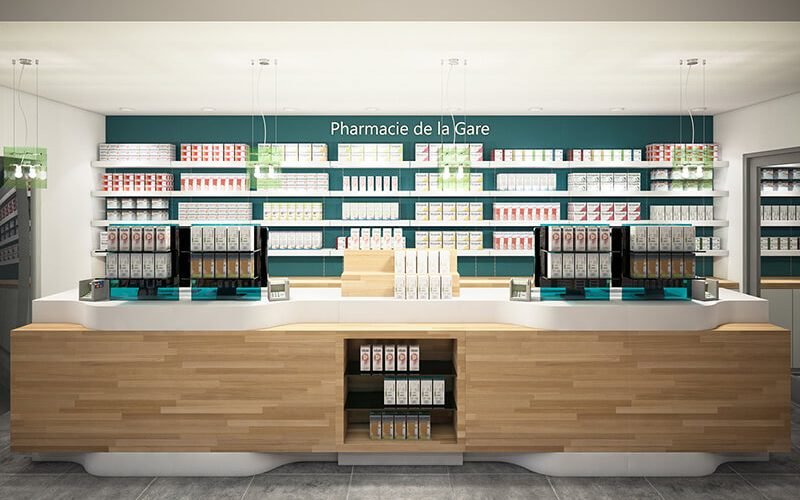
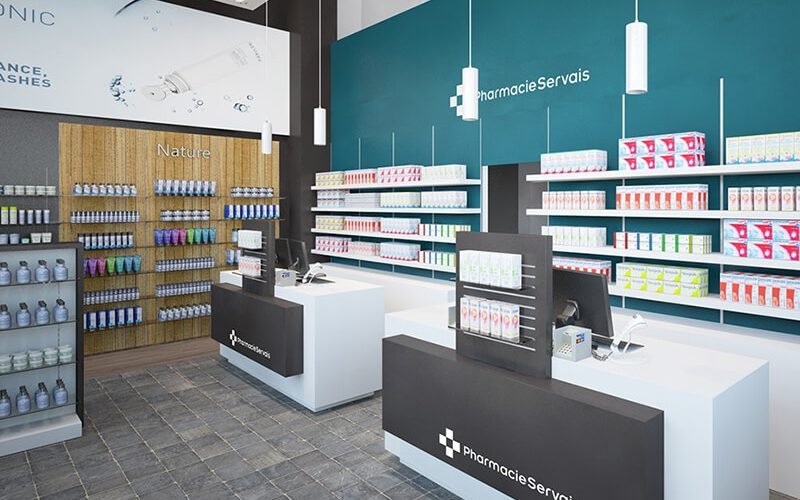
The pharmacy counter is the central hub of your entire operation. It’s where your staff interacts most with patients. The design should be ergonomic for staff comfort and approachable for patients. Materials should be durable and easy to clean. Examples include solid surface or high-pressure laminate. A well-designed is one of the most critical investments you can make.
Shelving and displays need to be flexible and promote product visibility. A modular pharmacy wall shelf system is an excellent way to maximize vertical space and adapt to changing inventory. For featured products, supplements, or high-value items, a secure and well-lit medicine display cabinet can attract attention and drive sales. These fixtures are key to a successful retail strategy.
Flooring and Finishes: Durability Meets Design
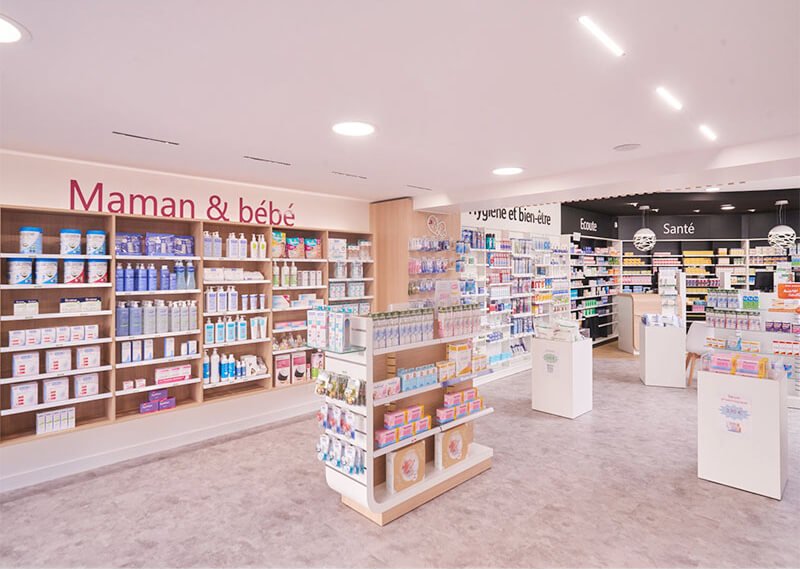
The flooring you choose must withstand heavy foot traffic. It must also be easy to clean and maintain. Luxury Vinyl Tile (LVT) is a popular choice for modern pharmacies. It is highly durable and water-resistant. It’s available in a wide range of designs. This includes realistic wood and stone looks. This allows you to achieve a high-end look without sacrificing practicality.
Branding and Signage: Creating a Cohesive and Memorable Experience
Your brand is more than just your logo. It is the entire experience a customer has with your business. Your pharmacy design should reflect your brand’s values at every touchpoint. Is your brand modern and tech-forward? Or is it warm and community-focused? The design choices should tell that story.
Clear wayfinding and signage are essential for a stress-free customer journey. Good signage helps customers find what they need without having to ask for help. This empowers them and frees up your staff.
- Exterior Signage: This is your first impression. It must be clear, professional, and visible from the street.
- Directional Signage: Simple signs like “Prescriptions,” “Vitamins,” and “Restrooms” guide customers easily.
- Departmental Signage: Clearly label aisles and sections to help customers locate product categories.
- Informational Signage: Use signs to promote services, share health tips, or introduce your pharmacists. This adds value and builds relationships.
Consistency is key. The materials, colors, and fonts used in your signage should align with the overall design and your brand’s visual identity. This creates a cohesive and professional look.
Putting It All Together: Finding the Right Design Partner
Creating an effective and attractive pharmacy design is a complex task. It requires balancing aesthetics, workflow, regulations, and branding. This is why working with a specialist is so valuable.
When searching for a pharmacy design expert, look for a firm with experience in the healthcare sector. They will understand the unique functional and regulatory needs of a pharmacy. A good pharmacy design company will guide you through every step. This includes the initial concept to the final installation.
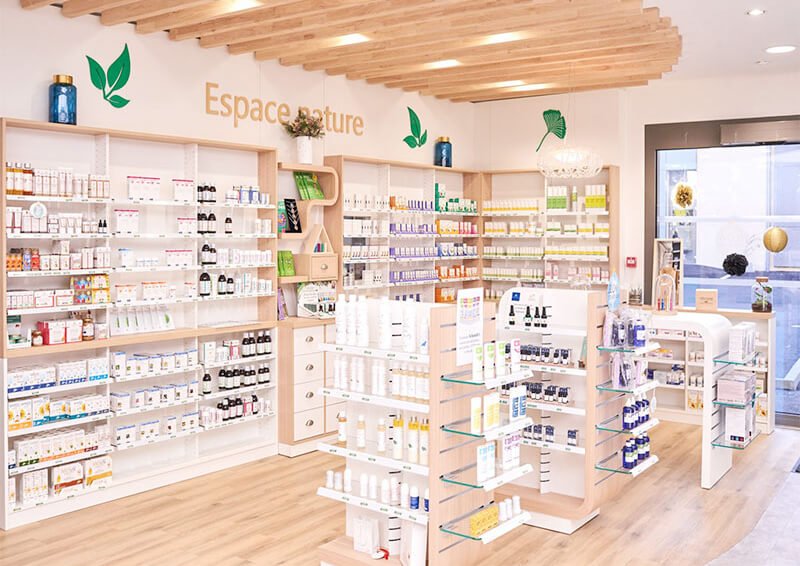
Many full-service firms, like Ouyee Display, can handle both the design and manufacturing of custom fixtures. They can create everything from your main to a specialized . This ensures that every piece fits the space and brand perfectly. This integrated approach saves time and ensures a cohesive final result.
Frequently Asked Questions (FAQ)
H3: How do I make a small pharmacy look bigger and more attractive?
To make a small pharmacy feel more spacious, use light paint colors on the walls and ceiling. Maximize vertical storage with a tall pharmacy wall shelf system to draw the eye upward. Adding mirrors and ensuring excellent, layered lighting can also create an illusion of depth. A decluttered, open layout with multi-functional furniture is crucial.
H3: Where is the best place to put the pharmacy counter?
The industry standard is to place the pharmacy counter at the rear of the store. This proven strategy encourages customers to walk through your entire retail section. This exposes them to your OTC products and wellness items. This increases the likelihood of additional purchases and allows them to see everything you offer.
H3: What are the most important elements of a modern pharmacy design?
A modern pharmacy design focuses on the patient experience. Key elements include a clean and minimalist look. It also includes the integration of technology like digital displays. A private area for consultations and an accessible layout are important too. It also prioritizes well-being through comfortable seating, natural light, and calming design choices.
H3: How much does it cost to design and furnish a pharmacy?
The cost of a pharmacy design and build-out varies greatly. Factors include the size of the space, its location, and the quality of finishes and fixtures selected. A project can range from tens of thousands to several hundred thousand dollars. It’s best to view this as a long-term investment in your business. Working with a professional pharmacy design company can help you create a realistic budget and avoid costly mistakes.
H3: What kind of furniture is essential for a new pharmacy?
Essential pharmacy furniture includes several key pieces. You will need a main dispensing and point-of-sale counter. You’ll also need secure storage for medications and open retail shelving for front-end products. It is also important to have a comfortable waiting area for patients. A private desk and chairs for consultations are needed too. A lockable medicine display cabinet is also useful for featuring higher-value OTC items securely.
Conclusion: Your Blueprint for a Better Pharmacy
An attractive pharmacy design is one of the most powerful tools you have to build a thriving business. It’s a direct reflection of your commitment to patient care, professionalism, and community well-being. By focusing on a strategic layout, patient-centric psychological principles, and a strong, cohesive brand, you can create a space that truly stands out.
Remember that a successful pharmacy design is not just about looking good. It is about creating a functional, efficient, and welcoming space that supports your staff. It serves your patients and positions your pharmacy as a trusted healthcare destination for years to come.