You look at your favorite ring or necklace. It just doesn’t sparkle like it used to. Daily life can dull even the most brilliant pieces. Lotions, oils, dust, and grime build up over time. You’ve heard that a quick dip in alcohol might help. But you hesitate. Can alcohol clean jewelry safely? Or could it cause lasting damage? This guide will give you clear, expert answers. You’ll learn how to restore your jewelry’s shine without risk.
Key Takeaways
- Yes, but be careful: Alcohol is a powerful cleaner for hard materials. It works well on diamonds, sapphires, solid gold, and platinum.
- Know your jewelry: Alcohol can destroy soft or treated items. Never use it on pearls, opals, emeralds, and plated metals.
- Use the right kind: Pure 70% isopropyl alcohol is the best choice. Avoid rubbing alcohol with added oils or scents. Don’t use vodka or gin.
- Follow the right steps: A short soak (5-10 minutes) works best. Use a gentle scrub with a soft brush. Then rinse thoroughly with water.
- When in doubt, don’t: A simple mix of mild dish soap and warm water is safe for almost all jewelry.
The Quick Answer: Does Alcohol Clean Jewelry Safely?
The direct answer is: yes, but only for certain types of jewelry. It’s not a one-size-fits-all solution. Think of alcohol as a special tool rather than a general cleaner. This is the safest approach.
Alcohol is a strong solvent. This means it’s great at breaking down oils and lotions. It removes the greasy buildup that makes hard gemstones like diamonds look dull. It works wonders on tough metals like solid gold and platinum.
However, alcohol can be a disaster for other materials. It can strip the natural oils from pearls. It can dry out and crack opals. It can dissolve the fillers in emeralds. It can wear away the thin coating on plated jewelry. The key to answering “can you clean jewelry with alcohol?” is knowing exactly what your piece is made of.
Understanding the Science: How Alcohol Works and What It Does
To use alcohol safely, it helps to understand why it works so well on some things. It also helps to know why it works so poorly on others. Its chemical properties make it a powerful cleaner. But they also make it a potential risk.
Alcohol as a Solvent
The grime on your jewelry is often made of oils. These come from your skin, hand lotion, or makeup. Water alone can’t easily wash these away. Alcohol, specifically isopropyl alcohol, is a solvent. It dissolves these oily compounds. This allows the grime to be wiped or rinsed away. It reveals the clean surface underneath.
Cleaning vs. Disinfecting
Alcohol does more than just clean. It also disinfects. It is very good at killing bacteria and viruses on surfaces. This is a great extra benefit when cleaning items that touch skin, like earrings. It helps keep your piercings healthy and free from irritation.
The Different Types of Alcohol
Not all alcohols are the same. Using the wrong type can leave residue. It can even harm your jewelry.
- Isopropyl Alcohol (70% vs. 99%): This is the best choice for cleaning. You might think 99% is stronger, but 70% is often better. The 30% water content in 70% isopropyl alcohol helps it dissolve grime better. It evaporates a little slower, giving it more time to work. It’s also a better disinfectant because the water helps break down bacterial cell walls.
- Rubbing Alcohol: Be careful with bottles just labeled “rubbing alcohol.” Some formulas contain other ingredients like oils or scents. These are added to make them gentler on skin. These extras can leave a film on your jewelry. This makes it look dull. Always check the label for pure isopropyl alcohol.
- Ethanol (Drinking Alcohol like Vodka/Gin): Using vodka to clean a diamond ring is a popular “life hack.” While the ethanol in vodka does work as a solvent, it is less pure. It’s not as strong as isopropyl alcohol. These drinks can also contain sugars or other impurities. These leave a sticky residue that attracts more dirt.
The Ultimate Safety Chart: Jewelry You Can (and Absolutely Cannot) Clean with Alcohol
This is the most important section of this guide. Before you even think about using alcohol, check this chart. See if your jewelry is safe. Making a mistake here can lead to damage that can’t be fixed.
| Material | Safe to Clean with Alcohol? | Important Notes & Risks |
|---|---|---|
| Metals | ||
| Solid Gold (Yellow, Rose, White) | Yes | Solid gold is very tough and doesn’t react. Alcohol will not harm it. |
| Platinum | Yes | Very strong and safe. Alcohol is a great choice for cleaning platinum. |
| Sterling Silver | Yes, with caution | Good for removing oils and grime. Don’t soak for long. Alcohol won’t remove tarnish. |
| Titanium, Stainless Steel | Yes | These metals are very tough and don’t react. Safe to clean with alcohol. |
| Gold-Plated / Vermeil | No (Risky) | The gold layer is very thin. Alcohol is a solvent and can wear it away over time. This exposes the base metal. |
| Hard, Non-Porous Gemstones | ||
| Diamonds, Sapphires, Rubies | Yes | These hard stones are not affected. Alcohol is excellent for removing oils that dull their sparkle. |
| Soft, Porous, or Treated Materials | ||
| Pearls, Mother-of-Pearl | NO | Alcohol strips the natural moisture. This makes them brittle, dull, and prone to cracking. |
| Opals | NO | Opals have a high water content. Alcohol is a drying agent. It can cause fine cracks and color loss. |
| Emeralds | NO | Most emeralds are filled with oil to hide tiny cracks. Alcohol can dissolve this oil. This makes flaws visible. |
| Turquoise, Coral, Lapis Lazuli | NO | These stones are very porous. They will absorb the alcohol. This can cause discoloration and damage. |
| Enamel or Glued Items | NO | Alcohol can dissolve the glue used in settings. It can damage delicate enamel work. |
As you can see, the list of materials you should not clean with alcohol is long and important. Even experts writing for Vogue warn against using alcohol on porous stones. They say it can dry them out and lead to cracking.
How to Clean Jewelry with Alcohol: A Safe, Step-by-Step Guide
You’ve checked the chart. You’re sure your jewelry is safe to clean with alcohol. This is the method we use and recommend. It is simple and effective. It also reduces any risk. Following these steps helps answer the question “can i clean jewelry with alcohol?” with a confident yes.
What You’ll Need
- Pure Isopropyl Alcohol (70% is ideal)
- A small, clean glass bowl
- A soft-bristled toothbrush (a baby toothbrush is perfect)
- A clean, lint-free cloth (like a microfiber cloth for eyeglasses)
- Warm running water
The Cleaning Process
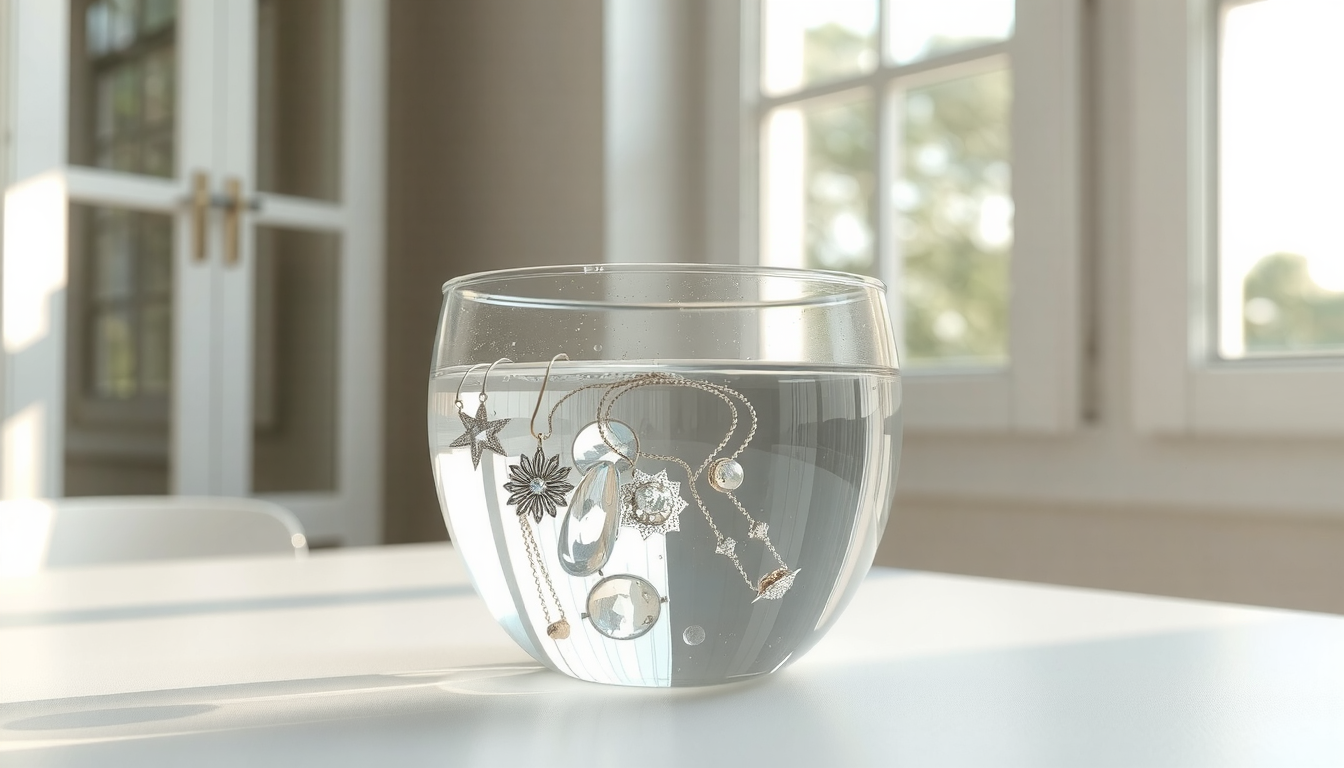
- Get Ready: Find a well-ventilated area. Pour just enough isopropyl alcohol into your glass bowl. It should completely cover the jewelry piece. Don’t use more than you need.
-
The Quick Soak: Place your diamond ring, gold chain, or other safe item into the bowl. Let it soak for only 5 to 10 minutes. This is plenty of time for the alcohol to loosen the built-up grime. Avoid soaking for hours or overnight.
-
Gentle Scrub: Remove the jewelry from the alcohol. Place it on your cloth. Dip the soft toothbrush into the alcohol. Gently scrub the piece. Pay special attention to the areas behind stones and in tiny crevices. This is where dirt loves to hide.
-
Thorough Rinse: This step is critical. Rinse the jewelry under a stream of warm running water. Make sure you plug the sink drain first! Rinsing removes all the alcohol and the dirt it has loosened. If you skip this, a dull film may be left behind.
-
Dry and Polish: Gently pat the jewelry dry with your lint-free cloth. A final, light buff with the cloth will help bring out its maximum shine.
For a visual guide on the process, this video provides a great overview.
Safer Alternatives & Professional Care for Your Precious Items
So, what do you do with your pearls, opals, or gold-plated pieces? Just because you can’t use alcohol doesn’t mean they have to stay dirty. There are much safer alternatives. They’re often just as effective.
The Universal Safe Method: Mild Soap and Water
For almost any piece of jewelry, the safest method is simple. Just add a few drops of mild dish soap (like original blue Dawn) to a bowl of warm water. Let the piece soak for a few minutes. Gently scrub with a soft toothbrush. Rinse with clean water and pat dry. This method is gentle enough for even the most delicate items.
Commercial Jewelry Cleaners
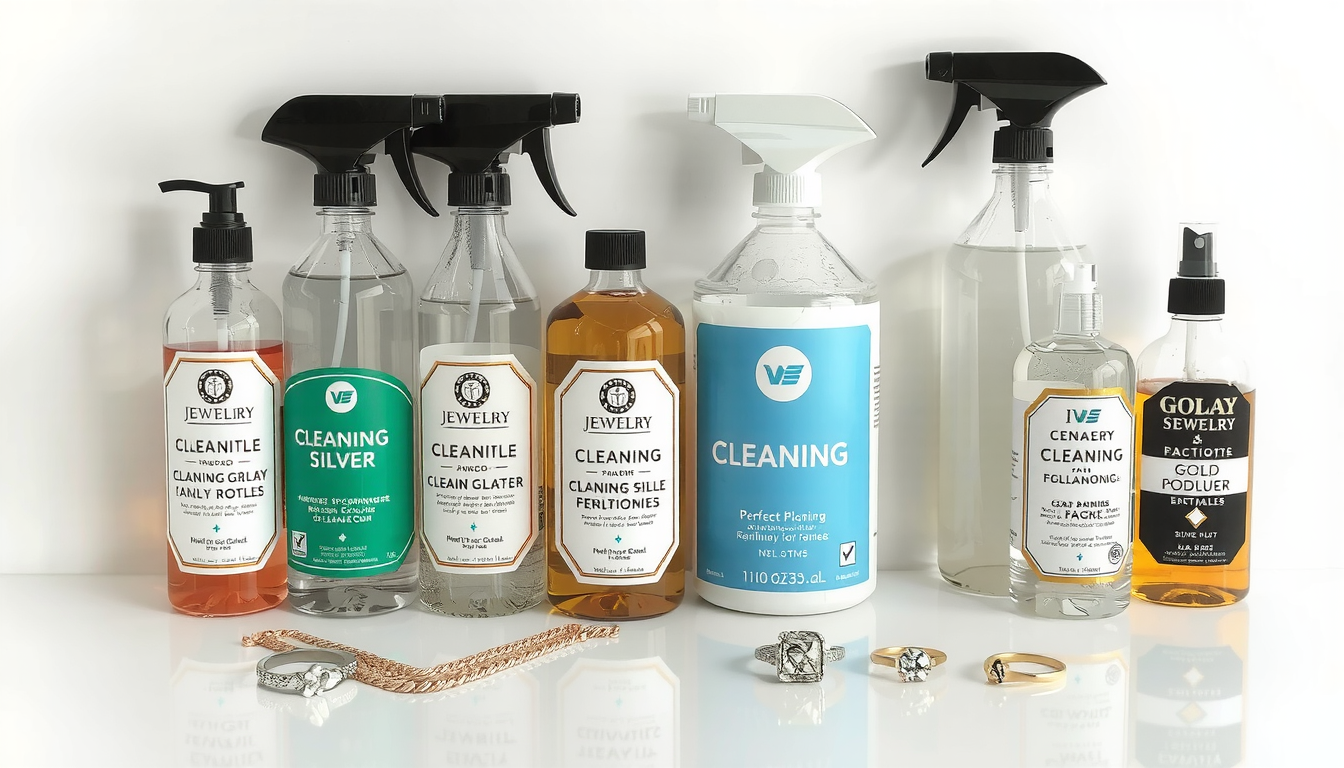
You can also buy commercial jewelry cleaners. These are made for specific materials. These cleaners are pH-balanced and designed to be safe for certain gems or metals. Just be sure to read the label. Buy the right one for your piece.
Ultrasonic Cleaners
These devices use high-frequency sound waves in a liquid. They create tiny bubbles that blast dirt away. They are very effective but can be too aggressive for some stones. They can loosen settings or damage gems with inclusions (internal flaws), like emeralds. They can also damage porous stones like turquoise.
When to Trust a Professional Jeweler
For high-value, antique, or extremely dirty pieces, professional cleaning is always the best choice. It’s also the safest choice. Jewelers have the expertise and special equipment to bring your items back to life without any risk. Keeping jewelry in perfect condition is crucial. This is true whether for personal enjoyment or for display in a professional jewelry showcase. A trusted jeweler, like those you’d find through a reputable company such as Ouyee Display, understands the details of caring for fine pieces. The overall presentation matters. This includes everything from a sparkling ring to a well-designed jewelry store design. It speaks volumes about quality and care. A top-tier jewelry showcase manufacturer knows that the brilliance of the pieces within is most important.
While some guides suggest alcohol is fine for durable pieces, gentler methods are always better for delicate items.
Myth vs. Fact: Common Misconceptions About Cleaning Jewelry
The internet is full of bad advice. When it comes to something as valuable as your jewelry, it’s important to separate myth from fact.
Myth: You can soak any jewelry in alcohol overnight.
Fact: Absolutely not. This is dangerous advice. As our safety chart shows, a long soak can destroy porous gems like opals and pearls. Even for safe metals, it’s not needed. It increases the risk of damage if the piece has any hidden, sensitive parts. A short, 10-minute soak is all you need.
Myth: Vodka is a secret, high-end jewelry cleaner.
Fact: While it’s true that the ethanol in vodka has cleaning properties, it’s far from a secret weapon. It is less pure and less effective than 70% isopropyl alcohol. It can also contain sugars and other additives. These will leave a sticky film on your jewelry. This makes it get dirty even faster.
Myth: If it disinfects my hands, it’s safe for my ring.
Fact: Hand sanitizer is terrible for most jewelry. Besides alcohol, it contains moisturizers, oils, and fragrances. These ingredients build up on your jewelry. They create a cloudy film that kills its sparkle. Also, the alcohol content can still damage soft stones like pearls, opals, or emeralds if you wear them regularly while using sanitizer.
FAQ: Your Questions on Cleaning Jewelry with Alcohol Answered
Here are quick answers to some of the most common questions we hear.
Can I use rubbing alcohol to clean my diamond ring?
Yes, you definitely can. Diamonds are the hardest natural material. They are not harmed by alcohol. Using 70% isopropyl alcohol is one of the best ways to dissolve the oils and lotions that make a diamond look dull. Just be sure to check that the ring’s band is made of a safe material like solid gold or platinum, not a plated metal.
How often can you use alcohol to clean jewelry?
For tough jewelry like solid gold and diamond pieces, you can use alcohol to clean them whenever they look dull. Perhaps once a month for a deep clean. For daily upkeep, a simple wipe with a soft, dry cloth is enough. There’s no need to use alcohol too often.
Does alcohol damage gold jewelry?
Alcohol does not damage solid gold (like 10k, 14k, or 18k) or platinum. However, it can damage gold-plated or gold-filled jewelry. Over time, the alcohol can slowly wear away the thin gold layer. This exposes the different base metal underneath and ruins the look of the piece.
What is a safe homemade jewelry cleaner for all types of jewelry?
The most universally safe homemade cleaner is a simple mix. Use a few drops of mild dish soap in a bowl of warm water. Let the jewelry soak for a few minutes. Gently brush with a soft toothbrush. Rinse thoroughly and pat dry. This is gentle enough for everything from diamonds to delicate pearls.
Can you use alcohol to clean sterling silver?
Yes, using alcohol to clean sterling silver is effective for removing dirt, oils, and grime. It also disinfects the silver. However, alcohol will not remove tarnish. Tarnish is the dark layer that forms from oxidation. To remove tarnish, you will need to use a dedicated silver polishing cloth or a silver polishing cream.
Final Takeaway: Clean Smart, Not Hard
So, does rubbing alcohol clean jewelry? Yes, it can be a fantastic tool for the right job. For hard gems and solid precious metals, it cuts through grime and restores sparkle like few other household products can.
However, it is a special tool, not a universal cleaner. The most important lesson is to know your jewelry. Identifying the metals and gemstones in your collection is the first and most critical step in safe cleaning. Using the wrong method can cause damage that can’t be fixed.
When you are in doubt, always choose the gentlest path. A simple bath in mild, soapy water is safe for nearly everything. And for your most cherished and valuable pieces, the care of a professional jeweler is an investment in their longevity. Clean smart, protect your treasures, and they will continue to shine for years to come.