So, you’re wondering, “Does vinegar clean jewelry?” The short answer is yes. You can clean some types of jewelry with vinegar. But it is not a magic fix for everything in your jewelry box. Using it on the wrong piece can cause harm that you cannot fix. Vinegar has a weak acid that is great for removing tarnish. But it can also eat away at soft metals, delicate gems, and plated surfaces. This guide will show you exactly what is safe to clean. It will also show you what you must avoid and how to do it right. We will also give you better and safer ways to make your jewelry sparkle.
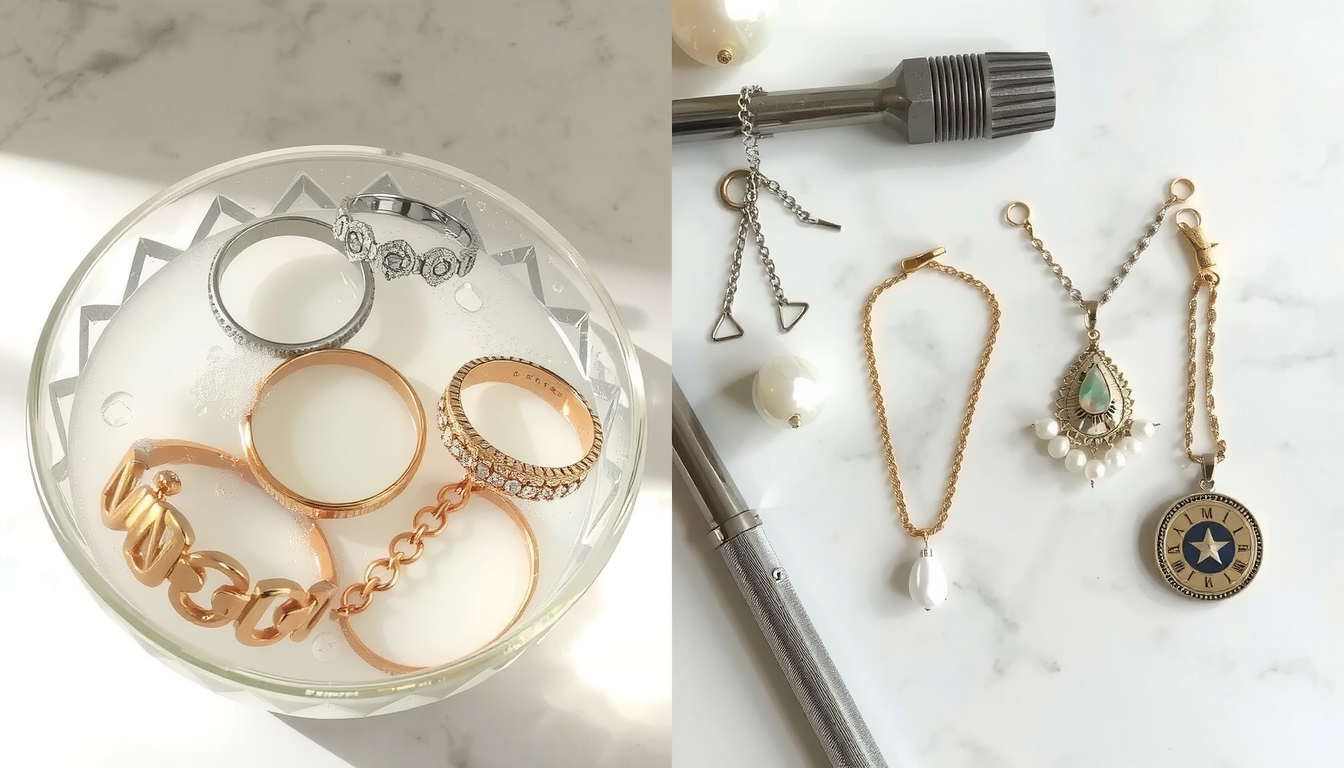
Key Takeaways
- Vinegar is an acid and can damage many types of jewelry. This includes gold, plated items, and soft gems like pearls and opals.
- Never use vinegar on valuable or special pieces. The risk is not worth it.
- The only materials that are sometimes safe to clean with watered-down vinegar are solid sterling silver and stainless steel without any stones.
- The safest and best way to clean most jewelry at home is with a few drops of mild dish soap and warm water.
- When in doubt, always use the gentlest method. Or take your jewelry to a professional for cleaning.
The Science of Vinegar Cleaning
Why It Cleans (and Harms)
White vinegar has acetic acid, usually around 5%. This acid is very good at breaking down the dark layer of tarnish that forms on some metals. It works well on silver sulfide that forms on sterling silver. The acid breaks down these compounds. This makes it easy to wipe the tarnish away.
The problem is that this same acid does not know the difference between tarnish and your jewelry. It can attack and wear away soft materials. This includes soft or porous gems. These can become dull or pitted.
The acid can also harm the other metals mixed into gold. These are called alloys. Over time, this can weaken the jewelry or change its color. For plated jewelry, the acid can strip off the thin top layer. This shows the cheaper metal underneath. Even worse, acid can get stuck in tiny cracks or under stone settings. This causes hidden damage that you won’t see until it’s too late.
The Ultimate “Safe or Sorry?” Chart

Before you even think about using vinegar, you need to know what your jewelry is made of. The question “Can you clean jewelry with vinegar?” depends completely on the material. Use this chart to see if your item is safe. Or if you will be sorry you tried.
| Material | Safe with Vinegar? | Risk Level & Explanation | Recommended Cleaning Method |
|---|---|---|---|
| Sterling Silver (.925) | Caution | Medium: Vinegar can remove heavy tarnish but may also dull the finish or react with alloys. Use only for short periods. | Mild soap and water, or a silver polishing cloth. |
| Fine Silver (.999) | Caution | Medium: It is softer and purer than sterling, making it slightly more vulnerable to acid. | Silver polishing cloth. |
| Stainless Steel | Generally Yes | Low: This metal is very durable. A diluted vinegar solution is usually safe for plain stainless steel. A Safe Guide for Stainless Steel confirms it can be effective. | Mild soap and water, or diluted vinegar. |
| Solid Gold (Yellow, Rose) | No | High: The acid attacks the copper and other alloys mixed with the gold, causing discoloration and potential weakness over time. | Mild soap and water. |
| White Gold | Absolutely Not | Very High: White gold is plated with rhodium. Vinegar will strip this protective and shiny coating, leaving a dull, yellowish finish. | Mild soap and water only. |
| Platinum | No | Medium: While very strong, there is no need to risk it. Acid is not necessary. | Mild soap and water. |
| Gold/Silver Plated | Absolutely Not | Very High: The acid will quickly eat through the thin plating, ruining the piece. | A soft, dry cloth. |
| Costume/Fashion Jewelry | Absolutely Not | Very High: The base metals and coatings are unknown and can react very badly to acid. | A soft, dry cloth. |
| Diamonds | Caution | Medium: The diamond itself is hard, but the acid can damage the metal setting or get trapped underneath, making it look cloudy. | Mild soap and water. |
| Pearls, Opals, Turquoise | Absolutely Not | Very High: These are soft, porous gems. Vinegar will cause permanent pitting, dulling, and cloudiness. Their Mohs hardness is very low. | A soft, damp cloth only. No soaking. |
| Emeralds, Rubies, Sapphires | No | High: These stones are often treated with oils or have natural tiny cracks (fissures). Acid can damage these treatments and get into the cracks. | Mild soap and water. |
| Amethyst, Garnet, Quartz | Caution | Medium: These stones are harder, but the risk to the metal setting is still high. It is not worth the potential harm. | Mild soap and water. |
How to Clean Jewelry with Vinegar
The Only Safe Method
Do you have a piece of solid sterling silver or stainless steel with no gems? And you have decided to proceed? This is the only safe way to do it. Answering “how do you clean jewelry with vinegar” requires great care.
Before You Start: The Golden Rules
- Rule #1: When in doubt, DON’T. If the piece is valuable or special, choose a safer method.
- Rule #2: This method is ONLY for solid sterling silver or plain stainless steel. Do not use this on any other material.
- Rule #3: Never use pure, undiluted vinegar. Always mix it with water.
Step-by-Step Guide
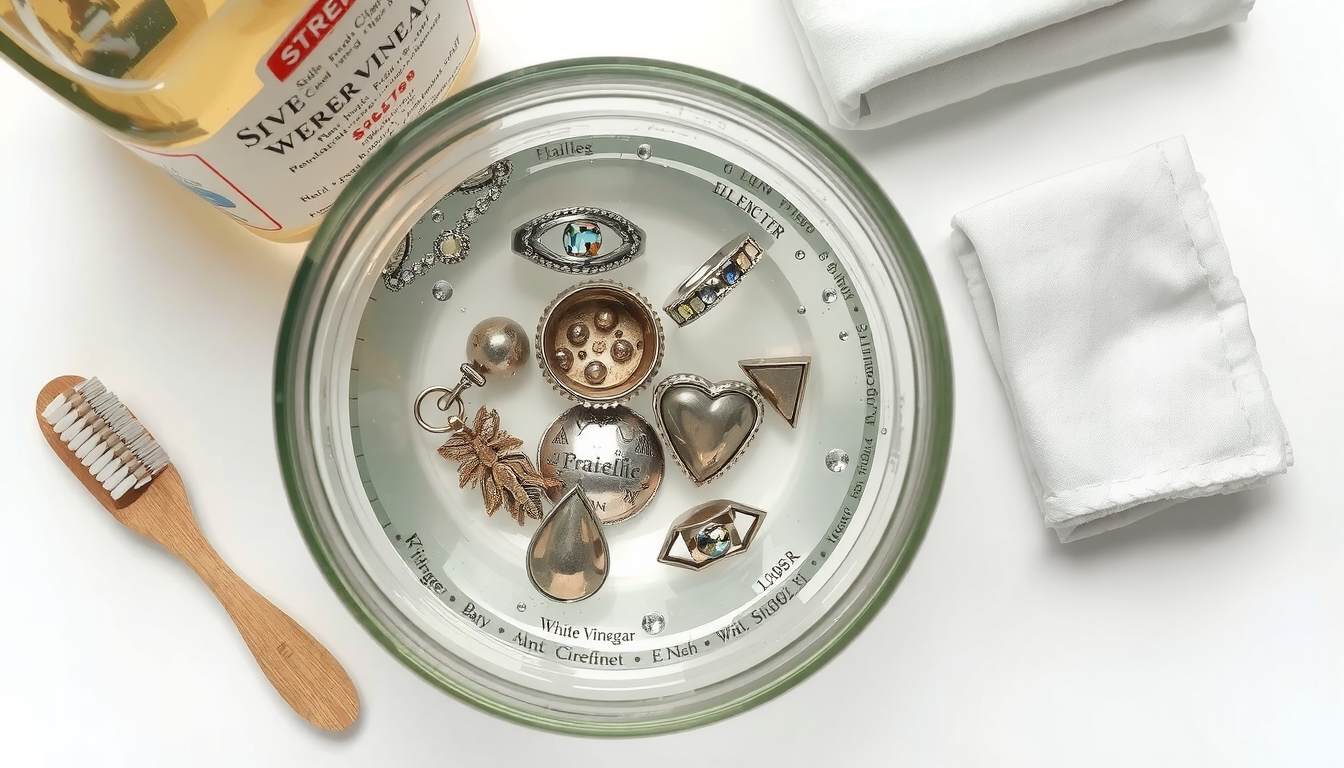
- Gather Your Supplies. You will need a small glass bowl. You will also need plain white vinegar, warm water, two soft microfiber cloths, and a new, very soft baby toothbrush.
- Create the Solution. In the bowl, mix a solution of 1 part white vinegar to 2 parts warm water. More vinegar is not better. It will only increase the risk of damage.
- Short Soak. Place the jewelry in the solution for no more than 10-15 minutes. If the tarnish is light, 5 minutes is often enough. You might see a few bubbles. This is the acid working.
- Gentle Scrub. After soaking, take the item out. Use the soft baby toothbrush to gently clean any detailed areas. Do not scrub hard. The goal is to lift the loosened tarnish, not to scratch the metal.
- CRITICAL – Rinse Thoroughly. This is the most important step. Rinse the jewelry under lukewarm running water for at least a minute. You must remove all traces of the vinegar. This stops the acid from continuing to work.
- Dry Completely. Use one soft cloth to gently pat the jewelry dry. Then, use the second clean, dry cloth to buff it to a beautiful shine. Make sure it is completely dry before storing it.
Myth vs. Fact
Debunking Vinegar Cleaning Advice
The internet is full of bad advice about cleaning jewelry. Let’s clear up some common myths. This way you can avoid costly mistakes.
Myth 1: “You can clean all your jewelry with vinegar and baking soda.”
- Fact: Mixing vinegar and baking soda creates a fizzy, harsh chemical reaction. Some people use it to remove very heavy tarnish from tough silver pieces. But it is far too harsh for most jewelry. This mixture can easily scratch metals. It will destroy plated items and soft gems.
Myth 2: “Soaking gold rings in vinegar makes them sparkle.”
- Fact: This is a dangerous myth. Vinegar can slowly eat away at the metal alloys mixed into solid gold. Over time, this makes the ring look dull. It can even weaken the prongs that hold your stones. It is especially bad for white gold. It strips the shiny rhodium plating.
Myth 3: “Vinegar is natural, so it must be safe for everything.”
- Fact: “Natural” does not automatically mean “safe.” Snake venom is natural, but you wouldn’t use it to clean! Being acidic is a powerful chemical property. As some jewelry experts point out, the answer to “does vinegar clean jewellery” really depends on what your jewelry is made of. Its use must be careful and limited to the right materials.
Safer & Better Alternatives
Now that you understand the risks, what should you use instead? Here are safer and more effective ways to keep your jewelry looking its best.
1. The Universal Gentle Cleaner: Mild Soap & Water
This is the method recommended by jewelers for most pieces. It’s simple, safe, and effective.
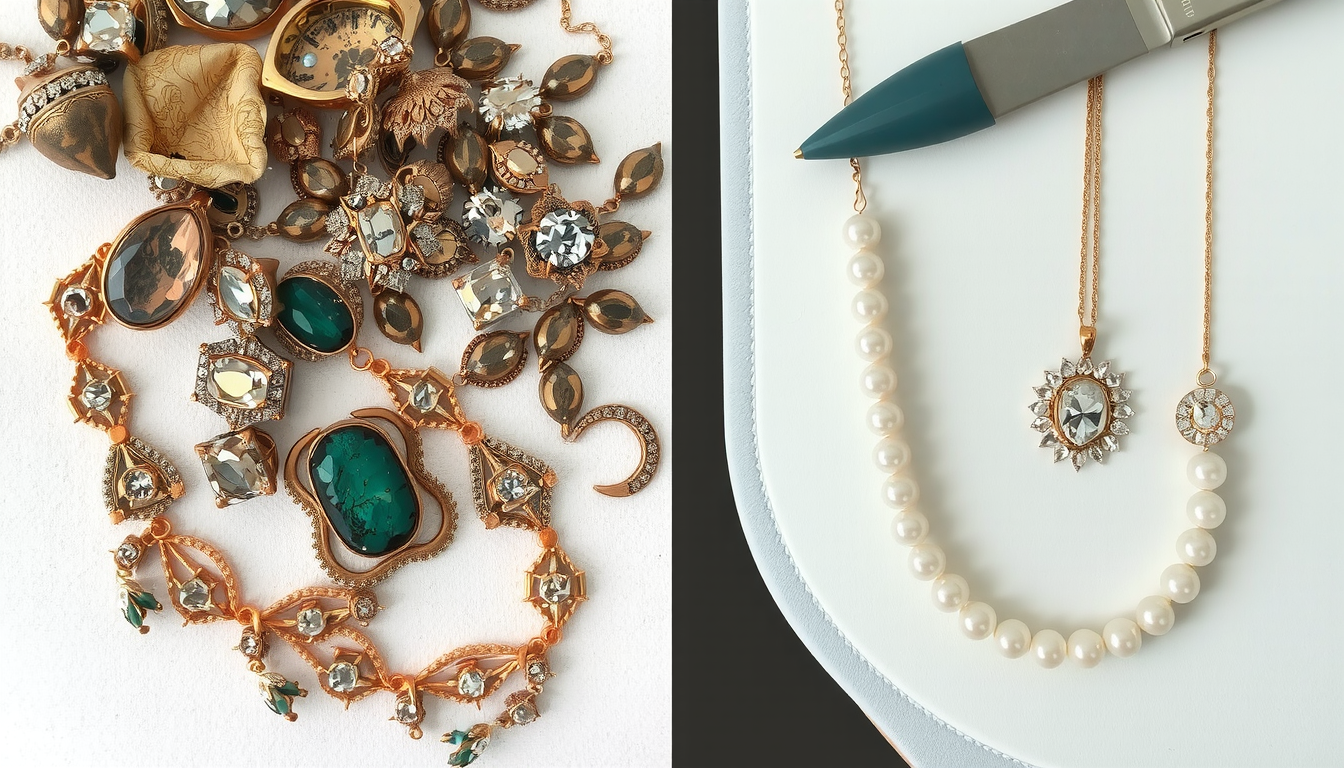
Just put a few drops of a mild, lotion-free dish soap into a bowl of warm water. Use something like original blue Dawn. Let your jewelry soak for about 15-20 minutes. This will loosen dirt, oils, and grime. After soaking, you can watch this video for a visual guide on the next steps.
After the soak, gently scrub the piece with a baby-soft toothbrush. Then, rinse it completely under warm water. Pat it dry with a lint-free cloth. This works great for gold, platinum, diamonds, sapphires, and rubies.
2. Specialized Polishing Cloths
For metals like silver and gold that get light tarnish, a professional polishing cloth is an excellent tool. These cloths have a special micro-abrasive that removes tarnish without scratching the metal. They are a much safer choice than chemical soaks.
3. Professional Jewelry Cleaners
You can buy commercial jewelry cleaning solutions made for specific materials. Be sure to read the label. Buy a cleaner that says it is safe for your type of metal and gem. Never use a silver cleaner on pearls. Don’t use a gold cleaner on costume jewelry.
4. Professional Care and Display
Part of keeping jewelry clean is storing it correctly. Proper care prevents damage. It reduces the need for frequent, deep cleaning. For valuable collections, how items are stored and displayed is very important. Professionals use equipment like a high-quality jewelry showcase to protect pieces from dust, moisture, and tarnish.
Leading companies in this field understand that showing off jewelry and keeping it safe go together. Companies such as Ouyee Display know this well. For jewelry stores, a smart jewelry store design does more than just make the store look good. It also uses safe lighting and display cases to keep the jewelry in perfect condition. A trusted jewelry showcase manufacturer will always consider these preservation needs when creating their products.
FAQ: Your Vinegar Questions Answered
Can you clean a diamond ring with vinegar?
We strongly advise against it. A diamond is the hardest natural material. But the vinegar is very likely to damage the metal setting. This is especially true for white gold. White gold has a rhodium plating that vinegar can strip away. Acid can also get trapped under the diamond. This makes it look dull. A simple mix of mild dish soap and water is much safer and more effective.
How long should you soak jewelry in vinegar?
For the very few materials where it is an option, the soak time should be very short. This includes solid sterling silver without stones. We recommend no more than 10-15 minutes. Any longer increases the risk of the acid causing permanent damage to the metal’s finish.
Does vinegar clean gold jewelry?
No, you should not use vinegar to clean your gold jewelry. Gold used in jewelry is almost always mixed with other metals. These are called alloys. They make it stronger. The acid in vinegar can react with these alloys. This leads to discoloration, a dull appearance, and potential structural weakness over many cleanings.
What happens if I mix baking soda and vinegar to clean jewelry?
This mixture creates a strong, fizzy chemical reaction. It is very aggressive. Some may use this on heavily tarnished, durable silver items. But it is an uncontrolled and harsh method. It can easily scratch softer metals. It will ruin plated jewelry or any piece with gems. We do not recommend it.
What is the absolute safest way to clean my jewelry at home?
The safest, most effective, and most widely recommended method for home jewelry cleaning is simple. Use a bowl of warm water with a few drops of mild, lotion-free dish soap. Let the piece soak for 15-20 minutes. Gently scrub with a very soft toothbrush. Rinse it well under clean water. Pat it dry with a soft, lint-free cloth.
The Final Polish: Key Takeaways
To sum up, the question “does vinegar clean jewelry” has a very cautious answer. It can work in a few specific cases. But vinegar is a risky tool, not a universal cleaning solution. For most of your treasured pieces, the potential for harm is far too high.
Always remember the safest and most reliable alternative for at-home care. Use a simple bath in mild soap and water. It gently removes the daily grime that dulls your jewelry’s shine. And it does this without any risk.
Finally, for any jewelry that is valuable, special, or fragile, the best choice is always to seek professional cleaning. Your most cherished items deserve the care and expertise of a trusted jeweler. This will keep them sparkling for years to come.