You love your stainless steel jewelry. It shines bright and feels strong. But you have one big question: can stainless steel jewelry get wet? The simple answer is yes, good quality stainless steel jewelry can get wet. It’s one of the best metals for daily wear. This is because it handles water very well. But there’s more to the story. The type of water matters. The quality of the steel matters too. Whether the jewelry has a coating also plays a big role. This guide will tell you everything you need to know. We’ll explain why stainless steel is so tough. We’ll show how it handles different water situations. We’ll also teach you how to care for it so it lasts forever.
Key Takeaways
- Yes, It’s Safe: High-grade stainless steel (like 316L) fights rust and tarnish very well. This makes it safe around water.
- Water Type Matters: Plain tap water is fine. Pool water with chlorine is okay if you’re careful. You must rinse your jewelry after. Ocean water is the same. Avoid hot tubs.
- Plated Jewelry is Different: Gold-plated stainless steel is less strong in water. The coating can wear off. It’s best to remove these pieces before swimming or showering.
- Care is Simple but Important: The most important step is to rinse your jewelry with fresh water. Do this after it touches chemicals or salt. Then dry it completely with a soft cloth.
- Look Beyond the Metal: Glues, soft stones, and detailed designs can be hurt by water. This is true even if the steel itself is fine.
The Science of Water-Resistance
So, why is stainless steel jewelry waterproof enough for daily life? It’s not magic. It’s science. The secret ingredient is a metal called chromium.
When stainless steel meets oxygen in air or water, something special happens. The chromium in the metal forms a very thin layer. This layer is invisible and very tough. It’s called chromium oxide. It acts like a shield. It stops rust before it can start. If this layer gets scratched, it fixes itself right away. This happens as long as oxygen is around.
Not All Steel Is Equal
You might see numbers like 304 or 316L when people talk about stainless steel. These are grades. They tell you about the metal’s mix. For jewelry, 316L is the best choice. People often call it surgical steel or marine-grade steel.
316L steel is better for jewelry for good reasons. It has more chromium than other types. It also has an extra element called molybdenum. This special ingredient makes up about 2% of the mix. It makes the steel extra tough against chlorides. You find chlorides in salt and chlorine. These are the biggest threats to your jewelry’s shine. Because of this, The alloy composition of stainless steel is what gives it its amazing ability to fight rust.
Waterproof vs. Water-Resistant
We often hear the word “waterproof.” But for jewelry, “water-resistant” is more correct. Solid 316L stainless steel is so strong it’s almost waterproof. But no material is truly perfect. Extreme conditions can still cause problems. Very low-quality steel can have issues too. Knowing your jewelry is highly water-resistant gives you confidence. You can wear it without worry.
A Guide to Different Water Scenarios
So, can stainless steel jewelry get wet in any situation? Not exactly. The real problem isn’t the water itself. It’s the chemicals and minerals in the water. Here’s a simple breakdown of common water scenarios.
| Water Scenario | Risk Level | Primary Threat(s) | Is It Safe? (Yes/No, with caveats) | Recommended Action |
|---|---|---|---|---|
| Showering / Tap Water | Low | Soap scum, hard water minerals | Yes. | Rinse jewelry with clean water after your shower to remove buildup. Dry it well. |
| Swimming Pool | Medium-High | Chlorine, Bromine | Yes, with caution. | Best to remove it. If worn, rinse right away with fresh water. Long exposure can dull the finish. |
| Ocean / Saltwater | Medium | Salt (Sodium Chloride) | Yes, with caution. | Salt can cause damage. Rinse well with fresh water after swimming. This prevents salt crystals from building up. |
| Hot Tubs | High | High heat, strong chemicals | No (Not Recommended). | The mix of high heat and strong chemicals can speed up damage. This is especially true for plated jewelry or stone settings. |
| Sweat / Exercise | Low-Medium | Salt, acidity | Yes. | It’s made for this. Wipe it down after a hard workout to keep its shine. |
The Plating Problem
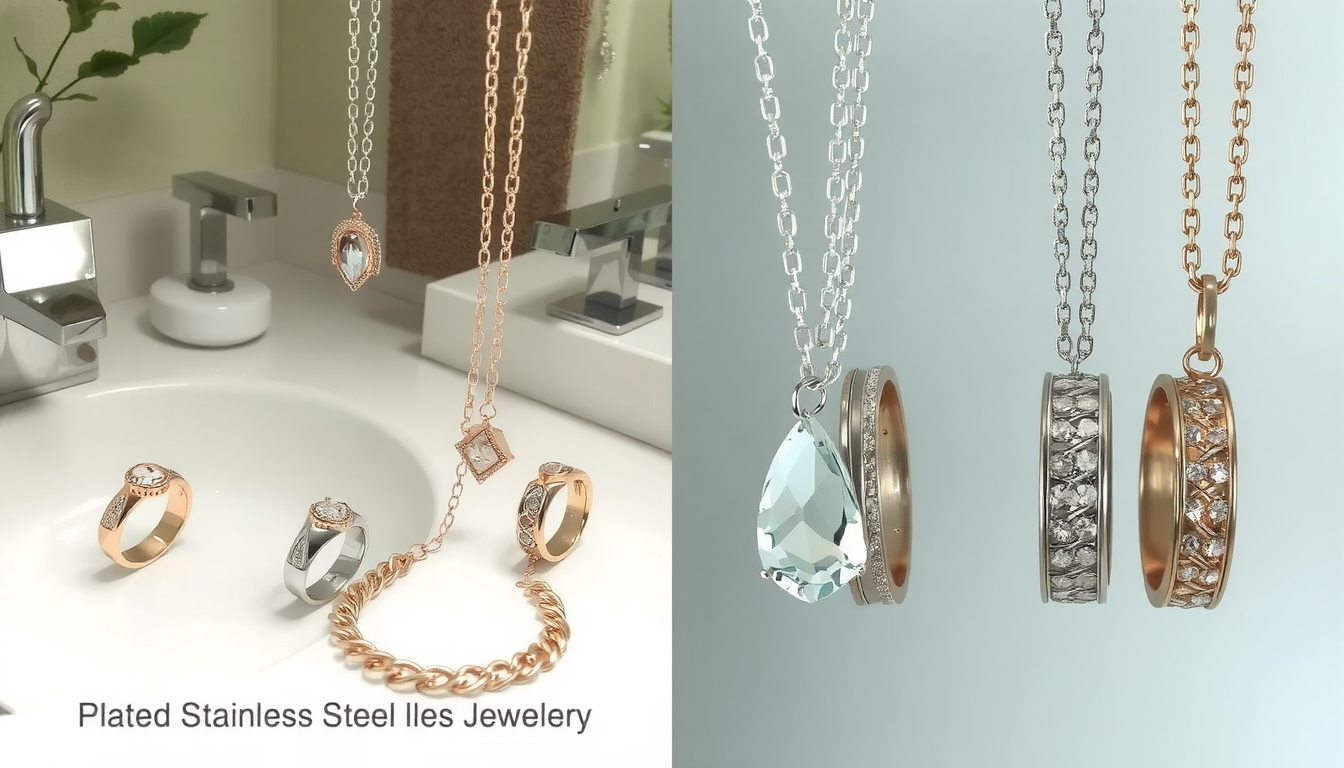
What if your jewelry is gold-plated stainless steel? This is a very common question. The answer is different. Can gold-plated stainless steel jewelry get wet? Yes, but you need to be much more careful.
The problem isn’t the stainless steel core. That part is still strong. The issue is the thin layer of gold on the outside. This layer is what can get damaged.
Plating Methods Matter
There are two common types of plating you should know about.
-
Standard Plating: This is a very thin layer of gold. It can wear away quickly. Rubbing, chemicals, and even water can damage it. We do not recommend getting jewelry with standard plating wet at all.
-
PVD Coating: PVD stands for Physical Vapor Deposition. This is a modern process. It bonds the gold to the steel at a very deep level. It’s much thicker and stronger than standard plating. While PVD gold plated stainless steel can get wet, it’s not perfect. Regular contact with chlorine, salt, and soaps will make it fade over time. It will also lose its shine.
The Verdict on Plated Jewelry
For any plated jewelry, the best advice is to be careful. To make it last as long as possible, take it off before you shower. Remove it before you swim. Take it off before you put on lotions and perfumes. A quick splash won’t ruin it. But constant water exposure will make it wear out faster.
Beyond the Metal: Hidden Risks
When we ask “can stainless steel jewelry get wet,” we usually just think about the metal. But a piece of jewelry is often more complex. You need to think about the other parts of the design.
Glues and Adhesives
Many jewelry designs use strong glue. This is especially true for fashion pieces with small crystals or stones. The glue holds everything in place. Hot water from a shower or hot tub can soften this glue. Over time, this can make stones become loose. They might fall out.
Soft Gemstones and Materials
The stainless steel part of your necklace might be fine. But the pearl or turquoise stone attached to it is not. Soft stones can soak up water, oils, and chemicals. This can make them crack or change color. They might lose their shine. Diamonds are very tough. But materials like opals, pearls, and wood are easily hurt by water.
Detailed Settings and Small Spaces
Detailed designs with lots of small gaps look beautiful. But these spaces are perfect traps for soap and shampoo. They can also trap lotion. This buildup can make your jewelry look dull and cloudy. Even worse, the trapped moisture and soap can sometimes cause skin irritation. This is why professional jewelry store design focuses on clean, dry spaces. In these spaces, every detail of a piece can be seen without risk.
The Ultimate Care Guide
Knowing that stainless steel jewelry is waterproof is only half the battle. Good care will keep it looking brand new for years. Luckily, it’s very easy.
The Two-Step Cleaning Process
Follow these simple steps to keep your jewelry’s bright shine.
-
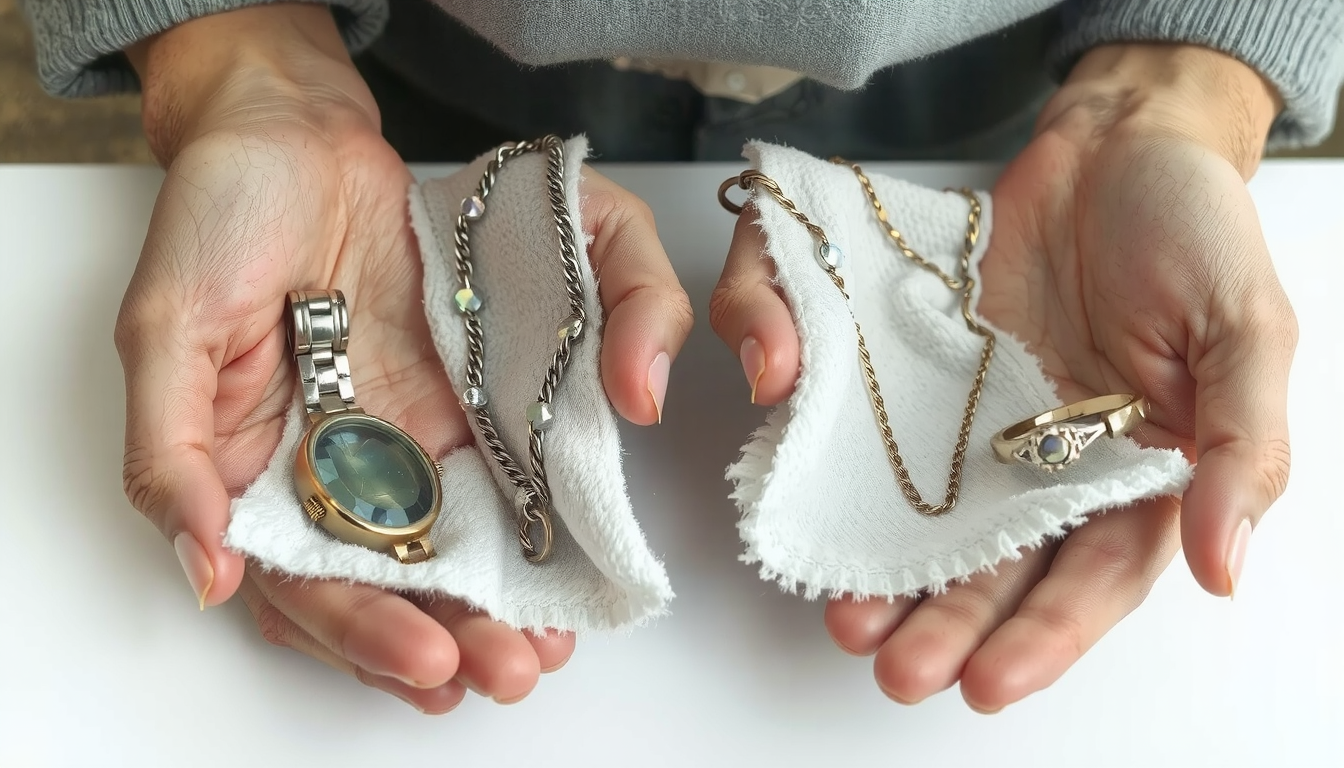
Quick Rinse (After Every Exposure): This is the most important habit. After swimming in the ocean or a pool, rinse your jewelry. Do this even after a sweaty workout. Simply rinse it under fresh tap water. Then, pat it completely dry with a soft cloth. Make sure the cloth won’t leave lint. This removes harmful salt and chemicals.
-
Deep Clean (Monthly or as Needed): For a deeper clean, get a small bowl of warm water. Add a few drops of mild dish soap. Let your jewelry soak for a few minutes. Then, gently scrub it with a very soft toothbrush. A baby toothbrush works perfectly. It can get into tiny spaces without scratching the metal. Rinse all the soap off. Most importantly, dry it completely.
Do’s and Don’ts of Care
- Do: Dry your jewelry well every time it gets wet.
- Do: Clean it regularly to remove oils and dirt.
- Do: Store it properly to avoid scratches.
- Don’t: Use harsh chemicals like bleach or ammonia. Don’t use rough cleaners like toothpaste.
- Don’t: Store it while it’s still wet.
Proper Storage for Long Life
How you store your jewelry matters. The main goal is to prevent scratches. When you’re not wearing your pieces, keep them separate. Store them in individual soft pouches. A jewelry box with dividers is a great solution for daily use.
For larger collections or valuable pieces, you can learn from the professionals. Leading retail experts like Ouyee Display know that proper storage is key. A high-quality jewelry showcase does more than just display items. It protects them from dust, humidity, and damage. The main principles of professional jewelry store design are important. Keep items separate, dry, and secure. These principles can be easily used at home. A professional jewelry showcase manufacturer builds displays that control the environment. This ensures that every piece stays in perfect condition. This goes for everything from a simple steel ring to a diamond necklace.
Conclusion: Wear It and Care For It
So, can stainless steel jewelry get wet? Yes, absolutely. Its strength and resistance to water are some of its greatest benefits. This allows you to wear it almost anywhere without worry. It is one of the most reliable materials for anyone with an active lifestyle.
The key to its long life is simple. Rinse after exposure to harsh chemicals like chlorine and salt. Always dry it well. By understanding how to care for both solid and plated pieces, you can enjoy your jewelry for decades. You’ll love the low-maintenance, high-shine beauty of your stainless steel jewelry.
Frequently Asked Questions (FAQ)
H3: Will stainless steel jewelry turn my skin green?
No, high-quality stainless steel like 316L is safe for sensitive skin. This means it is very unlikely to cause a skin reaction. It doesn’t contain large amounts of copper. Copper is the metal that turns green and causes a stain on your skin.
H3: Is stainless steel jewelry waterproof enough for daily showers?
Yes, it is perfectly safe to wear solid stainless steel jewelry in your daily showers. Just make a habit of rinsing off any soap or shampoo afterward. Patting it dry will help keep its shine. It will also prevent any mineral buildup from the water.
H3: How long will stainless steel jewelry last if I wear it in water?
If it’s a solid, high-grade piece of stainless steel and you practice basic care, it can last for many years. It might even last decades. It will not tarnish or rust under normal conditions. Plated stainless steel will not last as long. This depends on the quality of the coating and how often it touches water.
H3: Can I clean my stainless steel jewelry with toothpaste?
We do not recommend this. Toothpaste has small rough particles. These are designed to scrub teeth. These particles can create tiny scratches on your jewelry’s smooth surface. This makes it look dull over time. It is much safer to stick with mild dish soap and water.
H3: Does stainless steel rust eventually?
Under normal conditions for wearing jewelry, high-quality stainless steel will not rust. The protective chromium oxide layer works very well. But a very deep scratch could break through this layer. If this happens and the jewelry is exposed to harsh chemicals for a long time, a tiny spot of rust could form. This is very rare. This is why proper care is still important.