A professional pharmacy is more than a place to pick up prescriptions. It is a cornerstone of community health. Its design speaks volumes before a single word is exchanged between a pharmacist and a patient. A thoughtful pharmacy shop design is a critical investment, not just an expense. It builds patient confidence. It makes work easier for staff. It ensures safety. This guide will show you how to make a professional pharmacy shop design. We will cover everything from layout and patient psychology to choosing the right furniture and technology.
Key Takeaways
- Strategic Layout is Key: A well-planned floor plan improves staff workflow and guides customers naturally. This is the foundation of a great pharmacy shop design.
- Focus on the Patient: Design for trust and comfort by considering the patient’s journey. This includes a welcoming entrance and a private consultation area.
- Interior Elements Matter: Use calming colors, functional lighting, and clear branding. These create a professional and clean healthcare environment.
- Choose Functional Furniture: Select durable, hygienic, and well-designed furniture. This includes counters and shelving that supports both operational needs and aesthetic goals.
- Ensure Compliance and Tech-Readiness: Integrate legal requirements like accessibility (ADA) and patient privacy (HIPAA). Plan for technology from the start to avoid future problems.
- Professional Help is an Investment: Partnering with a pharmacy design specialist ensures all elements work together. This saves time and money in the long run.
The Foundation: Strategic Layout Planning
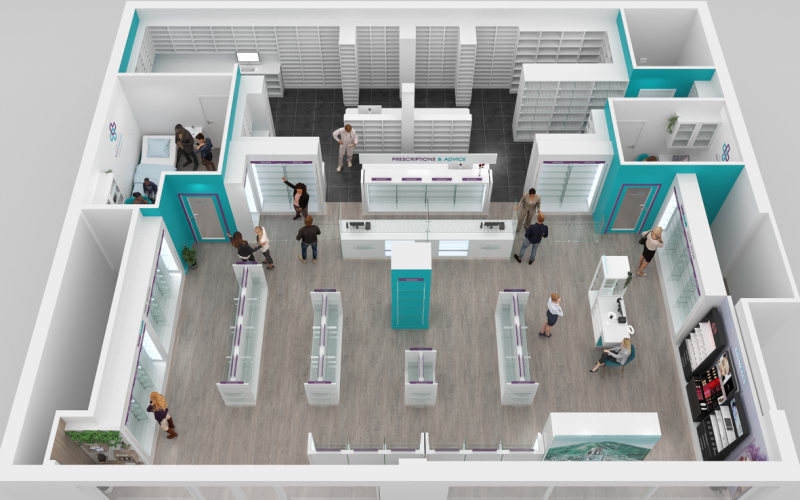
The first step in any professional pharmacy design is to divide your space into functional zones. A smart layout is the most critical part of how to make a professional pharmacy shop design that is both efficient and welcoming.
We suggest creating clear, separate areas for different activities. This organization helps both staff and patients.
- 1. Greeting/Waiting Area: This is the first impression zone. It should be clean, open, and welcoming.
- 2. Retail/Over-the-Counter (OTC) Area: This is where you display general health products for sale.
- 3. Prescription Drop-off & Pick-up: This is the main point of interaction. It must be clear and easy to find.
- 4. The Dispensary: This is the secure, operational heart of the pharmacy where prescriptions are filled.
- 5. Consultation Room(s): These are private spaces for patient services and advice.
- 6. Back Office & Storage: This area is for inventory, paperwork, and staff needs.
The dispensary is the heart of your operation. A common strategy is to place it at the back of the store. This principle draws customers through your retail space. It gives them a chance to see other products. Some modern pharmacies use “forward dispensing.” This means pharmacists are more visible and accessible at the front. As experts note, the best design features to consider before refitting your pharmacy often depend on your service model.
Finally, map the customer flow. A successful pharmacy shop design has wide, clear pathways to prevent crowding. We recommend a counter-clockwise flow. This pattern guides customers from the entrance, through the retail aisles, and naturally to the dispensary at the back.
The Patient Journey: Designing for Trust
To create a truly professional pharmacy, we must think beyond customer flow. We need to consider the patient journey. How does your design make a patient feel? This empathetic approach builds deep loyalty and trust.
Stage 1: The Arrival
A patient often arrives feeling anxious or unwell. A clear, well-lit entrance with easy-to-read signs reduces this stress. Imagine walking into a cluttered, dimly lit pharmacy versus a bright, organized one. The first instills doubt. The second inspires immediate confidence. This first impression is a vital part of your pharmacy shop design.
Stage 2: The Wait
The waiting period is an opportunity. Instead of just being a pause, it can be a positive part of the experience. Provide comfortable and private seating. Use this time to educate with digital screens showing health tips. You can also place displays with relevant seasonal products nearby. For example, allergy medicine in the spring.
Stage 3: The Consultation
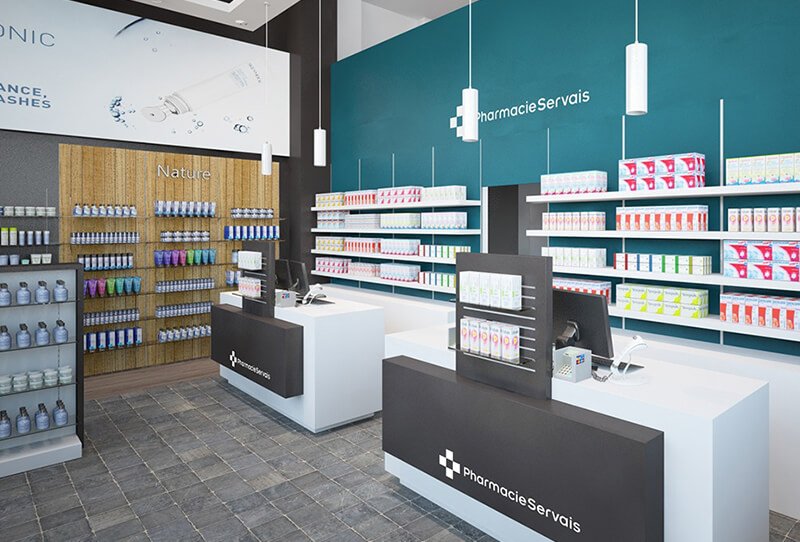
Privacy is the most important factor during a consultation. The design of the pharmacy counter is crucial for this. It should provide both sound and visual privacy. A wrap-around design or a partial screen can help. The gold standard is a dedicated, sound-proofed consultation room for private conversations about health.
Stage 4: The Departure
The final step should be smooth and clear. An efficient checkout process shows respect for the patient’s time. The pharmacist’s instructions are the last impression. An organized and calm space reinforces their professional advice. This leaves the patient feeling cared for and confident.
Core Elements of Interior Design
The look and feel of your pharmacy are defined by its interior design. These core elements work together to create a professional atmosphere. A great medicine shop interior design is about more than just looks. It supports the store’s function.
Color Psychology
Colors can affect how people feel. For a healthcare setting, we suggest a primary palette of calming, clean colors. Soft blues, greens, and whites create a feeling of well-being and cleanliness. You can use your brand colors as accents on a main wall or in your signage. This adds visual interest without making the space feel too busy.
Lighting for Function
Lighting has three main jobs in a pharmacy shop design.
- Task Lighting: This is bright, clear light used in the dispensary and at the counter. It is vital for accuracy and safety when handling medications.
- Ambient Lighting: This is the general, softer light in the retail and waiting areas. It should feel warm and welcoming.
- Accent Lighting: Use this to highlight important products, displays, or your pharmacy’s logo.
Flooring and Materials
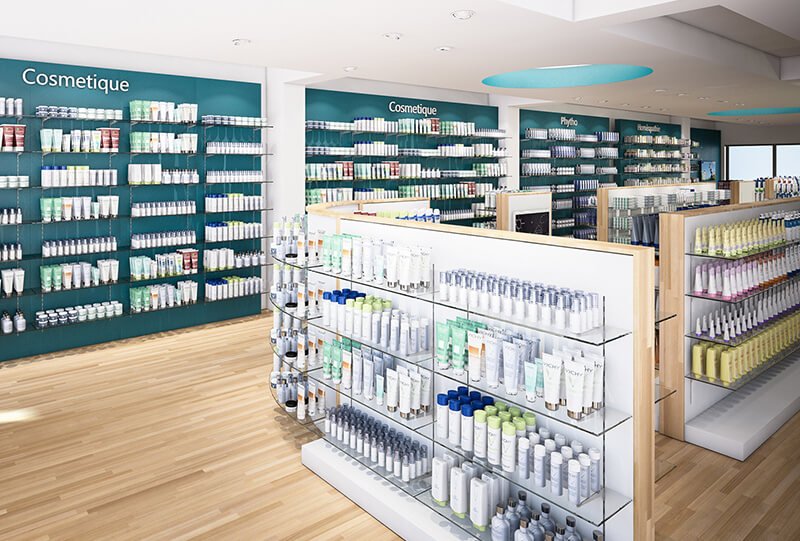
Choose flooring that is durable, non-slip, and easy to clean. Hygiene is a top priority. Materials like commercial-grade vinyl or high-quality laminate are excellent choices. They can even provide the warm look of wood while being simple to maintain.
Branding and Signage
Your signs should be professional, clear, and consistent. They should use your brand’s logo and colors. Good signage helps patients find what they need easily. It also helps to improve your pharmacy’s image by creating a cohesive and trustworthy look.
Selecting the Right Pharmacy Furniture
The right furniture is essential for a professional pharmacy. It must be functional for your staff and appealing to your patients. When learning how to make a professional pharmacy shop design, furniture selection is a key step.
The Central Hub: The Pharmacy Counter
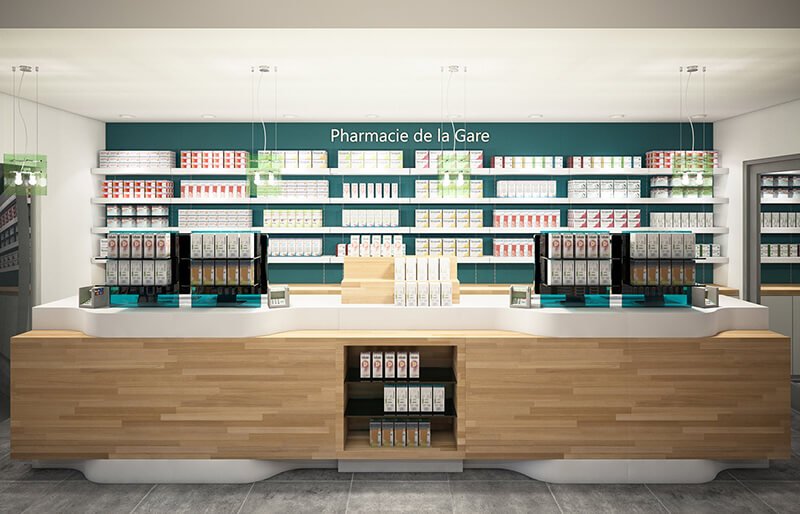
Your counter is more than just a checkout spot. It needs to be designed for an efficient workflow. It must have space for computers, printers, and scanners. It should also be designed to protect patient privacy. Consider including sections at different heights to meet accessibility standards for all patients.
Smart Shelving and Storage
You need a mix of shelving. This includes retail shelving for customers and high-density storage for the dispensary. A well-designed pharmacy wall shelf system uses vertical space well. This keeps products organized and easy to find. For high-value or sensitive items, a lockable glass or a secure medicine display cabinet is a must-have. These fixtures are vital for both merchandising and security.
Choosing a Manufacturer
Look for a company that specializes in pharmacy furniture. They will understand the unique needs of a pharmacy. This includes durability, hygiene, and security. An experienced manufacturer can help you choose materials and designs that are built to last in a busy healthcare environment.
Furniture Checklist
| Furniture Item | Key Functional Consideration | Key Design Consideration |
|---|---|---|
| Dispensary Counter | Ergonomic height, integrated storage | Durable, non-porous surface |
| Retail Gondolas | Adjustable shelves, good weight capacity | Aligns with store’s color palette |
| Waiting Area Seating | Easy to clean, comfortable | Creates a welcoming, not clinical, feel |
| Consultation Room Desk | Space for two, privacy screen | Professional and approachable |
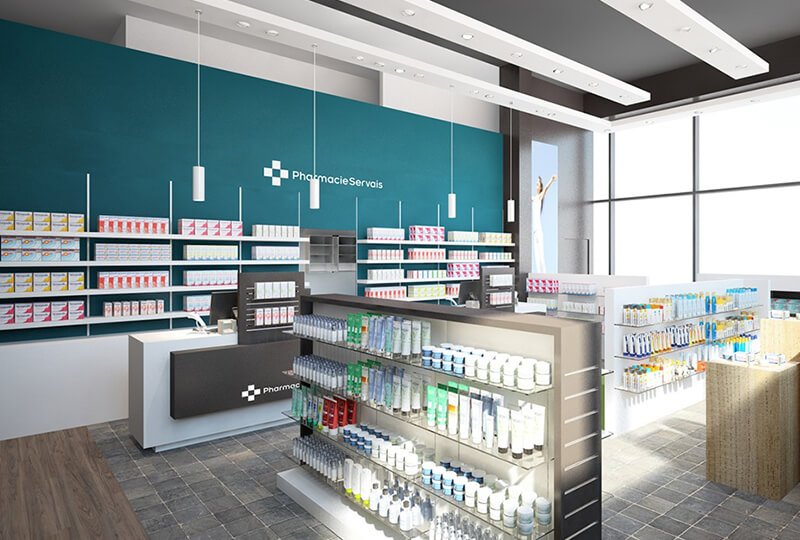
Compliance and Technology: The Non-Negotiables
A modern pharmacy shop design must include two non-negotiable elements from the very beginning. These are regulatory compliance and technology. Ignoring these can lead to costly fines or redesigns later.
Designing for Compliance
Your design must follow important regulations.
- HIPAA & Patient Privacy: Counters and consultation areas must be designed to prevent others from seeing or hearing protected health information (PHI). This is a legal requirement.
- Accessibility (ADA): Your pharmacy must be accessible to everyone. This includes wide aisles, accessible counters, and easy-to-open doors for patients with mobility challenges. Regulatory bodies like the General Pharmaceutical Council (GPhC) have standards for premises that emphasize accessibility and a professional image.
Integrating Technology
Modern technology can make your pharmacy much more efficient. Your design should plan for it.
- Automated Dispensing Systems: These robots save time and reduce errors. But they require specific space and workflow planning.
- Digital Signage & Kiosks: Plan for power and data ports where you will place digital screens. These can be for ads, queue management systems, or health information kiosks. A Comprehensive Guide to Innovative Pharmacy Design notes that this integration is key to better operations.
Putting It All Together: Should You Hire a Professional?
After learning about all these elements, you may wonder if you can design your pharmacy yourself. While a DIY approach might seem to save money, it often costs more in the long run.
A professional pharmacy design firm brings expert knowledge that is hard to gain on your own. Companies that specialize in this field, like Ouyee Display, understand the complexities of the industry.
The benefits of hiring an expert include:
* Deep knowledge of healthcare regulations.
* Experience in creating efficient workflows.
* Access to specialized suppliers and materials.
* The ability to create a cohesive design that balances all your needs.
Think of it as an investment in getting your pharmacy shop design right the first time. It ensures your business is built on a solid foundation for success.
FAQ: Your Questions on Professional Pharmacy Design Answered
What is the most important element in a pharmacy shop design?
The most important element is the strategic layout. A well-planned layout that prioritizes efficient workflow for staff and a clear, comfortable journey for patients is the foundation upon which all other design choices—like color, lighting, and furniture—are built.
How can I make my small pharmacy look professional and spacious?
Use light colors (white, light grey, pastels) to make the space feel larger. Maximize vertical space with tall, well-organized pharmacy wall shelf units. Use mirrors strategically and ensure excellent lighting. Opt for minimalist, multi-functional furniture to avoid clutter.
What colors are best for a professional pharmacy?
Greens, blues, and whites are highly recommended. Green and blue evoke feelings of health, nature, and calm, while white communicates cleanliness and professionalism. These can be used as the main palette, with your brand’s colors used as accents.
Where is the best place for the prescription counter?
Traditionally, the best place for the prescription counter or dispensary is at the back of the store. This layout encourages customers to walk through your entire retail section, increasing the chance of additional sales while they are on their way to pick up their prescriptions.
How much does a professional pharmacy design cost?
The cost varies widely based on size, location, scope of renovation, and the quality of materials and furniture. It can range from a few thousand dollars for a minor refresh to hundreds of thousands for a complete build-out. Consulting with a pharmacy design company can provide a specific quote based on your unique needs.