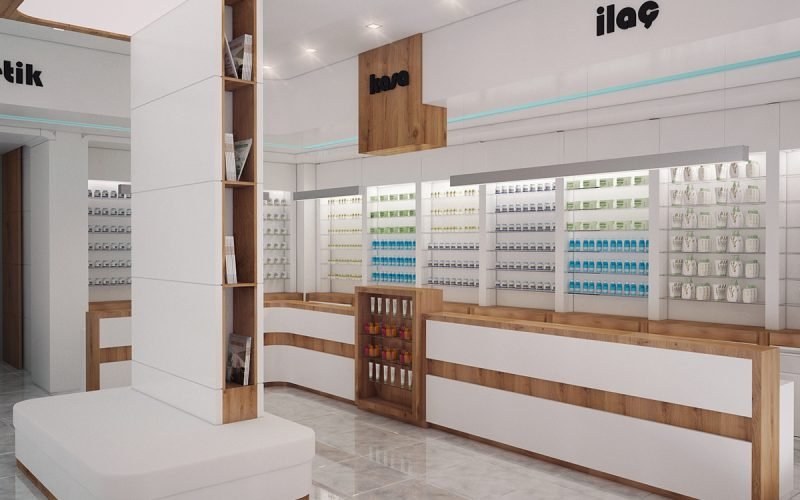
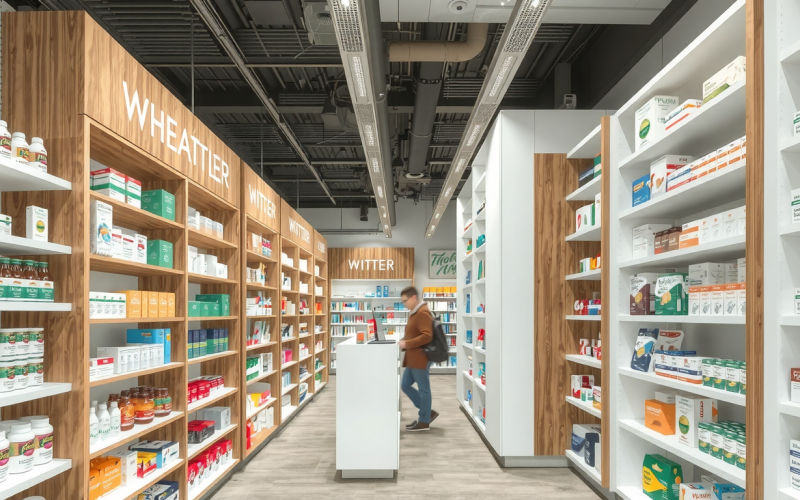
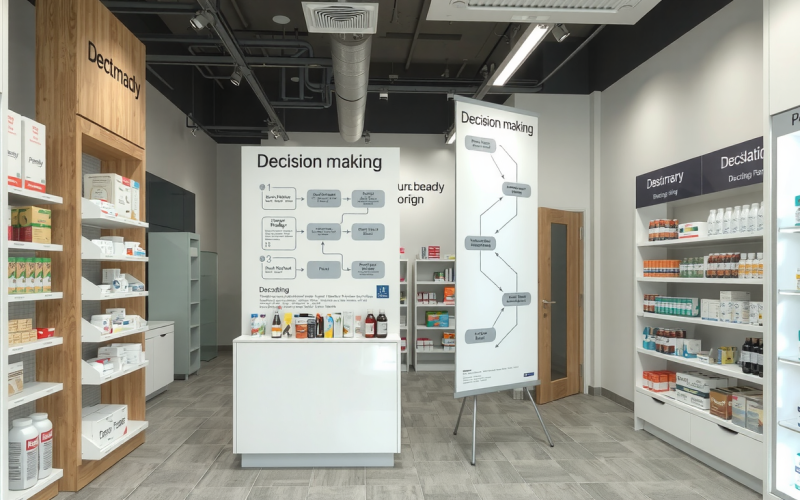
Modern pharmacies are changing. They are no longer just places to pick up medicine. Today, they are becoming community wellness hubs. They offer many products and health services. A poorly designed space can stress patients. It can cause problems for staff. It can also lead to lost sales. This guide will show you the key principles of successful pharmacy design. Good design builds trust and improves your business. We will cover key principles and design elements. We will also share unique drugstore decoration ideas. These will help you create a healing and profitable space.
Key Takeaways
* Patient Experience is Key: A welcoming, professional space reduces patient worry. It builds trust and turns visitors into loyal customers.
* Workflow Dictates Efficiency: A logical layout directly impacts staff work. It reduces errors and makes inventory management easier.
* Design Drives Sales: Smart lighting and product placement boost sales. A clear layout can greatly increase front-end retail sales.
* Go Beyond Clinical: Unique drugstore decoration themes help your pharmacy stand out. Try “Boutique Wellness” or “Community Health Corner” themes.
* Functionality First: Core elements like layout, lighting, and furniture are the foundation. These make any pharmacy interior design successful.
The Foundation: Why Strategic Pharmacy Design Matters
Investing in professional pharmacy interior design is not just about looks. It is a smart business decision with real benefits. A well-designed space improves how your pharmacy works. It improves how customers feel. It also improves how much you sell. It is a core part of your brand and service.
Enhancing the Patient & Customer Experience
- A professional, clean, and welcoming space instantly builds trust with patients.
- Calming design elements help reduce patient stress and worry. Use soft colors and comfortable seating.
- An easy-to-follow layout guides customers smoothly. They can move from the entrance to the prescription counter and retail areas easily.
Optimizing Staff Workflow and Efficiency
A logical layout helps reduce prescription filling errors. It also improves speed. An efficient pharmacy interior design makes work easier for your team.
Comfortable workstations boost staff productivity. They also reduce fatigue. Smart storage solutions make inventory management easier. This makes it faster to restock shelves and find products. Modern pharmacy interior design solutions often focus on creating spacious, organized, and well-lit spaces. These improve navigation and accessibility.
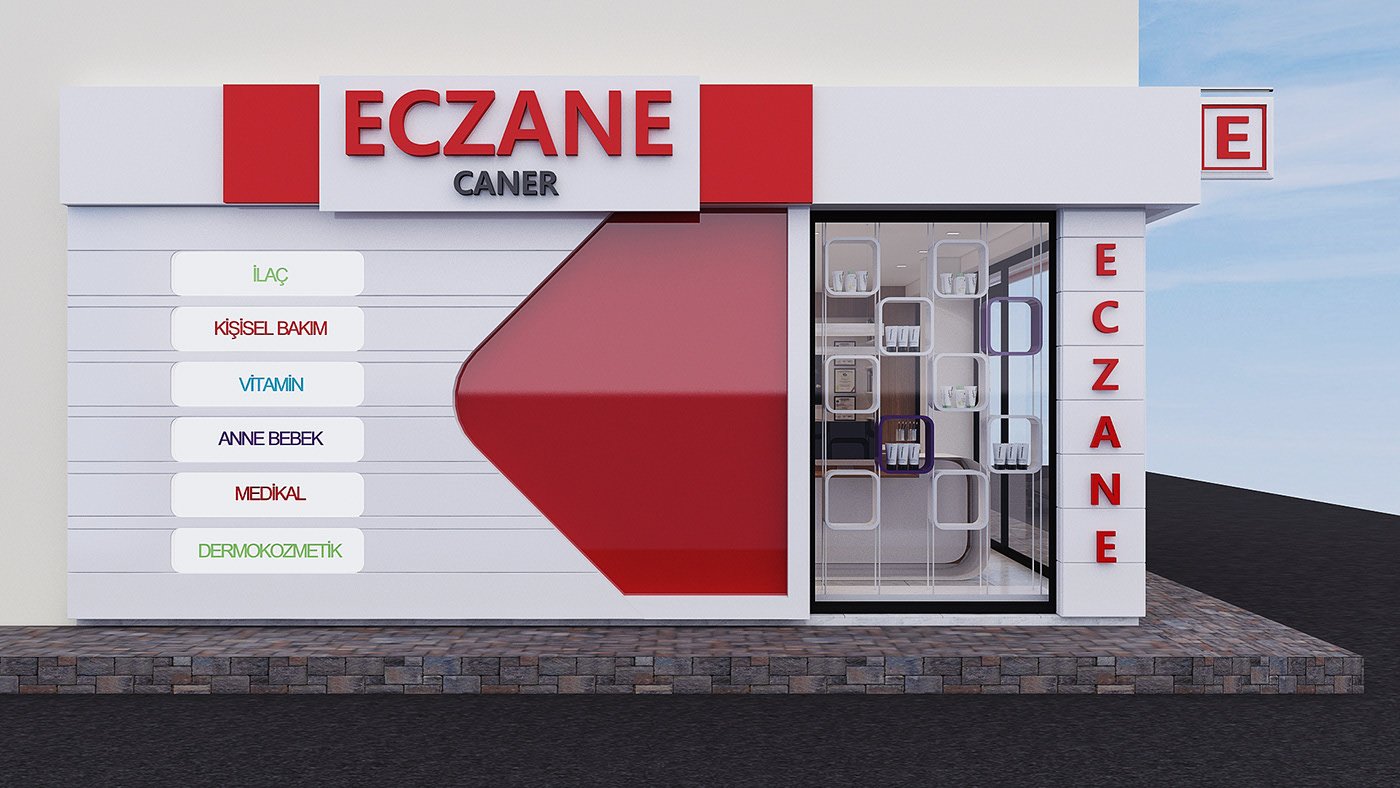
Boosting Front-End Sales and Profitability
Good design is a powerful sales tool. It guides customers’ eyes and encourages them to explore.
Smart product placement draws attention to specific items. You can use design to highlight high-profit products. You can also highlight seasonal promotions or new wellness services. A “browsable” retail space encourages impulse purchases. Use clear aisles and appealing displays. This adds to your bottom line.
The Core Elements of Effective Pharmacy Interior Design
A great pharmacy interior design combines several key elements. Each part plays a role in the space’s success. This includes everything from the floor plan to the lighting. Focusing on these core areas provides a strong foundation for your project.
Layout and Flow: The Blueprint for Success
The layout is the most important part of your pharmacy interior design. It affects everything from customer traffic to staff efficiency.
- Grid vs. Open-Plan Layouts: A grid layout uses parallel aisles. This is great for displaying many products. An open-plan layout feels more modern and spacious. It encourages exploration. The best choice depends on your pharmacy’s size and focus.
- The Dispensary as the Anchor: The pharmacy counter is very important as the focal point. It should be visible from the entrance. The design must balance patient privacy with staff accessibility.
- Creating Clear Pathways: Make sure your layout is easy to navigate for everyone. This includes those with strollers or wheelchairs. This prevents traffic jams and meets ADA requirements.
- Zoning: Clearly define different areas within the pharmacy. Separate zones for prescription drop-off and pickup work well. Also create zones for over-the-counter products, private consultations, and a waiting area. This will improve organization and flow.
Lighting: Setting the Mood and Highlighting Products

Lighting has a huge impact on the feel of your pharmacy. It can make a space feel welcoming or cold. It can also guide customer attention.
- Ambient Lighting: This is the main light source. It should create a bright, welcoming feel for the entire store. Avoid the harsh, clinical glare common in older pharmacies.
- Task Lighting: Use focused, bright light in the dispensary and consultation areas. This is critical for accuracy when filling prescriptions. It also reduces eye strain for staff.
- Accent Lighting: Use this to highlight key retail displays or promotional endcaps. You can also highlight unique architectural features. A well-lit medicine display cabinet can draw customer attention and boost sales of featured products.
Color Palette and Materials: The Psychology of Trust
Colors and materials communicate a lot about your brand. They can make a space feel clean, warm, modern, or traditional.
- Traditional vs. Modern Palettes: Sterile white is no longer the only option. Modern pharmacy interior design often uses calming colors. Try greens, blues, or warm, natural tones to create a sense of wellness.
- Material Choices: Durability and hygiene are key. Choose surfaces that are easy to clean. They must withstand heavy use. Try solid surfaces, high-pressure laminates, and non-porous flooring. Some key elements for decorating a pharmacy include a consistent color palette and functional furniture.
- Adding Warmth: Natural elements can add warmth to clinical environments. Try wood finishes, stone textures, or indoor plants. This makes the space feel more personal and inviting.
Fixtures and Furniture: The Backbone of Your Design
The furniture and fixtures you choose are the workhorses of your pharmacy. They must be functional and durable. They must also match your overall design style.
- Shelving Systems: Options range from traditional gondola shelving to modern, custom-built units. An effective pharmacy wall shelf system is crucial. It keeps products organized and attractively displayed.
- Waiting Area: If customers have to wait, make it comfortable. Provide quality seating. Perhaps add access to charging ports or reading material. This improves their experience.
- Consultation Room: This space must be private and comfortable. Design it for quiet, confidential conversations between the pharmacist and patient.
- Cohesive Look: Professional pharmacy furniture creates a cohesive and durable environment. Investing in quality pieces ensures your pharmacy looks professional. It also stands up to daily wear and tear.
【Unique Value Point】 Beyond Clinical: 3 Unique Drugstore Decoration Themes
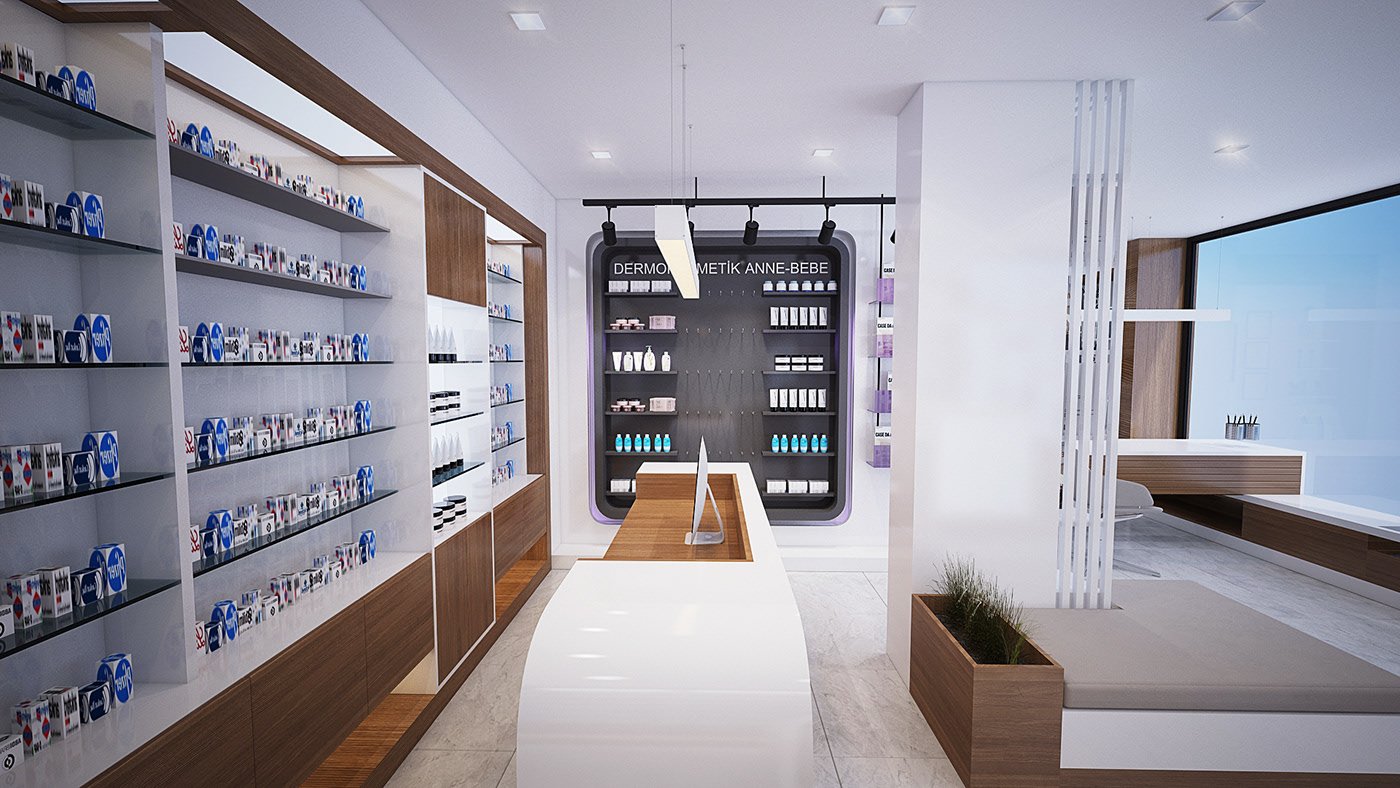
A truly memorable pharmacy stands out from the competition. Moving beyond a generic, clinical look can create a strong brand identity. Here are three unique drugstore decoration themes to inspire your project.
Theme 1: The Boutique Wellness Hub
This theme creates a high-end, spa-like feel. It focuses on holistic health and premium services. It is perfect for pharmacies that specialize in natural products, skincare, and wellness consultations.
- Concept: A luxurious and calming space. It feels more like a wellness retreat than a traditional pharmacy.
- Color Palette: Soft neutrals, earthy greens, warm whites. Add elegant gold or brass accents.
- Key Materials: Natural wood grain, stone countertops, soft textiles for seating. Add plenty of live plants or high-quality artificial greenery.
- Target Customer: Health-conscious individuals who value a premium, personalized experience. They are willing to pay for high-quality products and services.
Theme 2: The Community Health Corner
This unique drugstore decoration theme focuses on being friendly and approachable. It is family-oriented and serves as a neighborhood resource. It feels familiar and trustworthy.
- Concept: A bright, welcoming, and slightly playful design. This positions the pharmacy as a trusted local fixture for families and long-time residents.
- Color Palette: Clean whites and light woods form the base. Bright, optimistic colors are used as accents. Try blue, yellow, or green in signage and decor.
- Key Materials: Durable laminates, corkboards for community notices, fun floor graphics for a kids’ section. Use modular, flexible furniture that can be rearranged easily.
- Target Customer: Families with children, elderly patients, and anyone looking for comfort and reliability. They want a local, community-focused service.
Theme 3: The Tech-Forward Apothecary

This modern pharmacy interior design is sleek and efficient. It emphasizes technology, speed, and precision. It appeals to customers who value convenience and digital integration.
- Concept: A clean, minimalist, and futuristic design. This showcases advanced technology like robotic dispensing systems or digital health kiosks. A great source for this is exploring various medicine shop interior design concepts online.
- Color Palette: Use shades of grey, white, and black as a clean backdrop. Add a bold digital blue or electric green as an accent color on screens and signage.
- Key Materials: Polished concrete floors, glass partitions, stainless steel details. Add large integrated digital screens for information and marketing.
- Target Customer: Busy professionals and younger, tech-savvy customers. They use apps for refills and prefer fast, efficient service.
Practical Implementation: Tips, Tricks, and Pitfalls to Avoid
Bringing your pharmacy interior design vision to life requires careful planning. It is important to consider practical factors like space and common mistakes. You should also know when to call in a professional.
Designing for Small Spaces
A small footprint doesn’t mean you have to sacrifice good design. With smart strategies, even a compact pharmacy can feel open and function efficiently.
One of the biggest challenges is optimizing the layout for a small pharmacy design. Here are some proven strategies:
* Use vertical space. Floor-to-ceiling shelving draws the eye upward. It maximizes storage without taking up valuable floor area.
* Use mirrors and light colors. Light-colored walls and strategically placed mirrors create an illusion of depth. They make the space feel larger and brighter.
* Choose multi-functional furniture. A counter can have built-in storage. A waiting bench can feature drawers underneath.
For a great visual example of how to maximize a compact area, the video below shows a complete interior for a 130-square-foot pharmacy.

Common Design Pitfalls to Avoid
When planning your unique drugstore decoration, it’s easy to make mistakes. These affect both customers and staff. Here are four common pitfalls to watch out for.
- Pitfall 1: Poor Lighting. A space that is too dim feels gloomy and unprofessional. A space with lighting that is too harsh and clinical can cause headaches and worry. Balance is key.
- Pitfall 2: Ignoring Workflow. A beautiful pharmacy that is difficult to work in is a failed design. Always map out how your staff will move through the space. Consider how they fill prescriptions, restock shelves, and serve customers.
- Pitfall 3: Cluttered Layouts. Trying to pack too many products or displays into the retail area makes it feel cramped. This makes it hard for customers to navigate and find what they need.
- Pitfall 4: Forgetting the Customer Journey. Not providing a comfortable waiting area shows a lack of consideration. The same goes for unclear signage or no private space for consultations.
Working with Professionals
While a DIY approach can be tempting, pharmacy interior design involves complex rules and functional requirements. Working with a specialized design firm can save you time and money in the long run.
Before hiring a designer, ask about their experience with healthcare or retail projects. Ask to see examples of their past work. A professional can help you navigate building codes and optimize workflow. They can create a space that is both beautiful and highly functional. Investing in expert design can lead to significant returns. You’ll see improved efficiency and increased retail sales.
Conclusion: Your Pharmacy’s Future is by Design
In today’s competitive market, pharmacy interior design is more than just decoration. It is a powerful tool for building patient trust and improving staff efficiency. It also drives business growth. The future of the industry lies in creating patient-centered wellness experiences, not just dispensing medicine.
Focus on a strategic layout, thoughtful lighting, and a cohesive design theme. This can transform your pharmacy into a destination for health and wellness. An investment in good design is an investment in the long-term success of your business. For a project of this importance, partnering with an experienced firm like Ouyee Display can turn your vision into a successful reality.
Frequently Asked Questions (FAQ)
H3: What is the best color for a pharmacy interior?
While white, blue, and green are traditionally used to convey cleanliness and calm, modern pharmacy interior design also embraces warm, natural tones like light wood, beige, and earthy greens. The best color depends on your brand identity and the atmosphere you want to create—be it clinical and efficient or warm and wellness-oriented.
H3: How can I make my small pharmacy look bigger?
To maximize a small space, use light colors on walls, incorporate mirrors to create depth, and ensure the space is well-lit. Opt for vertical storage like tall, slim shelving units and use multi-functional furniture. A clean, uncluttered layout is essential.
H3: How much does it cost to design a pharmacy interior?
The cost varies dramatically based on size, location, scope of renovation, and quality of materials. A simple cosmetic update might cost a few thousand dollars, while a full gut renovation with custom furniture and high-end finishes can run into the tens or even hundreds of thousands. It’s best to get quotes from several specialized design firms.
H3: What is the most important element in pharmacy design?
While all elements are interconnected, the layout is arguably the most critical. A well-planned layout dictates customer flow, staff efficiency, and the overall functionality of the space. The placement of the pharmacy counter and the clarity of pathways are foundational to a successful design.
H3: How do I choose the right pharmacy furniture?
When selecting pharmacy furniture, prioritize durability, hygiene, and functionality. Surfaces should be non-porous and easy to sanitize. Shelving must be sturdy and adjustable. Your furniture should also match your overall design aesthetic, whether it’s modern and sleek or warm and traditional.