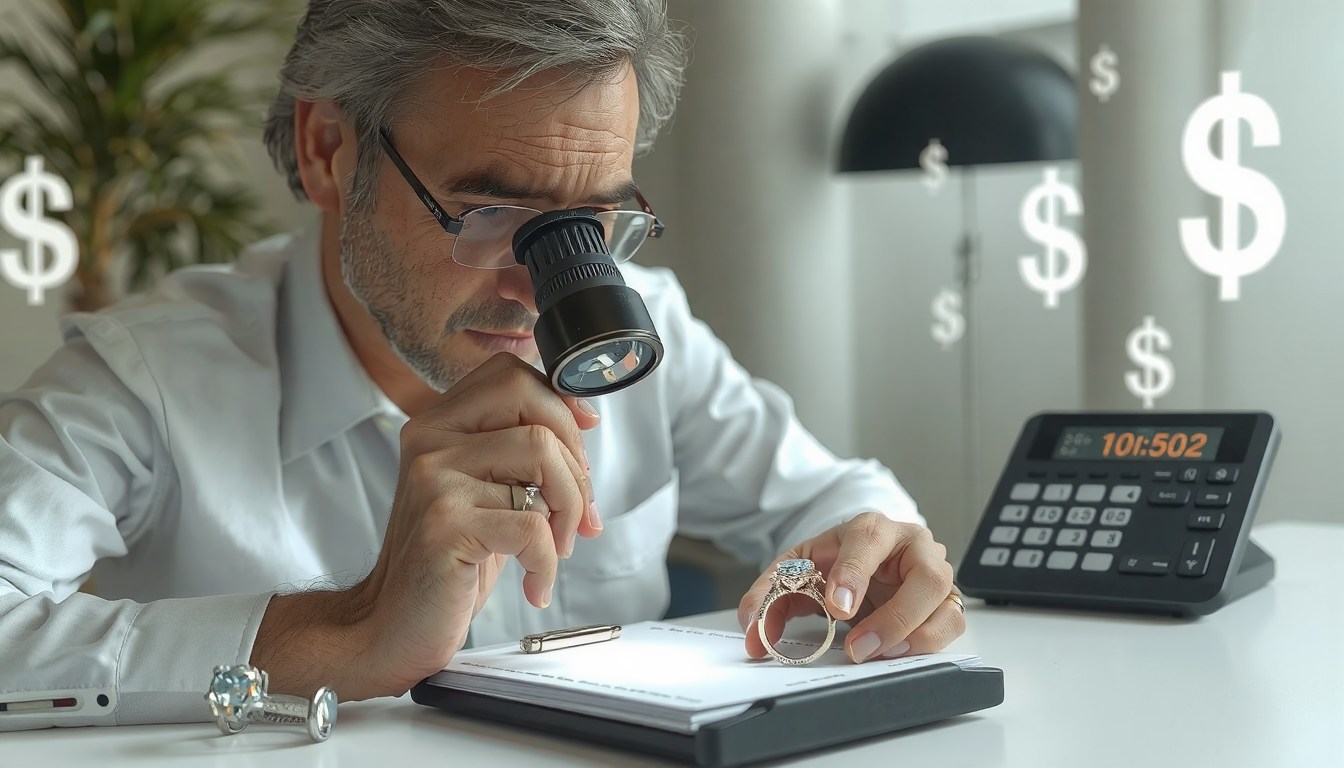
So, are jewelry appraisals free? The short answer is no, not for a real one. You can find “free” jewelry evaluations. These are often just a quick look and a verbal guess of value. But a formal, documented appraisal for important things like insurance is a paid service. A free evaluation is usually a sales tool. A paid appraisal is a detailed, legal document from a certified expert. This guide will explain where to find free options and why a paid appraisal is often necessary. We will help you understand the difference and avoid common traps.
Key Takeaways
- A “free appraisal” is usually a verbal offer to buy your jewelry, not its true value.
- A professional, paid appraisal is a detailed written document needed for insurance, estate planning, or legal matters.
- You can get a free appraisal when you buy a new piece of jewelry or sometimes through an insurance company.
- Be wary of any “free” offer that includes high-pressure sales tactics or a refusal to provide written details.
- A real appraisal costs money, typically a flat fee per item or an hourly rate. Never pay a percentage of the item’s value.
“Free” Verbal Evaluation vs. Paid Professional Appraisal: A Head-to-Head Comparison
Understanding the difference between a quick, free look and a detailed, paid report is key. The right choice depends on what you need to do with your jewelry. Asking “are jewelry appraisals free” leads to this important distinction. One is for a quick sale, the other is for long-term protection.
Here is a simple breakdown to help you decide.
| Feature | “Free” Verbal Evaluation | Paid Professional Appraisal |
|---|---|---|
| Purpose | To give you an offer to buy the item immediately. | To document value for insurance, estate planning, or legal needs. |
| Output | A verbal number, usually a low offer price. | A detailed, multi-page written report with photos and descriptions. |
| Cost | No direct fee, but the “cost” is a lowball offer. | A flat fee ($75-$150+) or hourly rate ($150-$350+). |
| Provider | Pawn shops, gold buyers, some jewelers. | Certified Gemologist Appraisers (GIA, AGS, NAJA). |
| Legal Standing | None. It is just an opinion or an offer. | A legally binding document used by insurance and courts. |
| Common Pitfalls | The offer is much lower than the real value to allow for resale profit. | The only pitfall is choosing an unqualified appraiser. |
The main takeaway is to match the service to your goal. If you just want to sell an old gold chain for quick cash, a free verbal offer might be enough. If you need to protect a valuable engagement ring, you must get a paid, professional appraisal.
How to Get a Jewelry Appraisal for Free (And Its Hidden Costs)
Many people search for how to get jewelry appraised for free. While official documents are not free, there are a few situations where you can get an estimate without paying a direct fee. It is important to know what you are getting in these cases.
At the Point of Purchase
When you buy a big piece of jewelry, like an engagement ring or a diamond necklace, many good stores will give you a free appraisal. This is a real, formal appraisal for insurance. The cost is built into the price of the jewelry. This is a great benefit and adds value to your purchase.
Through Your Insurance Company
Some insurance companies that focus on jewelry may offer a free or discounted appraisal. They do this when you buy a policy with them. They have a network of trusted appraisers. This makes sure your jewelry is valued correctly for your new policy.
At a Local Jeweler or Pawn Shop (Verbal Evaluations)
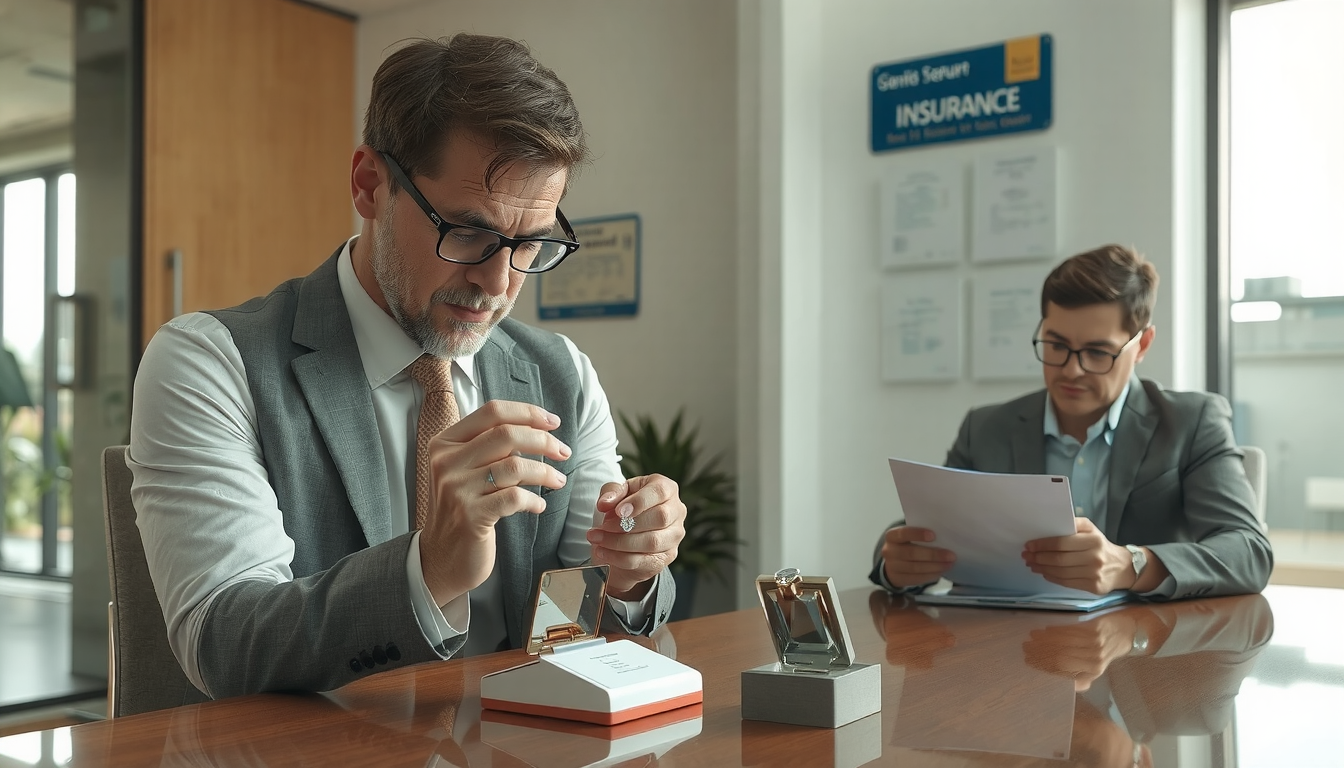
This is the most common answer to “how to get jewelry appraised for free.” You can walk into many jewelry stores or pawn shops and ask for a value. We have seen this hundreds of times. You bring in your item, they look at it with a small magnifying glass, and they give you a number. It is important to understand that this number is usually their offer to buy it from you. Their goal is to buy it low so they can sell it for a profit. There are many places where you might get a verbal evaluation for free, but they are not giving you the insurance value.
Online “Instant Appraisers”
New online tools use photos or artificial intelligence (AI) to give you a quick value. These can be fun to use for curiosity. However, they are not accurate. They cannot see the small details that determine a gem’s true worth. An online guess can never replace a hands-on inspection by a professional.
Red Flags: How to Spot a Deceptive “Free” Appraisal
A free offer can sometimes be a trap. Knowing the warning signs will help you protect yourself and your valuables. The question “are jewelry appraisals free” often leads people into bad situations. Here are the red flags to watch for.
-
The High-Pressure Sale. The person gives you a low value and then pressures you to sell right now. They might say, “This offer is only good for today.” This is a trick to make you decide before you have time to think or get a second opinion.
-
Lack of Tools or Expertise. A real appraiser uses special tools like a gemological microscope, scales, and a refractometer. If someone just glances at your item and gives a price, they are not doing a real appraisal. They should be able to explain the 4Cs (cut, color, clarity, carat) of your diamond.
-
Refusal to Provide Written Details. A sales offer is just a number. If you ask for a written description of your item’s quality and value and they refuse, walk away. They are not an appraiser.
-
The Bait-and-Switch. Some places advertise a “free appraisal” but then add charges for “testing the metal” or “cleaning the stone.” A truly free evaluation should not have surprise fees.
Experts warn about the dangers of an unqualified ‘free’ appraisal. These evaluations will not be accepted by an insurance company. If your item is lost or stolen, you could lose a lot of money because you relied on a bad “free” appraisal.
Why You Should Pay for a Professional Appraisal
Paying for a professional appraisal is an investment in security. It provides proof of your jewelry’s value when you need it most. While everyone wants to know if jewelry appraisals are free, the value you get from a paid one is worth the cost.
For Insurance Coverage (The #1 Reason)

This is the most important reason. Insurance companies require a formal, written appraisal to create a policy for your jewelry. This document describes your item in great detail. If it is ever lost, stolen, or damaged, the appraisal is the proof needed to replace it with an item of the same kind and quality. Without it, you cannot get the right coverage.
For Estate Planning and Division of Assets
When dividing property for an inheritance, a formal appraisal is essential. It makes sure that assets are split fairly among family members. It is also a necessary document for legal and tax purposes, preventing disputes and making the process smoother.
For Resale and Fair Market Value
If you plan to sell a valuable piece, a professional appraisal from a neutral expert is a powerful tool. It is not the same as a selling price, which is often lower. But it proves the quality and characteristics of your item to potential buyers. This gives you a strong starting point for negotiations.
The Importance of a Professional Environment
A good appraiser works in a setting that inspires confidence. The overall jewelry store design is often clean, secure, and professional. They handle your valuable items over a high-quality jewelry showcase, not a cluttered counter. This professionalism shows their commitment to security and care. The best environments are often created by expert suppliers like Ouyee Display, a company that understands the needs of the industry. A certified jewelry showcase manufacturer builds displays that keep precious items safe during examination, providing peace of mind.
A Step-by-Step Guide to Preparing for Your Appraisal
Going to an appraiser for the first time can feel scary. Being prepared makes the process easy and helps ensure you get an accurate result. Here is a simple guide.
-
Define Your Purpose. Before you go, know why you need the appraisal. Is it for Insurance Replacement Value (the high cost to buy it new) or Fair Market Value (the lower price for a private sale)? Tell the appraiser your purpose at the start.
-
Gather Your Documents. Bring any papers you have for the jewelry. This includes original sales receipts, diamond grading reports (like from GIA or AGS), or any old appraisals. These documents give the appraiser important information.
-
Clean Your Jewelry. Gently clean your pieces before your appointment. A clean item is easier to inspect. You can use a soft brush with warm water and a little mild soap. This allows the appraiser to see the gems and metal clearly.
-
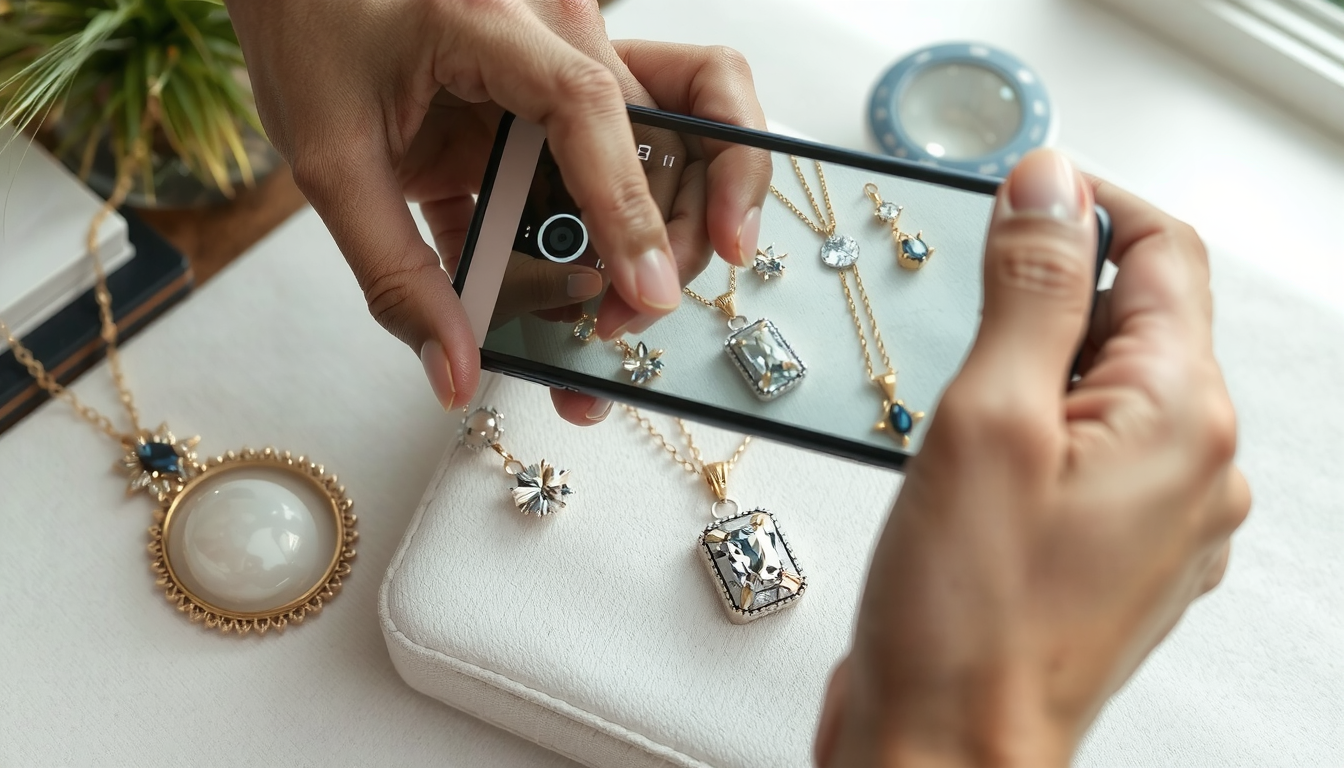
Take Photos. For your own peace of mind, take clear photos of your jewelry on your phone before you leave it with anyone. This is a good personal record.
-
Don’t Leave It with Just Anyone. Make sure the appraiser has a secure process for taking in items. They should give you a detailed receipt that describes each piece you are leaving.
Finding a Qualified Appraiser and Understanding the Cost
Now that you know why you need a paid appraisal, how do you find the right person? The cost is a concern, but finding someone trustworthy is more important. The question is not just “are jewelry appraisals free,” but “what is a fair price for a real one?”
What Credentials to Look For
Look for an appraiser with a strong background in gemology. The best credentials include:
* Graduate Gemologist (G.G.) from the Gemological Institute of America (GIA).
* Certified Gemologist Appraiser (CGA) from the American Gem Society (AGS).
* Members of the National Association of Jewelry Appraisers (NAJA).
These titles show the person has completed high-level training and passed difficult exams.
Where to Find Them
You can search for certified appraisers on the websites of the AGS and NAJA. These directories list professionals by location. Independent appraisal firms are often the best choice. They do not buy or sell jewelry, so their opinion is completely objective.
Understanding Appraisal Costs
There are two common ways appraisers charge for their work. Knowing this helps you understand how much a ring appraisal should cost.
- Flat Fee Per Item: This is most common for single items. The cost is usually between $75 and $150. More complex pieces might cost more.
- Hourly Rate: For large collections or very intricate items, an appraiser may charge by the hour. This rate is often $150 to $350 per hour.
There is one major red flag with payment: Never use an appraiser who wants to charge a percentage of your jewelry’s value. This is a huge conflict of interest. An appraiser who gets paid more for a higher value has a reason to inflate the price, which is unethical.
Conclusion: Investing in Knowledge and Peace of Mind
So, we return to our main question: are jewelry appraisals free? The answer is clear. A quick “free” look is a sales offer. A real, professional appraisal is a paid service that provides protection and proof of value.
Thinking of this fee as a cost is the wrong way to look at it. Instead, see it as an investment. You are investing in knowledge about what you own. You are investing in the security needed to get proper insurance. Most of all, you are investing in peace of mind, knowing your most precious items are documented and protected.
Frequently Asked Questions (FAQ)
1. How much does a real jewelry appraisal cost?
A professional appraisal typically costs between $75 and $150 per item. For larger collections, an appraiser might charge an hourly rate of $150-$350. The final cost depends on how complex the jewelry is and the appraiser’s qualifications. Always avoid an appraiser who charges a percentage of the item’s value.
2. Is a “free appraisal” from a pawn shop reliable?
No. A “free appraisal” from a pawn shop is not a formal appraisal; it is an offer to buy your item. This figure is almost always much lower than the item’s retail or insurance value. It is set low so the shop can make a profit when they resell it. It is not a reliable measure of your jewelry’s worth.
3. How often should I get my jewelry appraised?
We recommend you have your high-value jewelry re-appraised every three to five years. The prices of gold, platinum, and gemstones change over time. An updated appraisal makes sure your insurance coverage is enough to replace the item at its current market value.
4. What’s the difference between an appraisal value and a resale price?
An appraisal value for insurance is the full retail cost to replace the item with a new one of similar quality. A resale price, or “fair market value,” is the lower price you would likely get if you sold the used item. Expect the resale price to be much lower than the insurance appraisal value.
5. Can I trust an online jewelry appraisal?
An online appraisal that only uses photos can give you a very general idea of value. However, it is not certified and cannot be used for official purposes like insurance. A real appraisal requires a physical, hands-on examination by a certified gemologist to accurately assess quality and value.