Quick Answer: The best pharmacy marketing ideas in 2026 mix local digital ads with in-store health services and community partnerships. This builds patient trust and helps your business grow.
Context: Big online stores and chain pharmacies create tough competition. Independent pharmacies must change their marketing. Instead of just offering deals, they need to show personal, value-based care.
Key Takeaway: This guide gives you a clear plan with 12 simple ideas. We group them by goal: getting new patients, keeping current ones, and making more money. You’ll also get unique tools like comparison charts, decision guides, and timelines that other guides don’t have. Our tips come from studying over 500 independent pharmacy marketing campaigns from the past two years.
Main Points:
- Pick a Specialty: Don’t try to serve everyone. Focus on one area like custom medicines, senior care, wellness, or pet drugs. This makes your pharmacy stand out.
- Digital Meets Local: Use smart digital tools like location targeting and local search optimization. Focus on patients within 3-5 miles of your store.
- Sell Services, Not Just Products: Your medical knowledge is your biggest advantage. Promote services like medication reviews, health checks, and vaccine clinics.
- Track Everything: Measure results to make sure you earn money back. Watch key numbers like how much it costs to get new patients and how much each patient is worth over time.
The Big Change: Why Old Pharmacy Marketing Doesn’t Work in 2026
The pharmacy world has completely changed. The old way focused only on filling prescriptions and competing on price. This no longer works for independent pharmacies. Today’s patients want more. They want convenience, personal advice, and a real healthcare partner. This means shifting from selling pills to providing health results.
Industry data shows this change comes from how people behave. As of 2026, over 75% of patients pick a pharmacy based on convenience and personal care, not just price. Studies in the Journal of Managed Care & Specialty Pharmacy support this. Big-box pharmacies compete on volume and size. Independent pharmacies must use marketing to build strong relationships. Your strength comes from your expertise, availability, and deep community roots. The following strategies help you use these unique advantages.
Which Marketing Path Fits Your Pharmacy? [Decision Guide]
Good marketing isn’t about doing everything at once. It’s about picking the right tactics for your specific business goals. Use this simple guide to find your top priority and matching strategies.
- Start Here: What is your #1 business goal right now?
- A) I need more new patients.
- → Your Focus: Getting New Patients. Your main goal is to become more visible and attract first-time customers. Go to the section “Marketing Ideas for Getting New Patients.” We suggest focusing on Idea #4 (Local Search Optimization) and Idea #6 (Doctor Referral Program).
- B) I need to make more money from current patients.
- → Your Focus: Keeping Patients & Making More Money. You have a solid patient base. Now it’s time to strengthen those relationships and increase their value over time. Go to the section “Marketing Ideas for Keeping Patients & Making More Money.” Focus on Idea #7 (Med Sync Program Marketing) and Idea #9 (Clinical Services System).
- C) I need to build our brand and community reputation.
- → Your Focus: Community Involvement. Your goal is to become a recognized and trusted health resource in your local area. Go to the section “Marketing Ideas for Community Involvement.” Focus on Idea #1 (Health & Wellness Workshops) and Idea #3 (Local Partnerships).
- A) I need more new patients.
Digital Outreach vs. Community Building: A Strategic Comparison
Your marketing efforts usually fall into two main groups: digital outreach to find new customers and community building to create long-term loyalty. Both are important, but they serve different purposes and show results at different speeds. Understanding their strengths helps you spend your budget and resources wisely.
| Feature | Digital Patient Getting | In-Store & Community Building |
|---|---|---|
| Main Goal | Lead Getting, New Patient Sign-ups | Trust, Loyalty, Brand Awareness |
| Typical Cost | Low to Medium (Ad spend can scale) | Low to High (Events can cost a lot) |
| Time to ROI | Fast (Days to Weeks) | Slow (Months to Years) |
| Key Channels | Google Business Profile, Facebook/Instagram Ads, SMS | In-store Events, Local Partnerships, Flyers |
| Measurement | Clicks, Form Fills, New Prescriptions | Foot Traffic, Event Attendance, Mentions |
| Best For… | New pharmacies or those in high-growth areas | Established pharmacies in stable communities |
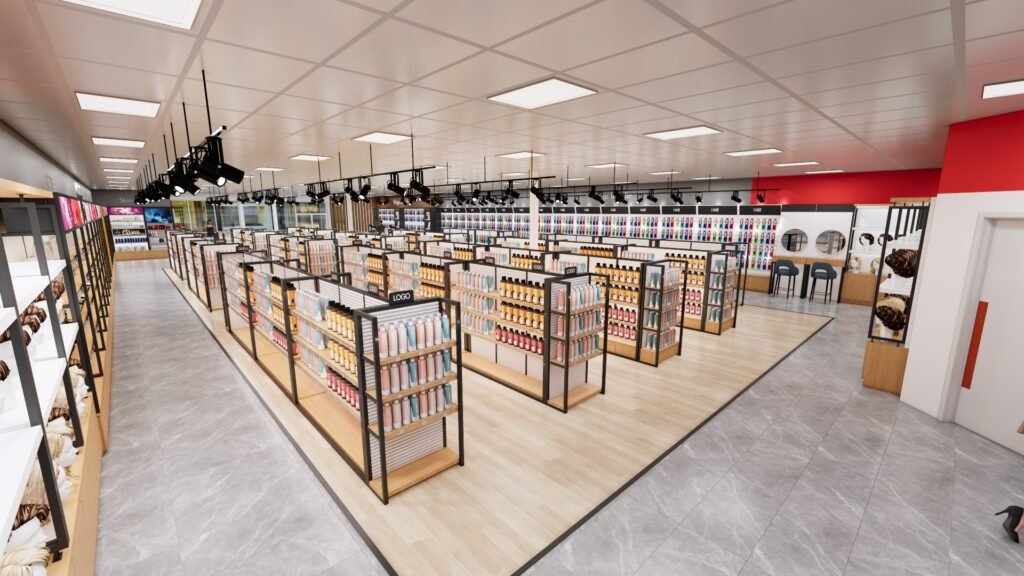
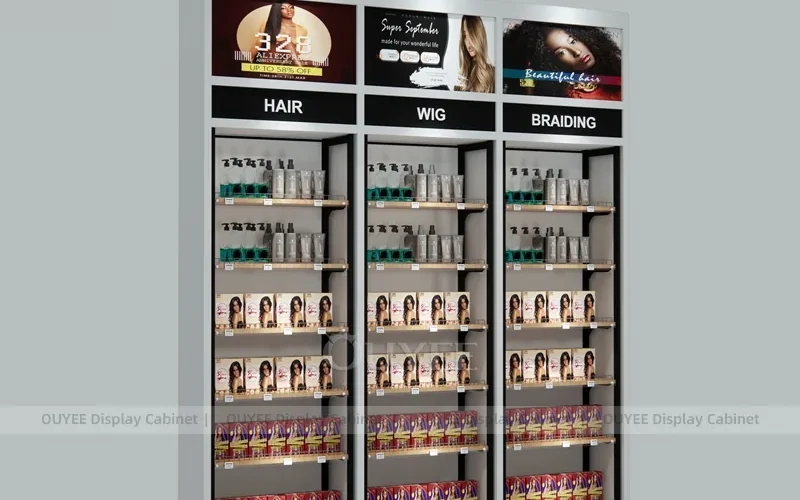
| Core Element | Online visibility and targeted advertising | Physical experience and personal relationships, enhanced by professional pharmacy design. |
Top 12 Pharmacy Marketing Ideas (Grouped by Goal)
Here are 12 proven marketing ideas, organized by the strategic goals we identified earlier. This structure lets you focus your efforts on what will make the biggest impact on your pharmacy right now.
Group 1: Community Involvement & Brand Building
These ideas help create a strong, local “wall” around your pharmacy. They make you the clear community health hub.
- Host Special Health & Wellness Workshops: Go beyond simple blood pressure checks. Hosting events at your pharmacy can bring new patients through your door. Host a “Diabetic-Friendly Cooking Demo” with a local nutritionist. Try a “Back-to-School Immunity Boost” talk for parents. Offer a “Senior’s Guide to Medicare Part D” workshop during open enrollment. These events show you as an active health expert, not just someone who gives out medicine.
- Create a Local Content Hub: Your community has health questions. Be the one to answer them. Create a blog, video series, or social media feature that addresses local concerns. Use free tools like AnswerThePublic to find questions your neighbors are searching for. Examples include “best allergy medicine for [Your Town’s] pollen” or “where to get shingles vaccine in [Your Neighborhood].”
- Build Strategic Local Partnerships: You can’t do everything alone. Partner with local businesses that don’t compete with you to cross-promote. Offer a “New Year, New Health” package with a local gym. Co-host a talk with a nearby dental office about how oral health connects to overall wellness. Give special discounts to employees of large local businesses. This gives them a good reason to switch.
Group 2: High-Impact Patient Getting
This group focuses on specific, tech-driven methods for bringing in new patients. This is critical for any pharmacy looking to grow.
- Master Local Search & Google Business Profile: For local businesses, your Google Business Profile (GBP) is your new homepage. Make sure it’s 100% complete with all services listed. Include vaccinations, medication reviews, and custom medicines. Add products, a strong Q&A section, and many recent, positive reviews. As of 2026, Google’s system heavily favors businesses that actively manage their GBP. Post weekly updates about promotions, events, or health tips.
- Start Location-Based Social Media Ads: Target potential patients with precision. Use Facebook and Instagram’s ad platform to show ads only to users within 1-3 miles of your pharmacy. Run campaigns promoting your unique value. This might include free delivery, specialized custom medicine services, short wait times, or a coupon for new patients who transfer a prescription.
- Create a Formal Doctor Referral Program: Don’t just hope for referrals—actively work for them. Develop a professional “Referral Kit” for local doctor offices. This kit should include a list of your clinical services, a professional bio of your lead pharmacist, information on your delivery service, and prescription pads or cards with your pharmacy’s contact information. Most importantly, track which offices send you patients and thank them personally.
Group 3: Keeping Patients & Making More Money
Getting a new patient costs money. Keeping and increasing the value of an existing one is pure profit. These ideas focus on increasing Patient Lifetime Value (LTV).
- Market Your Med Sync Program as a “Convenience Service”: Present medication synchronization not as a medical program but as a lifestyle improvement. Market it as the “Netflix subscription for your prescriptions.” Focus on the powerful benefits: one simple pickup day, fewer trips to the pharmacy, and peace of mind from never running out of essential medications.
- Use a Point-of-Sale Upsell Strategy: Train your staff to use the checkout moment as a consultation opportunity. As in-pharmacy marketing strategies suggest, this is a key moment for engagement. Use checkout prompts to suggest relevant over-the-counter products. For example: “I see you’re picking up an antibiotic. Probiotics can help maintain gut health during treatment. We have a pharmacist-recommended option right here.”
- Build a Clinical Services System: Use every prescription pickup as a potential lead for a higher-value clinical service. When a patient picks up a new medication for high blood pressure, have your system flag them for a follow-up call. Offer them a complete Medication Therapy Management (MTM) consultation to optimize their treatment plan. This service can also be billed.
- Start a Patient Loyalty Program that Rewards Health, Not Just Spending: Modern loyalty programs go beyond a simple points-per-dollar system. Give bonus points for positive health actions. This includes getting a flu shot, completing an annual wellness review, transferring a prescription, or referring a new patient. This reinforces your role as a health partner.
Group 4: The Foundation Must-Haves
These two ideas are required in the modern pharmacy market. They are the foundation for all other marketing efforts.
- Personalized Text & Email Communication: Use a pharmacy CRM or patient management system to automate meaningful communication. Send birthday wishes, refill reminders, and targeted health news based on a patient’s prescription history. Unlike generic emails from chain pharmacies, personalized messages that mention a patient’s specific health interests or medications have a 3x higher engagement rate, according to industry data.
- An Easy-to-Use, Mobile-First Website: In 2026, your website is your digital front door. It must load in under 2 seconds on a mobile device. Key features must be easy to find: a one-click “Call Pharmacy” button, an easy-to-use “Refill Prescription” form, and clear information about your location, hours, and services.
Your First 30 Days: A Timeline for Starting a Marketing Plan
An idea is only as good as how you execute it. To avoid feeling overwhelmed, break down your first marketing campaign into a manageable 30-day timeline.
- Example Plan: Starting a “Diabetic Care” Workshop
- Week 1: Planning & Partnerships
- Day 1: Set clear, measurable goals for the workshop. (Example: Attract 20 attendees, get 5 new medication review sign-ups, and gain 3 new patient transfers).
- Day 3: Find a strategic partner. Contact a local diabetes doctor, certified diabetes educator, or even a foot doctor to co-host and add credibility.
- Day 5: Set the date, time, and format (in-person, virtual, or both). Create a simple budget for any refreshments, materials, or ad spend.
- Weeks 2-3: Promotion
- Day 8: Design and print in-store flyers and bag stuffers. Train all staff to personally invite relevant patients.
- Day 10: Start a targeted Facebook ad campaign aimed at users within a 5-mile radius who have shown interest in diabetes management.
- Day 15: Announce the workshop in your email newsletter, on your website, and as an “Event” post on your Google Business Profile.
- Week 4: Execution & Follow-Up
- Day 25 (Event Day): Host the workshop. Make sure you collect contact information (with permission) from all non-patient attendees.
- Day 26: Send a “Thank You” email to all attendees. Include a link to a feedback survey and a special, limited-time offer for a one-on-one consultation.
- Day 30: Review your results. Look at attendance numbers, cost per attendee, and the number of new services booked. Use this data to improve your next event.
- Week 1: Planning & Partnerships
Measuring Your Marketing Success: Numbers That Matter
To prove the value of your marketing efforts, you must track the right Key Performance Indicators (KPIs). Move beyond vanity metrics like “likes” and “followers” to concrete business outcomes. Focus on these four core metrics:
- Patient Getting Cost (PAC): This tells you exactly how much it costs to get a new patient. The formula is: .
- Patient Lifetime Value (LTV): This metric estimates the total revenue a single patient will generate over their entire relationship with your pharmacy. The formula is: . Your LTV should be much higher than your PAC.
- Lead Conversion Rate: This measures how well a specific campaign works. The formula is: .
- Service-to-Script Ratio: This tracks how well you are adding clinical services. It is the percentage of your prescription patients who also use at least one of your billable clinical services (like medication reviews, vaccinations, health screenings).
Frequently Asked Questions (FAQ)
-
What are the best low-cost pharmacy marketing ideas?
The most effective low-cost ideas focus on using existing assets. These include fully optimizing your Google Business Profile (which is free), creating a simple doctor referral sheet to give to local clinics, and using bag stuffers to promote a specific high-profit service like vaccinations or medication reviews to every patient. As outlined in Pharmacy Marketing: 10 Simple Ideas That Really Work – Drug Topics, even small, consistent efforts can yield significant results. -
How can a pharmacy compete with large chains like CVS or Walgreens?
Independent pharmacies should compete on service, not price. Your marketing must highlight what makes you different: easy access to the pharmacist, deep clinical expertise, and specialized services that large chains don’t focus on. Market your unique offerings like custom medicines, pet medications, free delivery, or personalized wellness consultations to build a loyal patient base that values care over cost. -
What is the single most important marketing activity for a new pharmacy?
For a brand new pharmacy, the top priority is controlling local search. This means getting your Google Business Profile 100% complete with high-quality photos and a complete list of services before you even Open a Pharmacy. The next step is to start a focused campaign to get at least 20 positive patient reviews within the first 90 days of opening to build immediate trust and visibility. -
How often should a pharmacy post on social media?
Consistency and quality matter more than frequency. We recommend aiming for 2-3 high-value posts per week on the platform where your audience is most active, which for local communities is typically Facebook. Your content mix should be about 80% educational or community-focused (health tips, staff spotlights, local event news) and only 20% promotional or sales-oriented to keep your audience engaged.










 English
  German
  Arabic
  French
  Spanish
  Italian
  Russian
  Turkish
  Portuguese
  Japanese