
A jewelry store’s atmosphere sells for you. It speaks to customers when they walk in. It shapes how they see quality, value, and your brand. Good Modern Jewelry Display Interior Design is more than looking nice. It tells your brand’s story and helps drive sales. The “Marie Balan” project shows these ideas in action. It proves how smart design works in different retail spaces. We at Ouyee Display have years of experience. We’ve learned key lessons from this project to help other retailers succeed.

Key Takeaways
- Layered Lighting is Crucial: Use ambient, task, and accent lighting together. Match the light’s color to the jewelry to make it sparkle.
- Materials Tell a Story: Mix textures like marble, wood, and metal. This creates feelings of luxury and trust.
- Guide the Customer Journey: Smart layouts create a natural path through the store. This makes browsing easy and fun.
- Adaptability is Key: Good design principles work in any space. From large flagship stores to small mall booths.
- Integrate Technology and Security: Modern design includes smart tech and security. It doesn’t hurt the store’s look.
Introduction: The Power of Atmosphere
In today’s market, customer experience is everything. Jewelry is emotional and valuable. The place where it’s sold matters as much as the piece itself. A well-designed space can turn a beautiful necklace into an unforgettable treasure. It builds trust. It makes customers feel special.
This is what Modern Jewelry Display Interior Design does. It creates spaces that are beautiful, useful, and smart. It guides customers and highlights products. It makes buying a joy. The Marie Balan project shows how to do this right. It works across retail stores, private showrooms, and mall booths.
The Core Philosophy: 4 Pillars
The Marie Balan design succeeds because of four key ideas. These pillars work together. They create an experience that feels both luxurious and welcoming. Understanding them gives any jewelry store owner a strong foundation.
Pillar 1: Luminous Brilliance
Lighting is the most powerful tool in jewelry retail. It’s like the sun that makes a diamond shine with fire. It can give gold a warm, rich glow. We use three layers of lighting.
First is ambient lighting. This is the general light that sets the mood. It should be soft and inviting. It makes the space feel comfortable.
Second is task lighting. This is focused light placed over counters and display cases. It lets customers and staff see fine details clearly.
Third is accent lighting. These are spotlights aimed at specific, high-value items. This draws the eye and makes a piece feel like a star. We choose the color temperature carefully for each light. Diamonds look best under cooler light (4000K-5000K). This brings out their sparkle. Gold and colored gems shine under warmer light (2700K-3000K). This enhances their rich tones.
Pillar 2: Material Psychology
The materials you choose send a powerful message. They create feelings and build trust. A successful design uses different textures to tell a story of quality.
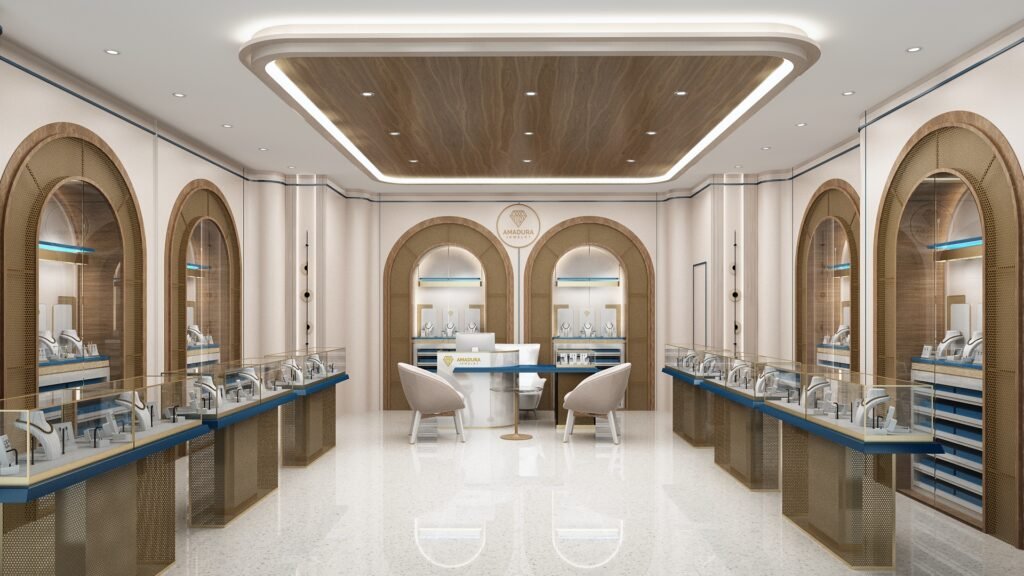
In the Marie Balan project, we used polished marble floors. This suggests elegance and permanence. Warm wood accents on walls and counters brought a sense of nature and trust. Brushed brass details added modern luxury without being too flashy.
Inside the showcases, plush velvet or soft suede creates a gentle bed for the jewelry. As noted in guides for Luxury jewelry displays, this mix of hard and soft materials is key. It creates a balanced environment. It feels both high-end and comfortable.

Pillar 3: Intuitive Flow
A store’s layout should guide customers on a natural journey. The path from entrance to main displays to checkout should feel easy and logical. Great Modern Jewelry Display Interior Design thinks about how people move.
We design wide, comfortable aisles. Customers never feel cramped. This lets them browse at their own pace. We also ensure clear sightlines across the store. A customer can see interesting displays from different points. This encourages them to explore further.
The layout should have a natural rhythm. It might lead from everyday pieces near the front to high-end collections in a private area at the back. This creates a sense of discovery.
Pillar 4: Minimalist Focus
In modern design, less is often more. The goal is to create a beautiful background. The jewelry should be the main attraction. The environment should support the product, not compete with it.
This means using uncluttered surfaces. Each display should have enough empty space around the items. This helps each piece stand out and feel more valuable.
The color palette is also important. We use a refined and often neutral range of colors. Soft whites, warm grays, and earthy tones create a calm atmosphere. This minimalist approach ensures that customers focus fully on the sparkle and craftsmanship of the jewelry.
Case Study: Adapting Modern Design
A great design philosophy is flexible. The four pillars can fit any retail space, from large stores to small booths. Here is how we applied the Marie Balan principles to three very different environments.
| Feature | The Immersive Retail Store | The Exclusive Showroom | The High-Impact Mall Booth |
|---|---|---|---|
| Key Goal | Create a complete brand world; encourage exploration. | Offer privacy, comfort, and personalized service. | Maximize visibility and attract attention quickly. |
| Lighting Strategy | Full three-layer system with dramatic accent lights. | Soft, intimate lighting with high-quality task lights. | Bright, eye-catching accent lighting to stand out. |
| Layout Focus | Create zones for different collections; clear pathways. | Comfortable seating areas; private viewing rooms. | Vertical displays; open and accessible from all sides. |
| Showcase Style | Large, sculptural central showcases and wall displays. | Integrated, discreet displays; high-end table showcases. | Tall, secure, and brilliantly lit glass towers. |
The Immersive Retail Store
For the Marie Balan flagship store, our goal was to create a world. Customers could get lost in it. The design needed to tell the full brand story. We created different zones for bridal, fashion, and high jewelry collections. Each had a slightly different mood.
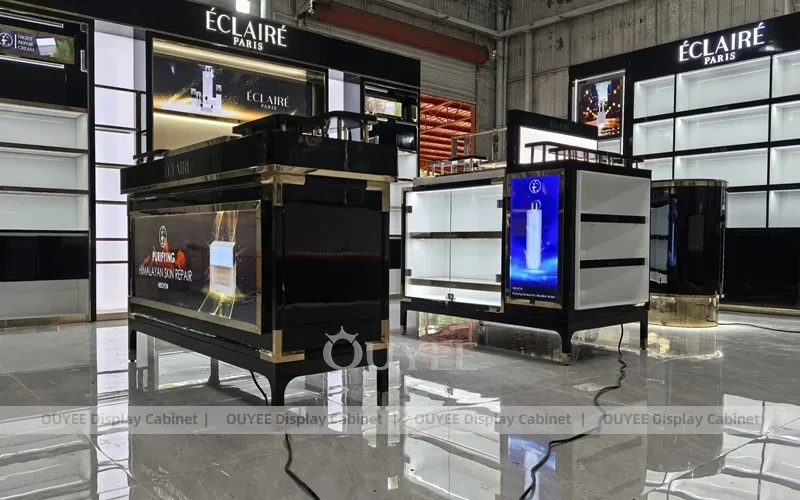
A large, sculptural central jewelry showcase acts as a powerful anchor. It draws customers in from the entrance. It serves as a starting point for their journey. The wall cases then tell the stories of individual collections. Making these custom pieces requires a specialized jewelry showcase manufacturer. This ensures quality and design match the brand’s vision perfectly. This level of detail makes the Modern Jewelry Display Interior Design feel cohesive and intentional.

The Exclusive Showroom
A showroom is for high-value clients and private appointments. Here, the focus shifts from browsing to personal service. The design must communicate exclusivity and comfort.
We created a space that feels more like a luxury lounge than a store. Soft carpets, comfortable armchairs, and private viewing rooms are essential. The lighting is softer and more intimate.
Displays are often more discreet. Jewelry might be presented on beautiful trays. A sales associate brings them to the client. The environment supports a long, relaxed conversation, not a quick purchase. This approach builds strong relationships with top customers.
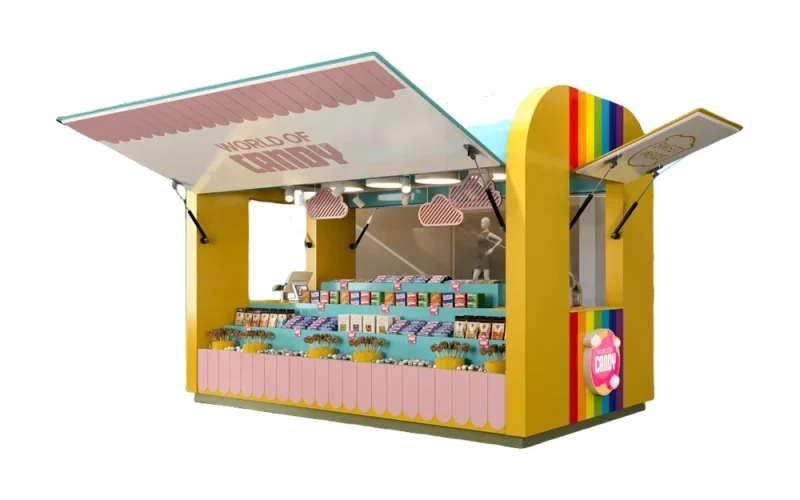
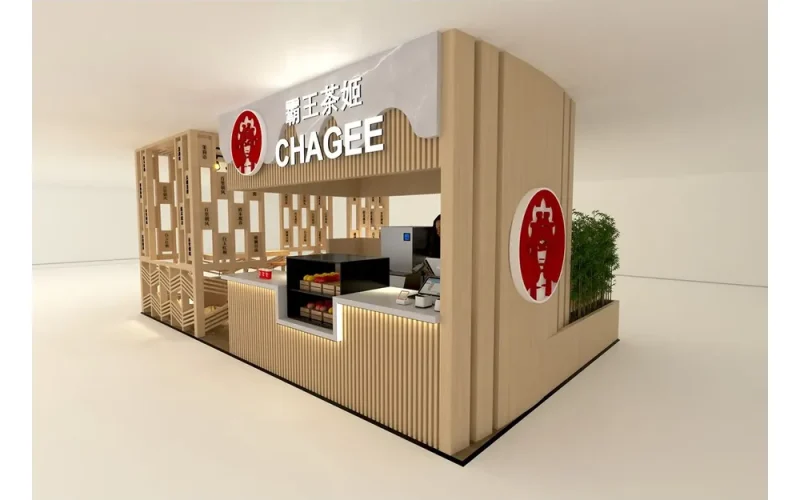
The High-Impact Mall Booth
A mall booth faces a unique challenge. It has a small footprint but must compete with dozens of other stores for attention. The design must be powerful and efficient.
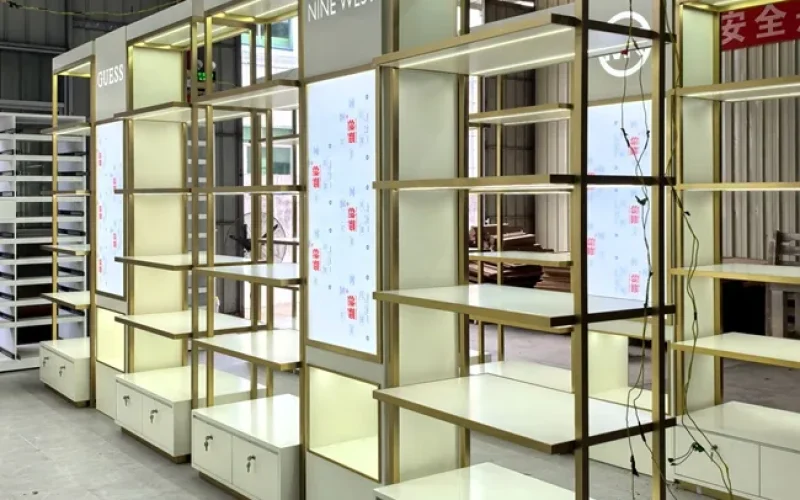
Here, we focus on maximizing impact. Vertical space is key. Tall, slender display towers draw the eye upward. They make the most of a small area. Lighting is the most important weapon. We use brilliant, high-intensity accent lights. These make the jewelry sparkle from a distance. They catch the eye of passing shoppers.
Security is also a top priority in this open environment. Displays must be extremely secure yet still feel accessible and inviting. A well-designed booth is a beacon of light and luxury in a busy mall.
The Art of the Display
Once the overall interior is set, the final step is visual merchandising. This is the art of arranging jewelry within the showcases. Excellent visual merchandising is crucial to great jewelry store design. It turns browsers into buyers.
A thoughtful display can make a product more desirable. It tells a small story and highlights the unique features of each piece. This is where the magic of selling truly happens.
Techniques for Modern Display
Here are some effective techniques for modern jewelry display. We used these in the Marie Balan project.
- Create Thematic Stories: Don’t just group jewelry by type. Group them by a theme, like “Oceanic Hues” with blue and green gems. Or “Urban Night” with sleek silver and black diamonds. The Art of Visual Merchandising explains that grouping items this way tells a story. It captures the customer’s imagination.
- Use Negative Space: Avoid clutter at all costs. A crowded display makes everything look less valuable. A single, beautifully lit necklace on a clean surface has far more impact than ten crowded together. Give each piece room to breathe.
- Play with Height and Levels: Create a visual landscape inside your showcase. Use display blocks, risers, and busts of different heights. This makes the display more dynamic and interesting. It helps guide the customer’s eye from one piece to another.
- Incorporate Interactive Elements: Modern customers are used to technology. This is especially true for younger ones. As highlighted in guides to Unique Jewelry Display Ideas for Retail, interactive elements can make the experience more engaging. Small touchscreens can provide product details. They can show videos of the piece being worn. They can let customers see customization options.
Beyond Aesthetics: Smart Integration

A truly great Modern Jewelry Display Interior Design is not just beautiful. It’s also intelligent. It seamlessly integrates technology and security. This enhances the customer experience and protects the business. These elements should be planned from the beginning, not added later.
This approach shows a deep understanding of running a modern retail business.
Smart Technology Integration
Technology can make a store more efficient, informative, and engaging. The key is to integrate it smoothly into the design.
Digital screens can be used behind counters or as part of wall displays. They can show beautiful brand videos, close-ups of craftsmanship, or lifestyle images. They add movement and a modern feel to the space.
Point-of-sale systems no longer need to be bulky and ugly. Sleek, tablet-based systems can be built directly into the countertop. This keeps the surface clean and uncluttered.
The physical space can also support digital tools for staff. Private, comfortable areas allow associates to use tablets with customers. They can look up inventory or create a profile. This enhances personal service.
Designing for Security
For a jewelry store, security is not optional. However, it does not have to make the store feel like a fortress. Security is most effective when it is a design feature.
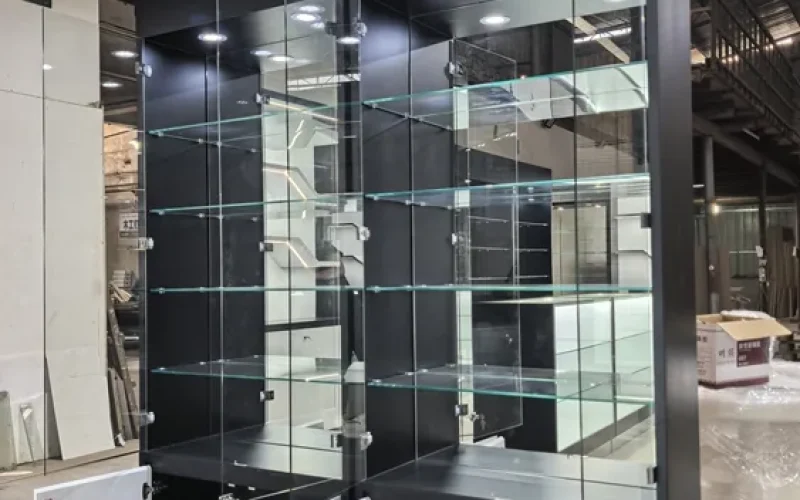
We use high-tech laminated and anti-reflective glass for showcases. This glass is very difficult to break. But it is also crystal clear, so it doesn’t block the view of the jewelry. High-quality locks are built directly into the showcase design. They are almost invisible.
Strategic camera placement is also part of the design process. Cameras are positioned to cover all key areas without being intrusive. A well-lit store with an open layout naturally improves security. It eliminates blind spots and makes it easy for staff to see everything.
Conclusion: Your Blueprint for Success
The Marie Balan project provides a clear blueprint for success in jewelry retail. It shows that a powerful Modern Jewelry Display Interior Design is built on smart, timeless principles.
By focusing on the four pillars, any retailer can create a space that captivates customers. These are layered lighting, material psychology, intuitive flow, and minimalist focus. Remember that the best design is flexible. It can be adapted to your unique space and brand identity.
Investing in thoughtful design is an investment in your brand’s future. It builds customer loyalty. It enhances the perceived value of your products. It ultimately drives your success. A beautiful, strategic space is your most powerful tool for creating a lasting impression.
Frequently Asked Questions (FAQ)
1. What is the biggest mistake to avoid in modern jewelry store design?
The most common mistake is poor lighting. Bad lighting can make even the most expensive jewelry look dull. The second biggest mistake is clutter. Overcrowding your showcases devalues the pieces and overwhelms the customer, making it hard for them to focus on any one item.
2. How can I create a luxury feel on a smaller budget?
Focus your budget on one or two high-impact elements. Invest in excellent accent lighting for your best pieces, as this delivers the most “wow” factor. Choose one premium-feeling texture, like a quality velvet or brushed metal, for your main display surfaces. A clean, uncluttered layout always looks more high-end than a crowded one.
3. How often should I update my jewelry displays?
While a full interior redesign is rare, your visual merchandising should be dynamic. We recommend small refreshes monthly to feature new arrivals or create timely displays. Plan for more significant updates four times a year with the seasons. This keeps the store feeling fresh and gives repeat customers something new to see.
4. What are the key differences in designing for a mall kiosk versus a standalone store?
A standalone store design focuses on creating an immersive brand world and controlling the entire customer journey from the sidewalk to the sale. A mall kiosk must prioritize immediate visual impact to capture attention from 360 degrees in a busy, competitive environment. Kiosk design relies heavily on brilliant lighting and efficient, secure, and compact showcase design.
5. Is a minimalist design suitable for all types of jewelry?
Yes, modern minimalism is very versatile. For diamonds and contemporary pieces, a cool, stark minimalist design with clean lines and a neutral palette works perfectly. For vintage or artisanal jewelry, a “warm minimalist” approach is better. This style uses natural materials like wood, softer textures, and warmer lighting to create a backdrop that feels modern yet inviting and soulful.

 English
  German
  Arabic
  French
  Spanish
  Italian
  Russian
  Turkish
  Portuguese
  Japanese