
The old saying “location, location, location” is more than just words. For a jewelry store, it is a key rule for success. The right spot affects foot traffic. It also affects brand image, security, and profit. Choosing a location is one of the biggest choices you will make. This guide moves past guesswork. It gives a clear, fact-based plan for finding the best location for your jewelry store. Experts agree that finding the right location for a jewelry business is a basic step for lasting success.

Key Takeaways
- Match Your Location to Your Brand: The “best” location depends on your store’s type. This could be luxury, mid-range, or fashion jewelry.
- Use the Location Triangle: Study potential spots by looking at three key areas. These are The Customer (who they are), The Context (visibility and security), and The Competition (nearby stores).
- Compare Location Types: Learn the pros and cons of different locations. These include high streets, shopping malls, and standalone stores. See which fits your budget and business model.
- Don’t Forget Interior Design: A great location gets customers in the door. But a well-designed interior convinces them to buy.
- Do Your Final Checks: Before signing a lease, do a final check. Look at traffic, zoning laws, and lease terms to avoid costly mistakes.
The Foundation: Aligning Location with Your Brand
Before you start looking at empty storefronts, you must look at your own business. The best location for a jewelry store is one that fits your brand perfectly. A location that is great for one store could be bad for another. You must first know who you are as a brand. You must also know who you want to sell to.
Defining Your Niche and Customer Profile
Think about the type of jewelry you sell. This will tell you where your customers are likely to shop.
- Luxury & Custom: These stores need a feeling of being special. They do well in upscale shopping areas. They also work in quiet, high-end streets where clients expect a private, premium experience.
- Mid-Range & Bridal: These shops need to be easy to see and get to. They often succeed near other wedding-related businesses. Think bridal gown shops or event planners.
- Fashion & Trend-Driven: These stores need high foot traffic from younger crowds. Look for spots in busy downtown areas. Popular shopping malls work too. So do neighborhoods known for fashion.
The Location Triangle: A 3-Pronged Decision Framework

To make this big decision easier, use the Location Triangle. This framework helps you look at any potential site from three angles. These are The Customer, The Context, and The Competition. Using this tool helps you make a choice based on facts, not feelings.
Pillar 1: The Customer
You need to know more than just the average income of an area. Look at the details of the people who live and work nearby. What is their age? What is their lifestyle? How do they spend their money? You can get this information from your local chamber of commerce. Census data works too. So do market research companies. The right mix of people can turn an area into one of the world-renowned jewelry cities that attract buyers from all over.
Pillar 2: The Context
The physical space and its surroundings are very important.
- Visibility: Is the store easy to see? Corner locations are good. Large windows help too. Good places for signs are a big plus.
- Accessibility: Can customers get to you easily? Check for good parking. Look for nearby public transport. Make sure there is access for people with disabilities.
- Security: This is vital for a jewelry store. Research local crime rates. The store must be well-lit and visible from the street. It also needs to be suitable for installing alarms, safes, and cameras.

Pillar 3: The Competition
Other businesses can help or hurt your store. It is important to know the difference. Being near a direct competitor can be a problem if the market is too full. But being near a helpful business can be a great benefit. For example, a location near high-end clothing stores works well. So do fancy restaurants or a hotel. These can bring you more of the right kind of customers.
Location Types: A Comparative Analysis
There are a few common types of retail locations. Each has its own benefits and drawbacks for a jeweler. Understanding these will help you find the best location for your jewelry store based on your budget and goals.
| Location Type | Pros | Cons | Best For |
|---|---|---|---|
| High-Street / Downtown | High visibility, unique brand character, strong community feel. | Higher rent, parking can be hard, foot traffic can vary. | Independent jewelers wanting a strong local identity, like BK Jewelry in downtown Naperville. |
| Shopping Mall | Guaranteed high foot traffic, climate-controlled, built-in security. | High costs (rent + fees), strict hours, lots of direct competition. | Brands targeting a broad audience and focused on high sales volume. |
| Standalone “Destination” | Lower rent, full control over brand and property, creates an exclusive feel. | Needs heavy marketing to attract customers, no walk-in traffic from other stores. | High-end custom designers or specialty jewelers with a strong reputation. |
From Location to Experience: The Power of Interior Design
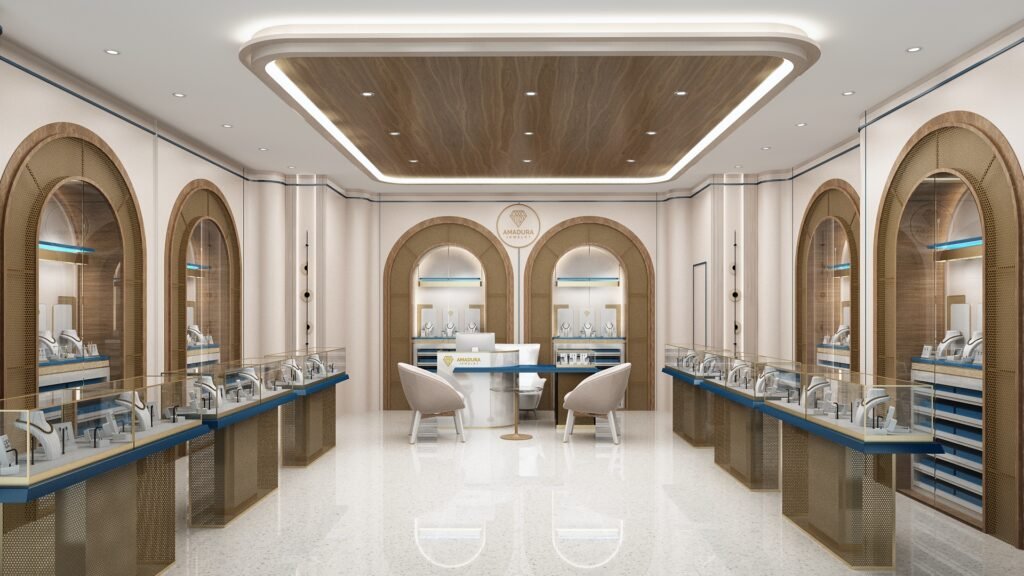
Once you have secured the best location for a jewelry store, the work is not over. The next step is to create an inside space that matches your brand’s promise. The location gets people to your door. But the interior experience makes them want to stay and make a purchase.

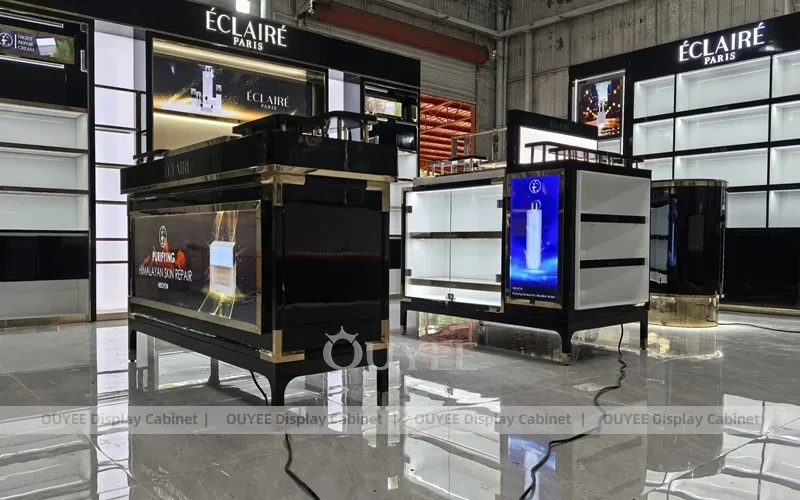
The right lighting, layout, and display cases are crucial. They do more than just hold your products. They make diamonds sparkle. They create a feeling of comfort and luxury for your customers. A great location brings you traffic. But a professional jewelry store design turns that traffic into sales.
Imagine the moment a customer’s eye is caught by a perfectly lit diamond in a custom display case. That is not an accident. It is the result of smart design that works with the great location you chose. This combination of place and presentation is what builds a successful brand.
Finalizing Your Choice: Due Diligence Checklist
Before you sign a lease, you must do your homework. A commercial lease is a long-term commitment. It often lasts 3 to 10 years. This final checklist will help you avoid common mistakes. It will also protect your investment.
- 1. On-Site Traffic Analysis: Visit the location on different days of the week. Go at different times too. See how many people walk or drive by.
- 2. Zoning & Regulations Check: Go to the local city office. Make sure the area’s zoning laws allow for a retail jewelry business. Check about any signs you plan to install too.
- 3. Infrastructure & Utilities Audit: Check that the building has the right electrical power for your lighting and security. Also check the heating, cooling, and internet access.
- 4. Lease Agreement Review: Read the lease very carefully. Pay attention to rent and extra fees (like Common Area Maintenance). Look at clauses that let you end the lease early. It is wise to have a lawyer review it.
- 5. Future Development Scan: Look into any planned construction nearby. A new subway stop could be great. But a year of road work in front of your store could be terrible.
Conclusion: Your Launchpad to Success
Choosing the best location for your jewelry store is a strategic process. It is where your brand identity, your target customer, and the physical environment all meet. It is not about finding a “good” spot. It is about finding the right spot for you.
By using a clear framework like the Location Triangle and doing careful research, you can move forward with confidence. Your chosen location will be more than just an address. It will be the solid foundation for a beautiful and profitable business. With careful planning, your location will become your launchpad to success. As experts in bringing retail visions to life, we at Ouyee display understand that the journey from a great location to a grand opening is a detailed one.
Frequently Asked Questions
1. How much does location really affect jewelry prices?
Answer: A lot. A prime location in a luxury district has higher rent. These costs are often reflected in the prices. More importantly, a premium location builds brand prestige. This allows the store to charge more. A store in an area with lower costs may be able to offer more competitive prices.
2. Is a shopping mall always better than a street-front location?
Answer: Not always. A mall gives you a lot of foot traffic. But these may not be serious buyers. A street-front store in the right neighborhood might get fewer visitors. Think a bridal district. But a higher number of them will be ready to buy.
3. How can I measure potential foot traffic for a location?
Answer: You can do it yourself by visiting the spot and counting people at different times. Commercial real estate agents and local business groups often have this data. There are also services that use mobile phone data to estimate foot traffic in an area.
4. What is the biggest red flag to watch for in a commercial lease?
Answer: A big red flag is a missing or weak “exclusive use” clause. This part of the lease stops the landlord from renting another space on the property to your direct competitor. Without it, another jewelry store could open right next to you.
5. Is it a good or bad idea to locate near other jewelry stores?
Answer: It can be either. Sometimes, when many jewelry stores are in one place, it creates a “jewelry district.” This can become a destination for shoppers. This helps all the stores. However, if your brand is too similar to the others, you may end up in a price war. The key is to offer something unique.

 English
  German
  Arabic
  French
  Spanish
  Italian
  Russian
  Turkish
  Portuguese
  Japanese