Executive – Your Jewelry Store Business Plan Snapshot
You want to know one thing: will this jewelry store make money, and how? This one-page snapshot gives you a fast, honest view of your jewelry retail business model, startup costs, and how you’ll stand out in a crowded market.
One-Page Snapshot
- Concept: A modern, service-driven jewelry store offering fine jewelry, fashion pieces, and lab-grown diamonds with a strong focus on custom design, ethical sourcing, and an elevated in-store experience.
- Location Strategy: High-visibility site in a U.S. mall, high street, or lifestyle center, with a smart jewelry store layout design that maximizes traffic flow, dwell time, and average ticket value.
- Target Customers:
- Gen Z and millennial bridal shoppers looking for lab-grown diamond engagement rings and custom designs
- Fashion-forward professionals wanting everyday fine jewelry and watches
- Affluent boomers seeking branded luxury, upgrades, and heirloom redesigns
- Revenue Model:
- Primary: sales of fine jewelry, fashion jewelry, lab-grown diamonds, and watches
- Secondary: custom design, repairs, appraisals, trade-ins, and after-sale services
- Jewelry store profit margin target: 45%–60% blended gross margin, with selective premium markup on unique and custom pieces
- Startup Costs (Typical 2026 Range in the U.S.):
- Lease & build-out: $80,000–$300,000 (depending on size and market)
- Opening inventory: $100,000–$500,000 (balanced across bridal, fashion, and lab-grown)
- Display fixtures: $15,000–$80,000 (using professional luxury jewelry showcase fixtures like Ouyee Display)
- Marketing & working capital: $30,000–$60,000
- Competitive Edge:
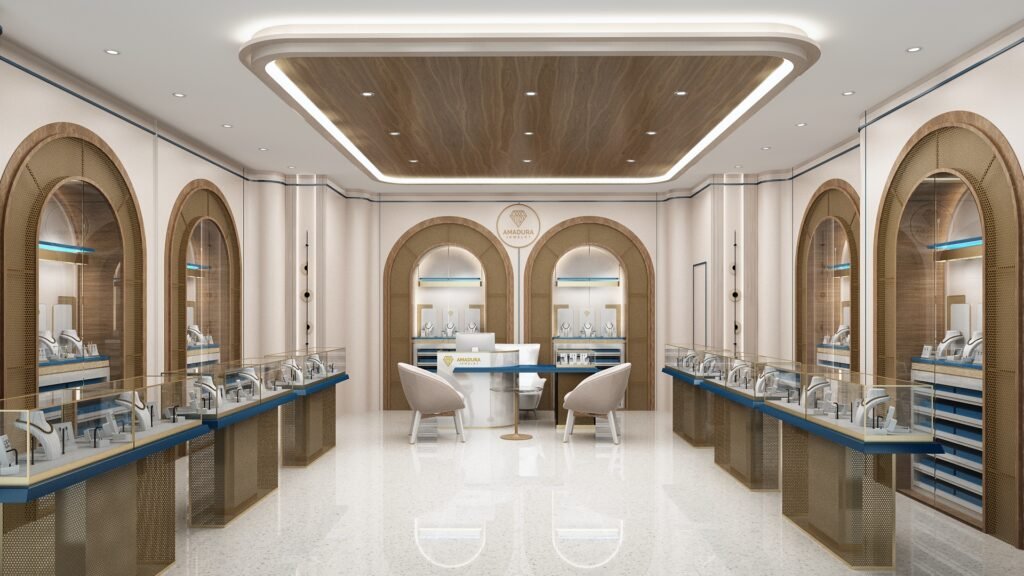
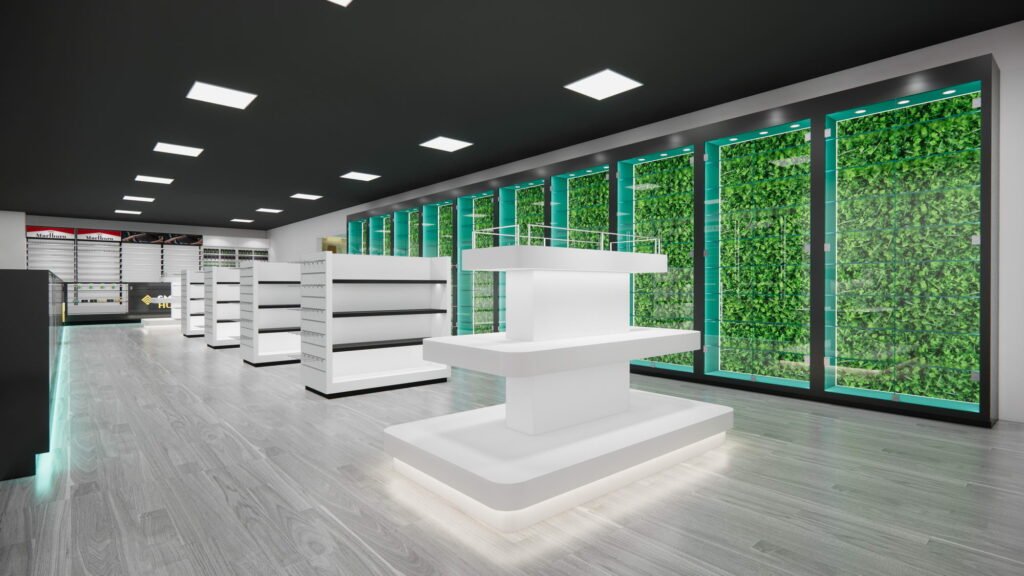
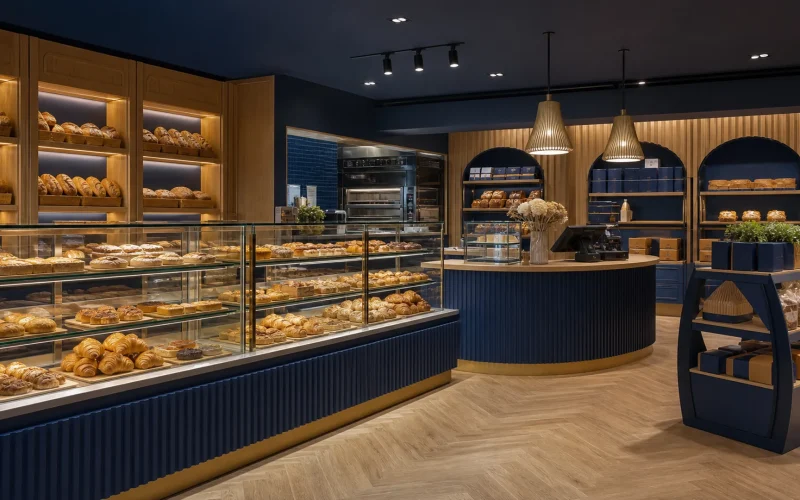
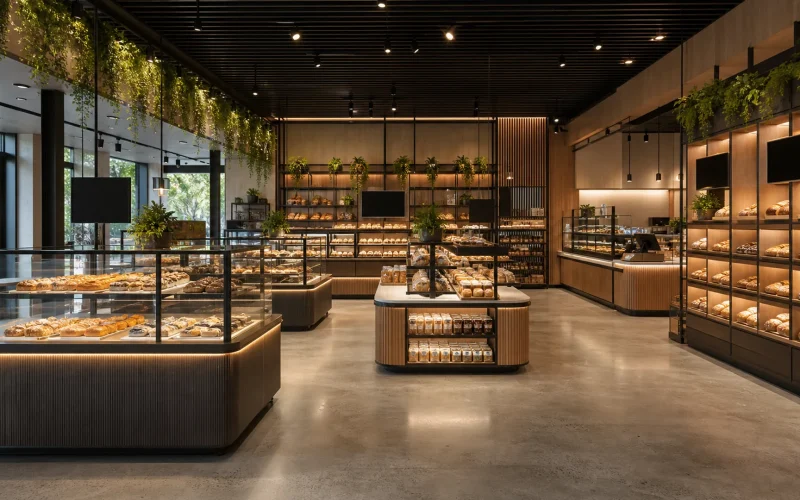
- Clean, high-end jewelry store design with a clear jewelry shop floor plan and curated jewelry display ideas 2026
- Strong digital presence (website, Google Business Profile, Instagram, TikTok, Pinterest) and a clear retail jewelry marketing plan
- Robust jewelry inventory management, tight security systems, and a modern point of sale for jewelry stores
- Financial Outlook: Break-even targeted within 18–30 months, with steady growth driven by repeat customers, referrals, and a growing loyalty database.
Mission Statement Examples
You can adapt one of these based on your focus:
-
Fine Jewelry–Focused Store
“Our mission is to help people celebrate life’s biggest moments with beautifully crafted fine jewelry, honest guidance, and a luxury experience that still feels personal and approachable.” -
Fashion Jewelry–Focused Store
“Our mission is to make style effortless by offering on-trend, high-quality fashion jewelry at accessible prices, in a store where you can walk in any day and feel inspired to try something new.” -
Lab-Grown Diamond & Ethical Jewelry Store
“Our mission is to redefine luxury with lab-grown diamonds and ethically sourced jewelry, giving you stunning, responsible choices without compromising on beauty, quality, or transparency.”
Each version keeps you anchored: who you serve, what you sell, and why your jewelry store deserves to exist in this market.
Company Description & Ownership
My jewelry store business plan is built around a clean ownership structure, a smart location strategy, and a clear value proposition that makes us stand out in a crowded market.
Legal Structure: LLC vs Corporation
For a U.S. jewelry store, I usually recommend:
-
LLC (Limited Liability Company)
- Best for most owner-operated or family-run jewelry shops
- Protects personal assets from business liabilities
- Flexible tax options (can be taxed as sole prop, partnership, or S-corp)
- Easier and cheaper to maintain than a full C-corporation
-
Corporation (C-Corp or S-Corp)
- Better if you plan to raise outside investment or open multiple locations fast
- More formal structure with a board, officers, and stricter compliance
- Potential tax advantages once profits are high enough
In my plan, I structure the jewelry retail business as an LLC taxed as an S-corp to balance liability protection, tax efficiency, and simplicity.
Location Strategy: Mall, High Street, Lifestyle Center, or Standalone
Where you open your jewelry store in the U.S. can make or break your sales:
- Mall Jewelry Store
- High foot traffic, ideal for fashion jewelry and impulse buys
- Higher rent and strict landlord rules, but strong visibility
- High Street / Downtown
- Great for fine jewelry, engagement rings, and luxury pieces
- Works well in walkable neighborhoods with strong local income
- Lifestyle Center
- Perfect for “experience-first” concepts with lounge areas and custom design
- Pairs with restaurants, salons, and boutiques that attract your target customer
- Standalone Store
- Best if you want full control over your jewelry store layout design, parking, and branding
- Works for destination luxury or custom jewelry studios by appointment
My concept focuses on a high-visibility lifestyle center or high street location in an upper-middle-income area, with strong bridal, fashion, and gifting demand within a 5-mile radius. That gives me a balance of traffic, status, and rent that fits a modern jewelry retail business model.
Unique Value Proposition: Why This Jewelry Store Wins
To stand out from chain jewelers and online players, I define a clear and simple value proposition:
- Custom Design & Bespoke Pieces
- In-house CAD design, wax models, and personal design consultations
- Ideal for engagement rings, upgrades, and remodeling old jewelry
- Ethical & Sustainable Sourcing
- Lab-grown diamonds and recycled metals for eco-conscious U.S. buyers
- Transparent sourcing stories that build trust and justify higher margins
- Everyday Luxury for Real People
- Mix of fine, fashion, and lab-grown diamond jewelry at accessible price tiers
- Clear pricing, fair jewelry store profit margins, and honest education at the counter
- Experience-First Store Design
- Comfortable seating, clean jewelry shop floor plan, and modern displays
- Professional fixtures and showcases (similar to the high-end styling seen in modern men’s shoe shop interior design concepts) to create a luxury feel without an intimidating vibe
In short: my jewelry store is a trust-focused, design-driven, ethically sourced, neighborhood-friendly destination where U.S. customers can buy fine jewelry, fashion pieces, and custom designs with confidence.
Market Analysis & Jewelry Industry Trends 2026
Global & U.S. Jewelry Market Size and Growth
The jewelry industry is still strong going into 2026. Globally, jewelry sales are projected in the hundreds of billions of dollars, with steady 3–5% annual growth, driven by bridal, self-purchase fashion jewelry, and status-driven luxury.
In the U.S., jewelry remains one of the highest-margin retail categories, and even with online competition, local stores that offer trust, service, and in-person experience continue to win. If you position your jewelry store business plan around service, selection, and experience, you’ll sit in a healthy, growing market.
Rise of Lab-Grown, Sustainable, and Experiential Retail
Three big shifts are shaping how to open a jewelry store that actually works in 2026:
-
Lab-grown diamonds
- Lower price per carat = bigger look for the same budget
- Higher margins when priced right
- Huge appeal for Gen Z bridal and value-focused buyers
-
Sustainable jewelry
- Responsibly sourced metals and stones
- Recycled gold and conflict-free diamonds
- Clear stories about where and how pieces are made
-
Experiential retail
- Comfortable lounges, try-on zones, private bridal areas
- Clean, modern jewelry store design with minimalist mobile fixtures
- On-site custom design sessions, events, and workshops
Shoppers aren’t just buying a ring; they’re buying a story and experience. Your jewelry retail business model should lean into that.
Local Competitor Analysis (5-Mile Radius Template)
Before signing a lease, I always map out every competitor within a 5-mile radius. Use a simple table like this:
| Store Name | Type (Luxury/Chain/Indie) | Main Products | Price Position | Strengths | Weaknesses |
|---|---|---|---|---|---|
| Example Jewelers | Independent | Bridal, repair | Mid | Long history, repairs | Dated store, weak social media |
| Mall Chain Store | Chain | Fashion, branded lines | Low–Mid | Heavy promos, brand recognition | Crowded, low service, no custom |
| Luxury Boutique | Boutique | High-end fine jewelry | High | Exclusive, strong personal service | Intimidating to younger customers |
Use this to spot where you can stand out: better store layout, custom design, lab-grown focus, or stronger online/Instagram presence.
Target Customer Personas
A solid jewelry store marketing plan in the U.S. should be built around clear customer personas:
-
Gen Z Bridal (ages 23–30)
- Wants: lab-grown diamonds, ethical sourcing, custom rings, financing
- Channels: TikTok, Instagram Reels, content-driven education
- Store must feel modern, inclusive, and social-media ready
-
Millennial Fashion Buyer (ages 30–42)
- Wants: everyday gold, stackable rings, personalized pieces, buy-now-pay-later
- Shops both online and in-store, responds to email/SMS drops and styling tips
- Loves clean, stylish jewelry display ideas 2026 and quick service
-
Boomer Luxury Client (ages 55+)
- Wants: premium natural diamonds, watches, heirloom-level pieces
- Values trust, security, and long-term relationships
- Expects high-end jewelry store interior design, private seating, and white-glove service
Design your jewelry store layout, product mix, and marketing so each of these groups clearly sees something built for them the moment they walk in or land on your website.
Products & Services In Your Jewelry Store Business Plan
Core product mix
In my jewelry store business plan, I keep the product line tight and profitable:
- Fine jewelry: 14K/18K gold, platinum, natural and lab-grown diamond engagement rings, wedding bands, tennis bracelets, diamond studs, and gemstone pieces.
- Fashion jewelry: Trend-driven sterling silver, vermeil, and plated styles under $300 that move volume and keep younger shoppers engaged.
- Watches: A focused mix of entry-luxury and mid-tier brands, plus smartwatches if it fits the local market.
- Custom design: CAD/CAM custom engagement rings, redesigns of heirloom pieces, and bespoke gifts—this is a major margin and loyalty driver.
- Repair services: Ring sizing, soldering, prong/tip work, stone tightening, rhodium plating, chain repair, and clasp replacement.
- Appraisal services: Insurance and estate appraisals by a GIA-trained gemologist or trusted partner, scheduled weekly or monthly.
Opening inventory mix & average ticket goals
For a new U.S. jewelry store, I plan my opening inventory roughly like this (by cost):
- Fine jewelry: 45–55%
- Engagement & bridal: 20–30% (natural + lab-grown diamonds)
- Fashion jewelry: 10–20%
- Watches: 5–15% (only if watches fit the strategy)
- Custom design samples & semi-mounts: 5–10%
Then I set average ticket goals:
- Fashion jewelry: $150–$300
- Bridal/engagement: $3,000–$7,000 (lab-grown can skew slightly lower but higher margin)
- Fine jewelry gifts: $500–$1,500
- Repairs & services: $80–$250 per ticket
These targets guide my buying, sales training, and promotions from day one.
Pricing strategy: keystone vs premium
I’m clear and consistent on how I price:
- Keystone pricing (2x cost):
- Best for fashion jewelry and lower-ticket items
- Keeps price points friendly while covering overhead
- Premium markup (2.5x–3.5x+ cost):
- Used for bridal, fine jewelry, and custom design
- Justified by design, craftsmanship, and experience
- Service pricing:
- Repairs priced by time + risk + skill (not just what competitors charge)
- Appraisals billed flat fee per item or per hour, not as a favor
By mixing keystone on fast-moving fashion with premium markups on fine and custom, I protect jewelry store profit margins while still looking fair in my local market.
Store Design & Layout – The Make-or-Break Factor
Ideal jewelry store size (800–2,500 sq ft)
For most U.S. jewelry store business plans, I’d aim for:
- 800–1,200 sq ft – Great for a boutique, high-end concept or mall kiosk-style store with focused collections.
- 1,200–1,800 sq ft – Sweet spot for a full-service jewelry store (bridal, fashion, watches, repair).
- 1,800–2,500 sq ft – Best for multi-brand, high-traffic locations or when you want a lounge, private viewing room, and service area.
Keep at least 60–70% of the floor for sales and display, and 30–40% for back office, storage, repair, and security.
Customer flow & hotspot zones
Your jewelry store layout design should guide people, not fight them:
- Put hero showcases (bridal, high-margin pieces) on the right-hand side of the entrance – that’s where most U.S. shoppers naturally walk first.
- Use low-height freestanding towers in the center to lead traffic deeper into the store.
- Keep repair, pickup, and service desks toward the back so people pass key displays on the way.
- Avoid bottlenecks near the door; leave 6–8 ft of clear space at the entrance.
Hotspot zones you should prioritize:
- Front window displays
- First 10–15 ft inside the door
- Areas near the POS and seating
Luxury lighting guide (LED 4000K–5000K)
Lighting makes or breaks how diamonds and metals look:
- Use LED 4000K–5000K to get that crisp, white light that makes diamonds pop without looking blue or harsh.
- Layer your lighting:
- Ambient lighting – Overall brightness so the store feels open and inviting.
- Accent lighting – Focused spots directly over showcases and wall cases to hit jewelry at the right angle.
- Avoid mixed colors (warm and cool in the same area); it kills that clean luxury feel.
- Dimmer switches are a must so you can adjust for daytime vs. evening and special events.
Jewelry store security systems
Security needs to be built into your plan from day one:
- Cameras – 4K, wide-angle coverage of the entrance, POS, showcases, and back door, with off-site cloud recording.
- Safes – UL-rated, anchored to the floor, sized for your daily pull-out trays; all high-value items should be locked up overnight.
- Showcase locks – High-quality locks with keyed access control and strict key management.
- Alarms & sensors – Glass-break detectors, motion sensors, and monitored alarm service.
- Store layout – Keep sightlines open so staff can see customers and showcases at all times.
Why professional jewelry display fixtures matter
Cheap, generic cases make expensive pieces look less valuable. Professional luxury jewelry showcase fixtures do the opposite:
- They elevate perceived value, letting you justify stronger jewelry store profit margins.
- Correct heights, angles, and glass clarity reduce glare and make browsing easier.
- Integrated LED strips, lock systems, and storage keep the space clean and efficient.
- A cohesive jewelry shop floor plan with matching fixtures makes your brand feel serious and trustworthy.
If you look at how modern cosmetic and specialty retailers use fixtures to drive sales, you’ll see similar principles in action in well-thought-out modern store furniture design layouts.
Featured: Ouyee Display’s 2026 jewelry store design collections
As a retail fixtures manufacturer, I’ve leaned into what actually works for U.S. jewelry retailers:
- Wall cases – Slim, high-visibility units ideal for curated collections and branded corners.
- Freestanding towers – Great for new arrivals, high-margin impulse pieces, and creating flow paths.
- Window displays – Clean, minimal frames that support strong storytelling and seasonal campaigns.
Ouyee Display’s 2026 collections are built for real jewelry retail conditions: tempered glass, secure locking, hidden wiring for LED, and finishes that match high-end jewelry store interior design trends. Using standardized modules also keeps your jewelry store startup costs for build-out controlled while still looking custom and premium.
Display Fixtures & Visual Merchandising Plan
Must‑have jewelry display fixtures + budget ranges
For a profitable jewelry retail business model, the fixtures are not “nice to have” – they’re revenue tools. Here’s the core package I recommend for a new U.S. jewelry store, with 2026 budget ranges:
-
Front window displays (2–4 units)
- Purpose: Grab attention, tell your brand story, push promotions/bridal/fashion.
- Budget: $3,000–$12,000 depending on size, custom metal frames, and integrated lighting.
-
Low jewelry showcase counters (main sales zone)
- Purpose: High‑security, high‑impact display for rings, bracelets, watches, and bridal sets.
- Budget: $8,000–$35,000 for 4–10 counters with LED lighting and locks.
-
Wall display cabinets / wall systems
- Purpose: Max out vertical space for fashion jewelry, collections, and brand stories.
- Budget: $4,000–$20,000 depending on length, materials, and lighting.
- Tip: Clean, framed wall systems similar to modern wall cabinet displays with shelves work great when adapted for jewelry.
-
Freestanding towers / vitrines
- Purpose: Hero pieces, new arrivals, and high-margin items in hotspot zones.
- Budget: $2,000–$10,000 for 2–6 towers.
-
Back bar and cashwrap fixtures
- Purpose: Upsell add‑ons, repairs, and small-ticket fashion jewelry at checkout.
- Budget: $3,000–$15,000.
Most new jewelry stores should plan $15,000–$80,000 for fixtures, depending on size and how custom you go with luxury jewelry showcase fixtures.
How to choose a reliable jewelry display manufacturer (checklist)
When you’re investing this much into a jewelry store layout design, you cannot afford cheap, wobbly showcases. I use this simple checklist before I sign with any custom jewelry display manufacturer:
-
Jewelry-specific experience
- Do they show real jewelry store design projects, not just generic retail?
- Can they talk security (locks, tempered glass, safe access) and lighting (color temp, CRI)?
-
Design support
- Do they offer 3D store renderings, floor plans, and fixture drawings?
- Look for experience with high-end jewelry store interior design, not just basic shelving.
-
Quality + materials
- Ask for material samples: glass, metal frames, wood finishes, LED specs.
- Confirm they use tempered glass, sturdy hardware, and commercial-grade finishes.
-
Production + lead times
- Get clear timelines for design, production, and shipping.
- Make sure they can hit your grand opening date without cutting corners.
-
Installation support
- Do they provide installation guides or onsite installation options?
- Will they coordinate with your contractor on electrical and floor anchors?
-
Warranty + after-sales
- At least a 1–2 year warranty on lighting and hardware.
- Clear process for replacing damaged parts or adding matching fixtures later.
Ouyee Display is strong here: they specialize in jewelry and diamond store fixtures and can support both design and production, which is why I use them when I want consistent, branded fixtures across multiple locations.
Real photos + Ouyee Display case studies
If you’re pitching a bank or investor, showing real photos of finished stores matters. With Ouyee Display, I lean on:
-
Project renderings + real install photos
- Before/after images that show a blank shell turned into a fully finished jewelry store.
- Close‑ups of showcases, wall systems, and window displays under real store lighting.
-
Concepts tailored for diamond and luxury jewelry
- For example, Ouyee’s approach to minimalist diamond store reception and display ideas (similar to their diamond store minimalist reception concepts) shows how clean lines and lighting can push a high-end feel without going overboard.
-
Performance stories
- Stores that increased average ticket size or
Marketing & Customer Acquisition Plan for a Jewelry Store Business Plan
Pre-launch: Website, Google, Social Media
For a new jewelry store, I treat marketing like part of my build-out—non‑negotiable.
Before opening, I make sure:
-
Website
- Clean, mobile-first design with fast load times
- Clear collections: fine jewelry, engagement rings, fashion, lab-grown, custom
- Online booking for in-store appointments and design consultations
- Strong local SEO: city + “jewelry store,” “engagement rings,” “custom jewelry,” “lab-grown diamonds” on key pages
- Add high-quality lifestyle shots and close-ups of product and jewelry store interior design so customers feel the vibe before visiting
-
Google Business Profile
- Exact NAP (name, address, phone), hours, and categories (e.g., “Jewelry store,” “Jeweler,” “Jewelry designer”)
- At least 10–20 pro photos of the storefront, showcases, and displays
- Add services (jewelry repair, appraisal, custom design) and a booking link
- Start asking friends, vendors, and early customers for honest reviews from day one
-
Social Media Setup (Instagram, TikTok, Pinterest, Facebook)
- Consistent handle and branding across platforms
- Highlight your jewelry store layout design, diamond bar, custom design station, and unique display fixtures
- Create content pillars: bridal, behind-the-scenes, styling tips, sustainability, lab-grown vs natural education
If I’m using a custom fixture partner, I’ll show off the space—think reception counters and wall showcases similar to the clean layouts shown in this diamond store display design example.
Jewelry Store Grand Opening Checklist
My grand opening isn’t just a party—it’s a customer acquisition event.
Core pieces I plan:
- Soft opening week for friends & family to test operations and gather first reviews
- Launch offer options (pick one main hook):
- Free jewelry cleaning and inspection for all visitors
- Gift-with-purchase (earrings, silver pendant) over a set spend
- Limited-time discount on engagement ring settings or custom design fees
- In-store experience
- Photo spot with great lighting and a branded backdrop
- Champagne/sparkling drinks and small bites
- Live demo: how to clean jewelry, how to read a GIA report
- Local partnerships
- Nearby wedding planners, bridal shops, salons, and photographers
- Invite them, tag them, and offer a referral kickback or co-promo
- Content coverage
- Photographer or solid phone content creator to shoot vertical videos
- Go live on Instagram/TikTok at peak hours
- Collect emails/phone numbers at the door with a “VIP jewelry list” sign-up
Year 1 Marketing Budget: 15–20% of Revenue
To get traction in the U.S. market, I plan to invest 15–20% of projected Year 1 revenue into marketing. For example:
| Projected Year 1 Revenue | Marketing Budget (15–20%) |
|---|---|
| $400,000 | $60,000–$80,000 |
Typical allocation:
- 40–50%: Paid ads (Meta & Google Local campaigns)
- 20–25%: Content creation (photo/video, UGC, editing)
- 10–15%: Influencer & local partnerships
- 10–15%: Email/SMS software + loyalty rewards
- 5–10%: Events (trunk shows, VIP nights, bridal events)
I review performance monthly and move budget toward what’s actually bringing store visits and booked appointments.
Instagram, TikTok, and Pinterest Strategies for 2026
I treat each platform differently but keep the brand consistent.
Instagram (visual showroom & trust builder)
- 70% Reels, 20% carousels, 10% Stories
- Weekly content ideas:
- “From sketch to custom ring” videos
- “$X budget engagement ring options” for local couples
- Before/after repair and redesigns
- Use local hashtags: #CityNameJeweler, #CityNameEngagementRings, #CityNameJewelryStore
TikTok (reach Gen Z & millennials)
- Short, fast-paced videos:
- “Things I wish I knew before buying an engagement ring”
- Lab-grown vs natural diamond side-by-side comparisons
- “What $1,500/$5,000/$10,000 gets you in our store”
- Use TikTok shop (if applicable) for lower-ticket fashion jewelry
Pinterest (evergreen traffic & bridal leads)
- Boards: engagement rings, wedding sets, lab-grown diamonds, jewelry gift ideas, jewelry display ideas 2026
- Pin product photos that link to your website product pages and blog posts
- Create “City Name Engagement Ring Guide” pins that send people to your local landing pages
Email & SMS Loyalty Program Setup
From day one, I build a list. That list becomes my highest-ROI channel.
Step-by-step:
-
Choose a platform
- Email: Klaviyo, Omnisend, or Mailchimp
- SMS: Klaviyo SMS, Attentive, or Postscript
-
Collect data in-store and online
- Sign-up forms at checkout and on the website
- Offer a clear incentive: “Join for 10% off your first purchase,” “Free cleaning & inspection reminders,” “Early access to trunk shows”
- Capture: name, email, phone, birthday/anniversary month, and interests (bridal, fashion, watches, custom)
-
Core automations to launch
- Welcome series (3–5 emails): brand story, services, top pieces, why shop local
- Abandoned browse/cart (if e-commerce)
- Anniversary & birthday reminders with gift suggestions
- Service reminders: 6–12 month reminders for cleaning, prong checks, and appraisals
-
VIP segment
- Customers with high lifetime spend or multiple purchases
- Give them early access to new collections, private events, and custom previews
This structure keeps new customers coming in and existing customers coming back, which is key to a profitable, modern jewelry retail business model in the U.S. market.
Operations Plan for a Jewelry Store Business Plan
A tight operations plan is what keeps your jewelry store profitable and protected day after day. Here’s how I’d set it up.
Daily Opening & Closing Procedures
Create written checklists and train every employee to follow them exactly:
Opening:
- Disarm alarm, walk the store, and check showcases, safes, and doors.
- Turn on lights and POS, inspect jewelry displays, and clean glass.
- Restock trays, set out high-margin pieces in hotspot zones, test card terminals.
- Brief team on daily sales targets, custom orders, repairs, and appointments.
Closing:
- Remove all loose jewelry from cases into safe/vault; lock all showcases.
- Count cash drawer, close batches in your POS, and log daily sales.
- Run quick inventory spot checks on high-ticket items.
- Turn off signage, lights (except security lighting), set alarm, and lock all doors.
Staffing: Who You Need on the Floor
For a typical U.S. jewelry store (1,000–2,000 sq ft), I’d start with:
- Sales Associates (2–6): Strong at storytelling and upselling, comfortable
Management Team & Organization Chart for a Jewelry Store
A clean management structure keeps your jewelry store tight, profitable, and easy to scale. Here’s how I’d build a lean, smart team for a U.S. jewelry retail business model.
Key Roles & Recommended Salaries (Annual, U.S. Market Averages)
Use these as ballpark ranges for a single-location jewelry store in a mid- to large-size city:
-
Owner / CEO (often unpaid at first)
- Focus: vision, finances, key vendors, big-ticket clients, marketing direction
- Pay: many owners draw minimal salary the first 12–18 months and pay themselves from profit
-
Store Manager – $55,000–$80,000
- Runs day-to-day operations, manages staff, handles scheduling, opens/closes store
- Tracks KPIs: sales per associate, average ticket, jewelry store profit margin, add-on rates
-
Senior Sales Associate / Assistant Manager – $40,000–$55,000 + commission
- Top closer for bridal, custom, and high-ticket pieces
- Helps with inventory management, merchandising, and training new sales team members
-
Sales Associates / Stylists – $32,000–$45,000 + commission
- Frontline for customer service, social media content, and appointments
- Should be trained on jewelry inventory management, POS, and basic security protocols
-
Bench Jeweler (in-house or contracted) – $45,000–$70,000
- Handles sizing, repairs, custom work, setting stones
- Directly impacts your reputation for quality and custom jewelry work
-
Gemologist (optional early, ideal as you scale) – $55,000–$85,000
- Appraisals, grading, insurance documentation, high-end client education
- Supports higher pricing and trust for fine jewelry and lab-grown diamond sales
-
Bookkeeper / Part-time Accountant – $300–$800/month (outsourced)
- Payroll, sales tax, P&L, bank reconciliations
- Critical for bank-ready financials and funding requests
-
Security Guard (high-crime areas / high-end store) – $20–$35/hour
- Door control, camera monitoring, support during opening/closing
- Often part-time during peak hours and weekends
When to Hire a Store Manager vs. Stay Owner-Operated
You don’t need a full management layer on day one. I’d decide based on revenue, hours, and your own time.
Owner-Operated Makes Sense When:
- Projected revenue is under $700k/year
- You’re working in the store 40–60 hours/week
- You want direct control over:
- High-value sales
- Vendor relationships
- Hiring your first 2–3 sales associates
- You’re still dialing in your jewelry store layout design, pricing strategy, and marketing playbook
In this phase, your “organization chart” is simple:
- Owner: General manager + head of sales + buyer
- 1–3 Sales Associates
- Outsourced bookkeeper / accountant
- Contract bench jeweler (if not in-house yet)
Hire a Store Manager When:
- You’re consistently above $700k–$1M+ in annual sales
- You plan to:
- Open a second location
- Spend more time on sourcing, ecommerce, or brand partnerships
- Reduce your in-store hours below 30 hours/week
- Staff headcount hits 5+ employees and scheduling, training, and accountability start to slip
- You need someone to own:
- Daily operations and floor performance
- Training and coaching sales associates
- Visual merchandising and following your jewelry store business plan KPIs
At that point, your organization chart usually shifts to:
- Owner / CEO – strategy, finances, multi-store oversight
- Store Manager – full responsibility for one location
- Assistant Manager / Senior Sales – second-in-command, key closer
- Sales Associates – 3–6 depending on hours and sales volume
- Bench Jeweler + Gemologist (in-house or shared)
- Bookkeeper / Accountant (outsourced)
- Security (as needed)
Build your chart so every person has one clear boss, clear KPIs, and written responsibilities. That’s how you keep the team aligned with your jewelry store business plan and ready to scale when the sales start to grow.
Financial Plan & Projections for a Jewelry Store Business Plan
Your financial plan is what banks and investors dig into first. I keep it clean, realistic, and backed by current 2026 jewelry store startup costs.
Jewelry Store Startup Costs (2026 Numbers)
Here’s a tight, believable range for a first brick-and-mortar jewelry shop in the U.S.:
-
Lease & build-out: $80,000–$300,000
- First/last month’s rent + security deposit
- Construction, flooring, HVAC, signage, permits
- Higher end if you’re doing a high-end jewelry store interior design in a strong mall or premium street location
-
Inventory: $100,000–$500,000
- Mix of fine jewelry, fashion, bridal, lab-grown, and staple items
- Aim for 2.5–3.5x cost retail value and an initial jewelry store profit margin of 45–55%
-
Display fixtures (Ouyee packages): $15,000–$80,000
- Custom luxury jewelry showcase fixtures, cash wrap, wall units, and towers
- I treat this as a core asset, not an afterthought—good fixtures directly impact conversion rate and average ticket
-
Marketing & working capital: $30,000–$60,000
- Website, branding, launch campaign, retail jewelry marketing plan
- 3–6 months of rent, payroll, and operating cushion so you’re not desperate for fast cash
Most new owners land between $225,000 and $800,000 total startup capital depending on size, market, and positioning (fashion vs fine vs luxury).
3-Year Profit & Loss Projection (Template)
When I build a P&L for a jewelry retail business model, I keep it simple and bank-friendly:
Year 1 assumptions (example):
- Revenue: $600,000
- Cost of goods sold (COGS): 45% → $270,000
- Gross profit: $330,000
- Operating expenses (rent, payroll, marketing, insurance, POS, etc.): $260,000–$280,000
- Net profit before tax: ~$50,000–$70,000
Then I grow revenue by 15–25% per year if the marketing and local brand strategy are solid:
| Year | Revenue | Gross Margin | Net Profit (Target) |
|---|---|---|---|
| 1 | $600,000 | 50–55% | 8–12% |
| 2 | $720,000 | 50–55% | 10–15% |
| 3 | $850,000 | 50–55% | 12–18% |
I also call out key ratios banks care about:
- Inventory turn: 1.5–2.5x per year
- Rent as % of sales: Ideally 8–12%
- Marketing spend: 15–20% of projected revenue in Year 1, then 8–12% after
Break-Even Analysis
Your break-even shows how much you must sell before you stop losing money each month.
-
Calculate fixed monthly costs
- Rent, utilities, base payroll, insurance, software, security, etc.
- Example: $22,000/month
-
Estimate gross margin
- If you sell at keystone or better, aim for 50% margin on average.
-
Break-even monthly sales
- Formula: Fixed Costs ÷ Gross Margin %
- $22,000 ÷ 0.50 = $44,000/month in sales
I present this clearly:
- Break-even sales per month
- Break-even sales per day (based on open days)
- How many transactions per day at your target average ticket it takes to hit that number
Funding Request & Use of Funds
Banks and investors want a tight “Use of Funds” table. I layout something like this:
| Category | Amount | % of Total |
|---|---|---|
| Lease, build-out, permits | $200,000 | 35% |
| Initial inventory | $250,000 | 44% |
| Display fixtures (Ouyee packages) | $50,000 | 9% |
| Marketing & branding (Year 1) | $30,000 | 5% |
| Working capital (cash cushion) | $40,000 | 7% |
| Total Funding Requested | $570,000 | 100% |
I specify how I’ll fund it:
- Owner equity (cash in)
- Bank term loan / SBA loan
- Possible equipment financing for fixtures and POS
Because fixtures are a big part of the startup costs, I usually highlight that I’m using a specialized manufacturer like Ouyee Display, similar to working with a focused shopfitting partner you’d see in a women’s boutique shop interior design project. This gives lenders confidence that the jewelry store layout design and build-out will be professionally executed and aligned with revenue goals.