Thinking about opening a jewelry store but not sure how much it really costs? You’re not alone.
Whether you’re dreaming of a small boutique or a high-end showroom, the truth is: the startup cost to open a jewelry store in 2025 can range anywhere from $75,000 to over $450,000+—and where you land depends on a handful of key decisions.
In this guide, you’ll see exactly how much it costs to open a jewelry store, with realistic numbers for:
- A small independent jewelry boutique
- A mid-size jewelry store
- A luxury or mall jewelry store
We’ll break down everything: lease and build-out, jewelry store fixtures and display cases, initial inventory, security systems, insurance, marketing, and hidden costs most first-time owners never see coming.
If you want a clear, no-fluff answer to “How much does it cost to open a jewelry store?”—and specific ways to save money without looking cheap—you’re in the right place.
Average Cost to Open a Jewelry Store in 2026
If you’re wondering how much it costs to open a jewelry store in 2026, here’s the reality: most brick-and-mortar jewelry stores in the U.S. launch somewhere between $80,000 and $750,000+, depending on size, location, and inventory level.
Think of it in three main tiers:
Small Independent Jewelry Boutique (150–400 sq ft)
Typical examples: small street-level shop, studio-style boutique, or appointment-only space.
Estimated startup cost: $80,000–$200,000
- Build-out & fixtures: $20,000–$60,000
- Initial jewelry inventory: $30,000–$100,000 (fashion-heavy, some fine pieces)
- Security, POS, licenses, branding: $10,000–$25,000
- Working capital (3–6 months): $20,000–$40,000
This is the range for someone asking, “How much to open a small jewelry shop?”
Mid-Size Jewelry Store (800–1,500 sq ft)
Typical examples: suburban strip-center store, solid neighborhood jeweler, mix of bridal, fashion, and repairs.
Estimated startup cost: $200,000–$500,000
- Build-out & jewelry store fixtures: $60,000–$150,000
- Jewelry inventory startup budget: $100,000–$250,000
- Security systems & safes: $15,000–$40,000
- Tech, branding, website, legal, marketing: $25,000–$60,000
- Working capital: $40,000–$80,000
Here, inventory and fixtures start to dominate the budget.
High-End or Mall Jewelry Store (2,000+ sq ft)
Typical examples: mall inline store, premium bridal store, or luxury concept in a prime city location.
Estimated startup cost: $500,000–$1,500,000+
- Retail build-out cost per square foot: $150–$400+ in many malls
- Custom jewelry showcases & lighting: $150,000–$350,000+
- Fine jewelry inventory: $250,000–$1M+
- Security & vault-level protection: $40,000–$100,000+
- Grand opening marketing & staff ramp-up: $50,000–$150,000
At this level, location, brand image, and inventory depth drive the cost.
Upfront vs. Ongoing Costs
When you plan your jewelry store startup costs 2026, split them clearly:
Upfront (one-time or heavy start costs):
- Lease deposits and initial rent
- Build-out, jewelry store display cases, and lighting
- Initial jewelry inventory purchase
- Security system installation (safes, alarms, cameras)
- Branding, signage, website, opening campaign
Ongoing (monthly/recurring):
- Rent and CAM charges
- Payroll and benefits
- Insurance (including jewelers block insurance)
- Payment processing and credit card fees
- Marketing and digital ads
- Restocking inventory and repairs
Your store doesn’t fail from build-out costs; it usually fails from underestimating ongoing cash flow needs.
How Your Concept Changes the Budget
Your jewelry store concept is the biggest cost lever:
- Fashion-focused boutique: lower inventory costs, lighter security, simpler fixtures
- Fine jewelry / bridal store: higher inventory, stronger security, premium showcases
- Luxury brand experience: high-end build-out, custom glass counters, sophisticated lighting
- Mall kiosk vs inline store: kiosk = lower build-out, but strict mall rules and high rent per sq ft
Before you price fixtures, safes, or rent, be brutally clear on:
- Who you’re selling to
- Average price point you want
- How much inventory you actually need to support that
Once your concept is clear, you can design a realistic jewelry store budget breakdown instead of guessing and hoping it works out.
Jewelry Store Startup Cost Breakdown by Category
When I build a jewelry store budget in the U.S., I break it into clear categories so nothing sneaks up on me. Here’s what you should plan for and typical ranges you’ll see in 2026.
Lease, Rent & Build-Out
- Lease deposit & first month’s rent:
- Small boutique: $3,000–$15,000 up front
- Mid-size store: $10,000–$40,000+ (depends heavily on city and center)
- Retail build-out cost per sq ft:
- Basic finish: $60–$120/sq ft
- Higher-end jewelry build-out: $120–$250+/sq ft
- This covers framing, HVAC adjustments, sprinklers, ADA requirements, and basic layout.
Renovations, Flooring, Walls & Electrical
- General renovations: $10,000–$80,000+ depending on size and condition.
- Flooring (tile or high-end vinyl): $5–$20/sq ft installed.
- Walls, paint, millwork: $5,000–$50,000+ (feature walls and built-ins drive this up).
- Electrical & extra power for lighting and security: $5,000–$25,000+.
Lighting Design for Jewelry Showcases
Lighting makes or breaks a jewelry store.
- Lighting design & planning: $1,500–$7,500.
- Track, spot, and case lighting: $5,000–$40,000+ depending on size and quality.
- Focus on:
- High-CRI LEDs
- Adjustable spotlights over cases
- Neutral to cool color temperature (4,000–5,000K)
Jewelry Store Fixtures & Display Cases Cost
Fixtures are usually one of the top 3 expenses after rent and inventory.
- Prefabricated display cases:
- Counter or tower: $800–$2,500 each
- Wall showcases: $1,500–$4,000 each
- Custom jewelry showcases:
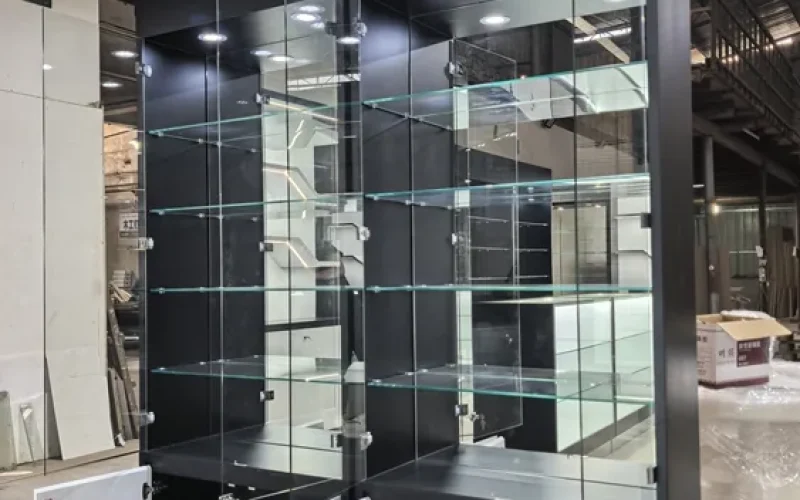
- Typical range: $2,500–$10,000+ per case depending on size, materials, and security glass.
- Total fixture budget for most stores:
- Small boutique: $15,000–$60,000
- Mid-large: $50,000–$200,000+
If you want to stretch your budget, factory-direct fixture manufacturers and even some optical display cabinet suppliers can customize secure glass showcases at better prices than local millwork shops. For example, some companies that build wholesale optical display cabinets for shops can adapt those designs for jewelry with lockable doors and stronger glass.
Custom vs Prefabricated Jewelry Showcases
- Custom showcases – best when you want:
- Tight security integration
- Exact match to your brand design
- Efficient use of odd-shaped spaces
- Prefabricated showcases – best when you want:
- Fast opening timeline
- Lower initial cost
- Easy to add more units as you grow
A smart hybrid approach: use custom front counter and main feature cases, then fill the rest with prefab towers and wall units.
Glass Counters, Wall Displays & Storage Cabinetry
- Glass counters (lockable): $1,000–$3,500+ each.
- Wall displays and shelving: $1,500–$6,000+ depending on length and materials.
- Backroom storage cabinetry: $2,000–$15,000 for organized inventory and supplies.
Initial Jewelry Inventory Budget
Your inventory is what will swing your total startup cost the most.
- Fine jewelry inventory startup budget:
- Entry-level: $75,000–$150,000
- Serious small store: $150,000–$400,000+
- High-end: $500,000–$2M+
- Fashion / demi-fine jewelry inventory:
- Small boutique: $10,000–$50,000
- Larger fashion-focused store: $50,000–$150,000+
Fine Jewelry vs Fashion Jewelry Inventory Costs
- Fine jewelry (gold, diamonds, precious stones):
- Higher average cost per piece
- Higher margins but slower turns
- Heavier insurance and security demands
- Fashion jewelry (silver, plated, stainless, brass, lab-grown stones):
- Lower cost per piece
- Faster turns and more impulse buys
- Great for building volume and cash flow
Most U.S. stores blend both: fine jewelry for big tickets, fashion or demi-fine for frequent sales.
Minimum Order Quantities from Suppliers
- Many wholesalers require:
- $2,000–$10,000 opening order minimums, or
- Piece minimums per style (e.g., 3–6 units per SKU)
- Plan to work with 5–15 vendors when you start, so minimums add up quickly.
Security Systems for a Jewelry Store
This is non-negotiable in the U.S. market.
- Professional alarm system: $2,000–$8,000 install + $40–$150/month monitoring.
- CCTV cameras & NVR: $2,000–$10,000+ depending on coverage and resolution.
- Panic buttons, door contacts, glass-break sensors: Usually $1,000–$5,000 as part of the package.
Safes, Vaults, Alarm Systems & CCTV
- UL-rated jewelry safe:
- Small: $3,000–$8,000
- Larger/ higher rating: $8,000–$30,000+
- Vault rooms (for high-end): $20,000–$100,000+.
- Many owners start with a proper safe and expand to a vault as they grow.
Insurance-Grade Glass & Secure Doors
- Laminated or tempered security glass: 2–3x the cost of regular glass.
- Security doors, frames, locks: $3,000–$15,000+ for storefront and key internal doors.
- These upgrades can directly impact your jewelers block insurance approval and rate.
POS System & Jewelry Store Software
- POS hardware (iPad/terminal, receipt printer, barcode scanner, cash drawer): $1,000–$4,000.
- Jewelry store POS software & CRM:
- Cloud systems: $100–$400+/month
- On-premise license (less common now): $2,000–$10,000+ one-time.
- Make sure it supports:
- Serialized inventory (for stones and pieces)
- Repairs and custom jobs
- Layaways, financing, and special orders
Payment Processing & Hardware Costs
- Card processing fees: typically 2.5%–3.5% + per-transaction fee in the U.S.
- On high-ticket sales, this adds up fast—budget thousands per month once sales ramp.
- Terminals / readers: usually $200–$800 each.
Branding, Signage & Store Design Costs
- Logo, brand kit, and visual identity: $1,000–$7,500.
- Exterior signage: $3,000–$30,000+ (mall vs street, lit vs non-lit).
- Interior design consultation & 3D layout: $2,000–$15,000.
Working with a professional layout/fixture manufacturer for a 3D store plan and quote before signing a lease can save major build-out mistakes; some companies that design reception desks and cabinet layouts can adapt those skills to jewelry.
Website & E-Commerce Setup for Jewelry Stores
- Basic branded website (no e-comm): $1,500–$5,000.
- Full e-commerce jewelry site: $5,000–$30,000+ depending on:
- Custom design vs template
- Photography, video, and 3D views
- Monthly platforms & apps: $50–$500+/month.
Licenses, Permits & Legal Fees
- Business licenses, resale permits: typically $200–$2,000 total.
- Legal fees (entity setup, lease review, contracts): $1,500–$7,500+.
- Some states/cities may have extra requirements for pawn, secondhand, or estate jewelry.
Insurance & Jewelers Block Coverage
- General liability & property coverage: $1,000–$5,000/year for small stores.
- Jewelers block policy (covers high-value inventory):
- Often 1%–3% of insured value per year (varies heavily by security measures and claims history).
- Budget at least a few hundred to a few thousand per month once fully insured.
Marketing & Grand Opening Budget
- Pre-launch and grand opening: $5,000–$25,000+.
- Local social media ads
- Influencer partnerships
- Mailers and neighborhood outreach
- Launch event, refreshments, small gifting
- Ongoing marketing: often 3%–10% of projected sales.
Staff Hiring, Payroll & Training
- Key roles: sales associates, manager, bench jeweler (or outsource), security (if needed).
- Payroll for a small U.S. jewelry store:
- Typically $10,000–$40,000+/month depending on size and location.
- Training costs: $1,000–$5,000+ for product knowledge, security, and sales training.
Technology Tools for Inventory & CRM
- Inventory/barcode systems: $500–$5,000 for hardware + labels.
- CRM, email marketing, reviews & loyalty tools: $50–$500/month.
- Track:
- Customers’ anniversaries and birthdays
- Ring sizes and preferences
- Warranty and service history
Working Capital & Operating Reserve (3–6 Months)
On top of all startup costs, I always set aside:
- 3–6 months of operating expenses:
- Rent
- Payroll
- Utilities
- Insurance
- Marketing
- Loan payments
- For many U.S. jewelry stores, that means $50,000–$250,000+ in working capital, depending on size and location.
This category breakdown is what I use as a checklist when I build a jewelry store budget. If you line-item each of these in a simple spreadsheet and plug in quotes from local vendors, you’ll have a realistic startup number instead of a guess.
Hidden jewelry store costs most owners miss
When people ask “how much does it cost to open a jewelry store,” these are the costs that quietly kill your budget if you don’t plan for them.
Gemological tools & equipment costs
If you’re selling fine jewelry or loose stones, you’ll need basic lab tools:
- Diamond tester, loupe, microscope, scales, calipers: $1,000–$5,000+
- More advanced gemological equipment (spectroscope, refractometer, etc.): easily $3,000–$10,000 over time
Budget this up front instead of scrambling later when a customer asks for detailed stone info.
Certification & appraisal expenses
Third-party backing builds trust, but it’s not free:
- Lab certifications (GIA, IGI, etc.): typically $50–$200+ per stone depending on size and type
- Independent appraisals: $75–$200+ per piece
You’ll either pay labs and appraisers directly, or pay to get trained and certified yourself.
Trade show & buying trip budgets
If you want competitive inventory, trade shows matter:
- Travel, hotel, food for major U.S. shows (Vegas, NYC, Miami): $1,000–$3,000+ per trip
- Show fees, samples, and minimum buys: can quickly run $5,000–$20,000
Block off a yearly “buying trip” budget so these costs don’t blindside your cash flow.
Credit card fees on high-ticket jewelry
Average processing fees of 2.5%–3.5% hurt a lot more when you’re selling $3,000+ pieces:
- A $5,000 ring at 3% = $150 in fees on one sale
Negotiate rates, consider surcharge policies where legal, and build fees into your pricing when you plan your jewelry store budget breakdown.
Shrinkage, theft & inventory loss
Even with cameras and locked cases, expect some loss:
- Internal theft, customer theft, damaged items, miscounts
In jewelry retail, it’s smart to assume 1%–3% annual shrinkage and price accordingly. Locking cases and smart fixtures help; I always recommend working with secure, professional jewelry displays like the ones shown in this jewelry boutique display and reception ideas guide.
Insurance deductibles & exclusions
Jewelers block insurance isn’t a “set it and forget it” line item:
- High deductibles can leave you with big out-of-pocket costs on smaller losses
- Exclusions (off-premises loss, shipping, unattended showcases, certain types of robbery) can mean you’re not covered when you think you are
Review policies line by line with a broker who understands jewelry store startup costs 2026, and model worst-case scenarios into your cash reserve.
How Location Affects Jewelry Store Startup Costs
Location will make or break your jewelry store budget. The same 800 sq ft store can cost $3,000/month in one city and $20,000/month in another, and your build-out and security costs shift with it.
Mall kiosk vs inline vs street boutique
Mall kiosk (cheapest entry to malls):
- Typical rent: $2,000–$8,000/month in mid-tier malls, more in Class A centers
- Pros: Built-in foot traffic, small footprint, lower build-out
- Cons: Limited branding, strict mall rules, high % rent in some leases
Inline mall jewelry store:
- Typical rent: $60–$250+ per sq ft per year (Class B vs top Class A malls)
- Build-out: Often $150–$400/sq ft because of higher design standards
- You’ll negotiate heavily on tenant improvement (TI) money with the landlord
Street-level jewelry boutique:
- Neighborhood strip centers and downtown areas can be more flexible
- Rent is often lower per sq ft than top-tier malls, but foot traffic is less “guaranteed”
- Exterior signage, storefront glazing, and custom layouts matter more here—good fixtures and layouts (similar to what we do in our mobile accessories display designs) can help you maximize every square foot.
Costs to open a mall jewelry store
- Base rent + CAM (common area maintenance): Higher than street locations
- Lease terms: 5–10 years is common, often with % rent over a sales breakpoint
- Build-out: Mall design criteria (storefront, signage, lighting) can push your initial setup well into six figures, even for a small inline store
- Hours: Mandatory long opening hours = higher payroll
Costs to open a street-level jewelry boutique
- Rent: More range and negotiability, especially in secondary streets
- Build-out: Still expect $100–$250/sq ft for a clean, secure jewelry-ready space
- Extra costs: Better exterior doors, roll-down gates, and upgraded glass if you’re in a higher-crime area
- You can often save by taking a second-generation retail space and re-using part of the layout and some fixtures.
Rent differences by city and neighborhood
Approximate annual rent per sq ft for street retail (not mall) in major U.S. cities:
- New York City (prime Manhattan): $200–$2,000+/sq ft
- Los Angeles (prime): $100–$400+/sq ft
- Miami, San Francisco, Chicago (prime): $80–$300+/sq ft
- Suburban centers / smaller cities: $20–$80/sq ft
For an 800 sq ft store, that can mean:
- Small city: $1,500–$5,000/month
- Prime coastal area: $10,000–$40,000+/month
Foot traffic vs rent trade-offs
You’re constantly balancing:
- High rent + high foot traffic (malls, prime streets)
- Lower rent + targeted traffic (destination locations, side streets)
Jewelry is high-margin and high-ticket, so:
- You don’t need as many walk-ins as a coffee shop
- You do need the right demographic and enough volume to justify your rent
- In some cases, a slightly lower-traffic but much cheaper space wins out if you build strong online and referral traffic
Local taxes, regulations, and security
Depending on city and state, plan for:
- Sales tax rates impacting your pricing and customer perception
- Business licenses, resale permits, and sign permits (signage can require separate approvals)
- Zoning and security rules in some districts (alarm requirements, camera placement, external shutters)
- Police departments in some cities will recommend or even require specific standards for safes, CCTV coverage, and after-hours procedures for jewelry businesses
Location is never just about “Where is busy?”—it’s rent, build-out, regulations, and security rolled into one decision, and it directly sets the floor for your jewelry store startup costs.
Ways to Reduce Jewelry Store Startup Costs (and Cut 30–50%)
If you’re smart about your build-out and inventory, you can realistically cut jewelry store startup costs by 30–50% without looking “cheap.”
How to Cut Jewelry Store Costs by 30–50%
Focus on three levers:
- Lower build-out + fixtures
- Lower initial inventory
- Delay non-essential spending
Your goal: open lean, look professional, and upgrade as your cash flow grows.
Buy Used or Factory-Direct Display Fixtures
Fixtures are one of the biggest controllable costs.
- Look for factory-direct jewelry display fixtures instead of going through retail middlemen. You get near-wholesale pricing and custom options.
- Check liquidations, auctions, and local fixture resellers for used glass display cases and back cabinets.
- Prioritize:
- Lockable glass showcases
- Clean, neutral finishes (white, black, wood tones)
- Good condition hardware and locks
Well-designed displays directly impact sales and security. Even though this guide is for jewelry, a lot of the same pricing and layout decisions apply to other verticals, and you can pick up useful cost benchmarks from resources like this breakdown of custom retail shop fixtures and displays.
Start With Consignment or Memo Jewelry Inventory
You don’t need to own 100% of your inventory on day one.
- Work with vendors who offer memo (you only pay when the piece sells).
- Bring in local designers on consignment at 40–60% of the retail price.
- Own the “core” pieces (classics, bridal basics) and use memo/consignment for higher-ticket or trend items.
This can slice your upfront inventory cash outlay by 40–70%.
Lease Safes and Showcases Instead of Buying
Security is non-negotiable, but you don’t always have to buy everything.
- Lease UL-rated safes if buying outright strains your budget.
- Many fixture vendors offer lease-to-own programs on showcases and backroom cabinets.
- Run the math: leasing can be cheaper early on, especially when cash is tight and you need working capital.
Use Modular Jewelry Display Systems That Grow With You
Avoid overbuilding on day one.
- Choose modular display systems (cases, towers, wall units) you can:
- Rearrange easily
- Add to as you expand
- Move if you upgrade locations
- Start with:
- 2–4 main showcases
- 1–2 wall systems
- One clean, well-lit feature table or island
This keeps your upfront fixture cost down while still giving you a polished, scalable look.
Negotiate Tenant Improvement Allowances (TI) With Landlords
Your lease is a major money lever. Push hard here.
- Ask for tenant improvement (TI) dollars to cover:
- Electrical upgrades
- Lighting rough-in
- Flooring and basic walls
- Negotiate:
- Free rent period (1–3 months)
- Landlord-paid basic build-out (within a budget)
- Landlord to deliver space in “white box” condition
Every dollar they spend on the space is a dollar you don’t have to finance.
Launch Online-First, Then Pop-Up, Then Permanent Store
If you’re not ready to go all-in on a full lease:
- Start online (Shopify, Etsy, or your own site).
- Test markets with short-term pop-ups or local markets.
- Move into a small long-term space once you know your numbers:
- Average order value
- Best-selling categories
- Real demand in your area
This stair-step approach reduces risk and lets your cash flow help fund your build-out.
Partner With Brands for Co-Op Displays and Promotions
Leverage supplier budgets.
- Ask key brands to:
- Provide branded display fixtures
- Share co-op marketing funds for signage, print, or digital ads
- Support trunk shows and launch events
- In exchange, you give them:
- Feature space in your cases
- Prominent logo placement
- Promotion in your email/social
This can subsidize fixtures and marketing you’d otherwise pay for alone.
Where to Invest vs Where to Save
Don’t cut in the wrong places. Use this as your rule of thumb:
Spend more on:
- Security (safes, locks, alarms, insurance)
- Lighting over showcases
- Core inventory that always sells (classic styles, bridal)
- A solid POS/inventory system that tracks each piece
Save or start small on:
- Fancy décor and high-end furniture
- Overbuilt backroom space
- Excess inventory in slow categories
- Full-time staff before revenue supports it
The goal isn’t to be the cheapest—it’s to open lean, look trustworthy, and keep enough cash in the bank to survive the first 6–12 months.
Franchise vs Independent Jewelry Store Costs
If you’re trying to figure out how much it costs to open a jewelry store, one of the biggest decisions is franchise vs independent. The startup budget, risk, and freedom level are very different.
Cost to Open a Jewelry Franchise
Most jewelry franchises in the U.S. require a significant upfront investment. For a branded mall or street-front concept, a realistic range is:
- Total investment: ~$250,000–$1,000,000+
- Franchise fee: ~$25,000–$60,000 (one-time)
- Build-out and fixtures: $150,000–$500,000 depending on size, design, and landlord requirements
- Initial inventory: $100,000–$400,000 (often dictated by the franchisor)
- Opening marketing package: $10,000–$50,000
The trade-off is that you’re buying into a system that already has:
- A defined store layout and display package
- Brand guidelines and marketing materials
- Training, systems, and supplier relationships
Minimum Investment for Top Jewelry Franchises
Every brand has its own range, but here’s what you’ll typically see in FDD (Franchise Disclosure Document) estimates for well-known jewelry concepts in 2026:
- Entry-level/mall kiosk jewelry franchises: ~$150,000–$350,000 total
- Standard mall inline stores: ~$300,000–$700,000
- Premium branded jewelry concepts in A-class malls or lifestyle centers: $700,000–$1,200,000+
Many require a minimum net worth (often $500,000–$1M+) and liquid capital (e.g., $100,000–$250,000) to qualify.
Franchise Fees, Royalties, and Marketing Contributions
Beyond the startup cost, you also commit to ongoing payments:
- Franchise royalty: Usually 4%–8% of gross sales
- National marketing fund: Typically 1%–3% of gross sales
- Local marketing requirement: Sometimes a minimum monthly spend in your market
- Tech or system fees: POS, software, or intranet access fees ($200–$1,000/month)
Those fees buy you:
- Brand recognition and trust
- National ad campaigns
- Vendor deals, planograms, and pricing strategies
- Training and operational support
But they also eat into margins, which matters a lot in a business where inventory is expensive and cash flow is tight.
Independent Jewelry Store Startup Cost Comparison
If you go independent, the cost to open a jewelry store is more flexible. You’re not paying franchise fees, but you’re not getting a ready-made playbook either.
Typical ranges for an independent:
- Small boutique or studio: ~$60,000–$250,000
- Mid-size jewelry store: ~$150,000–$500,000
- High-end or large store: $500,000–$1,000,000+
Your main cost drivers:
- Location and rent
- Build-out and jewelry store fixtures
- Initial inventory (fine jewelry vs fashion jewelry)
- Security, insurance, and tech
You can save a lot by:
- Buying factory-direct display fixtures instead of custom-only solutions
- Starting with a lean mix of stock plus consignment/memo inventory
Pros and Cons: Jewelry Franchise vs Independent Store
Franchise – Pros:
- Built-in brand recognition from day one
- Proven store design, layout, and merchandising
- Supplier networks and buying power already in place
- Training and support for you and staff
- Easier to finance if lenders like the brand
Franchise – Cons:
- Higher total startup cost in many cases
- Ongoing royalties and fees on top-line sales
- Less control over product mix, pricing, branding, and marketing
- Must follow brand rules on design, fixtures, and even store location
Independent – Pros:
- Full control of brand, products, and pricing
- No royalties — you keep your gross profit
- Freedom to design your own store layout and showcases to fit your concept
- Easier to differentiate, niche down, or shift strategy
Independent – Cons:
- You must build brand awareness from scratch
- No built-in training or systems — you create everything
- Vendor negotiations and buying strategy are on you
- Higher risk of missteps with design, inventory, and pricing
If you’re going independent, investing in a smart layout and professional fixtures is one of the best ways to look like a national brand from day one. A well-planned floor plan and display package (similar to what you’d see in a diamond store storefront concept) can completely change how customers perceive your price point and trust level.
Who Should Choose Franchise vs Independent Model?
In my experience, this is how I’d break it down:
A franchise might fit you if:
- You value structure, templates, and brand playbooks
- You’re comfortable paying royalties in exchange for support
- You want to scale faster and maybe open multiple locations
- You have access to higher capital and want a recognizable name
An independent jewelry store might fit you if:
- You have a clear creative or niche vision (custom, engagement, estate, lab-grown, etc.)
- You want full control over your brand and assortment
- You’re willing to learn or bring in help for operations, marketing, and design
- You want more flexibility in how you spend your startup budget
Bottom line: franchise = more structure and brand, less freedom, usually higher fixed fees.
Independent = more freedom and upside, more responsibility and risk.
Run separate budget models for both options, including royalties and inventory levels, so you can see the true 3–5 year cost of opening your jewelry store either way.
Jewelry Store Cost Case Studies and Real Examples
Low-Budget Jewelry Boutique (~$60k–$100k)
Here’s what I typically see for a lean, starter jewelry boutique in a lower-rent neighborhood or small city:
- Size: 150–400 sq ft, often a small street shop or inside a shared retail space
- Typical startup budget: $60,000–$100,000
- Rough breakdown:
- Build-out, paint, basic electrical, and simple showcases: $10,000–$25,000
- Used or factory-direct display cases and wall units: $5,000–$12,000
- Starter fashion jewelry inventory (wholesale): $15,000–$30,000
- Security (basic alarm, cameras, decent safe): $4,000–$8,000
- POS system, software, website: $3,000–$7,000
- Licenses, insurance, initial marketing, working capital: $10,000–$20,000
Owners at this level usually:
- Start with fashion jewelry, silver, and demi-fine pieces instead of heavy diamond inventory
- Limit custom work and repairs at first
- Use modular, ready-made showcases to keep build-out costs under control
Mid-Range Suburban Jewelry Store Cost Breakdown
For a solid neighborhood jeweler in a U.S. suburb, offering repairs, bridal, and some fine jewelry:
- Size: 800–1,500 sq ft
- Typical startup budget: $200,000–$450,000
- Rough breakdown:
- Build-out, lighting, electrical, security cabling: $60,000–$120,000
- Mid-grade but professional showcases, wall displays, and storage: $25,000–$60,000
- Mixed inventory (bridal, gold, gemstones, fashion): $80,000–$200,000
- Strong security (UL-rated safe, alarm, CCTV): $15,000–$40,000
- Branding, signage, website + light e‑commerce: $7,000–$20,000
- Hiring, training, and 3–6 months of working capital: $30,000–$70,000
Most suburban owners:
- Invest more into good lighting and professional fixtures, because it directly impacts perceived value and sales
- Balance inventory: enough to look full, but not so much that all cash is stuck in the cases
- Use jewelry-focused POS and inventory software from day one to avoid shrink and chaos later
Luxury Jewelry Store in a Prime Location
For a high-end store in a major U.S. city or Class A mall, numbers jump fast:
- Size: 2,000+ sq ft
- Typical startup budget: $1 million–$5 million+ (mainly driven by inventory and rent)
- Rough breakdown:
- High-end build-out, custom millwork, specialty lighting: $300,000–$1 million
- Custom jewelry showcases with integrated lighting and security glass: $80,000–$250,000+
- Luxury fine jewelry inventory (diamonds, designer brands): $600,000–$3 million+
- Robust security: vault, safes, glass upgrades, access control: $60,000–$200,000
- Architectural branding, premium signage, high-end website: $40,000–$120,000
- Staff, training, and larger operating reserve: $100,000–$300,000
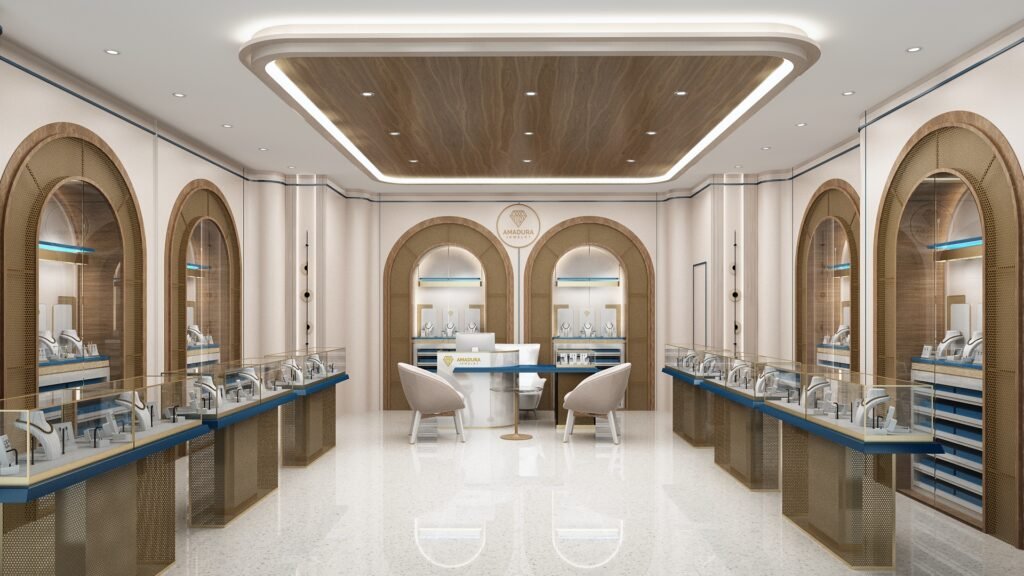
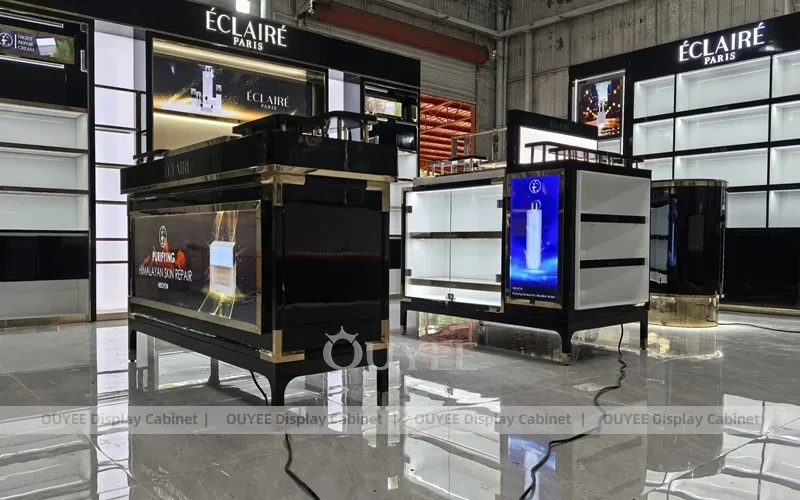
At this level, you’re designing the store around the brand. Many owners work with a professional jewelry store fixture manufacturer to get custom layouts similar to this elegant jewelry shop interior design, where fixtures, lighting, and security are built together.
How Inventory, Fixtures, and Location Change the Budget
Across all three examples, your cost to open a jewelry store shifts mainly based on:
- Inventory level and type
- Fashion-heavy store: lower upfront cost, faster turns
- Diamond-heavy fine jewelry: very capital intensive, but higher ticket sizes
- Fixtures and layout
- Simple prefabricated cases: big savings, faster opening
- Custom, branded fixtures: higher cost but better perceived value and security
- Using factory-direct display fixtures can cut fixture spend by 30–40%
- Location and rent
- Prime mall or downtown = high rent, higher security needs, but big traffic
- Neighborhood centers = lower rent, but you must invest more in local marketing
Lessons Learned from Real Jewelry Store Owners
What I see over and over from owners who’ve already done it:
- Don’t overspend on inventory at launch. Aim for a tight, curated collection and grow with demand.
- Spend on lighting and showcases. Good displays make mid-priced jewelry look premium and build trust.
- Budget real-world security and insurance. One incident can wipe out a low-budget operation.
- Protect cash flow. Keep at least 3–6 months of operating expenses liquid so a slow season doesn’t put you out of business.
- Plan your layout before you sign a lease. Getting a 3D layout and quote for fixtures early often saves thousands in build-out changes later.
If you’re looking at fixtures right now, it’s worth comparing modular systems and semi‑custom designs from a professional manufacturer so you get the look and security of a luxe store without the full custom price tag.
Jewelry Store Cost Calculator and Planning
If you want a real answer to “how much does it cost to open a jewelry store,” you need a simple but honest cost calculator and a clear plan—not guesses.
How to estimate your jewelry store startup budget
I break the jewelry store startup budget into 5 big buckets:
- Build-out & fixtures (rent, renovation, display cases, lighting)
- Inventory (fine or fashion jewelry, consignment/memo, supplies)
- Security & insurance (safes, alarms, CCTV, jewelers block)
- Tech & operations (POS, software, website, licenses)
- Working capital (3–6 months of expenses)
For most U.S. brick-and-mortar jewelry stores, a rough starting range is:
- Low-budget boutique: ~$60,000–$120,000
- Mid-range store: ~$150,000–$350,000
- High-end / mall store: $400,000+
You refine this quickly once you plug your own numbers into a simple calculator.
Inputs you need for a jewelry store cost calculator
Before you touch a spreadsheet, collect these numbers:
- Store size (sq ft) – 150–400, 800–1,500, or 2,000+
- Estimated rent per sq ft/year – based on your city and area
- Build-out cost per sq ft – often $60–$200+ for retail
- Fixtures & showcases budget – custom vs factory-direct cases
- Initial inventory budget – usually 40–60% of total startup cost
- Security setup – safe, alarm, cameras, reinforced glass/doors
- Monthly operating costs – payroll, utilities, insurance, software, marketing
- Working capital months – 3–6 months of expenses in cash or credit
If you’re getting quotes on display fixtures, I recommend getting realistic pricing from a professional manufacturer that also does 3D layouts, similar to how we approach custom retail display projects. It keeps your numbers grounded.
How to use a spreadsheet to plan costs
Use Google Sheets or Excel and build 3 sections:
1. One-time startup costs
- Lease deposit & first month’s rent
- Architect/design and permits
- Build-out (walls, flooring, electrical, lighting)
- Fixtures & display cases
- Initial inventory purchase
- Security system & safe
- POS hardware & software setup
- Branding, signage, website
- Legal and license fees
2. Monthly operating costs
- Rent + CAM (common area maintenance if in a center/mall)
- Payroll + payroll taxes
- Insurance (including jewelers block)
- Marketing and ads
- Software subscriptions (POS, CRM, inventory, email)
- Utilities and internet
- Cleaning and maintenance
- Loan payments, if any
3. Working capital
- Decide if you want 3, 4, 5, or 6 months of expenses on hand.
- Multiply your total monthly expenses by that number.
- This becomes your cash buffer line item.
Adjusting your budget for different scenarios
Run at least 3 scenarios in your spreadsheet:
- Lean start: Lower rent area, more consignment/memo inventory, used/ factory-direct fixtures, minimal staff.
- Balanced: Mid-priced location, mix of purchased and memo inventory, solid but not overbuilt fixtures.
- Aggressive: Prime location, heavy inventory, premium fixtures, higher marketing budget.
Adjust:
- Rent per sq ft
- Build-out cost per sq ft
- Inventory as % of total budget
- Fixture quality (custom vs modular systems)
- Headcount and salaries
Tiny changes in rent and build-out can swing your total startup cost by tens of thousands, so model multiple options before you sign anything.
Planning cash flow for the first 6–12 months
Your jewelry store doesn’t just need startup money—it needs staying power.
Plan for:
- Ramp-up sales – Month 1–3 will usually be slow. Don’t assume instant profit.
- Seasonality – Jewelry is heavily seasonal (holidays, Valentine’s Day, Mother’s Day) so map expected peaks and dips.
- Marketing push – Higher spend in the first 3 months (grand opening, local ads, social, influencers).
- Reorders and special orders – You’ll need cash or credit to restock best-sellers quickly.
- Unexpected hits – Repairs, extra security, insurance deductibles.
In your cash flow tab:
- List expected monthly revenue (conservative, realistic, optimistic).
- List all monthly expenses.
- Add line items for inventory reorders and marketing spikes.
- Track cash in/cash out and your ending cash balance each month.
Your goal: your ending cash balance never drops below zero, even in a conservative revenue scenario. If it does, you either need more capital, lower fixed costs, or a softer launch (online + pop-ups before a full build-out).
When your calculator and cash flow are dialed in, you’ll know exactly how much it costs to open your jewelry store—not just a generic one.
Choosing the Right Jewelry Store Display Partner
If you want your build-out dollars to actually move product, your display partner matters more than most people think.
Why Display Fixtures Impact Sales and Security
The right jewelry showcases do three big things:
- Sell more: Proper height, angles, and lighting make diamonds and metals pop, which increases conversion and average ticket size.
- Build trust: Clean glass, organized trays, and consistent branding tell customers you’re legit and professional.
- Protect inventory: Lockable cases, tempered or laminated glass, and smart layouts reduce grab-and-run and internal loss.
A well-planned layout with professional fixtures can easily be the difference between a “pretty store” and a profitable one. That’s why I like working with teams that specialize in jewelry shop furniture and wall-mounted layouts, not generic retail shelving.
Risks of Cheap Jewelry Showcases and Poor Layouts
Cutting corners on fixtures looks cheaper at first, but usually costs more later:
- Bad sightlines: Tall or cluttered cases block views and give thieves blind spots.
- Weak security: Thin glass, weak locks, and flimsy frames invite smash-and-grab.
- Poor lighting: Yellow or uneven light makes gemstones look dull and kills impulse buys.
- No brand story: Random mismatched cases make the store feel like a pawn shop, not a jewelry brand.
If you’re putting thousands (or millions) into inventory, it doesn’t make sense to park it in $200 flea-market cases.
Benefits of a Professional Fixture Manufacturer
Working with a professional, factory-direct display manufacturer gives you:
- Custom look without insane markup: You can match your brand colors, materials, and layout without paying mall-designer prices.
- Security built in: Lock systems, reinforced glass, hidden storage, and cable management designed for jewelry specifically.
- Sales-focused design: Case heights, angles, and lighting designed to make diamonds, watches, and bridal sets stand out.
- Consistency across locations: If you scale to multiple stores, you can repeat the same proven concept.
For example, a specialist that focuses on elegant diamond store interior design can balance luxury presentation with practical security and storage, instead of just building “pretty furniture.”
How a Display Partner Helps You Save on Build-Out Costs
A good display partner doesn’t just sell cases; they help you avoid overspending with your contractor:
- Clear fixture drawings: Your GC knows exactly where to run power, data, and outlets—fewer change orders.
- Optimized footprint: You use every square foot wisely, which matters with high rent.
- Modular systems: Start with a core set of showcases and add more as sales grow.
- Factory-direct pricing: You avoid multiple middlemen and designer markups.
Many owners save 10–30% on build-out just by planning fixtures early and avoiding rework.
Get a 3D Layout and Quote Before You Sign a Lease
I always recommend this sequence:
- Share your concept (store size, target customer, price point).
- Get a 3D layout of showcases, wall units, back-counter, and traffic flow.
- Confirm power and lighting needs from the fixture plan.
- Use that to negotiate your lease and tenant improvements.
A 3D layout and detailed quote from a professional jewelry fixture partner gives you:
- Realistic build-out cost estimates before you commit to the space.
- Leverage to ask the landlord for tenant improvement allowance based on actual plans.
- Confidence that your space, fixtures, and security plan all work together from day one.

 English
  German
  Arabic
  French
  Spanish
  Italian
  Russian
  Turkish
  Portuguese
  Japanese