Have you ever taken off a favorite brass ring only to find a green stain on your finger? It’s a common thing that happens. It can be confusing. The good news is that this green finger mystery is easy to solve.

Yes, brass jewelry can turn your skin green. This is not a sign of cheap or bad jewelry. It is a natural process called oxidation. The copper inside the brass simply reacts to things around it. These things include your skin’s oils, sweat, and air.
This green stain is harmless and easy to manage. We will show you the science behind why this happens. You will also learn how other metals compare. You’ll get easy steps to prevent and clean your jewelry. Understanding how to care for our brass jewelry helps keep it looking its best.
Points clés à retenir
- Yes, brass jewelry turns skin green due to a harmless process called oxidation.
- The copper in brass reacts with sweat, moisture, and skin acids. This creates the green stain.
- You can prevent the green stain by keeping your jewelry dry. Keep it away from lotions or perfumes.
- Cleaning brass jewelry is easy with simple household items like lemon juice, salt, or baking soda.
- Many other metals can also cause a green stain. This includes gold-plated jewelry once the plating wears off.
The Science Behind the Green: Why Does Brass Jewelry Oxidize?
To understand why your jewelry leaves a green mark, we need to look at what it’s made of. We also need to understand the science involved. It’s a simple process that happens with many copper-based metals. Knowing why it happens is the first step to preventing it.
What is Brass? An Alloy of Copper and Zinc
Brass is not a pure metal found in nature. It is an alloy. This means it is a mix of two or more metals.
Most brass used for jewelry is made of about 67% copper and 33% zinc. The exact amounts can change. But copper is always the main part.
It’s this copper content that causes the green reaction on your skin. The warm, golden color of brass is beautiful. But the copper inside is what we need to manage.
The Oxidation Reaction Explained Simply
Have you ever seen the Statue of Liberty? It is made of copper. Its famous green color is a result of the same exact process. This is a common occurrence with brass and copper-based alloys.
When the copper in brass meets moisture, it oxidizes. Moisture can be sweat or humidity. It also meets acids from your skin or lotions. This creates a thin, blue-green layer of copper salts, such as copper chloride.
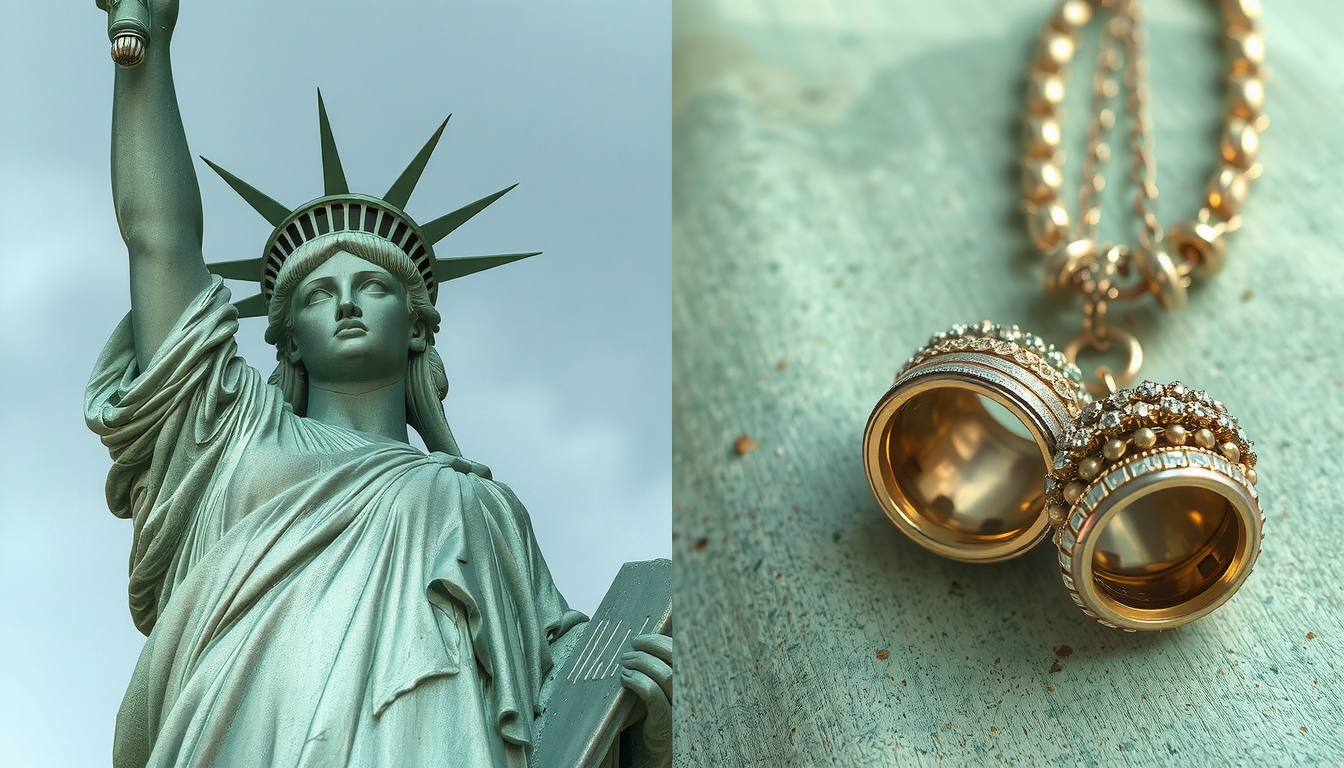
This layer is not harmful. When it rubs against your skin, it leaves behind that temporary green stain. It’s chemistry in action, not a flaw in your jewelry.
Factors That Speed Up the Green Reaction
Some things can make your brass jewelry turn green faster. If you know what these are, you can avoid them.
- High Humidity: Living in a humid place makes it worse. Wearing jewelry in the shower or pool exposes the metal to more moisture.
- Sweat: Your sweat contains salt and is acidic. These are perfect for speeding up the oxidation of copper.
-
Individual Body Chemistry: Some people just have more acidic skin than others. This can make them more likely to see a green stain from brass or other metals.
-
Lotions, Perfumes, and Soaps: The chemicals in beauty products can react with the copper in your jewelry. This causes it to oxidize more quickly.
It’s Not Just Brass: A Comparative Look at Other Jewelry Metals
Many people ask, “does brass jewelry turn green?” But they also wonder about other popular metals. Will gold plated jewelry turn green? What about stainless steel? Understanding how different metals behave can help you make better choices when buying new accessories.
Let’s compare some common jewelry materials. This will help you see which ones might cause that unwanted green tint.
Jewelry Metal Comparison: The “Will It Turn Green?” Checklist
We created a simple table to help you see the differences. This guide will clarify which metals are reactive and why.
| Metal Type | Base Composition | Will It Turn Skin Green? | Why/Why Not |
|---|---|---|---|
| cURL Too many subrequests. | cURL Too many subrequests. | Oui | cURL Too many subrequests. |
| cURL Too many subrequests. | cURL Too many subrequests. | cURL Too many subrequests. | cURL Too many subrequests. |
| cURL Too many subrequests. | cURL Too many subrequests. | cURL Too many subrequests. | cURL Too many subrequests. |
| cURL Too many subrequests. | cURL Too many subrequests. | cURL Too many subrequests. | cURL Too many subrequests. |
| cURL Too many subrequests. | cURL Too many subrequests. | Non. | cURL Too many subrequests. |
| cURL Too many subrequests. | cURL Too many subrequests. | It depends. | “Nickel-free” only means it has no nickel. If the jewelry is made of a copper alloy like brass, it can still turn your skin green. |
As you can see, the question of whether a piece of jewelry will turn your skin green often comes down to its copper content. This is why even some gold jewelry can cause a reaction.
The Patina Paradox: When “Green” on Jewelry is a Good Thing
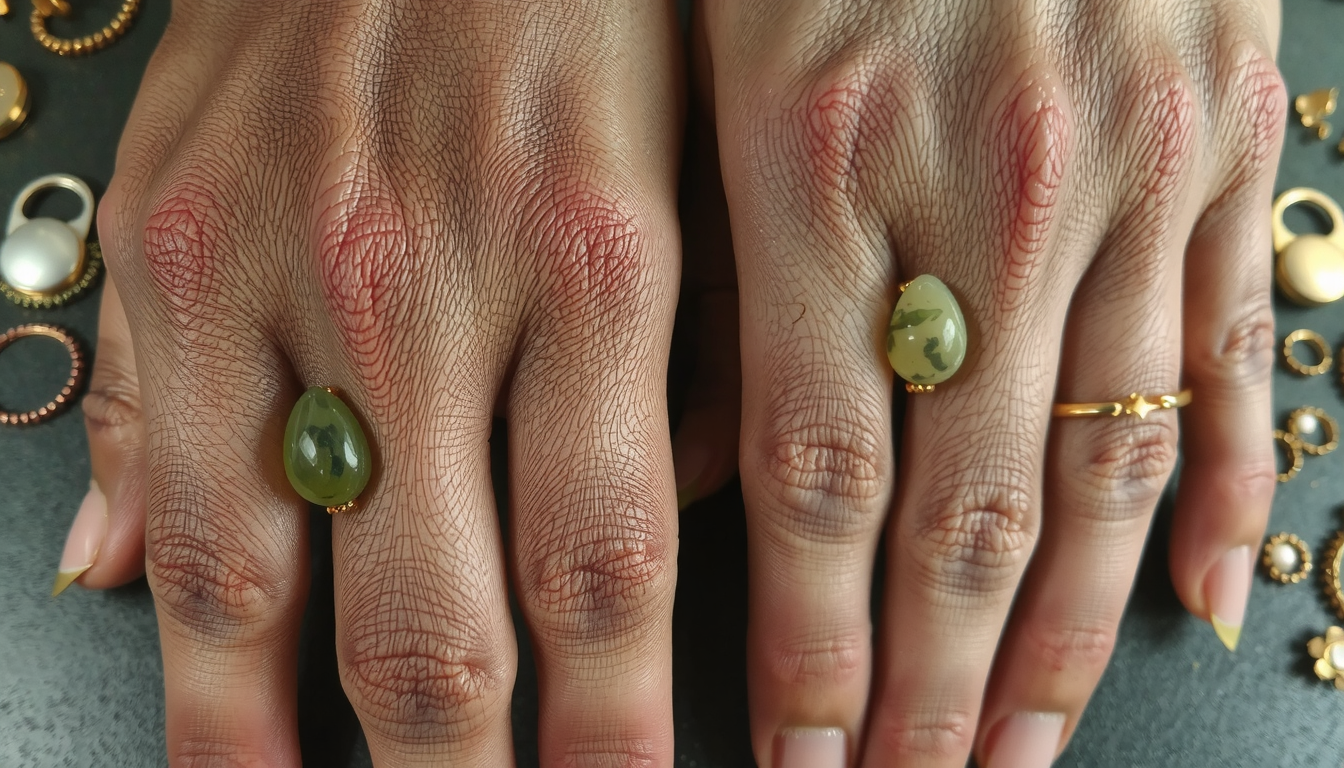
We have talked a lot about the green stain on your skin. Most people want to avoid this. But there is another kind of “green” that happens directly on the jewelry itself. This is called a patina. Some people love it.
Skin Stain vs. Jewelry Patina: What’s the Difference?
The green mark on your skin is a temporary stain. It is just the residue of oxidized copper rubbing off. You can wash it away easily.
A patina is different. It is a layer of tarnish that forms on the surface of the metal itself. It can be green, brown, or black. This layer is a part of the jewelry. It changes its appearance over time.
The Aesthetic Appeal of an Aged Look
For many jewelry designers and collectors, a patina is not a flaw. It is a feature.
A patina can give a piece of jewelry a unique, vintage, or rustic character. It shows the history of the piece. It makes it feel one-of-a-kind. Some artists even use chemicals to create a beautiful patina on new jewelry.
Curating Your Look: Polished vs. Patinated
The choice between a bright, shiny look and a dark, aged look is a matter of personal style. Some outfits look better with a polished, modern accessory. Others are complemented by the deep character of a patinated piece.
This focus on aesthetics is a core part of creating a specific mood. This is true for personal style and even for professional conception de magasin de bijoux. The lighting and displays are carefully chosen to highlight the beauty and character of each collection. Whether you prefer a polished shine or a vintage patina, it’s all about creating the look you love.
A Practical Guide to Prevention, Cleaning, and Care
Now that you know why brass jewelry turns green, you can take simple steps to prevent it. If your jewelry does get tarnished, don’t worry. Cleaning it is easy. Here is our practical guide to keeping your accessories looking great.

How to Prevent Brass Jewelry From Turning Your Skin Green
Prevention is the best strategy. Following a few simple rules will dramatically reduce the chances of getting a green stain.
- DO keep it dry. Always remove your brass jewelry before you shower, swim, or do a heavy workout.
- DON’T let it contact lotions, perfumes, or hairspray. Put on these products first and let them dry completely. Then, put on your jewelry.
- DO store it properly. Keep your jewelry in a dry, airtight place like a small zip-top bag or a lined jewelry box. Good storage is vital. Top-tier brands like Ouyee Display specialize in creating solutions that protect jewelry from the environment. For serious collectors or retail stores, a professional Vitrine à bijoux is a wise investment. A quality fabricant de vitrines à bijoux will design displays that not only look beautiful but also help prevent tarnish and damage.
- DO consider a barrier. You can apply a thin coat of clear nail polish to the inside of a brass ring or bracelet. This creates a barrier between the metal and your skin. Special polymer sealants for jewelry are also available.
Step-by-Step: How to Clean Tarnish from Brass Jewelry
If your brass jewelry has already started to tarnish, you can easily restore its shine at home. From my own experience, these gentle methods work wonders. Always remember to dry your pieces completely after cleaning.
Method 1: The Lemon Juice & Salt Scrub (for mild tarnish)
- Make a paste by mixing one part salt with two parts lemon juice.
- Use a soft cloth or your fingers to gently rub the paste onto the jewelry. You will feel the salt gently scrubbing the surface. You will see the shine come back almost instantly.
- Rinse the jewelry well with warm water to remove all the paste.
- Dry it completely with a soft, lint-free cloth. This is the most critical step to prevent new tarnish from forming.
Method 2: The Vinegar & Baking Soda Paste (for tougher tarnish)
- Mix baking soda and a little white vinegar to create a thick paste. It will fizz at first.
- Apply the paste to the tarnished areas. Let it sit for about 15 to 30 minutes.
- Use an old, soft toothbrush to gently scrub the piece. Pay attention to small details and crevices.
- Rinse thoroughly under warm water and dry it completely.
How to Safely Remove Green Stains from Your Skin
If you do get a green stain on your skin, removing it is simple and safe.
- cURL Too many subrequests.
- cURL Too many subrequests.
- cURL Too many subrequests.
Questions fréquemment posées (FAQ)
cURL Too many subrequests.
cURL Too many subrequests.
cURL Too many subrequests.
cURL Too many subrequests.
cURL Too many subrequests.
cURL Too many subrequests.
cURL Too many subrequests.
cURL Too many subrequests.
cURL Too many subrequests.
cURL Too many subrequests.
cURL Too many subrequests.
cURL Too many subrequests.
cURL Too many subrequests.
cURL Too many subrequests.
- Langue originale : anglais.
- Traduction stricte, conforme à la syntaxe locale française.
- Seul le texte traduit est affiché.
- Le texte traduit ne doit contenir aucune information sur le pays ou la région d'origine, comme "États-Unis", "Distributeur en France". Assurez-vous de changer toutes les informations relatives au pays cible en France. Tous les pays.
- Par exemple, gardez des expressions comme "usine en Chine" ou "Made in Vietnam".
- Rédigé en français pour tous les textes, les mots-clés doivent être traduits avec précision !
- PAS d'explications, PAS de markdown, PAS de texte supplémentaire.
Veuillez fournir le texte à traduire.
Veuillez fournir le texte à traduire.