So, does gold jewelry tarnish? The short answer is: it depends. Pure gold itself does not tarnish. But most gold jewelry is not pure gold. The pieces you own and love are likely gold alloys. This means the gold is mixed with other metals to make it strong enough for daily wear. It is these other metals that can react with the environment and cause discoloration. This guide will explain everything you need to know. You’ll learn why gold jewelry can tarnish and how to choose, wear, and care for your pieces to keep them shining brightly.
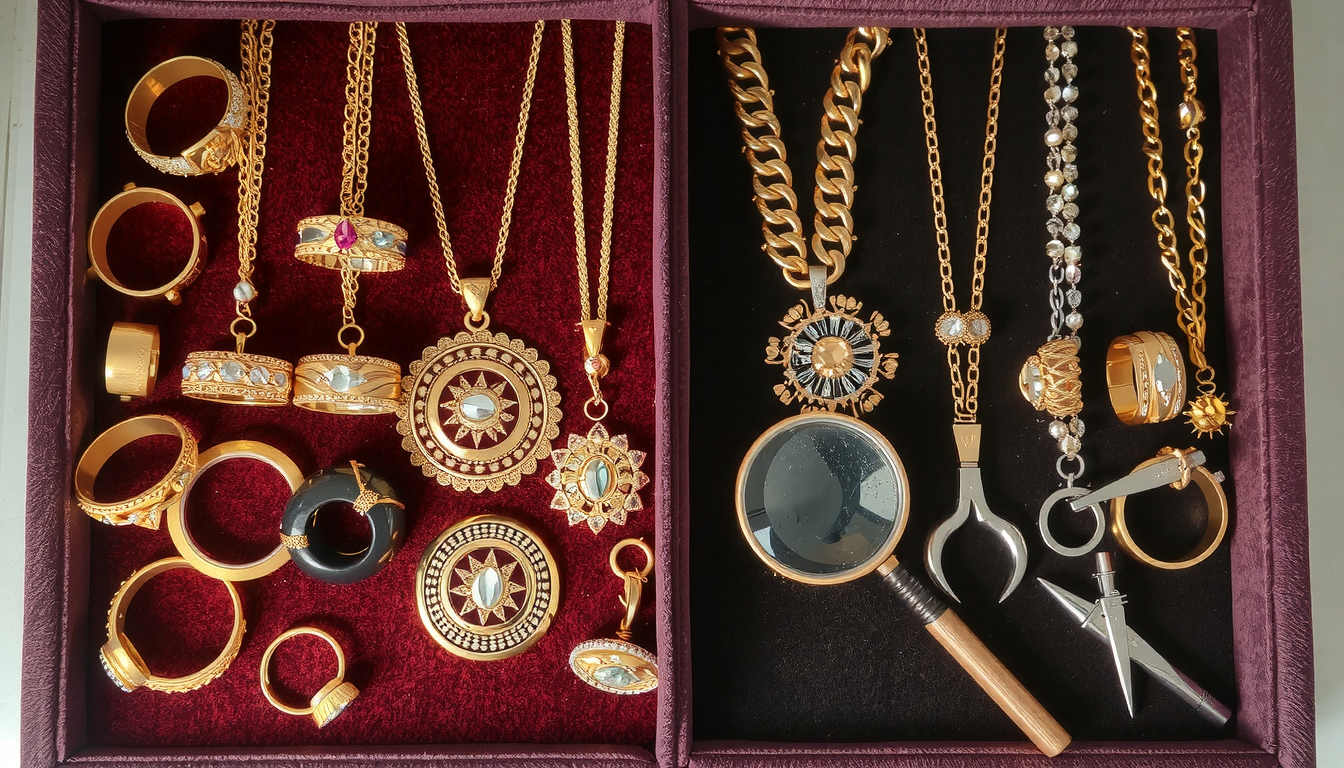
Aspectos clave a tener en cuenta:
- Pure Gold vs. Gold Alloys: Pure 24k gold does not tarnish. However, it’s too soft for most jewelry. Gold is mixed with other metals (like copper, silver, and zinc) to create alloys (18k, 14k, 10k). These add strength.
- Alloys Cause Tarnish: The non-gold metals in the alloy react with oxygen, sulfur, and moisture. This causes the dark color known as tarnish. The lower the karat, the more alloy metals are present. This means higher risk of tarnish.
- Types of Gold Matter: Solid gold, gold-filled, and gold-plated jewelry have very different tarnish behaviors. Solid gold tarnishes slowest. Gold-filled is highly resistant. Gold-plated tarnishes fastest as the thin gold layer wears away.
- Prevention is Key: You can prevent tarnish by following the “last on, first off” rule. Store jewelry properly in a dry place. Wipe it clean after each wear.
- Cleaning is Simple: Minor tarnish on solid gold can be easily cleaned at home with mild soap and warm water. For gold-plated items, tarnish often means the gold layer is gone. It cannot be restored by cleaning.
The Science Behind the Tarnish: Why Does Gold Discolor?
To understand how to protect your jewelry, we first need to look at the science. The dark film you see on some jewelry isn’t a sign that it’s fake. It’s a simple chemical reaction.
What is Tarnish, Exactly?
Tarnish is a thin layer of corrosion. It forms on the surface of certain metals. It happens when the metal is exposed to oxygen and sulfur compounds in the air. This causes a chemical reaction called oxidation. This reaction creates a dark layer, often black or grey, on the metal’s surface. As explained in this guide on Why Does Gold Jewelry Tarnish & How Can You Prevent It?, this process is natural for many metals when they interact with their environment.
The Role of Alloy Metals
Pure, 24-karat gold is one of the least reactive metals on earth. It won’t rust or tarnish. However, pure gold is also very soft. You could easily bend a 24k gold ring with your fingers.
To make gold durable enough for jewelry, it is mixed with other metals. This is called “alloying.” Common alloy metals include copper, silver, nickel, and zinc. These metals add the strength and hardness needed for a ring or necklace to survive daily life.
It is these other metals, not the gold, that react with the environment and cause tarnish. Think of it like a team. Gold is the star player that never causes trouble. But the supporting players (the alloys) can sometimes react to things around them.
A Karat-by-Karat Guide to Tarnish Resistance
The “karat” (k) of gold tells you its purity. It’s a measure of how much pure gold is in the alloy, out of a total of 24 parts. Understanding karats is the key to predicting if your gold jewelry will tarnish.
24K Gold (99.9% Pure Gold)
- Tarnish Risk: Almost zero. Because it is nearly pure, 24k gold does not react and will not tarnish.
- Durabilidad: Very poor. This gold is extremely soft. It’s easy to scratch, dent, and bend. It is not practical for most types of jewelry, especially rings and bracelets.
18K Gold (75% Gold, 25% Alloys)
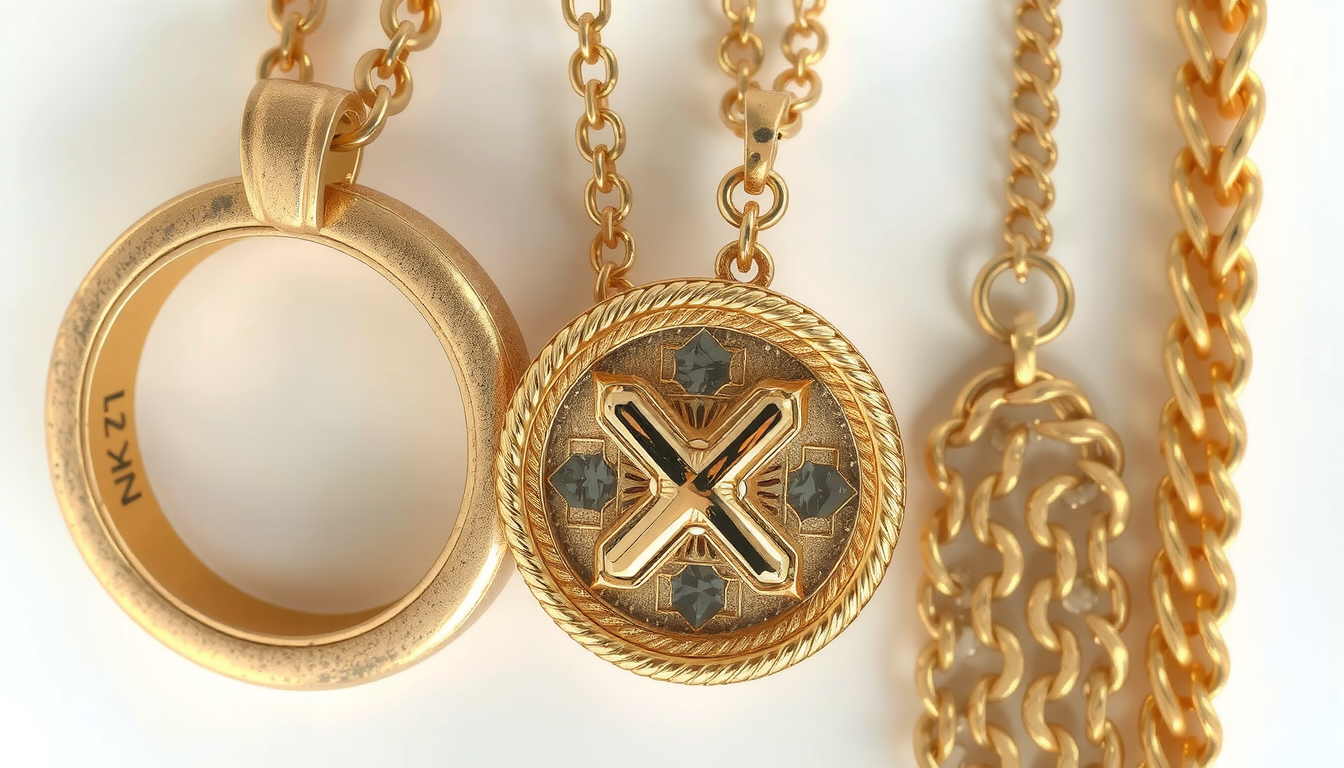
- Tarnish Risk: Very low. With a high percentage of pure gold, 18k pieces are highly resistant to tarnish. Under normal conditions, you are unlikely to see any discoloration for a very long time.
- Durabilidad: A good balance. It offers the rich color of high-purity gold while being strong enough for fine jewelry that is worn with care.
Will 14K Gold Jewelry Tarnish? (58.3% Gold, 41.7% Alloys)
- Tarnish Risk: Low to moderate. This is one of the most common questions we hear. Because 14k gold contains a significant amount of alloy metals (41.7%), it can tarnish over time. This is more likely if it’s regularly exposed to chemicals or moisture.
- Durabilidad: Excellent. This is the most popular choice for fine jewelry in the U.S. It offers a fantastic combination of beauty, durability, and value. As experts note, higher gold alloys like 14k to 24k are the most unlikely to tarnish. This makes 14k a reliable choice.
10K Gold (41.7% Gold, 58.3% Alloys)
- Tarnish Risk: Moderate to high. With more alloy metals than actual gold, 10k gold is the most likely of all solid gold types to show tarnish.
- Durabilidad: Very high. The large amount of alloy metals makes it extremely durable and more affordable. But it comes with a higher risk of discoloration.
Gold-Plated vs. Gold-Filled vs. Solid Gold: A Practical Comparison
The terms “plated,” “filled,” and “solid” cause a lot of confusion. They describe how the jewelry is made. This directly impacts its tarnish behavior, durability, and cost. Answering “does gold jewelry tarnish” depends heavily on which type you have.
cURL Too many subrequests.
- cURL Too many subrequests. cURL Too many subrequests.
- cURL Too many subrequests. cURL Too many subrequests.
- cURL Too many subrequests. cURL Too many subrequests.
cURL Too many subrequests.
| Tipo de joyería | cURL Too many subrequests. | cURL Too many subrequests. | Durabilidad | Costo | Mejor para |
|---|---|---|---|---|---|
| Oro macizo | cURL Too many subrequests. | cURL Too many subrequests. | cURL Too many subrequests. | Alto | cURL Too many subrequests. |
| Lleno de oro | cURL Too many subrequests. | cURL Too many subrequests. | cURL Too many subrequests. | Medio | cURL Too many subrequests. |
| Gold-Plated | cURL Too many subrequests. | Tarnishes quickly as the thin gold layer wears off, exposing the reactive base metal. | Low. The plating can wear off in months. | Bajo | Trendy, occasional-wear fashion jewelry. |
The Main Culprits: What Causes Gold Jewelry to Tarnish?
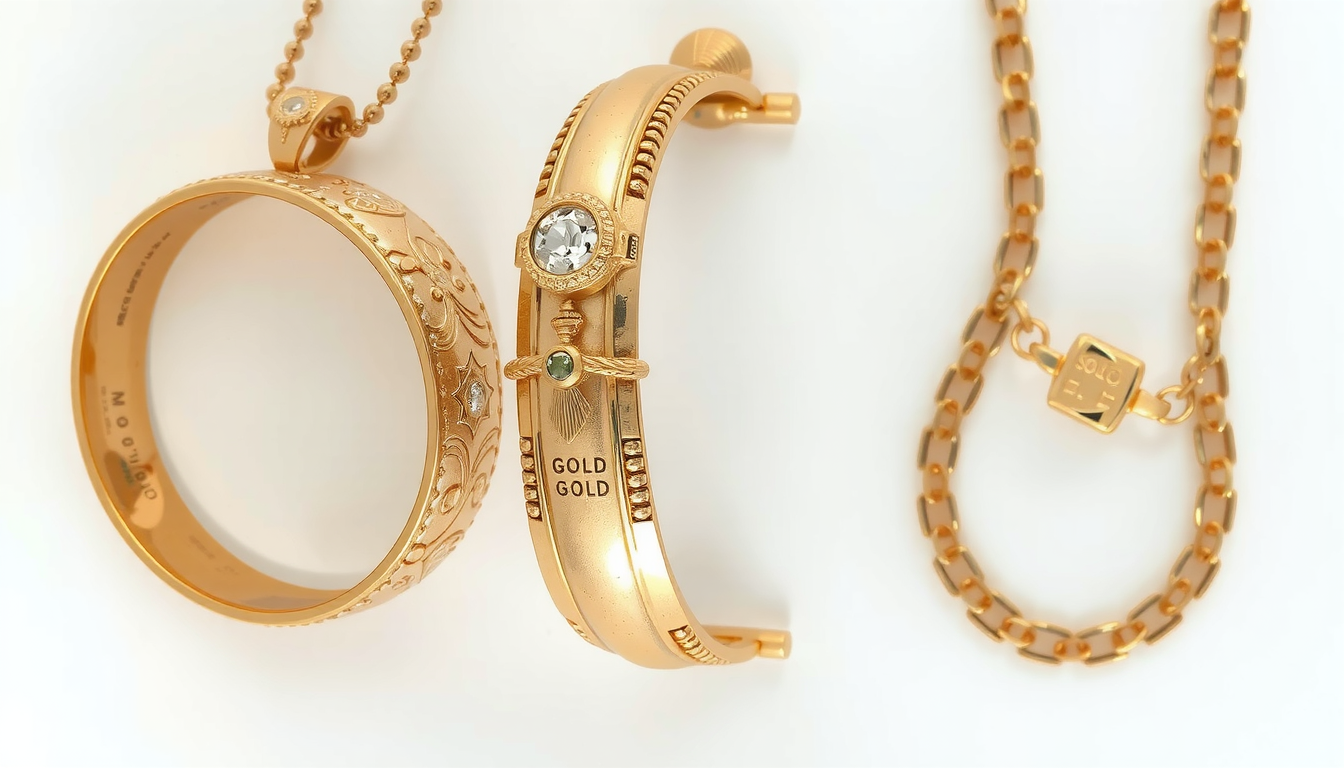
Tarnish on gold alloy jewelry is triggered by exposure to specific elements in your daily life. Knowing what to avoid is your best defense.
Chemical Exposure
Everyday products contain chemicals that can speed up the oxidation of alloy metals.
* Cosmetics: Perfumes, hairsprays, lotions, and makeup can leave a chemical film on your jewelry.
* Cleaning Agents: Chlorine is the biggest enemy of gold jewelry. It is found in swimming pools, hot tubs, and many household cleaners like bleach. Chlorine can cause stress corrosion cracking in gold alloys. This permanently damages the structure of the metal, not just its surface.
Environmental Factors
The world around you can also play a role.
* Humidity and Moisture: Storing your jewelry in a damp place, like a bathroom cabinet, creates the perfect environment for tarnish to form.
* Air Pollutants: Sulfur compounds in the air react strongly with the silver and copper in gold alloys. These can be higher in industrial areas.
Personal Factors
Even your own body can contribute to tarnishing.
* Sweat and Skin Oils: The acidity and compounds in your sweat can speed up the tarnish process. As one source points out, the natural oils and sweat from our skin can also affect gold. This is why a ring might tarnish faster on one person than another.
Your Proactive Guide to Preventing Tarnish
Preventing tarnish is much easier than removing it. By building a few simple habits into your routine, you can keep your gold jewelry looking brand new for years.
The “Last On, First Off” Rule
This is the most important habit to learn. Put your jewelry on after you have applied all your lotions, perfumes, hairspray, and makeup. At the end of the day, take your jewelry off before you shower, wash your hands, swim, or exercise. This simple step reduces contact with harmful chemicals and moisture.
Smart Storage is Key
How you store your jewelry makes a huge difference. Oxygen and moisture are key ingredients for tarnish. So limiting exposure is crucial.
* Store each piece individually in a soft pouch or a lined jewelry box. This prevents scratching and reduces airflow.
* For extra protection, you can add anti-tarnish strips to your jewelry box. You can also add a small silica gel packet (the kind found in new shoe boxes) to absorb moisture.
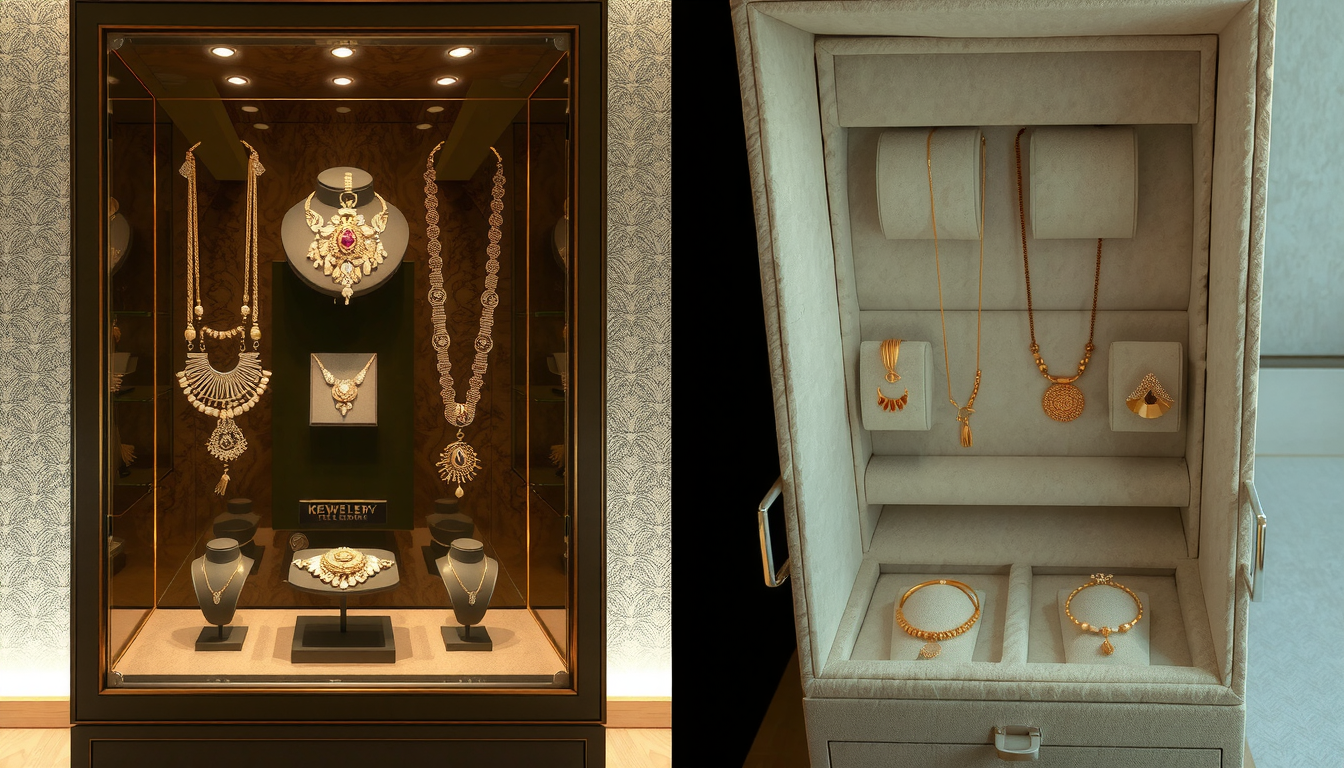
Professional jewelers understand the importance of a controlled environment. For retail display, a high-quality vitrina de joyería is essential to protect items from dust and humidity. The principles of a proper diseño de tienda de joyería also focus on managing lighting and airflow to minimize tarnish across the entire inventory. Consumers can apply these same principles at home with airtight and organized storage.
Regular Wiping
After you take off your jewelry for the day, give it a quick wipe with a soft, lint-free cloth. Use a microfiber or jewelry polishing cloth. This simple action removes the sweat, oils, and residues that have built up during wear. It stops the tarnish process before it can even start.
How to Safely Clean and Restore Tarnished Gold Jewelry
If you notice some minor discoloration on your solid gold pieces, don’t worry. In most cases, it’s easy to clean at home. We have used this gentle method for years, and it works beautifully.
A Gentle At-Home Cleaning Method (Step-by-Step)
This method is safe for solid gold jewelry, even pieces with durable stones like diamonds.
- Prepare the Solution: Get a small bowl of warm (not hot) water. Add a few drops of a mild, phosphate-free dish soap.
- Soak: cURL Too many subrequests.
- cURL Too many subrequests. cURL Too many subrequests.
- cURL Too many subrequests. cURL Too many subrequests.
- cURL Too many subrequests. cURL Too many subrequests.
cURL Too many subrequests.
cURL Too many subrequests.
cURL Too many subrequests.
cURL Too many subrequests.
cURL Too many subrequests.
When to See a Professional
cURL Too many subrequests.
cURL Too many subrequests.
cURL Too many subrequests.
- cURL Too many subrequests. cURL Too many subrequests.
- cURL Too many subrequests. cURL Too many subrequests.
- Titanium: Known for being incredibly strong yet lightweight. Titanium is hypoallergenic and does not tarnish. It’s often used for wedding bands and men’s jewelry.
A special note on another metal: does bronze jewelry tarnish? Yes, absolutely. Bronze is an alloy of copper and tin. It tarnishes significantly. It develops a greenish-blue layer called a patina. While some people like this aged look, bronze is not a tarnish-free choice.
Preguntas frecuentes (FAQ)
We’ve gathered the answers to some of the most common questions about gold and tarnish.
1. Does 14k gold filled jewelry tarnish?
It is highly resistant to tarnish. A common question is, will 14k gold filled jewelry tarnish? Because it has a thick, mechanically bonded layer of 14k gold, it behaves much like solid 14k gold. It can last for many years, even with daily wear, without tarnishing. Tarnish will only become an issue if the gold layer is severely worn away. This is rare with proper care.
2. Will my permanent jewelry tarnish?
It depends entirely on the material used. Most reputable jewelers use high-quality 14k solid gold or 14k gold-filled wire for permanent jewelry. These materials are very resistant to tarnish. This is why they are chosen for something you wear 24/7. So, does permanent jewelry tarnish? Not if it’s made from the right material. Always confirm the metal with your jeweler before getting it done.
3. What kind of gold jewelry doesn’t tarnish?
For a 100% tarnish-free guarantee, 24k pure gold is the only answer. But it is too soft for practical jewelry. For the best real-world performance, 18k solid gold is the top choice for resisting tarnish. 14k solid gold is also an excellent and highly resistant option. If you are asking what type of gold jewelry doesn’t tarnish in a practical sense, 18k and 14k solid gold are your best bets.
4. If my gold jewelry tarnished, does that mean it’s fake?
Not at all. In fact, it often proves the opposite. Tarnishing on a piece marked 10k or 14k is a normal, expected reaction of the alloy metals mixed in for strength. Because pure gold doesn’t tarnish, seeing some discoloration on a gold alloy piece is a sign that it contains the other metals it’s supposed to.
5. Can you reverse tarnishing on gold-plated jewelry?
Usually, no. Tarnish on gold-plated jewelry typically means the very thin layer of gold has completely worn away. This exposes the reactive base metal underneath (like brass or copper). Since the discoloration is on the base metal and the gold is gone, it cannot be fixed with simple cleaning. The only way to restore it is to have the piece professionally re-plated.
Conclusion: Wear Your Gold with Confidence
The question “does gold jewelry tarnish” is not a simple yes or no. It’s a matter of chemistry, purity, and care. We’ve learned that it’s not the gold itself but the other metals in the alloy that cause discoloration. The karat, the type of construction (solid, filled, or plated), and your daily habits are the three biggest factors. These determine how your jewelry will wear over time.
By understanding the differences between 10k, 14k, and 18k gold, you have all the knowledge you need. By practicing good storage and cleaning habits, you can choose the right pieces for your lifestyle. You can maintain their beauty for a lifetime. Armed with this knowledge, you can confidently choose and care for your gold jewelry. This ensures it remains a treasured part of your collection. For professionals in the industry, presenting and protecting these beautiful pieces is just as crucial. This is where specialists in display and preservation, like Ouyee Display, provide essential expertise.
- Idioma original: inglés.
- Traducción estricta, conforme a la sintaxis local española.
- Solo se muestra el texto traducido.
- El texto traducido no debe contener ninguna información sobre el país o región de origen, como "Estados Unidos", "Distribuidor en EE. UU.".
- Asegúrese de cambiar toda la información del país de destino a España. Todos los países.
- Por ejemplo, mantenga frases como "fábrica en China" o "Hecho en Vietnam".
- Escrito en idioma español, con las palabras clave traducidas con precisión.
- Sin explicaciones, sin markdown, sin texto adicional.
Por favor, proporcione el texto en inglés que desea que traduzca al español siguiendo las instrucciones indicadas.
Por favor, proporcione el texto en inglés que desea que traduzca al español siguiendo las instrucciones indicadas.