
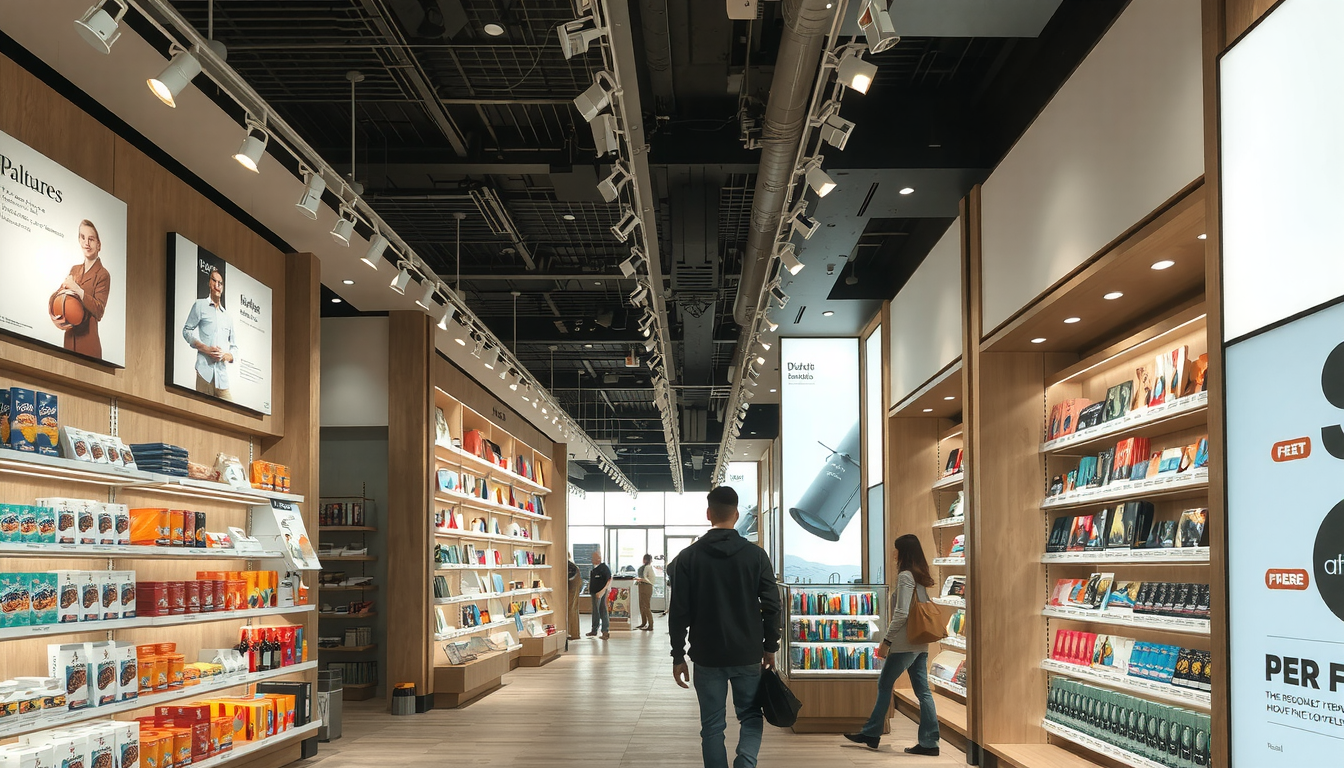
战略零售照明是增加销售、提升客户体验和建立商店品牌形象的关键。它可以被视为一个无形的销售助手,全天候工作,保持您的产品看起来良好,并让您的品牌在客户心中留下深刻印象。本指南不仅仅是初学者手册,而是旨在为您提供一个精准的路线图,帮助您打造吸引买家并提高利润空间的店铺环境。正确安装的照明与展示的产品一样重要。
关键点
- 四种照明类型: 利用环境照明、任务照明、重点照明和装饰照明,营造一个平衡而充满活力的环境。
- 技术基础: 澄清色温(CCT)、显色指数(CRI)和亮度(流明)等概念,这些是在展示产品或影响客户时需要考虑的变量。
- 智能规划: 只需遵循几个步骤,即可设计出既引导客户又突出店内最佳产品的照明方案。
- 品牌连接: 照明可以更强烈地表达您的品牌。在第一部分中,讨论了照明与家具以及整体店铺设计的关系。
什么是智能零售照明及其重要性?
智能零售照明利用光线有意营造特定氛围、引导客户流动,并增强产品的外观。 照明不仅仅帮助人们的视觉。它是一种直接影响购物者行为、品牌形象和销售的工具。这也是为什么仅仅为了存在而存在的商店与创造体验的商店不同的原因。
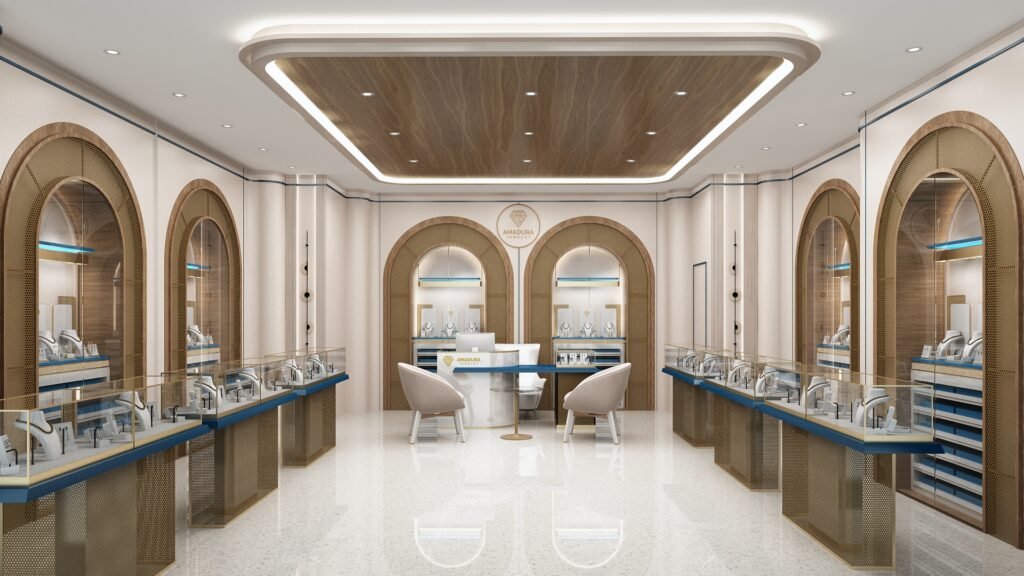
研究表明,照明对客户心理和购买决策具有影响。光线直接改变氛围以及对事物的感知。昏暗、温暖、聚焦的照明可以营造出独特而奢华的感觉。这种类型的照明非常适合高端珠宝或精品时尚。明亮、冷色调、均匀的照明传达能量、整洁和合理的价格。杂货店和大型零售商通常采用这种方法。智能照明成为提升产品感知价值的工具。它可以鼓励客户访问更有利润的区域或新系列。光线以隐秘的方式引导客户穿过您的空间。
照明也是讲述品牌故事的一种方式。您的选择在这方面起着关键作用。戏剧性的聚光灯投射出鲜明的对比光线。柔和、分散的光束令人感到温馨。这些选择需要符合您的品牌个性。拥有超过25年的定制空间设计经验,我们见证了如此深思熟虑的照明策略一次又一次地取得成功。当将商店设计纳入考虑时,有助于打造强大的品牌故事和忠实的客户群。
零售照明的四种基本类型
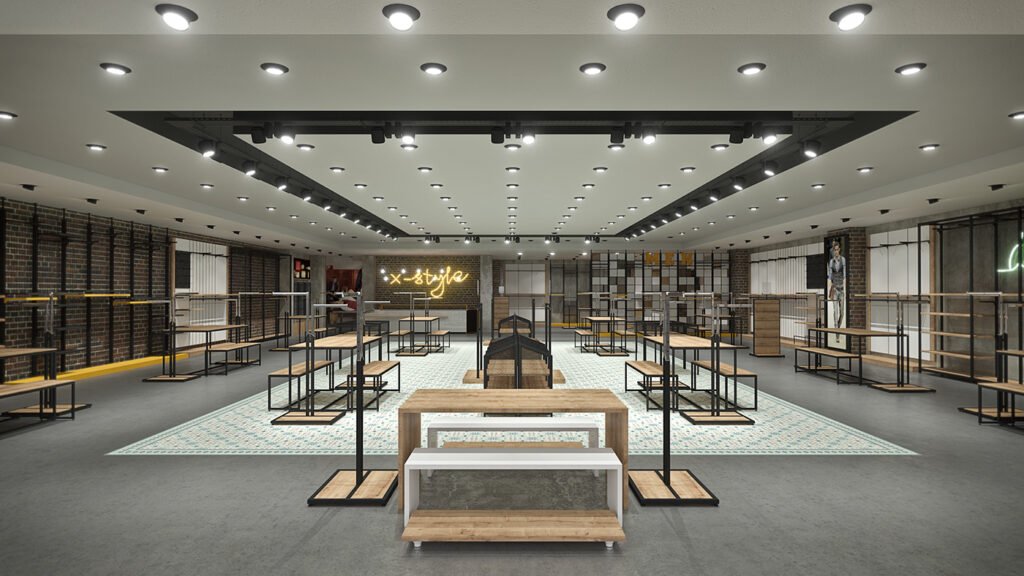
如果零售商店的照明方案能使用四种相互配合的灯光类型,那么它就是成功的。这四种类型共同构成了整个可见空间: 环境照明 (整体照明), 任务 (某些区域的功能照明), 重点照明 (照亮特定产品), 并 装饰照明 (设计品牌)。不同类型之间的平衡防止视觉效果单调,从而营造出一个动态、引人入胜且易于导航的购物空间。
| 照明类型 | 主要用途 | 常用灯具类型 | 使用方法 |
|---|---|---|---|
| 环境照明 | 设定商店的整体氛围,并提供安全行走的基本照明。 | 嵌入式筒灯、格栅灯、大吊灯、线性悬挂灯 | 定义商店氛围的基础光线水平(明亮通透与昏暗温馨)。 |
| 任务 | 照亮特定工作区域,使任务更轻松、更安全。 | 货架下照明、梳妆灯、柜台焦点吊灯 | 在收银台、更衣室、服务台及任何需要细节工作的区域必不可少。 |
| 重点照明 | 通过突出特定产品、陈列或建筑特色,创造焦点。 | 轨道灯、聚光灯、墙面洗墙灯、橱柜内照明 | 吸引顾客注意新到商品、高价值商品或促销陈列。这类照明促进销售。 |
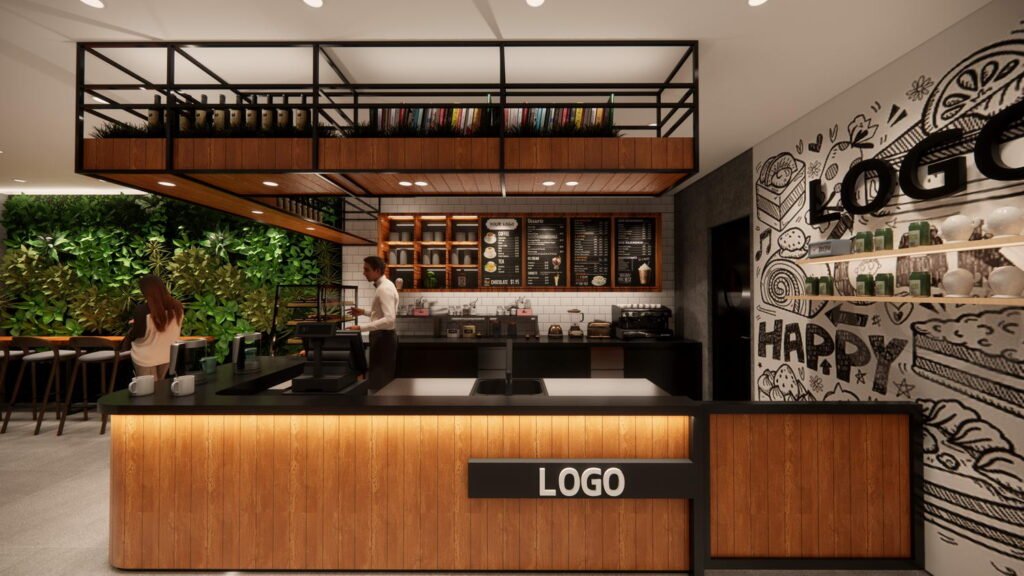
| 装饰照明 | 增加视觉趣味性,强化品牌的识别和风格。 | 吊灯、定制霓虹灯标志、独特的壁灯、艺术灯具 | 在奢华精品店入口处的陈列吊灯或现代咖啡馆中的工业风吊灯。 |
如何规划您的零售照明设计:一个简单的框架
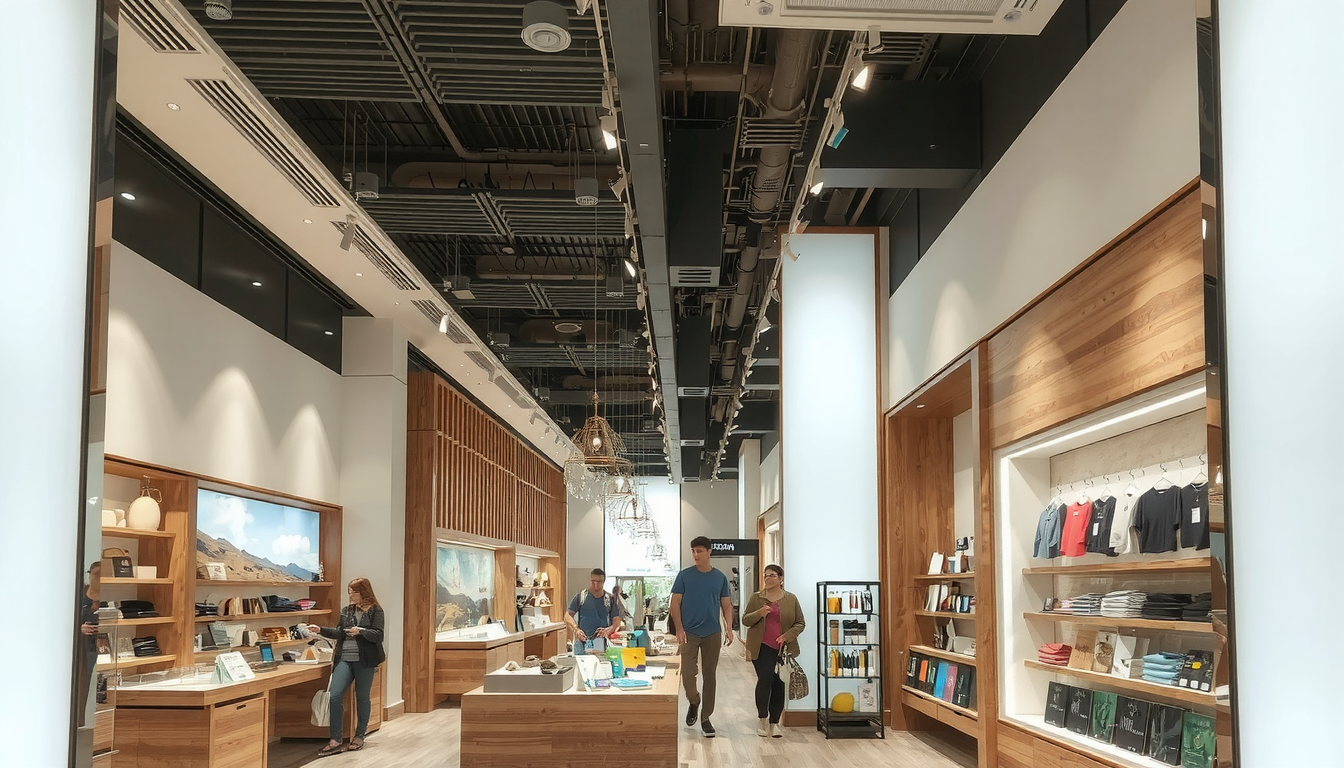
规划零售照明设计为打下基础。第一,测量您的店铺布局并设定品牌目标。第二,采用四种类型的照明模型。第三,选择合适的规格和技术组件。第四,制定一个区域计划,以满足店铺各部分的特殊需求。
设定目标并研究您的空间
首先问问自己希望照明实现什么效果。是为运动服品牌营造高能量氛围?还是为珠宝店营造亲密、奢华的感觉?绘制平面图。关注入口、走道、特色墙、收银台和试衣间等区域。考虑顾客流量。确定希望打造焦点的位置。将照明与店铺陈列结合
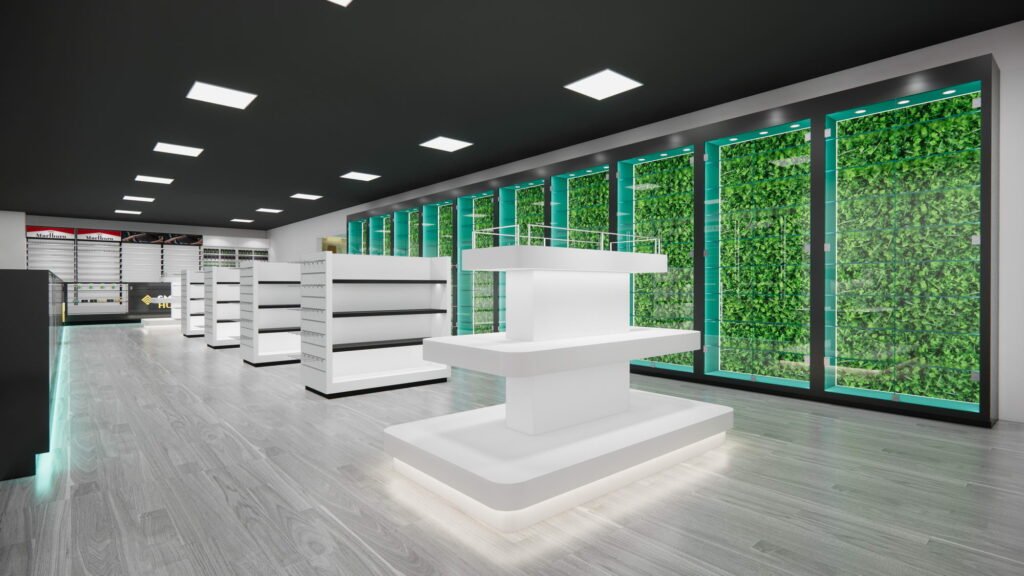
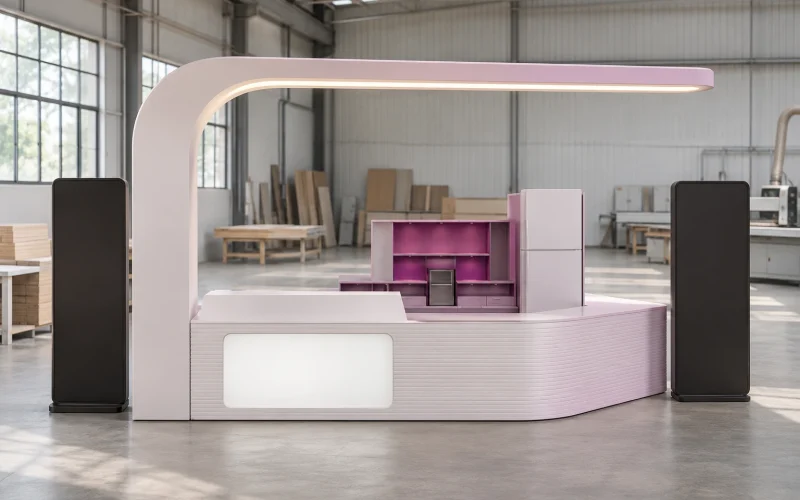
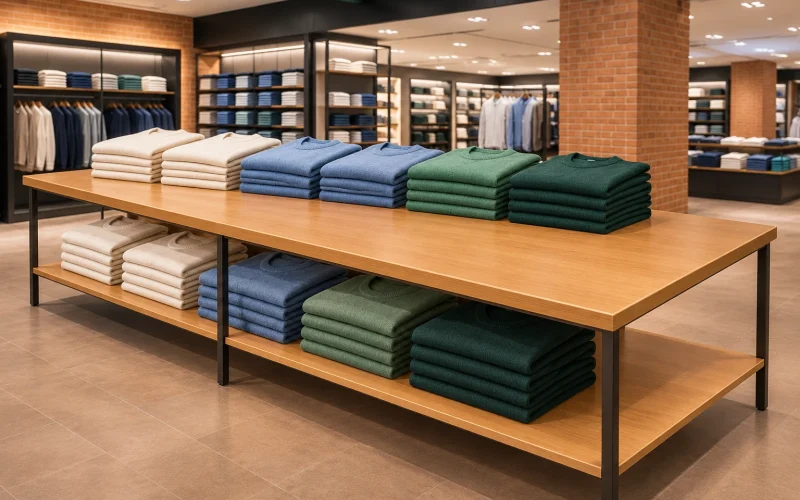
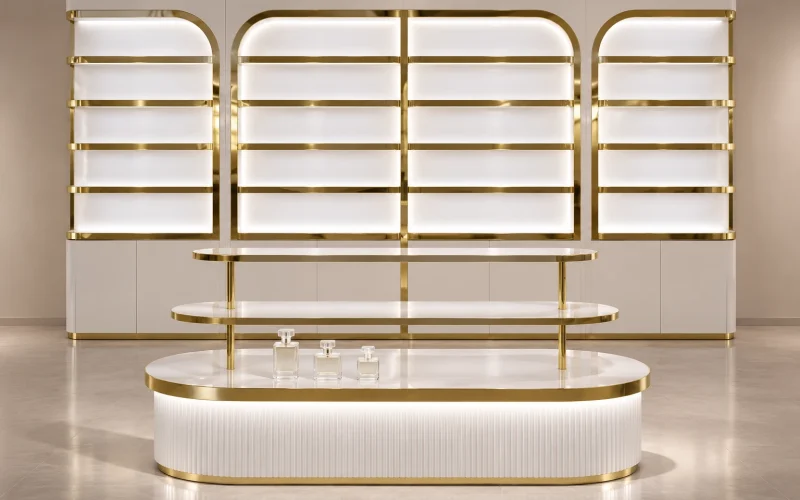
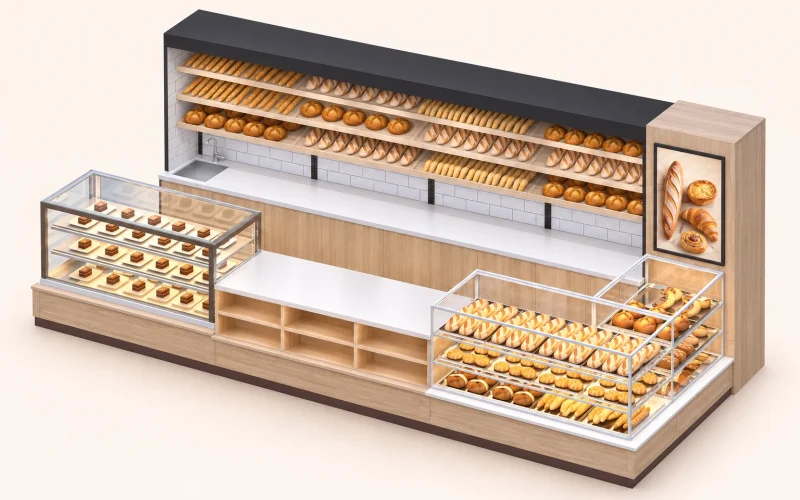
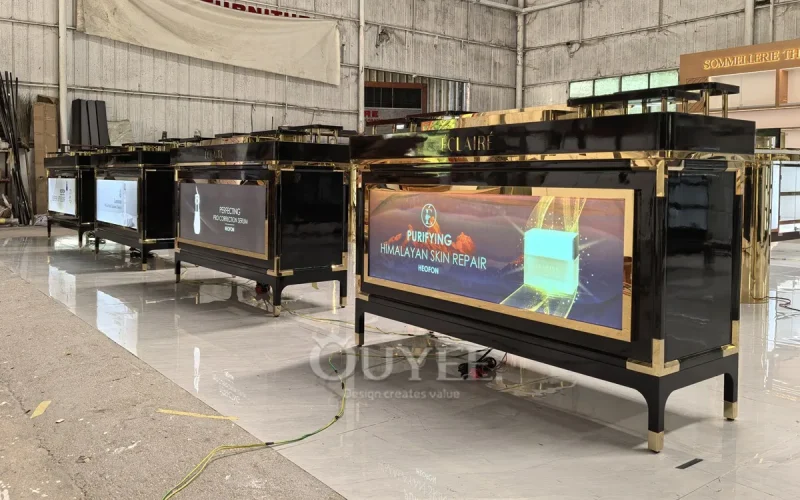
照明绝不能事后考虑。必须与您的展示陈列配合考虑。合理设计的照明将提升定制展示柜、墙面陈列架和货架,从基础设施变为有效的销售工具。为了实现照明与定制展示完美融合、协同工作的统一设计,关键是与专业合作伙伴合作,比如 oydisplay。这确保每个货架都能得到完美照明。每件产品都能在无阴影或眩光影响下展现最佳状态。选择合适的技术细节
这是决定产品所需的色温(CCT)和显色指数(CRI)的关键环节(这些内容将在后续部分讨论)。从您的层级计划中选择灯具类型。例如,轨道灯用于灵活的重点照明,嵌入式筒灯用于纯粹的环境照明,以及内置LED灯带用于展示中的任务照明。这一步是我们核心的部分 “Integrated Turnkey Realization™” method. From the idea stage until the final product, we make certain that design intentions and technical functions collaborate without any glitches.Create a Zone Lighting Plan
Different areas in your store call for different lighting. Your window display will need significant impact accent lighting whereas Aisles will need ambient light to induce safe movement. Feature wall and mannequin displays need focused accent lighting. Dressing rooms need flattering, high-quality task lighting. Make a detailed blueprint. Note the types, fixtures, and control systems for each zone. For more support, visit this guide to 5 Steps in setting up Retail Lighting Design.
To make sure you visualize these concepts, the video below has great retail shop lighting design tips:
Understanding the Technical Details: CCT, CRI, and Brightness
In order to be a professional in retail lighting, you need to be clear about the three main technical measurements. Color Temperature (CCT) specifies whether the light is warm or cool. Color Rendering Index (CRI) is used to measure how the colors are truly visible. Brightness (Lux/Footcandles) is the metric for how much light is in a space.
- Color Temperature (CCT)
Measured in Kelvin (K), CCT describes how the light looks.- Warm Light (2700K-3000K): A cozy and soft light with yellow tones simulates sun rays. It’s mainly for luxury-positioned brands, elegant boutiques, and areas targeting a feeling of intimacy.
- Neutral White (3500K-4000K): A flexible, inviting white light that is both clean and modern. This is a very good all-around option for most retail stores, from fashion to cosmetics.
- Cool White (4000K-5000K+): Blue-toned, vibrant, clear light features warm, bright, and energetic light. This is good for electronics, sports equipment, and places that need clearness and awareness.
Color Rendering Index (CRI)
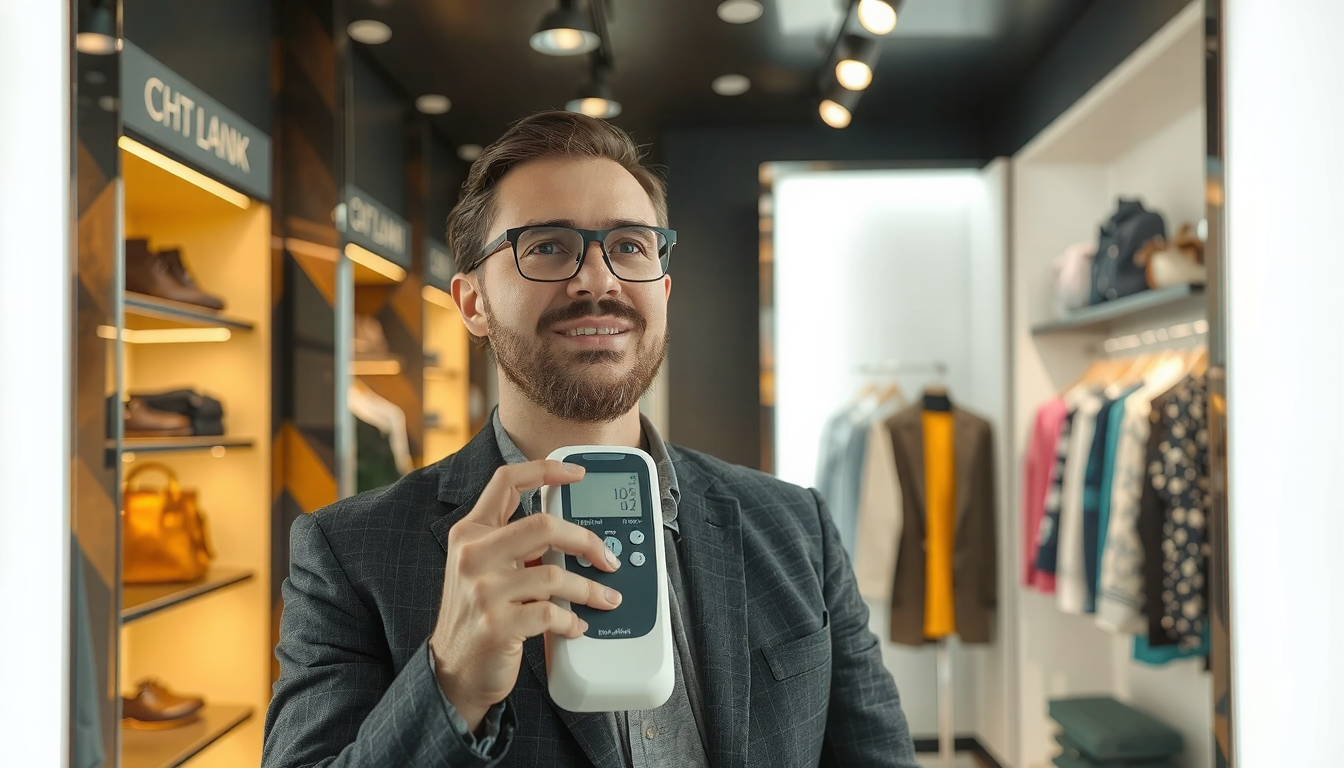
CRI is a scale of 0-100. It rates how realistic colors are that are illuminated by an artificial light source, compared to natural sunlight. For the retail sector, a CRI of 90 or above is the professional standard. Lower CRIs can make a product look pale, washed out, or completely different which leads to fewer satisfied customers and more returns in the special cases of fashion and cosmetics.Brightness (Lux/Footcandles)
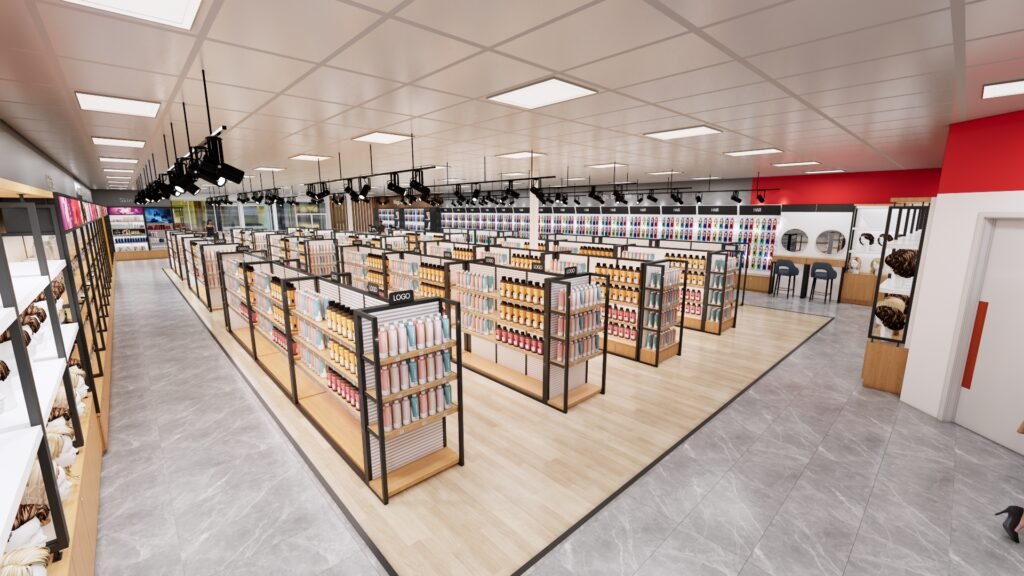
This gauge represents how strong the light is on the surface. Normal walking areas might only need 300 lux for good movement. But, product displays need 750-1000 lux or more to stand out and catch attention. The ceiling design and fixture placement play a vital role in achieving these levels without causing glare. This topic is further treated in this guide on Retail design ceiling – Photometrics & practice.
Advanced Tips and Common Mistakes to Avoid
Advanced retail lighting, which employs light as a tool to actively guide customers, goes beyond the basics and involves the testing of your setup. The common mistakes include creating glare, using inconsistent lighting, and overlooking crucial areas like dressing rooms.
Advanced Tip: Direct the Light Where You Want the Customers to Look
Utilize your accent lights as a quiet guide tool. An eye-catching array of light at the end of the store will surely draw clients to pass through the whole space. Thus, they will have the opportunity to get acquainted with many other products. The idea of guiding a journey through light from one marketing main point to another is one of the most impactful and budget-friendly retail lighting tips you can use.
Common Mistake: Not Paying Attention to the Dressing Room
The dressing room is the place where the purchase decision is usually made. Poor lighting can make a big difference in the customer buying behavior. Avoid using one overhead downlight that leads to bad shadows. Instead, incorporate high-CRI (90+) task lighting. Use vertical fixtures at both sides of the mirror. This will provide even, flattering light that will make the customers feel confident in their choices.
Common Mistake: Creating Visual Chaos
Utilizing too many different fixture types, clashing beam angles, or inconsistent color temperatures can make a retail space feel messy and unprofessional. Stick to a unified plan that matches your brand identity. From our 180,000 sq. ft. manufacturing facility, we ensure that lighting built into our custom fixtures is consistent and high-quality. This prevents the visual chaos that hurts a premium retail experience.
Common Questions About Retail Lighting Design
What are the four types of retail lighting?
The four main types are ambient lighting for overall mood, task lighting for areas such as checkouts, accent lighting to highlight specific products, and decorative lighting to express brand identity. An effective design harmonizes all four types to generate a dynamic space.
零售店的最佳色温是多少?
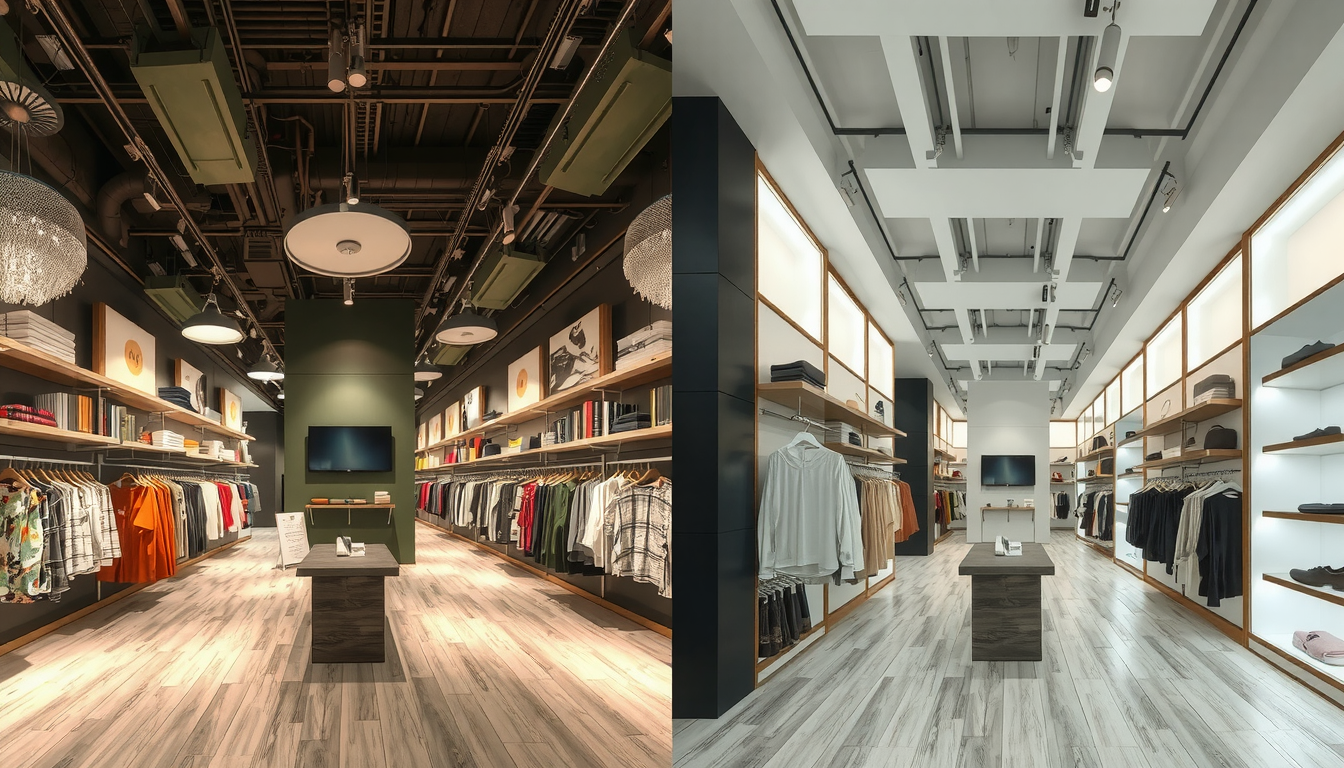
大多数零售店采用介于3000K到4000K之间的中性白光。奢侈品牌可能偏好更温暖的色调(约3000K)以营造独特的氛围,而高能环境则可能使用较冷的色调(约4000K)以营造干净、现代的外观,促进警觉性。
How do I light a dressing room well?
Utilize high-CRI (90+) lighting to ensure the true colors of the clothes are seen as they should be. It is a standard practice to fix vertical lights on both sides of the mirror at face level which creates soft and flattering light while avoiding harsh down shadows that can detract from a buyer’s decision.
照明如何直接影响零售销售?
Smart lighting increases sales by enhancing product visibility. It makes the space inviting for the customers to browse. It points out high-profit products. It might even lift the value of goods and make or break the purchase in the dressing room.
我需要专业人士来设计我的零售照明吗?
While basic principles can be self-applied, a professional ensures technical aspects like lux levels, beam angles, and fixture integration are optimized for maximum impact. For a comprehensive project, partnering with a design and manufacturing expert ensures a unified and effective result from start to finish.

 Chinese
 English
 German
 Arabic
 French
 Spanish
 Italian
 Russian
 Turkish
 Portuguese
 Japanese