
理解咖啡店商业环境
考虑如何开一家咖啡店吗?第一步是理解商业环境。中国的咖啡行业一直在稳步增长,消费者对优质和独特咖啡体验的需求推动了这一增长。特色咖啡、可持续性和便利性是推动这一增长的关键趋势。有关收入预期和预算,请参见 咖啡店的收入 以及 咖啡店启动成本的详细分解.
您可以考虑不同类型的咖啡店:
- 独立咖啡店 – 本地独特的场所,提供个性化的菜单和氛围。从这些 咖啡店创意.
- 获取概念灵感 连锁店.
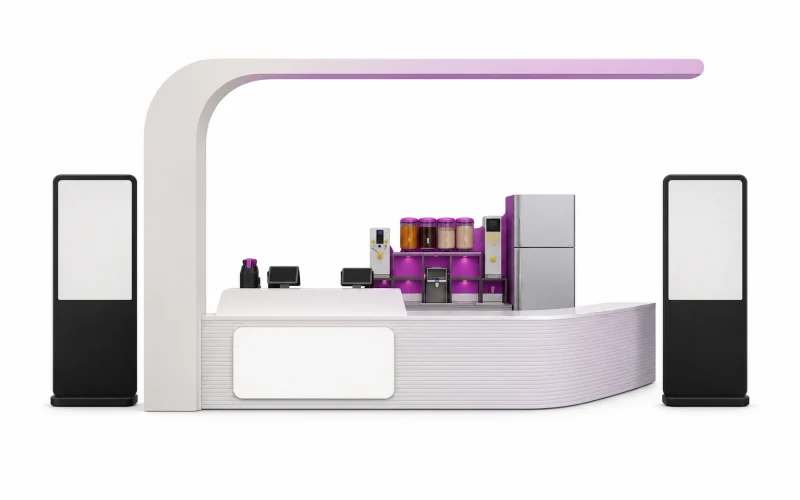
- – 拥有成熟系统和市场营销覆盖的大品牌。 自助亭或推车 – 在购物中心、办公室或活动中设立的小型服务点,针对快速服务。与 咖啡推车业务 和移动选项如.
- 咖啡车收入 特色咖啡馆 – 专注于高质量的咖啡豆、冲泡方法和教育。探索 适合特色概念。
创建一个稳固的商业计划
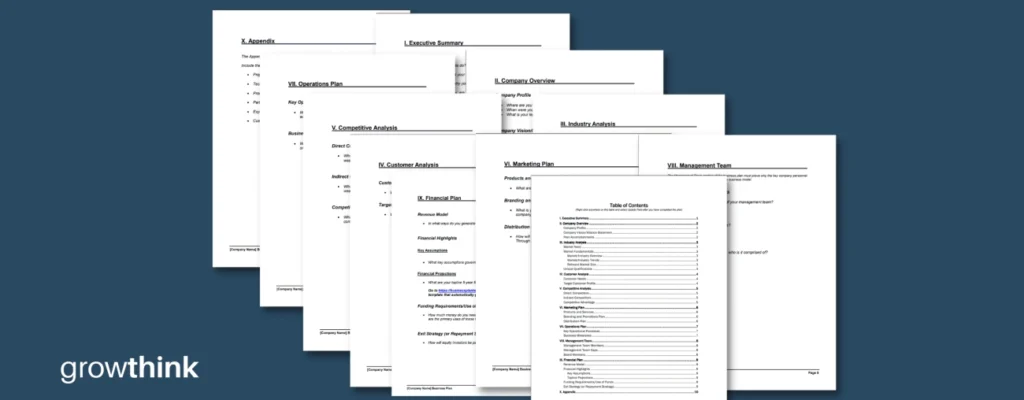
商业计划的组成部分和资金
一个扎实的 咖啡店商业计划 是通往成功的路线图,对于获得资金至关重要。贷款人和投资者希望看到你在投入资金之前已经考虑了每一个细节。这也有助于你在前进过程中保持专注和有条理。
需要包含的关键组成部分:
- 执行摘要 :对你的概念、目标以及你的咖啡店独特之处的快速概述。可以从这些 咖啡店名称创意.
- 中获取命名灵感。 概念描述:
- 描述你计划开设的咖啡店类型(独立、特色咖啡馆、售货亭等)以及你的目标市场。 市场分析: 咖啡店创意.
- 研究当地的咖啡市场、客户偏好和趋势,以证明有需求。查看实用的概念角度 竞争分析:
- 识别你的主要竞争对手,并解释你将如何脱颖而出。 财务预测和预算: 咖啡店设备清单 概述你的启动成本、预期的每月开支和销售预测。这有助于你规划盈利能力,并向贷款人展示你理解数字。与 和完整的.
成本指南.
法律和行政步骤
在开设咖啡店之前,您需要处理一些法律和行政事务。首先,注册您的企业并决定合适的结构。大多数咖啡店选择有限责任公司(LLC)以获得责任保护,但根据您的情况,个体经营和合伙企业也很常见。
接下来,确保您获得所有必要的许可证和执照。这通常包括:
- 食品安全的卫生部门许可证
- 员工的食品处理证书
- 如果您计划提供啤酒或葡萄酒,则需要酒类许可证
请与当地政府核实还有哪些其他要求。有关完整的清单,请查看 开设咖啡店所需的许可证.
此外,了解当地的分区法律。您的咖啡店位置需要遵守这些规则,以避免罚款或强制关闭。这意味着确认您选择的地点被划分为食品服务区,并且任何标识或户外座位符合规定。
尽早处理这些法律步骤可以保护您的业务并保持顺利运营。
为您的咖啡店筹集资金
开设咖啡店涉及一些您需要计划的前期费用:
Startup Costs Breakdown
| Expense Category | What It Covers |
|---|---|
| Equipment | Espresso machines, grinders, fridges — see equipment checklist |
| Lease & Rent | Securing your space; tips in finding a coffee shop for rent |
| Staff | Hiring and initial salaries |
| Inventory | Coffee beans, milk, pastries |
| Fixtures | Counters, shelves, seating; decor ideas in coffee shop decor ideas |
| Permits & Licenses | Health permits, business licenses — see license guide |
When figuring out how much it costs to open a coffee shop, expect these main expenses to make up your budget. Use this full guide on coffee shop costs for estimates.
Funding Options
- Personal Savings: Using your own money avoids debt.
- Bank Loans: Traditional loans offer larger amounts but require good credit.
- Investors: Bring in partners who can fund part of your startup in exchange for equity.
- Crowdfunding: Raise small amounts from many people online, great for building community interest.
Managing Cash Flow Early On
- Track every expense and income daily.
- Build a cushion for unexpected costs.
- Prioritize spending on essentials first (equipment and inventory).
- Negotiate lease terms and supplier payments when possible.
- Use a reliable coffee shop POS system to keep sales and inventory data clear.
Planning your funding carefully lets you focus on creating a solid coffee shop business without constant money stress. If capital is tight, explore tactics in how to open a coffee shop with no money.
Choosing the Right Location for Your Coffee Shop
Picking the right spot is key when opening a coffee shop. Location drives foot traffic, makes your store easy to access, and impacts how you stack up against competitors nearby. You want a place where your target customers naturally hang out, whether that’s busy downtown streets, near offices, or in a friendly neighborhood. See detailed scouting tips in how to find the perfect space.
Why Location Matters
- Foot traffic: More people passing by increases chances of sales.
- 可达性: Easy parking, public transit, and visibility attract more customers.
- Competition: Being near rival coffee shops isn’t always bad – it can create a coffee destination, but too much competition could hurt you.
Analyzing Demographics and Neighborhood Fit
Look closely at the local community:
- Age groups and lifestyles (students, professionals, families)
- Income levels (this helps set pricing)
- Local culture and preferences (do people prefer quick service, specialty coffee, or grab-and-go options?)
Choosing a neighborhood that matches your coffee shop’s vibe and menu is crucial for success.
Leasing Considerations and Negotiation Tips
- Check lease terms carefully: length, rent increases, and what’s included (utilities, maintenance).
- Negotiate for tenant improvements if the space needs renovations like plumbing or electrical upgrades for espresso machines.
- Aim for a lease that gives flexibility as you grow—look for options to renew or expand.
- Understand restrictions like signage rules or hours you can operate.
Careful location selection lays a strong foundation to build your coffee shop’s brand and customer base right in your community.
Designing Your Coffee Shop The Importance of Layout and Display Fixtures
Coffee Shop Layout and Display Fixtures
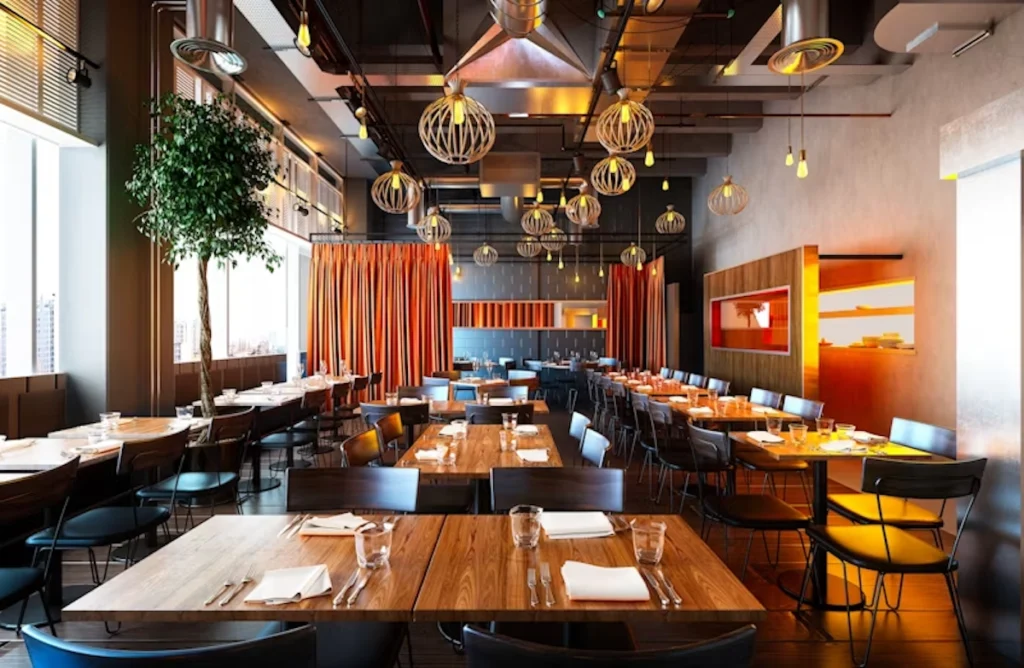
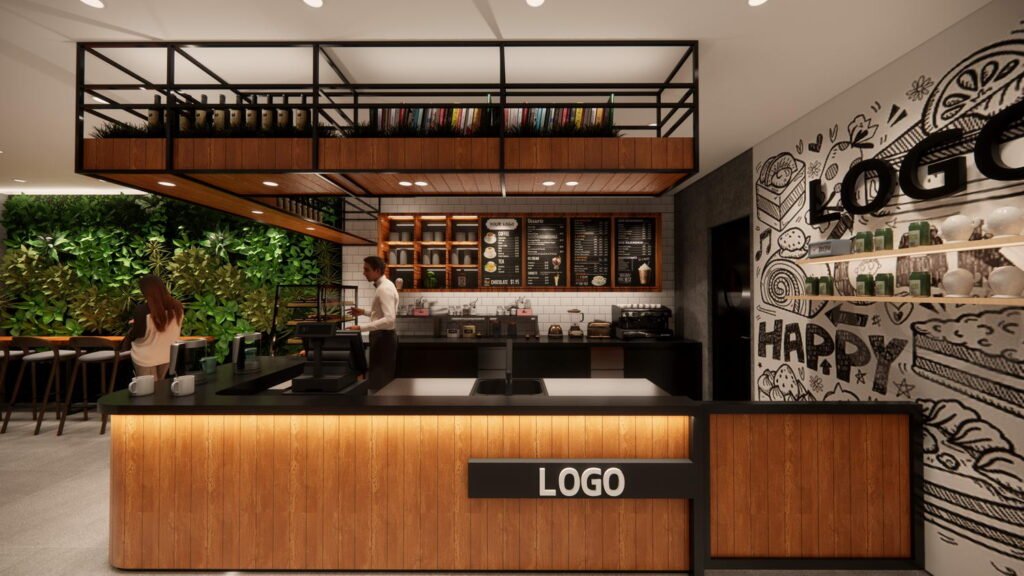
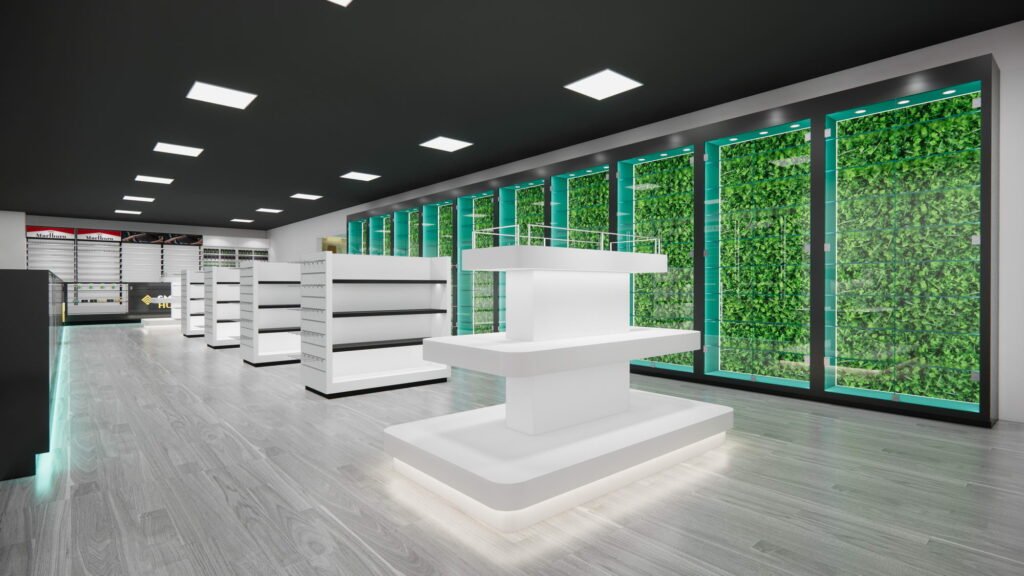
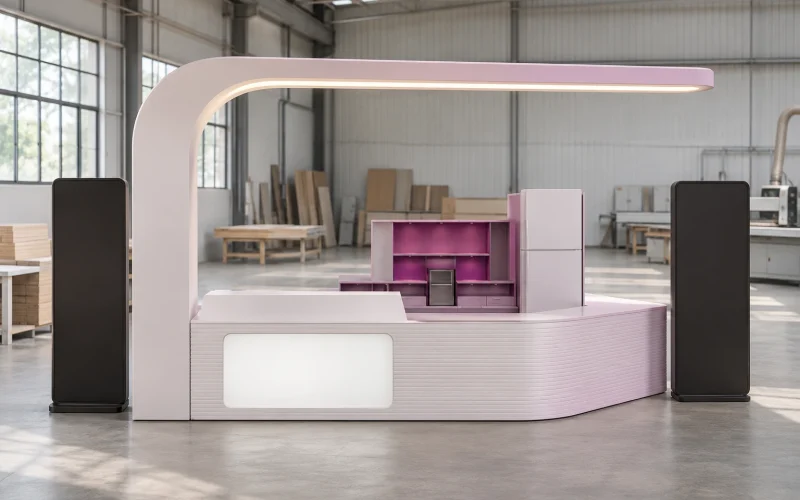
A well-thought-out coffee shop layout is key to smooth customer flow and creating a welcoming atmosphere. The right design guides customers naturally from the entrance to the counter, seating areas, and pickup spots without confusion. Comfortable seating combined with ambient lighting and décor sets the tone, making people want to stay longer and come back. For visual direction, browse these coffee shop interior design ideas and practical decor ideas.
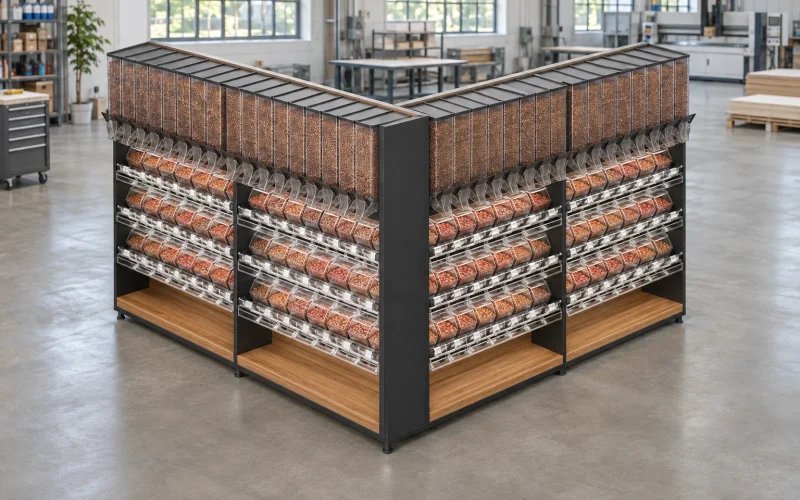
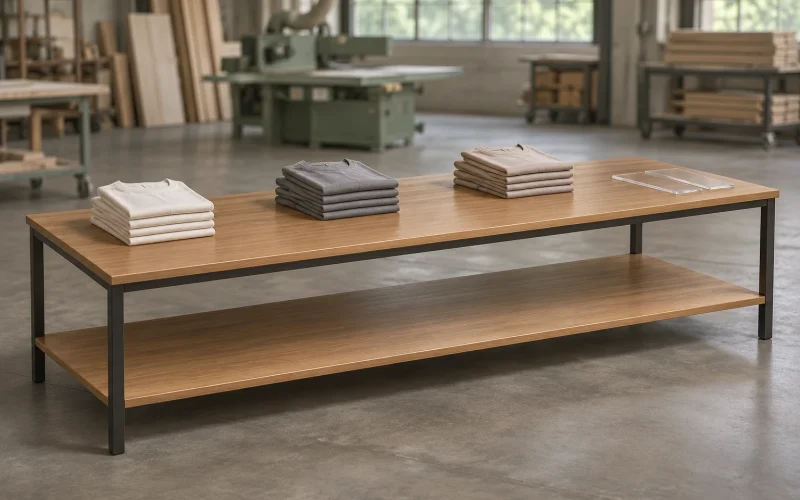
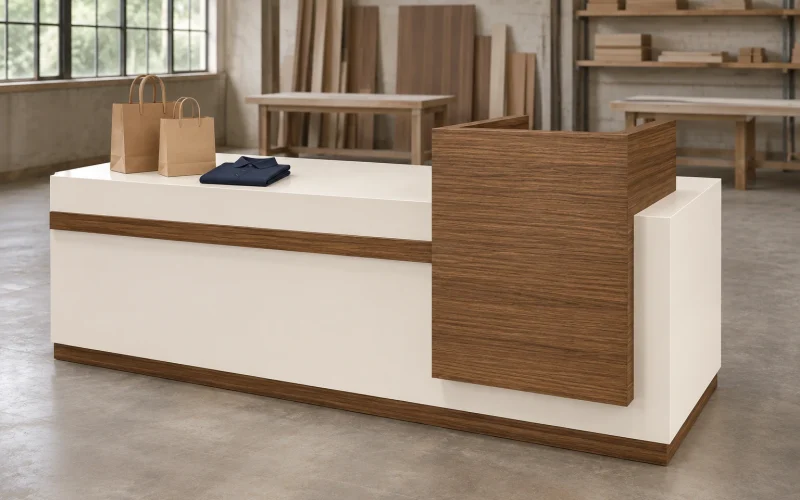
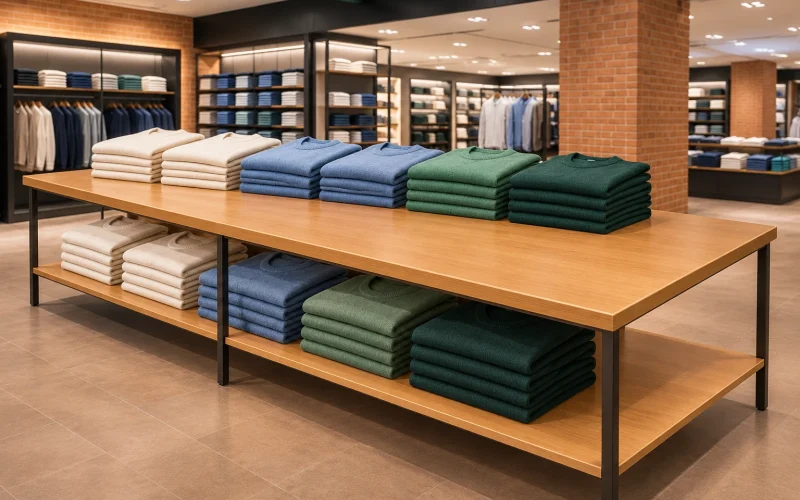
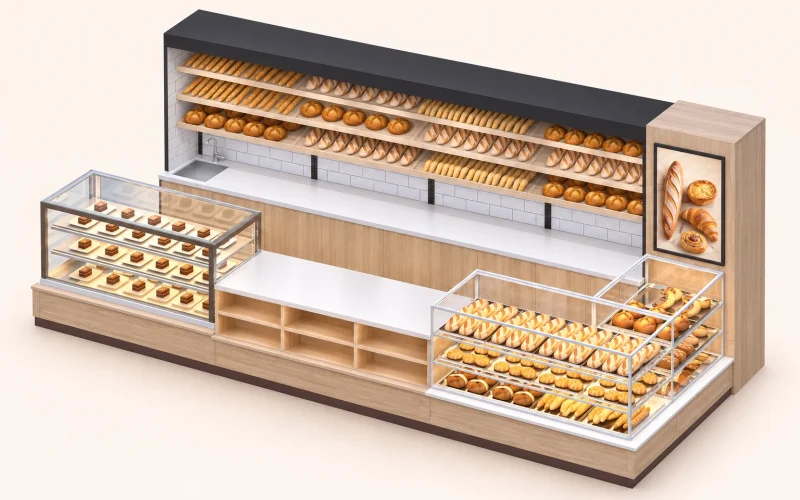
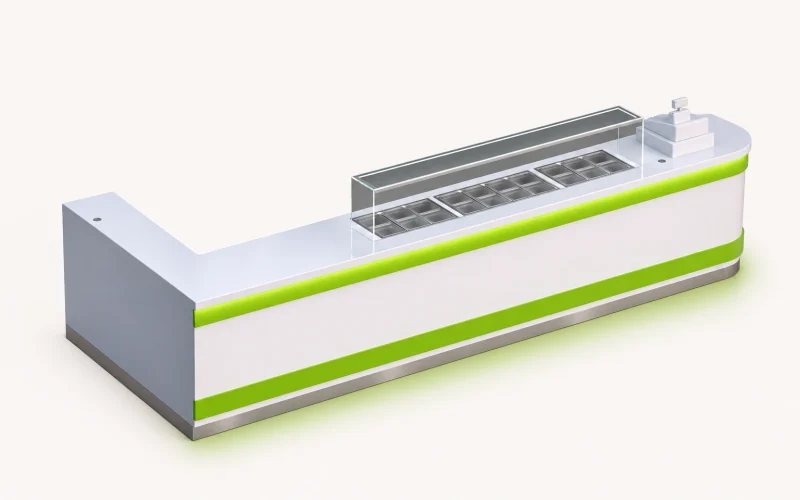
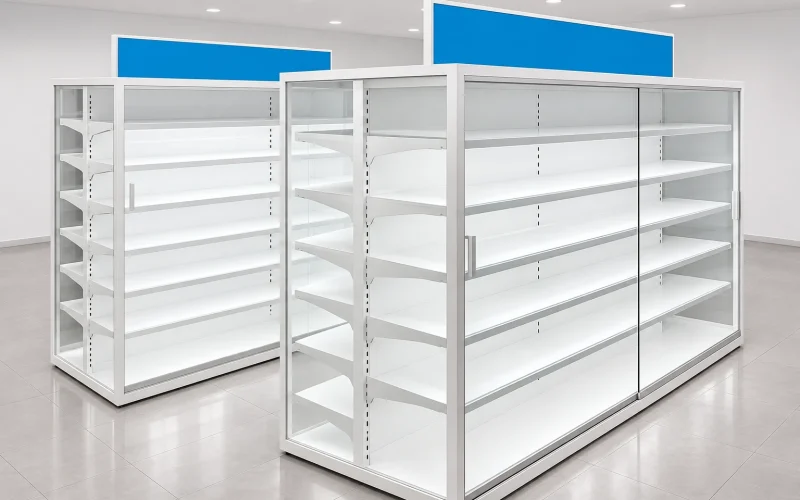
Display fixtures play a big role in this experience. Good retail display fixtures help showcase your products clearly and attractively, encouraging more purchases. Properly arranged counters, shelves, and menu boards make it easy for customers to see options and decide quickly. Condiment stations that are neat and accessible enhance convenience and satisfaction.
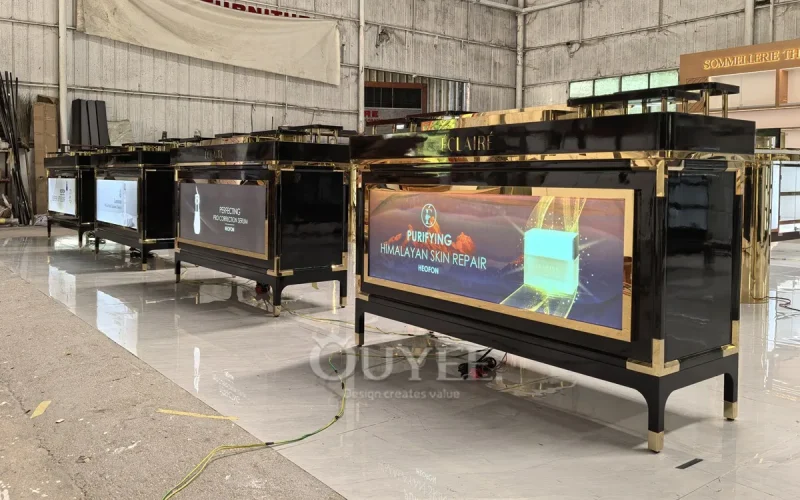
Ouyee Display specializes in custom display solutions that fit coffee shops perfectly. Their fixtures maximize your space while showing off your products elegantly and efficiently, whether it’s specialty coffee beans, pastries, or merch. Investing in quality display fixtures is a smart move that improves both function and style.
Here are essential fixtures every coffee shop should consider:
- Counters for ordering and pickup areas
- Shelves to display products like coffee bags and mugs
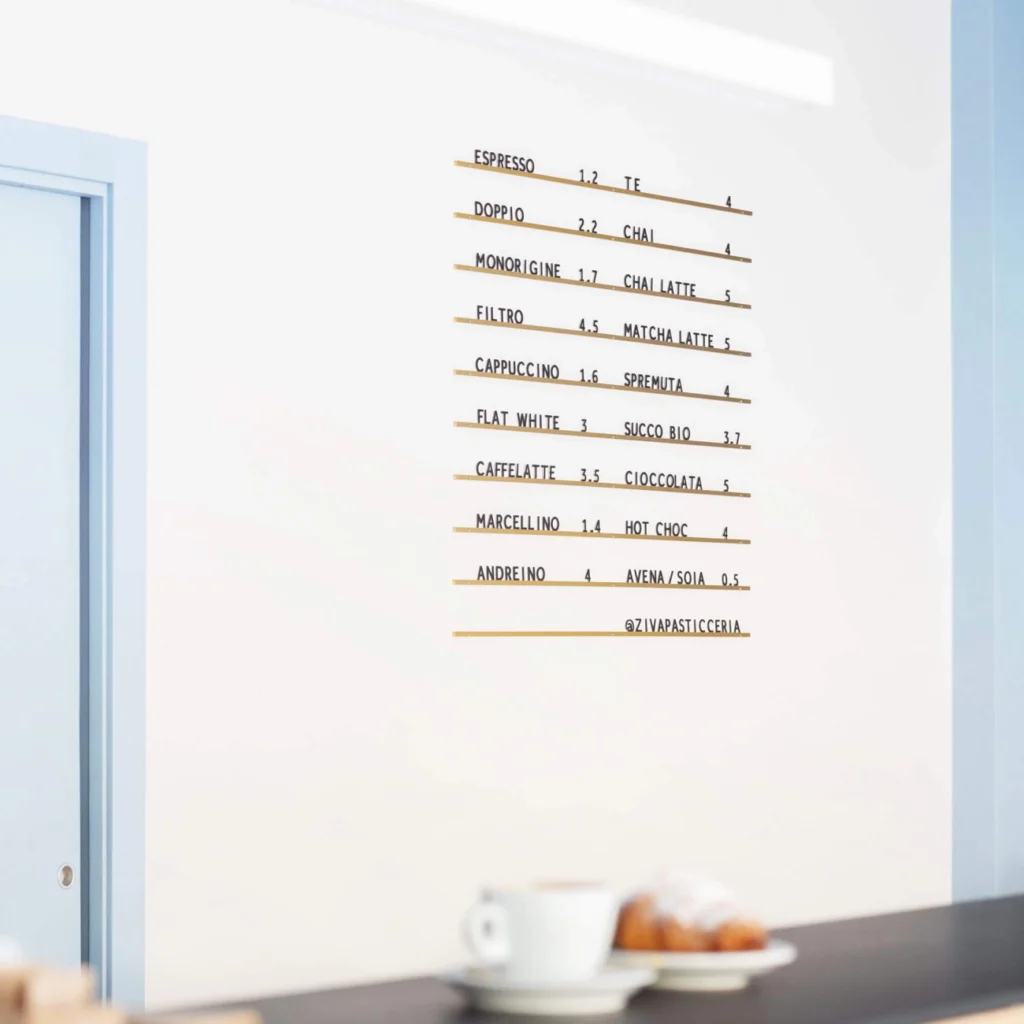
- Menu boards clear and easy to read
- Condiment stations stocked with sugars, stirrers, and napkins
- Seating arrangements that balance comfort and capacity
Sourcing Equipment and Supplies
Coffee Shop Equipment Buying Tips
Getting the right equipment is key when opening a coffee shop. Here’s a quick list of essentials you’ll need:
- Espresso machines – Commercial-grade for consistency
- Grinders – Fresh grind is critical for quality coffee
- Refrigerators – For milk, pastries, and other perishables
- Seating – Comfortable chairs and tables suited to your space
- Other essentials – Drip coffee makers, blenders, dishwashers, and storage units
Buying New vs Used Equipment
New equipment
- Comes with warranties
- Latest technology and energy-efficient models
- Higher upfront cost
Used equipment
- More affordable initially
- May require maintenance sooner
- Ensure it’s in good working order before buying
Compare line items with the full equipment checklist to avoid gaps. Importance of Quality and Maintenance
Hiring and Training Your Team
Getting the right team is crucial to running a smooth coffee shop. Start by figuring out your staffing needs—typically, you’ll want skilled baristas, reliable cleaners, and at least one manager to keep things organized.
Recruiting Baristas and Staff
- Look for baristas with a passion for coffee and customer service.
- Check local job boards, barista training schools, or coffee forums to find talent.
- Consider hiring some entry-level workers and training them yourself if skilled baristas are scarce.
Key Training Areas
- Customer Service: Friendly, quick, and helpful service keeps customers coming back.
- Product Knowledge: Make sure your team knows your coffee menu well, including brewing methods and ingredients. It helps them recommend drinks confidently. Use menu guidance from coffee shop menu design ideas.
- Hygiene and Safety: Enforce regular hand washing, equipment cleaning, and food handling standards to meet health department requirements.
Training a strong team upfront saves headaches later and ensures your coffee shop runs efficiently every day. For daily leadership and SOPs, see how to run a coffee shop.
Crafting Your Coffee Menu
A great coffee menu strikes the right balance between variety and simplicity. Offer classic favorites like espresso, cappuccino, and drip coffee, but also mix in specialty drinks to set your shop apart. Pricing should reflect your target market—competitive but profitable.
Don’t forget complementary items. Pastries, sandwiches, and snacks not only boost sales but keep customers coming back. Fresh, local baked goods can add a unique touch. Check margin winners in most profitable coffee shop foods.
Stay on top of trends like cold brew, nitro coffee, and plant-based milk options to attract a broader crowd. Sustainability matters too—consider sourcing ethically roasted beans and offering eco-friendly packaging to appeal to environmentally conscious customers. For layout and printed menus, reference menu design ideas.
Marketing Your Coffee Shop Locally
Local Coffee Shop Marketing Strategies
To get your coffee shop noticed in your community, focus on building a strong local brand presence. Start with clear, eye-catching signage that reflects your shop’s personality. Partner with nearby businesses or local events to create buzz and engage with your community directly.
Online marketing is just as important. Make sure you have a simple, easy-to-navigate website that shows your menu, hours, and location. Use social media platforms like Instagram and Facebook to share daily updates, promote special drinks, and connect with customers. Don’t forget to claim and optimize your Google My Business listing—this helps people find you when they search for coffee nearby.
Hosting events and promotions can bring customers back regularly. Think about coffee tastings, happy hours, live music, or loyalty programs. These activities encourage repeat visits and make your shop a community spot, not just a place to grab coffee. For brand voice and visuals, see how to brand a coffee shop; for social content hooks, try these coffee quotes & captions.
Managing Daily Operations and Financial Tracking
Point of Sale (POS) Systems and Inventory Management
- Use a reliable POS system to speed up orders, manage payments, and track sales in real time.
- Integrate inventory management to monitor stock levels of coffee beans, cups, pastries, and other supplies. This helps avoid running out or overbuying.
Tracking Sales, Expenses, and Customer Feedback
- Regularly review your sales reports to see what’s popular and adjust your menu or promotions accordingly.
- Keep an eye on expenses, including labor, rent, and supplies, to maintain healthy profit margins.
- Collect customer feedback through surveys or comment cards to spot areas that need improvement.
Ongoing Staff Training and Customer Retention
- Train your team consistently on customer service, drink prep, and hygiene standards to ensure quality and consistency.
- Motivate staff with clear communication and incentives to boost morale and reduce turnover.
- Engage with customers through loyalty programs or social media to encourage repeat visits.
Staying organized in these areas keeps your coffee shop running efficiently and helps build a loyal customer base. Consider pilot expansions like a coffee pop-up or explore mobile concepts such as coffee truck ideas and the actual cost to start a coffee truck.
Scaling and Growing Your Coffee Shop
Knowing when to grow your coffee shop is key to long-term success. Expansion might mean opening a new location, adding new products like food or merchandise, or introducing services such as catering or delivery.
When to Consider Expansion
- Steady profits and positive cash flow
- Consistent customer demand and repeat business
- Strong team and management in place
- Market opportunities in nearby neighborhoods or online
Using Customer Feedback to Improve
Your customers are a great source of ideas. Pay attention to their reviews, surveys, and direct comments to:
- Add popular drinks or snacks
- Improve service speed or friendliness
- Adjust hours or layout for better comfort
Upgrading Fixtures and Displays
As your coffee shop grows, updating your fixtures and retail display is important to boost sales and enhance the customer experience. Consider:
- Installing sleek, space-saving counters and shelving to showcase products
- Upgrading menu boards to spotlight new items and specials
- Adding or refreshing condiment stations for convenience
- Investing in custom display solutions from providers like Ouyee Display to maximize space and brand style
Effective displays keep your shop fresh and inviting, encouraging customers to buy more and stay longer. For low-capital pathways while scaling, reference how to open a coffee shop with no money and mobile formats like coffee trucks.
Growing your coffee shop isn’t just about size—it’s about smart improvements that fit your brand and meet your customers’ needs.



 Chinese
 English
 German
 Arabic
 French
 Spanish
 Italian
 Russian
 Turkish
 Portuguese
 Japanese