
You look at your favorite ring. It has lost its sparkle. You wonder, can peroxide clean jewelry? It’s a common question. Many people have a bottle of hydrogen peroxide in their medicine cabinet. The short answer is yes, but it comes with major risks. Using this common household chemical without knowing the rules can cause lasting damage to your precious pieces. This guide will show you exactly how to determine if you can use hydrogen peroxide to clean jewelry safely.

核心要点
- Hydrogen peroxide can clean some durable jewelry like diamonds and platinum. But it can damage many others.
- Never use peroxide on soft or porous gems like pearls, opals, or turquoise.
- Avoid using peroxide on sterling silver, rose gold, white gold, and any plated jewelry. It can cause tarnish or strip the finish.
- If you choose to use it, always dilute the hydrogen peroxide with water. Limit the soak time to 10-15 minutes.
- The safest at-home cleaning method for almost all jewelry is a simple solution. Use warm water and mild dish soap.
The Quick Answer: Should You Use Peroxide?
So, should you really use hydrogen peroxide to clean your jewelry? The answer is yes, but with significant warnings. Peroxide is a great disinfectant. It can break down grime. But it is also a chemical that causes oxidation. This reaction can be very harmful to certain metals and gemstones.
Hydrogen peroxide can remove organic buildup. This includes oils from your skin, lotion, and bacteria. This is what makes it seem like a good cleaner. However, that same chemical reaction can ruin some of your most loved items.
Many professional jewelers will tell you to avoid it completely. The risk of making a mistake is high. If you use it on the wrong piece, you can cause damage that cannot be undone. Knowing what jewelry you can clean with peroxide and how to do it is the most important step.
The Science of Sparkle: How Peroxide Cleans (and Harms)
To understand the risk, you need to know how hydrogen peroxide works. It’s more than just a fizzy liquid. Its chemical properties are key to both its cleaning power and its danger.
The Cleaning Action: Oxidation at Work
Hydrogen peroxide has the chemical formula H₂O₂. It is an oxidizing agent. This means it easily releases an oxygen atom. When this happens, the oxygen atom breaks down the cell walls of bacteria and other organic materials.
This is the fizzing you see when you pour it on a cut. It is also what helps lift dirt and oils from a piece of jewelry. The bubbling action gets into small spaces. It loosens grime. This can make a durable item look much brighter.
The Dark Side: Why It’s Risky
The same oxidation that cleans can also cause harm. Many precious metals are not pure. For example, gold is often mixed with other metals called alloys. This makes it stronger. Peroxide can react with these alloys, like the copper in rose gold or sterling silver. This can cause the metal to discolor. It can even develop tiny pits on the surface.
For gemstones, the risk is also high. Porous stones can absorb the peroxide. This can dry them out and cause them to crack or lose their color. Some sources even state that Cleaning Jewelry With Hydrogen Peroxide can cause irreversible damage. It can also weaken any glue used in settings. This makes it more likely for a stone to fall out.
The Definitive “Safe vs. Unsafe” List for Peroxide

Before you even think about using hydrogen peroxide, you must know if your jewelry can handle it. This list is your guide. Check your item against this table to prevent costly mistakes.
Metals: What’s Safe and What Will Tarnish?
The type of metal is the first thing to check. Some metals are very reactive. Others are stable.
| Material Type | Peroxide Safety Level | Reason / Potential Risks |
|---|---|---|
| Platinum | Safe | Highly non-reactive and very durable. |
| Titanium | Safe | Extremely strong and resistant to chemical reactions. |
| Surgical Steel | Safe | Designed to be non-reactive with the body and chemicals. |
| Solid Yellow Gold (14k+) | Use with Caution | Brief soaks in a diluted mix are usually okay. Avoid long soaks. |
| White Gold | AVOID | Can strip the rhodium plating, revealing a dull, yellow color. |
| Rose Gold | AVOID | The high copper content will react and tarnish quickly. |
| Sterling Silver | AVOID | Will speed up tarnishing, turning the silver dark or black. |
| Plated/Vermeil | AVOID | The thin top layer of gold can be easily stripped off. |
Gemstones: The Hard Truth for Soft Stones
Gemstones vary widely in hardness and structure. Porous or treated stones are especially at risk.
| Gemstone Type | Peroxide Safety Level | Reason / Potential Risks |
|---|---|---|
| Diamond | Safe | The hardest mineral (10 on the Mohs scale), it resists chemical damage. |
| Ruby & Sapphire | Safe | Very hard and durable stones that can handle a quick, diluted soak. |
| Amethyst, Citrine, Quartz | Use with Caution | Generally durable, but avoid if the stone has been dyed or treated with heat. |
| Emerald | AVOID | Often has internal fractures filled with oil or resin. Peroxide will damage these fillers. |
| Pearl, Opal, Turquoise | AVOID | These are porous and/or organic. Peroxide will dry them out, causing cracks and dullness. |
| Coral, Amber, Ivory | AVOID | These organic materials are very soft and will be permanently damaged by peroxide. |
How to Safely Clean Jewelry with Peroxide
You have checked the table above. You are sure your jewelry is safe. Now you can proceed. Follow these steps carefully to minimize risk. This process is only for items marked “Safe” or “Use with Caution.” This includes a solid platinum and diamond ring.
Before You Begin: The Prep Work
First, gather all your supplies. Having everything ready makes the process smooth and safe.
- 3% Hydrogen Peroxide (the standard brown bottle)
- A small, non-metal bowl
- Warm water
- Mild dish soap (like blue Dawn, without harsh additives)
- A very soft-bristled toothbrush (a baby toothbrush is ideal)
- A soft, lint-free cloth (like a microfiber cloth)
The Cleaning Process (For Safe Items ONLY)
- Step 1: Create a Diluted Solution. Never use hydrogen peroxide straight from the bottle. In your bowl, mix one part 3% hydrogen peroxide with one part warm water. Add just two or three drops of mild dish soap to the mix.

Step 2: The Quick Soak. Place your jewelry into the solution. Set a timer for no more than 10 to 15 minutes. Soaking for too long is one of the biggest mistakes people make.
Step 3: Gentle Brushing. After the soak, remove the item. Use your soft toothbrush to gently scrub away any loosened dirt. Pay attention to the areas around stone settings. Focus on tiny crevices where grime collects.
Step 4: Thorough Rinse. Rinse the jewelry under a stream of warm water. A very important tip: put a stopper in your sink drain before you start rinsing. You do not want to see your precious ring go down the drain.
Step 5: Dry Completely. Use your soft, lint-free cloth to pat the jewelry dry. Make sure it is completely dry before you wear it or put it away. Trapped moisture can cause skin irritation or other issues. Many experts agree that This 50/50 solution is often recommended for cleaning a diamond ring when done carefully.
Beyond the Bottle: Professional Jewelry Care
At-home cleaning helps with daily sparkle. But it cannot replace professional care. For valuable or sentimental pieces, a jeweler offers the safest and most effective services. Knowing when to see a pro is just as important as knowing how to clean at home.
What Do Jewelers Use?
Jewelers do not use hydrogen peroxide. They use special equipment that is much more powerful and safer for your jewelry. Ultrasonic cleaners use high-frequency sound waves to create tiny bubbles. These bubbles gently scrub away dirt from every angle. They also use high-pressure steam cleaners. These blast away grime with hot vapor. This leaves pieces sparkling and sanitized.
The Importance of Professional Inspection
A visit to the jeweler is for more than just cleaning. It is a chance for an expert to inspect your jewelry. They will check for loose prongs, worn-out clasps, and other signs of damage. This could lead to a lost stone or a broken chain. This kind of preventative care is priceless.
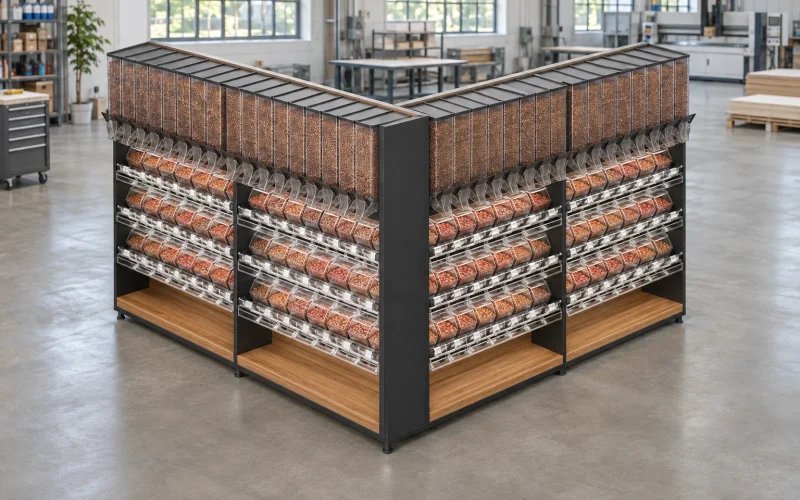
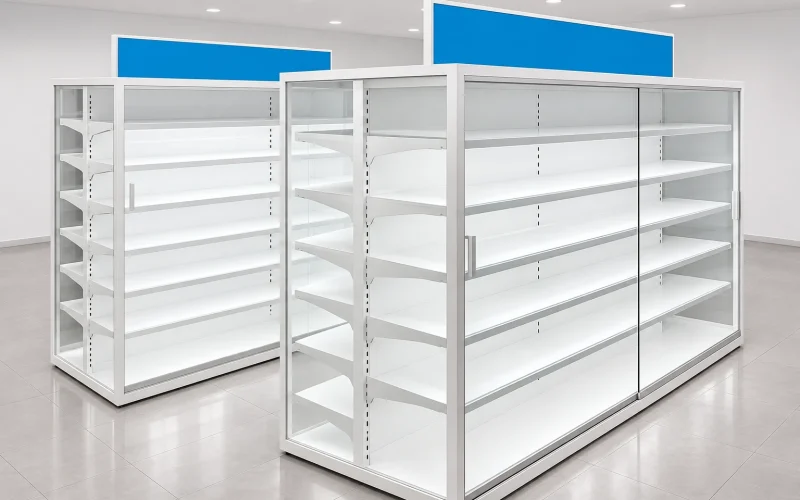
Proper care also includes how jewelry is stored and displayed. A well-made does more than just prevent theft. It protects pieces from dust, humidity, and direct sunlight. Leading firms design displays that consider the long-term health of the jewelry.
When to See a Professional
You should take your jewelry to a professional in several situations. Understanding when to get expert help is key. This preserves your collection for years to come.
- For any valuable heirlooms or engagement rings.
- For any jewelry on the “AVOID” list in our table.
- For a deep cleaning once or twice a year.
- If you notice any damage, like a loose stone or bent prong.

A beautiful is not just about looks. It is built on the idea of preserving the beauty of each piece. This same principle should apply to how you care for your jewelry at home.
Safer & Better Alternatives to Peroxide
Are you worried about the risks of using hydrogen peroxide? Don’t be. There are many safer and often more effective ways to make your jewelry shine. Exploring these alternatives is a smart choice for any jewelry owner.
The Gold Standard: Mild Soap and Warm Water
This is the safest method for almost every type of jewelry. Simply fill a bowl with warm water and a few drops of mild dish soap. Let your jewelry soak for about 20 minutes. Then gently scrub with a soft toothbrush and rinse. It is simple, cheap, and effective.
Commercial Jewelry Cleaners
You can buy cleaning solutions made specifically for jewelry. These are formulated to be safe for certain metals and gemstones. Always read the label to make sure the cleaner is right for your specific piece. There are different formulas for gold, silver, and delicate gems.
Ultrasonic Cleaners (for Home Use)
For those who want a deeper clean at home, a personal ultrasonic cleaner can be a good investment. They work like the professional models but are smaller. They are excellent for hard, durable items like diamond rings. However, you should avoid using them for the same porous or treated stones that are unsafe for peroxide.
Polishing Cloths
A simple polishing cloth can work wonders. A basic microfiber cloth is great for buffing away fingerprints and light smudges. For tarnish on silver or solid gold, you can use a special jeweler’s cloth. This two-part cloth has one side treated with a fine abrasive to remove tarnish. The other side polishes to a high shine.
The Final Polish: Key Takeaways
So, can you clean jewelry with peroxide? We have learned that while it is possible for some pieces, the risks are often not worth the reward. Your beautiful jewelry deserves the best care to ensure it lasts a lifetime.
- Hydrogen peroxide can work for some jewelry, but it carries major risks for many types of metals and gems.
- ALWAYS check the “Safe vs. Unsafe” list before you even consider this method.
- NEVER use peroxide on pearls, opals, sterling silver, or any plated jewelry.
- When in doubt, the safest method is always mild dish soap and warm water.
- For your most treasured pieces, professional cleaning is the best investment. Companies that specialize in presenting fine jewelry, such as , understand that proper care is essential. It preserves both value and beauty.
Frequently Asked Questions (FAQ)
Can I use hydrogen peroxide and baking soda to clean jewelry?
这是一个在网上流行的DIY配方,但我们强烈建议不要这样做。小苏打是一种磨料材料。它很容易在较软的金属如黄金上留下细微划痕,并可能损坏镀层珠宝的薄层。虽然过氧化氢可能具有消毒作用,但小苏打对您珠宝的表面造成的伤害可能大于好处。
How long can you leave jewelry in hydrogen peroxide?
对于被认为安全的过氧化氢珠宝,绝对的最大浸泡时间应为10到15分钟,使用稀释的50/50溶液。将珠宝在溶液中浸泡更长时间,尤其是过夜,会大大增加对金属合金、镀层和某些镶嵌中使用的粘合剂造成损坏的风险。
Can you use peroxide to clean white gold?
不,绝对不应该使用过氧化氢来清洁白金。大多数白金首饰表面镀有一层薄薄的铑,以赋予其明亮的银白色光泽。过氧化氢是一种强烈的化学物质,会剥离这层铑镀层。这将暴露出下面略微发黄的黄金,使您的首饰看起来暗淡无光且变色。
Does hydrogen peroxide disinfect earrings?
Yes, 3% hydrogen peroxide is an effective disinfectant. It can kill bacteria on earring posts, especially if they are made from surgical steel, titanium, platinum, or solid gold. However, you must be careful if the earring has any delicate gemstones attached. For just disinfecting the post, a quick wipe with rubbing alcohol is often a safer and faster choice.
What is the absolute safest way to clean a dirty engagement ring at home?
The safest, most effective, and universally recommended method is simple soap and water. According to jewelry experts, The best and easiest way to clean all types of metal is actually with soap and water. Soak the ring in a bowl of warm water with a few drops of mild dish soap for 20-30 minutes. Then, gently scrub with a very soft toothbrush. Rinse thoroughly with warm water and pat dry with a lint-free cloth. This method is safe for diamonds, most gemstones, and all precious metals.












 Chinese
 English
 German
 Arabic
 French
 Spanish
 Italian
 Russian
 Turkish
 Portuguese
 Japanese